

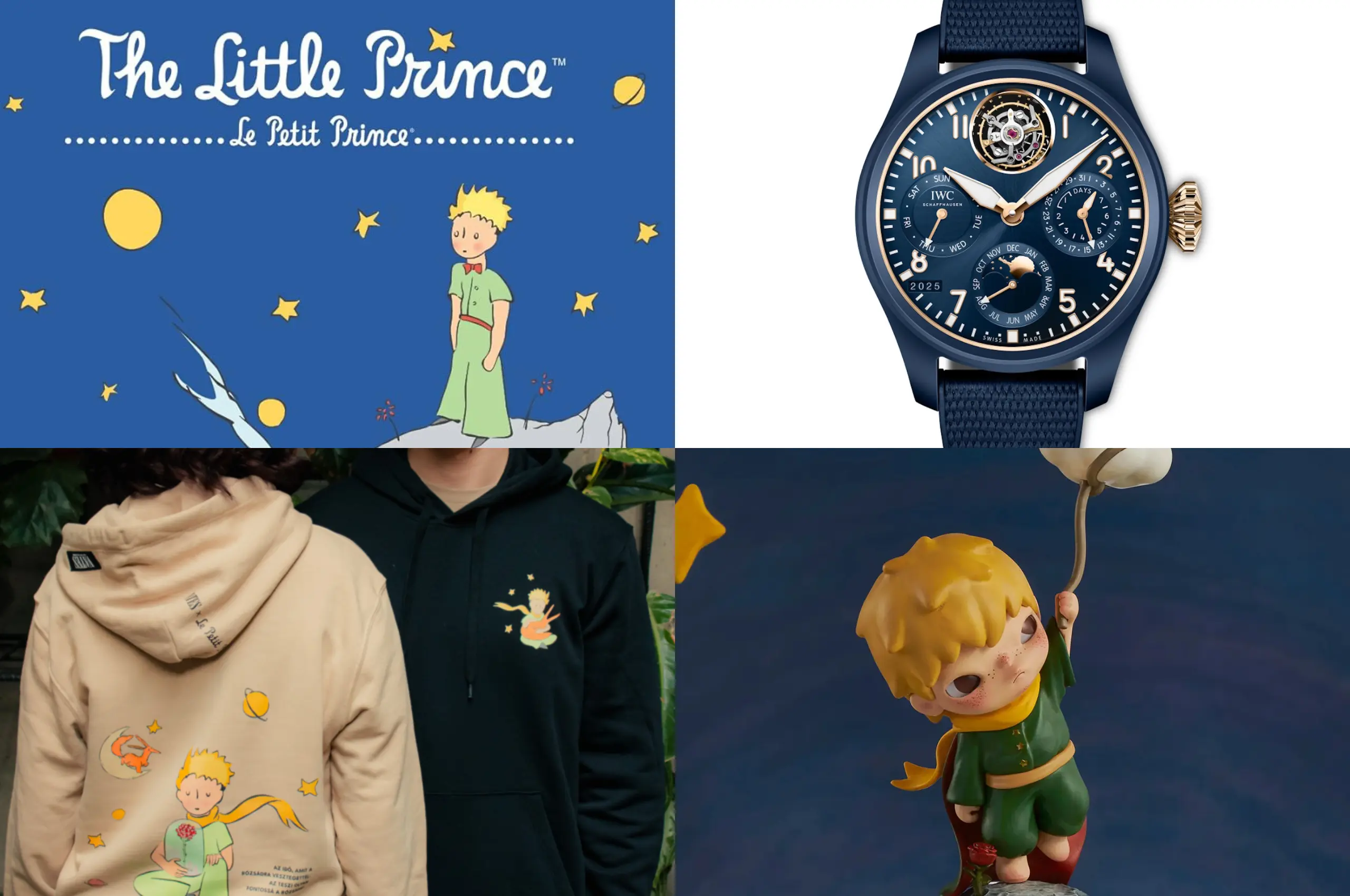
The Little Prince was never meant to be a success story. Its author, the French aviator Antoine de Saint-Exupéry, only wrote the children’s book “to pay the bills” during a stint in the United States, according to his great-nephew Olivier d’Agay. The book, while charming, only saw modest sales during its first release, partly due to the fact that critics were unsure how to approach its profound take on childhood and adulthood. Saint-Exipéry didn’t even get the chance to see his book’s rise to global stardom: in 1944, only a year after The Little Prince was published, the aviator conducted a reconnaissance mission over France and was never seen again.
On its surface, The Little Prince seems like a simple work of fiction, meant to lull tired children to sleep. It follows an unnamed pilot who has crashed his plane into a desert. While there, he meets a small boy who asks him for a drawing of a sheep. The two become close friends, with the boy revealing that he lives on an asteroid-sized planet close to Earth. He tells the pilot about his adventures, which include falling in love with a rose, meeting several adults lost in their own respective existential crises, and a fox that asks to be tamed.
More than 80 years later, The Little Prince has been translated 600 times and has sold more than 200 million copies worldwide. As one of the best-selling books in publishing history, it acts as an informal guide on how to best tackle an ever-changing, unforgiving world. “It is only with the heart that one can see clearly,” the fox says to remind the little prince (and us) about the importance of intangible qualities like love. “What is essential is invisible to the eye.” Readers have returned to The Little Prince again and again, not because it was ever part of a required global syllabus, but because it speaks to something deeply human.
A Princely Brand
Perhaps it’s because the story has woven itself into the fabric of our shared imagination that countless artworks and brands have found inspiration in The Little Prince. This beloved character has sparked creativity across the globe: from songs like Regina Spektor’s “Baobabs,” which nods to the baobab seeds that grow on the prince’s tiny planet, to the silver screen with the 2015 animated film adaptation, which featured the voices of Jeff Bridges, Rachel McAdams, and Marion Cotillard. The book has even inspired a theme park, Le Parc du Petit Prince, nestled in the scenic countryside of eastern France.
Product-wise, The Little Prince has inspired more than 10,000 products available worldwide, making its way into games, toys, stationery, and more. Fashion brand Vates released a limited-edition collection of clothing and accessories adorned with patterns inspired by the story. The book’s charm has also found its way into the world of collectibles, with popular toy company Pop Mart launching a series of figures based on the beloved characters, including the Little Prince himself and the fox. Meanwhile, international brands like Moleskine and Montblanc have licensed the story’s iconic illustrations to create special collections of journals and fountain pens that celebrate the book’s timeless art.
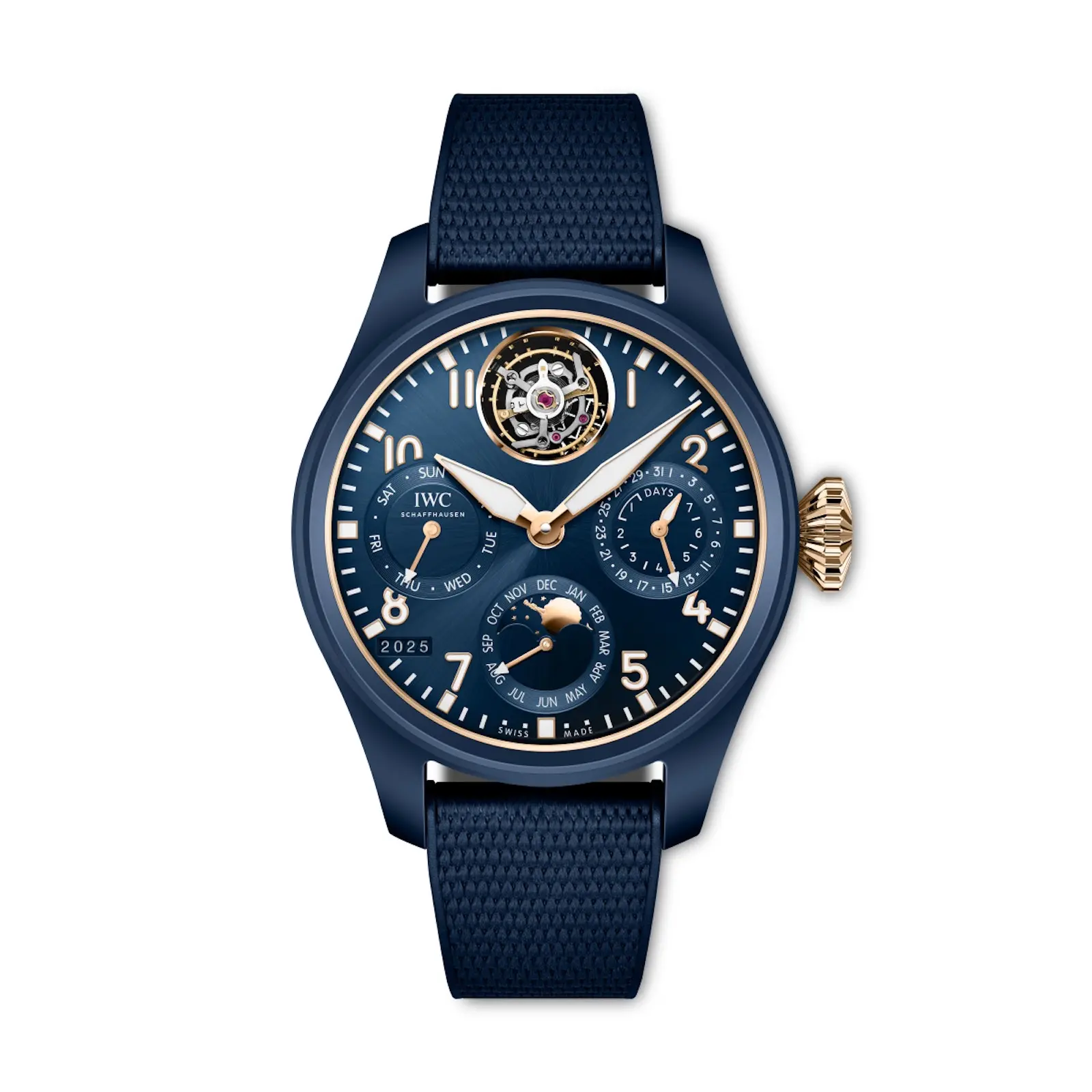
More recently, luxury watchmaker IWC Schaffhausen introduced two new timepieces inspired by The Little Prince: the Big Pilot’s Watch Perpetual Calendar Tourbillon Le Petit Prince and the Big Pilot’s Watch 43 Tourbillon Le Petit Prince. Both models feature sapphire crystal case backs revealing oscillating masses shaped like the Little Prince standing on his asteroid.
Decades after its publication, Saint-Exupéry’s tale continues to resonate because it reminds us — gently, and without pretense — what it means to see the world with wonder, to love sincerely, and to never fully outgrow the questions we once asked as children.
Recommended Video