

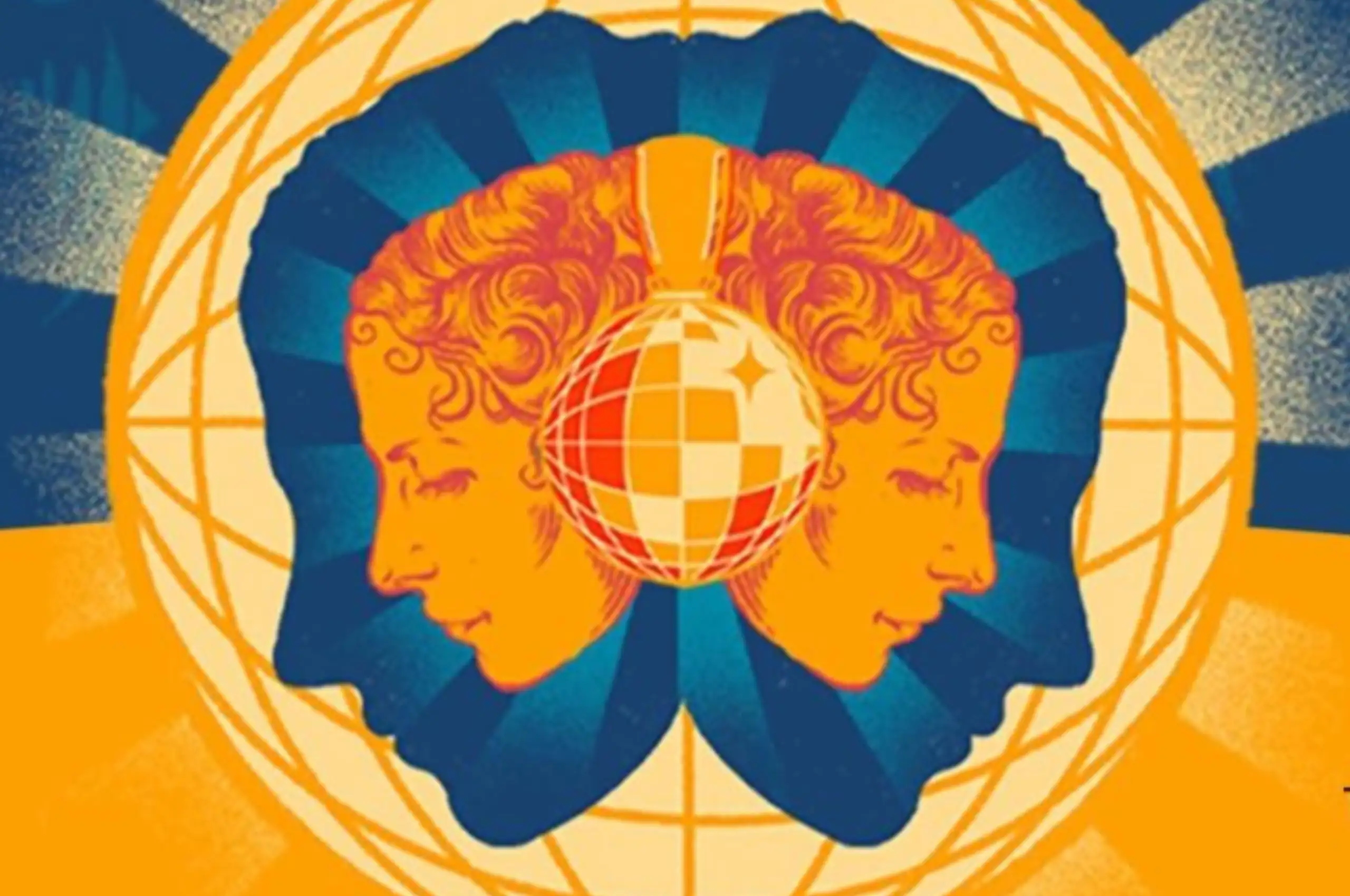
Fête de la Musique 2025 is no longer just an annual French cultural event. In the Philippines, it’s become something else entirely.
The one-day celebration ultimately became an enduring part of local music life. What started as a celebration of World Music Day has grown into a multi-city spectacle that connects artists, scenes, and communities across the country. It has grown to become a decentralized, grassroots-led moment that now feels distinctly Filipino.
This coming June 27, the streets of Makati will come alive once again as Pocket Stages with dozens of independently curated gigs are held across more than 30 venues. The genres won’t be boxed in: punk, hip-hop, soul, jazz, metal, electronica, and everything in between will be heard from bar to bar, café to café. The event is a way to be heard without the barrier of ticket prices or exclusivity for artists and audiences alike.
And it doesn’t stop in Makati. On June 28, the music spread across Metro Manila; cities like Binondo, Cubao, Pasig, Muntinlupa, and Mandaluyong will host gigs of their own before venturing further into the provinces. From Baguio and Bulacan, to Dumaguete and Siargao, each location has its own unique lineup — and these aren’t satellite versions of a Manila event. With the help of independent and DIY promotions, these places are brought into focus by a celebration that now belongs to the country as much as it does to any embassy.
Fête IN THE PHILIPPINE MUSIC SCENE
“This is more than a music festival,” said Mathilde Sejourné, cultural counselor of the Embassy of France to the Philippines, during this year’s media launch. “Fête de la Musique 2025 is a celebration of connection, creativity, and culture.” That much remains true. But what’s also clear is that this event has outgrown its original template. In the Philippines, Fête has become a cultural force that moves far beyond its diplomatic roots.
In a landscape where most festivals lean on big sponsorships, VIP packages, and gated access, Fête de la Musique is a striking exception. The shows are free. The artists come from the ground up. The production is mostly local. What started as an import has been reshaped into something built around participation rather than spectacle.
The festival’s 2025 theme, “Un Monde,” or “One World,” is fitting, but perhaps too modest for what’s happening here. This isn’t about one world. It’s about one country embracing a model of celebration that puts its own artists, languages, and sounds at the center. Over the decades, Fête de la Musique in the Philippines has set up a framework that shows a map of the archipelago’s music communities. And while its roots trace back to France, its future now speaks in Filipino voices, with local rhythms that continue to move from the street corners of Metro Manila to the farthest provinces.
Recommended Video