


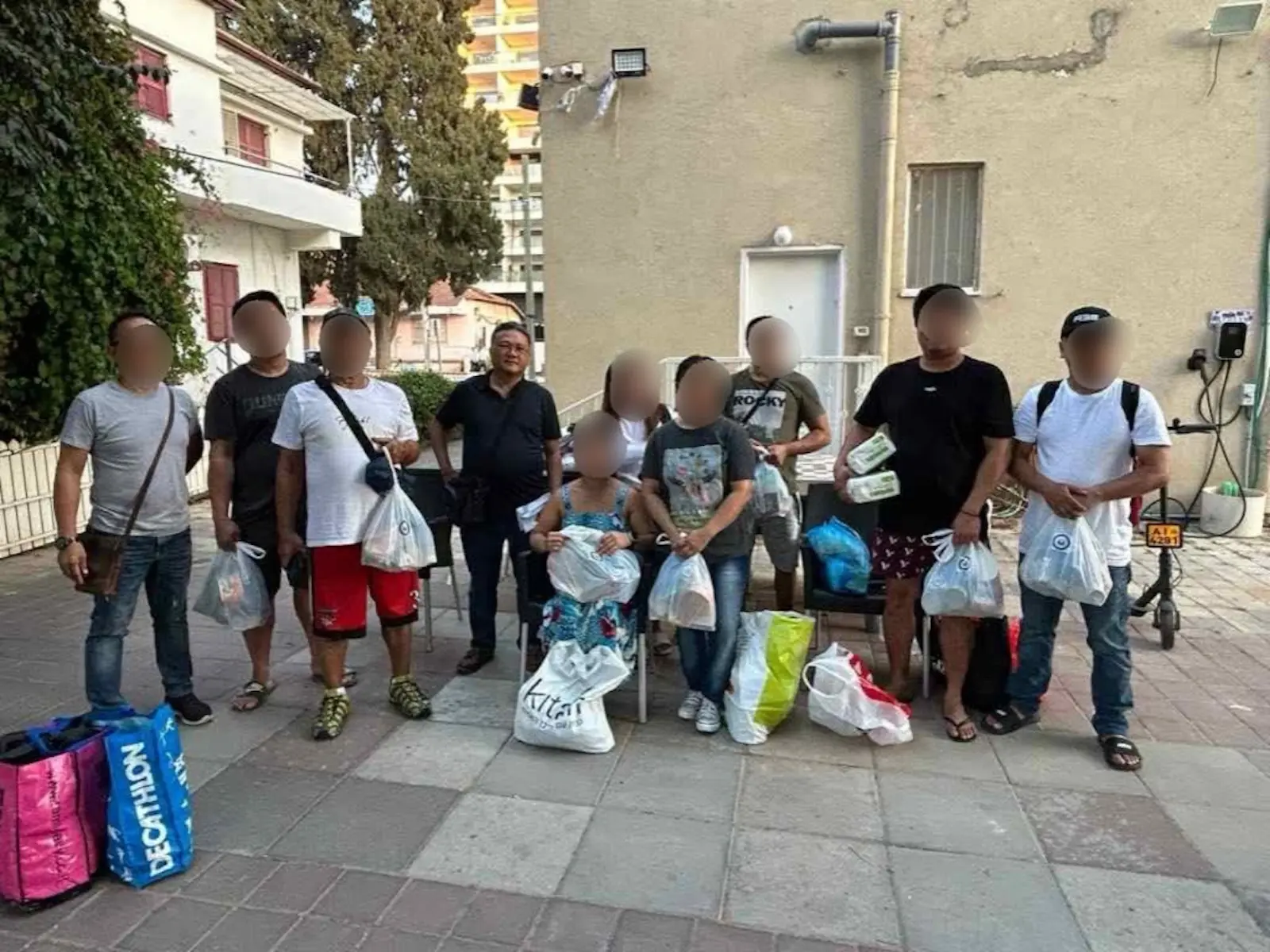
After Iran’s missile attacks on Israel on Sunday, June 15, four overseas Filipino workers (OFWs) were injured and brought to a hospital in the city of Rehovot, south of Tel Aviv, according to the Department of Foreign Affairs (DFA). One of them is reportedly in critical condition.
The attacks are part of a series of air strikes between the two countries, initiated by Israel when it launched an operation dubbed “Rising Lion” targeting Iran’s nuclear weapons program. On Friday, June 13, Israel Prime Minister Benjamin Netanyahu delivered an address formally announcing the operation after its surprise attack on a nuclear enrichment facility and military base in the city of Natanz.
“We have struck at the heart of Iran’s nuclear enrichment and weaponization programs,” Netanyahu said. “We targeted Iran’s primary enrichment facility in Natanz. We also targeted leading nuclear scientists involved in Iran’s nuclear weapons project.” Among the dead from this attack are Islamic Revolutionary Guard Corps (IRGC) Commander-in-Chief Hossein Salami and other top-ranking military officials.
Israel carried out more attacks from Saturday to Monday, June 16, primarily targeting Tehran, the Iranian capital. In retaliation, Iran fired missiles on military bases in Tel Aviv and nearby cities on the same days. According to a Reuters report from Tuesday morning, 224 Iranians have been killed so far, most of them civilians, while Israel saw 24 civilian deaths.
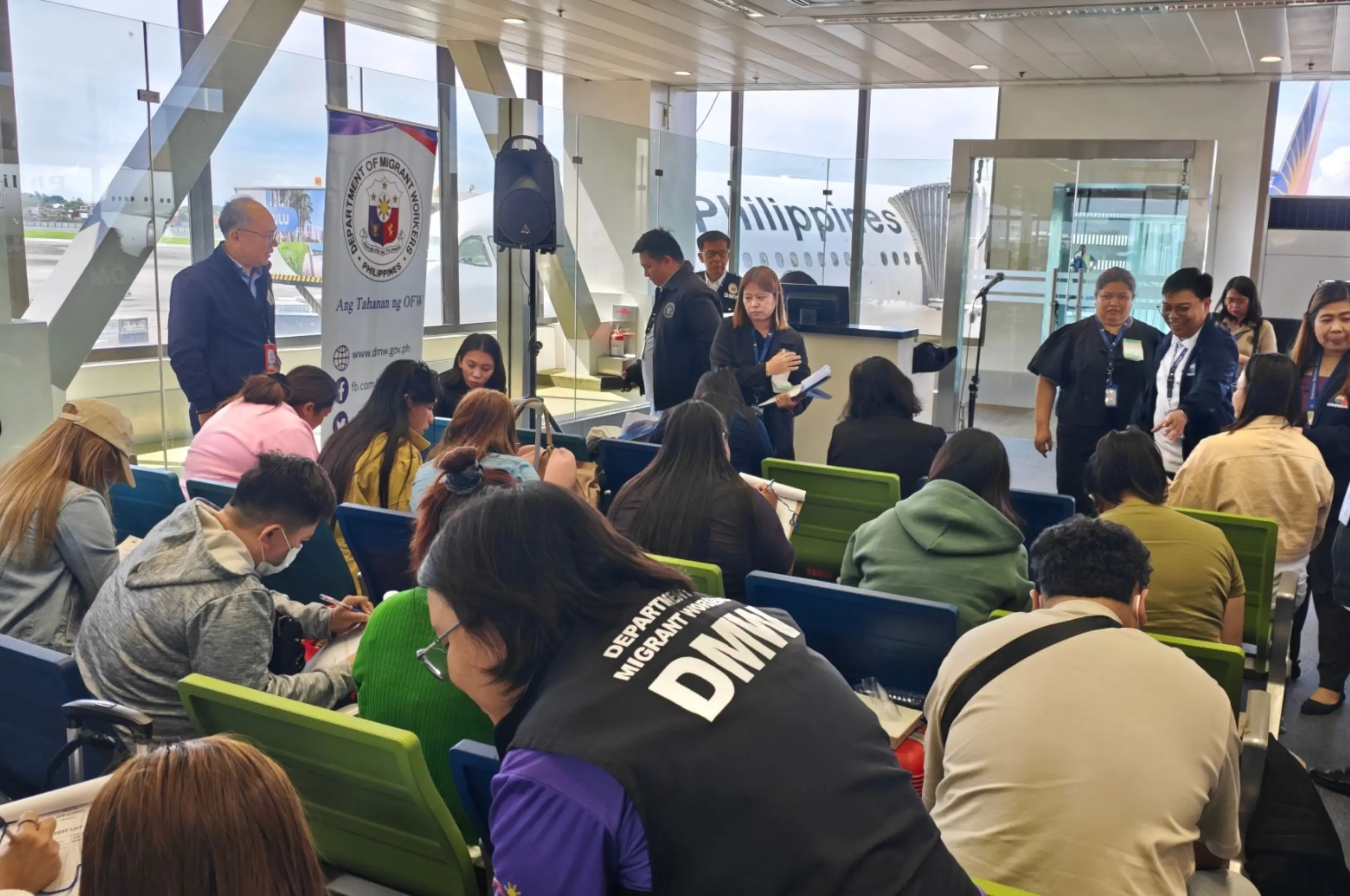
On Monday, the Department of Migrant Workers (DMW) and the Overseas Workers Welfare Administration (OWWA) saw 18 OFWs repatriated amid the conflicts between Israel and Iran. 15 of these OFWs are from Israel while the remaining three are from the neighboring Jordan.
Migrant Workers Secretary Hans Leo Cacdac said that each repatriated Filipino received P50,000 as a safety net for their interrupted employment.
Cacdac also said that while there are around 30,000 Filipinos in Israel, the DMW is not sure how many intend to repatriate. So far, 109 have registered for voluntary repatriation, 85 of which were registered prior to the air strikes.
Recommended Video