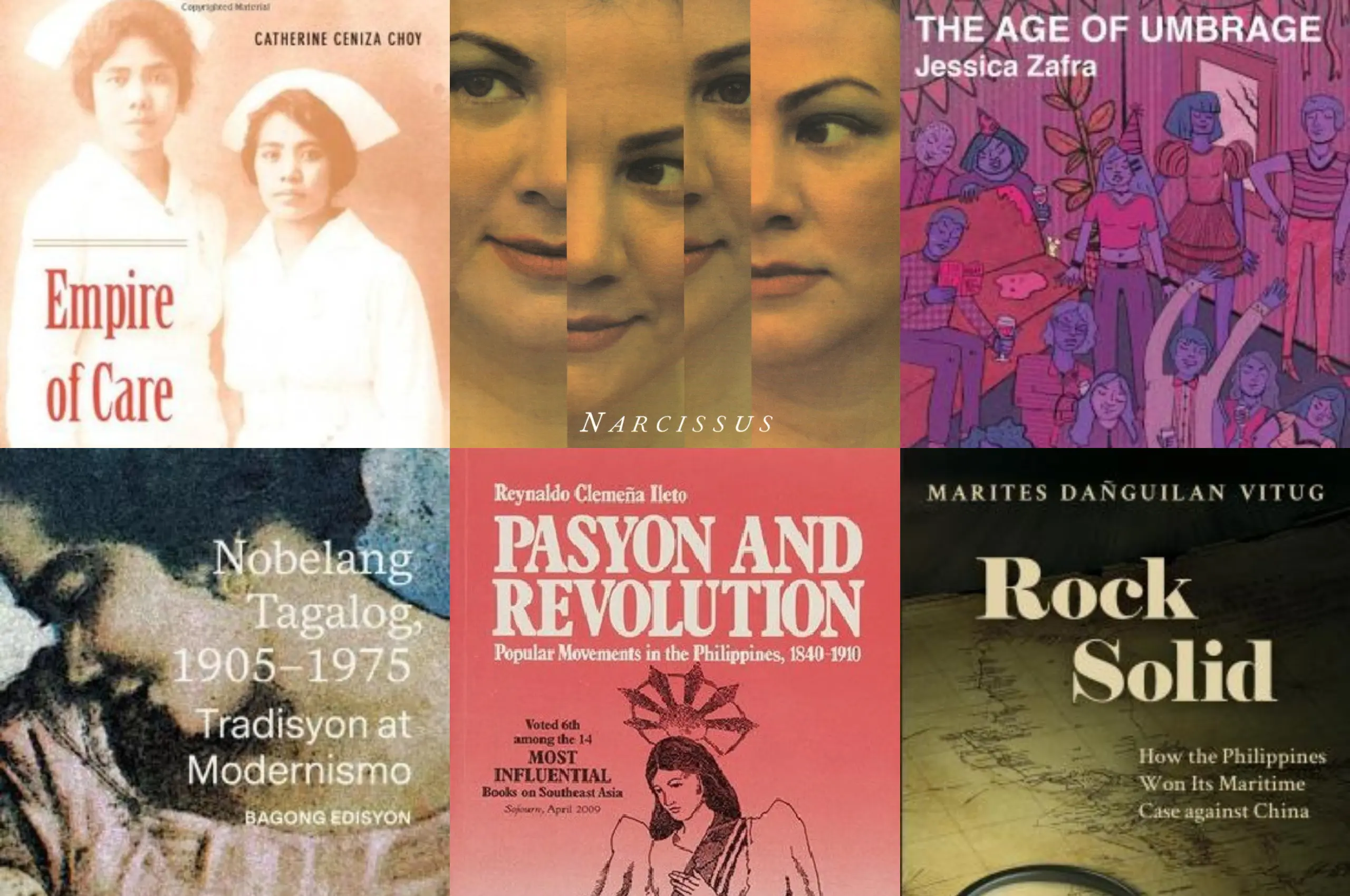
In the world of publishing, legacy is a tricky thing. The books that a press publishes are what quietly accumulate into something bigger: an identity.
In 1972, the Ateneo de Manila University Press set out to modestly publish an array of academic textbooks for its home institution. More than 50 years later, the press has released hundreds of titles in the realms of fiction, poetry, history, politics, academia, culture, and more. For its consistent efforts to platform Filipino writers in every genre, the press has been named the National Book Awards’ Publisher of the Year eight times, first earning the distinction in 2008 and then consecutively earning it every year from 2018 to 2024. It is a recognition given to the press that produces “the most prestigious book titles written, designed, and published in the Philippines.”
But just what are the titles that have shaped the press’s reputation? We revisit just a few of the many titles that have defined the press’s voice and left a lasting mark on readers, writers, and the country’s literary landscape. This selection is but a glimpse into the Ateneo Press catalogue, which features books from all over the Philippines.
‘The Age of Umbrage’ by Jessica Zafra (2020)
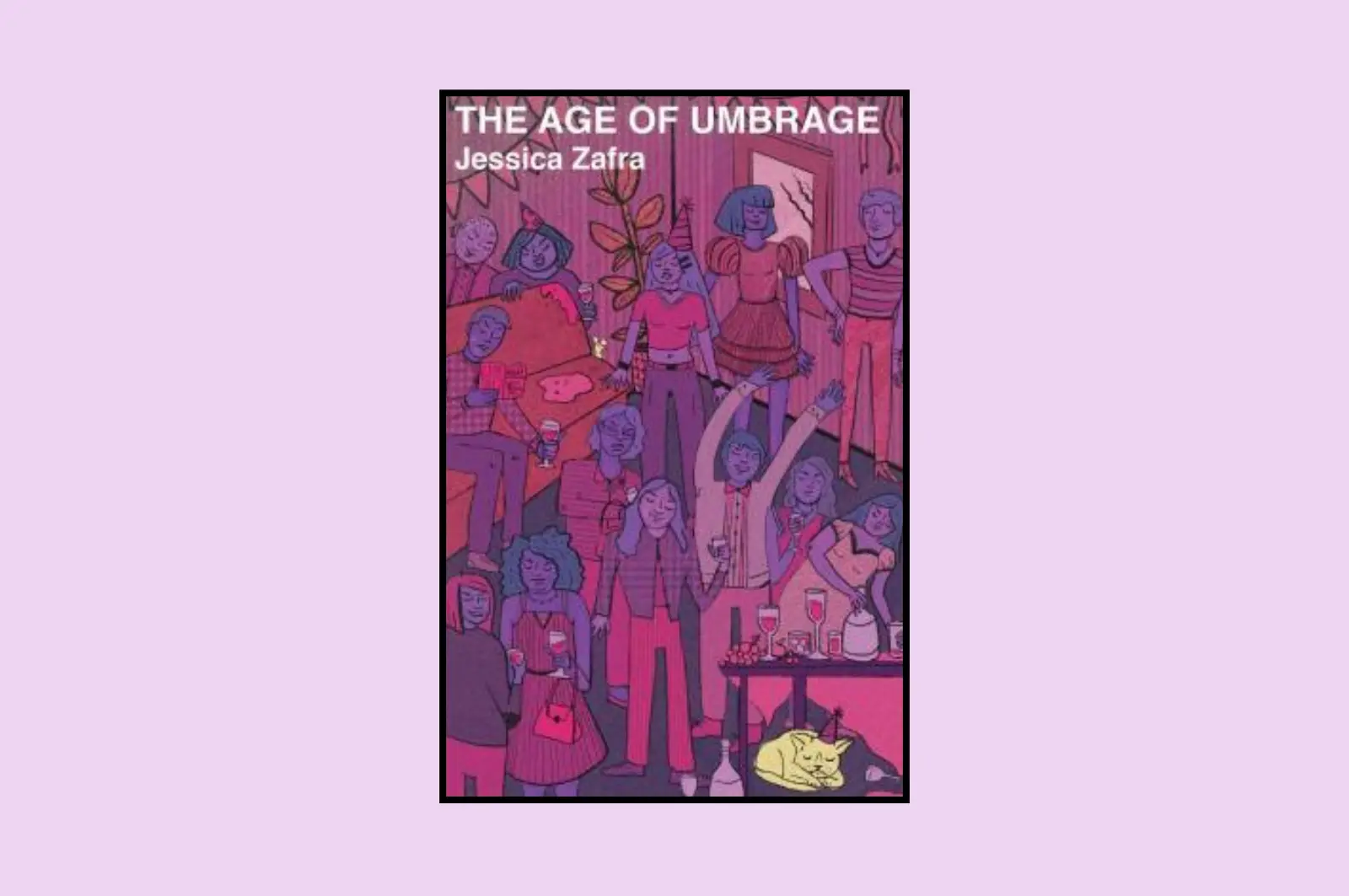
From one of the sharpest writers of Filipino contemporary writing comes The Age of Umbrage, a meditation on what it means to come of age in a time of national turmoil and inequality. The novel’s protagonist, Guadalupe, finds herself in a world that feels both familiar and foreign. Born to the family cook of one of the richest families in the world, Guadalupe has always lived on the margins of wealth and luxury. Meanwhile, the world outside sees protest rallies on the streets of Manila, a bloodless revolution, and uncertainty about what the future holds.
‘The Conjugal Dictatorship’ by Primitivo Mijares (2017)
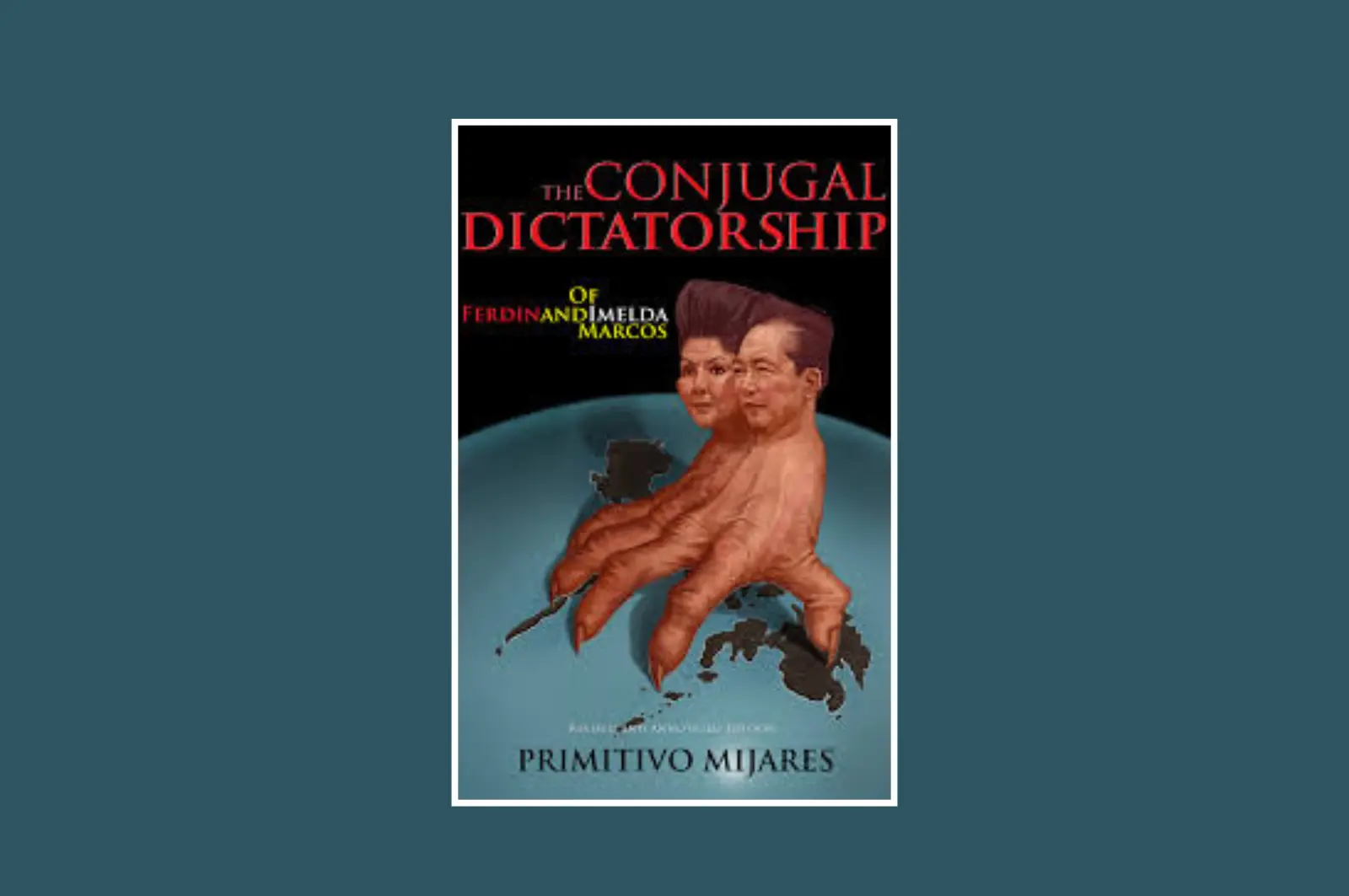
As a journalist, author, and media adviser to former President Ferdinand Marcos, Primitivo Mijares offers readers a unique insider’s view of the Marcos regime during the country’s martial law era. First published in 1976 and later republished by the Ateneo Press, The Conjugal Dictatorship exposes the widespread corruption and military abuses under the Marcos regime, leaving the nation in ruins. Shortly after the book’s initial publication, Mijares disappeared, last seen at a Guam airport, leaving for Manila.
‘The Quiet Ones’ by Glenn Diaz (2017)
Winner of the 2017 Palanca Grand Prize and the 2018 NBDB and Manila Critics Circle National Book Award, The Quiet Ones tells the story of Alvin Estrada, a call center agent who discovers a way to embezzle money from the American telecom giant he works for. Joined by friends, their secret scheme unfolds until a sudden police raid shatters their world. It is one of the bestselling books of the press, having been reprinted eight times.
‘Nobelang Tagalog, 1905-1975: Tradisyon at Modernismo’ by Soledad S. Reyes (1982)
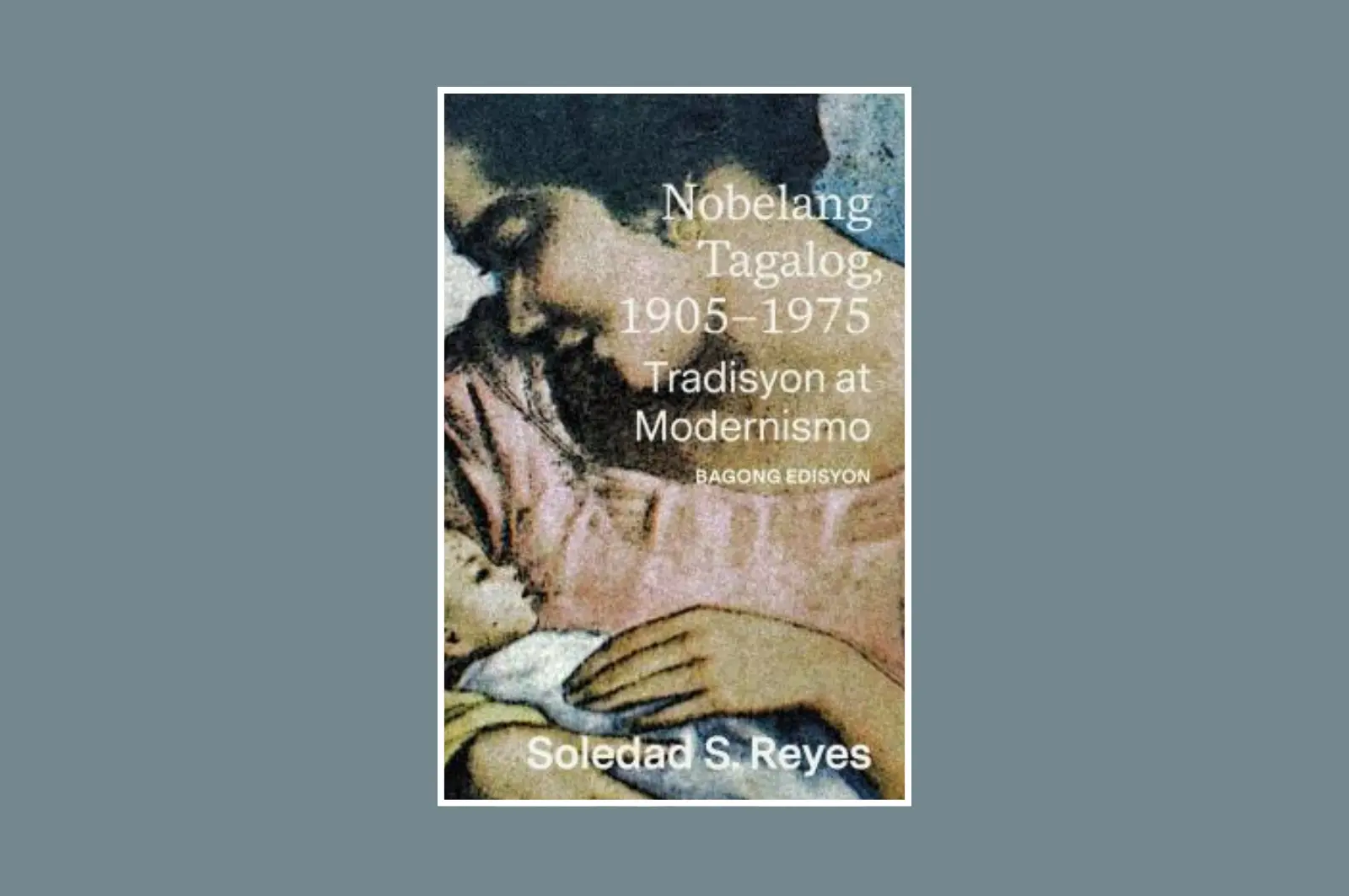
Soledad S. Reyes, one of the leading literature scholars, critics, and academics in the country, traces the development of the Tagalog novel over the first seven decades of the 20th century through a historical lens. Drawing from the analysis of around 300 novels, the book explores key works and novelists from each era, highlighting the cultural and social forces that shaped their creation. Reyes’ historical text won the National Book Award for Literary Criticism. This new edition reintroduces her groundbreaking work to a new generation of readers. A new edition was recently published by the press, bringing the book into the hands of a new generation of readers.
‘The Philippines Is Not A Small Country’ by Gideon Lasco (2020)
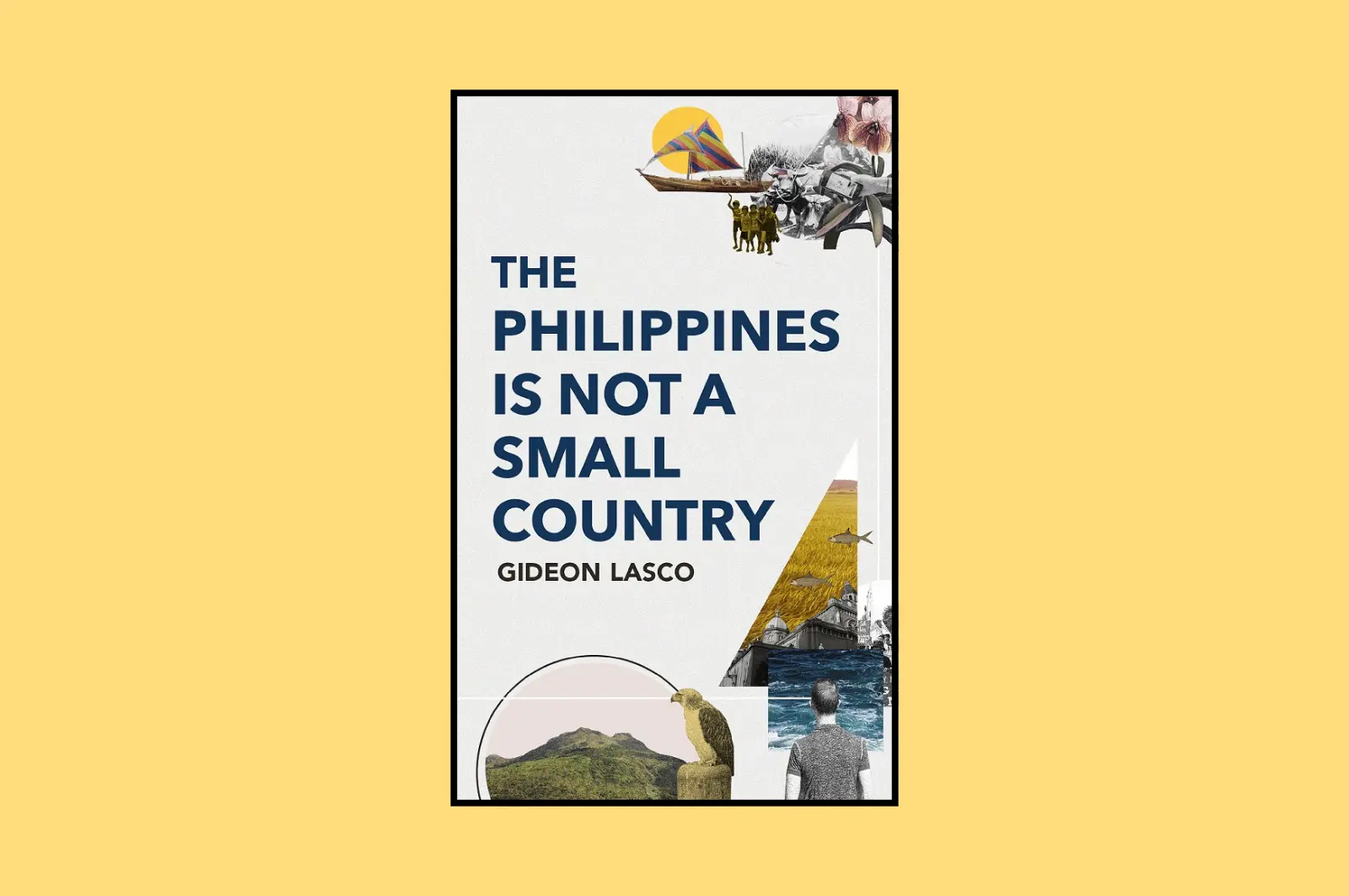
The Philippines Is Not A Small Country draws on anthropology, history, and pop culture to explore the Philippines as a nation still in formation, positioned at the crossroads of the world. Lasco’s essays weave together themes of nature and culture, resulting in a nuanced, critical, and hopeful portrait of the country. It is also one of the recent bestsellers of the press, now on its 10th reprinting.
‘The Collected Stories of Gregorio C. Brillantes’ edited by Jonathan Chua (2023)
Gregorio C. Brillantes, a Palanca Award Hall of Famer and acclaimed fiction writer, has long been celebrated for his masterful storytelling of postwar life in the Philippines. This collection of Brillantes’ work, edited by Jonathan Chua, seeks to reintroduce his powerful and insightful short stories to a new generation of readers, highlighting his ability to capture the social and political complexities of the country’s history.
‘Critical Villa: Essays in Literary Criticism’ by Jose Garcia Villa, edited by Jonathan Chua (2002)
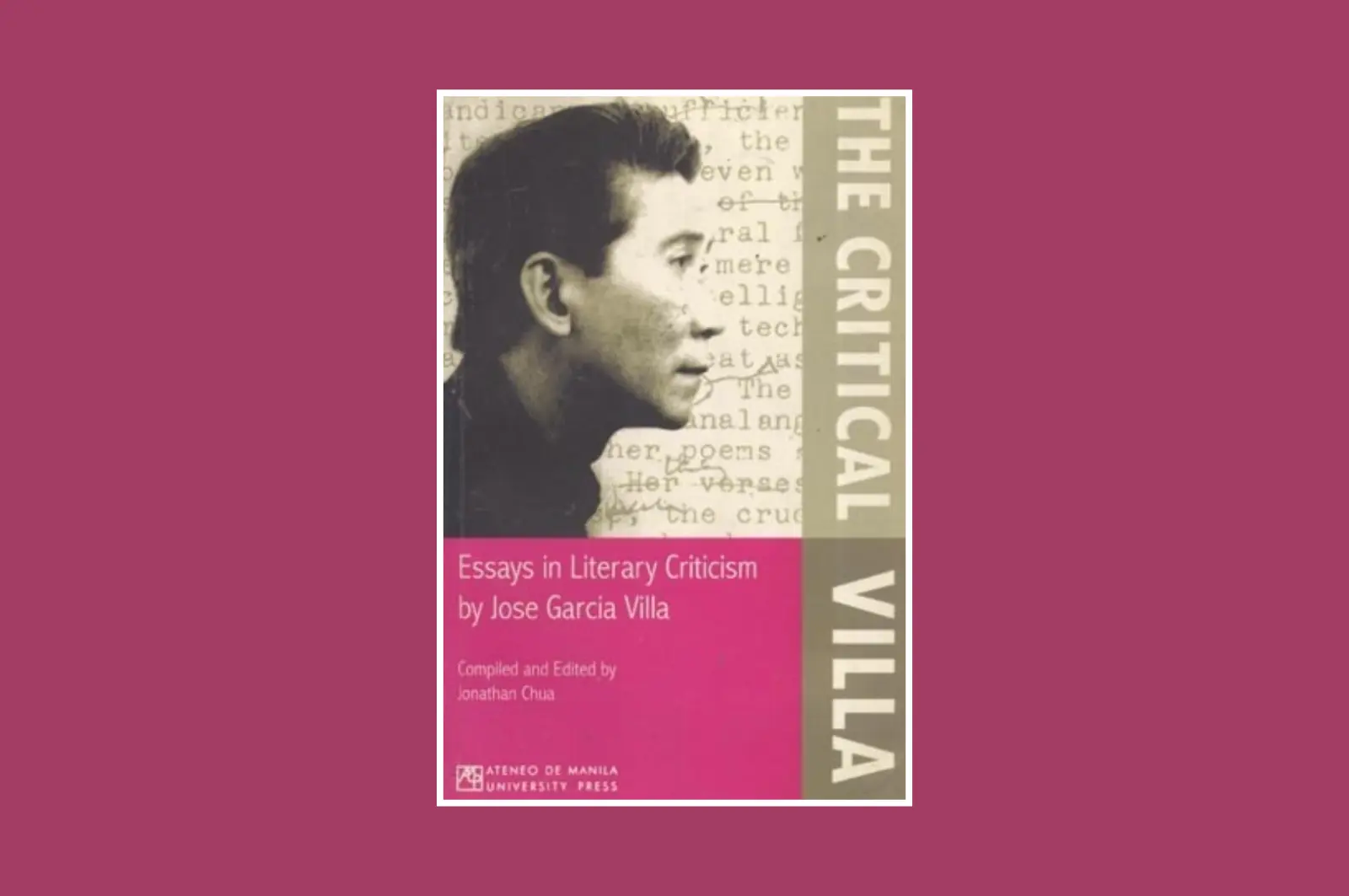
This groundbreaking anthology brings together Villa’s influential essays from the 1920s to the 1950s, writings that helped define the canon of Philippine fiction and poetry. Celebrated as some of the most significant literary criticism in English from the Philippines, the collection offers Villa’s famous annual selections of the best short stories and poems, insightful critical essays, letters to the editor, and never-before-published works. The collection won the National Book Award for Editing in 2002
‘Pasyon and Rebolusyon’ by Reynaldo C. Ileto (1979)
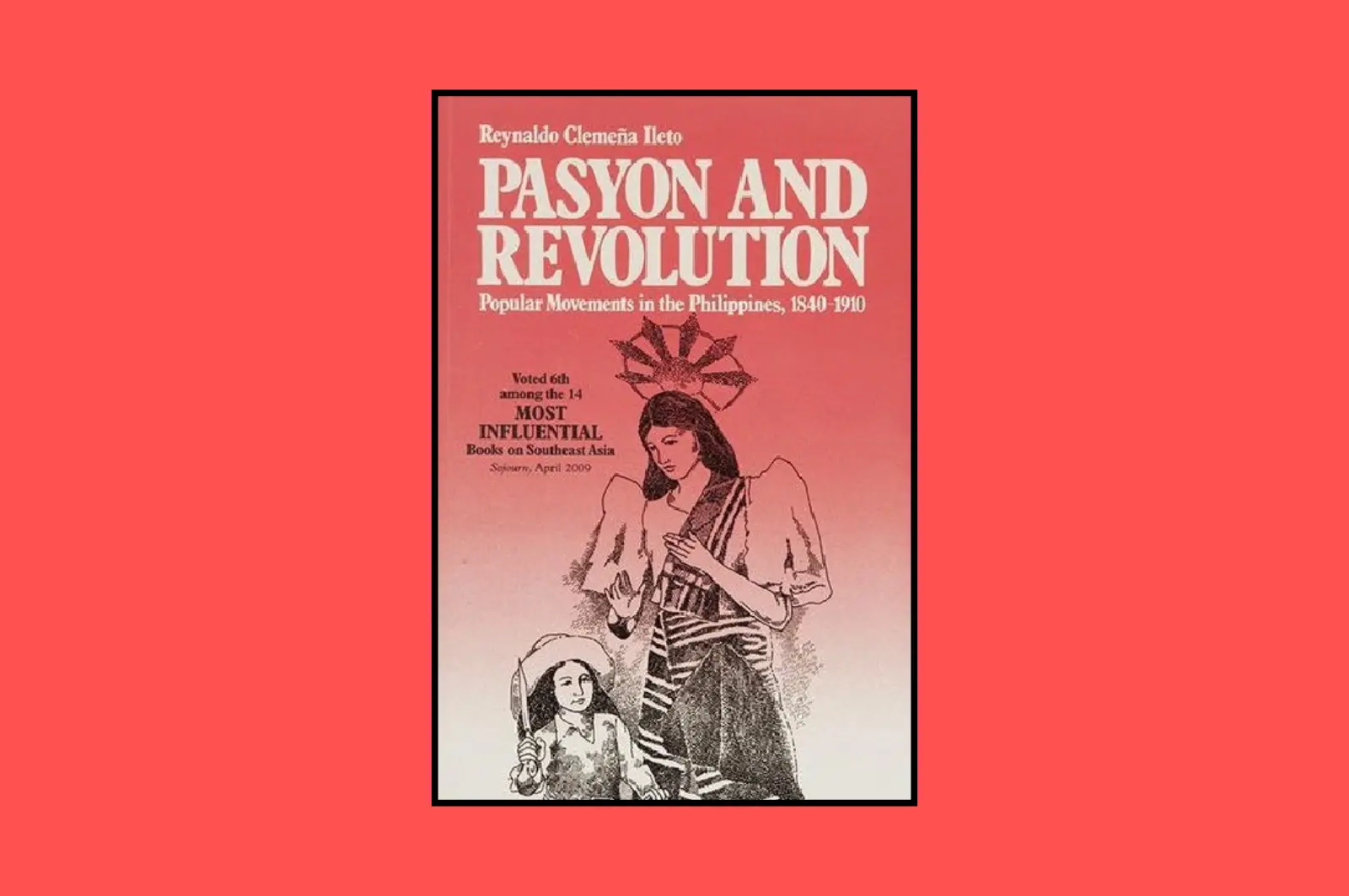
Ileto’s book is described as “perhaps the single most important monograph to have appeared on modern Philippine history.” Pasyon and Rebolusyon situates the Philippine revolution within the rich context of indigenous traditions and cultural heritage. The text offers a compelling explanation for the enduring presence of radical peasant brotherhoods, revealing how these grassroots movements have shaped the country’s social and political landscape.
‘Palaspas: An Appreciation of Palm Leaf Art in the Philippines’ by Elmer I. Nocheseda (2009)
This personal meditation on nature offers a beautifully photographed exploration of the palm leaf’s deep roots in Philippine history and culture. The book traces the symbolic and practical roles of the palm leaf from ancient times to its vibrant presence in contemporary religious, social, and economic practices across diverse communities nationwide. Palaspas has earned multiple honors, including the 2010 Gintong Aklat Award for Arts and Culture and the 2010 National Book Award for Design.
‘Rock Solid: How the Philippines Won Its Maritime Case against China’ by Marites Danguilan Vitug (2018)
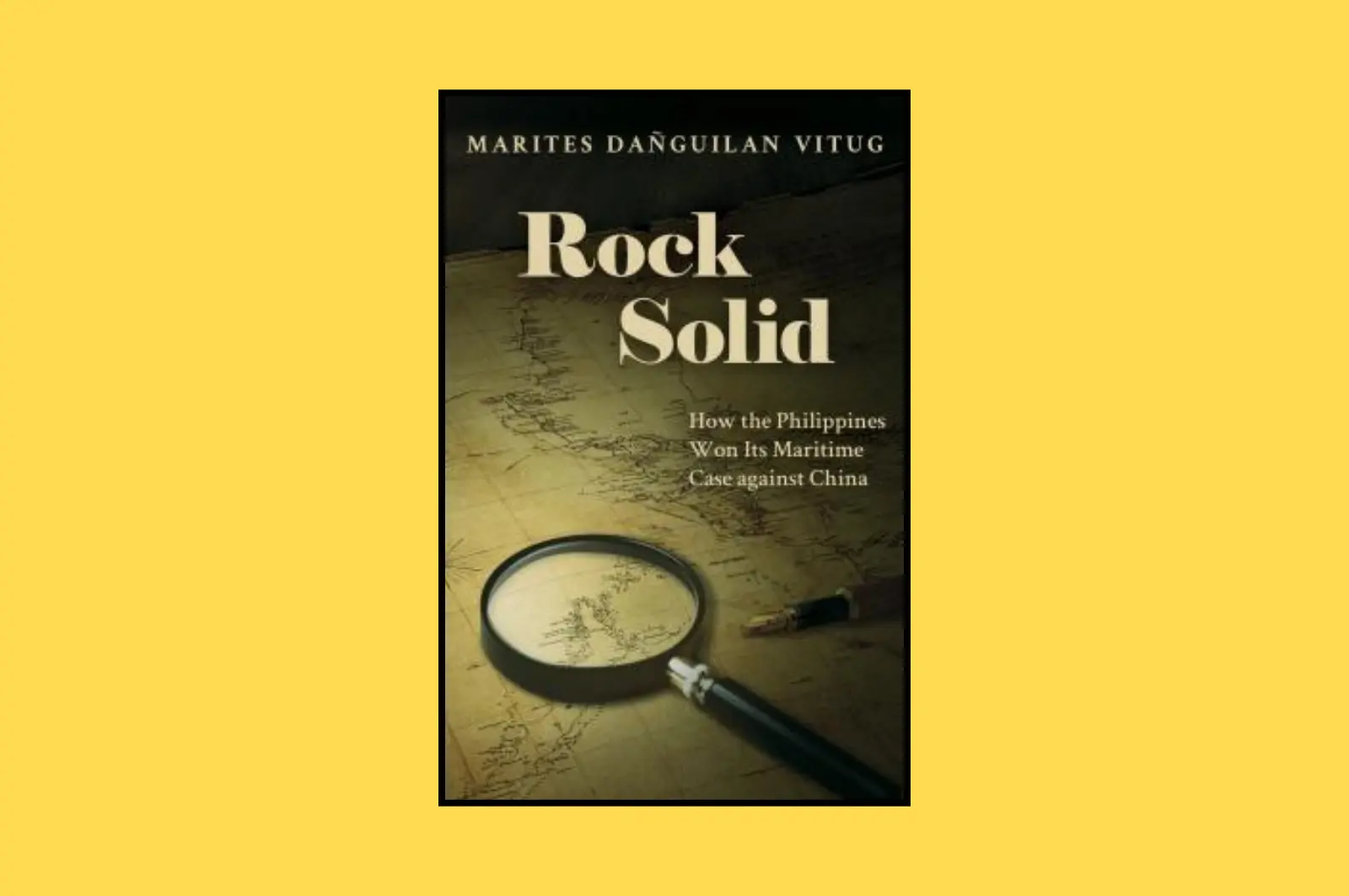
Rock Solid: How the Philippines Won Its Maritime Case Against China offers a detailed and compelling account of the Philippines’ landmark legal victory over China’s territorial claims. This arbitral ruling stands as a crucial safeguard for Philippine sovereignty and territorial integrity. Vitug unpacks the complexities of the nation’s interests, spanning fisheries, natural resources, security, and national identity, giving readers a clear understanding of why this case was pivotal for the country’s future.
‘Brains of the Nation: Pedro Paterno, T.H. Pardo de Tavera, Isabelo de los Reyes and the Production of Modern Knowledge’ (2008)
National Artist for Literature Resil B. Mojares’ book is a richly textured historical account of the generation that created the self-consciousness of the Filipino nation. This text explores how three pivotal figures shaped the nation’s intellectual history during the late 19th and early 20th centuries.
‘Kung Wala na ang Tag-araw / Ano Ngayon, Ricky?’ by Rosario de Guzman-Lingat (2006)
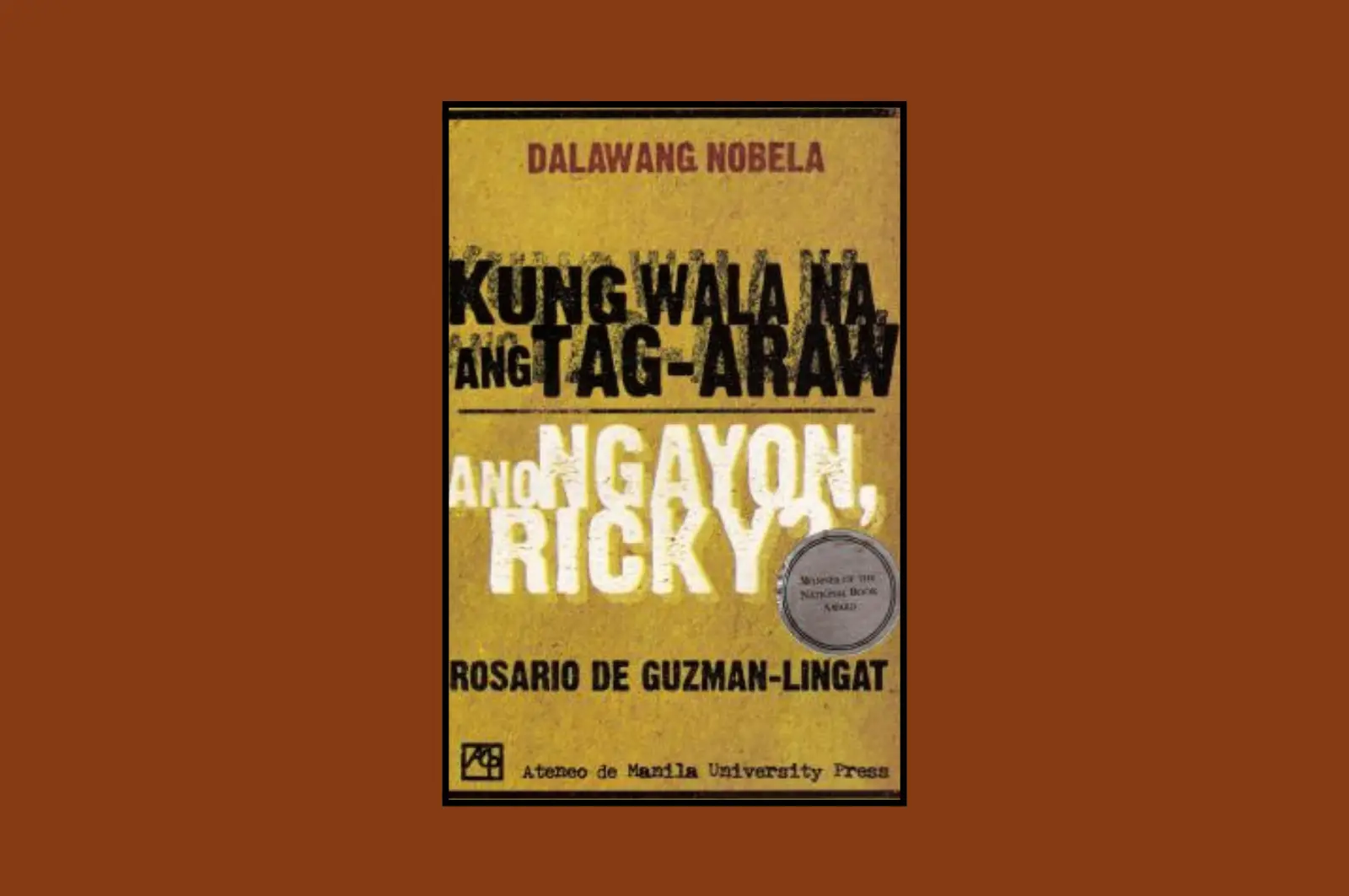
Rosario de Guzman-Lingat’s two powerful novels capture key moments in Philippine history through deeply personal stories. Kung Wala na ang Tag-araw tells a compelling tale of one man’s passionate search for love set against the dramatic backdrop of the prewar and postwar Philippines, while Ano Ngayon, Ricky? immerses readers in the intense political awakening of Ricky during the revolutionary 1970s.
‘Necessary Fictions: Philippine Literature and the Nation, 1946-1980’ by Caroline Hau (2000)
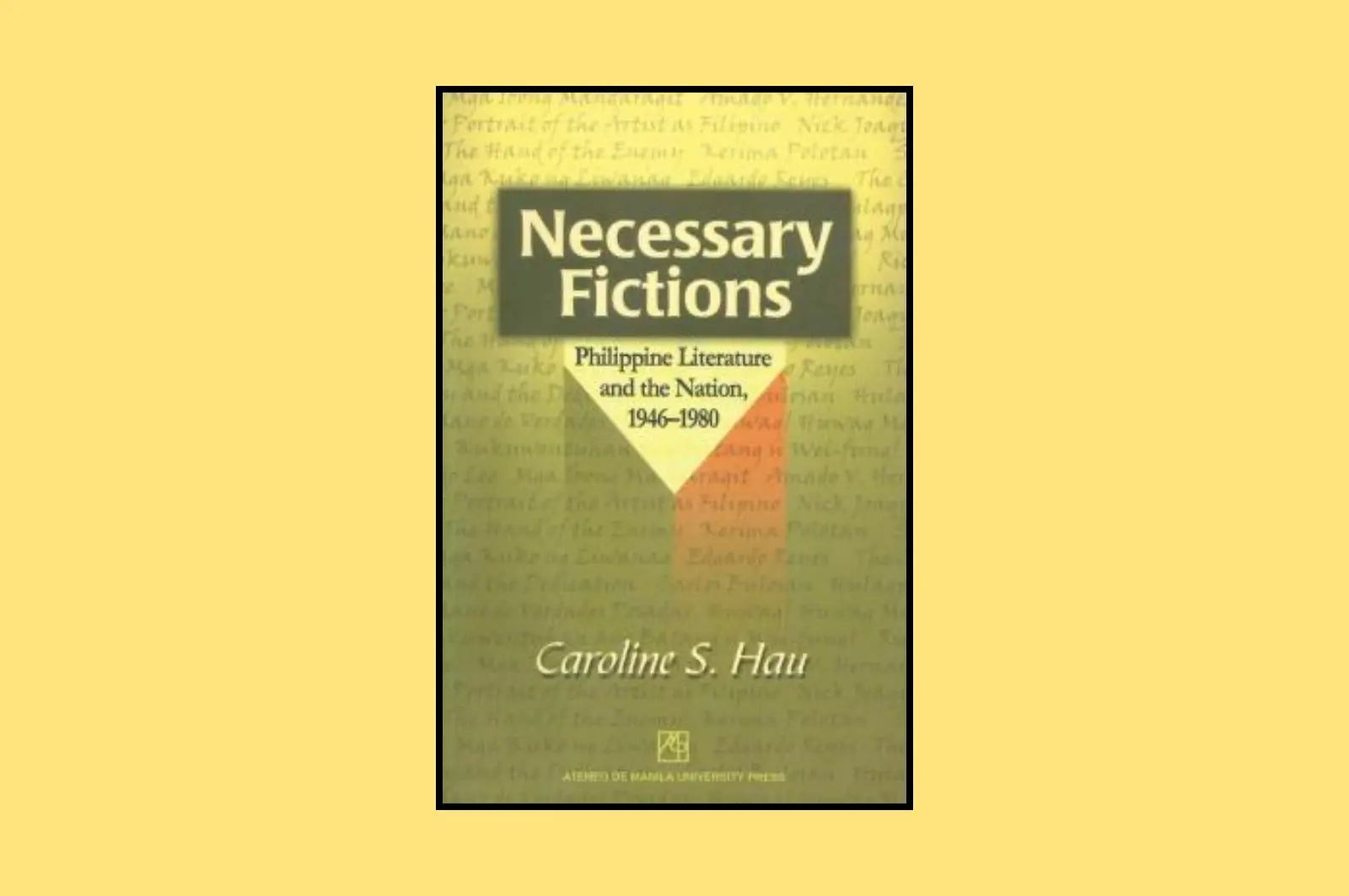
This study on literature and history explores the powerful connection between Philippine fiction and nationalist discourse during the period after the Second World War. Through close readings of works by José Rizal, Amado Hernandez, Nick Joaquin, and others, Hau argues that literature has been instrumental in shaping and navigating the nation’s debates on social change. The text won the National Book Award for Literary Criticism in 2000.
‘Narcissus: Poems’ by Mark Anthony Cayanan (2011)
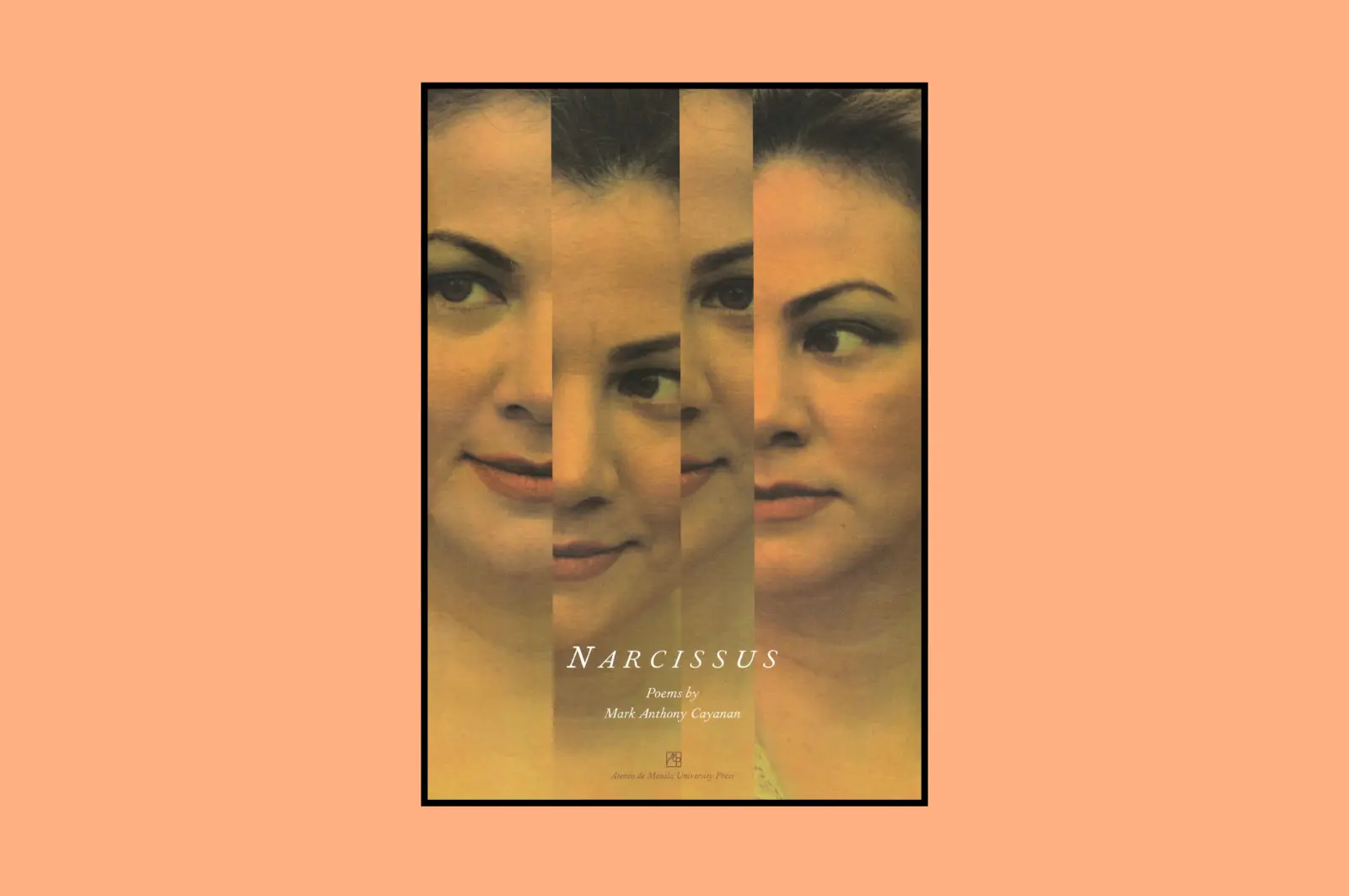
In Narcissus: Poems, Cayanan delivers poetry that is sharp, unflinching, and unsettlingly intimate. With a voice that is smooth-talking, obsessive, and cunningly precise, each declarative line peels back the layers of sincerity to question the truth. As poet Conchitina Cruz writes, “[Narcissus: Poems] refuses us the illusion of our own trustworthiness.”
‘Barangay: Sixteenth-Century Philippine Culture and Society’ by William Henry Scott (1994)
This landmark historical work offers a carefully researched portrait of pre-Hispanic Philippine life, derived largely through “a comprehensive analysis of early Philippine language lexicons.” Scott reconstructs the world of the pre-Spanish Filipino with scholarly rigor and cultural sensitivity, challenging long-held myths to bring historical fact to light. The book was awarded the National Book Award for History in 1994 and the 1998 Gintong Aklat Award for Social Science.
‘Collected Plays, Vol. 1’ by Floy Quintos (2014)
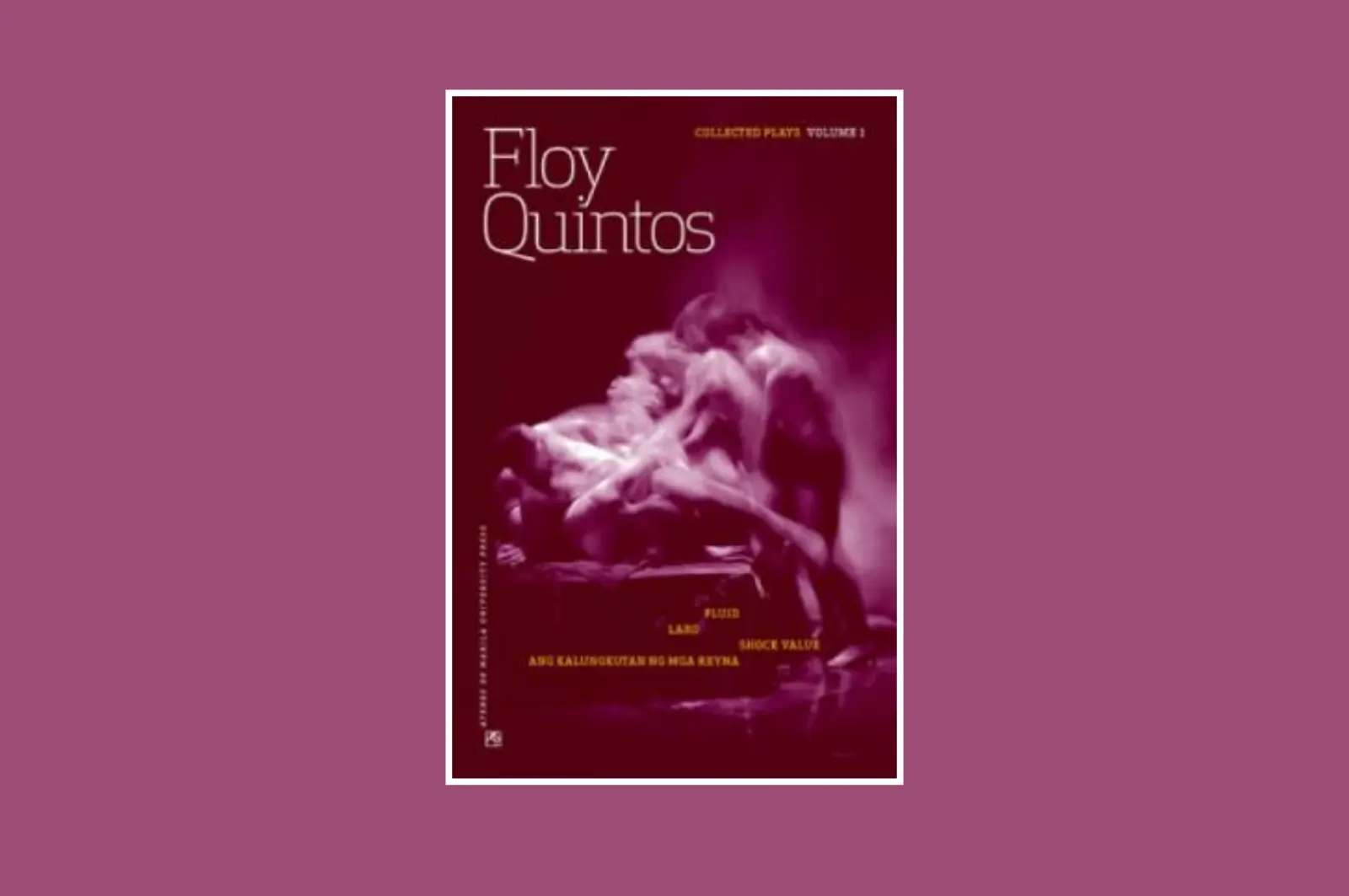
This definitive collection of plays by Floy Quintos brings together some of the most compelling works in contemporary Philippine theater, enriched with production photos, notes, and reflections from the actors, directors, and designers who helped bring them to life. Quintos’ work captures the complexity, humor, and contradictions of Filipino society with boldness and brilliance, from the blurred lines between art and compromise in Fluid, to the psychological power plays of Laro, the biting satire of media culture in Shock Value, and the surreal political ambition of Ang Kalungkutan ng mga Reyna.
‘Empire of Care: Nursing and Migration in Filipino American History’ by Catherine Ceniza Choy (2003)
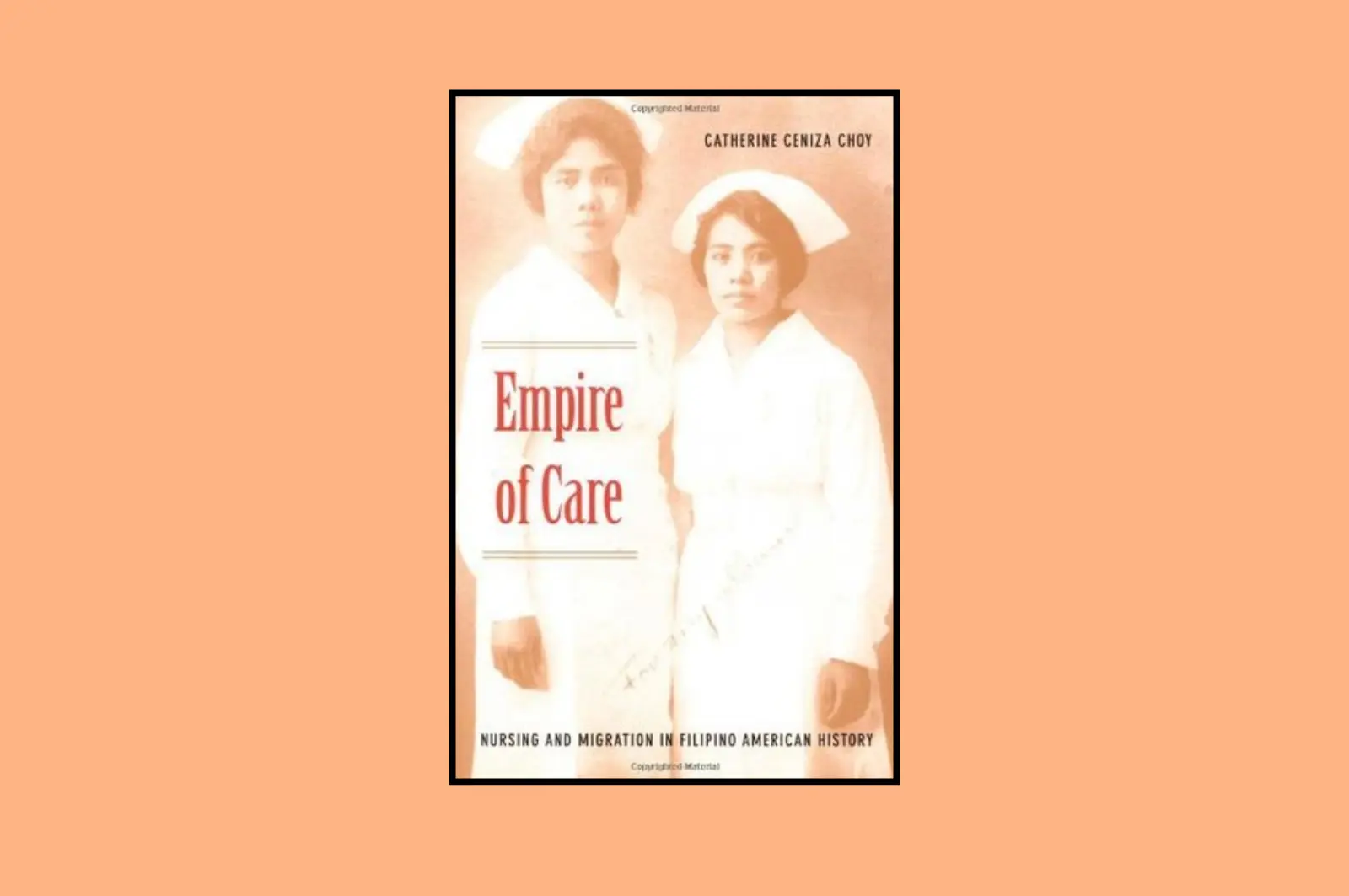
Empire of Care: Nursing and Migration in Filipino American History is the first full-length study to trace the difficult ties between the professionalization of nursing and the migration of Filipinos to the United States. Examining how American colonialism shaped the training and global demand for Filipino nurses, the book reveals the deep-rooted links between empire, healthcare, and the racialization of Filipino bodies.
‘Ang Ginto sa Makiling at Ibang mga Kuwento’ by Macario Pineda (1990)
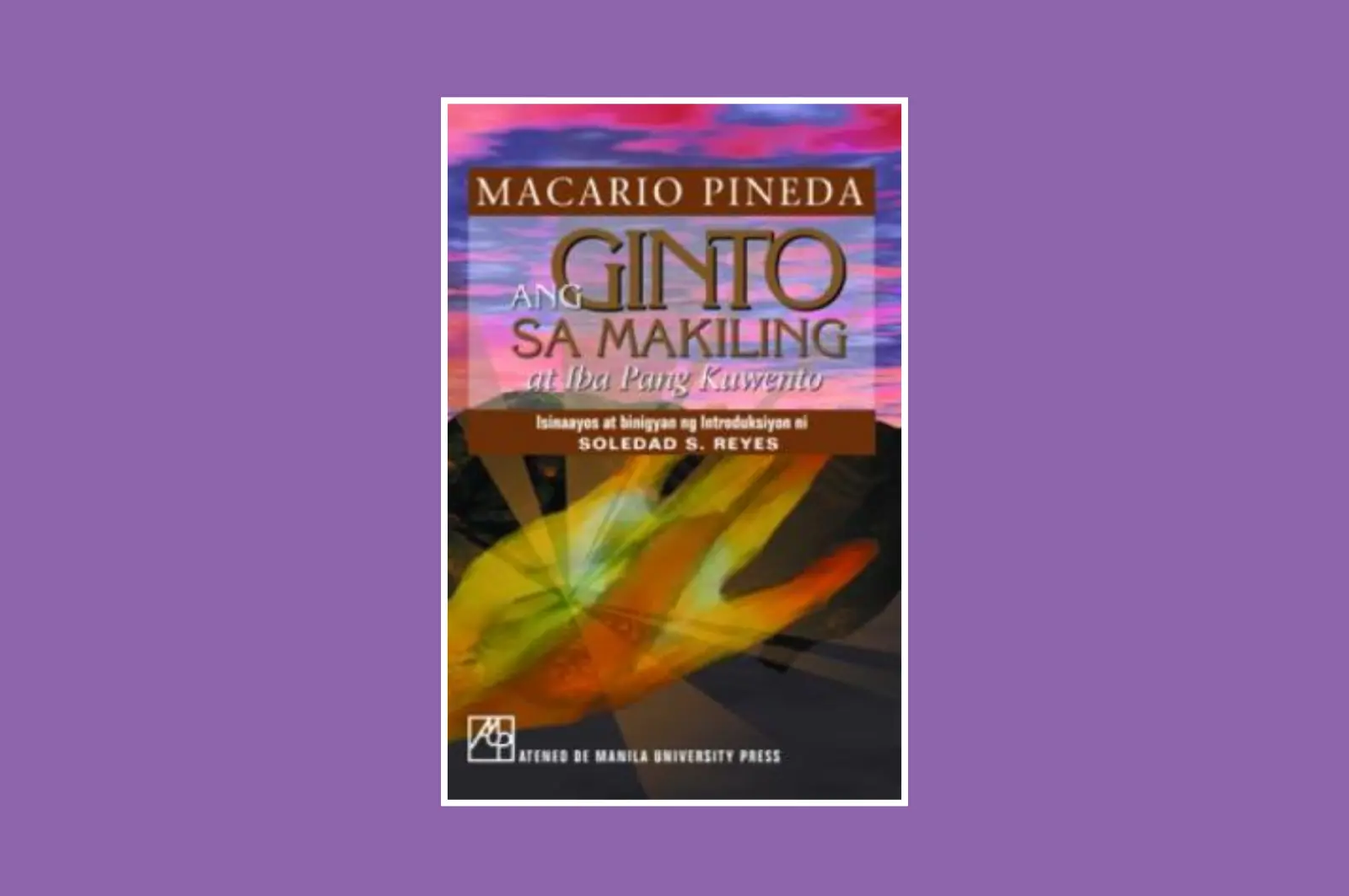
Ang Ginto sa Makiling at Ibang mga Kuwento brings together thirteen short stories by one of the most accomplished writers in Tagalog fiction. Showcasing the author’s mastery of language, character, and form, this collection offers a rich and enduring portrait of Filipino life and imagination.
‘Tundo Man May Langit Din’ by Andres Cristobal Cruz (1986)
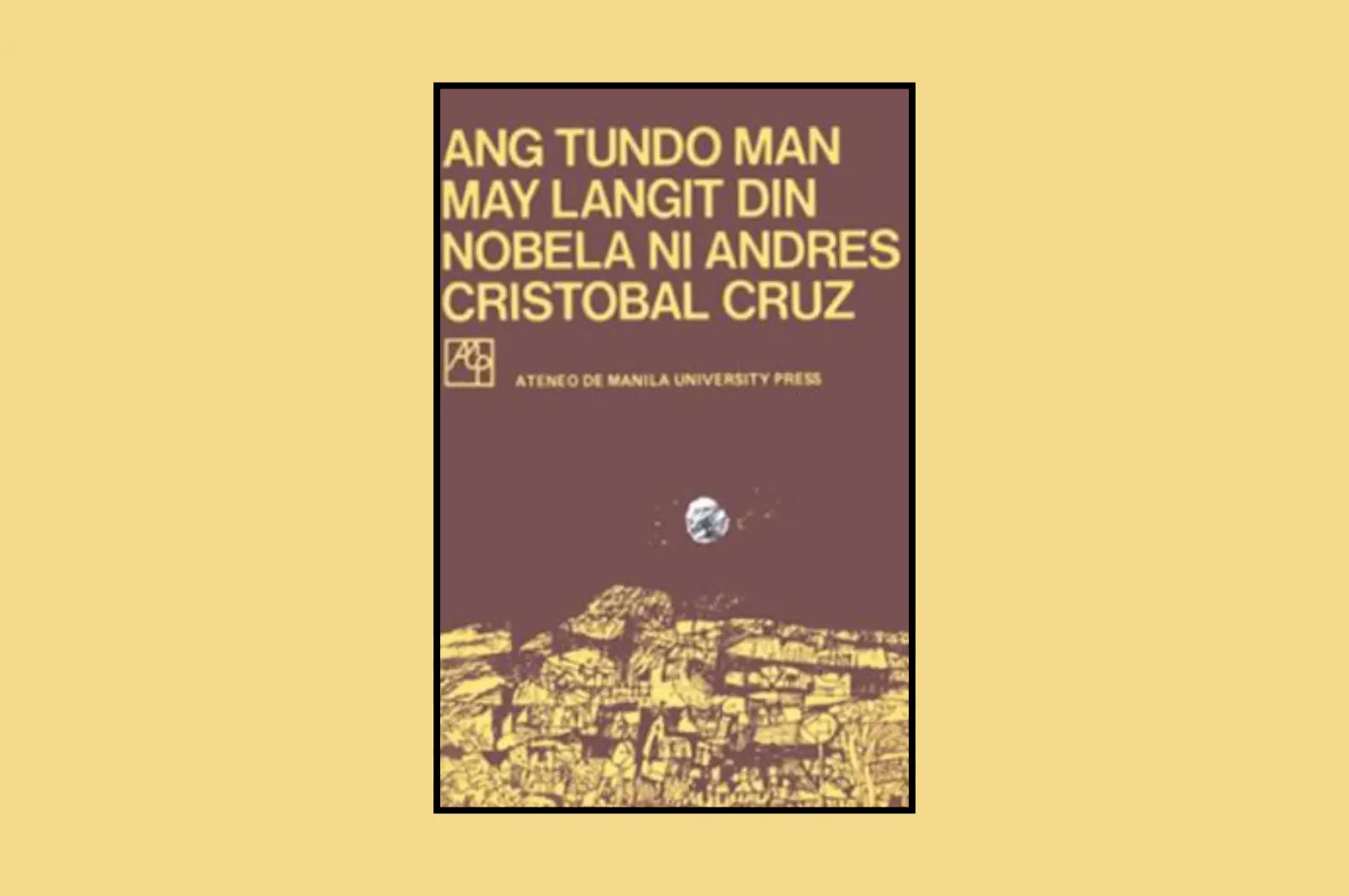
From acclaimed novelist Andes Cristobal Cruz comes Tundo Man May Langit Din, a powerful social realist novel that tells a story of love set against a vividly rendered and socially grounded backdrop. Through its characters’ personal struggles, the novel captures the complexities of the contemporary Filipino experience, blending romance with sharp social critique.
‘Pinaglahuan’ by Faustino Agular (1986)
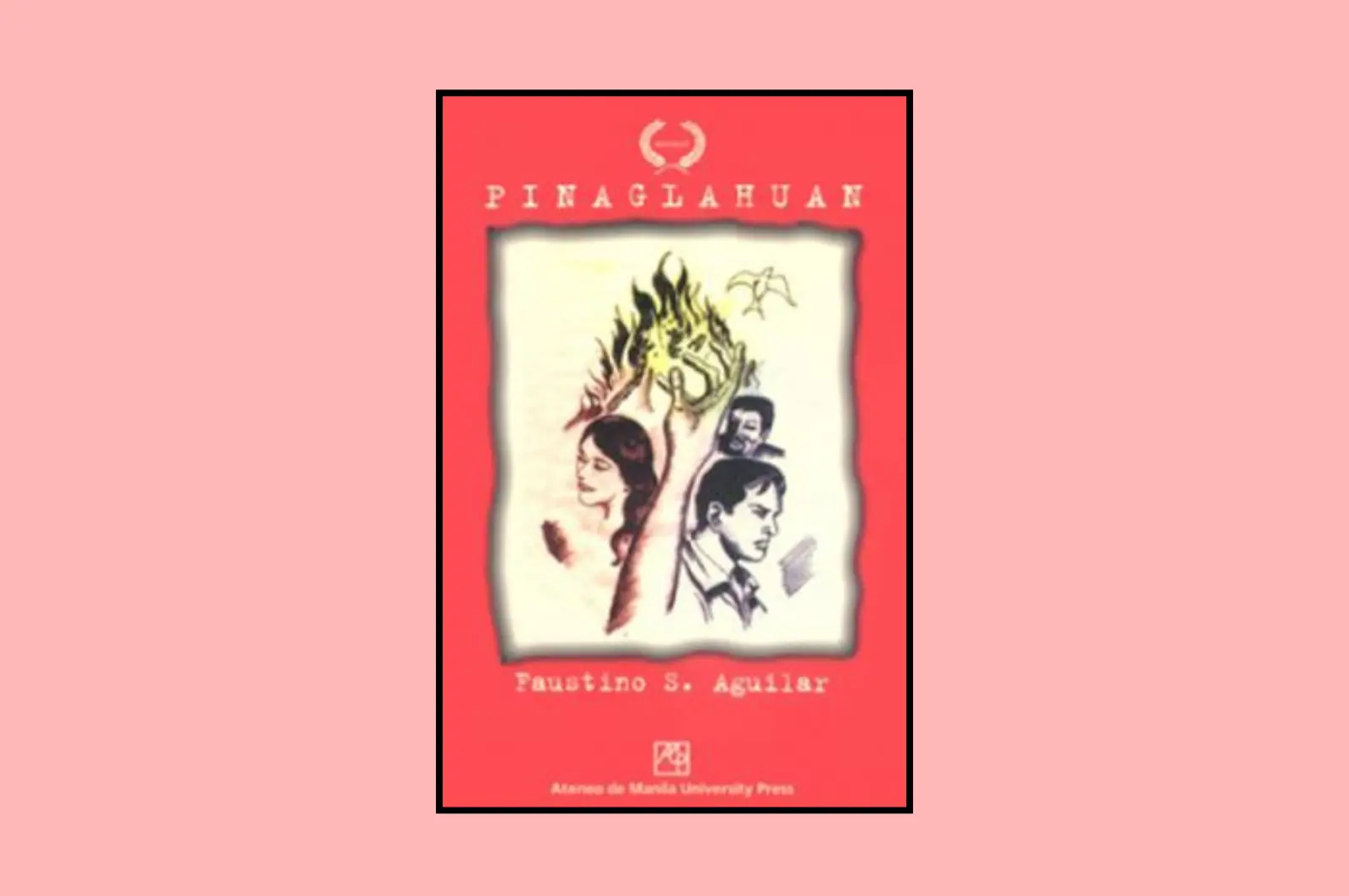
Regarded as a major contemporary classic of Tagalog literature, Pinagluhan is a powerful indictment of the materialism and capitalist exploitation that accompanied the American Occupation. First published in 1907, the novel remains a landmark in social realist writing in the Philippines.
‘Highest Hiding Place: Poems’ by Lawrence Lacambra Ypil (2009)
Ypil captures moments of pain, desire, fear, and those fleeting yet enduring truths that shape our everyday lives. As poet Merlie Alunan writes, “Reading Ypil is meeting oneself in memory… and we find our own hiding place.”
‘Canal de la reina: A Novel by Liwayway Arceo’ translated by Soledad S. Reyes (2019)
Canal de la Reina marks Liwayway Arceo’s powerful response to the call for committed literature amid the violent clashes of the 1970s. Arceo embraced the tradition of Filipino authors who have used their craft to confront the country’s urgent social struggles. The novel represents Arceo’s deliberate commitment to capturing a nation in upheaval.
‘Edifice Complex: Pure, Myth, and Marcos State Architecture’ by Gerard Lico (2003)
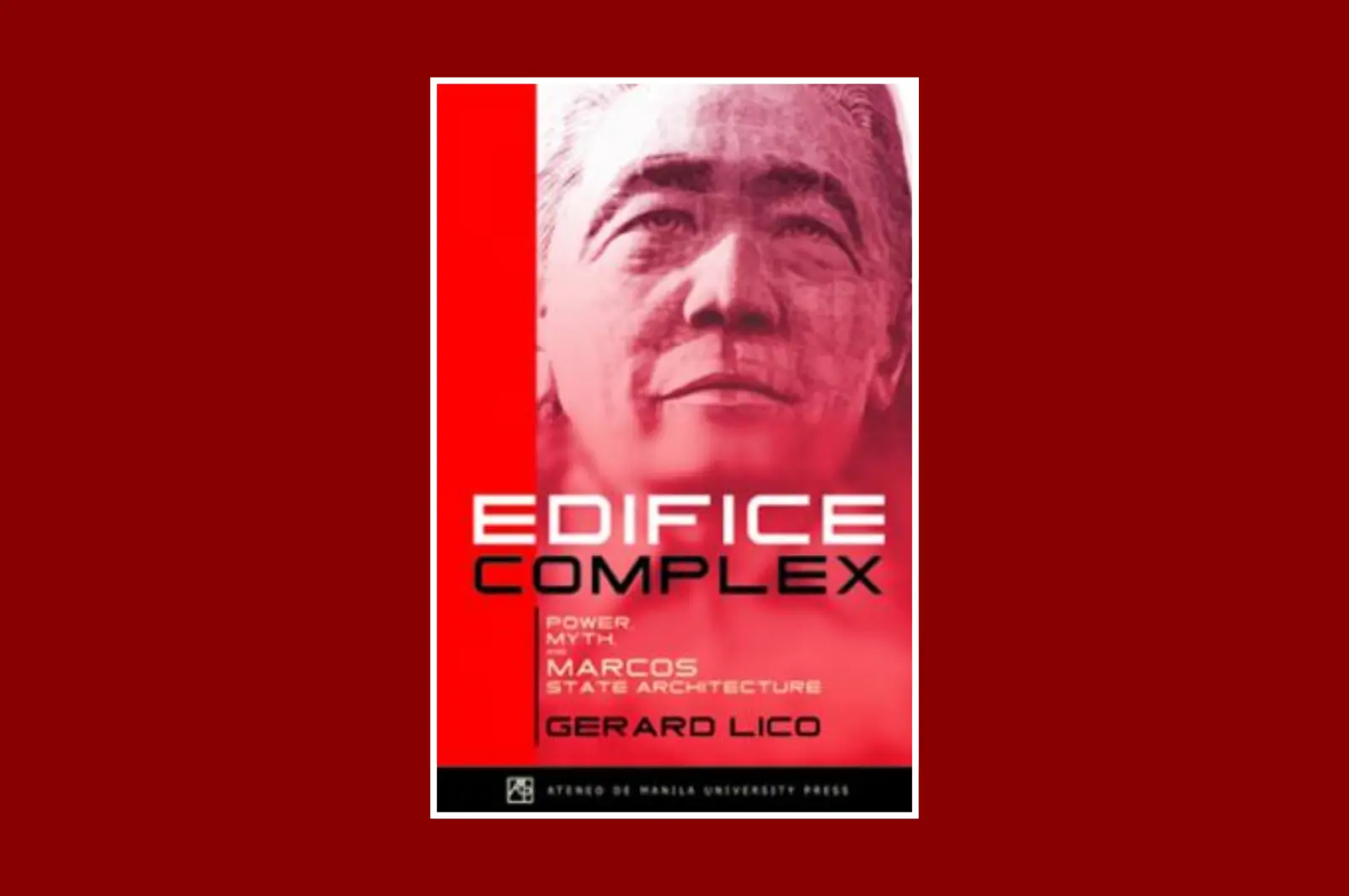
Gerard Lico’s investigation into Philippine architectural history exposes how a unique (and at times unsettling) aesthetic was harnessed by the “conjugal dictatorship” of the late twentieth century to legitimize authoritarian rule and reinforce its grip on power. As architect Paulo Alcazaren notes, it is this intricate and often troubling relationship between power and architecture that serves as the central framework of Lico’s book. Recognized as a finalist for the National Book Award for Art in 2003, this critical volume remains an essential resource for understanding how built environments can reflect, reinforce, and challenge political authority.
‘Kalandrakas: Stories and Storytellers of/on Regions in Mindanao’ edited by Ricardo M. De Ungria (2022)
This two-volume work spans a century (1890-1990), featuring a wealth of tales from storytellers of and on regions of Mindanao. The whole endeavor is called a “ongoing recuperative archival project” which is meant to be picked up, corrected, and improved by researchers, writers, and educators who are looking for stories about Mindanao. Each volume is a hefty 1.5 kg, presenting a comprehensive survey of history and literature, or a “literary map” as it is called, that “locates the storytellers herewith in the identified places in the regions where they were born, lived, or worked, or else passed through.”
‘Pambansang Diksiyonaryo sa Filipino’ by Virgilio S. Almario (1995)
Pambansang Diksiyonaryo sa Filipino is the oldest and most comprehensive dictionary in the Philippines. Since the release of its first edition and those that followed, the text has traced the history of the Tagalog language from as early as 1513 to its ongoing modern-day evolution.