

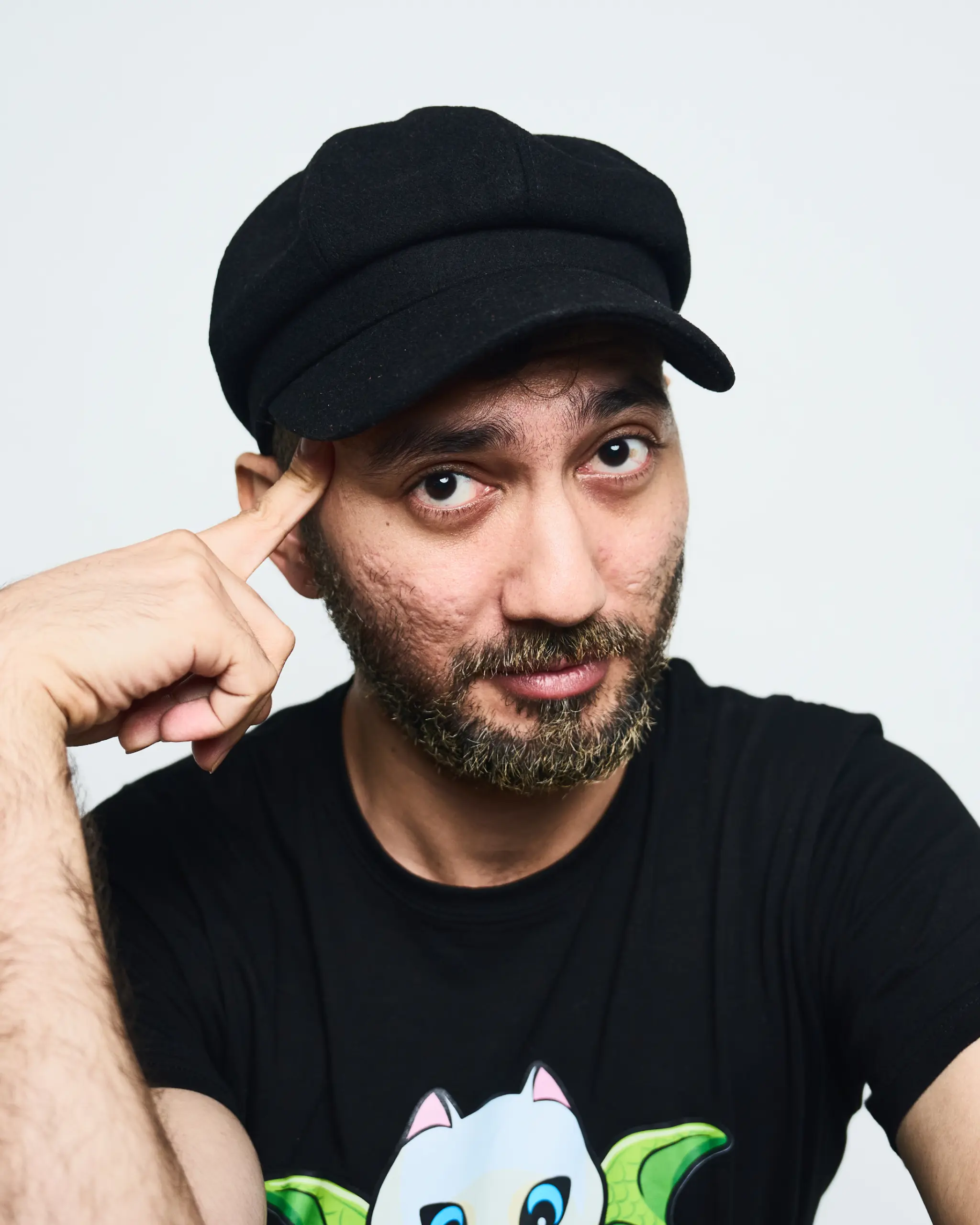
When Pura Luka Vega went viral in July 2023 for performing an “Ama Namin” rock remix in an outfit inspired by the Black Nazarene, the drag artist was unfazed by national attention. After all, they’ve had their time in the limelight as a contestant of the first season of Prime Video’s Drag Den in 2022.
“I can pretty much justify my work,” Vega tells Rolling Stone Philippines in an exclusive interview. “I welcome opinions. I don’t welcome cases.”
Unfortunately for them, the viral video prompted religious groups to file a case against the drag artist. In October 2023, Vega was sued and arrested for “immoral doctrines, obscene publications and exhibitions, and indecent shows,” a violation under the Revised Penal Code, following a slew of persona non grata declarations from 18 local government units.
But in June 2025, almost two years after the controversial performance, a Manila Regional Trial Court acquitted Vega of the charges, citing the prosecution’s failure to establish guilt beyond reasonable doubt. The court said their performance was intended for members of the LGBTQIA+ community, and that there was no evidence of the drag artist causing the video to be taken and uploaded.
Despite this, the fight is not over for Vega, as they still face another case with the same charges in a Quezon City court. “Laban lang,” they said in an X post, reacting to news of the acquittal.
In the meantime, the acquittal has refreshed conversations on religious norms and blasphemy laws in a predominantly Catholic country in the Philippines. In this interview for Rolling Stone Philippines, the drag artist rejoins the conversation and talks about what it means to queer one’s faith.
This interview has been edited for clarity and brevity.
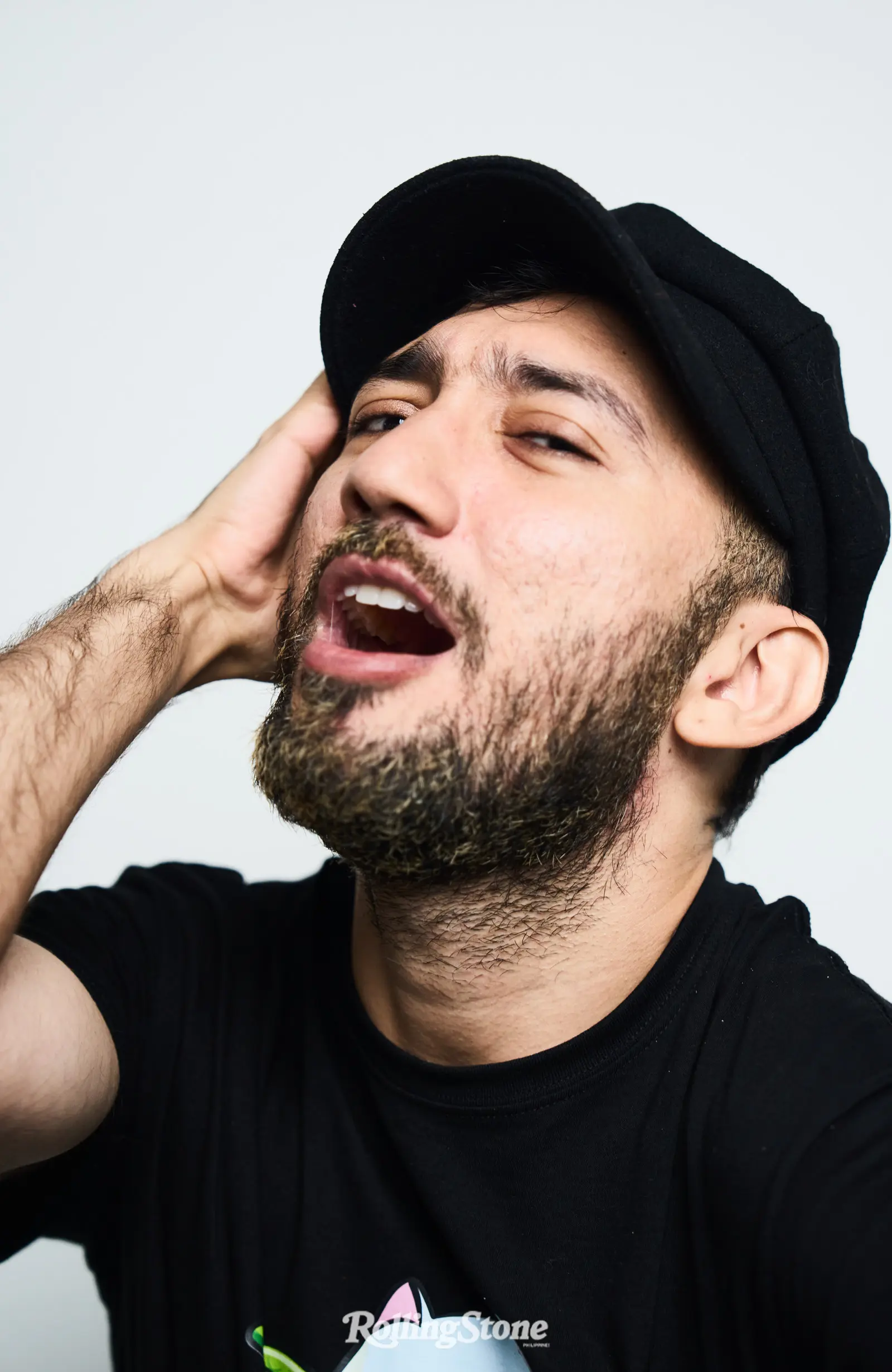
I know you’ve been out and about, even with your pending cases. How does your acquittal change things for you in your personal life and in your practice as a drag artist?
Weirdly enough, it hasn’t really changed much, because I’ve continued doing my art. I’ve continued to live my life as best as I could. But I guess I feel more free, and I’m able to do things with more confidence.
At least there’s no looming case that I have to think about. But in terms of what I’ve done before, during, and even now, it hasn’t really changed. I’m still doing what I love.
It’s been a long legal fight for you. Why do you think it took so long, the whole process?
This has been [a] quicker [process] because the real justice system in the Philippines is longer. I’ll give it to the Manila court for actually speeding things up.
It was explained to me by my lawyers that it’s usually longer for some of the cases they handle. Two years may be a long time, but that’s usually how it is in the Philippines.
At any point, between going viral and your acquittal, did you regret anything about the “Ama Namin” performance?
Not really. I knew what it was for. I knew the context or the setting. I knew it was the right song, at the right place, at the right time. I remember I performed this during Pride Month in 2023. There’s always a group of people during Pride that would preach and tell people, “You’re going to hell for being gay” and whatnot.
My way of understanding belief and religion — or of Jesus, growing up as a Catholic — [is that] He welcomes everyone, whether you’re gay or not, but specifically the oppressed.
It made sense to me to take His image and have this narrative of a queer Jesus, a welcoming Jesus. Because why not? I mean, Lady Gaga knows this. “Jesus is my virtue.” She said that.
“It’s nice to have support from allies, even if [it] is a little shallow. It opens up that opportunity to make them understand that we do this because there’s a history behind it… Kudos to people who find it entertaining. Great. But let’s also reflect on it more and be true allies.‘
Is there a part of you that’s maybe glad this happened, especially for what it taught you about blasphemy laws in the Philippines?
Yeah. I think it’s important to have a discussion around it. There are a lot of outdated laws and policies in the Philippines that need to be reassessed. Probably not a lot of people want to change it because it serves them well. Like did you know that the rape law in the Philippines is not consent-based? It’s still coerced. A part of me is concerned about artistic freedom and even religious freedom.
There’s a lot, not just queer rights, but also women’s rights. People think we’re so progressive, but we’re not there yet at all. But to be fair, we are learning. We’re trying to get there.
Has this experience changed the kind of art or drag that you want to do or the audiences you want to reach?
Yes and no. Yes, it has enriched my drag even more. When I do my drag, it always comes from a personal stance. But I also need to protect my drag [and] art. There’s a learning [process] from how people perceive it, and I think it’s important. [It becomes] a litmus test for how welcoming the audience is.
But as the artists that we are, we can actually change our performance based on our audience, so we’re [more] mindful of the type of material we put out there — for example, with children.
Drag is for everyone. But like any art form, it has a lot of layers, genres, and stories. It’s storytelling, and not all stories are for the faint of heart.
With that in mind, should drag be gatekept or limited to a certain audience?
People are trying to regulate content on the internet, and God bless them if they can. But [that feeds] into the discussion of: “Who gets to really regulate the stories that are put out there?”
Drag started in the underground scene. Not a lot of people knew about it. Now, it’s becoming more mainstream and it has already shifted into the digital space. It’s good to put your stories out there. But it is also not within my control how people perceive my art. Some people get it, some people don’t.
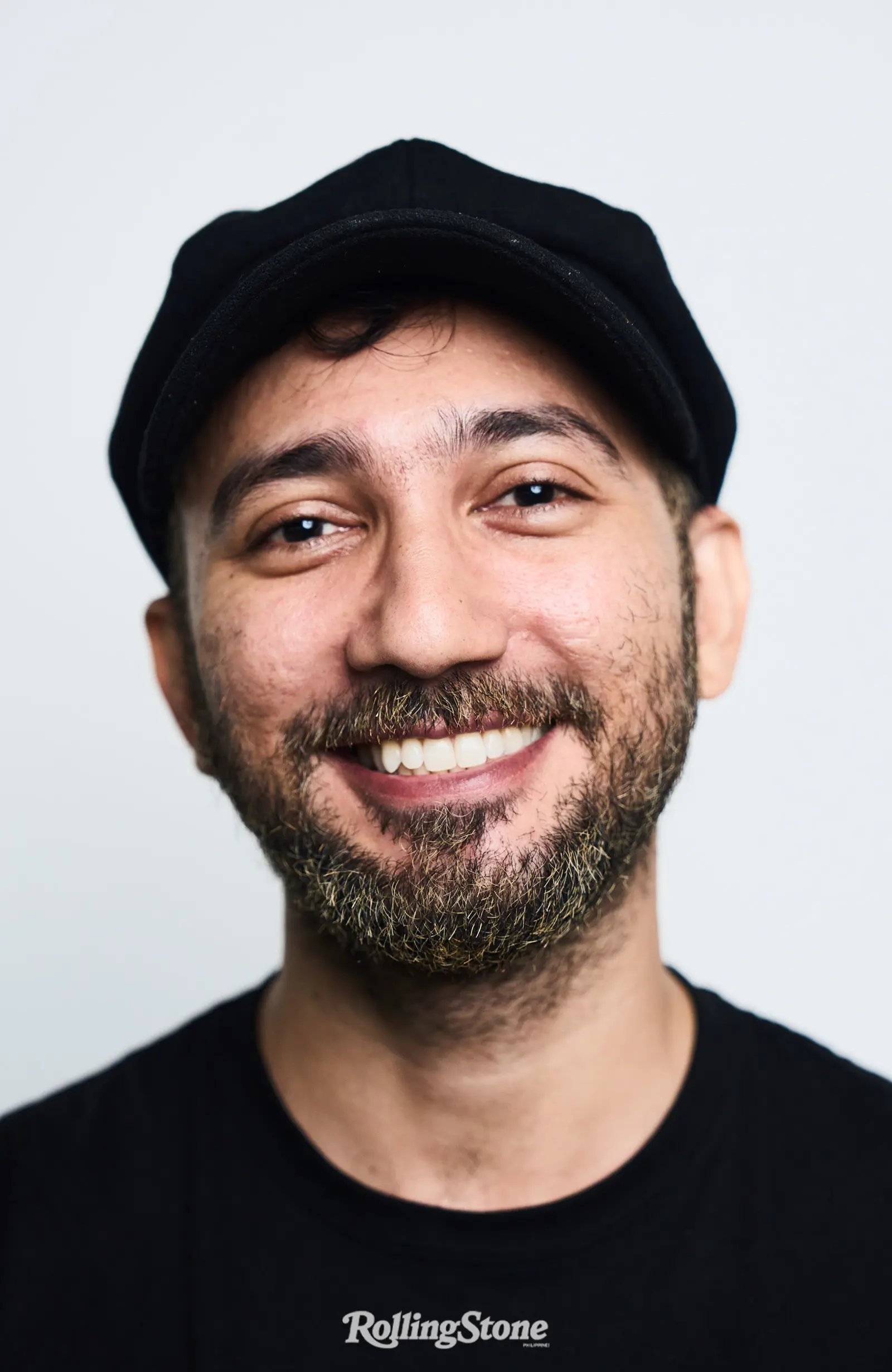
Before your performance went viral, your practice was very much confined to queer spaces and alternative spaces. How did you deal with the attention?
I didn’t think much of it because I had a [Drag Den]. What’s the point? I know that being in the limelight, people won’t get the entire picture. I felt that people didn’t know the entire context of the performance, so I didn’t hold it against them if they felt different about it.
I can justify my work, of course, because it is my work. I welcome opinions. I don’t welcome cases, but opinions, I do welcome.
When you went viral that first time, you explained that you wanted to challenge the notions of praise and worship. Why do that at all?
Because I feel like the status quo, unintentionally, might have driven people out of churches. I have a problem with the hypocrisy of how things are. I don’t know if you’ve heard of [Padre] Guilherme, who is a Brazilian priest and DJ. He’s doing God’s work.
You can also queer-ify your beliefs. Binakla mo ‘to, binakla mo ‘yan. Anong problema ‘pag binakla ko ang paniniwala ko?
[My drag] was and will always be coming from a place of love. It isn’t meant to put people down. I’m just doing my own thing, and I encourage people to do [the same].
What aspects of religion, specifically Filipino faith, do you think are worth examining?
The definition of a family can be re-examined. The decisions on our bodies can also be examined. Certain churches are very vocal on their stance on reproductive health, and we need to re-examine that because lives are at stake.
Some churches unintentionally — or maybe it’s intentional, I really don’t know — have certain narratives of men being for women, that type of thing, which doesn’t necessarily apply to everyone.
If we really want an inclusive religion, maybe consider welcoming people for who they are. This includes trans women and trans men.
“I can pretty much justify my work, of course, because it is my work. I welcome opinions. I don’t welcome cases, but opinions, I do welcome.”
Is there something to the quintessentially maximalist form of Catholicism in the Philippines that, to you, made the “Ama Namin” performance just make sense?
The way that we practice our faith, the Catholics, is just extra. We have a lot of garments. That’s the reason why I specifically chose the Itim na Nazareno outfit, because it’s one of the most beautifully decorated types of [Catholic] imagery I’ve seen. The gold embroidery, the velvet. You see fashion designers also taking inspiration from Catholic art.
I love it. I love the theatricality of some of the practices of Catholicism, because I feel like it’s a way to remember things — like the Penitensya in Pampanga.
There’s something subversive about that, ‘yong extreme expression of faith.
It may be extreme, but I understand where they’re coming from. You have to look at things, the world, with a level of understanding. Or just put yourself in others’ shoes. I always ask myself, “What would Jesus do?”
How would you grade the queer allyship or systemic support beyond the appreciation of drag?
[When people say,] “I love you. I love what you do. I love your work.” I’m like, “Okay, thanks. My rights, please!”
I think [support] starts there, and representation is good. It’s nice to have support from allies, even if [it] is a little shallow. It opens up that opportunity to make them understand that we do this because there’s a history behind it. It’s deeper, and we’re fighting for human rights. Kudos to people who find it entertaining. Great. But let’s also reflect on it more and be true allies. Being a true ally means that you also have to defend the rights of people who are on the fringes.
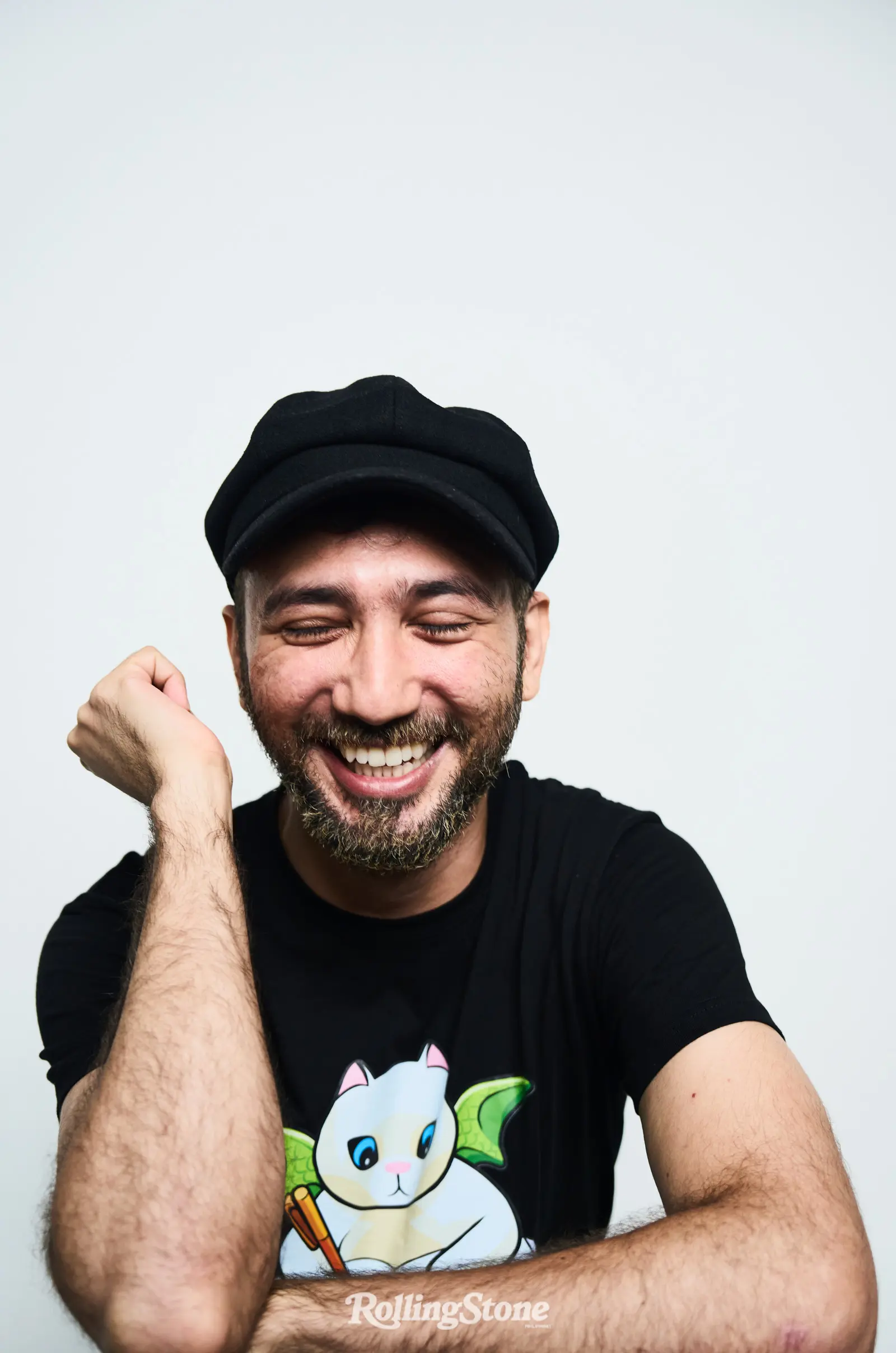
We always talk about what we need in the long term, our rights. What kind of support do you feel is more attainable in the short term?
We can, first and foremost, change the thinking that Pride is just a month, because it’s not. It’s an everyday thing.
I would like to argue that listening is the least that you can do, but it’s also the most impactful. If you just really listen to queer stories, that’s a step closer to being more inclusive. Then of course, [we can] be more inclusive in development policies and programs. Don’t just make programs for people without including them. It’s not an effective program if you do that. You have to include more people of more diverse backgrounds. The intersectionalities, keme! Big word. Look it up.
Recommended Video
Rolling Stone Philippines Voices Issue, Now Available at SariSari Shopping