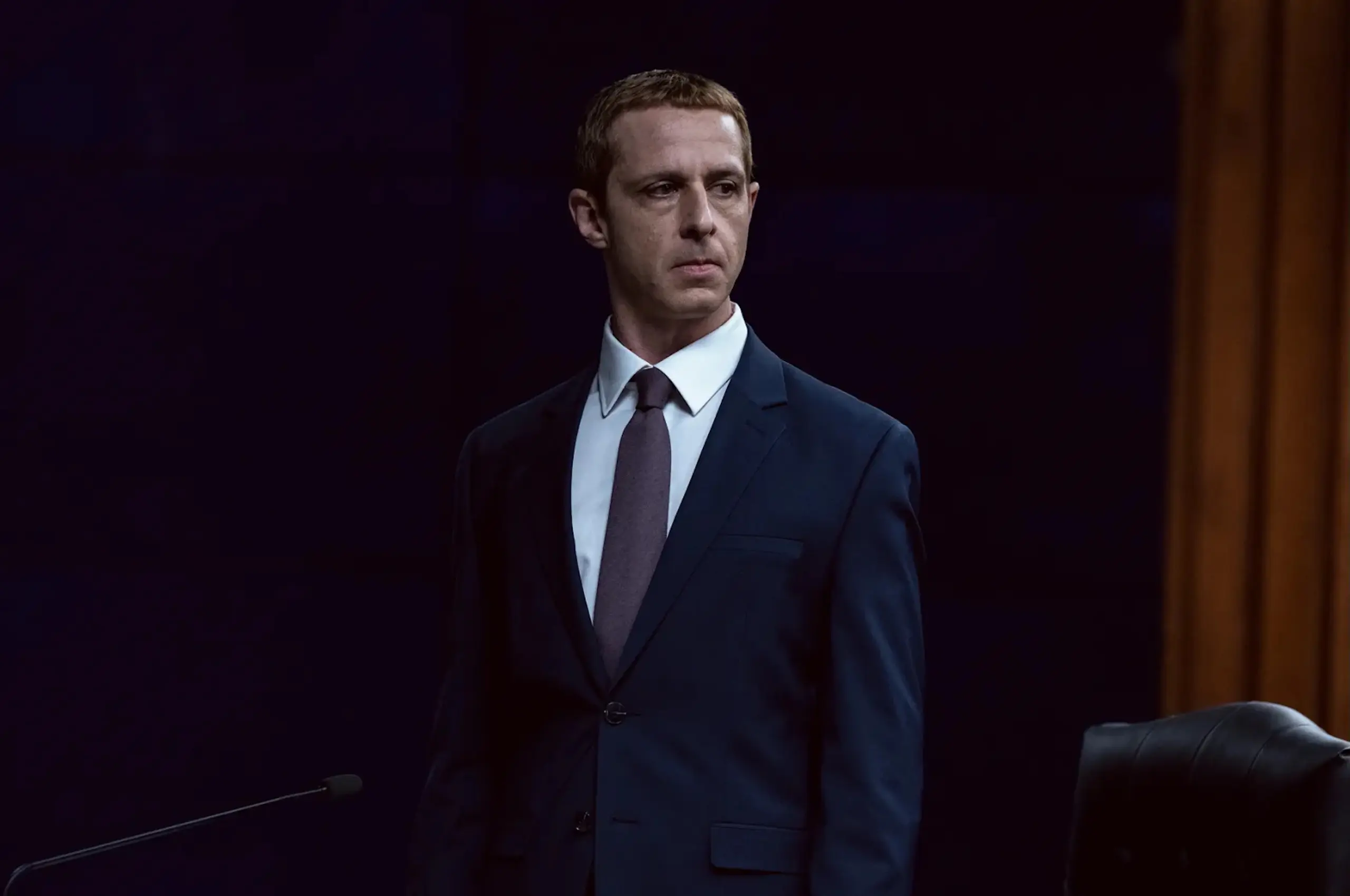
It looks like, for a generation of moviegoers, The Dark Knight isn’t the timeless classic we once thought it was.
In 2008, director Christopher Nolan’s dark, shadow-soaked Gotham hit theaters like a reckoning. Back then, audiences were stunned by Heath Ledger’s terrifying Joker, Christian Bale’s intense and gruff portrayal of the Caped Crusader, and Nolan’s almost obsessive exploration of what it means to continue being a hero in a morally gray world teetering on chaos.
For many, Nolan, since Batman Begins, had cracked the code on how to make comic books belong in cinema and worthy of critical acclaim. Ledger’s sudden death just months before The Dark Knight’s release only intensified its lasting impact, adding a layer that forever linked his performance — and the movie itself — to a legacy of artistry and profound cultural significance. More recently, the film ranked 28th on The New York Times’ “The 100 Best Movies of the 21st Century,” one of two superhero movies to make it to the list.
But nearly twenty years later, not everyone believes in the film’s timelessness.
An Eroding Legacy
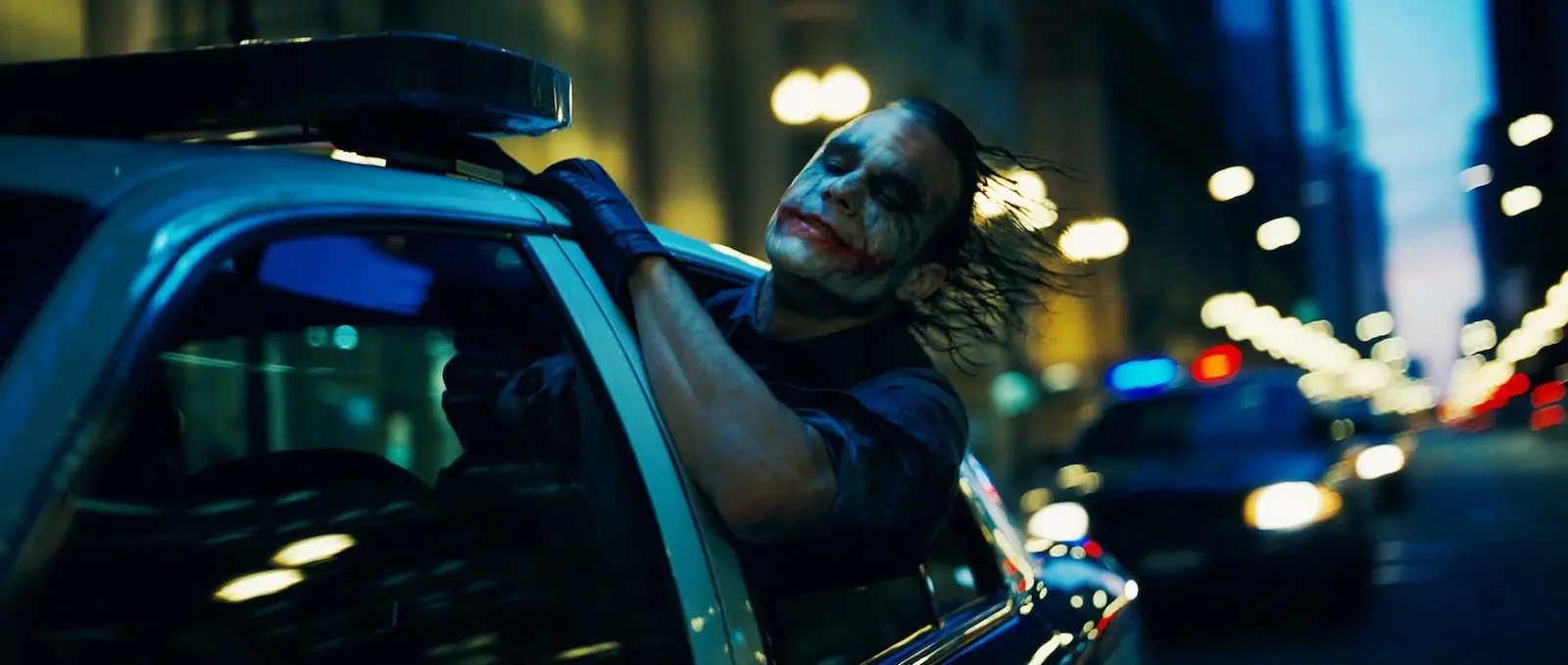
While millennials are quick to defend The Dark Knight and its cinematic legacy, the same cannot be said for new audiences coming to the movie for the first time. More recent reviews of Nolan’s so-called masterpiece veer toward the negative. “An overambitious crime opera that mistakes grim for great,” wrote one Letterboxd reviewer when rating The Dark Knight a dismal half-star. “I only wish this Gotham City had stayed in the shadows where it belongs.” Another Letterboxd review also gave the movie a half-star and wrote, “You can feel the pretentiousness of Christopher Nolan’s vision as he torments the comic book genre and replaces it with his sob crime drama script that gives little to nothing for Batman to accomplish.”
Historical context comes into play when considering how different audiences approach The Dark Knight. Before Nolan tackled Batman’s story, first with Batman Begins in 2005, there was a lack of quality movies centered on the hero. There had been 1966’s Batman, featuring Adam West’s campy, more kooky portrayal. There had also been 1989’s Batman with Michael Keaton offering a wry, serious take that was met with both positive and negative reviews. And then there were the stranger, oddball Batman movies, including 1995’s Batman Forever starring a poorly received Val Kilmer and 1997’s Batman & Robin starring an even more poorly received George Clooney (and no one was happy about the Batman nipple suit).
So, when Nolan finally gave the world his interpretation of the Batman franchise, audiences seeing the film for the first time were understandably stunned that a Batman movie could both be done well and be taken seriously.
Secondhand Echoes
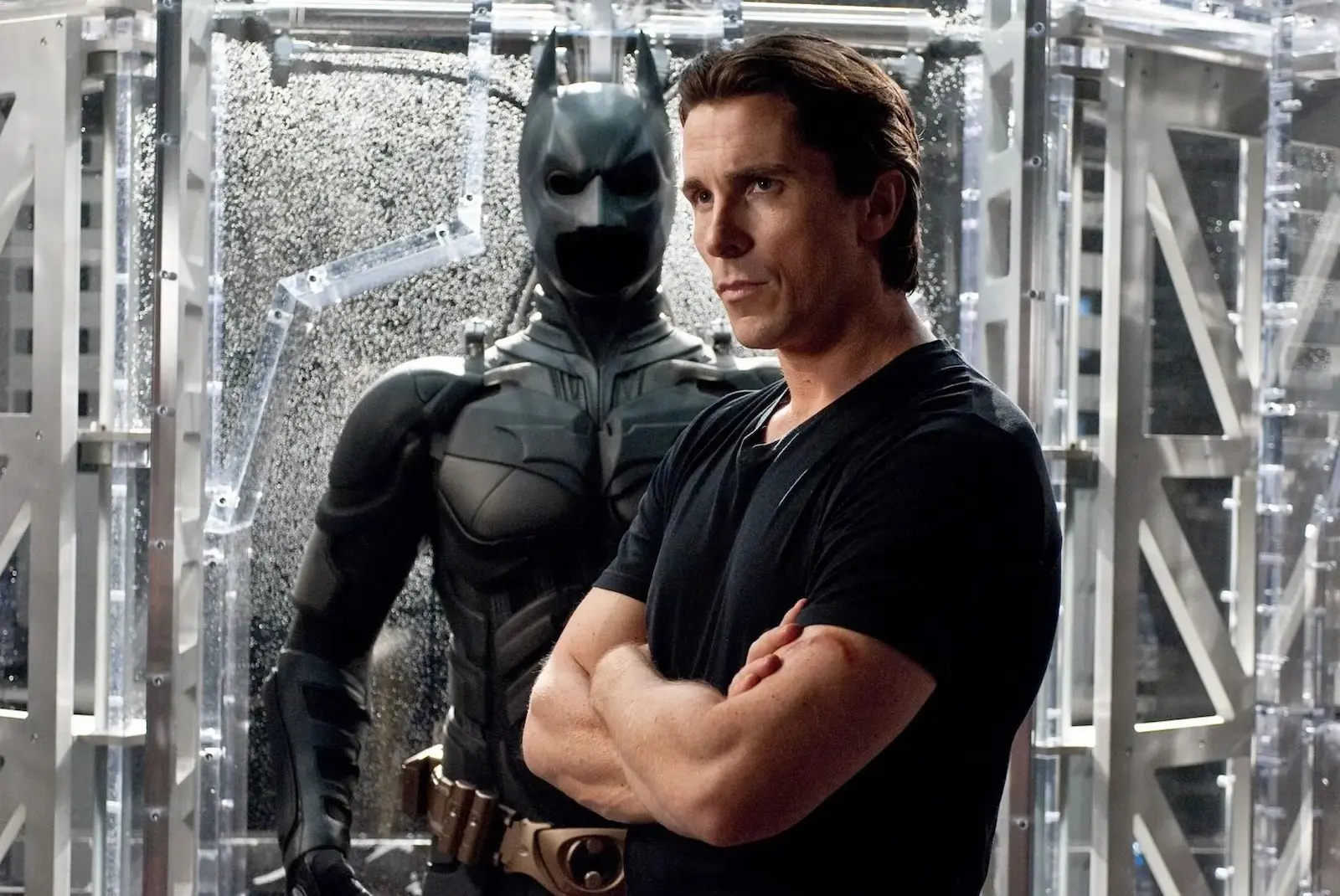
But since then, the superhero blockbuster genre has become so saturated that a new wave of audiences has grown up with an abundance of superhero movies. Both Marvel and DC have released a plethora of hero movies and television shows, so much so that there is simply too much superhero content out there. With Batman specifically, recent adaptations have doubled down on the hyperreal aesthetics established by Nolan in The Dark Knight trilogy. From director Zack Snyder’s overly gritty films with Ben Affleck as the frowning Gotham defender to director Matt Reeves’ dark The Batman with Robert Pattinson giving an equally edgy performance, the last seventeen years have seen audiences equating Batman with a tired, overplayed grittiness that they trace back to Nolan’s trilogy.
“It’s been mischaracterized how ‘gritty’ or ‘dark’ Nolan’s Bats movies actually are,” film culture writer Brendan Hodges wrote on X. “They are absurd, proudly silly, incredibly fun movies. They are very comic book-y, but in a different way than the [Marvel Cinematic Universe] or Snyder.”
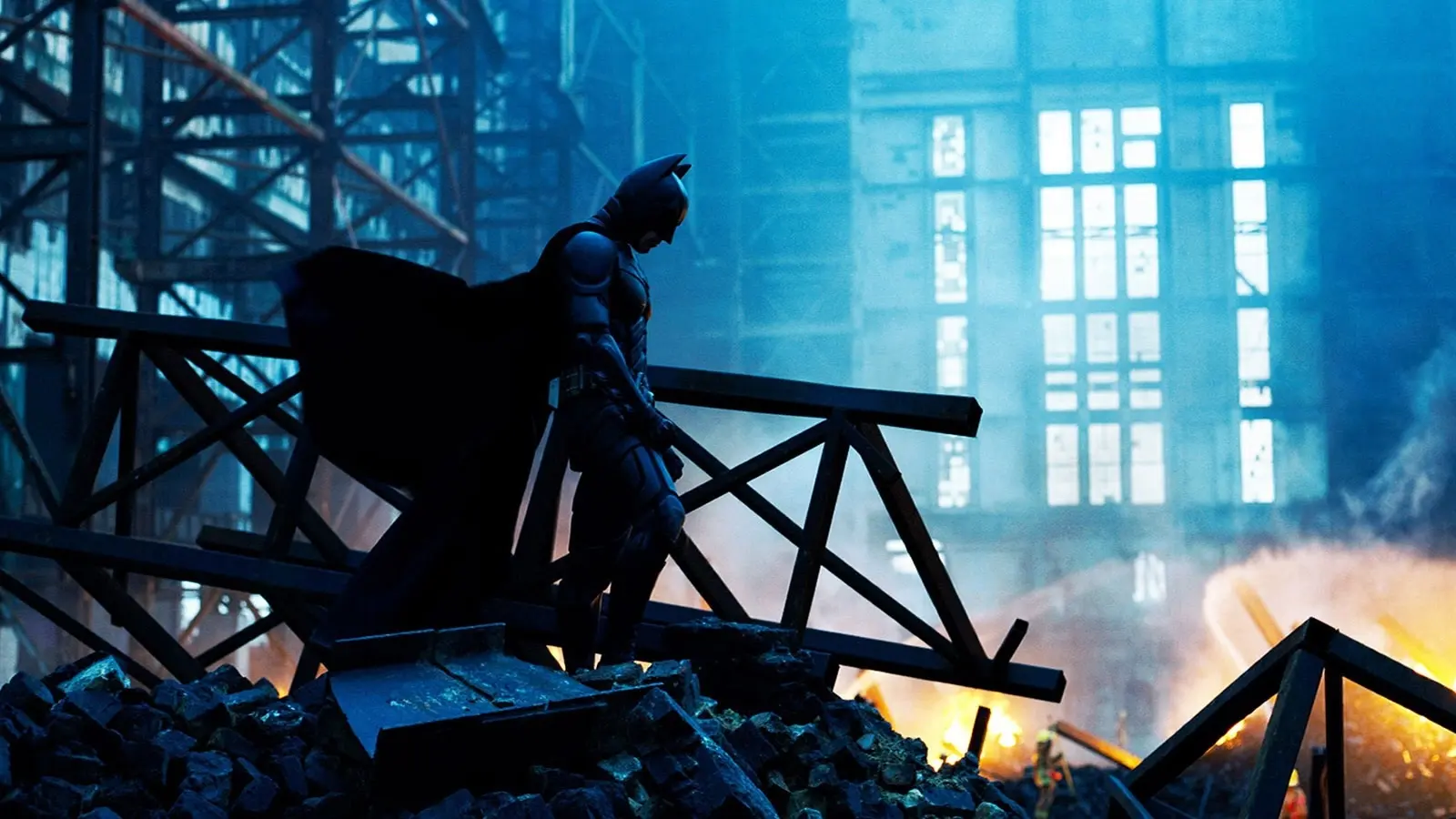
Adding to the erosion of The Dark Knight’s legacy is the fact that it spawned countless memes, parodies, and references so ingrained in the pop culture zeitgeist that even those who haven’t seen the movie have at least seen the deep fried memes of the Joker’s “Why so serious?” face or Pete Holmes’ bumbling version of the hero in College Humor’s old YouTube videos. These references specific to The Dark Knight may have originated in the mid-aughts, when the movie’s popularity was at its peak, but they have permeated Gen Z’s cultural landscape to the point of cultural fatigue. The more recent movies have created their own Batman-specific virality, from memes about Paul Dano’s portrayal of The Riddler in 2022’s The Batman to fan discussions online about how bad Affleck’s Batman (or Batfleck) turned out to be.
All this Batman content has added to the fatigue surrounding the franchise and blurred the impact of The Dark Knight in the process. A new generation of moviegoers has grown up so surrounded by these secondhand echoes that by the time they finally sit down to watch the movie (if they ever do), its shine is already long gone.