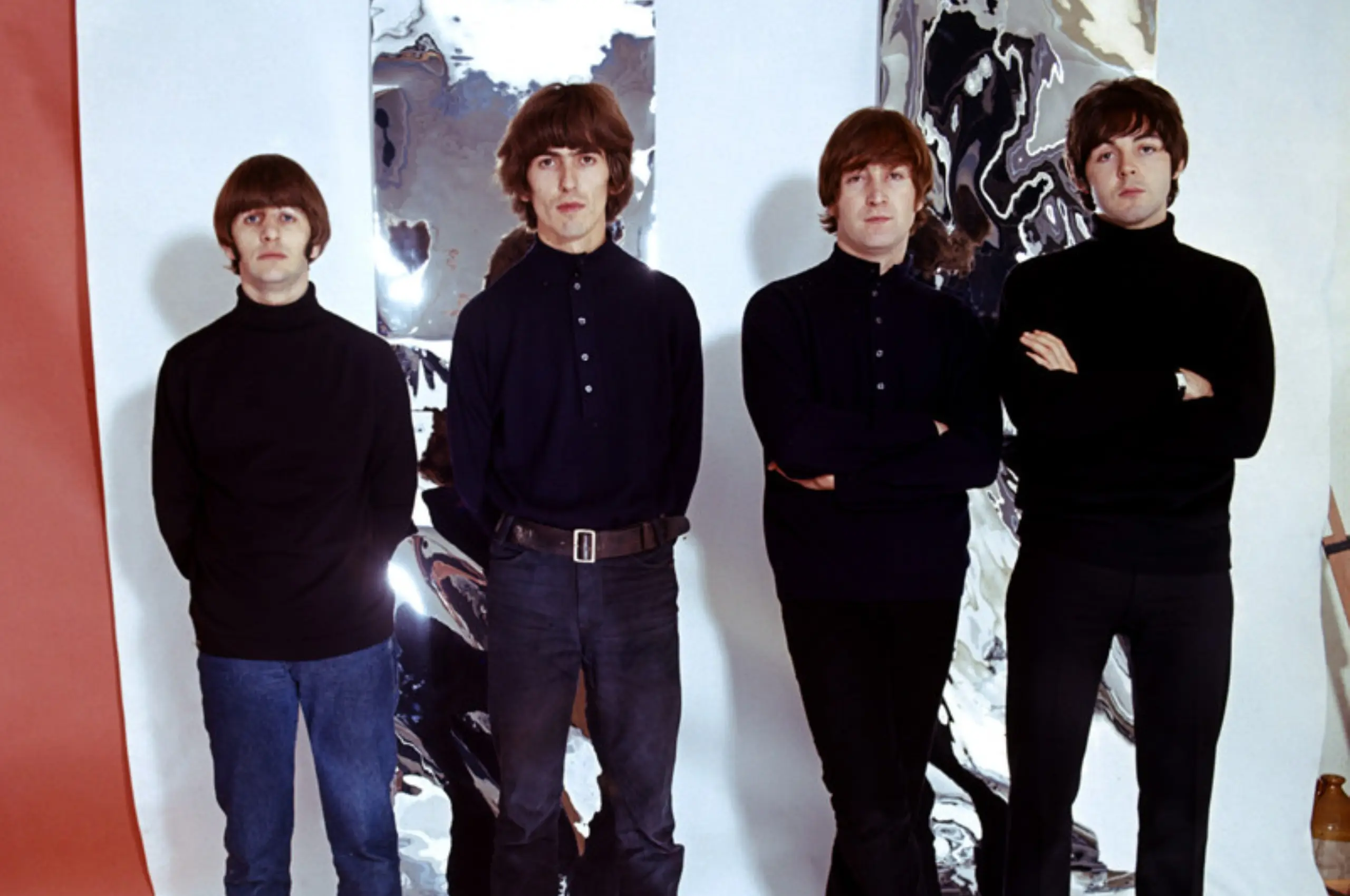
By the time English rock band The Beatles escaped Manila on July 5, 1966, they were done with live performances for good. The trouble started the moment they landed. The airport customs officers seized their luggage at gunpoint, shouting at them to abandon their bags. The band, accustomed to deference, found themselves bullied for the first time. Their gear, their clothes, and — most alarmingly — their stashed marijuana were all in their luggage.
On July 4, Tony Barrow, their publicist, watched security guards disciplined fans by force with the use of batons. And shortly after their second round of their live shows in Rizal Memorial Stadium, their police escort vanished in the scene of the concert. A mob surrounded their cars, rocking them and shouting insults while they were exiting the venue.
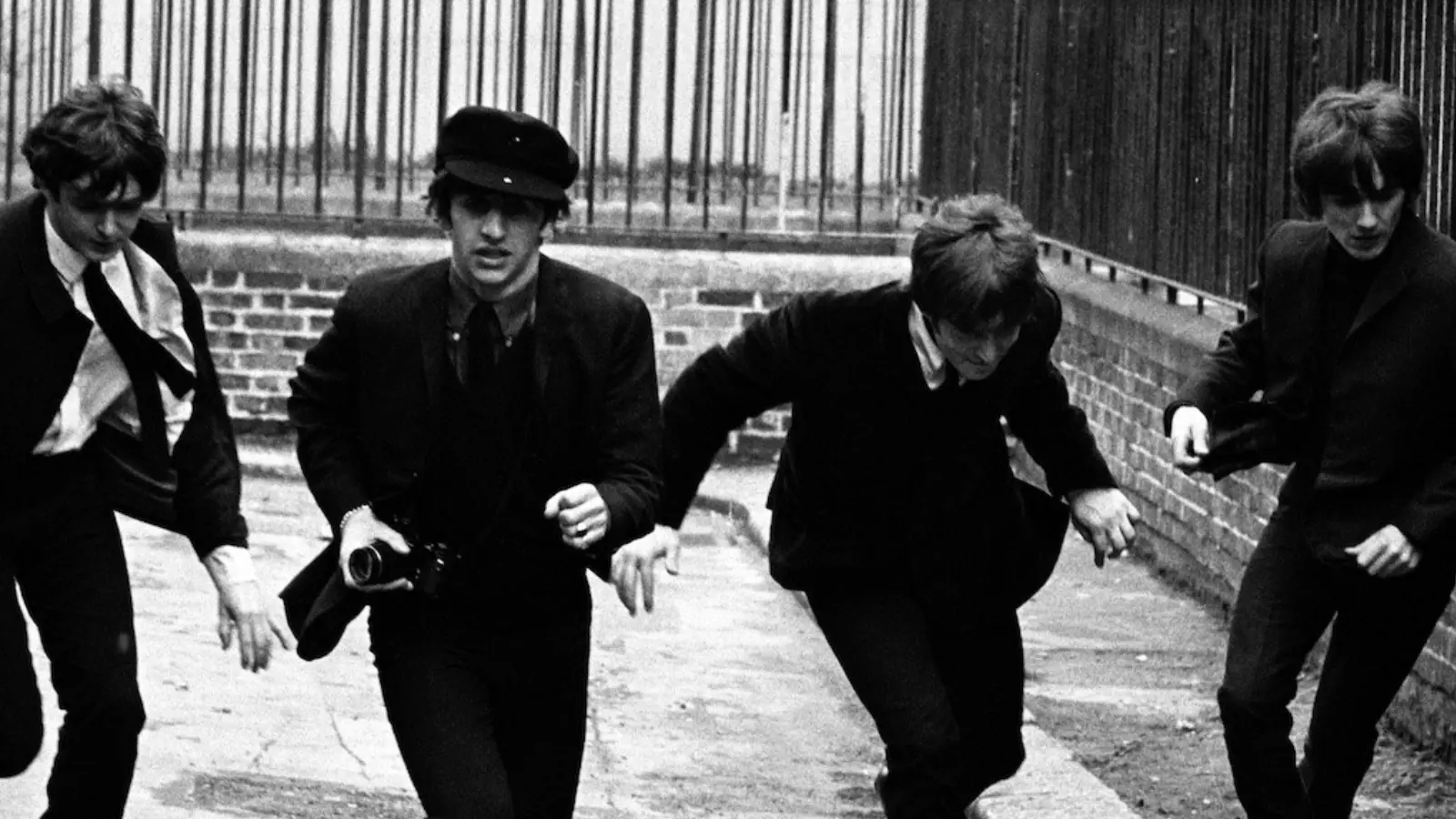
The day after the Rizal Memorial Stadium show, the local government came to charge the band and their touring team extra. Tax officials demanded $80,000 where The Beatles’ band manager Brian Epstein refused to pay the outrageous entertainment tax. When the band tried to leave the Manila International Airport, fans and authorities chased them down. The mob then chanted “Beatles go home!” as they were kicked, punched, and shoved through customs and on the way to their plane.
The Beatles played 14 more shows, all in the U.S. and one in Japan, before quitting the live music performances for good in 1966. The studio eventually became their refuge where they recorded their biggest albums such as Rubber Soul, Sgt Pepper’s Lonely Hearts Club Band, The White Album, Abbey Road, and their last studio album Let It Be.
Recommended Video