


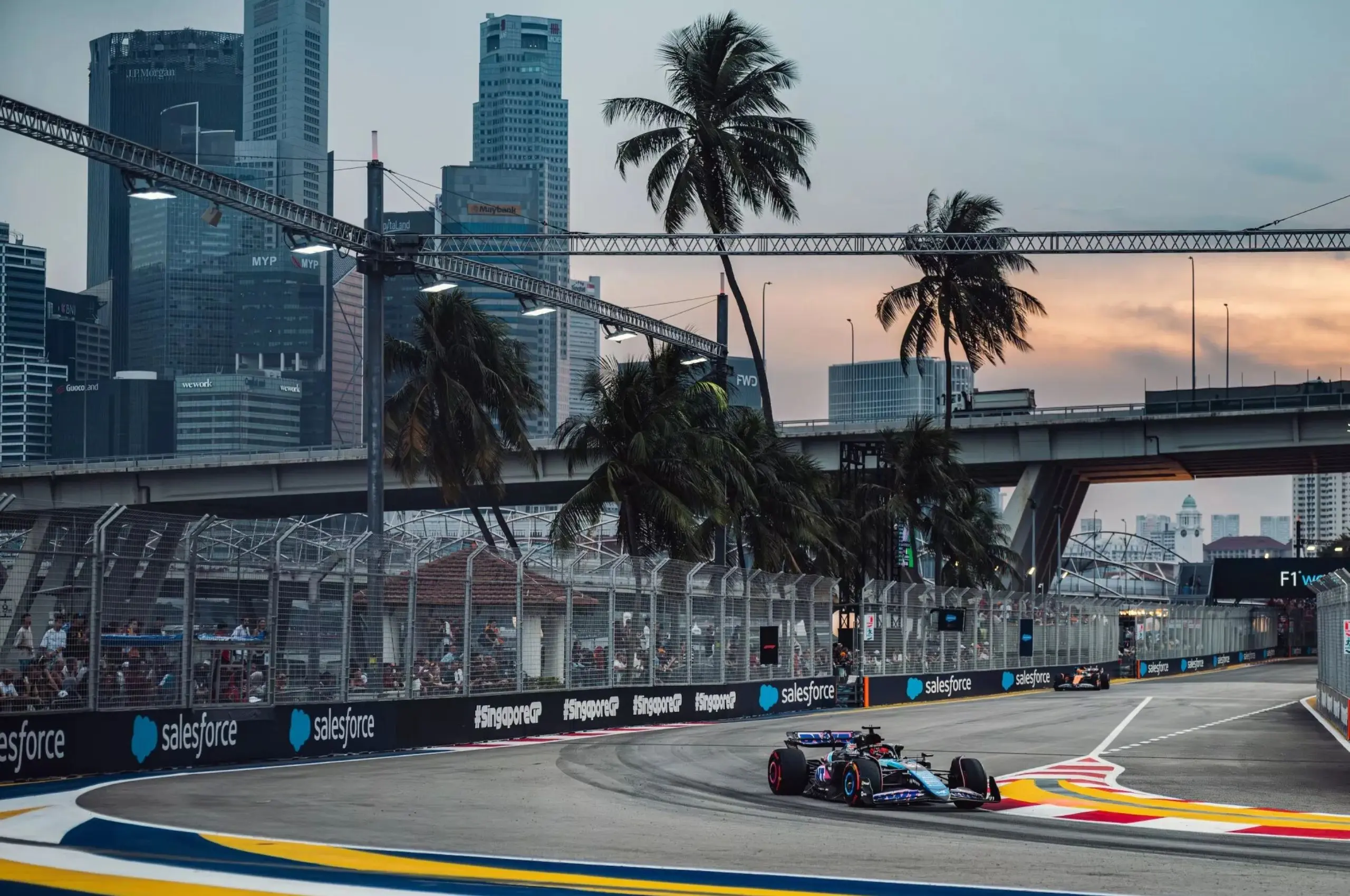
Thailand has confirmed its bid to put its capital Bangkok on the Formula One (F1) calendar in 2028. During a cabinet meeting in June, the Thai government approved the proposed $1.23 billion bid — almost P70 billion — to host an F1 race. If granted by Formula One Management (FOM), the country wins a five-year contract that may boost its tourism sector and, with that, the economy, the Thai government said.
As this year’s season kicked off in March, Thai Prime Minister Paetongtarn Shinawatra met with Formula One Group CEO Stefano Domenicali and said he would commission a feasibility study into hosting a street circuit race in Bangkok, Reuters reported. Thailand already has the Buriram International Circuit in Buriram province, which the Fédération Internationale de l’Automobile (FIA) accredited as a Grade 1 track suited for F1 events.
Can the Philippines host a race too? The government would have to shell out at least P9 billion for a three-day racing event, covering the hosting fee, track maintenance costs, medical and security services, and setting up infrastructure such as grandstands and hospitality suites. On top of this, the government must be prepared to move hundreds of thousands of tourists and race spectators, which requires improvements to public transportation.
But Thailand and the Philippines may have more to gain from hosting F1 races.
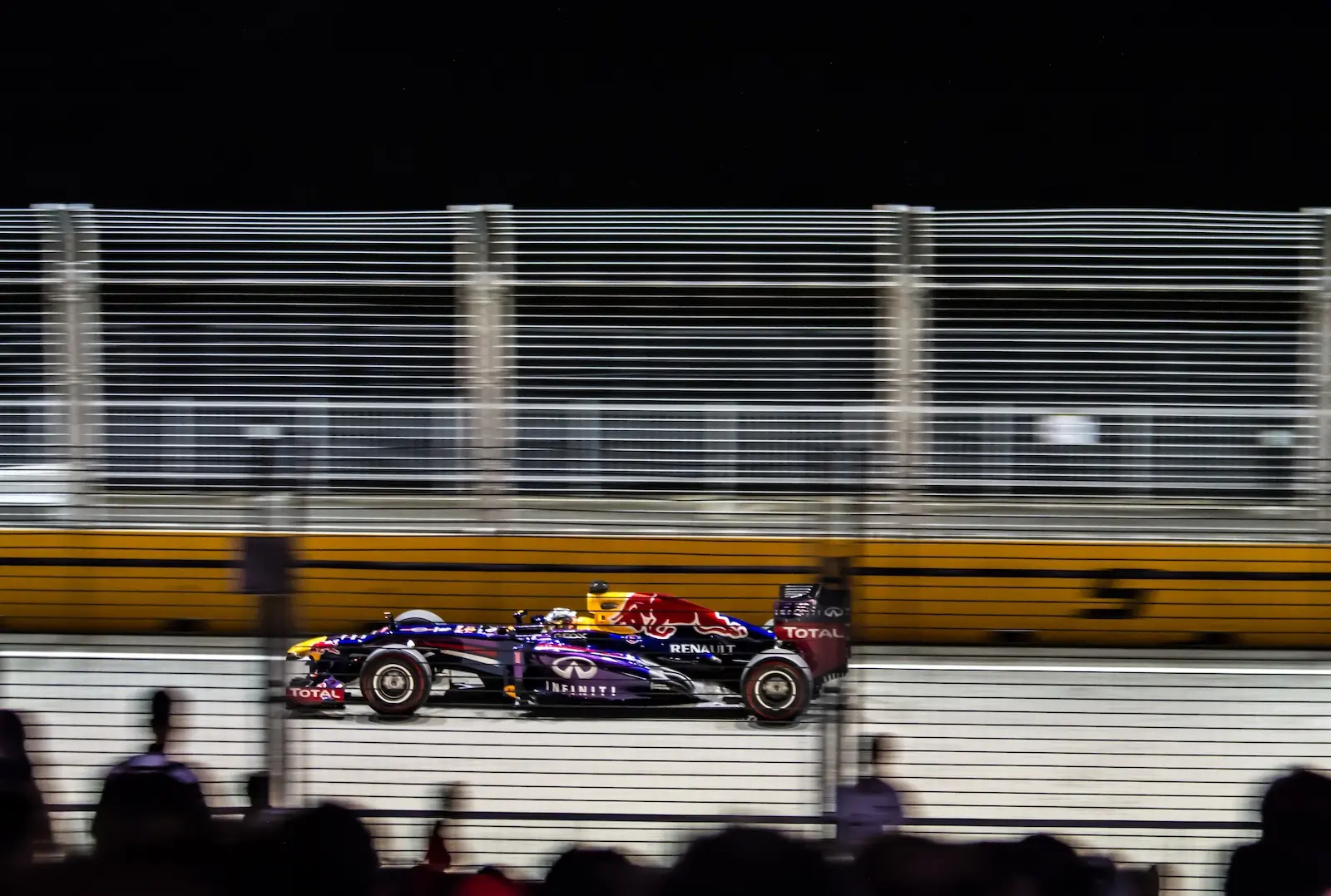
Singapore is currently the only Southeast Asian country hosting its own grand prix after Malaysia dropped out of F1 in 2018. While F1 ticket sales have not been disclosed, the Singaporean government said the GP earned the country around S$2 billion, or P88 billion, in incremental tourism receipts since debuting in 2008, far exceeding the first GP’s bill of S$150 million.
Its Ministry of Trade and Industry (MIT) said it has earned from international business events held around the race, like the TIME100 Leadership Forum and Forbes Global CEO Conference. In its 2022 fact sheet, the ministry reported that 90 percent of the race organization is sub-contracted to local companies in the F&B, events, logistics, and transport industries. “Businesses, especially those around the circuit, can capitalize on this increased demand during the F1 period,” the ministry said.
Recommended Video