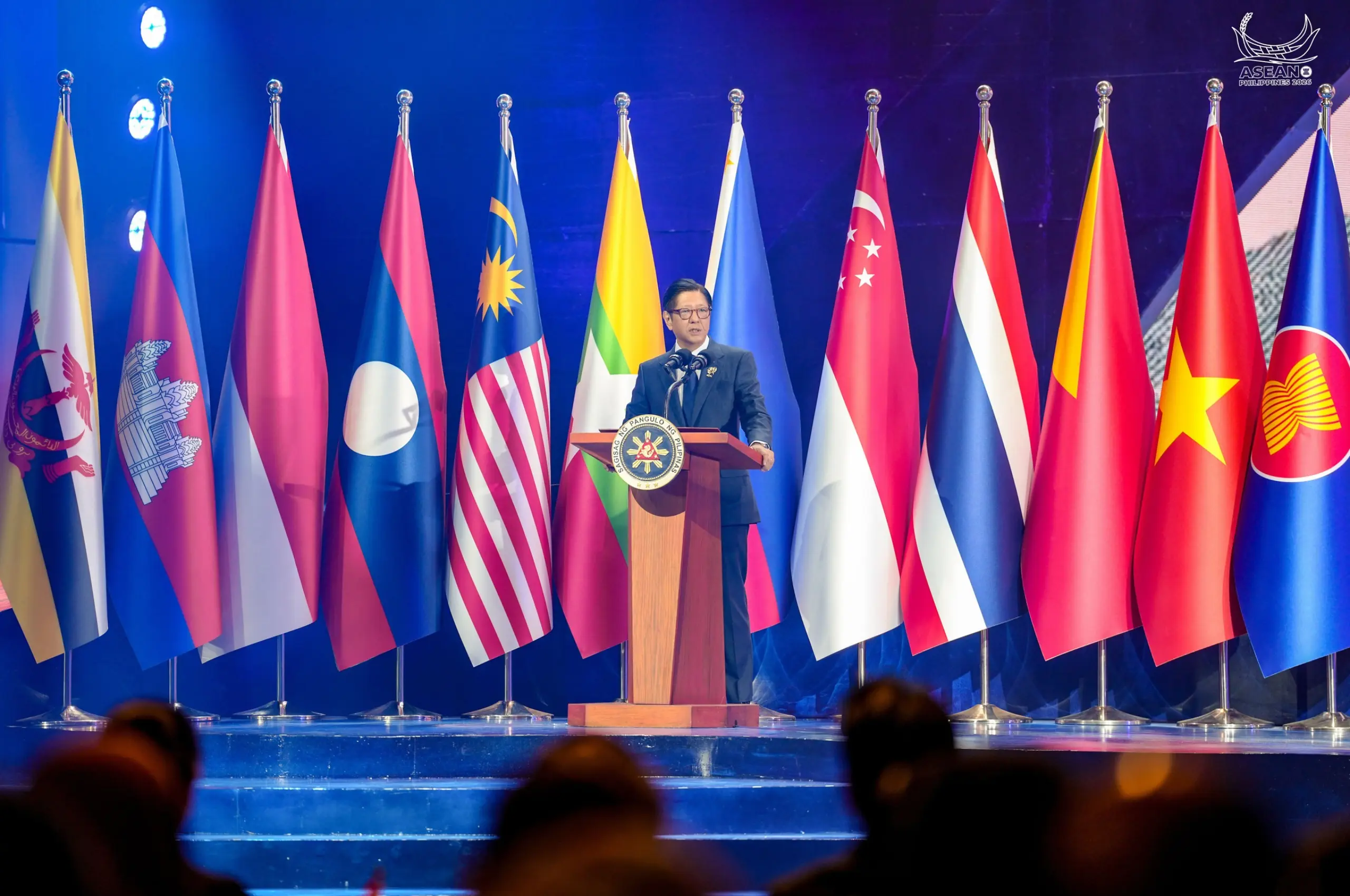


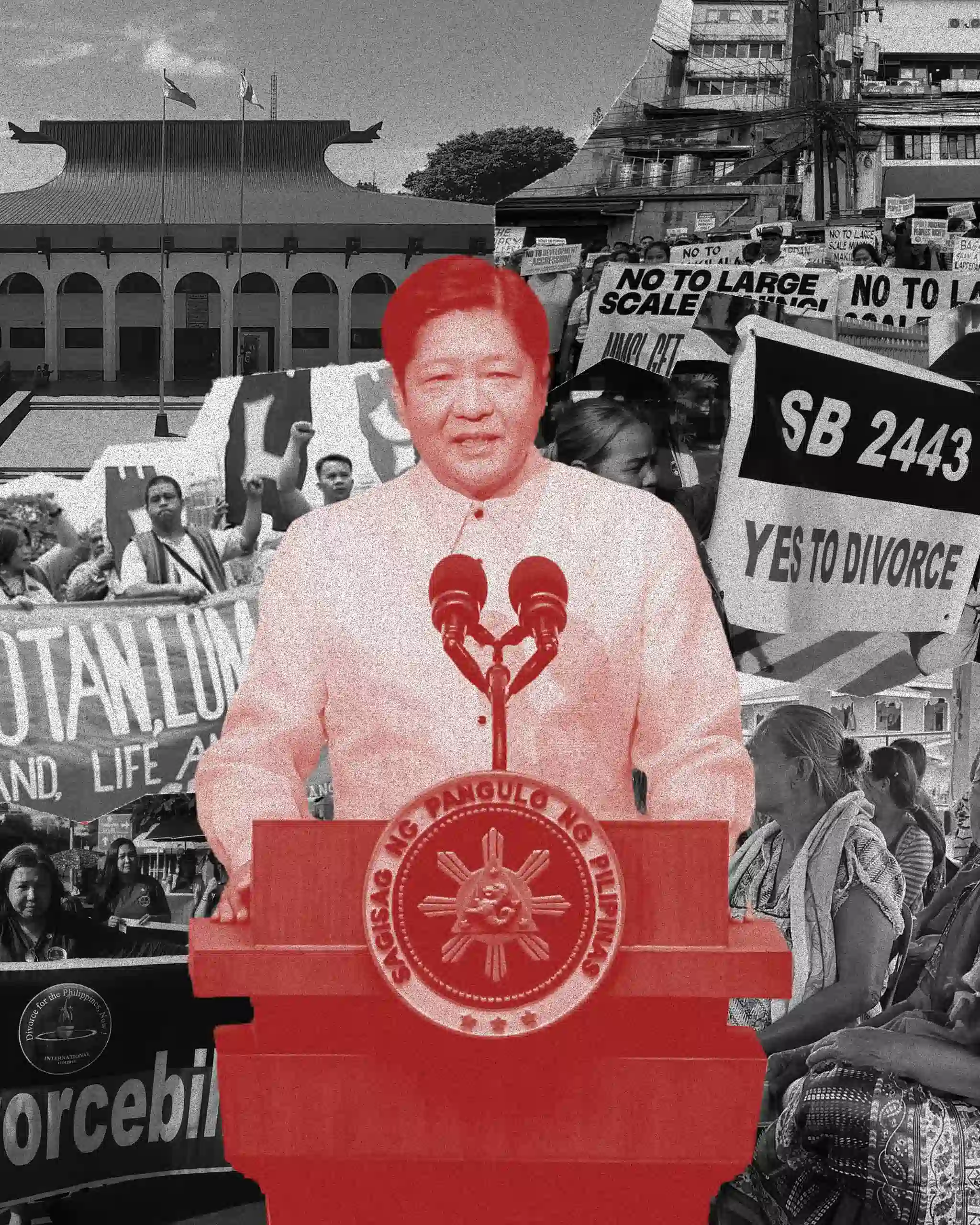
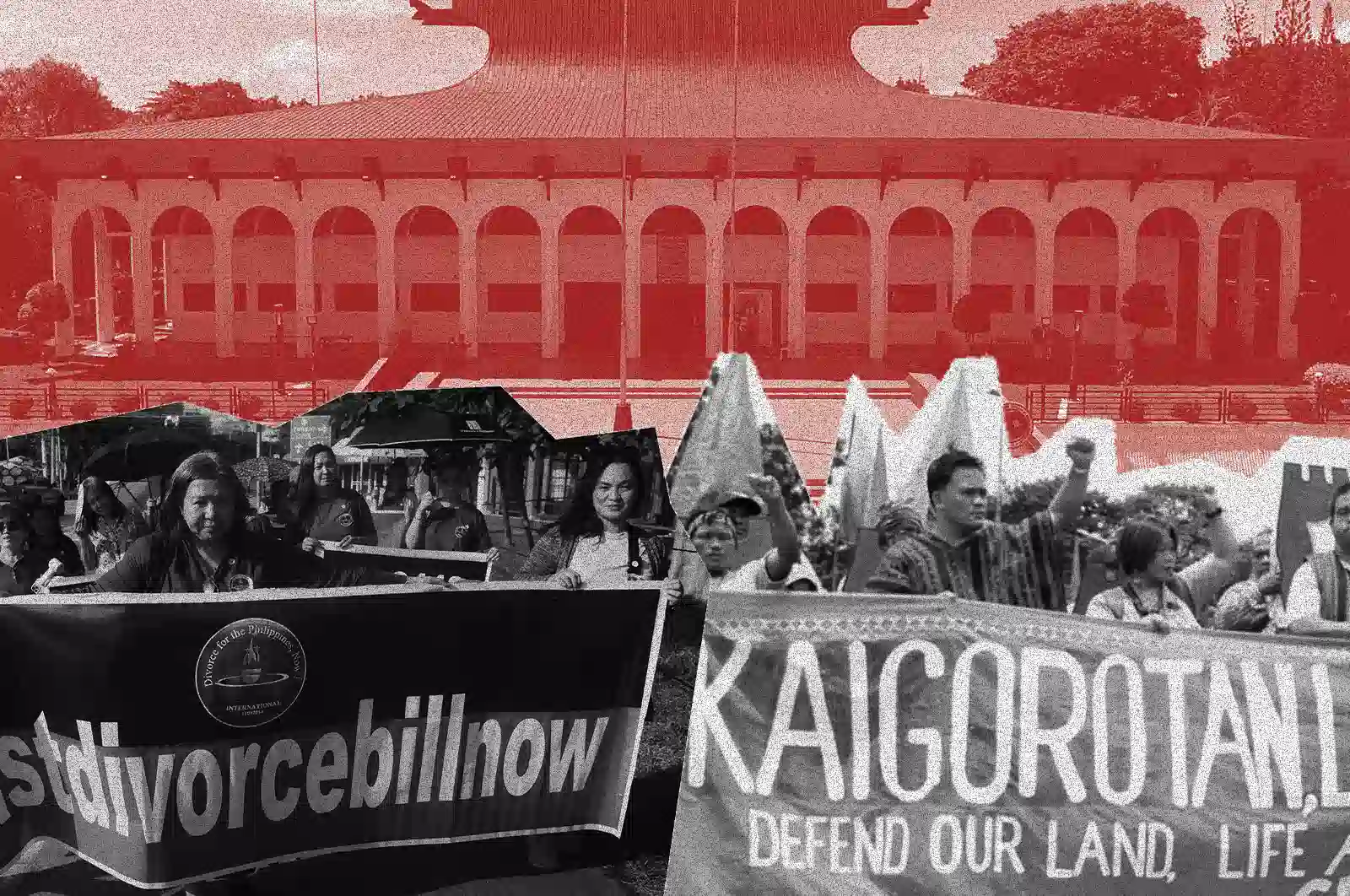
As President Ferdinand “Bongbong” Marcos, Jr. prepares to deliver his fourth State of the Nation Address (SONA) on Monday, July 28, Filipinos are contending with soaring food prices, stagnant wages, widespread disinformation, and the erosion of civic and environmental protections. The public transit crisis deepens in cities, rural communities remain underserved, and long-delayed legislation, from divorce to agrarian reform, continues to languish in Congress. Beyond the promises and metrics, the question persists: Where is the country headed in the second half of this Marcos administration?
For Indigenous peoples’ rights activist Josefa Tauli, 30, the direction is clear — and deeply concerning. “The country is going in the wrong direction,” she says. “Unless our decision-makers start putting people over profit, it will continue to do so.” Based in Baguio and being an Ibaloi-Kankanaey Igorot youth, Tauli’s work centers on protecting land and biodiversity — efforts that have come at a cost. “Our communities put their lives on the line to defend our lands,” she says, only to be met with “harassment, vilification, terrorist-tagging, enforced disappearances, and even killing.”
Tauli’s own father is among those falsely designated as “terrorists” under the Anti-Terrorism Law, a policy she says threatens not only individual safety but the work of entire communities. “Mechanisms, processes, and projects are designed to serve large companies and politicians, and not the people,” she says. In the next three years, she hopes to see “those who violate human rights, who steal taxpayers’ money, and who cause destruction of the environment be held accountable.”
“I hope that extractive and destructive projects impacting our people and our lands will be stopped,” she says. “We also continue to call for the government to comply with their international and national obligations on human rights, Indigenous peoples’ rights, and just and equitable action on biodiversity and climate change.”
A Future to Fight For
In the Bangsamoro Autonomous Region in Muslim Mindanao (BARMM), 25-year-old Abrar J. Hataman is learning, fast, how to legislate amid post-conflict realities. As the youngest ever member of the Bangsamoro Parliament, he’s keenly aware of the expectations placed on him. “The weight on my shoulders is heavy,” he says. “Being young in Parliament has meant constantly proving that I deserve a seat at the table.”
Hataman represents Basilan, which he says is undergoing a transition from survival to self-determination with the rest of the region. “We celebrate the victory of the leaders and the generations before us,” he says. “Peace must be followed by progress. If we cannot translate this milestone into tangible improvements… the peace we fought for may not hold long.”
One of Hataman’s biggest challenges is pushing for equitable access to healthcare and other basic services in island provinces like Basilan, where legislative influence and resource allocation remain limited. “Essential services like access to healthcare should never be deprived,” he says. “We should change this norm.”
Hataman says the national economy may be posting growth, but “ramdam ba ito ng tao?” For him, being in the right direction means governance that enables people to dream beyond survival. “Ayoko silang mangarap na may limitasyon,” he says of the next generation. “I want them to dream the dreams their forefathers and foremothers fought for.”
The Wellbeing of Every Filipino
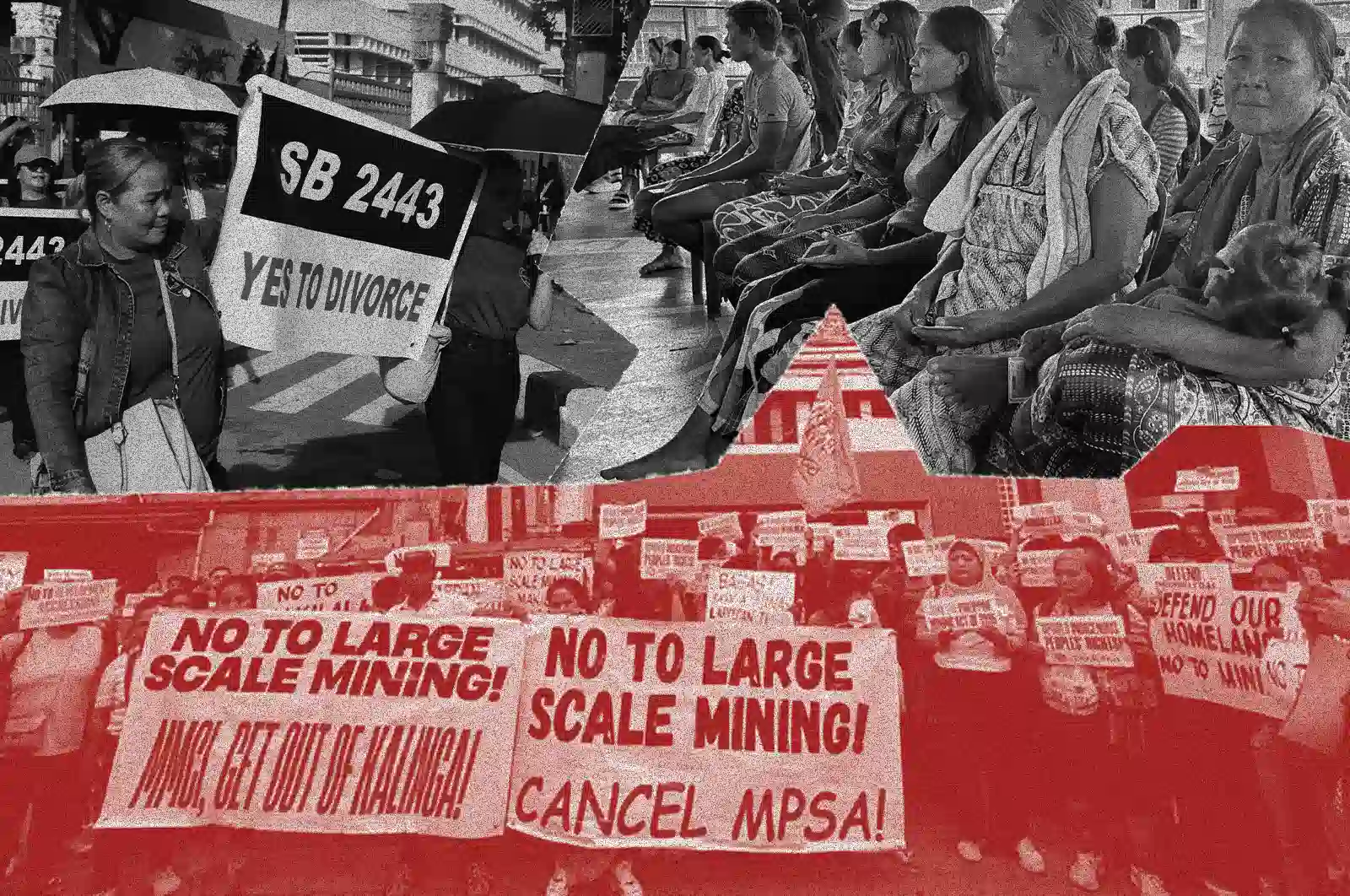
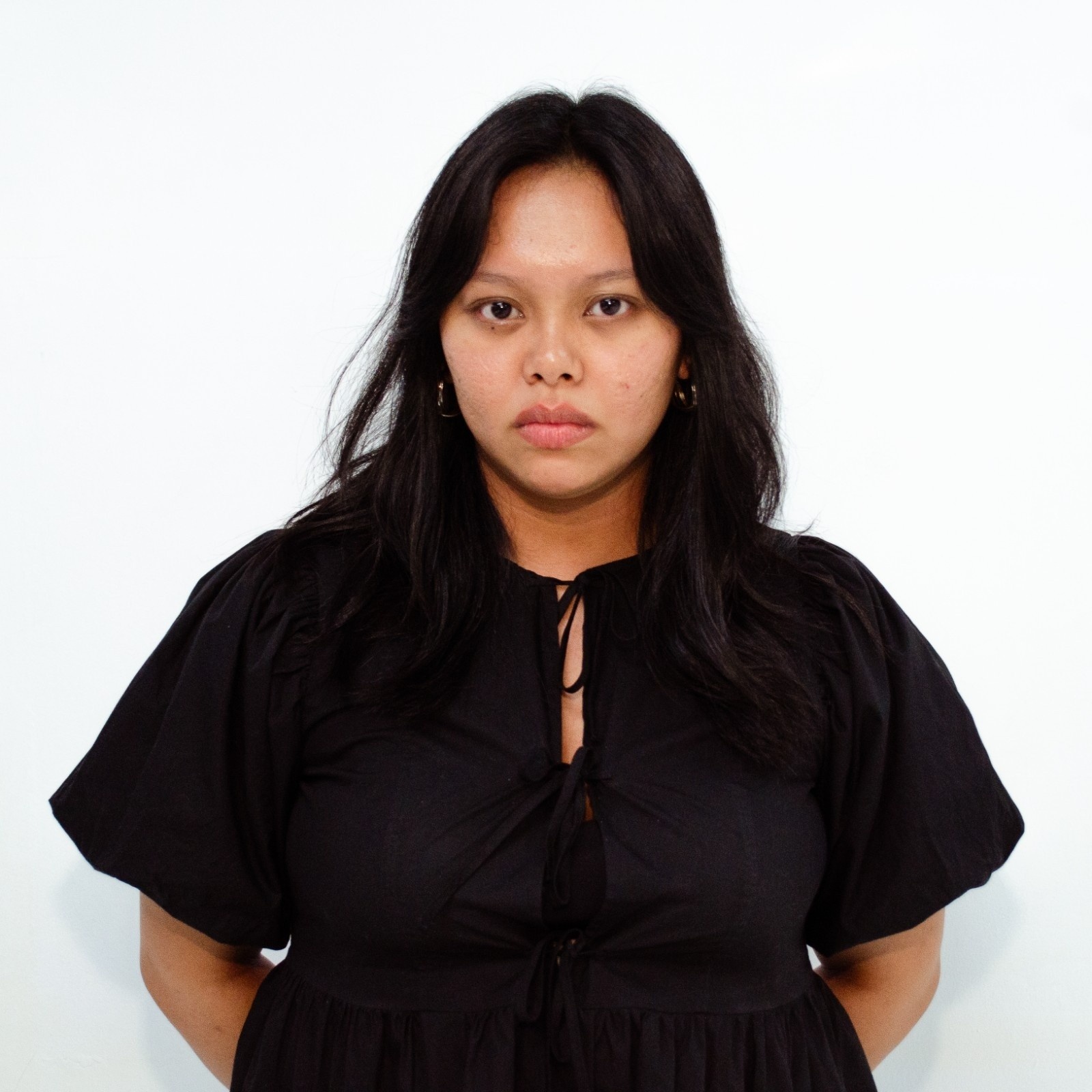
For divorce reform advocate Cici Leuenberger Jueco, the lack of legal divorce in the Philippines is not just a policy gap; it’s a human rights failure. “It’s hard to accept that people remain trapped in broken or abusive marriages simply because our legal system doesn’t offer a straightforward way out,” she says. Jueco is the convenor for Divorce for the Philippines Now, a lobbyist group pushing to legalize divorce.
The absence of divorce law, she says, is one of many symptoms of a system out of touch with people’s needs. “Political corruption, insufficient infrastructure, and economic inequality filter into everyday life,” Jueco says. “It creates a sense of disillusionment — as if we’re running in place while the world moves forward.”
And yet, she says, “I don’t feel hopeless.” The growing voices for reform, particularly among youth, keep her engaged. Her priorities for the next three years go beyond divorce legislation: improved education, equitable healthcare, and a government that listens. “Change won’t happen overnight, but with the right priorities and collective effort, I believe we can build a country that truly reflects the strength and spirit of its people.”
As Marcos takes the podium at the Batasang Pambansa Complex on Monday, voices from the mountains of the Cordillera to the halls of the Bangsamoro Parliament remind us that the true state of the nation lies in people still waiting for justice, access, and dignity. Jueco puts it succinctly: “I hope for a government that listens, adapts, and acts for the wellbeing of every Filipino.”
Recommended Video
Rolling Stone Philippines Voices Issue, Now Available at SariSari Shopping