The Philippine Basketball Association (PBA), Asia’s first professional basketball league, is an institution that has been through key events across five colorful decades, from rivalries and grand slams to conflicts and controversies. We examine some of the key aspects, both positive and negative, to help us gauge what their next 50 years might be like, looking optimistically ahead.
The Faces of PBA
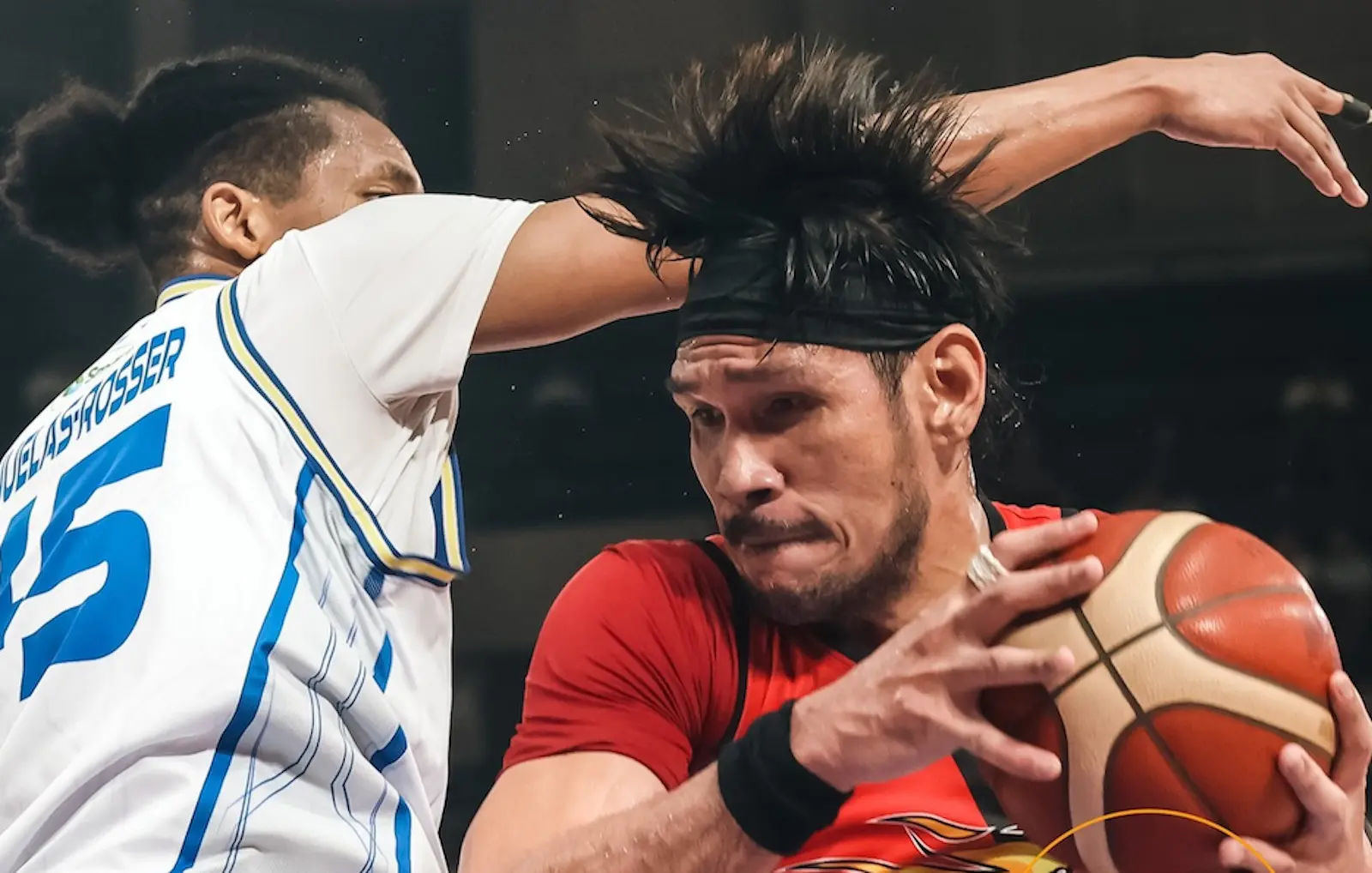
San Miguel Beermen won the PBA Philippine Cup against Tropang 5G in July, with June Mar Fajardo scoring 24 points. Photo from PBA Facebook
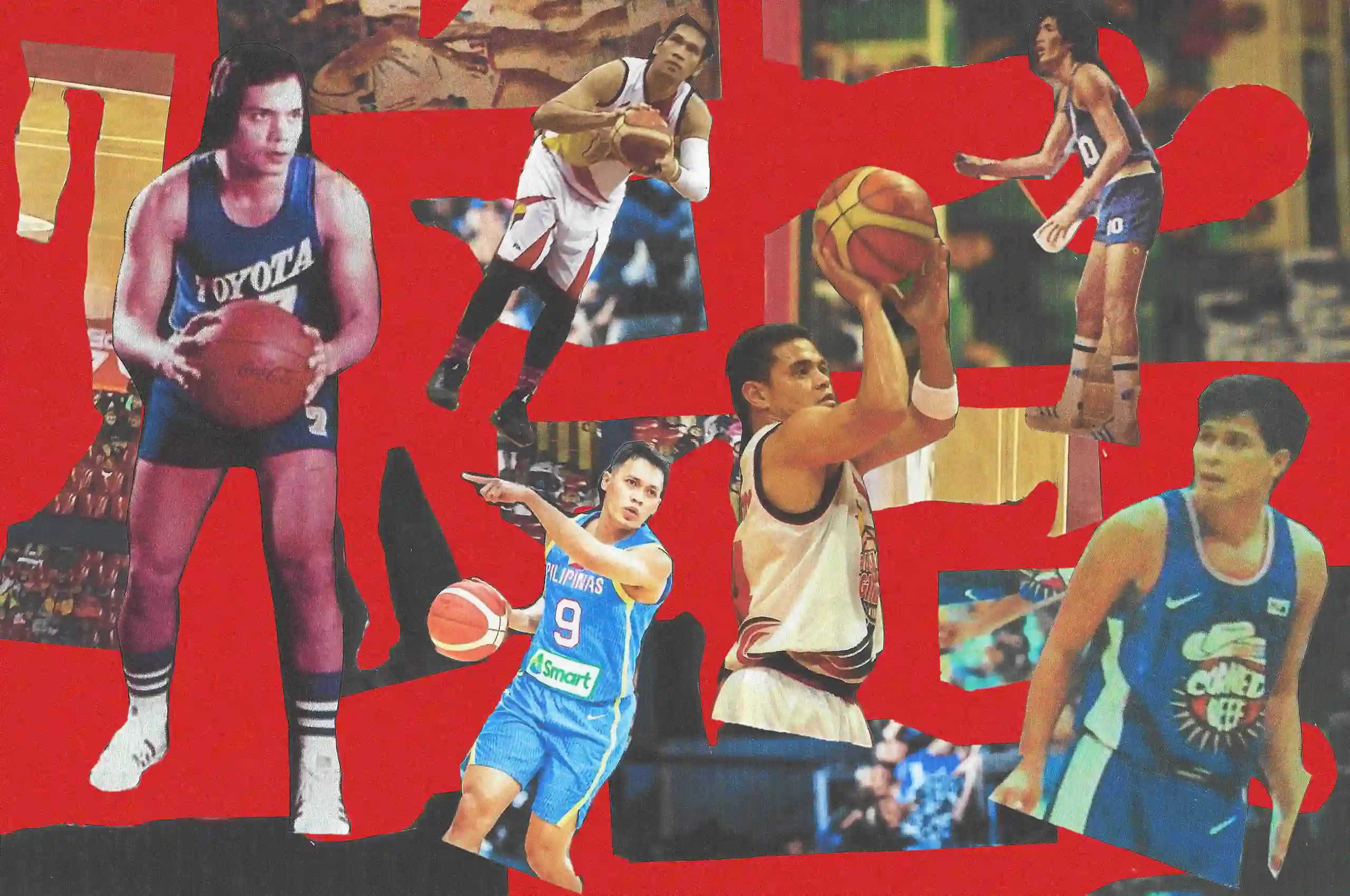
Throughout the history of PBA, we’ve seen numerous players shake the landscape not just with their game, but with their attitude and charisma. In the 1970s, it was Robert “The Living Legend” Jaworski Sr. In the 1980s, it was Ramon “El Presidente” Fernandez. In the 1990s, we could argue that it was Alvin “The Captain” Patrimonio and Johnny “The Flying A” Abarrientos. And while the 2000s were a free-for-all with the entry of the Fil- foreign players, the 2010s were all about June Mar “The Kraken” Fajardo’s supremacy. Finally, the 2020s have predominantly been the Scottie Thompson era. And while he still has at least five years left in his tank, the question of who will be the next face of the league has been a growing mystery.
With former youth stars, such as Thirdy Ravena, Rhenz Abando, SJ Belangel, Kai Sotto, and Kevin Quiambao opting to play in foreign leagues like the Dubai Basketball, Strong Group Athletics, the Korean Basketball League, Japanese B-League, the question of who will be the next PBA star could be left unanswered for a while. Although the lack of a “poster boy” doesn’t necessarily make or break a league, it certainly makes the imminent stories of adversity and triumph less concrete without a main protagonist to root for.
Rivalries and Parity
There have been several PBA rival teams that could give the NBA’s Boston Celtics and Los Angeles Lakers a run for their money. In recent decades, there was the Ginebra and Purefoods (later Magnolia/San Mig Coffee/Star) rivalry, more popularly dubbed now as the “Manila Clasico.” Before that, Crispa and Toyota were arguably the OG matchup. There was also high competition between San Miguel and Purefoods, which ruled the late 1980s. And while brief, the intense fight between Sunkist and Alaska in the 1990s became required viewing for any basketball enthusiast.
Unfortunately, the PBA, as of late, allows little space for new rivalries to develop. With 12 teams in total — six belonging to two of the biggest conglomerates in the country: San Miguel Corporation and the MVP Group — splitting the chunk equally at three squads each, it seems to no longer be a battle between two squads.
Some argue that changes to the format must be made to give the “smaller” teams a fighting chance. But it is clear that parity in the PBA plays an essential role in making the games more conducive to unpredictability. The real rivalries today are between conglomerates, and while that may drive business, it has done little for storytelling.
The Thrill of Grand Slams
A Grand Slam chase in the PBA has been equally elusive as of late. Don’t be fooled, winning a Grand Slam is no easy feat; that’s why it’s been that rare. You’d have to win all three conferences in a single season for it to count, and it’s only been achieved six times since the start of the PBA.
While there have been several near-Grand Slams scattered over the five decades, the San Miguel Beermen came closest in recent years, in 2017 and 2019. It’s now 2025, and the PBA still hasn’t witnessed an actual Grand Slam since San Mig Coffee won it under Tim Cone’s leadership in the 2013-2014 season.
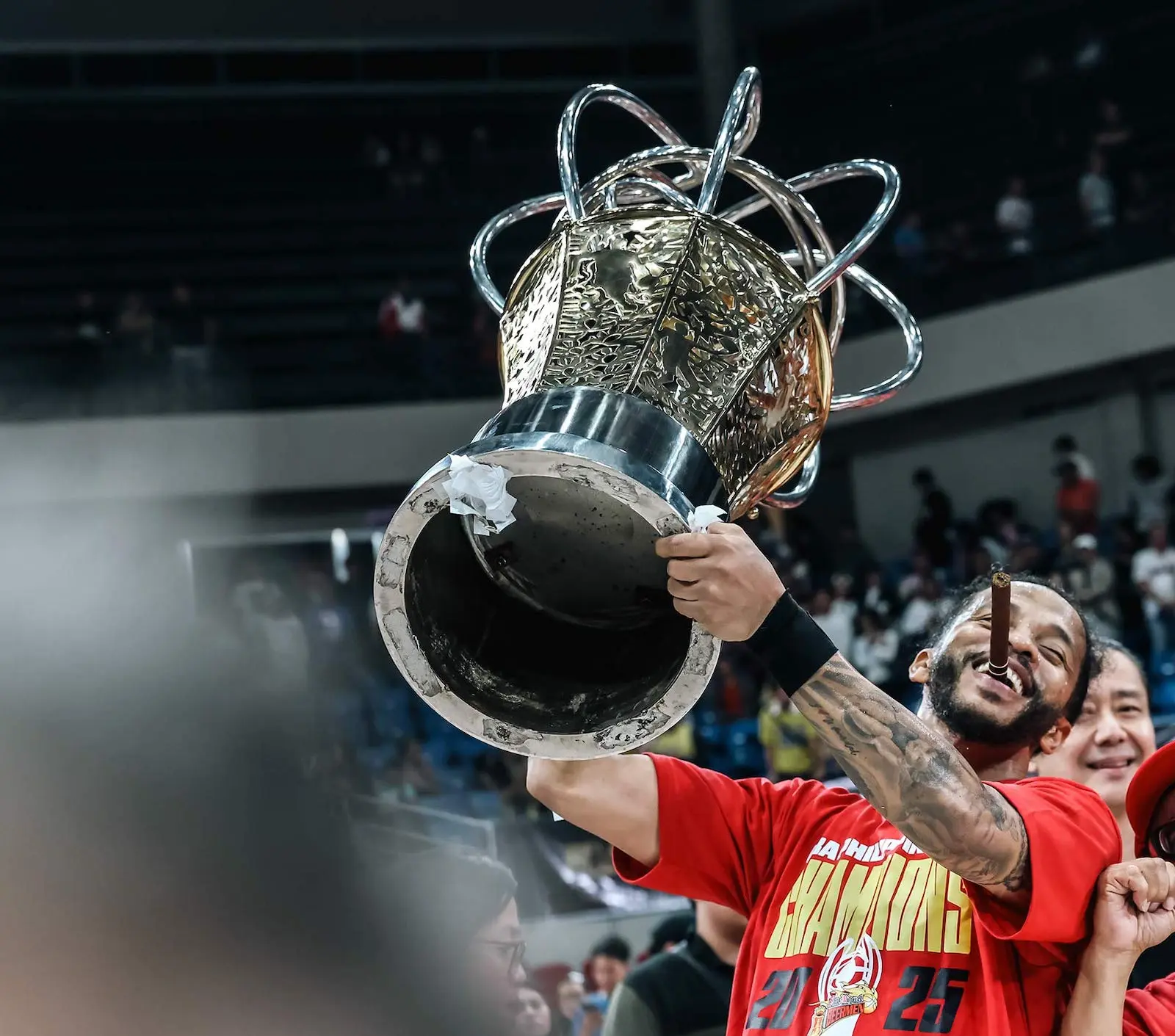
It’s not for the lack of any consistently dominating presence, but currently, it’s no longer in the shape of a single team. Again, the major conglomerates continue to impose their weight, and whether or not we’d like to admit it, their influence unavoidably controls the direction of the league. This has made spectators distrust the narrative being fed to them, especially when it involves a championship outcome — or three — ending up between sister teams.
The Sixth Man
The PBA used to fill the venues, regardless of the teams playing. The thrill of seeing elite ballers in the flesh was once a solid come-on. There were perks and ample side entertainment once you arrived at the venue, too. And even if you failed to ask for your favorite player’s autograph, a day at a PBA game was still guaranteed to be an unforgettable experience even for the most casual fan.
There used to be a time when an attendee could have the full experience of meet-and-greets, half-time half-court heaves, free merchandise, and in-game souvenirs. But somewhere along the way, things shifted, and what used to be a sure profit from strong ticket sales became a dilemma for the PBA management. As fewer people showed up, more side activities disappeared. Less buzz at the venue means fewer PBA sponsors and partners.
Could it be the worsening traffic in Metro Manila, or the rise of online streaming that has ruined gate attendance? Maybe it’s also because of the growing popularity of the Manny Pacquiao-founded regional professional league, the 30-team-strong Maharlika Pilipinas Basketball League. But the bottom line is: the PBA needs to make arenas feel electric again, not just nostalgic.
@pbaconnect Our PBA at 50!
♬ original sound – PBA
Planning For The Next 50
It will take a village to bring back the glory days of the PBA, not just as a game but as a national pastime. The good news is, the PBA is committing to a return to the grassroots. Efforts such as repainting basketball courts in barangays and bringing back old, successful PBA segments, such as “Home Court” and “Campus Tour,” can all work as they take the teams and players closer to the masses and allow for a deeper connection with the young fans.
Additionally, with Commissioner Willie Marcial in his seventh year of steering the ship, he has admitted to the importance of catching up with social media and having the courage to be good at the job.
For the PBA to thrive in its next 50 years, it must not only honor the past and embrace the present. Above all, they need to share better stories, the kind only basketball in the Philippines can offer.
This story first appeared in The State of Affairs issue of Rolling Stone Philippines. Get a copy on Sari-Sari Shopping, or read the e-magazine now here.