

84 percent of Filipinos would support taxes on the oil, gas, and coal industry to pay for damages caused by fossil fuel-driven climate disasters, according to a recent global survey commissioned by non-governmental organizations Greenpeace International and Oxfam International. The same survey showed that 60 percent of Filipinos said the government is not doing enough to counter the political influence of the fossil fuel industry.
The survey was conducted by data company Dynata in June 2025 across 13 countries: the Philippines, Brazil, Canada, France, Germany, Kenya, Italy, India, Mexico, South Africa, Spain, the U.K. and the U.S. Greenpeace says that these countries represent almost half of the world’s population.
Asking approximately 1,200 respondents per country, the survey found that overall, 81 percent were in favor of taxing fossil fuel companies for environmental damage. In the Philippines, 89 percent of respondents said that revenue from these taxes should go to helping victims of storms, wildfires, droughts, and floods attributed to oil and gas pollution.
Furthermore, 72 percent of Filipinos believed that fossil fuel industries have a bad influence on politics in the country. 85 percent also said they would be willing to support political candidates who prioritize taxing fossil fuel companies.
Reparations and Accountability
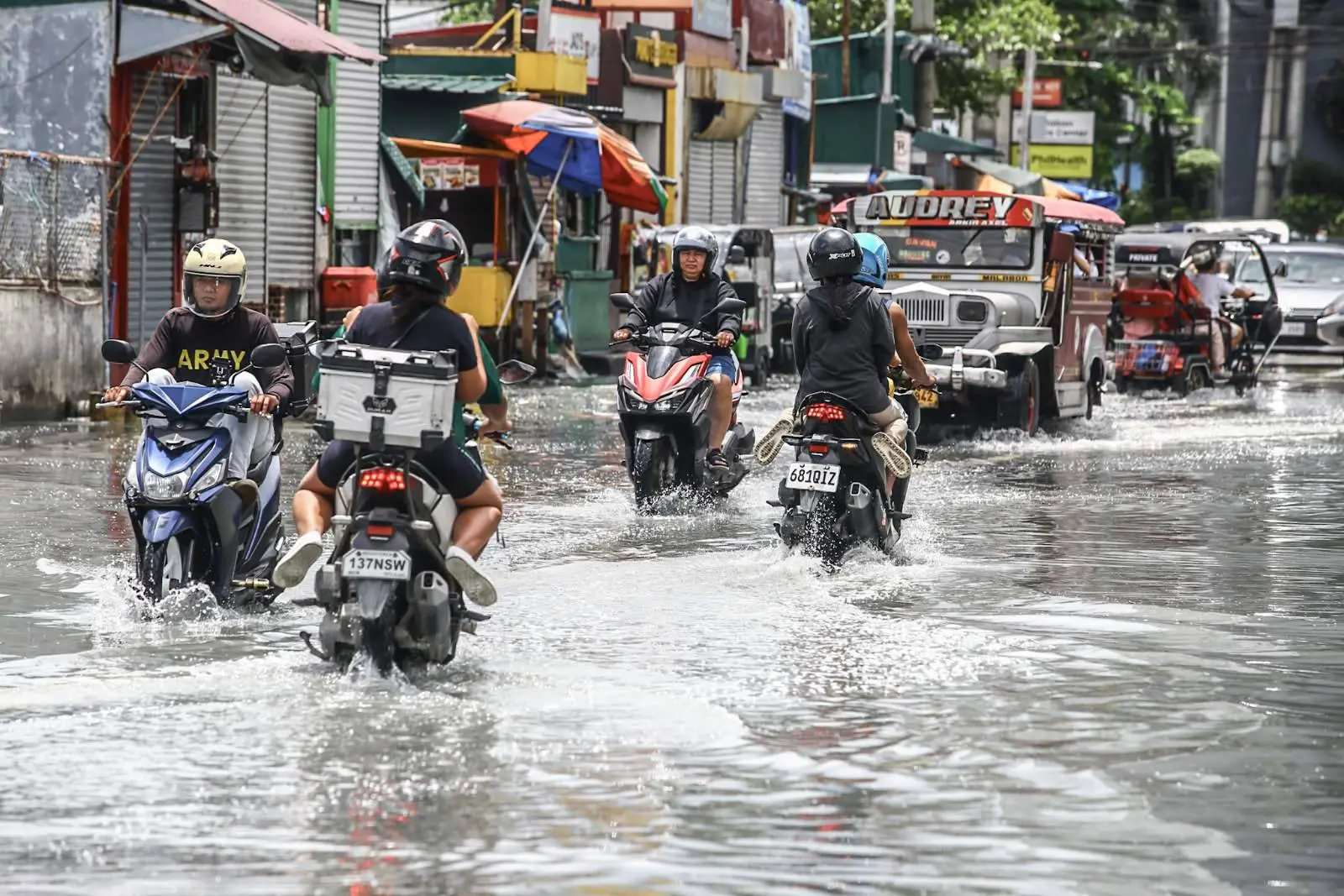
Greenpeace Philippines campaigner Jefferson Chua said the survey results show the need for the present Marcos administration to pursue polluters and demand climate justice. “The president is quickly running out of reasons to escape his responsibility to the Filipino people,” said Chua. “The week before his State of the Nation Address, the International Court of Justice ruled that governments can hold big polluters like fossil fuel corporations responsible for harming future generations. This was during a time when millions of Filipinos were displaced due to flooding caused by multiple consecutive extreme weather events.”
In late July, as the country was hit with a series of storms and subsequent floods, the ICJ (not to be confused with the International Criminal Court) ruled that climate-vulnerable nations like the Philippines can demand reparations from major polluting countries.
During his State of the Nation Address in July, President Ferdinand “Bongbong” Marcos Jr. called for an audit on the flood control projects under his administration. According to the president, an initial review revealed that 20 percent of the flood control projects, costing P100 billion, were all undertaken by 15 contractors.
Recommended Video