

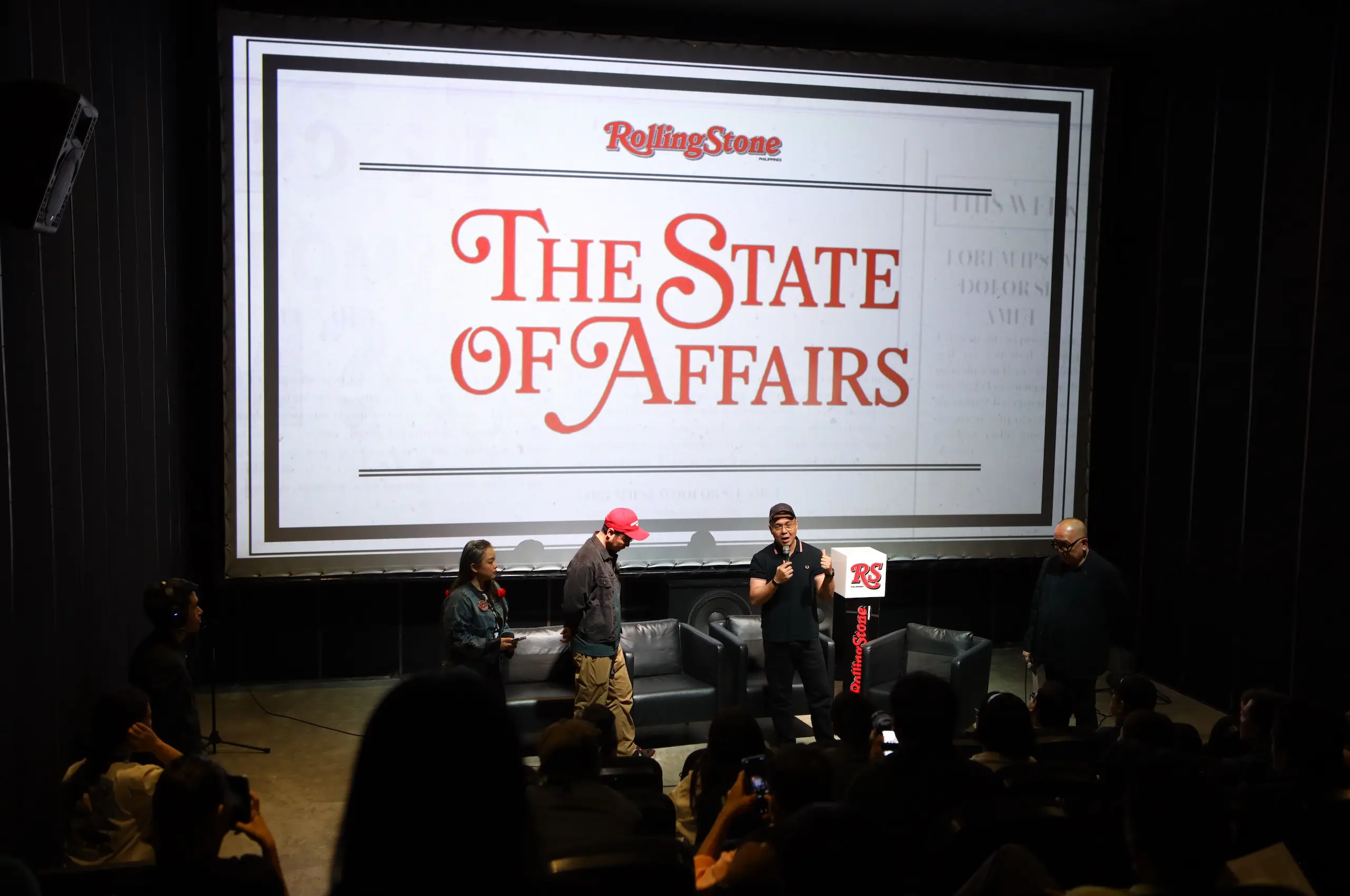
Rolling Stone Philippines gathered some of the country’s most influential voices across media, the arts, education, and film, at Sine Pop in Cubao for its inaugural State of Affairs event last August 7.
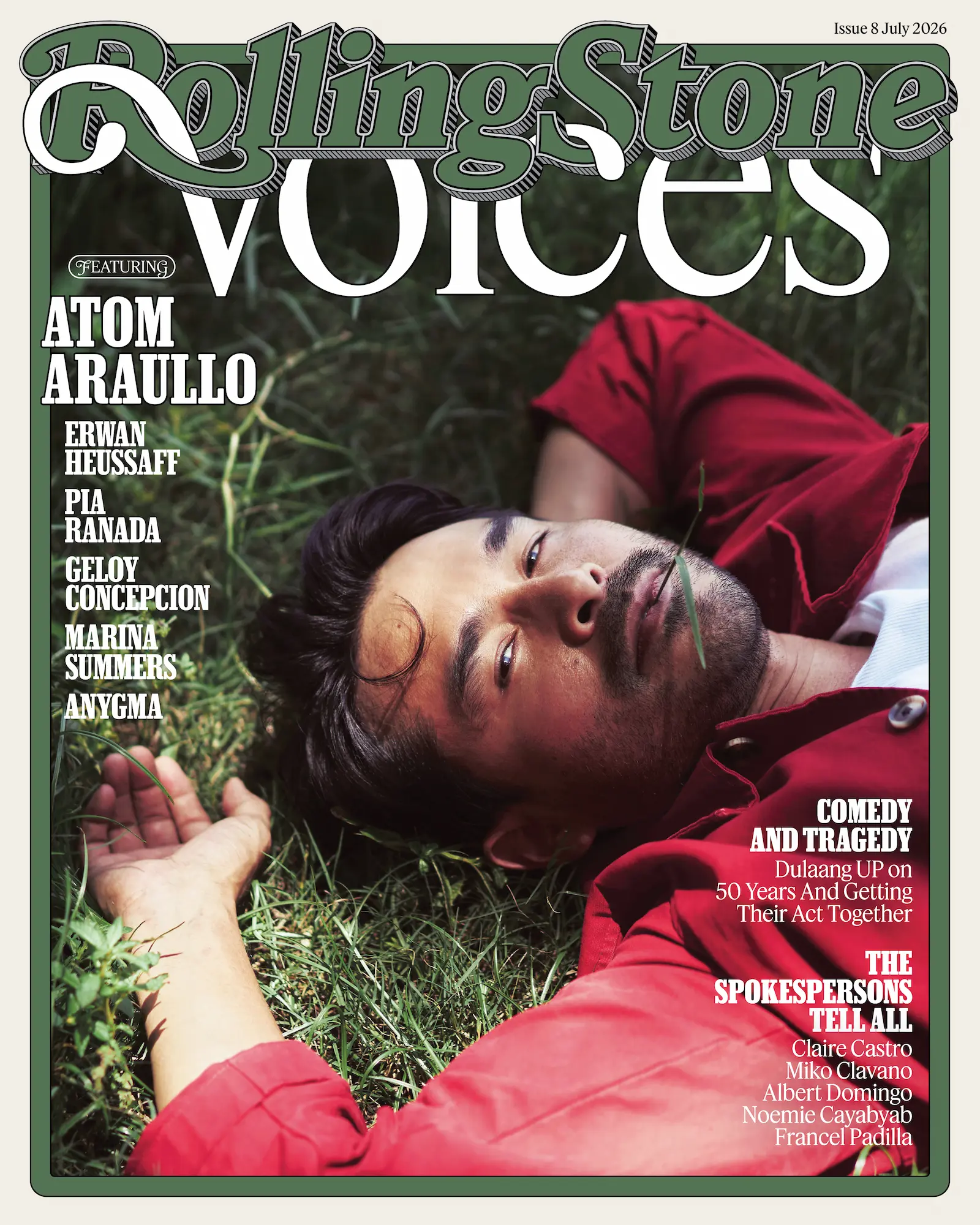
Held in celebration of Rolling Stone Philippines’ State of Affairs issue, the two panel discussions were built on the themes featured in the magazine, which explores a wide range of cultural topics. With stories on the creative economy, emerging artistic movements, and the future of Filipino film, the issue confronts one of the most pressing questions of our time: where does the country go from here?
The event created a space where creativity, community, and identity could collide. Let’s look back at the conversations that took center stage.
The Urgency of Culture
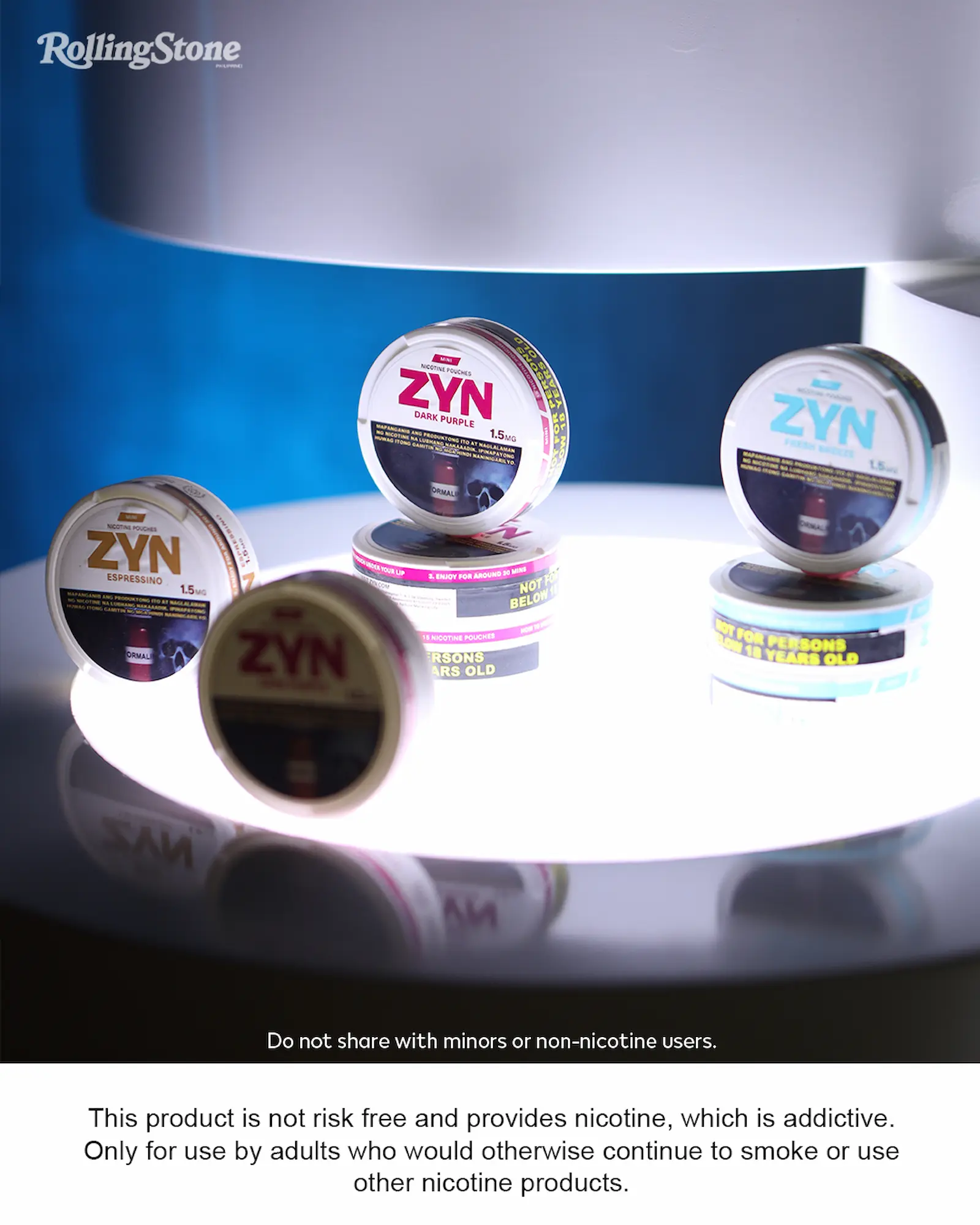
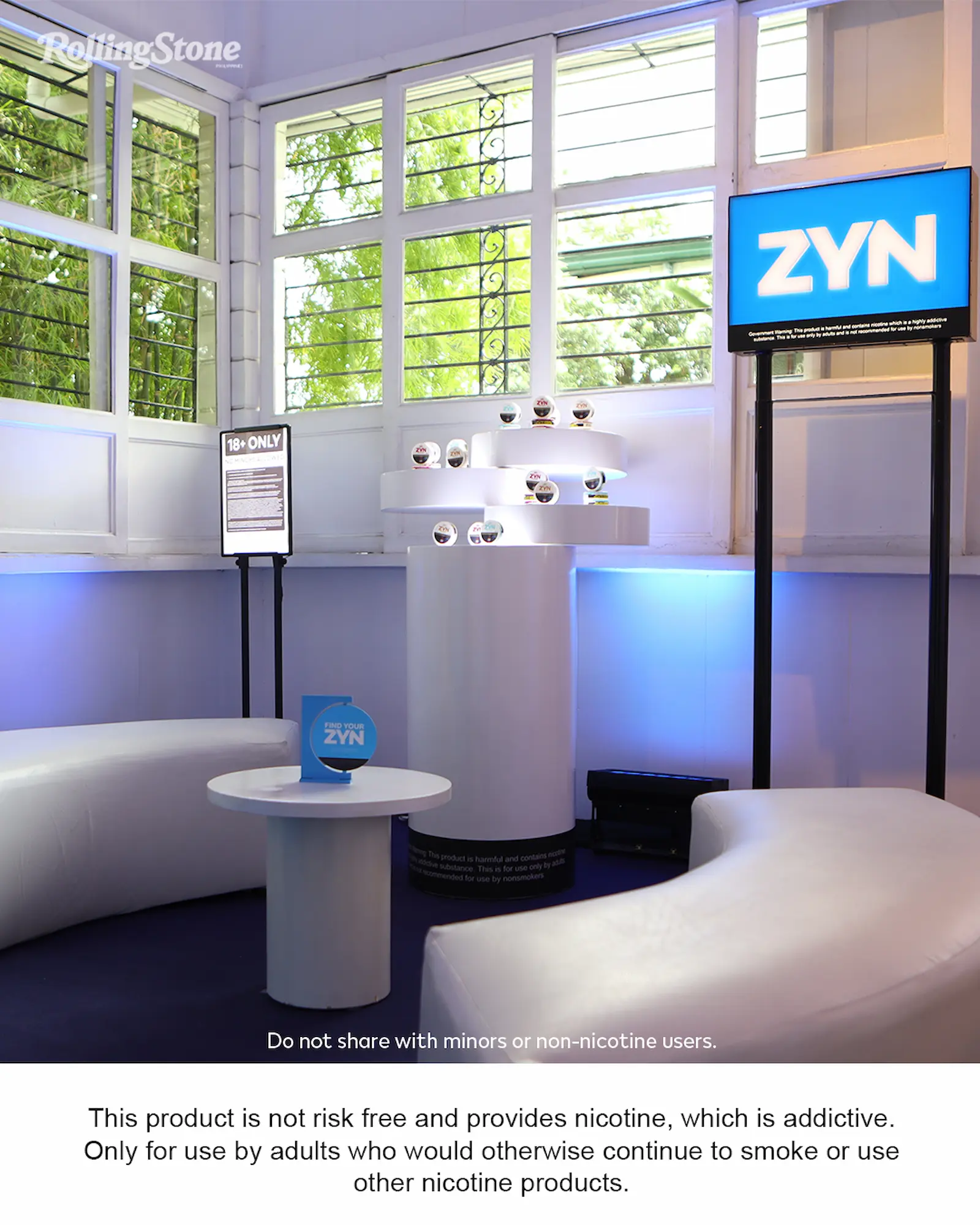
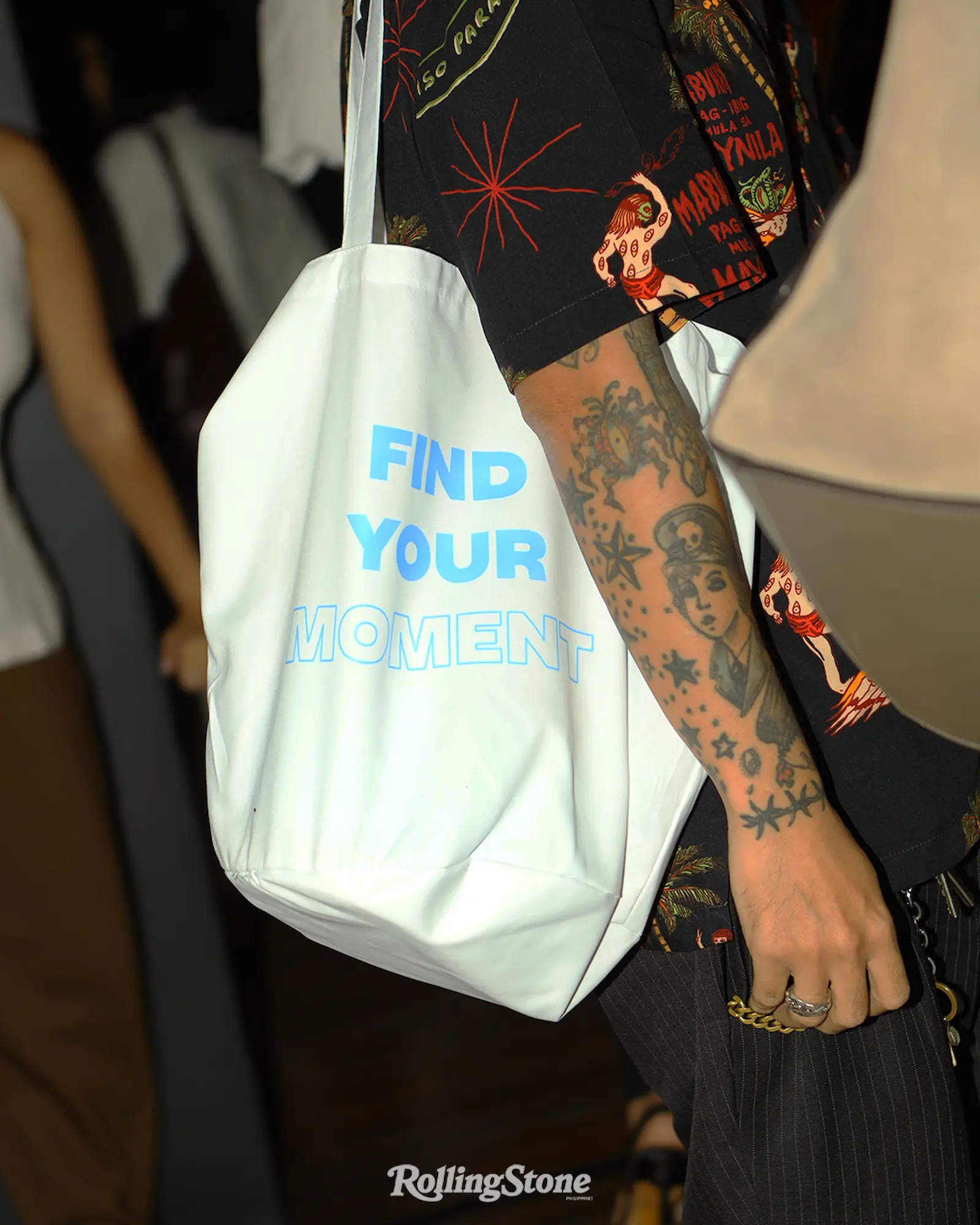
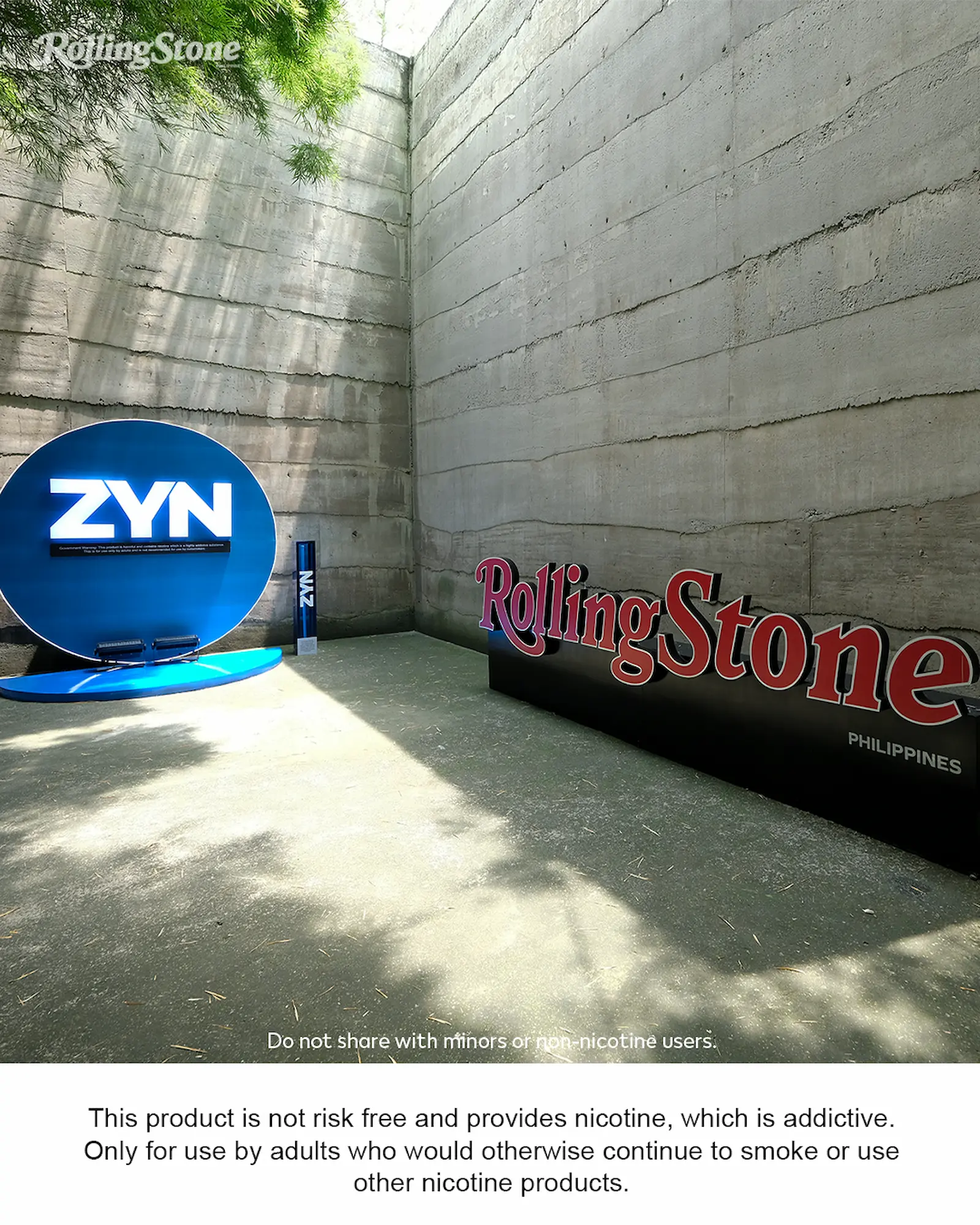
As attendees entered the intimate cinema venue, they were welcomed by a curated room and conversation corners, including a dedicated lounge by ZYN, whose presence helped shape the afternoon’s rhythm. Whether mingling during intermissions or taking a moment to recharge, guests could enter the room and sample ZYN’s modern nicotine pouches: a sleek, smoke-free experience that matched the event’s forward-thinking atmosphere.
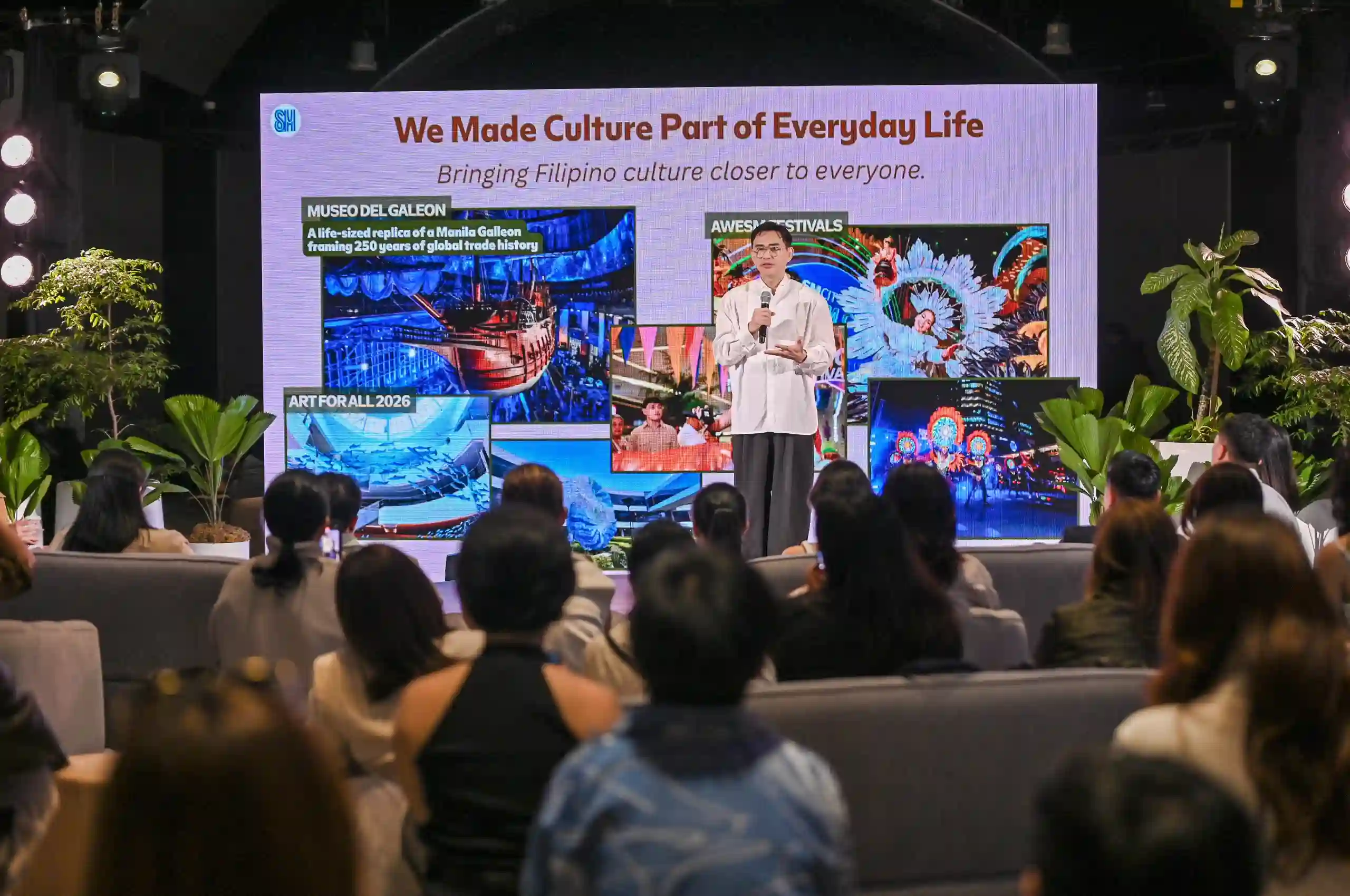
The event opened with a live panel titled “The State of Culture,” moderated by Rolling Stone Philippines Digital Editor Sai Versailles. Paolo Mercado, founder and president of the Creative Economy Council of the Philippines; Dindin Araneta, co-founder of Art Fair Philippines; and David Guerrero, creative chair of BBDO Guerrero, were invited to confront the challenges and opportunities that lie at the intersection of culture, economy, education, and tech.
Culture as a National Asset
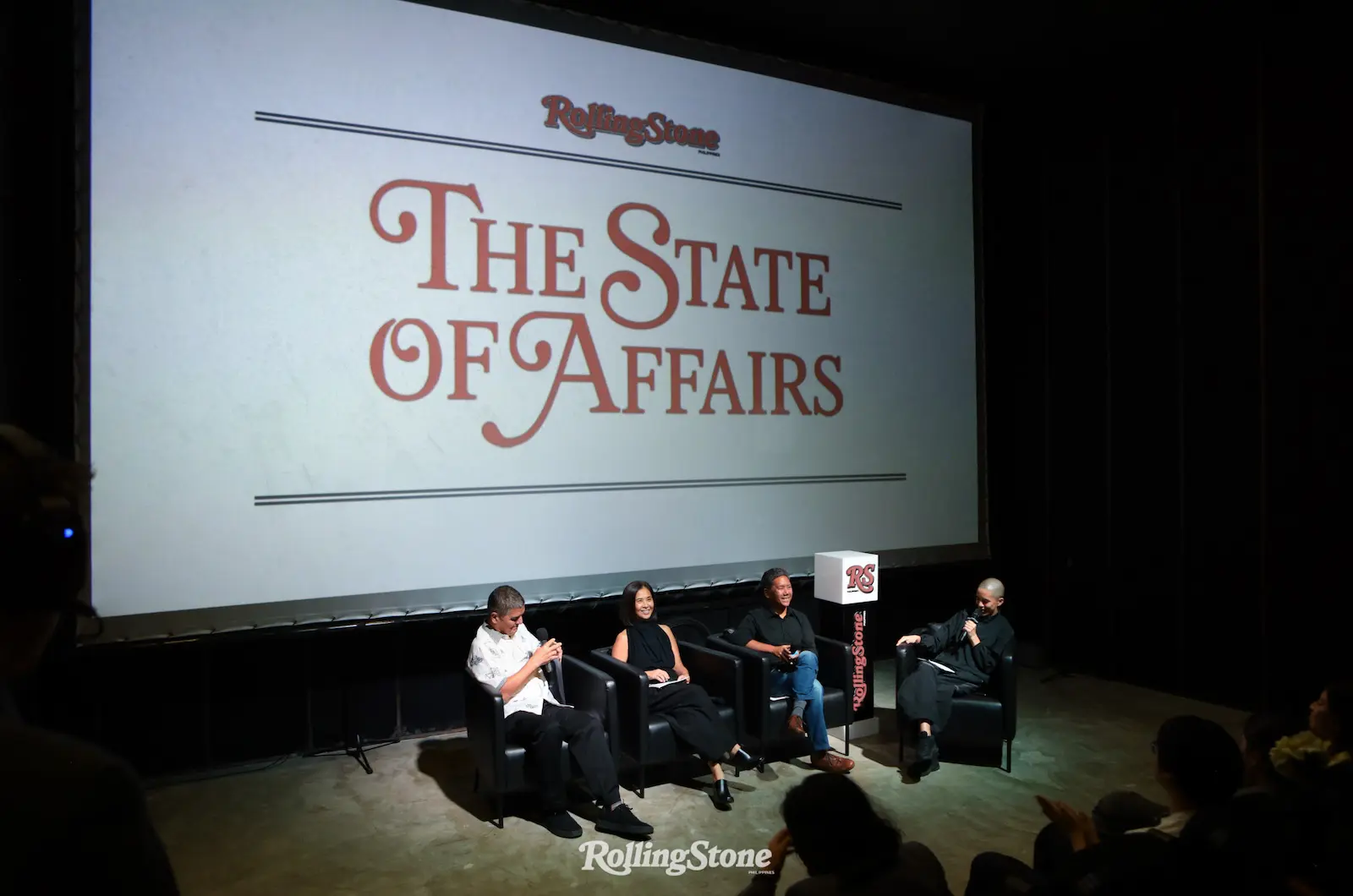
In his remarks, Mercado reflected on the growth of the creative economy since 2017, noting that while progress has been made, many cultural sectors remain undersupported. He raised important concerns about the concentration of attention on food, entertainment, and design, while equally urgent spaces like heritage preservation and literary development often fall behind in policy and funding.
Araneta addressed the state of arts education, particularly in light of proposed curriculum changes. She pointed towards the erosion of creativity in schools, arguing that cultural capital begins in the classroom. Her call to action emphasized institutional responsibility in preparing students for culturally relevant and economically viable careers, especially in the face of generative AI’s growing influence on creative labor.
Guerrero, meanwhile, zoomed out on the broader media landscape. From the role of advertising in shaping national identity to the need for cultural campaigns that move beyond virality, he advocated for a creative sector that prioritizes meaning over metrics.
Film as Cultural Memory
After the first panel, attendees were treated to a private screening of Food Delivery: Fresh from the West Philippine Sea, a timely documentary by Baby Ruth Villarama that spotlights the lived realities of Filipino fisherfolk and maritime workers navigating the contested West Philippine Sea. The screening marked a deliberate pivot from conversation to action, reframing culture as not only an aesthetic pursuit but a tool for truth-telling.
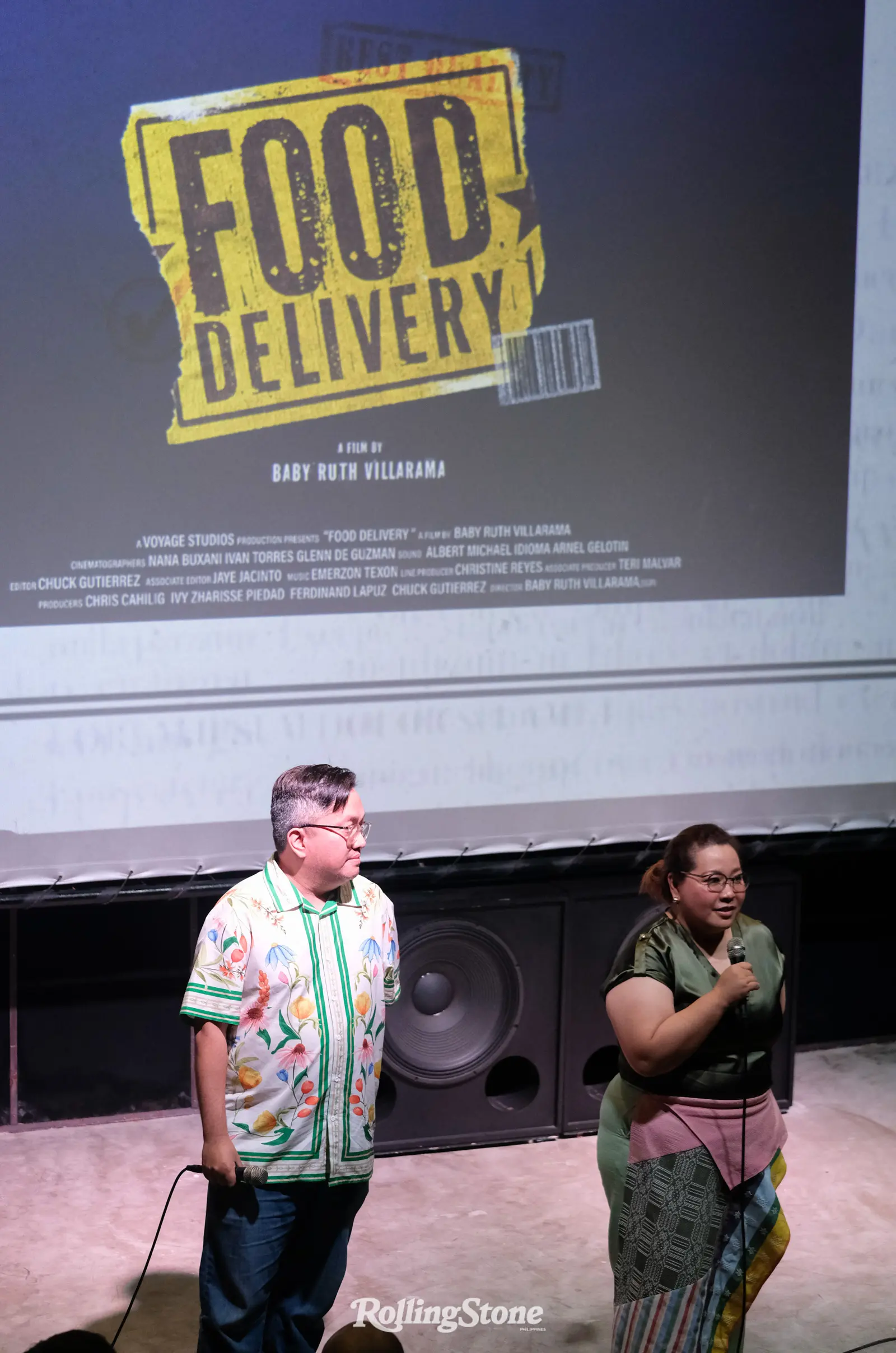
This theme carried over into the second panel discussion, “The State of Film,” which offered an exclusive first look at Quezon, the upcoming conclusion to director Jerrold Tarog’s Bayaniverse trilogy, which began with Heneral Luna in 2015. TBA Studios shared a 10-minute work-in-progress clip from the film, followed by an onstage conversation with key figures behind the project: Tarog, producer Daphne Chiu-Soon, and cinematographer Pong Ignacio. Film Development Council of the Philippines Chairman Jose Javier Reyes spoke to the filmmakers about their film and in the larger context of the film industry. With Heneral Luna and Goyo having carved space for historical epics in the modern box office, Quezon steps into 2025 with both anticipation and scrutiny.
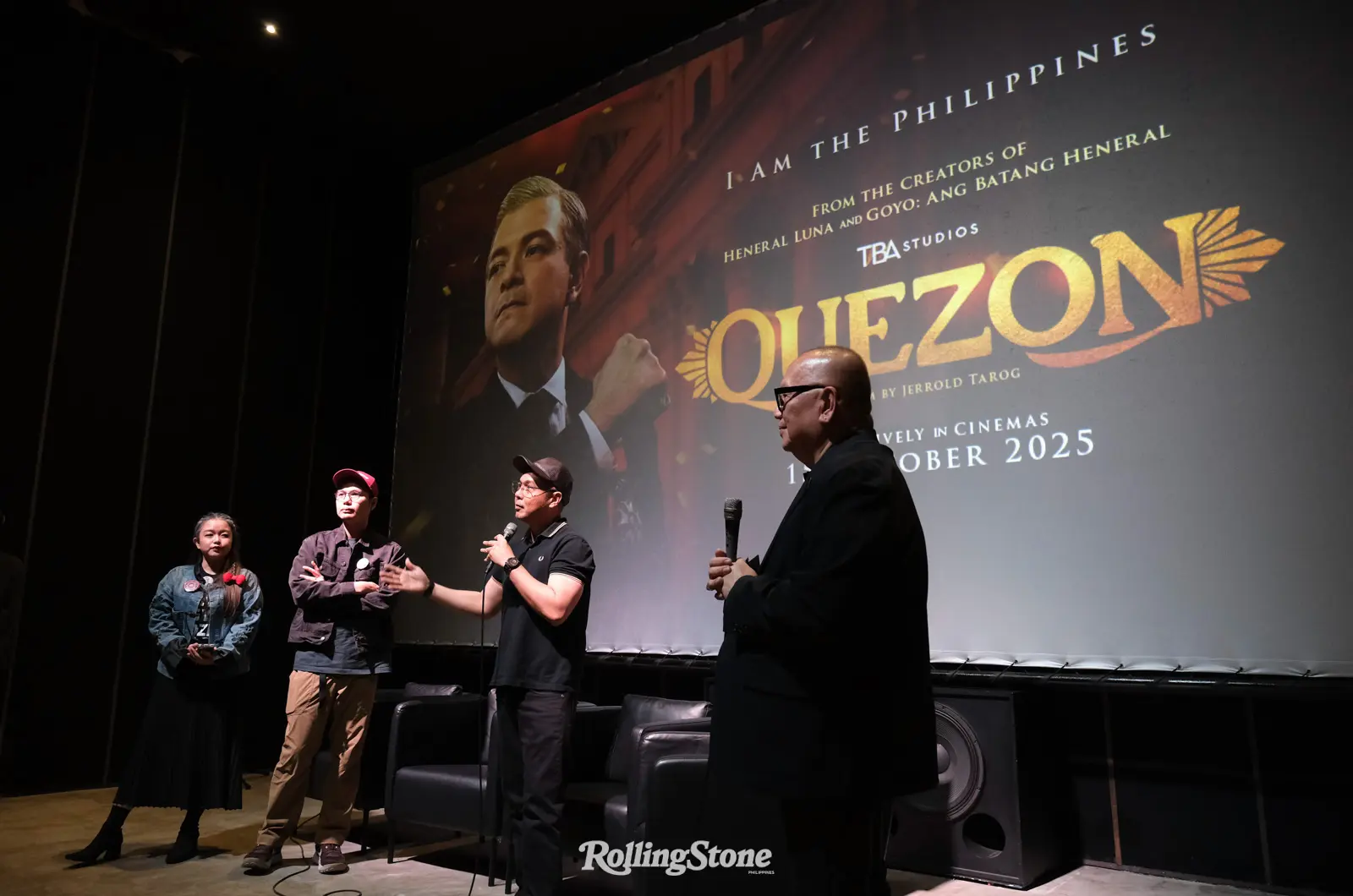
Panelists reflected on the differences between the industry then and now, especially as historical narratives compete with algorithm-driven content and the theatrical audience continues to thin out. The conversation emphasized the need for a long-term vision for Philippine cinema, one that makes room for nuance, contradiction, and complexity.
ZYN and the Shape of New Spaces
Across panels, screenings, and shared conversations, the afternoon offered a rare and necessary convergence of perspectives. It invited those in the room and beyond to think about culture not as something static but as a living force.
As the creative industry reimagines what it means to produce, educate, and entertain in a modern context, the ZYN room lets guests get a taste of a nicotine product they could take anywhere, even into a cinema, enjoying it mid-movie without missing a scene. That freedom felt like the perfect metaphor for the night: innovation without spectacle.
The first Rolling Stone Philippines State of Affairs may be over, but the work of navigating culture continues. For Rolling Stone Philippines and its community of artists, changemakers, and thinkers, the road ahead is anything but quiet.
For those interested in learning more, you can visit ZYN.com or follow them on Facebook and Instagram at @zyn.phl.
Government warning: This product is harmful and contains nicotine which is a highly addictive substance. This is for use only by adults and is not recommended for use by non-smokers