
Welcome to Songs You Need to Know, our weekly rundown of the best music right now. The Rolling Stone Philippines team is constantly sharing things to listen to, and each week, we compile a ragtag playlist of songs that we believe every music fan today needs to know. Whether it’s the hottest new single or an old track that captures the state of the present, our hope is that you discover something for your musical canon.
This week, Moonstar88’s “Migraine” remains a hugot staple, piercing through with unshakable heartbreak. Christine and the Queens’ “People, I’ve been sad” lingers like a ghost, the kind of track that finds you no matter how much you’ve tried to outgrow it. Meanwhile, Japsuki’s “Wagyu” turns jaded everyday musings into a burst of yearning, drifting between flat affect and an almost desperate plea. Each song recommended on this list has a generous amount of longing; together, they map out the emotional extremes of music today.
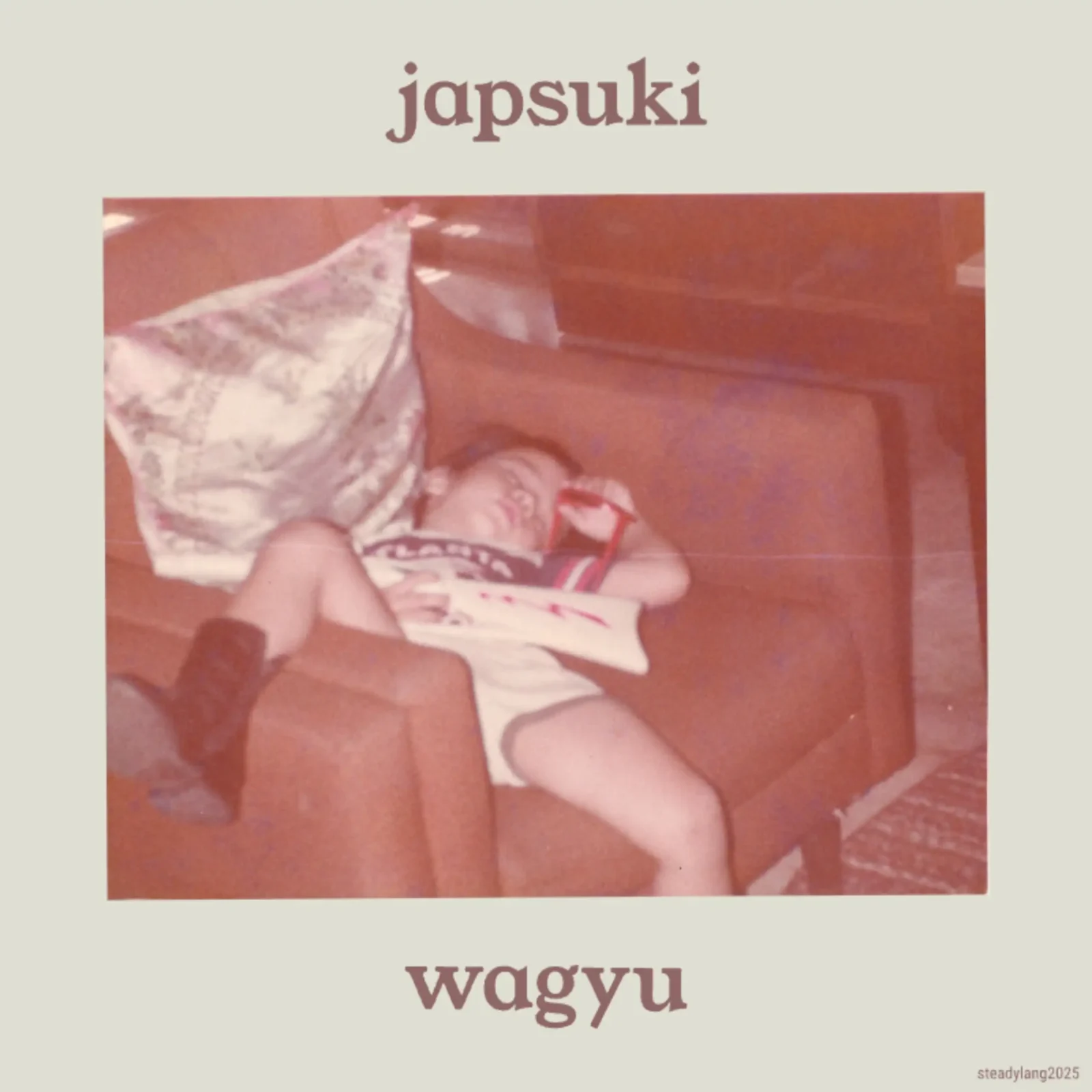
A jaded track for yearning during any season
14 years after releasing his first album under the solo project Japsuki, musician Japs Sergio released his fourth album Steady Lang in August this year. The album features a mix of rock and pop-rock tracks that depart from the hard edge of his band Peso Movement, and instead look back at other bands he’s been a part of, such as Rivermaya and Daydream Cycle, borrowing from their dreamy jangle-pop sensibilities.
In “Wagyu,” a single released in April, Sergio sings to amihan in flat affect about the hot weather, the economy, and the traffic, before bursting into an emotional, pleading refrain: “‘Wag akong iwanan mo / iba na lang.” There, he makes it clear that “amihan” isn’t just the personification of the northeastern winds, but maybe someone that’s sweeping him off his feet. —Pie Gonzaga
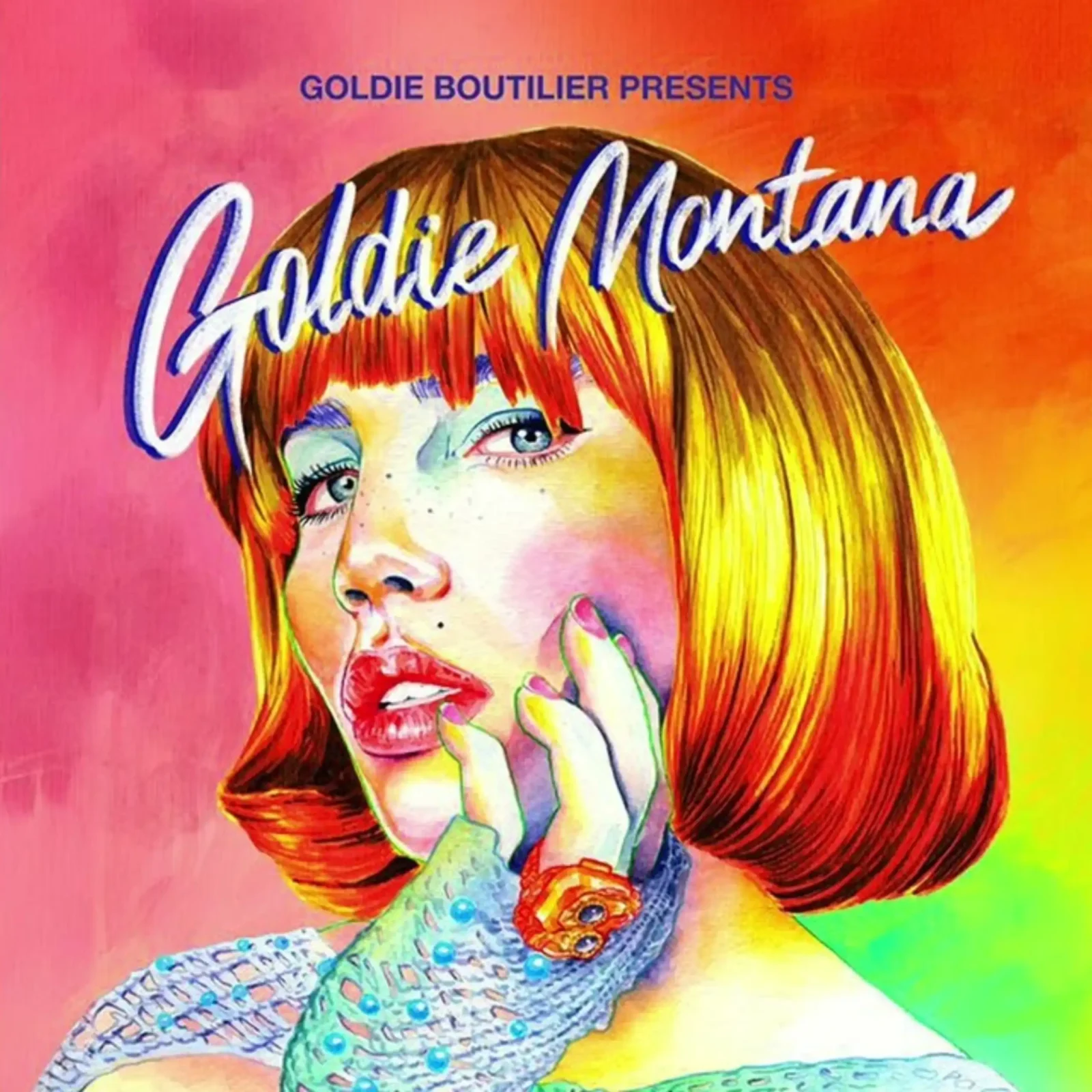
Sabrina Carpenter’s older, more cynical sister
Goldie Boutilier Presents… Goldie Montana is a rock and alt-country album by Goldie Boutilier, her first album under her new name and her third in a music career spanning 14 years. This latest phase in the Canadian singer-songwriter’s work sees her leaning into the stylings of a cowboyish vixen — from the chic blonde bob and blue eyeshadow, to the bluesy guitars and electric pianos.
In “Who Are You Gonna Worship Now?” Boutilier paints tableaux of wealthy men spending their money on sinking yachts and models who don’t want to sleep with them. “Who you gonna worship now, now / Delilah, Eve, or Jezebel?” she asks with a voice like candy over a soft rock groove that teases the same misery as Fleetwood Mac’s “Dreams.” The track and the album, released on September 5, prove Boutilier’s chops as an indie darling and a talent to look out for. —Pie Gonzaga

Sichuan’s cloud rap scientist going hard on the mic
Chengdu’s own cloud rap standout Jackzebra has been steadily carving out a name in North America’s DIY rap scenes. His recent signing with Surf Gang, the New York collective that includes producer evilgiane and electroclash duo Snow Strippers, signals that his brand of Chinese trap is about to reach wider ears.
His latest track, “认真你就输了” (“If You Serious, You Lose”), is both playful and chaotic — a reminder to live life without overthinking it. The production is big and brash, built on rattling hi-hats and heavy low end, with Jackzebra’s delivery cutting clean through the haze. Closing with a sample of Skylar Grey’s “Coming Home, Pt. II,” the song gains an almost cinematic weight, the refrain echoing like a prophecy rather than coincidence. For Jackzebra, the track is less about flexing and more about shaping a sound that feels unshakably his own, rooted in Chengdu but breaking new ground abroad. —Elijah Pareño
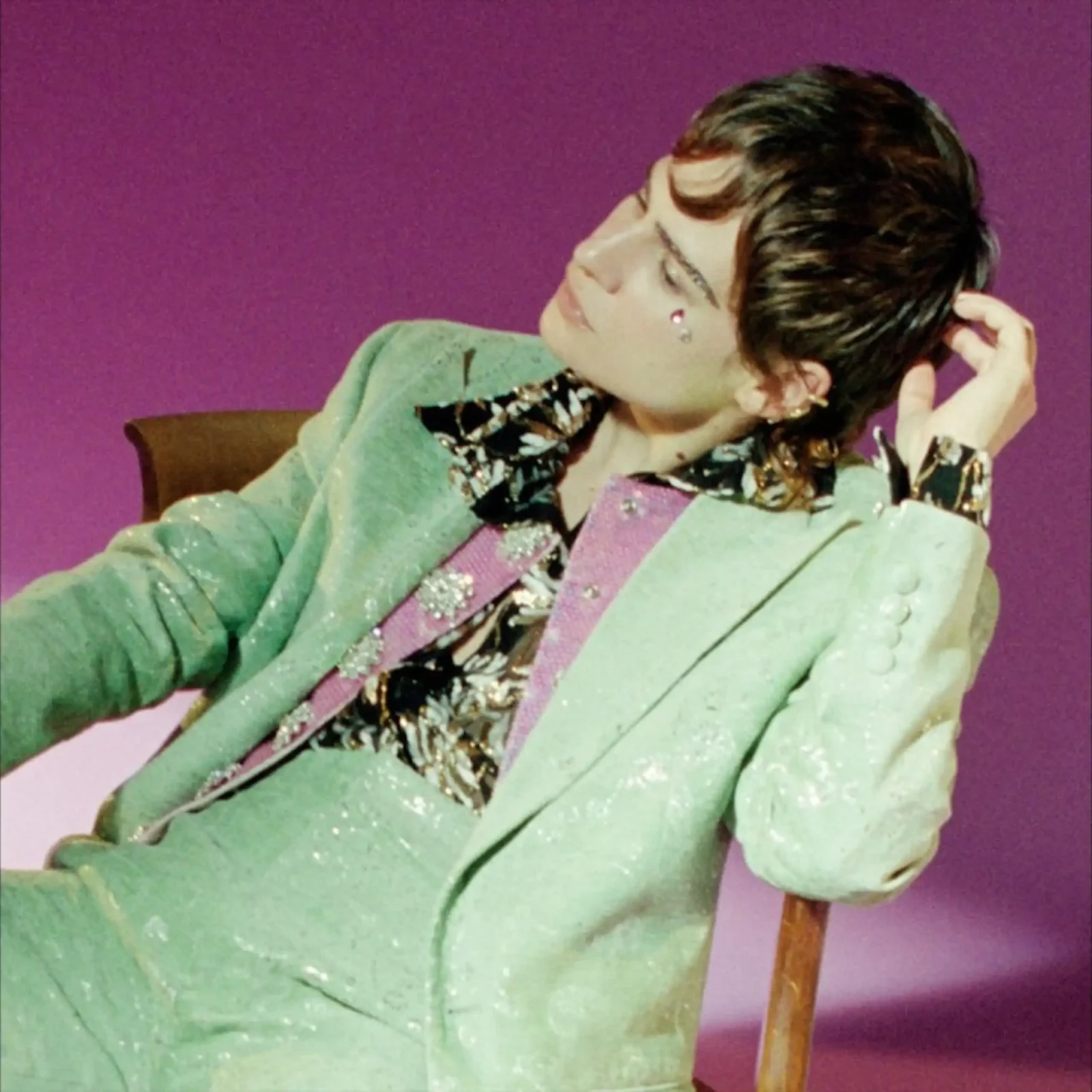
The pandemic’s most enduring isolation anthem
“People, I’ve been sad” has weathered so many phases in my life since it was released in 2020: the COVID-19 pandemic, playlist deletions, migrations to and from Spotify, and my first lesbian heartbreak. In 2025, it endures as an anthem for loneliness and has me refreshing what little I’ve retained of my college French class so I can sing and cry along.
The track serves as an opener to La Vita Nuova, the third album of Christine and the Queens, or French artist Rahim Redcar. Like the rest of the album, “People, I’ve been sad” is imbued with nostalgic new wave synths, but it’s also only one of two slow songs. Every line is punctuated with a pause that forces the listener to digest the lyrics, every syllable enunciated like it’s being purged out of Redcar. His voice echoes, implying space and therefore isolation: “You know the feeling, you know the feeling.” —Pie Gonzaga
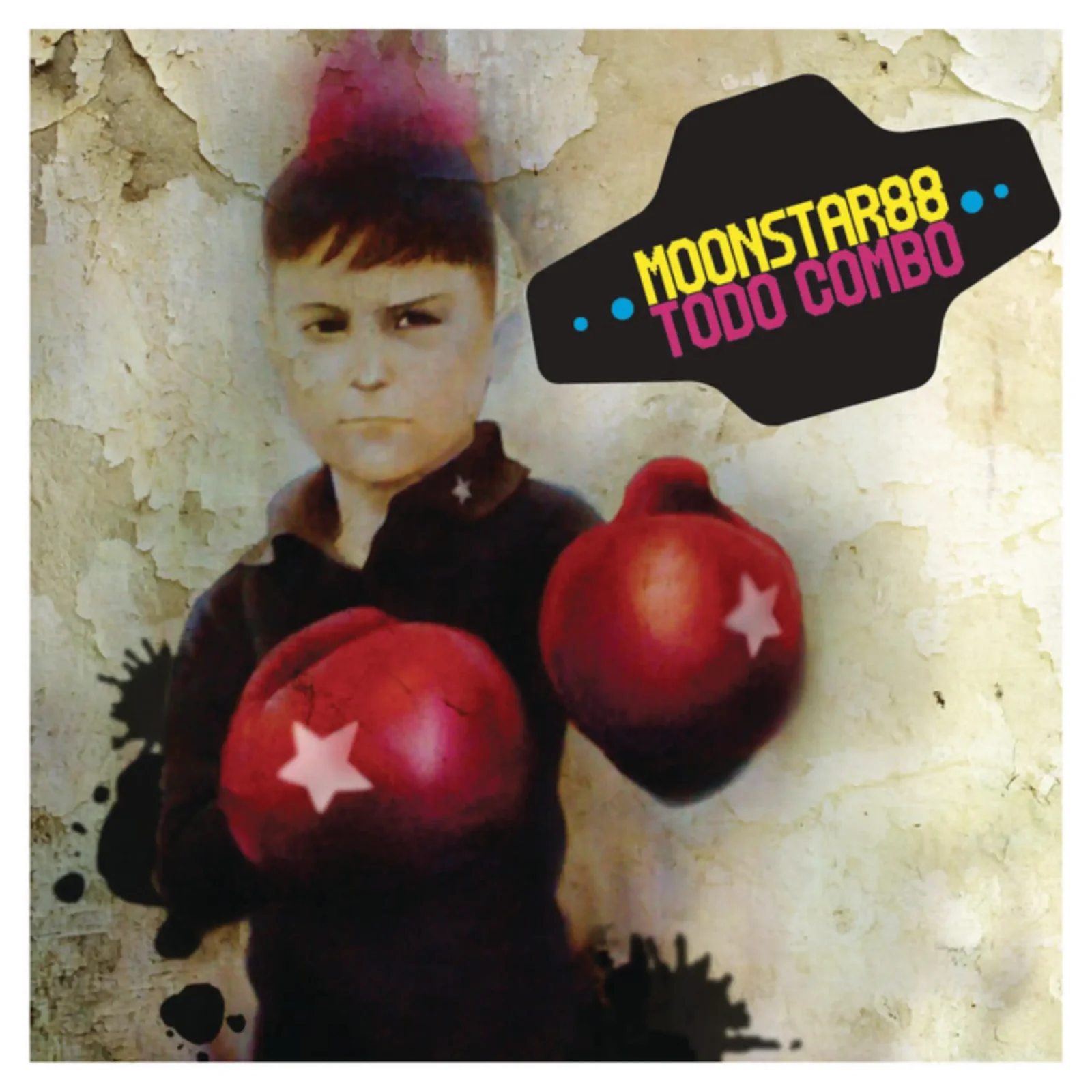
The blueprint of everything hugot in 2000s OPM
18 years since its release, Moonstar88’s “Migraine” still stands as one of the defining pop rock singles of the 2000s OPM wave. The song was first a breakout hit in 2007, but its long afterlife is what truly sets it apart. Opening with the line “Oo nga pala hindi nga pala tayo,” the track wastes no time in capturing the essence of doomed longing, a sentiment that resonated so strongly it helped pave the way for a decade of hugot-driven pop rock bands in the Philippines.
At the time, Moonstar88 had just welcomed vocalist Maysh Baay, whose vocal delivery carried the song into iconic territory. What might have been a radio hit with a short shelf life has instead become a cultural touchstone: sung at karaoke nights, revisited in playlists, and passed down to a new generation of listeners. Moonstar88’s “Migraine” has aged with the weight of influence and memory. —Elijah Pareño
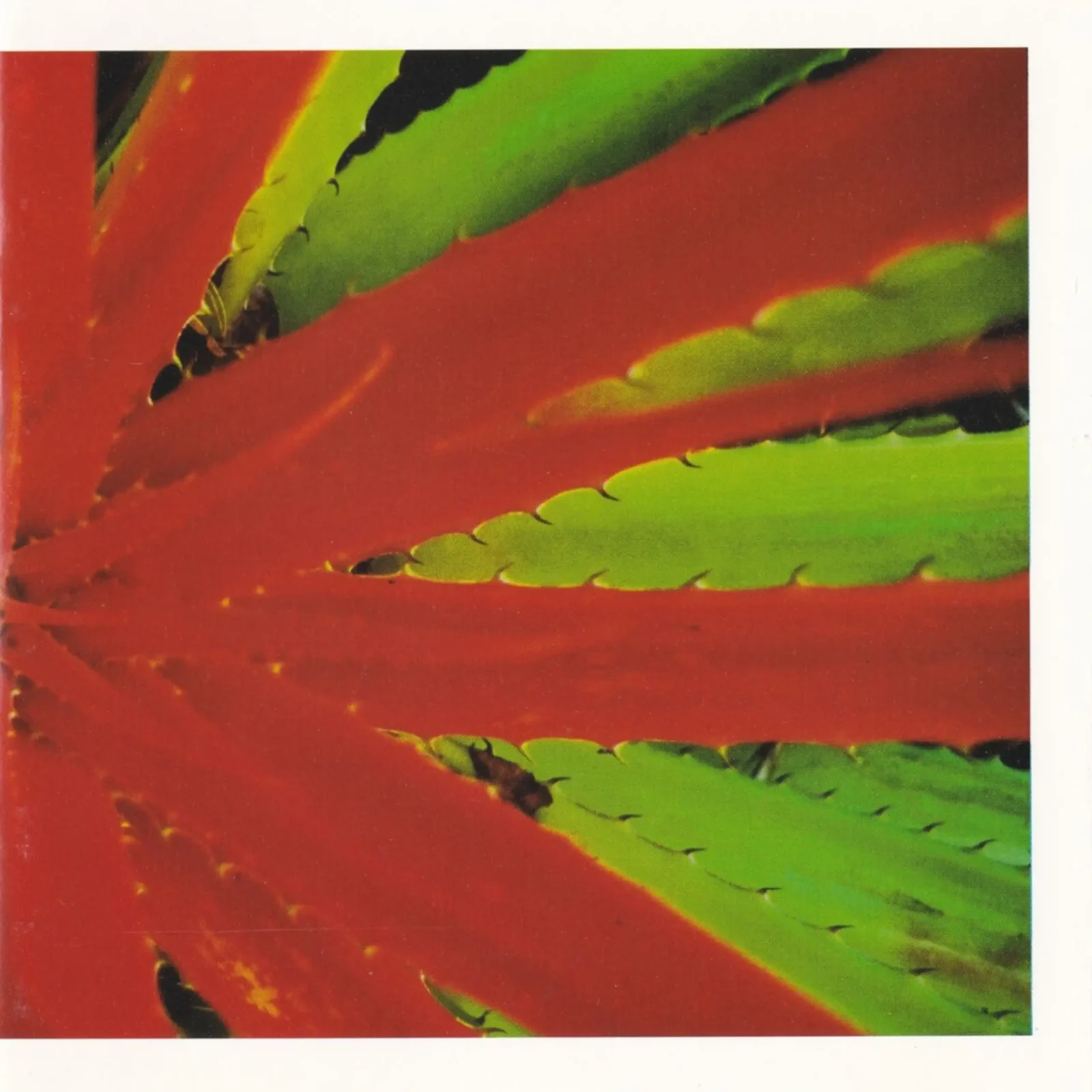
Emo music with effective boy and girl harmonies
Boston’s Jejune were once a near-forgotten entry in the family tree of second-wave emo, but thanks to the efforts of archival label Numero Group, they have found their way back into the conversation. Known for rescuing overlooked acts from obscurity, Numero has placed Jejune alongside midwestern staples like American Football, Braid, and Cap’n Jazz, where their music feels like it has always belonged.
“Fixed On the One,” from their 1998 album This Afternoon’s Malady, shows how deeply they understood emo’s mix of fragility and intensity. Dual vocals between guitarist Araby Harrison and bassist Joe Guevara create a push-and-pull dynamic, while distortion-heavy guitar lines crash through with raw force. The track feels both tender and urgent, as if the band were trying to capture every emotion at once. Rediscovering Jejune now is less about yearning about the past and more about filling in the missing piece of an era that shaped indie rock. —Elijah Pareño