


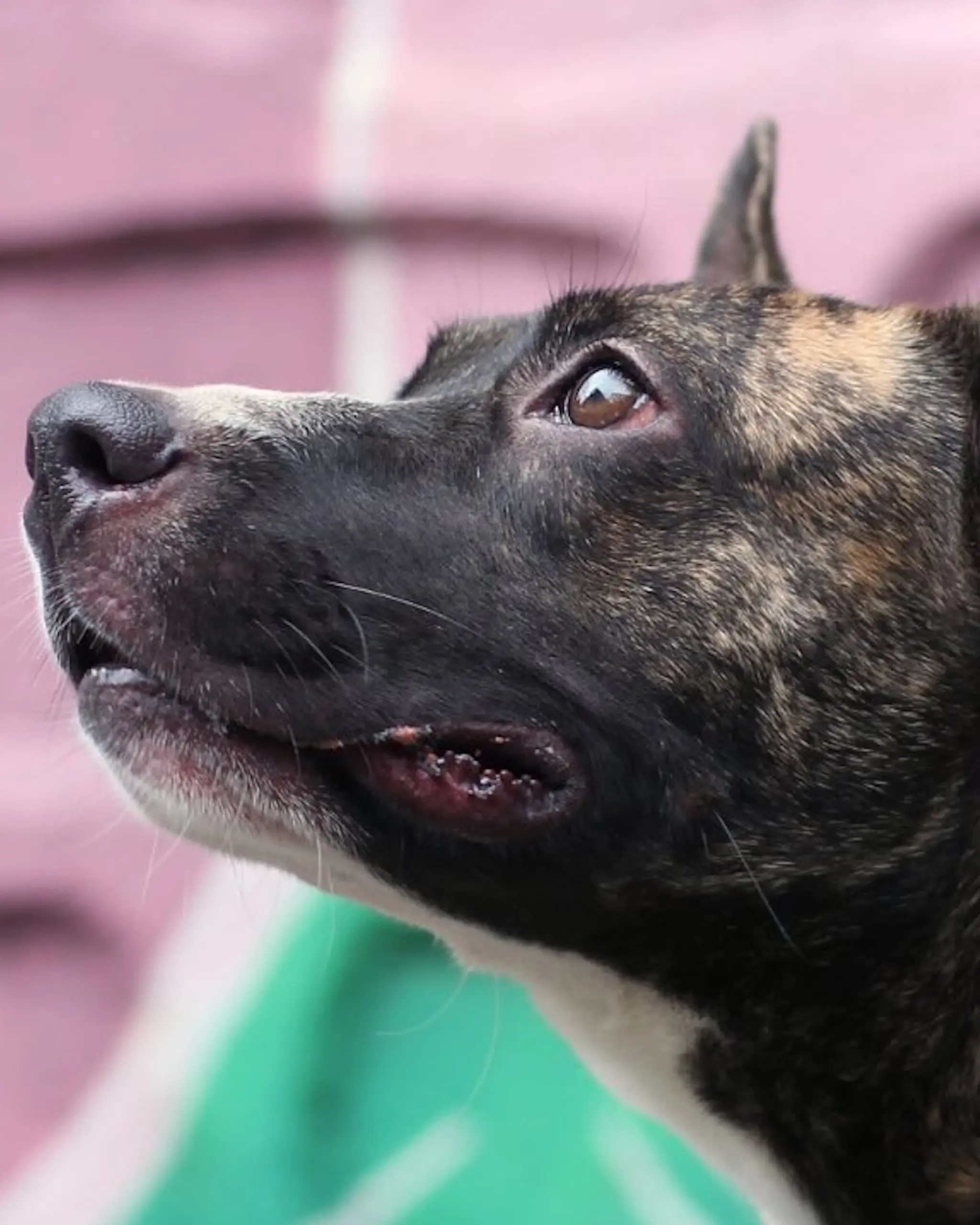
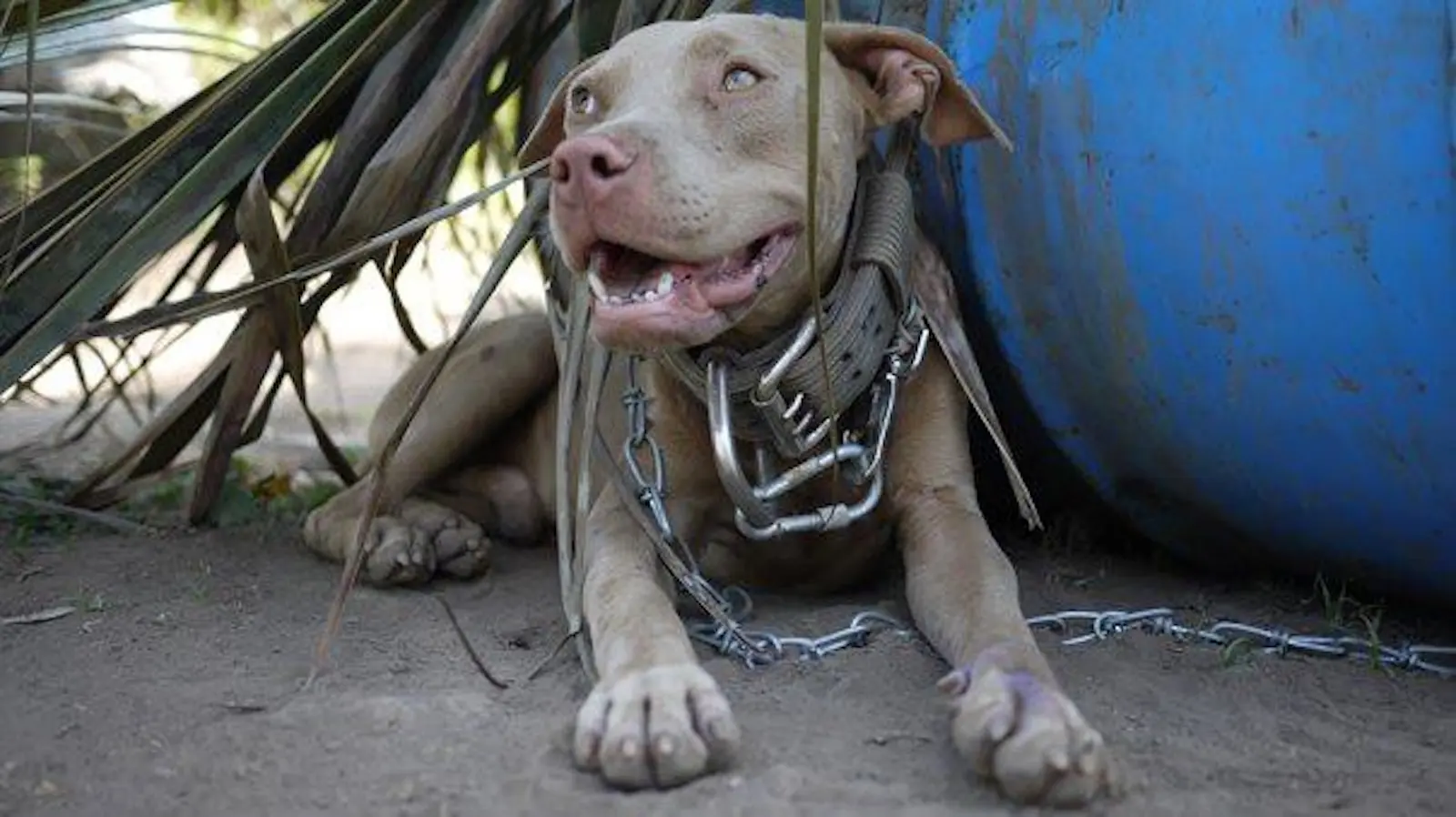
In 2012, over 260 pit bulls and aspins were found trapped in a dog fighting ring. The dogs were pitted against one another, their fights livestreamed on the Internet for patrons to place bets on which dogs would survive and come out victorious. When Laguna police officers raided the facility and arrested the six foreign nationals behind the ring, the dogs were found starved, caked in mud, chained to posts, and housed in rusting steel drums. Among the dogs, 25 were so severely injured from their time in the ring that they had to be euthanized. Dozens more had to be put down even after being saved, as there weren’t enough shelters to take them in.
While local authorities scrambled to respond to this animal abuse crisis, the non-profit CARA Welfare Philippines (or CARA for short) stepped in. The group took in 190 of the ex-fighting dogs, vaccinating them, housing them, and eventually finding owners to adopt them.
“We never thought we could pull it off,” Nany Cu Unjieng, the organization’s president, told Rolling Stone Philippines. “People said we couldn’t do it, but I said, ‘No, we have to.’ We had no choice. It was incredibly difficult, but I wouldn’t have changed a thing: helping those dogs and receiving their love in return was something else.”
“Honestly, the government should have been the one answering to this,” added Cu Unjieng. “In the entire 13 years we cared for those dogs, we didn’t receive a single centavo from the Philippine government. Not one. It was all us.”
Lack of Support
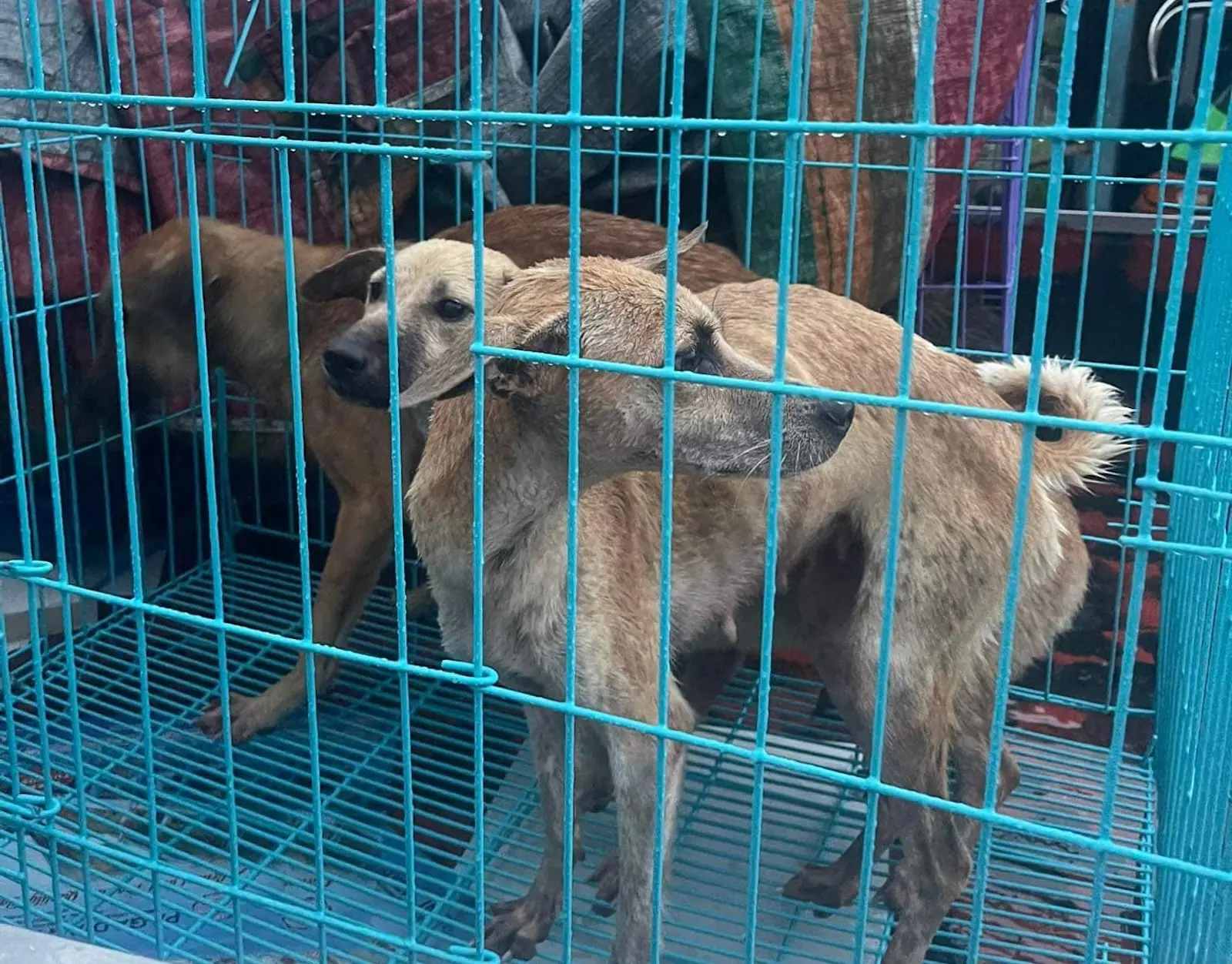
It is often easier to think about specific cases of animal cruelty in the Philippines than to confront the problem head-on. In 2020, CARA reported 3,000 cases of animal abuse, including beating, kicking, and mutilating. By contrast, the Philippine Animal Welfare Society recorded only 673 cases in 2024, with just 8 of those leading to legal action. However, the organization also noted that these figures may be significantly underreported, as many people either don’t know how to file a report or are unwilling to do so.
But a lack of reporting does not mean that these cases do not exist. Earlier this February in Makati, a man was apprehended for kicking a community cat so badly that the animal sustained liver and gallbladder damage two days after the incident. Authorities eventually released the man and failed to file charges. That same month, another animal cruelty case went viralViralDescribes content that spreads rapidly across social platforms as people share it, remix it, and react to it. A viral moment can turn an unknown song, clip, or person intoGo to Viral Glossary online after a dog in Negros Occidental was shot five times with improvised arrows by a still unidentified perpetrator. The dog passed away in September after being hit by a car.
Despite these cases of animal abuse, nonprofit organizers and animal shelters find it difficult to consistently spark support from the public. “The problem is we have so many problems,” Rina Ortiz, the CEO and co-founder of the Biyaya Animal Care Group, told Rolling Stone Philippines. “We have people tell us, ‘These are just animals.’ And in a way, they’re right. People are hungry and [dying]. When you focus on something like [animals], people probably think it’s foolish, or frivolous, or not makatao.”
“Do I wish people would care about animal welfare more? Sure,” added Ortiz. “But I also wish that people would pay their workers properly. I wish that the government would give us a proper healthcare system. So we could definitely do more for animals, but we could do more across the board on everything.”
More to be Done
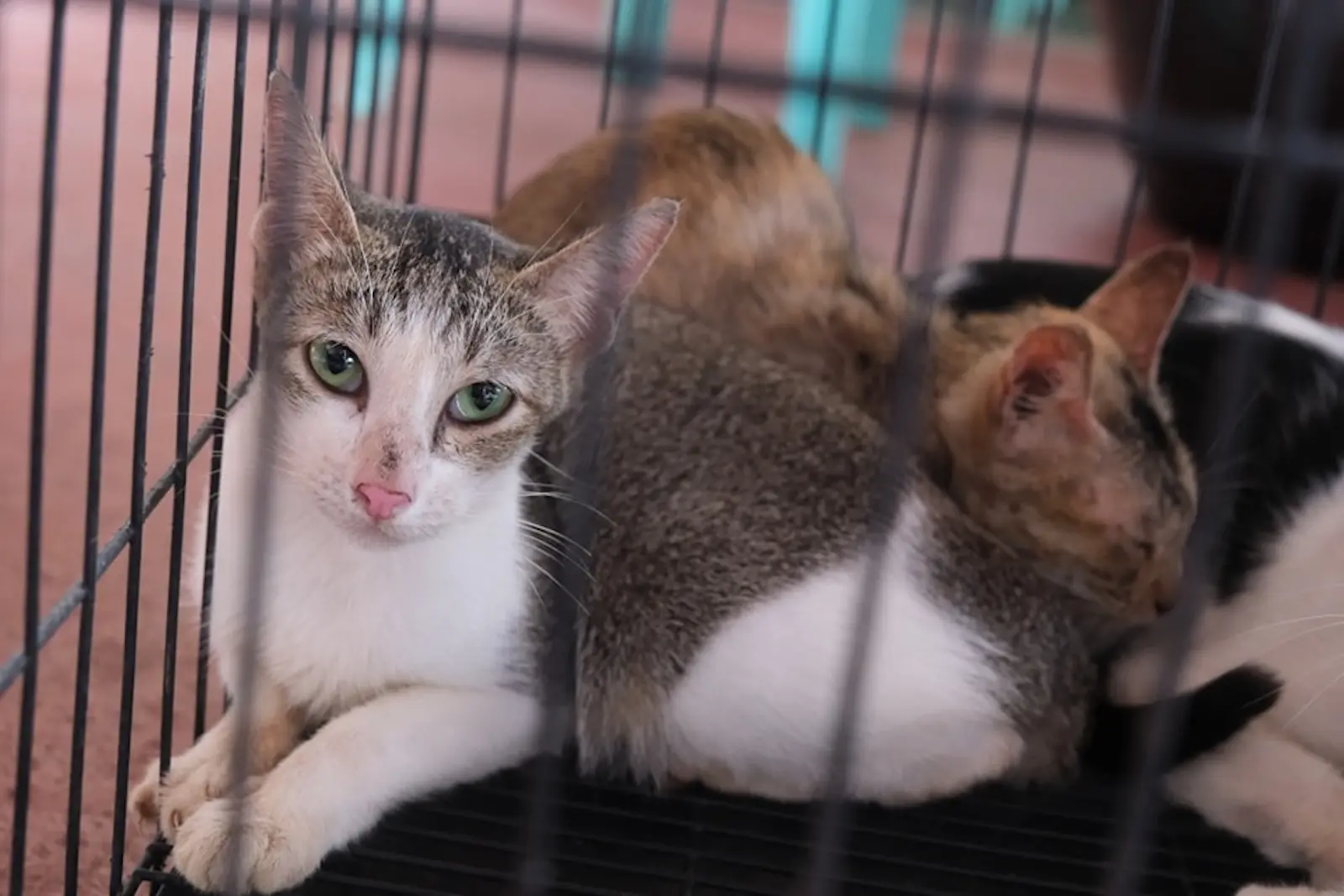
Over the last three years, Biyaya has slowly grown into one of the most dedicated, animal-centric social enterprises in Metro Manila. As of May 2025, the group has rescued nearly 6,000 animals and spayed and neutered close to 70,000 with its Biyayanihan Outreach programs. But Ortiz, despite the staggering amount of time, care, and financial resources required to continue running Biyaya, argues that the animals are the least of her troubles.
“The bigger challenge is dealing with humans,” she said. “There’s very little enforcement of laws, so we’re dealing with overpopulation, rabies, and more… things have improved a lot, but it’s still a ways to go.”
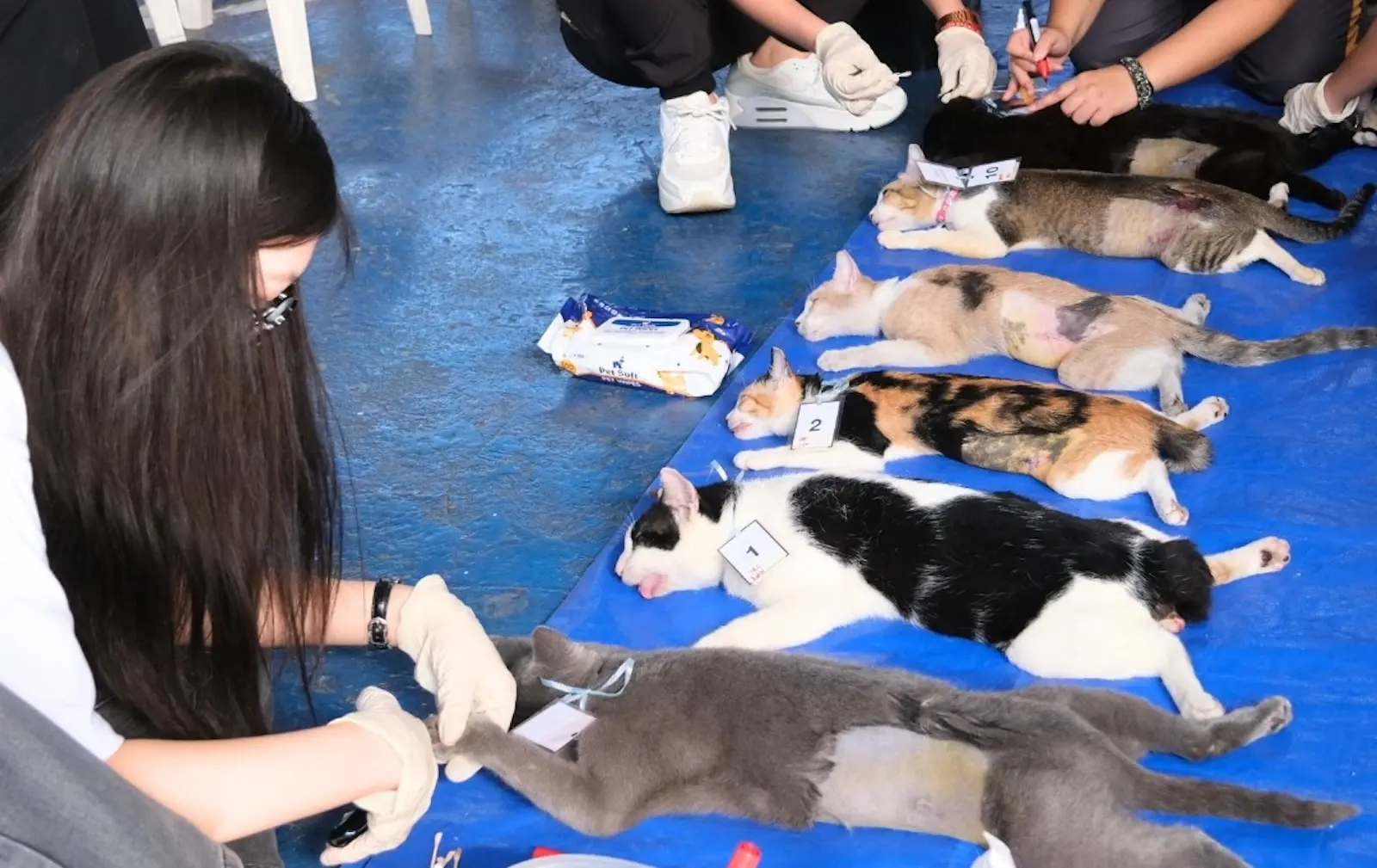
Similarly, CARA has committed the past 25 years to advocating for animal welfare through education, rescue, and rehabilitation efforts. As of 2025, they have spayed and neutered over 36,000 domestic animals, while raising enough resources to open a clinic in 2007. “I think from the very start, we realized the job that had to be done,” said Cu Unjieng. “But now it’s about staying on and preserving what we’ve started.”
Like Ortiz, Cu Unjieng noted how one of the main challenges of maintaining a group like CARA is getting outside support. “Of course, we ask for donations, but we never get enough,” said Cu Unjieng. “You just have to keep getting more and more donations, and pretty soon you run into donation fatigue. You need to find other ways and means of income to sustain a clinic.”
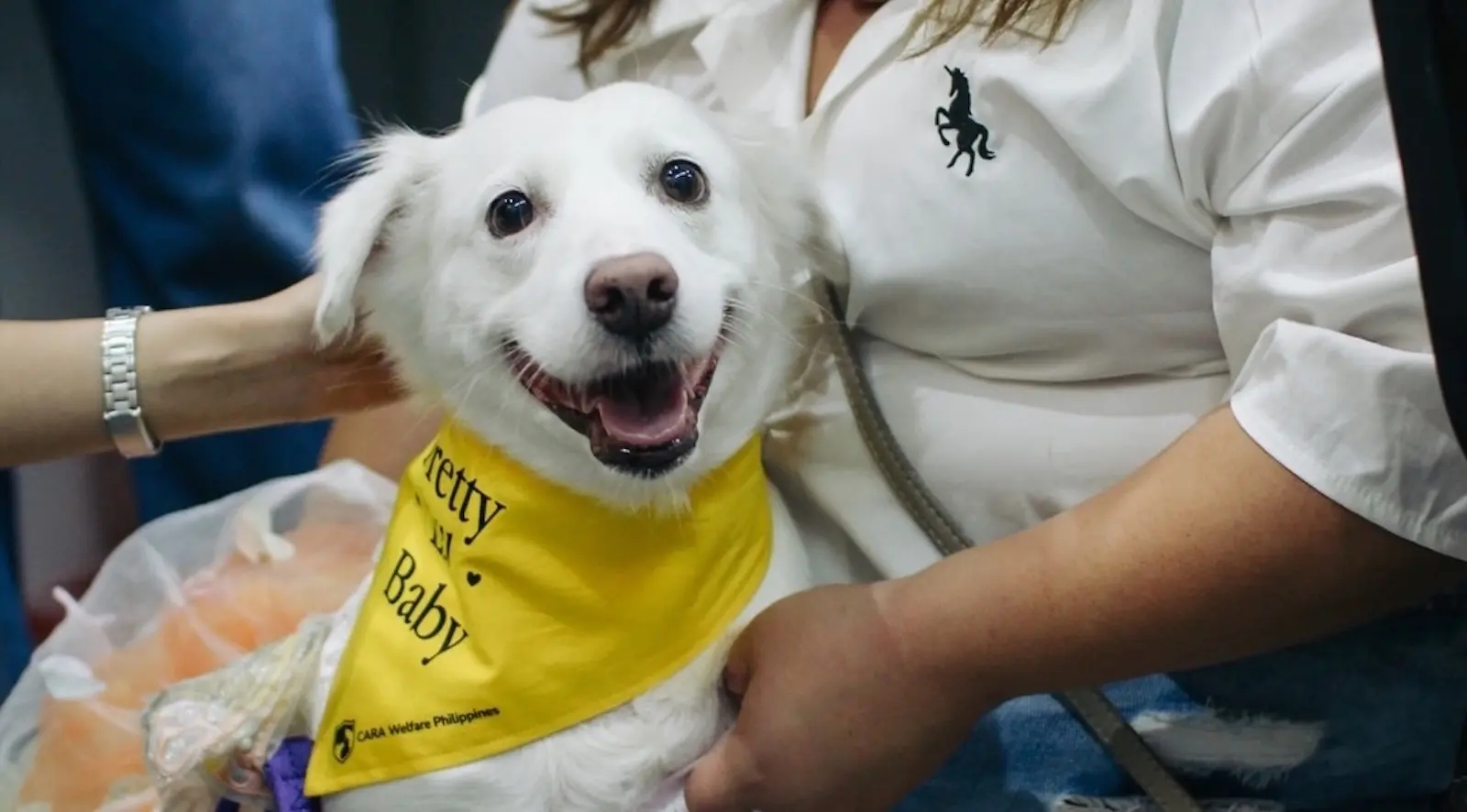
“It’s not easy to find compassionate and dedicated people to do the work,” added Cu Unjieng. “You will never have zero number of stray cats or zero number of stray dogs. You know, the animals may outlive us at the rate we are going with our wars. But I’ve been running CARA now for 25 years, and I wouldn’t change anything.”
Both founders agree that more needs to be done in terms of education, legislation, and long-term support for animal welfare initiatives. Although the Animal Welfare Act of 1998 has long aimed to protect and promote the welfare of animals in the Philippines, particularly making all acts of cruelty towards animals unlawful, recent proposed revisions to the act could arguably do more harm than good to the country’s animals.
“We must involve the government,” said Cu Unjieng. “The LGUs must be involved. The barangays, the police, everybody. It’s a whole network that has to get together to help each other because NGOs cannot do this on our own.”
Recommended Video


Rolling Stone Philippines Voices Issue, Now Available at SariSari Shopping