

In 2025, physical media has managed to claw its way back into the conversation, quietly defying every prediction that called it obsolete. For years, digital platforms promised a future of infinite accessibility where streamingStreamingListening to music or watching video on demand over the internet through platforms like Spotify and Netflix, rather than owning copies. Streaming has changed how artists earn and how audiencesGo to Streaming Glossary would replace actual ownership. Yet somehow, physical media stores that are home to record shelves, CD racks, and cassette stacks continue to breathe, sustained by collectors who see music not as data, but as something to hold, own, and pass on.
In the Philippines, where the music scene has learned to adapt and mutate through every format shift, the survival of physical media feels even more personal. As peer-to-peer networks like Napster were replaced by on-demand streamingStreamingListening to music or watching video on demand over the internet through platforms like Spotify and Netflix, rather than owning copies. Streaming has changed how artists earn and how audiencesGo to Streaming Glossary — Spotify being among the first in 2006 — local record stores like Odyssey, Astroplus, and Astrovision faded from mainstream malls by the 2010s.
It seemed like that would be the final word for music distribution. But the return of the physical format didn’t come from nostalgiaNostalgiaA sentimental longing for the past, often triggered by music, films, toys, or fashion from childhood and youth. Nostalgia is a powerful force in culture and marketing, driving reunions, remakes,Go to Nostalgia Glossary alone. It came from people who wanted something real; something you can smell, flip through, and truly own.
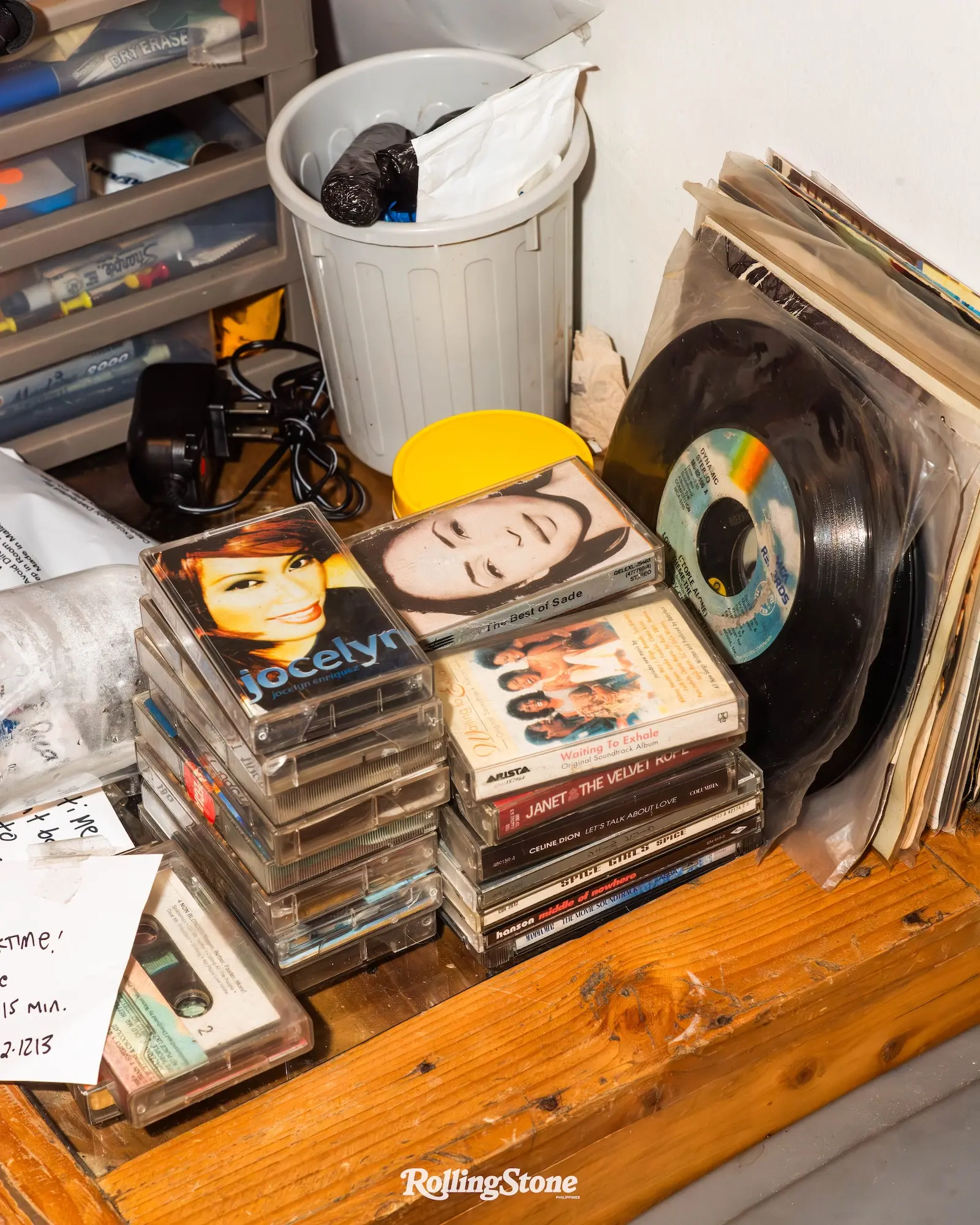
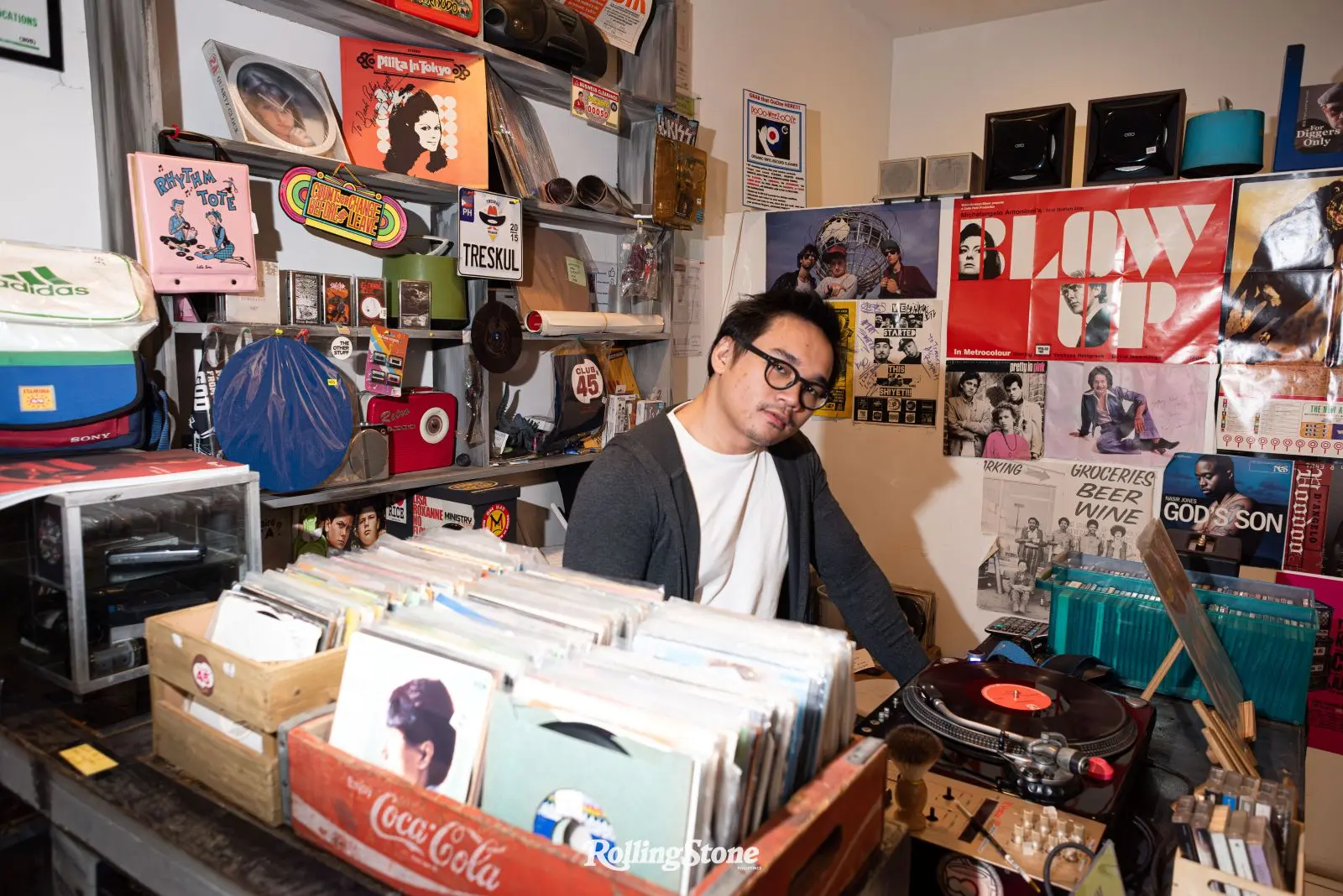
Tucked in the art section of Cubao’s AliMall is Treskul Records, one of Manila’s best-known hubs for vinylVinylThe analog record format, played on a turntable and prized for its warm sound, large artwork, and collectible appeal. After declining for decades, vinyl has enjoyed a revival among youngerGo to Vinyl Glossary, CDs, and cassette tapes. Run by hip-hop DJ and producer Arbie Won, who has worked with acts like rap collectives Urban Flow and Pamilia Dimagiba, Treskul also operates another branch along Pioneer Street, Mandaluyong.
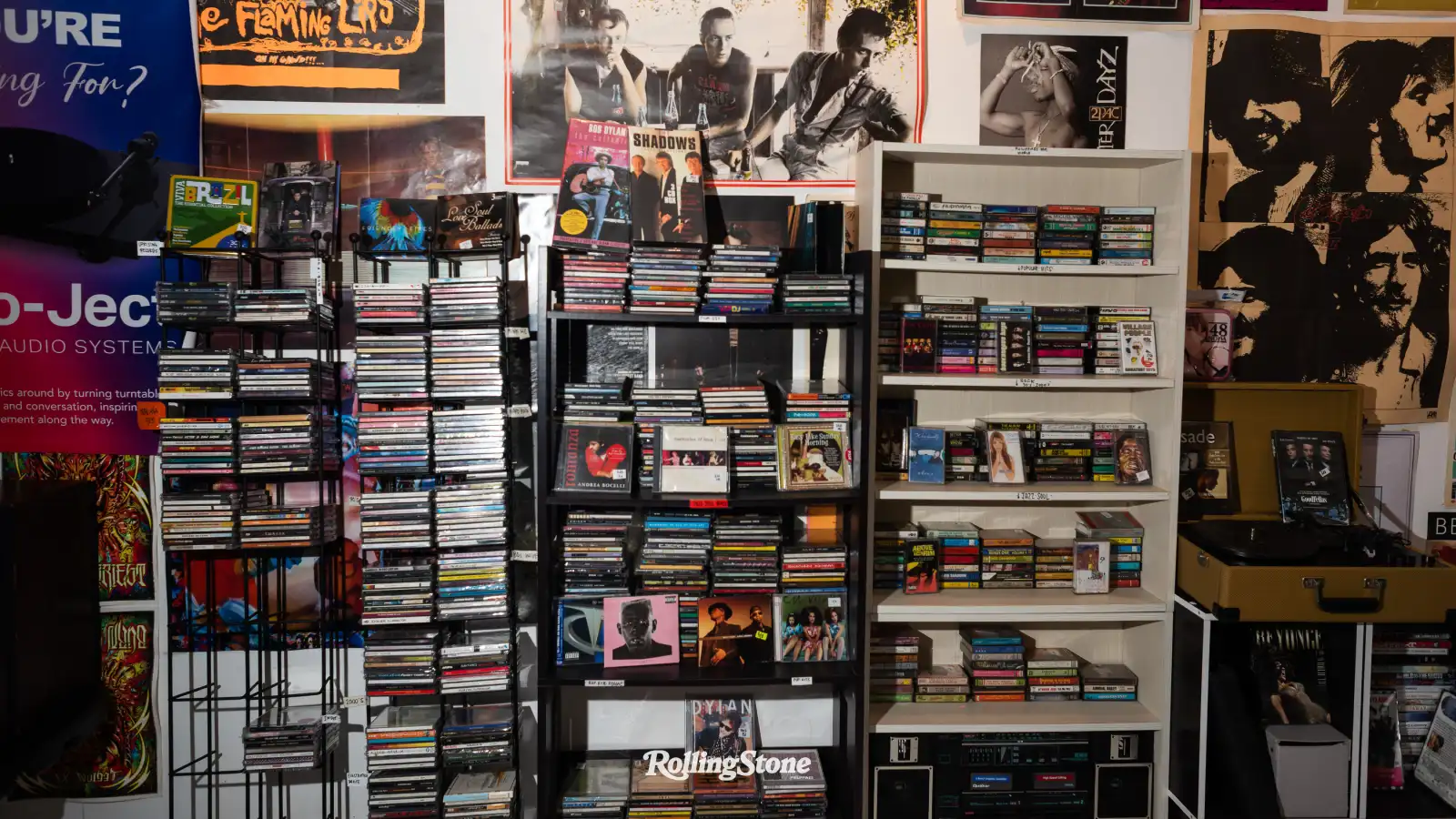
While the Shaw branch thrives as a social space with its bar and events, the Cubao space is commercial yet intimate — a place where music lives alongside memorabilia such as a not-for-sale record of Deltron 3030’s namesake album, a lunchbox of Spanish boy band Menudo, and posters of various French New Wave movies. The walls of Treskul is a shrine to music’s materiality, echoing decades of music history.
The Cubao branch’s shopkeeper, Zacch, grew up surrounded by physical media and still holds it close. “I grew up with CDs… I’ve always collected physical media,” he says. “That’s important to me, having that physical connection with things that nourish your soul.”
A 2022 study from the University of South Australia concluded that the “peak” period of nostalgiaNostalgiaA sentimental longing for the past, often triggered by music, films, toys, or fashion from childhood and youth. Nostalgia is a powerful force in culture and marketing, driving reunions, remakes,Go to Nostalgia Glossary for people ages 25 to 55 is music they encountered in late adolescence to adulthood, which can be amplified by the sight and sound of a physical artefact from their past. Yet, for many of Treskul’s younger visitors, holding a vinyl or CD they only streamed feels like catching something they never had, and that sense of “finally touching it” intensifies its value. For Zacch, much of what drives the store’s audience is fascination with a past they never lived through.
“It’s nostalgiaNostalgiaA sentimental longing for the past, often triggered by music, films, toys, or fashion from childhood and youth. Nostalgia is a powerful force in culture and marketing, driving reunions, remakes,Go to Nostalgia Glossary for things that we never got to experience,” he says. “I see them being fascinated by the album cover, kasi it’s the first time they’re probably seeing it in person. When you see it, it’s quite different.”
All too Convenient
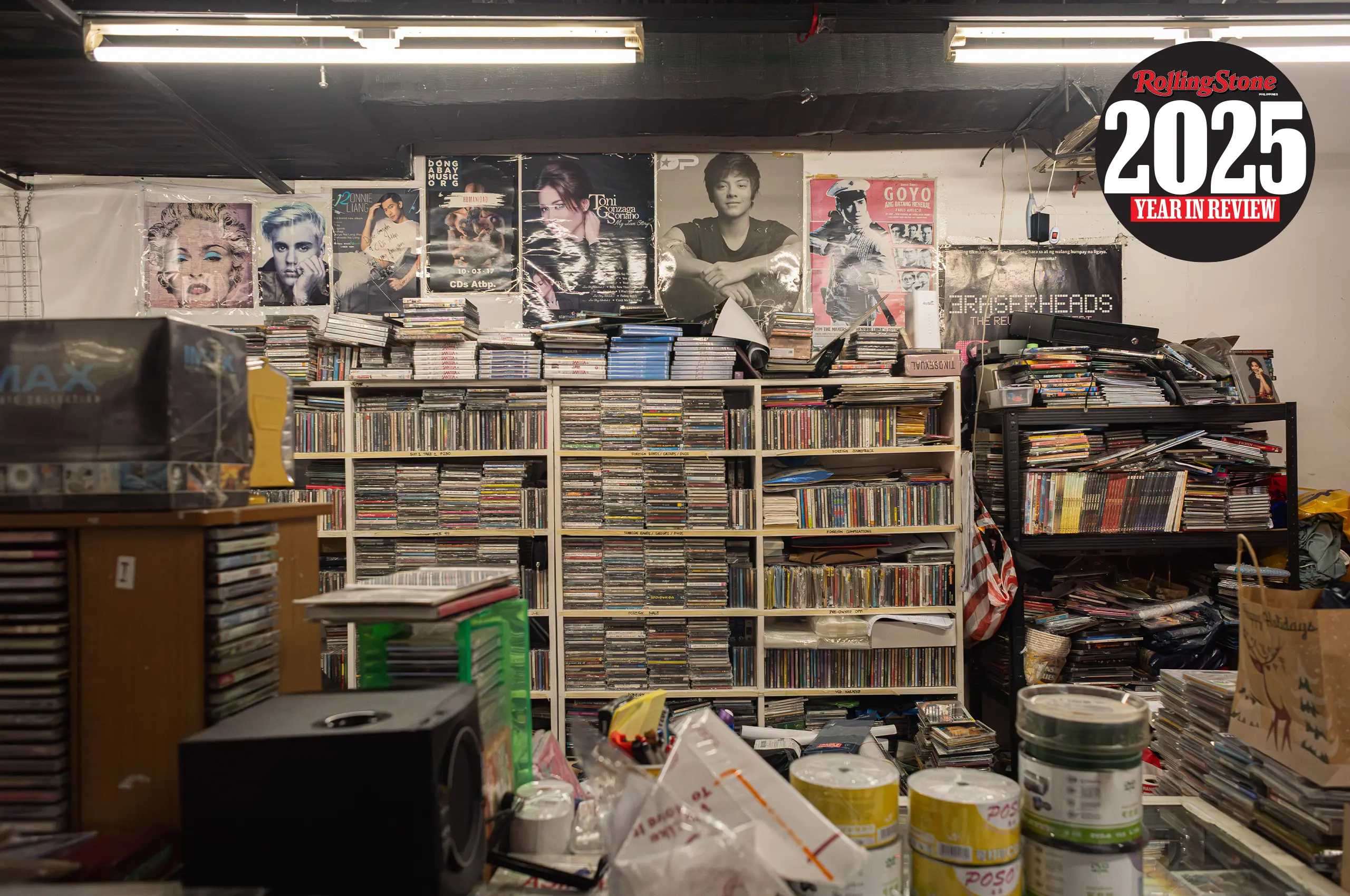
That particular sense of nostalgiaNostalgiaA sentimental longing for the past, often triggered by music, films, toys, or fashion from childhood and youth. Nostalgia is a powerful force in culture and marketing, driving reunions, remakes,Go to Nostalgia Glossary (or temporal dislocation for what many may have never experienced) hits as you enter CD’s Atbp. on the second floor of Wellcome Plaza in Libertad, Pasay: a big JC De Vera cardboard cutout stands in one corner of the room, while the complete edition of Sarah Geronimo’s albums sits quietly on a shelf alongside a selection of DVDs.
On October 23, after 10 years in Libertad, CDs Atbp. announced on social media that they were relocating their physical store, which was met by a mix of congratulatory affection and sentimentality from regulars. “Kapag nagpunta ako dito, bumabalik talaga [ang] high school feels,” said one Facebook user. “Maraming salamat!”
The store’s owner, Drake, worked in a record company before dedicating himself to selling and archiving CDs full-time. The place is lined with local gems: shelves of Ivory Records releases, forgotten Donnalyn Bartolome tracks, and even obscure macho dancer instructional videos from VIVA Video Inc. He is known for stocking copies of early BINI EPs, and keeps an untouched poster of BINI’s second studio album Feel Good hanging by the counter — a copy he refuses to sell, no matter how much it could fetch from a collector.
“Ang maganda [sa] CD, kung nag-release ka ng album, parang siya yung pinaka-finished project ng album,” he explains. “Kapag nagawa mo siya sa digital tapos walang physical, parang hindi siya kumpleto.”
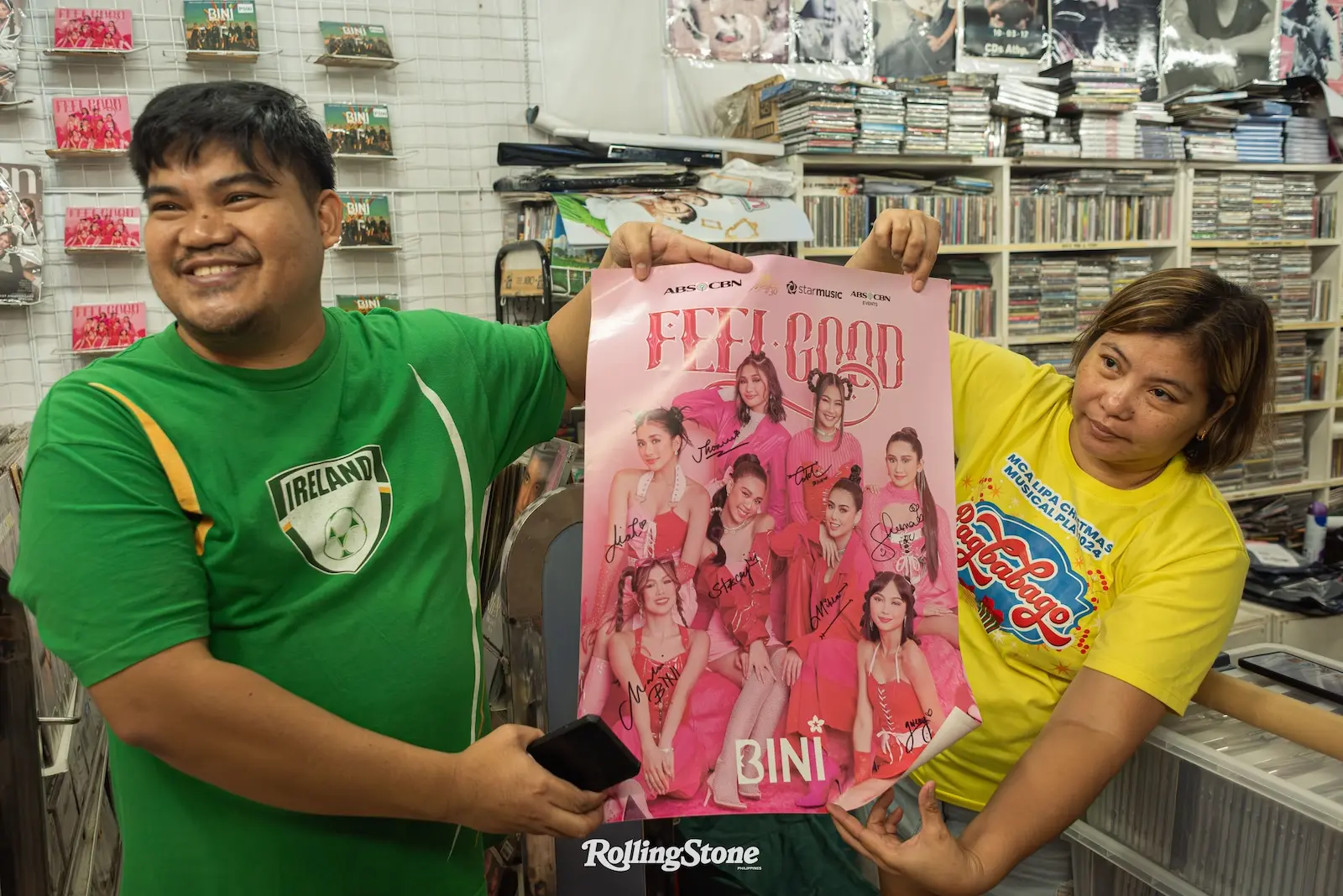
For Drake, selling CDs has always been unpredictable. Some days, nothing moves. Other days, a show or celebrity sighting sends fans scrambling for copies. He recalls setting up shop in TriNoma Mall at a CD convention where he sold almost 300 CDs of Geronimo’s merchandise in one night. “Hindi kasi siya laging malakas,” he says about CDs. “So, parang dapat mayroon other option kung paano ka makakabenta, at tsaka dapat nakasakay ka sa kung ano ‘yung bago o uso.”
With many suggesting piracy as the “main cause” of a dying recording industry, physical media sales continue to fall worldwide. According to the International Federation of the Phonographic Industry (IFPI) in 2024, global recorded-music revenues rose only 4.8 percent, led by a 3.1 percent drop in physical-sales income. Data on Philippine music sales remains scant or outdated, but the global dip in music revenues offer a glimpse of where the local music manufacturing is headed. The ‘90s saw vinylVinylThe analog record format, played on a turntable and prized for its warm sound, large artwork, and collectible appeal. After declining for decades, vinyl has enjoyed a revival among youngerGo to Vinyl Glossary pressing plants shut down across the Philippines, and major labels stopped distributing CDs (let alone cassette tapes) as part of their regular release cycles.
“Hindi natin masabi kung babalik pa ‘yung dati o hindi na,” Drake says about the golden era of CDs. “Kasi feeling ko, kung babalik ‘yong [CDs], ang unang dapat gumawa para diyan ay ‘yung CD player. Kasi ang mga tao, ‘pag nakita naman ‘yung CD player, pwede silang bumili ng CD.”
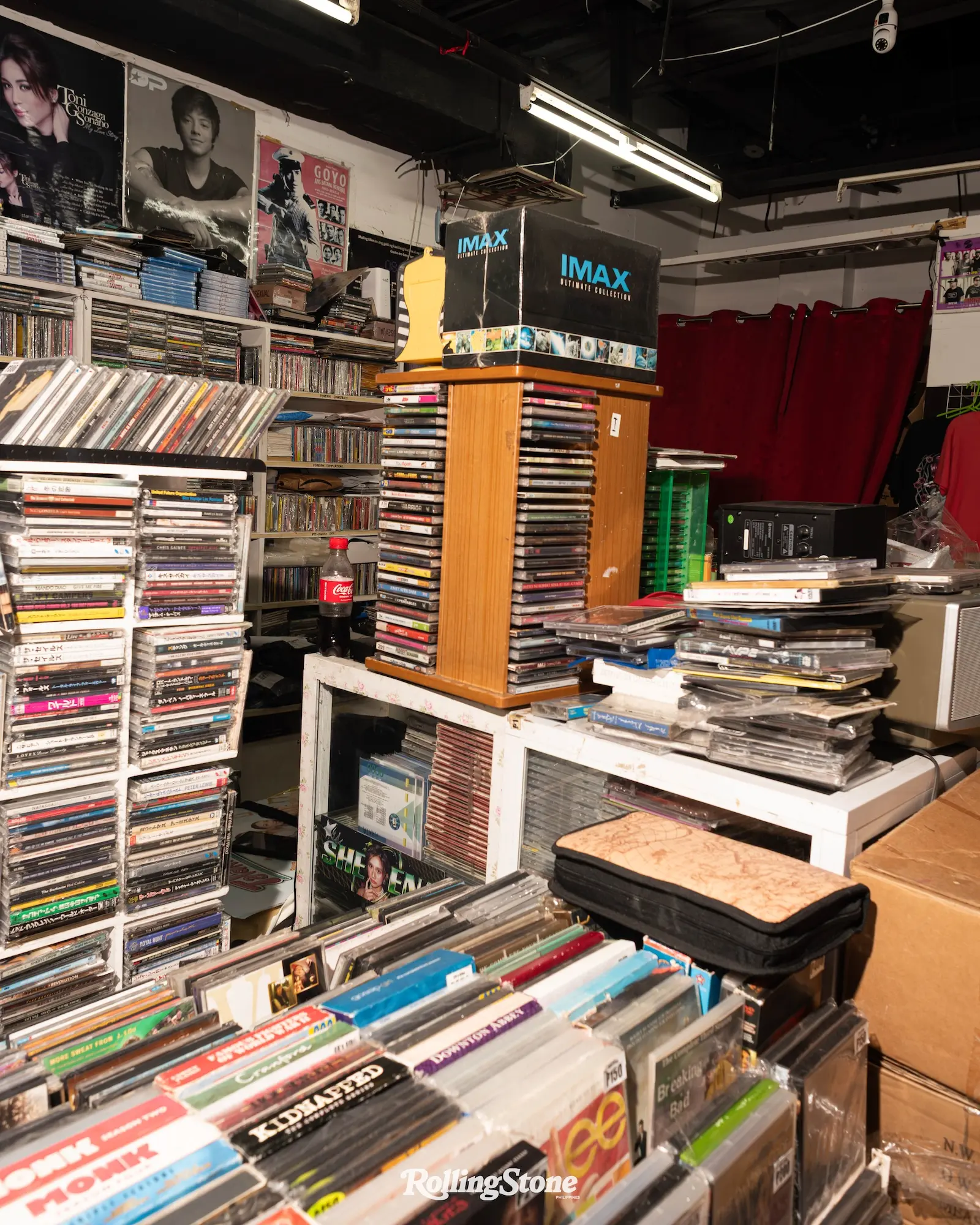
The act of searching for a CD player is, in fact, an investment itself that is separate from purchasing one from suppliers; many brands that once built them — Sony, Panasonic, even Pioneer — now limit production to either niche, high-fidelity audio lines or wireless Bluetooth speakers. The prices for refurbished or secondhand units on online selling platforms like Carousell or Facebook Marketplace fluctuate wildly depending on condition, while repairs can cost more than a replacement of the device. This scarcity feeds into the cycle Drake is talking about: no players, no buyers, no demand. Without that ecosystem, the format risks staying stuck in nostalgia rather than returning to regular rotation.
For most artists and even record shop owners, survival still depends on visibility online. CDs Atbp.’s Facebook page blends humor and hustle, posting memes tied to pop culture and current events. Behind the jokes of Daniel Padilla and Kim Chiu’s music is a deep understanding of how attention drives value. “‘Pag boring ‘yung post mo, hindi papansin ng tao,” he says. “So, nagagamit ko ‘yan para makabenta ako.”
Attention Economy
“Those who can’t remember the past are condemned to have it resold to them forever,” cultural theorist Mark Fisher wrote in Ghosts of My Life. In a digital music world inundated with choice, flipping through a vinyl crate or reading liner notes is an act of reclaiming your attention, offering listeners a slower way of engaging with music at a time when online feeds are moving at a hyperaccelerated pace. In 2026, we may expect a shift in mindset towards physical formats, which are seen as reference points for studying an artist’s history, a scene’s evolution or a sound’s production choices, rather than a mere product. The medium stays relevant not because it is old, but because it offers a tangibility that feels, unlike digital formats, feels real.
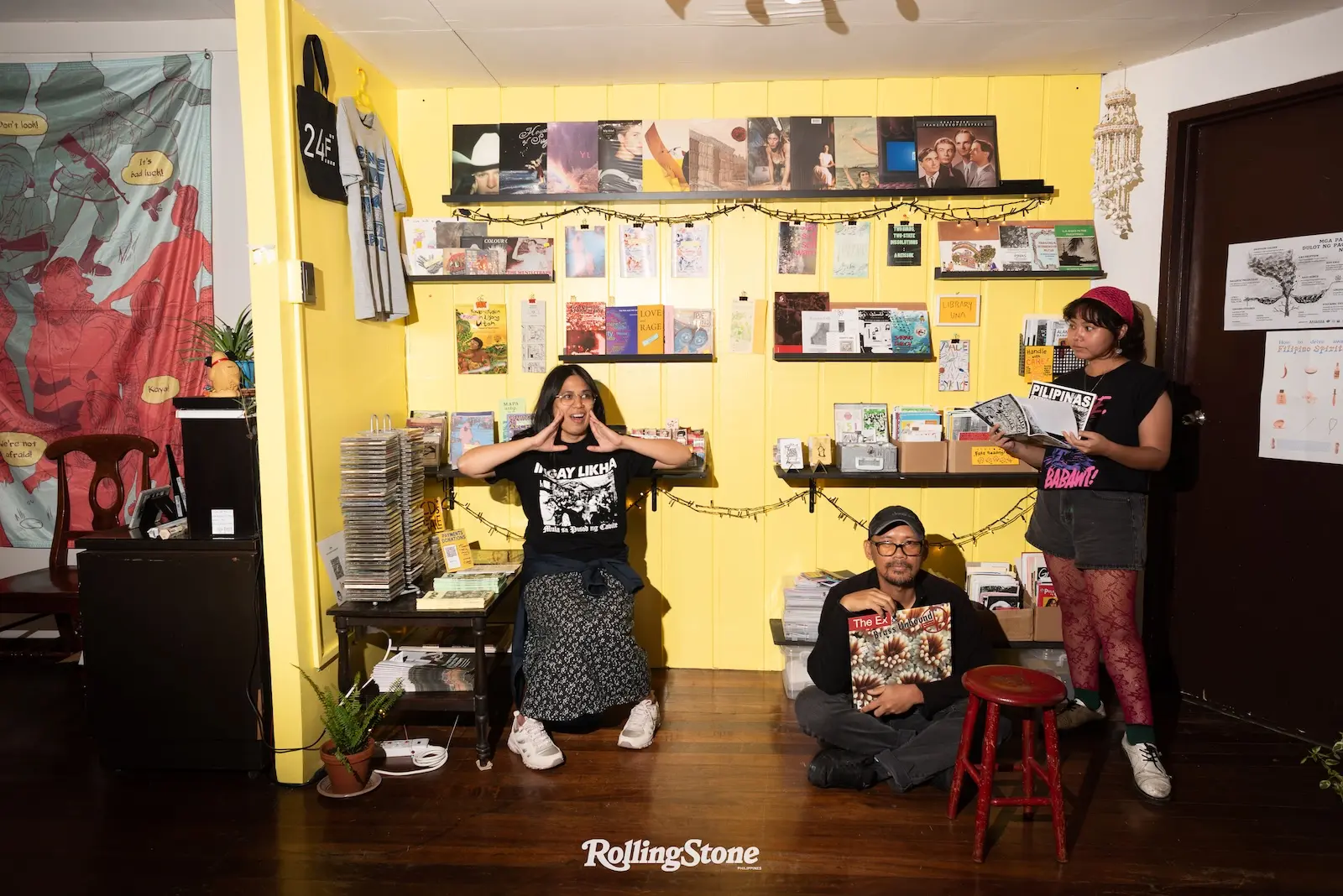
This shift in mindset is what Library Una, a space inside a small house in Teacher’s Village, Quezon City, hopes to foster. The room is filled with zines, cassettes, CDs, and books, all arranged with the kind of intimacy that makes it feel less like a library and more like a shared living room.
Library Una is run by Erick Calilan, Gladys, and Shek, who have been building spaces for media and art long before this one. Past projects have closed due to rent and logistical challenges, but the three never stopped creating spaces for listening and reading. Library Una reflects that resilience: small, self-funded, and entirely community-driven.
“Kasi feeling namin ito na ang space for a reading and listening,” Shek says. “Hindi naman kasi namin binalak na mag-event ng malalaki. [We thought] it will just be a room, parang Criterion [Collection] closet.”
For them, owning physical media is a form of devotion that resists the passive engagement. “It’s another act of love for the artist to own physical media,” Shek says. “Parang hindi lang enough na-istream yung music mo. Kasi hindi naman kumikita yung mga artist natin sa streaming unless sa Bandcamp ka talaga. Pero, Spotify, Apple, I doubt.”
“The future of physical media is [bringing] back the idea na, ‘No, huwag ka na bumili. Pumunta ka nalang sa library.’”
Spotify doesn’t disclose a fixed payout rate, but according to data by Tunecore, a music distribution service, artists earn only a few thousandths of a dollar per stream. For smaller independent acts in the Philippines, even reaching 10,000 plays often isn’t enough to break even. Meanwhile, Library Una acts as a sort of “organic algorithm,” adjusting their collection based on feedback and discussion with guests. They also offer ways to help artists earn from their music and physical merch.
“Hinahanap din namin kung ano yung gusto talaga ng community,” Calilan says. “It changes every time. It also serves the conversation of what the community needs, especially people who love the culture of physical media.”
For Gladys, physical media is about the desire for connection in an era of endless scroll, forcing people to be mindful of their media consumption. “It’s gaining more attention [that] people are turning against platforms [kasi nag] proliferate ang AI music,” Gladys says. “Or other people are turning against platforms dahil yung pagiging complicit [ng platforms] sa Israel-Palestine [issue], investing in war and yung mga gano’n.”
Seeing genuine music ownership as a moral act illustrates how the future of music may see fans evolving with a collector’s mindset, who see artefacts as not only cultural heirlooms, but as an investment for the next generation. For Library Una, physical media is about fostering that continuity for every owner that wishes to donate their CDs, vinyl, or zine to the library. “The future of physical media is [bringing] back the idea na, ‘No, huwag ka na bumili. Pumunta ka nalang sa library.’”
Streaming may have won the numbers, but in 2026, physical media is expected to endures for its permanence and remembrance — an innately human quality.
Recommended Video