

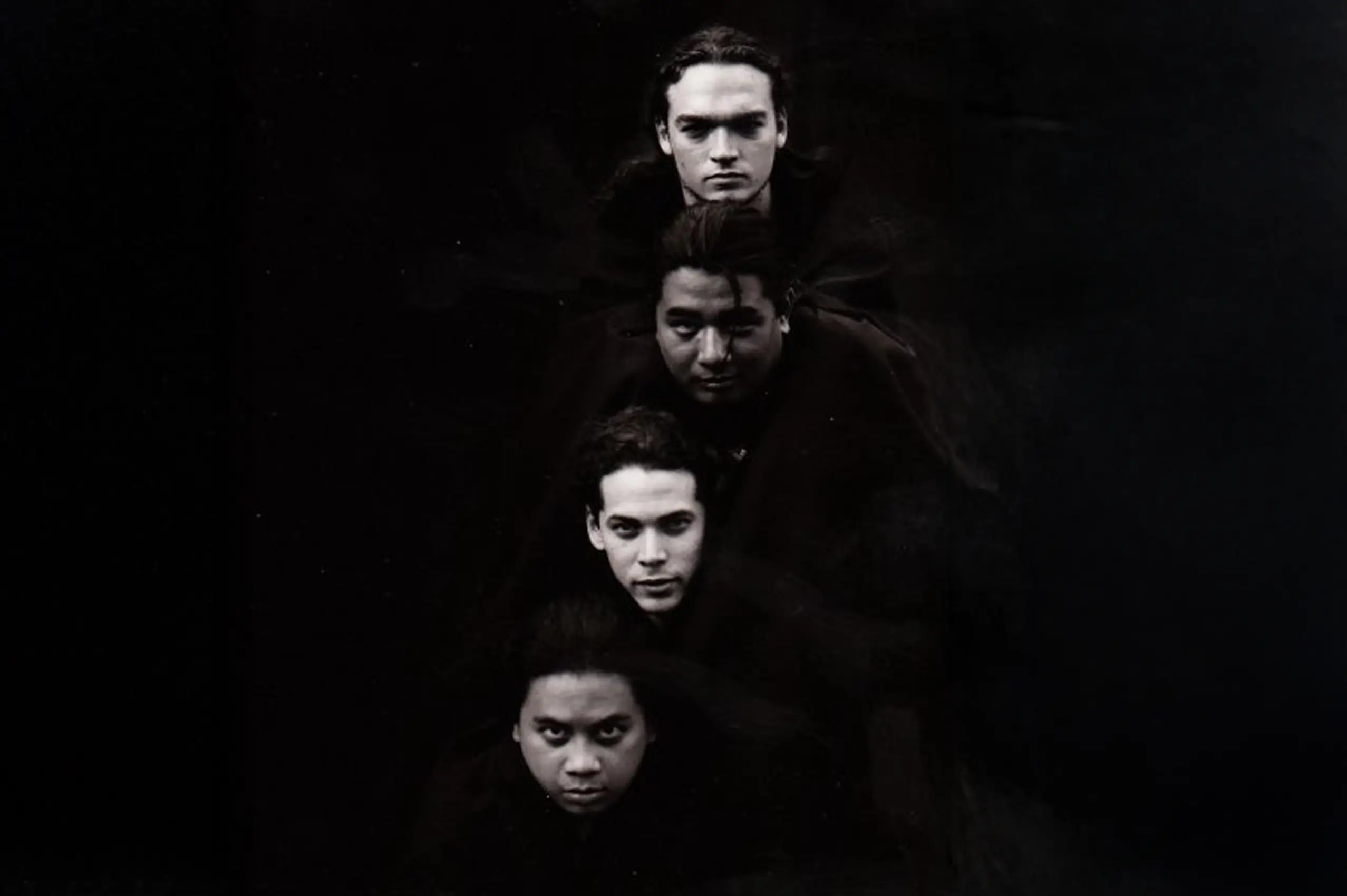
Thirty years ago, as grunge dominated airwaves and metal searched for its next mutation, four musicians in Manila forged an album that would redefine the limits of Filipino rock. Wolfgang’s 1995 self-titled debut was about to set a new standard for what rock music from the Philippines could be. Fusing thrash metal’s precision, grunge’s raw tension, and hard rock’s theatrical edge, the record became a benchmark of technical excellence and creative daring.
The story begins with vocalist Basti Artadi and drummer Wolf Gemora, both veterans of Manila’s underground circuit, teaming up with guitarist Manuel Legarda, who had just returned from Spain. They completed the lineup with bassist Mon Legaspi, forming what would become known as the “Wolfpack,” a name coined by David Aguirre of Razorback, whose members introduced them to each other. The band cut its teeth in venues like Kalye Bar in Makati, where its live sets quickly earned a reputation for being flawless and exhibiting a level of intensity in performing. They balanced complex arrangements with visceral energy, creating a sound that hit as hard intellectually with Artadi’s vivid imagery and metaphors as it did physically.
Where other metal acts leaned entirely on aggression, Wolfgang thrived on dynamics. Tracks like “Arise” and “Left Alone” showed off Legarda’s thrash-influenced riffs and Gemora’s thunderous drumming, but it was Artadi who gave the band an added layer of emotional depth. His voice could growl, soar, or croon with equal conviction, pushing the songs into places that were as dramatic as they were muscular. That range gave Wolfgang space to explore emotion without ever losing intensity. By the time they released songs such as “Natutulog Kong Mundo” and “Darkness Fell,” they had already established a language of their own, one that merged rage with reflection and force with finesse.
The production of Wolfgang captured the urgency of the moment. Its raw textures, slight imperfections, and live-room energy became part of its identity. Legarda achieved a specific metallic guitar tone on “Cast of Clowns,” a detail that perfectly summed up their mix of ingenuity and obsession. It felt like four musicians locking in on something real. In an era before high-budget studio gloss, that honesty mattered.
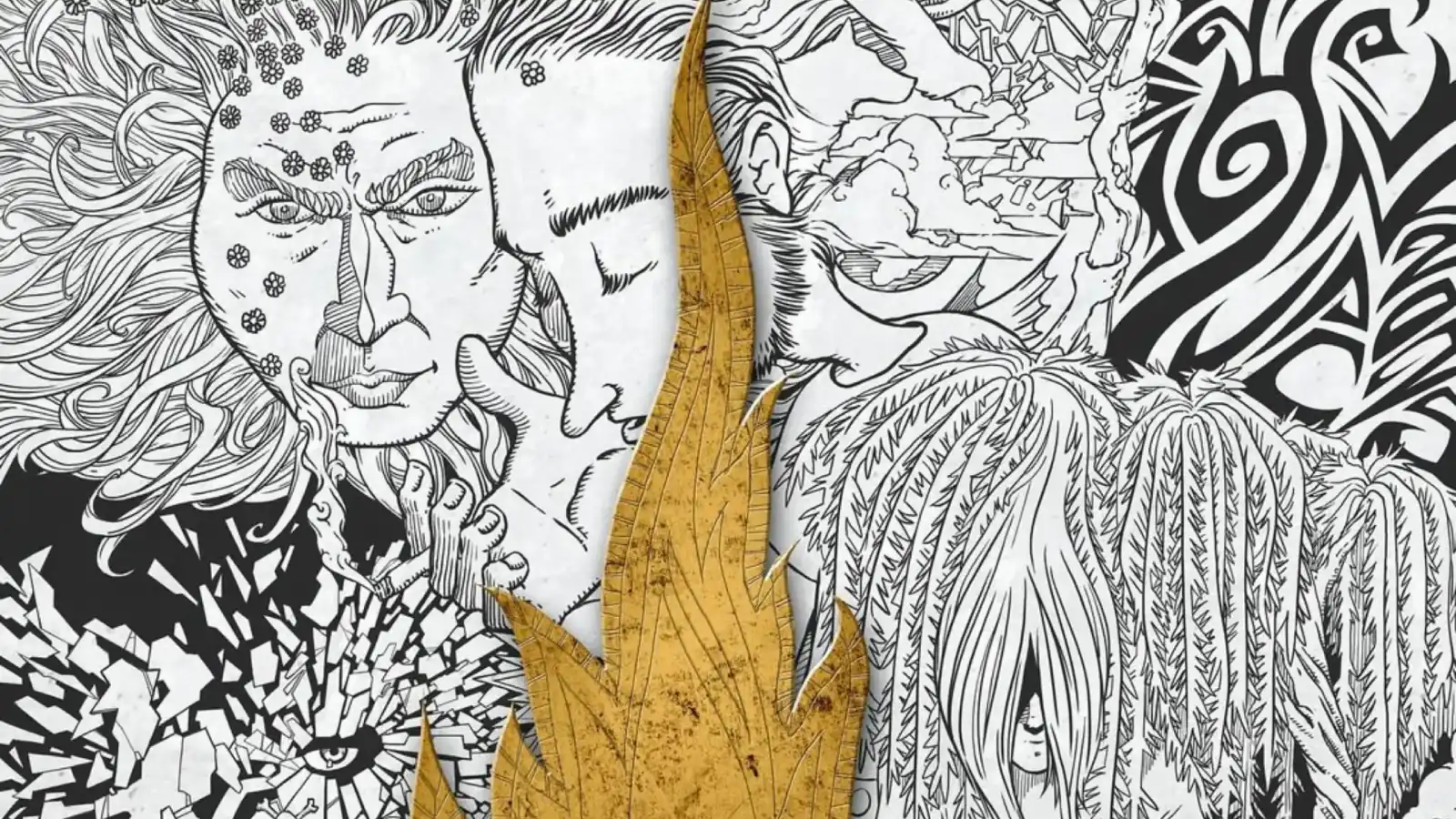
Artadi’s creative influence extended beyond the microphone. He sketched the album cover himself, sketching the band amid beer bottles, cigarettes, and earthy chaos. It felt both grimy and iconic, proof that Wolfgang understood presentation as part of the art. At a time when album sleeves could define a record’s mythology, they knew the value of visual storytelling. The music matched the image: rebellious but precise, ambitious but grounded.
Read the rest of the story in the Hall of Fame issue of Rolling Stone Philippines. Order a copy on Sari-Sari Shopping, or read the e-magazine now here.
Recommended Video