

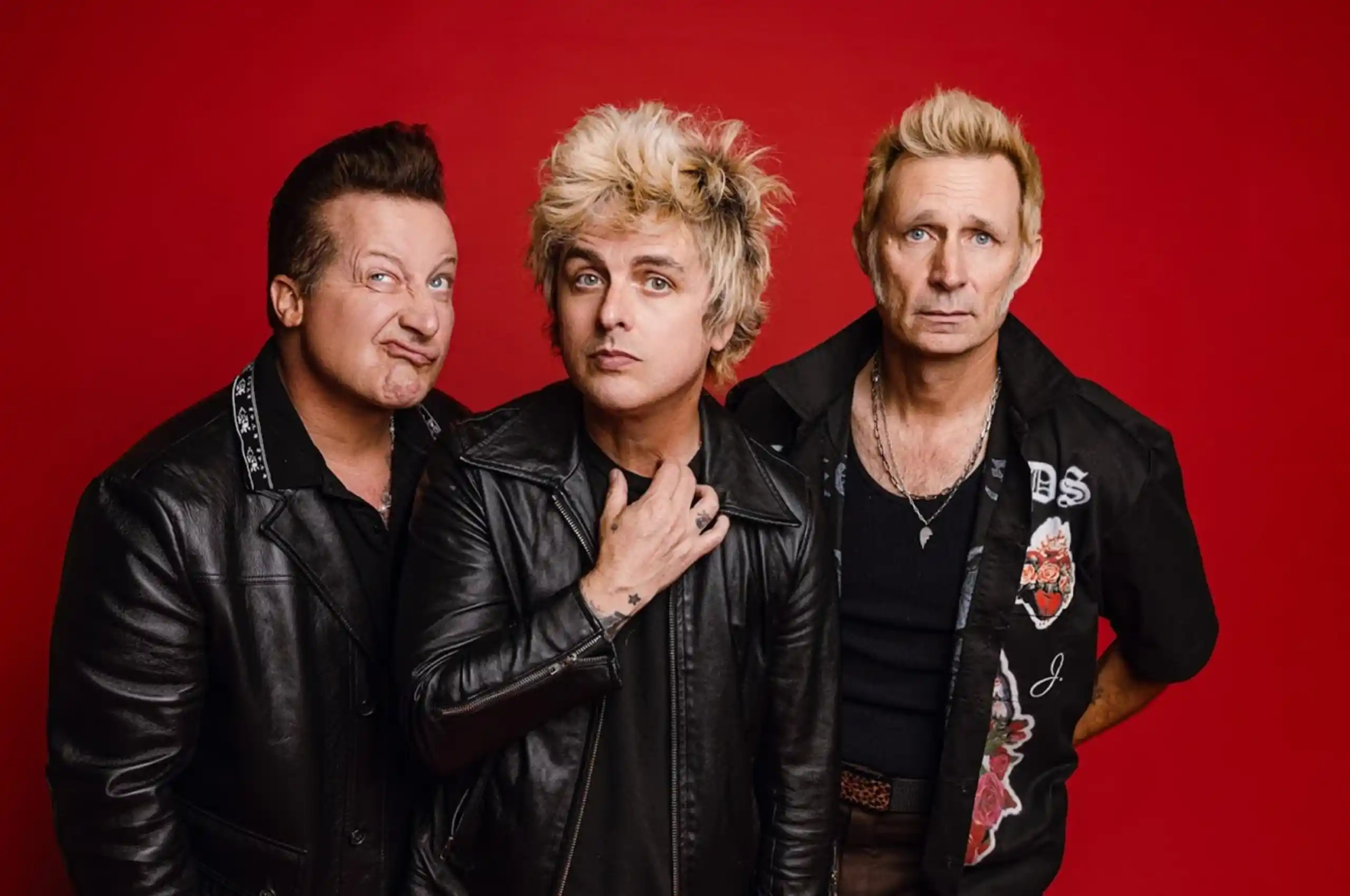
American punk rockRockA guitar-driven genre that grew from rhythm and blues in the 1950s and splintered into countless styles, from punk and metal to alternative. With a long history of rebellion andGo to Rock Glossary band Green Day is set to perform at the opening ceremony of Super Bowl LX in San Francisco on February 8. The announcement, however, did not well with some of the National Football League (NFL)’s most vocal critics. Right-wing commentators on X were quick to frame Green Day’s involvement as a political provocation.
Former American boxer and content creator David Nino Rodriguez wrote, “Green Day opening up for Super Bowl 60 is enough for me to boycott the game.” Meanwhile, self-proclaimed “Devout Constitutional Conservative,” TheBubbaDude on X, added, “If it wasn’t disrespectful enough Bad Bunny will be performing at the halftime show, but the NFL have announced Green Day will be the main performance at the Superbowl LX Opening Ceremony. The @NFL hates America. I won’t be watching.” The post was accompanied by a photo of Green Day lead vocalist Billie Joe Armstrong flashing a mask resembling U.S. President Donald Trump, who has aggressively imposed laws on foreign policies and intensified immigration crackdowns ever since his re-election in 2024.
Green Day opening up for Super Bowl 60 is enough for me to boycott the game
— David Nino Rodriguez (@ninoboxer) January 19, 2026
If it wasn’t disrespectful enough Bad Bunny will be performing at the halftime show, but the NFL have announced Green Day will be the main performance at the Superbowl LX Opening Ceremony.
— The BubbaDude (@The_Bubbadude) January 19, 2026
The @NFL hates America. #NFL #GreenDay #SuperbowlLX pic.twitter.com/8cAZTRGYfO
Green Day has been openly critical of MAGA politics for years, including recent lyric changes during live shows of their 2004 hit “American Idiot,” where the line “redneck agenda” has been replaced with “MAGA agenda,” most notably at its headlining performance at Coachella 2025.
The trio is also scheduled to perform at the pre-Super Bowl LX concert on February 6 alongside alternative rockRockA guitar-driven genre that grew from rhythm and blues in the 1950s and splintered into countless styles, from punk and metal to alternative. With a long history of rebellion andGo to Rock Glossary band Counting Crows. Green Day’s roots trace back to Rodeo and the East Bay punk scene that helped shape American pop punk in the 1990s, representing a Bay Area legacy that has long fed into the mainstream for nearly three decades.
Recommended Video