The 68th Annual Grammy Awards arrive with one of the biggest signals yet of how deeply hip-hop now sits at the center of mainstream music. For more than half a century, the Grammys have positioned themselves as the industry’s highest marker of recording achievement, shaping how generations understand success across genres. The 2025 Grammy Awards ceremony already hinted at a shift, with Beyoncé becoming the first Black woman in 26 years to win the Album of the Year for Cowboy Carter, as well as being the first Black woman to win the Best Country Album in the same evening.
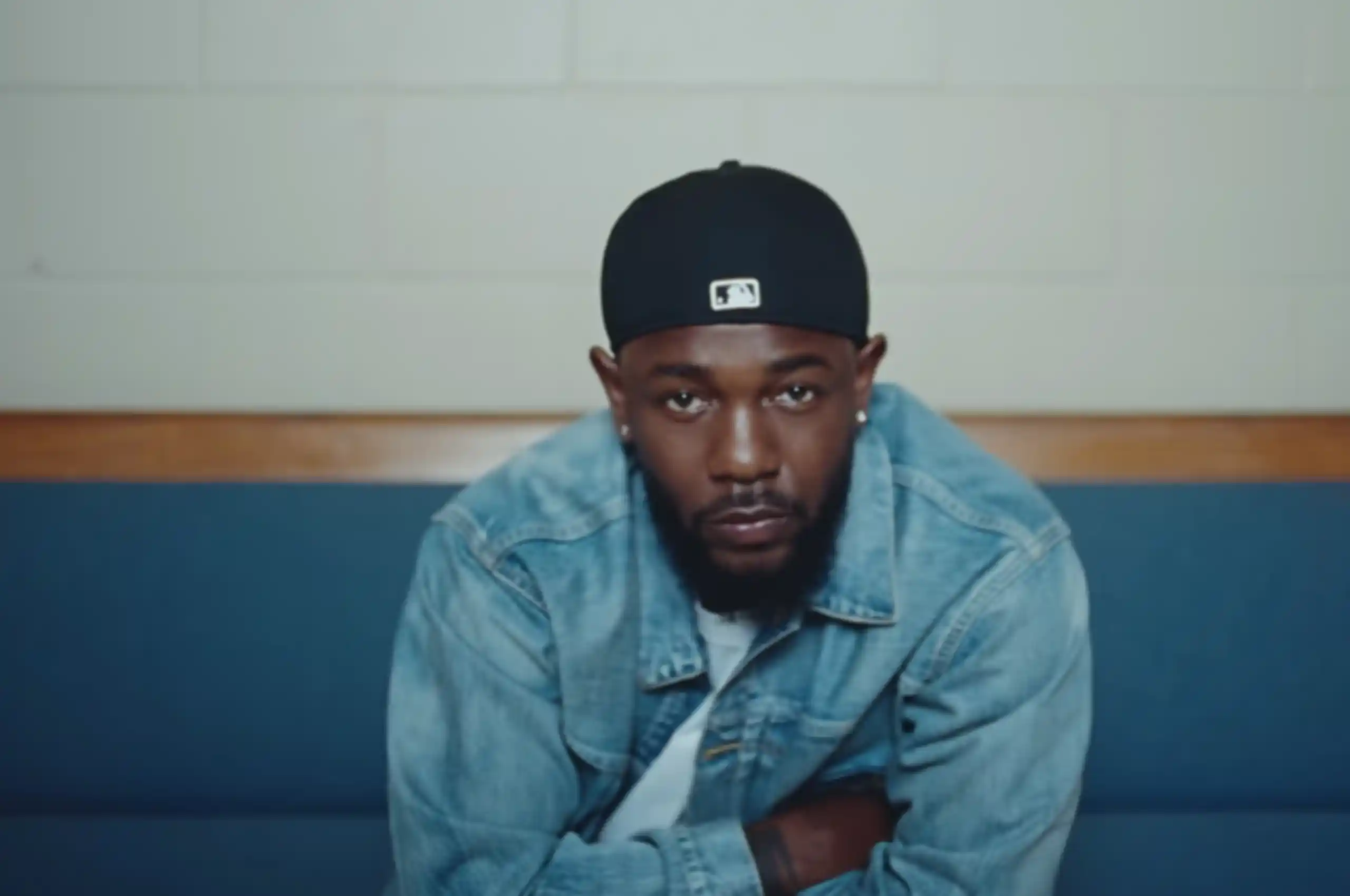
The 2026 Album of the Year race now carries its strongest rap and hip-hop presence in recent memory, placing the genre at the center of one of the ceremony’s most prestigious categories. Puerto Rican superstar Bad Bunny’s Debí Tirar Más Fotos leans heavily on rhythmic experimentation tied to Latin trap and hip-hop traditions; Virginia duo Clipse return with Let God Sort ’Em Out, a project rooted in street rap and veteran sharpness; Kendrick Lamar’s GNX continues his run of culture-shaping releases; Tyler, The Creator’s CHROMAKOPIA adds his signature blend of hip-hop, funk, and personal storytelling to the race as well.
Rap’s Reign
Historically, the Grammys have struggled to fully recognize rap at the top level. Only two hip-hop driven albums have ever taken Album of the Year since 2004: Lauryn Hill’s The Miseducation of Lauryn Hill in 1999 and Outkast’s Speakerboxxx/The Love Below in 2004. While the Academy created a Best Rap Album category in 1996, the main prize has historically been awarded for pop, rock, and traditional industry favorites.
That gap has always felt disconnected from reality. Hip-hop has shaped global culture for decades without needing validation from award shows. Artists like Tupac Shakur, Wu-Tang Clan, and DMX never required Grammy trophies to define their impact. Rap’s history has always been shaped by communities and listeners long before awards shows caught up. Past snubs have only sharpened that tension.
Beyonce’s Lemonade and Renaissance both entered Album of the Year, yet they came out empty-handed, while The Weeknd famously called out the Academy after After Hours received zero nominations in 2021, exposing long-running issues around genre bias and transparency. Those moments made it harder to treat the Grammys as neutral arbiters of modern music, especially as hip-hop and Black artists continued driving the industry’s biggest shifts.
What feels different now is the Academy’s growing inability to ignore where music actually lives. Streaming numbers, touring power, cultural influence, and youth attention continue to flow through hip-hop at a scale few genres can match. This year’s nominations reflect that dominance more accurately than most past ceremonies. Whether or not a hip-hop-rooted album ultimately wins on Grammy Awards night, the genre will still go on to inspire many. And long after award season fades, its influence will continue to drive how the genre connects with audiences worldwide.
Recommended Video