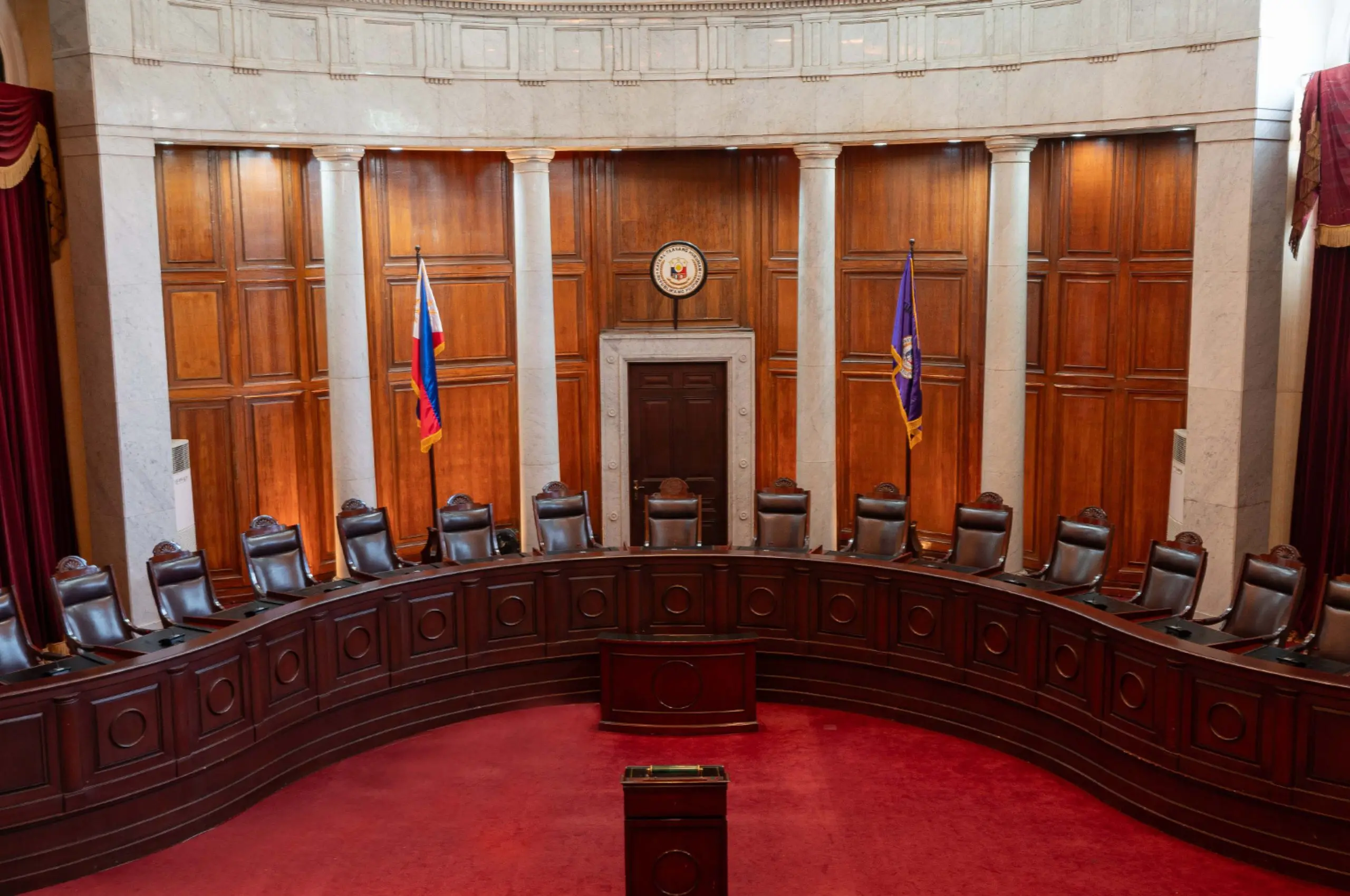
The Supreme Court (SC) has ruled that same-sex couples who live together may be recognized as co-owners of property under the Family Code, and may subsequently divide their properties. This comes after the SC decided to grant a woman recognition of her co-ownership of a house and lot she shared with her former lesbian partner, allowing them the right to property partition after they separated.
The SC ruling reverses a decision of a regional trial court (RTC) and the Court of Appeals (CA) from 2019. Both the RTC and the CA decided that the petitioner, an anthropology professor, is not a co-owner of the house that she and her ex-girlfriend, the respondent and a lawyer, purchased in the latter’s name.
When the couple separated, they agreed to sell the property and divide the proceeds equally, as the petitioner had paid half the expenses. However, the respondent changed her mind and decided not to sell the house and lot, refusing to give the petitioner her share.
Article 148 of the Family Code states that unmarried couples may co-own a property acquired during their cohabitation, also gives them the right to divide it. With the SC’s ruling, the right to co-own and partition properties is extended to same-sex couples, who still cannot get married in the Philippines.
In concurring statements, Senior Associate Justice Marvic Leonen and Associate Justice Amy C. Lazaro‑Javier also said that Article 148 applies to all forms of cohabitation and should not be limited to heterosexual relationships.
In the absence of an anti-discrimination law and provisions for same-sex marriage, co-ownership of properties and the right to make medical decisions on behalf of a same-sex partner, also known as the right to care, have been relegated to courts and local government units (LGUs). As of this writing, only Quezon City and San Juan city recognize LGBTQ+ couples’ right to care.
The Supreme Court says that without a law recognizing same-sex marriage, other branches of the government must take steps to secure rights and securities for same-sex couples. “This Court does not have the monopoly to assure the freedom and rights of homosexual couples,” the SC said. “With the political, moral, and cultural questions that surround the issue concerning the rights of same-sex couples, political departments, especially the Congress, must be involved to quest for solutions.”
Recommended Video