

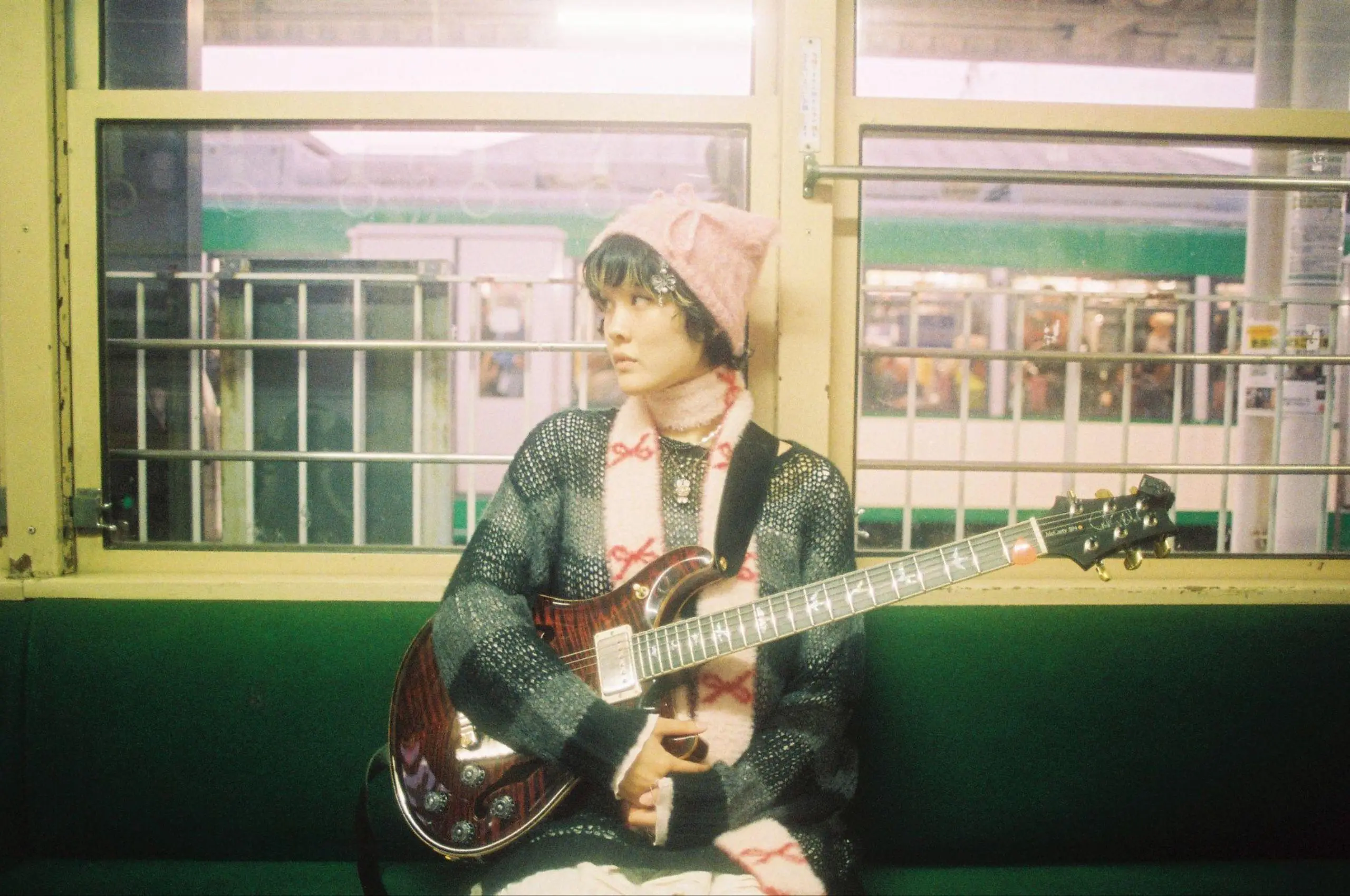
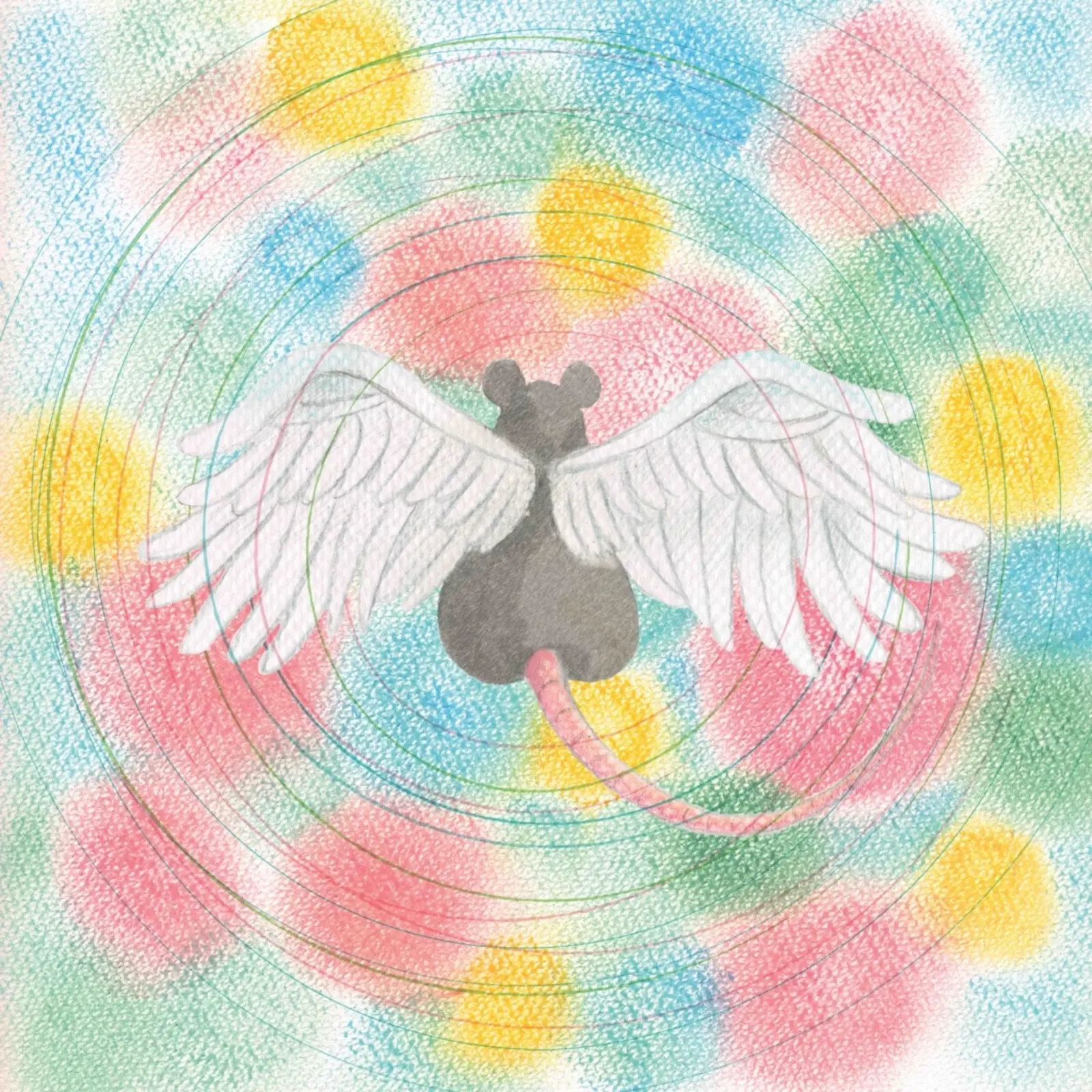
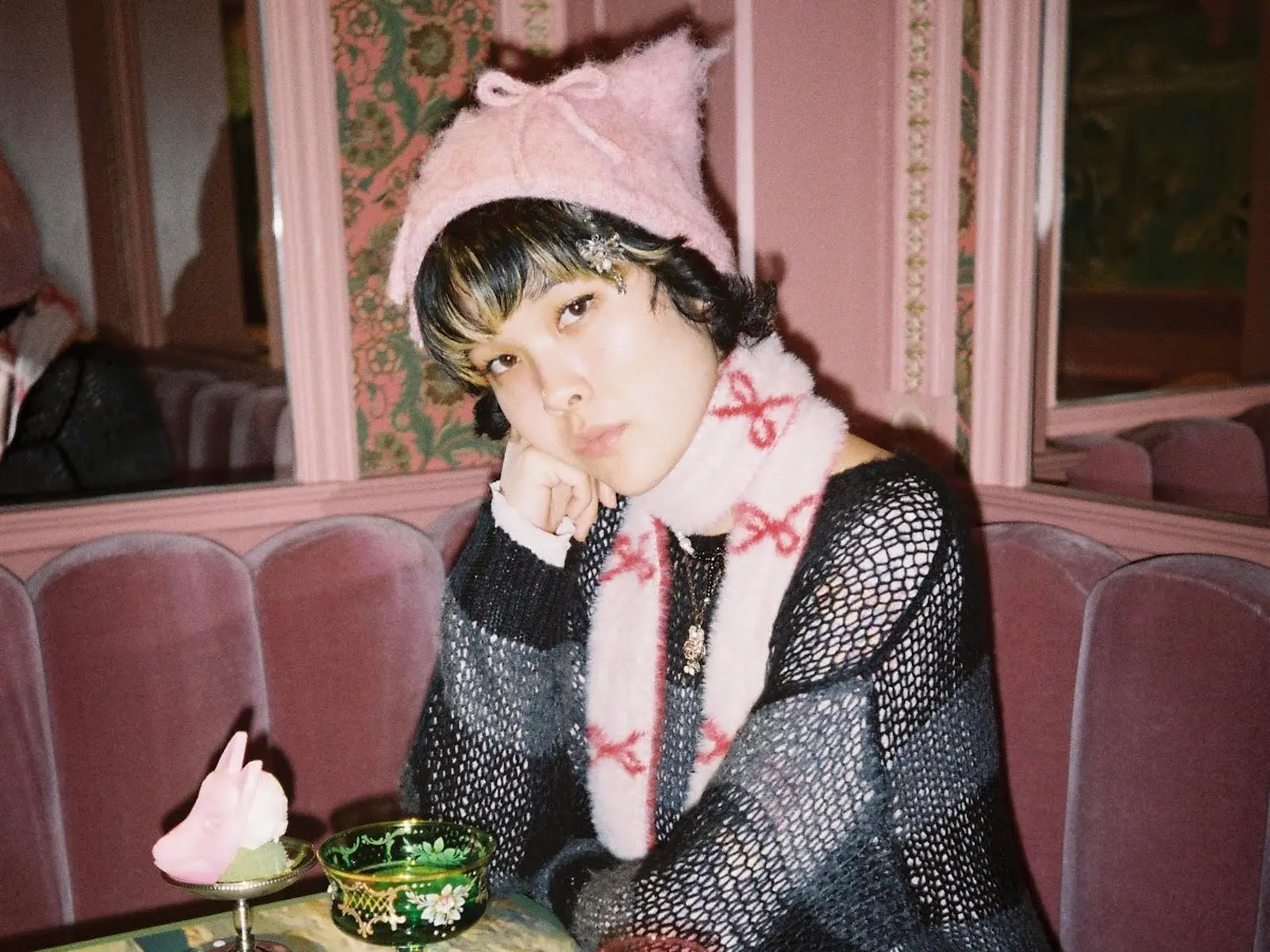
It’s been a whirlwind year for Japanese-American artist Mei Semones. Her debut albumDebut AlbumAn artist's first full-length record, which introduces their sound, voice, and ambitions to a wider audience. Often shaped by years of writing and rehearsing, a debut sets expectations for everythingGo to Debut Album Glossary Animaru, released in May 2025 with cover art crafted by her mother, kicked off a busy string of shows, which included supporting Canadian band Men I Trust across Japan and performing in Bangkok and Singapore in January.
February marked a first for Semones in Manila, where she told organizers it was the first time the crowd moshed to her music. “It’s very different from anywhere that I’ve ever been before, which is really cool to experience,” she tells Rolling Stone Philippines.
Blending pop and rock with guitar-driven jazz and bossa nova, and singing in both Japanese and English, the musician has been building her own, unmistakable sound. The guitar riffs on tracks like “Dumb Feeling” and “Tora Moyo” encapsulate the lightness and complexity of her work, which evokes Laufey and The Smashing Pumpkins at the same time. They also demonstrate Semones’ skills as a musician, honed through her education at Boston’s Berklee College of Music.
Looking ahead, Semones is keeping up the momentum. On Wednesday, March 11, she’ll release a new single, “Tooth Fairy,” ahead of her upcoming EPEPShort for extended play, a release longer than a single but shorter than a full album, usually three to six songs. EPs let emerging artists introduce their sound without aGo to EP Glossary Kurage. She’s also slated to perform at the Big Ears festival in Knoxville, Tennessee on March 28, sharing the lineup with acts such as David Byrne and Perfume Genius.
Amid this packed schedule, Rolling Stone Philippines caught up quickly with Semones to talk about her shows, what she likes about jazz, and her music education.
You recently did a couple of shows with Men I Trust in Japan. What’s it like to support them on tour?
It was really great. I feel like they have a really sweet audience, very attentive, very quiet audience. I guess that’s also because we’re in Japan. That’s just how the Japanese audience usually is.
I feel like I go [to Japan] usually once or twice a year, so it feels somewhat familiar to me in a lot of ways, but this time on this tour, we went to a few places that I’ve never been before. I’d never been to Fukuoka and Okinawa before, so that was really cool to see. I always loved being in Tokyo.
What do you like about doing these shows? What do you do in your downtime?
I think I just like playing guitar and playing music, and I love playing with my band. I really like the music that we make and so I’m very happy to play it every day. Obviously, touring is tiring. It’s a lot of travel and a lot of flights, but it’s worth it because I get to play my songs that I wrote around the world.
When I have downtime, I usually try to practice guitar or write, but maybe that doesn’t really count as downtime because that’s kind of part of my job. In terms of stuff that’s not that, I think just hanging out with friends and maybe trying new food.
I read that you once said, “My favorite artists and musicians provided me with comfort and helped me feel less alone, and that’s what I want my music to do for other people.” Is the idea of being relatable something that you aim for, or is that something that happens subconsciously?
I think that it’s subconscious. When I’m writing music, I’m not like, “Oh, I want this to be relatable.” I would like to think that it just ends up being relatable because I’m writing from an honest place about my own experiences and feelings. Everyone feels sad, or everyone feels alone, or like whatever emotion is coming through, I think that is already relatable in itself.
What do you like about jazz?
[It’s important] as a jazz musician and as an improviser to have your own voice and your own sound, for it to be very distinct and recognizable, and for it to sound like you. I think in general, in music, that’s one of the things that I like the most, and I feel it’s very important in this genre. In my opinion, you want people to know when you’re playing, you want them to know that it’s you from the first few notes. I really like that part of it, that it prioritizes the individual musician and their sound.
What did you learn about jazz, or how you want to make jazz, from your time at Berklee?
There are two parts to it: The first part is the classes I took there. I took a lot of jazz guitar and jazz performance classes. There’s all the basic harmony and ear training. And then you can get a little more specific. So, I was doing more ensemble and private instruction. That was really good for me, and I became a much better guitarist when I was there.
The other side of it, I think, is the community and the people that I met there. I met my whole band at Berklee, and they’ve been a huge inspiration to me from the beginning. And also just the friends that I made there, being surrounded by people who are musicians or artists, inspired me to be a better musician. I think just being in an environment surrounded by people who are good at music is a good thing for someone who wants to be good at music, you know?
Recommended Video