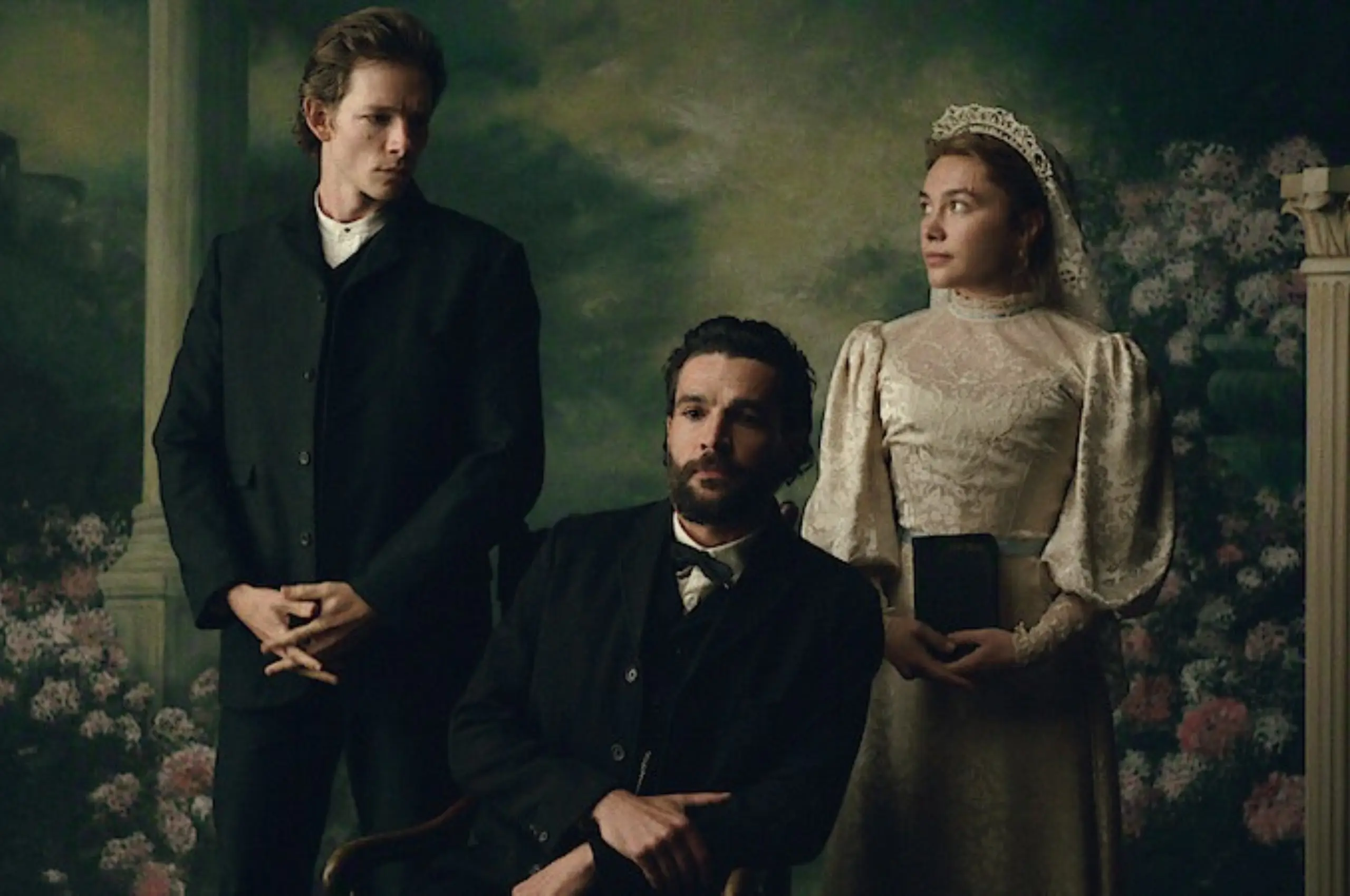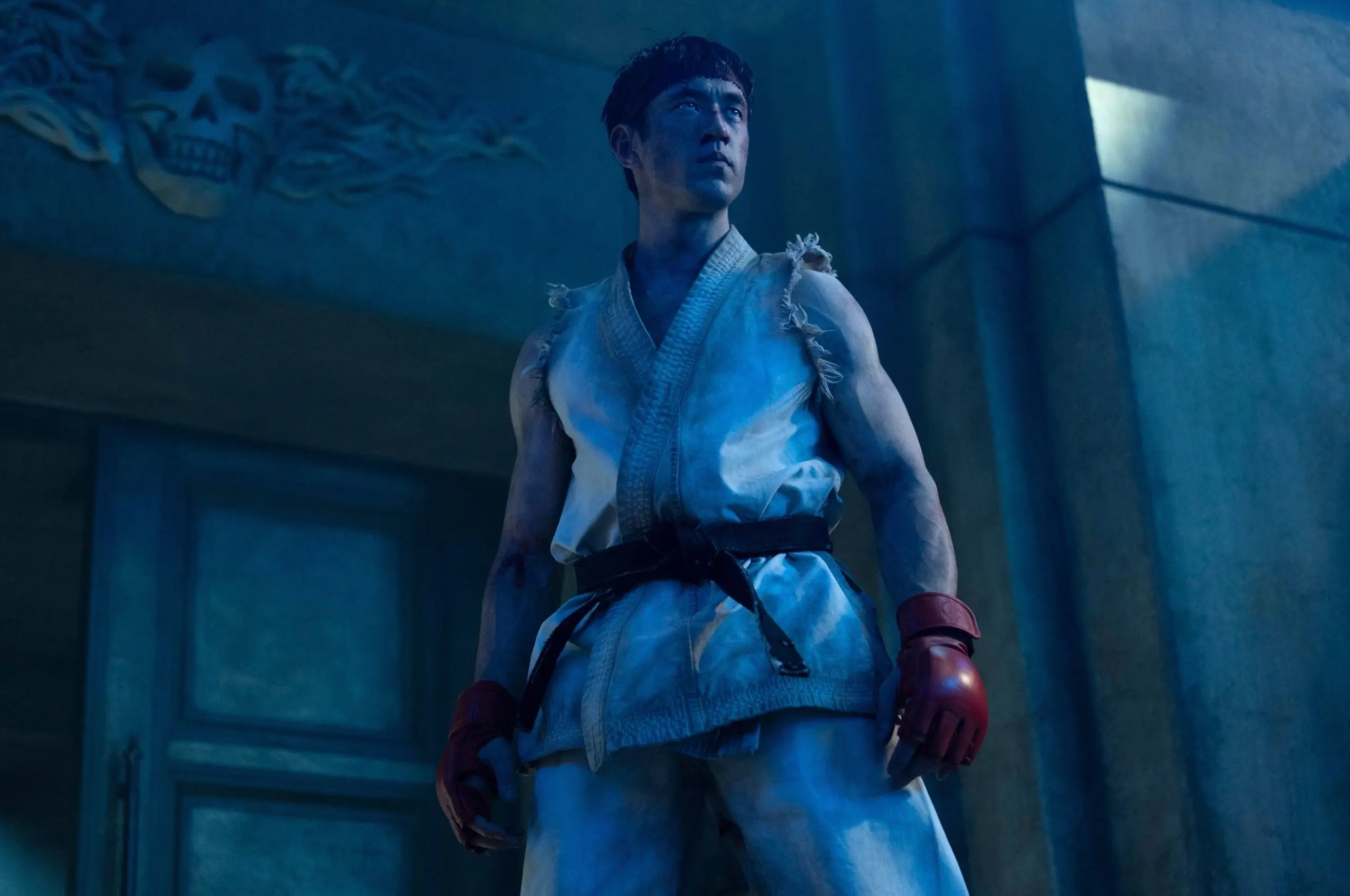


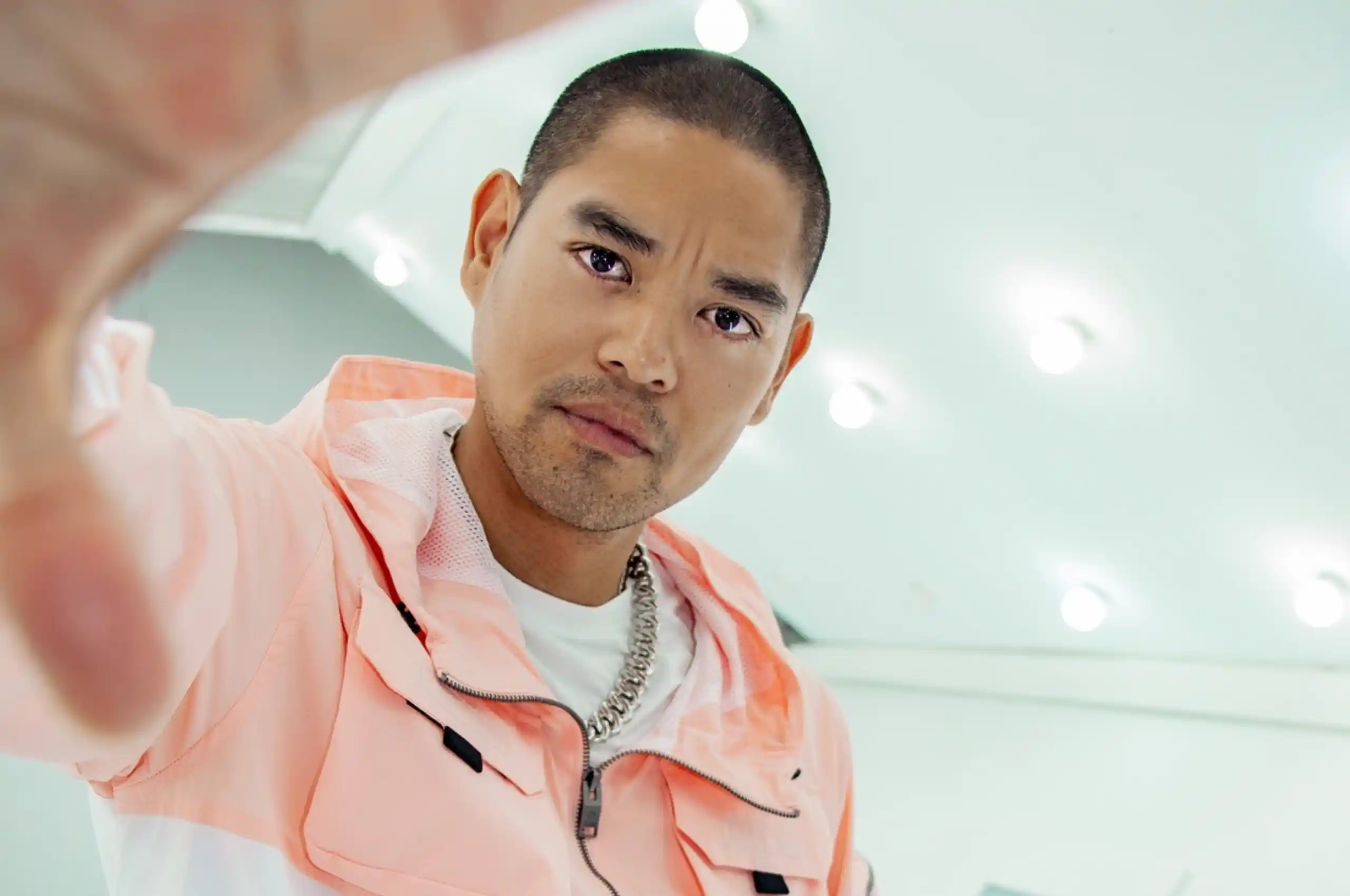
R&B singer-songwriterSinger-SongwriterA musician who writes and performs their own songs, usually with just a guitar or piano. Singer-songwriters are valued for honest, personal storytelling, and many of the most beloved voicesGo to Singer-Songwriter Glossary Jay R has been in the industry for more than 20 years. He built his name in the early 2000s with defining R&B cuts such as “Ngayo’y Naririto” and “Bakit Pa Ba?” and more recently, “sining” with singer-songwriter Dionela. While most people know him for those songs, he has also stepped into film production. His latest project, Songs for Selina, directed by Dean Rosen, works as a cautionary tale for artists entering the music industry. In the film, musicians are pulled into contracts and agreements that slowly chip away at their control, exposing the same systems that continue to shape the real-life music business.
That conversation has recently gained traction again. Following singer-songwriterSinger-SongwriterA musician who writes and performs their own songs, usually with just a guitar or piano. Singer-songwriters are valued for honest, personal storytelling, and many of the most beloved voicesGo to Singer-Songwriter Glossary MRLD’s statements about her departure from OC Records, which cited unfair compensation and limited support, questions around transparency, artist rights, and label accountability resurfaced online. Jay R addressed the issue in a TikTok video that quickly circulated across platforms, drawing attention to what he describes as long-standing problems that have yet to be resolved.
The response to his video reflects how widespread that concern has become. With more than a million combined views across platforms, the discussion has shifted from isolated cases to a broader pattern. What once stayed within industry circles is now being openly discussed by fans and artists alike, putting pressure on how labels operate and how deals are structured. He mentions that for many artists, silence becomes a form of survival, even when the terms are not in their favor. The film, in that sense, becomes less about exposing individuals and more about showing how the system operates as a whole.
“Before my father died, he was always telling me, ‘Jay, the next thing for you is you got to produce a movie,’” Jay R tells Rolling Stone Philippines. “For some reason, every time I would visit him, he’d ask, ‘When’s your movie coming out? You’ve got to produce one already.’ And it always stuck with me.”
Artists vs. The Labels
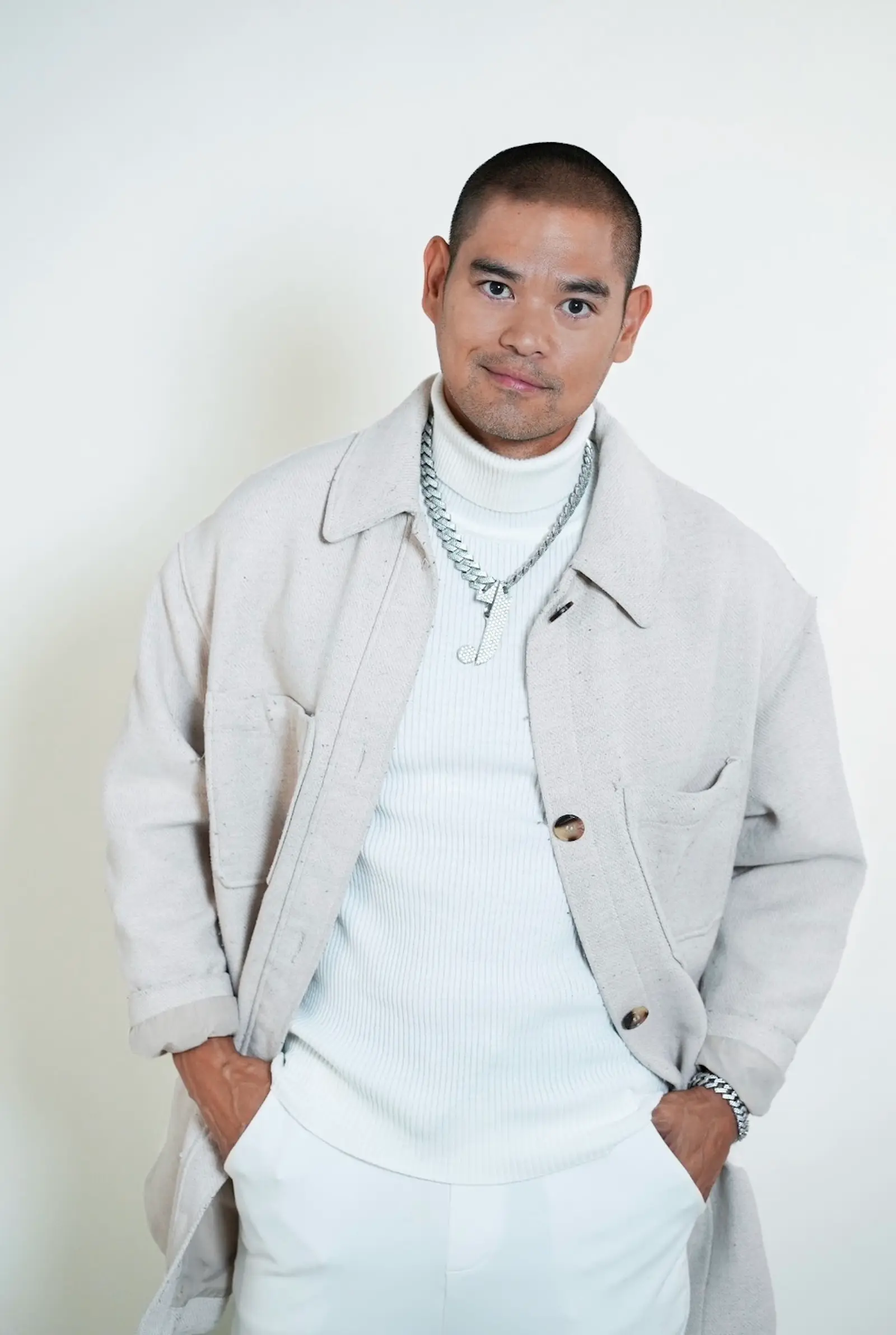
That push toward Songs For Selina feels like a natural extension of Jay R’s career. It allows him to step outside of songwriting and performance, using a different medium to address issues he has seen up close. Instead of speaking through lyrics alone, the story is laid out more directly, giving audiences a clearer view of how these dynamics play out behind the scenes.
“It’s really hard to walk away just from an offer already from a record label,” he says. “But if it’s one-sided, and you’re educated, and you know the points that I’m bringing up, it should be easier for you to walk away. If a label is already offering you something, that means you’re doing something great and that you have value already.”
That idea shifts the perspective entirely. Viewing a label contract nowadays reframes it as something that should be evaluated. The presence of an offer alone signals demand. Recognizing that value gives artists more leverage than they often realize, though it requires a level of awareness that not everyone has at the start of their careers.
“We have a lot of AI power that can help us, so they can upload the contract to ChatGPT and it can give great advice,” he says. “Although ChatGPT is always saying they’re not lawyers and they should still seek legal advice. But it breaks it down so you can understand what the terminology is in the contract.”
Tools like AI don’t replace legal counsel, but they do lower the barrier to understanding. For many artists, the language of contracts has always been a hurdle. Breaking that language down, even at a basic level, can make a difference in how decisions are made. It turns something intimidating into something that can at least be questioned.
“I’m kind of proud because I’ve always been the kind of kuya in the industry,” he says. “I’m always giving advice to KZ [Tandingan], TJ [Monterde], even James Reid. I’m not saying I’m the reason, but I was always whispering in their ears, like, ‘You don’t need anyone’s help but yourself. You can go independent and make it.’”
Nowadays, more artists are exploring independence, choosing an alternative path for their career. The infrastructure is still developing, but the idea of ownership — over music, branding, and direction — has become more central to how artists think about their careers.
Raising the Standard
The idea of artist-led ecosystems where musicians support and develop other musicians remains one of the more sustainable paths forward, though it requires resources, trust, and time to take shape.
“When I came to the Philippines, I was a new artist. My idol was Jay-Z,” he says. “At the time, he had Rockefeller Records. He had artists under him. He was a label head and an artist at the same time. So I wanted to be the Jay-Z of the Philippines, where I would elevate the music and set the standard.”
That balance is what makes the conversation more complex. Labels still play a role in building artists, especially early on. But the long-term question remains the same: how much control an artist is willing to give up, and for how long. Jay R’s career traces that arc — from working within the system to eventually stepping outside of it — offering a perspective shaped by both sides of the experience.
“The labels gave me an opportunity. They helped me promote my brand, and I got my biggest hits under their label,” he says. “It’s a give and take. I paid my dues. That’s why stepping away felt like the perfect time. I gave you this album. Now it’s time for me to go on my own and build again from the ground up.”
Frequently Asked Questions
Directed by Dean Rosen and produced by R&B singer Jay R, Songs for Selina is a film depicting musicians navigating exploitative record contracts. The project serves as a cautionary narrative reflecting real-world industry practices that strip artists of creative and financial control.
Following singer-songwriter MRLD’s departure from OC Records over compensation disputes, Jay R released a viral TikTok video addressing systemic issues in the Philippine music industry, advocating for contract transparency, legal literacy, and artist rights across platforms.
Jay R emphasizes that an offer from a record label proves an artist already possesses inherent value and leverage. He encourages musicians to educate themselves on contract terminology, consult legal counsel, or use AI tools to break down complex agreements.
Known as an elder statesman or “kuya” in the Philippine music industry, Jay R has advised prominent artists—including KZ Tandingan, TJ Monterde, and James Reid—on navigating industry contracts, maintaining creative control, and transitioning toward independent label ownership.
Inspired by Jay-Z’s dual role as an artist and head of Roc-A-Fella Records, Jay R sought to establish an artist-led ecosystem in the Philippines. He used major label support to build his brand before stepping away to build independent structures.
Recommended Video