

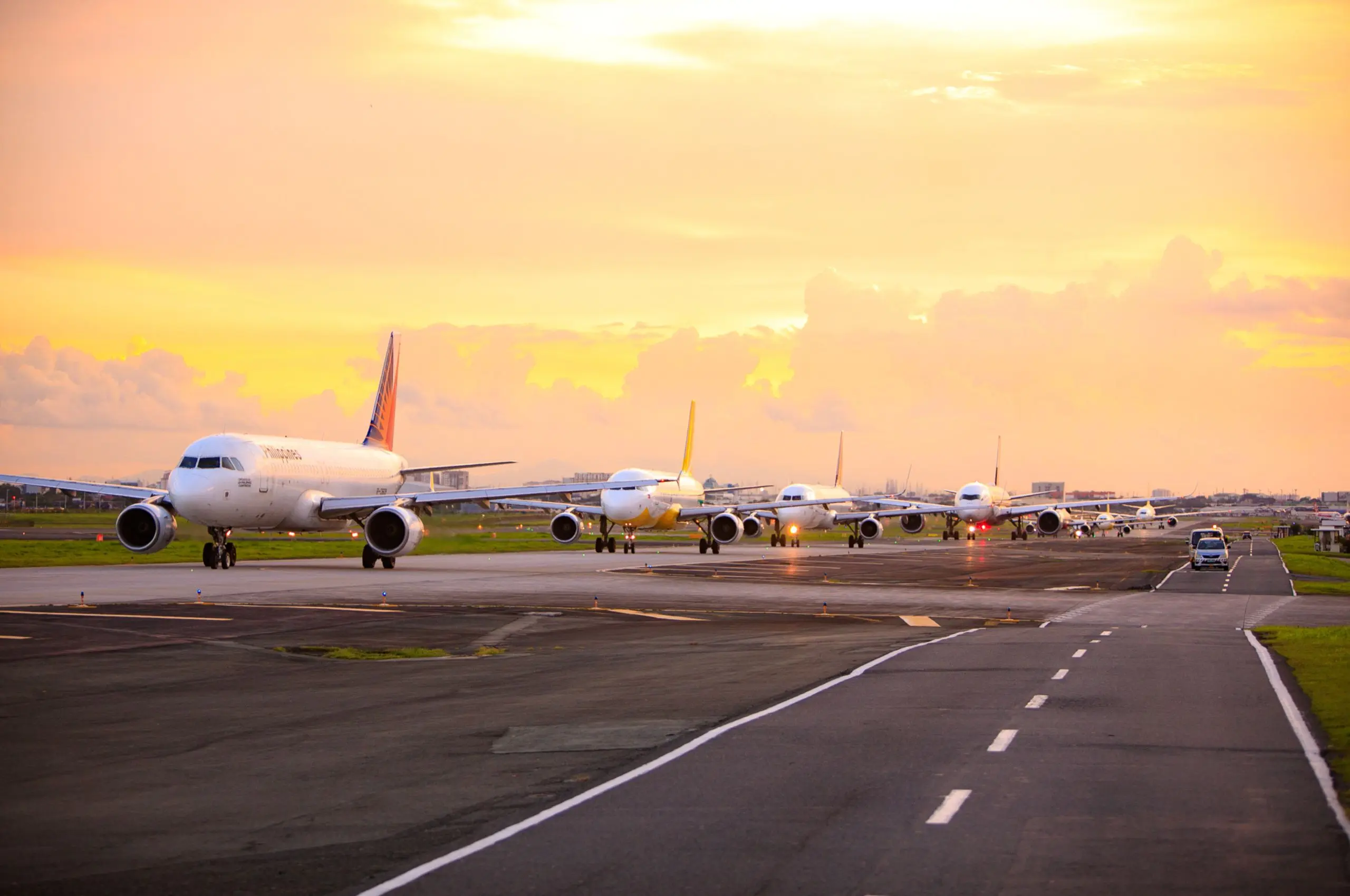
Airline carriers in the Philippines, such as Cebu Pacific and Philippine Airlines (PAL), have canceled some flights amid rising fuel prices due to tensions in the Middle East. This comes as President Ferdinand Bongbong Marcos Jr. says there is a “distinct possibility” that flights from the Philippines may be grounded due to fuel “scarcity.” On the evening of Tuesday, March 24, he also declared a national state of energy emergency.
Marcos signed an executive order on the energy emergency “to implement responsive and coordinated measures under existing laws to address the risks posed by disruptions in the global energy supply and the domestic economy.” The order will be in effect for one year.
The president’s declaration comes only a day after the Palace said there was “no energy crisis” and asserted that the Philippines has enough fuel supply.
On Wednesday, March 25, PAL said it has enough jet fuel supply to support all scheduled flights, including long-haul flights, “for the foreseeable future.”
“The airline recognizes that global supply conditions remain dynamic,” PAL said in its statement. “As part of prudent planning, PAL continues to work closely with fuel suppliers, industry partners, and government stakeholders to ensure stable and efficient operations over the longer term.”
Because of the U.S.-Israel war with Iran, PAL has also announced a temporary suspension of flights to and from cities in the Middle East, such as Riyadh, Dubai, and Doha.

Meanwhile, Cebu Pacific issued an advisory on Monday, March 23, stating that it will reduce and suspend some of its routes from April to October, citing rising fuel costs. “These changes are driven by the impact of the crisis on global fuel prices, which have more than doubled compared with 2025 averages,” Cebu Pacific said.
On Wednesday, Marcos said that he has ordered the Department of Energy (DOE) to secure additional fuel sources, as the DOE says the country only has a supply for 45 days.
“Although we cannot be assured right now of the supply, we can be sure that at least for 45 days, we will be all right,” Marcos said during his address in Malacañang. “We can be confident that after the 45 days […] we will already have a flow of oil — not just one delivery, not just two deliveries, but a flow of petroleum and petroleum-related products.”
Frequently Asked Questions
Philippine carriers, including Cebu Pacific and Philippine Airlines (PAL), are canceling and reducing flights due to global jet fuel prices more than doubling. The spike stems from Middle East geopolitical tensions and supply disruptions impacting domestic fuel reserves.
President Ferdinand Marcos Jr. declared a one-year national state of energy emergency to implement coordinated measures under existing laws. The executive order aims to safeguard the economy and manage severe risks to domestic fuel and energy supplies.
According to the Department of Energy (DOE) and President Marcos, the Philippines maintains an estimated 45-day supply of petroleum products. The government is actively working with international suppliers to secure continuous oil deliveries beyond this window.
Philippine Airlines temporarily suspended flights to and from key Middle Eastern destinations, including Dubai, Riyadh, and Doha, citing safety concerns and operational dynamics surrounding regional conflict and fuel supply conditions.
Cebu Pacific announced route reductions and suspensions scheduled from April through October. The operational adjustments target flights most heavily impacted by global jet fuel costs, which doubled relative to 2025 average prices.
Recommended Video