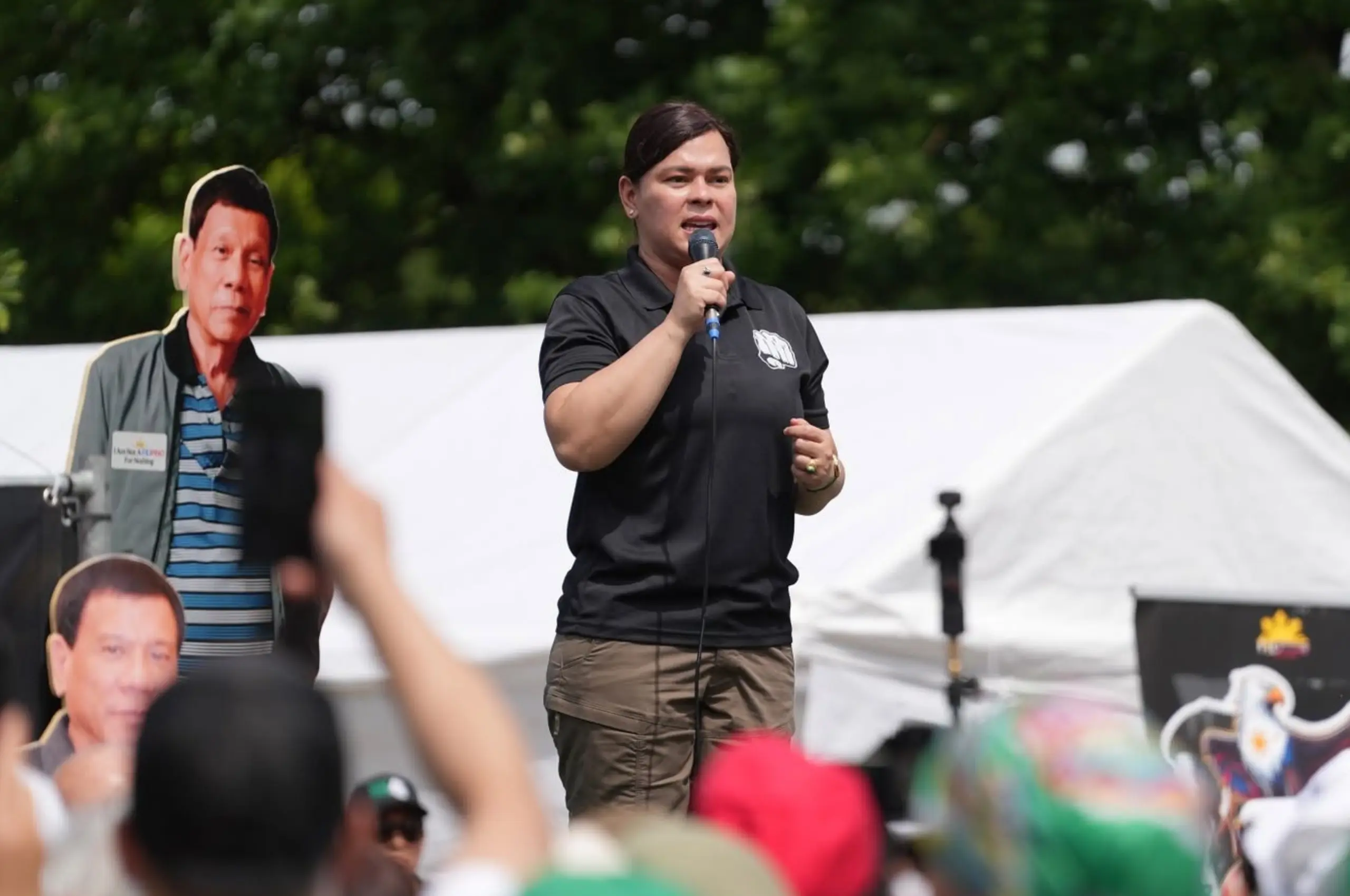


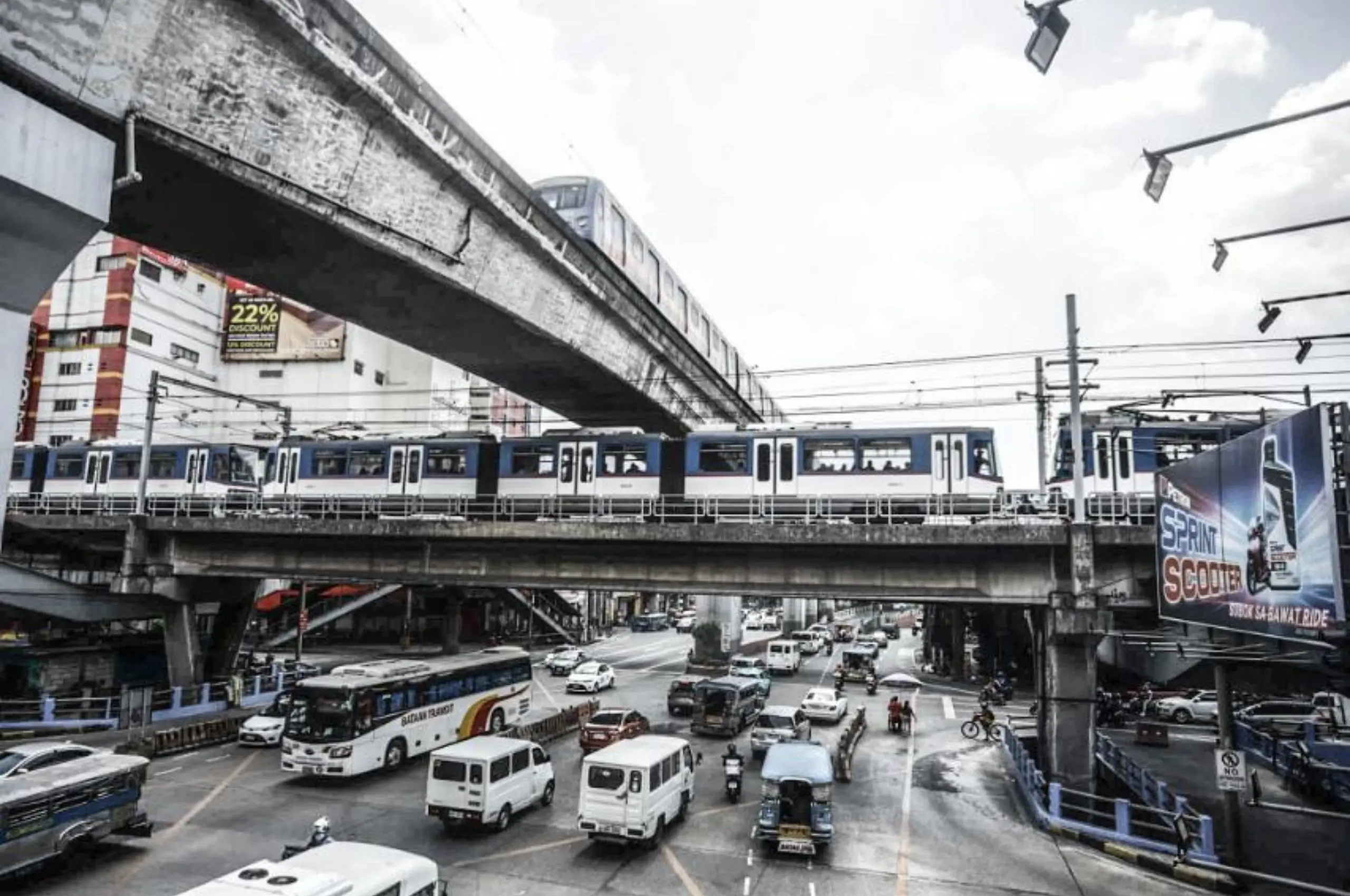
The second transport strike this month kicked off on Thursday, March 26, as public utility vehicle (PUV) drivers continue to protest against the oil price hike. This week, local airline carriers also began to scale down operations due to rising fuel prices. And on Wednesday, March 25, President Ferdinand “Bongbong” Marcos Jr. said that the country only has enough fuel supply for 45 days. In all but name, the Philippines appears to be in a transport crisis.
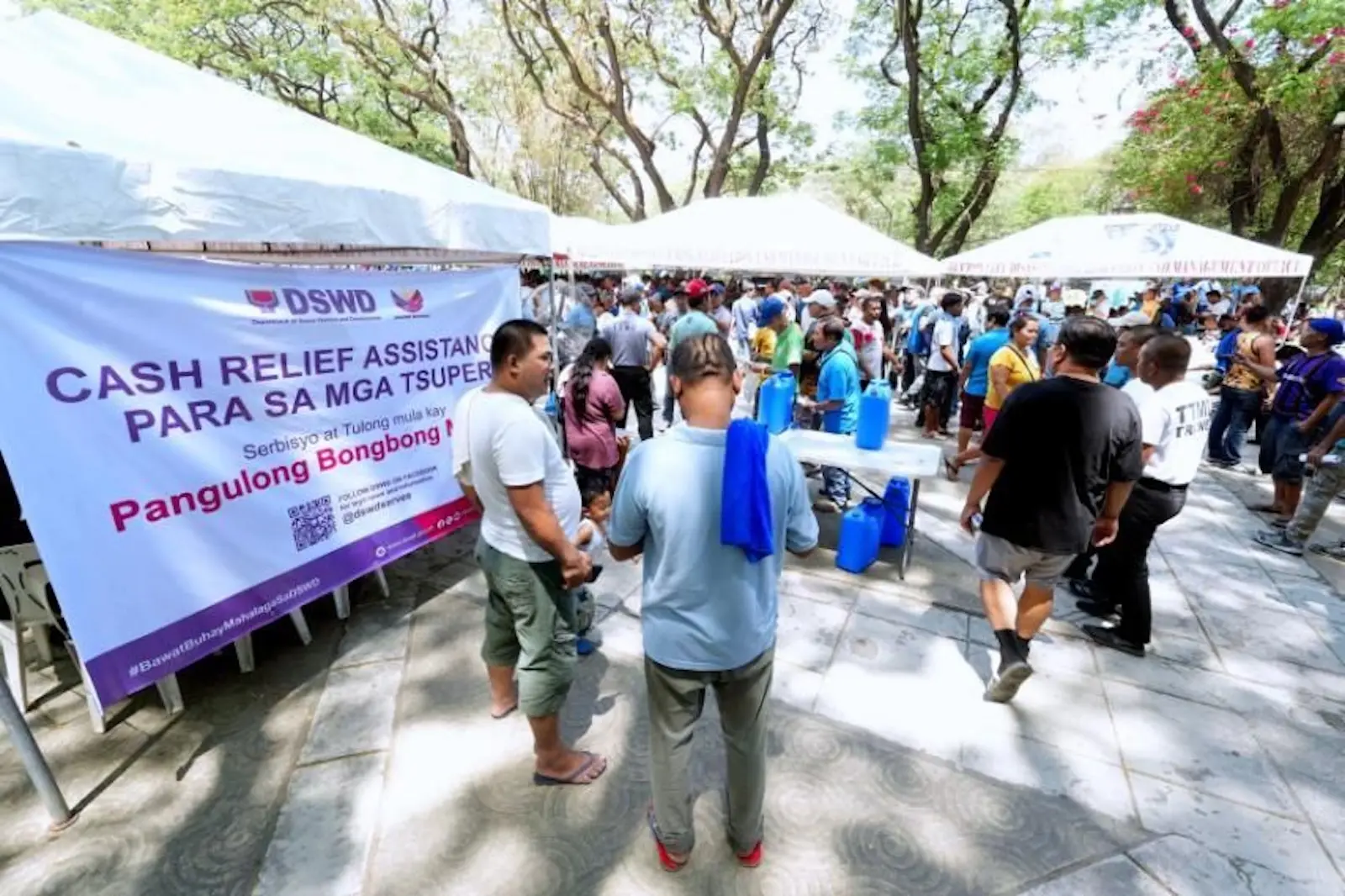
The government has carried out programs to remedy the woes of motorists and commuters alike. On Tuesday, March 24, the Department of Social Welfare and Development began to roll out cash aid for drivers of tricycles, jeepneys, and transport network vehicle services, with each beneficiary receiving P5000. The Department of Transportation is also set to release fuel subsidies for drivers, but has not given a timeline for distribution as of this writing.
Meanwhile, MRT-3 and LRT-2 have implemented a 50 percent fare discount for all commuters, which started on Monday, March 23. The Department of Labor and Employment has also urged private companies to implement flexible and remote work arrangements to help Filipino workers cut travel costs.
Despite these, drivers and commuters continue to be crushed by surging oil prices. This week, the cost of gasoline exceeded P100, while the price of diesel has climbed to P144, according to the Department of Energy.
Tackling the Fuel Shortage
During protests on Thursday, participating drivers called for the government to roll back fuel prices, increase PUV fares, and junk the Downstream Oil Industry Deregulation Act. More commonly known as the Oil Deregulation Law, the measure removed government control over the pricing, importation, and marketing of petroleum products.
They also called for an end to conflicts in the Middle East, as the fuel shortage and subsequent price surge were caused by Iran’s blockade of shipments at the Strait of Hormuz. The corridor, located south of Iran, is responsible for 20 percent of the world’s oil supply.
Meanwhile, on Thursday evening, Marcos announced that the Camago-3 well in the Malampaya gas field has been “successfully drilled and tested, producing up to 60 million standard cubic feet of gas per day.” He said that it means “more power, steadier power, and cheaper power” for Filipinos.
In his statement, the president said that gas from Malampaya, located north of Palawan, only costs around P4.80 per kilowatt hour, while imported liquified natural gas costs P10.30 per kilowatt hour. “Every unit of power we generate from Malampaya instead of imported fuel is money saved by households, by small businesses, by every Filipino who pays an electricity bill,” he said. Additionally, the Camago-3 and Malampaya East-1 wells are projected to “extend the life of the Malampaya gas field by an estimated six years,” according to Marcos.
However, this breakthrough will only help the country avoid an energy crisis, as the Malampaya gas project is primarily aimed at generating electricity, and not making petroleum products such as gasoline, diesel, and kerosene.
Frequently Asked Questions
Public utility vehicle (PUV) drivers staged strikes to protest soaring fuel costs, with gasoline exceeding ₱100 per liter and diesel reaching ₱144. Drivers are demanding price rollbacks, fare hikes, and the repeal of the Downstream Oil Industry Deregulation Act.
The government distributed ₱5,000 cash aid through the DSWD for tricycle, jeepney, and TNVS drivers, alongside planned DOTr fuel subsidies. Additionally, MRT-3 and LRT-2 introduced a 50 percent fare discount, while DOLE encouraged flexible work arrangements.
President Ferdinand Marcos Jr. stated that the Philippines holds an estimated 45-day supply of petroleum products. The shortage stems from Middle East supply disruptions and Iran’s blockade of oil tankers at the Strait of Hormuz.
Drilling at the Camago-3 well in the Malampaya field generates natural gas for domestic electricity, reducing power bills. However, because Malampaya produces natural gas for power plants rather than petroleum, it does not supply gasoline or diesel.
Republic Act No. 8479, or the Oil Deregulation Law, removed government control over pricing, importation, and distribution of petroleum products in the Philippines. Striking drivers argue that the law allows unchecked price spikes during global supply crises.
Recommended Video