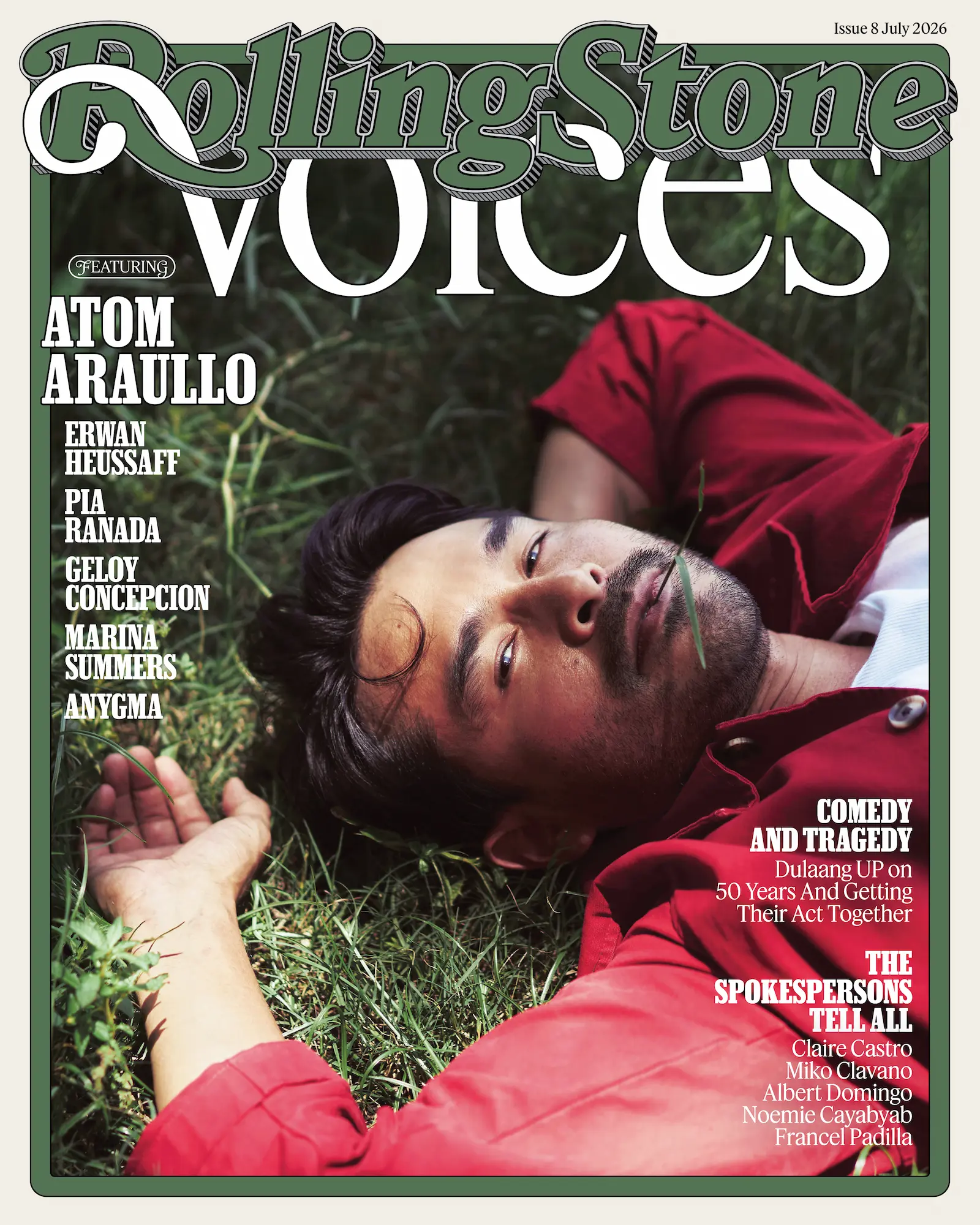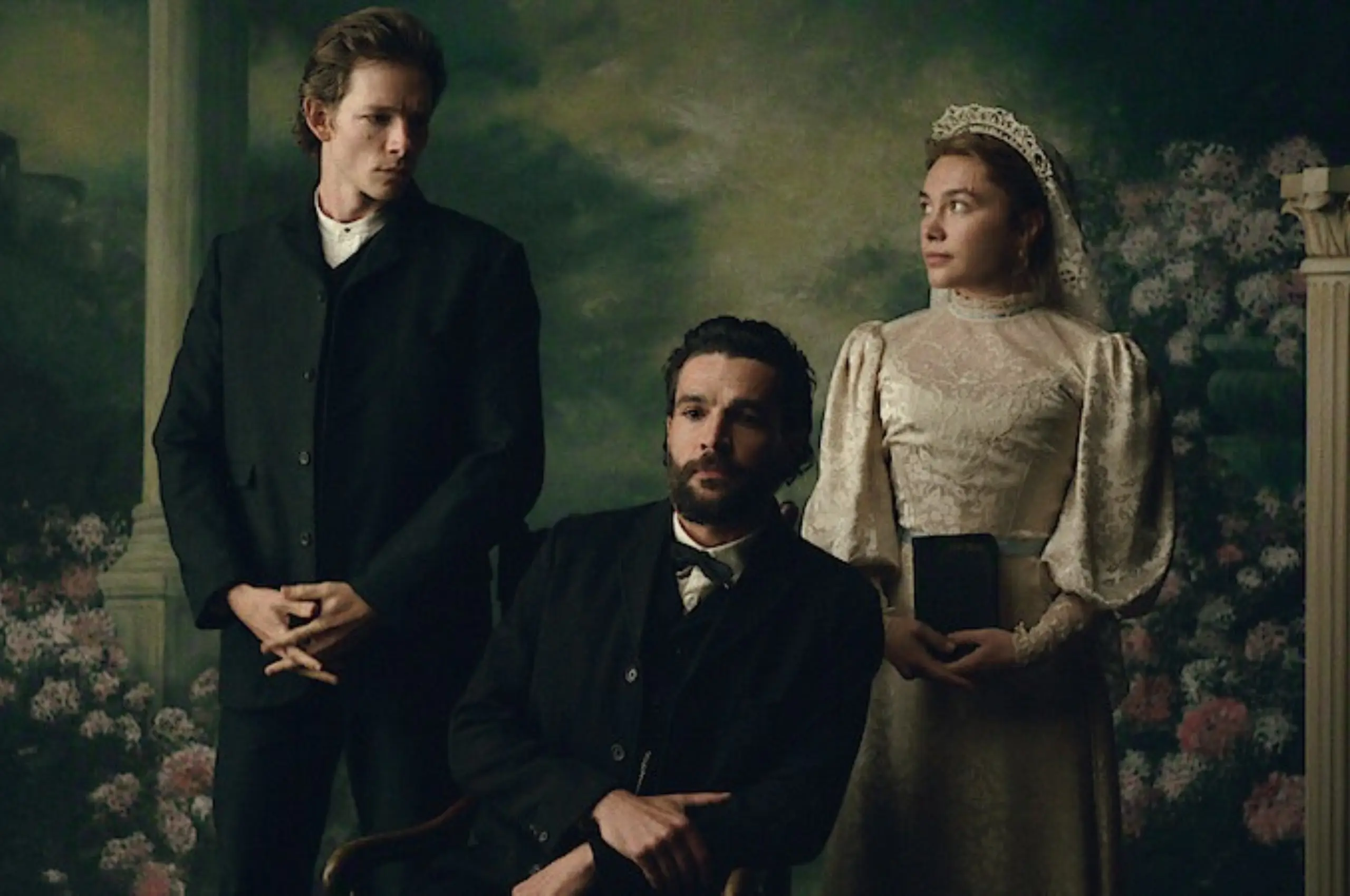



“There is this misguided idea that criticism is equal to fault-finding, that when you critique, parang kakabahan na ‘yung mga tao kasi people think you’re going to have something negative to say,” art critic Pristine de Leon says in the latest episode of Rolling Stone Philippines Roundtable.
Here, de Leon, film critic Lé Baltar, and literary and music critic Itos Ledesma joined Rolling Stone Philippines for a conversation on the state of criticism in the country, across art, film, literature, and music. The roundtable discussion raises and attempts to answer questions about the financial viability of criticism as work, whether critics must cater to audiences, and what’s missing in Filipino criticism today.
“To me, [criticism] is not a passion project,” Baltar says. “‘Yun ‘yung myth na gusto kong basagin, to see criticism as cultural work, as labor.”
De Leon, a researcher and educator from Ateneo de Manila University, says that being in the academe sustains her work as a critic. “What I find nourishing and helpful about being in the academe is that, not only do I get a paycheck from there, or that I get the money to pay the rent, but having roots and being grounded in the academe, that’s where I get my ideas,” she says.
“A trendTrendA pattern or style that gains popularity for a period of time, whether in fashion, music, language, or online behavior. Trends move quickly in the age of social media, andGo to Trend Glossary that I kind of see emerging with a lot of younger writers is they’re doing things in spite of the mainstream, which is always brilliant,” says Ledesma. “I hope that they’re able to sustain that practice.”
The latest episode of the Rolling Stone Philippines Roundtable is now available to watch on our YouTube channel.
Frequently Asked Questions
According to art critic Pristine de Leon on the Rolling Stone Philippines Roundtable, the primary misconception is equating criticism with fault-finding. Rather than purely offering negative commentary, cultural criticism functions as rigorous analytical labor that evaluates art, music, literature, and film within broader societal contexts.
The panel brought together art critic and Ateneo scholar Pristine de Leon, film critic Lé Baltar, and literary and music critic Itos Ledesma. Together, they examined the state of Philippine media commentary, economic viability, audience expectations, and independent publishing.
Film critic Lé Baltar emphasizes that treating criticism as mere passion obscures its value as labor. Viewing criticism as cultural work highlights the need for fair compensation, sustainable infrastructure, and intellectual rigor, moving away from unpaid or underfunded gig work in Philippine media.
Academic institutions provide critics with financial stability, research resources, and intellectual grounding. As Pristine de Leon notes, working within the academe offers a steady paycheck to cover living expenses while simultaneously nourishing new critical ideas and theoretical frameworks.
Literary and music critic Itos Ledesma highlights that younger Filipino writers are increasingly publishing outside mainstream commercial media. This independent movement allows critics to produce uncompromising, countercultural analysis without relying on corporate media structures or commercial constraints.
Recommended Video