


“Bahala na” has shaped how many Filipinos approach uncertainty, a phrase that can signal resilience as much as resignation. It shows up in everyday decisions, including health, where concerns are often set aside until something feels urgent. In a system where access can be inconsistent, and conversations around well-being are not always easy to navigate, delay becomes a pattern.
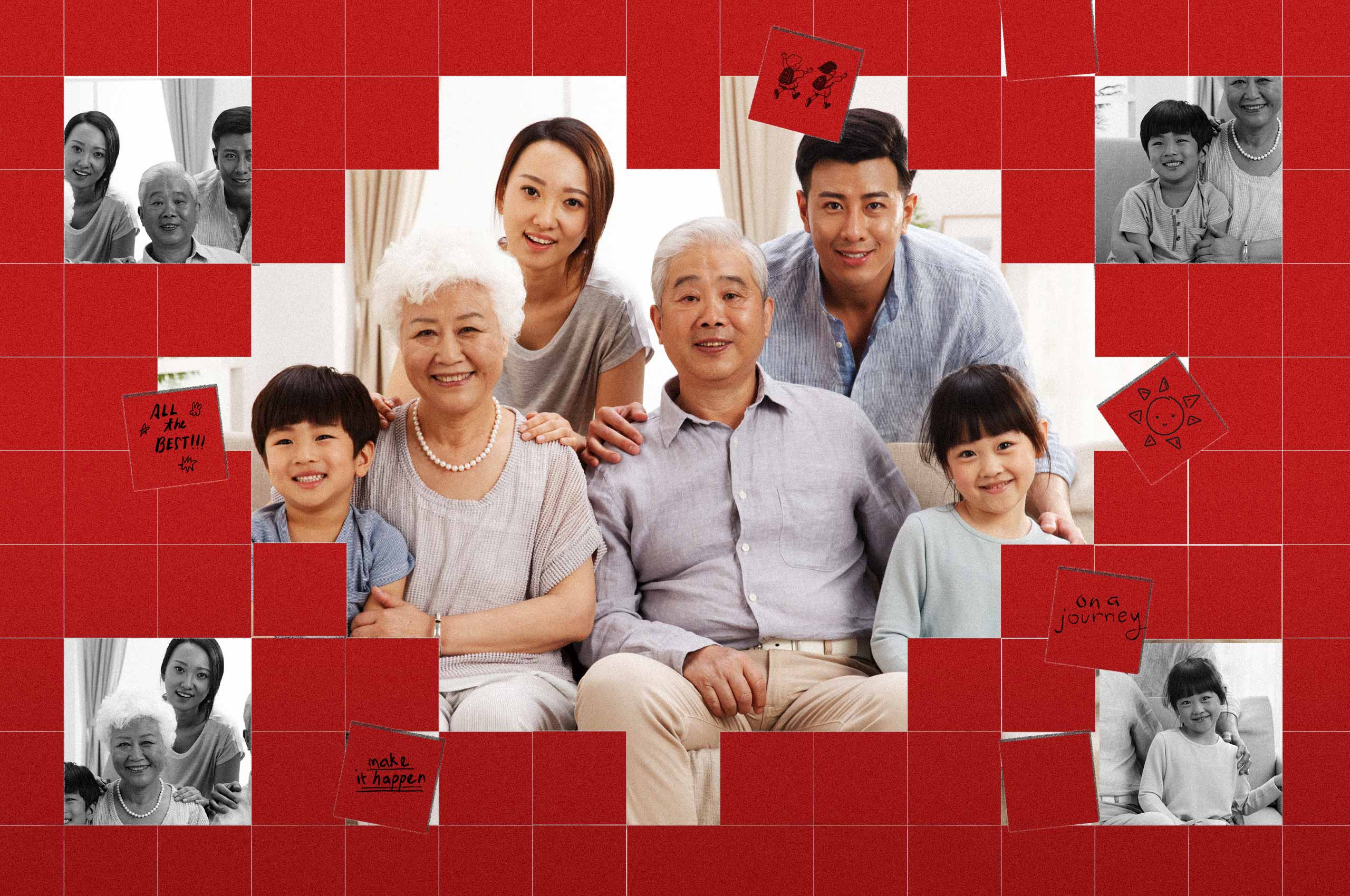
New research from one of the country’s leading life insurance companies points to a shift away from this attitude. More Filipinos are choosing to engage with their health in ways that feel more deliberate. The study, titled “Rethink Healthy: Shaping Filipinos’ Health-Seeking Choices from Thinking to Doing,” draws from interviews, expert insights, and a nationwide survey of over 800 respondents across generations.
The findings build on a growing understanding of health as something broader than physical fitness. Mental well-being, financial stability, and even environmental factors now form part of how Filipinos define what it means to be healthy. What stands out is how that awareness is beginning to translate into action.
Seventy percent of respondents reject a “bahala na” attitude toward their physical health, while 60 percent say they no longer rely on guesswork when it comes to mental well-being. Planning, preparing, and preventing are becoming part of the conversation, even as daily realities continue to shape what is possible. Many still balance immediate needs with long-term goals, though a willingness to adjust spending and habits suggests that future health is gaining ground in those decisions.
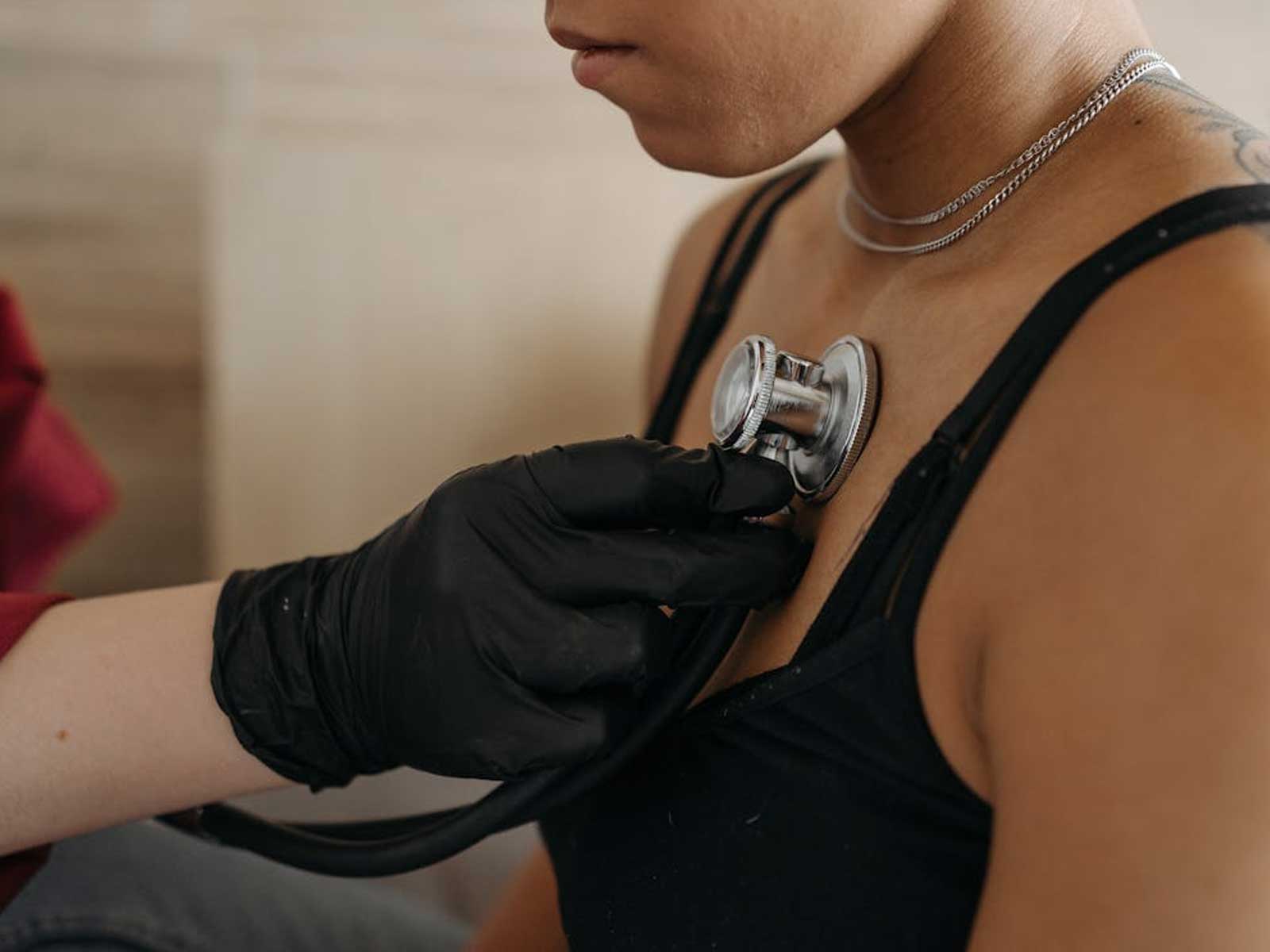
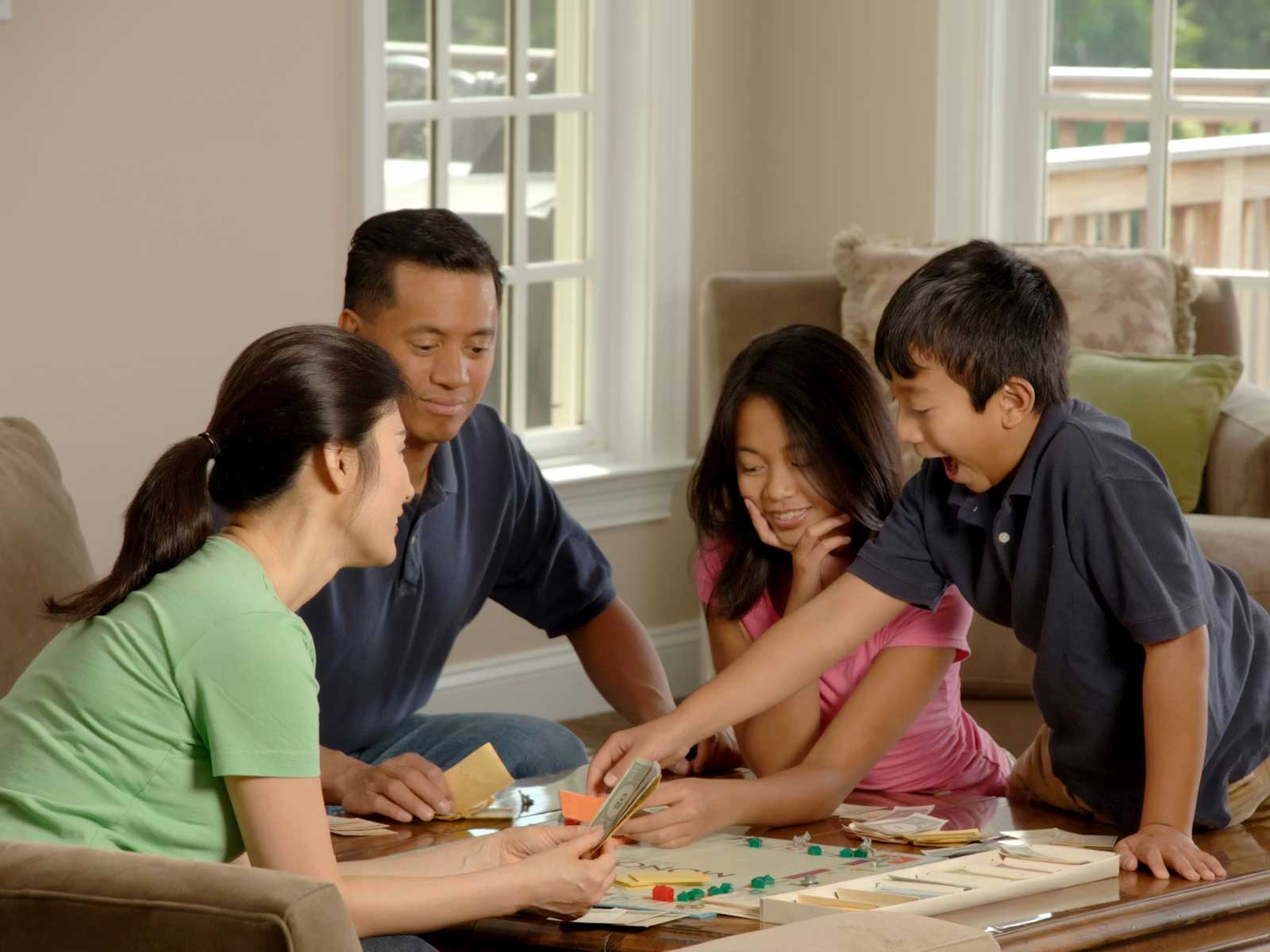
At home, these choices rarely happen in isolation. Family remains central to how Filipinos think about care. Sixty-two percent say their approach to health is shaped by family, while 59 percent see their spending patterns reflect the same influence.
This closeness also comes with pressure. Relationships within the family affect mental well-being for a majority of respondents, and financial support for loved ones often requires personal trade-offs. At the same time, many say their motivation to stay healthy is tied directly to the people around them. Caring for oneself becomes part of caring for others, creating a dynamic where responsibility and support co-exist.
The study also highlights a familiar pattern. Action often follows disruption, with 83 percent saying they became more proactive only after a major life event such as illness or job loss. That tendency remains, though signs of earlier intervention are beginning to emerge. More than half of respondents view the future as something that requires preparation, and a growing number are considering long-term tools such as insurance and sustained health plans.
These shifts suggest a mindset that is still in transition. Awareness continues to deepen, while behavior adjusts in response to both personal experience and collective influence. Health is no longer framed solely as an individual concern or a reaction to crisis. It is shaped at home, informed by daily choices, and carried forward through small but consistent decisions.
As conversations around well-being expand, the idea of “bahala na” takes on a different role. It remains part of the Filipino vocabulary, though its place in health decisions appears to be changing. What emerges is a more active relationship with care, one that reflects both the realities people face and the effort to move beyond them.
To learn more about the study and AIA Philippines’ Rethink Healthy initiative, visit www.aia.com.ph/en/health-and-wellness/rethink-healthy.
Frequently Asked Questions
In traditional Filipino health culture, “bahala na” represents a fatalistic mindset where individuals delay medical care or leave health outcomes to fate due to financial constraints or systemic access barriers. Recent sociological research indicates a growing shift away from this resignation toward proactive preventive care.
The AIA Philippines “Rethink Healthy” study surveyed over 800 Filipinos, revealing that 70 percent reject a “bahala na” approach toward physical health and 60 percent avoid guesswork in mental well-being. The findings demonstrate a generational transition toward deliberate health planning and financial preparation.
Family dynamics heavily shape health choices in the Philippines, with 62 percent of survey respondents stating their approach to care is family-driven. While family support motivates proactive wellness habits, financial responsibility for dependents often creates personal trade-offs between immediate household needs and long-term preventive healthcare.
Research indicates that major life disruptions—such as severe illness or sudden job loss—trigger proactive health habits for 83 percent of Filipinos. However, younger generations are increasingly adopting earlier preventive measures, including health insurance and sustained wellness plans, prior to experiencing health crises.
Filipinos are broadening the definition of health beyond physical fitness to encompass mental well-being, financial security, and environmental stability. This holistic perspective is translating into deliberate lifestyle adjustments, structured budgeting for medical care, and increased reliance on professional health resources over informal advice.