

Print has found its way back into the discourse with major Hollywood releases like The Devil Wears Prada 2 shining a light on just how hard (and unglamorous!) it is to keep a publication afloat, along with the ongoing conversation on AI versus analog. Meanwhile, IRL at the launch of Rolling Stone Philippines PopPopShort for popular music, a broad genre built on catchy melodies, clear hooks, and polished production that aims to reach a wide audience. Pop constantly borrows from other styles, andGo to Pop Glossary-Up at Spruce Gallery, several industry figures point out that there’s some hope for the future of print.
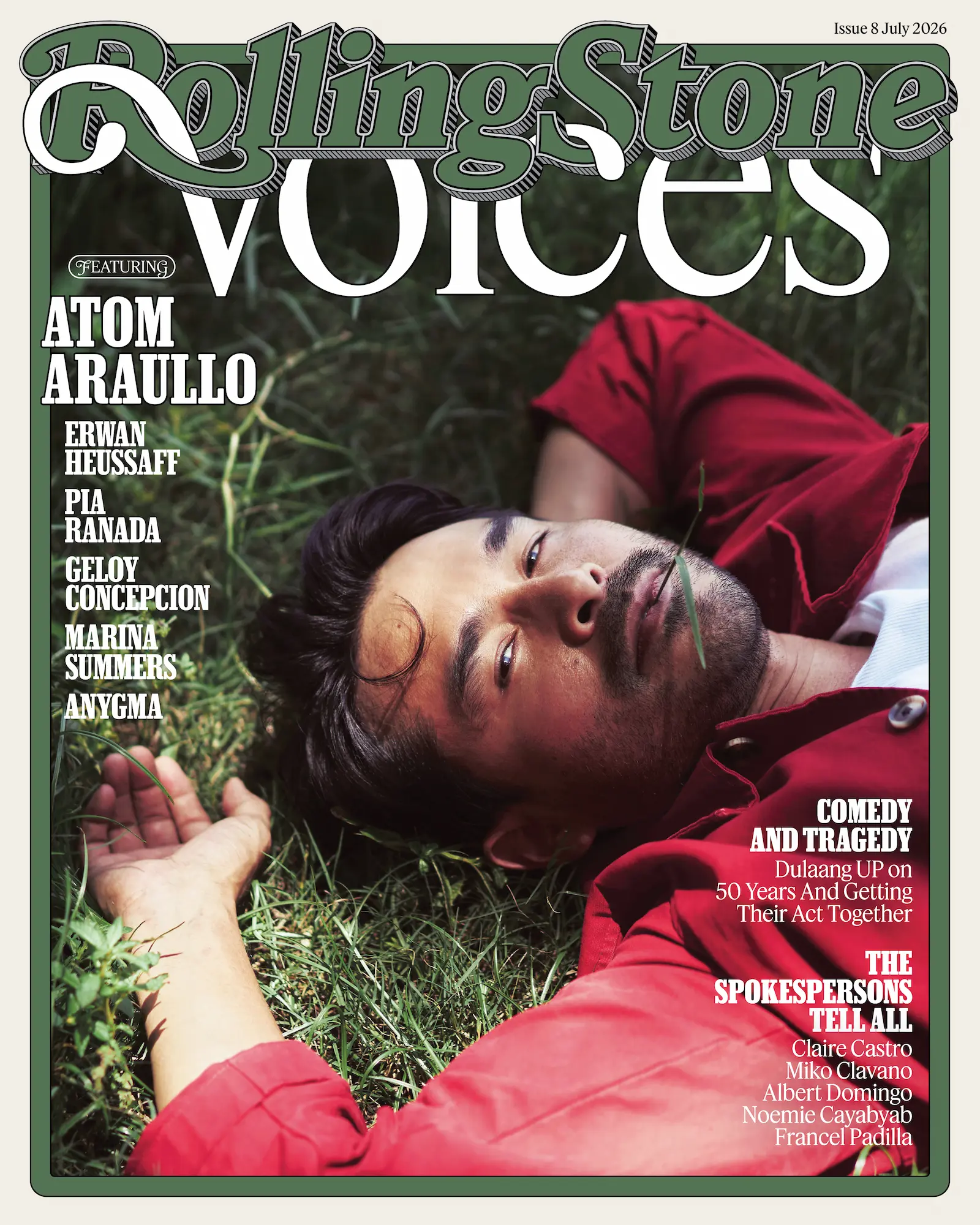
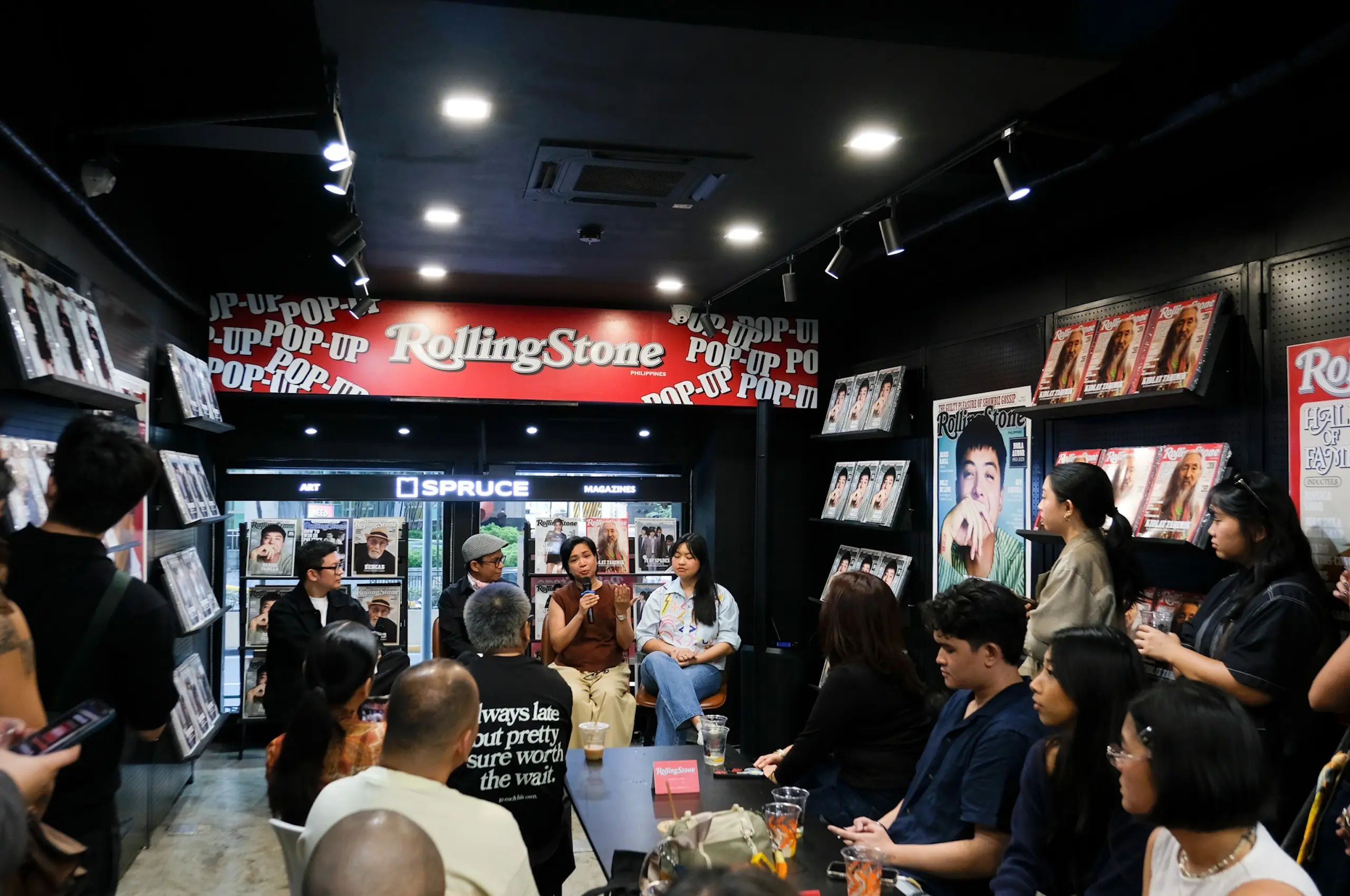
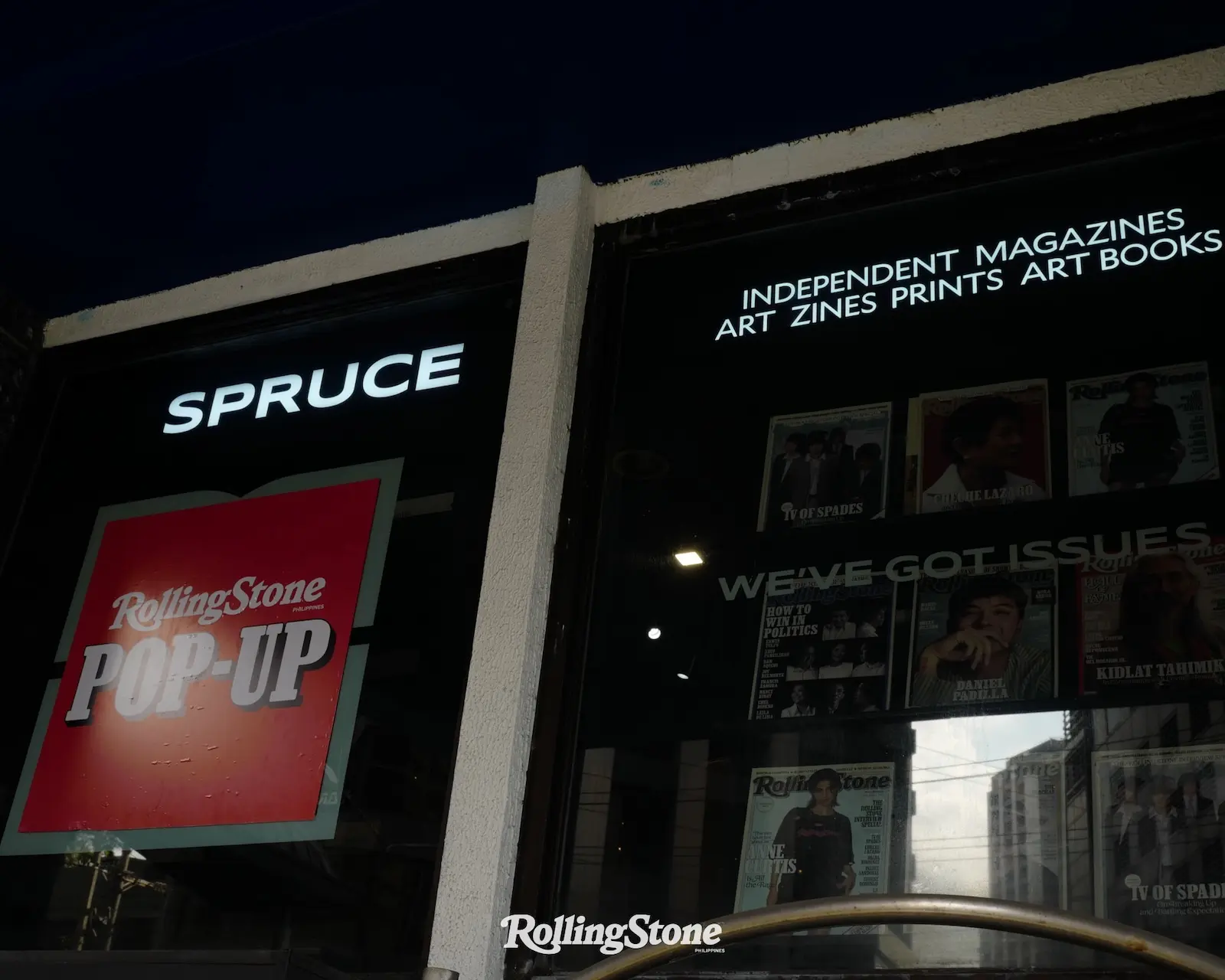
The Rolling Stone Philippines PopPopShort for popular music, a broad genre built on catchy melodies, clear hooks, and polished production that aims to reach a wide audience. Pop constantly borrows from other styles, andGo to Pop Glossary-up at independent magazine shop Spruce Gallery, which opens May 11 until June 6, brought together voices from the world of publishing. Writers, editors, and creatives gathered to celebrate the launch of the pop-up with our first anniversary issue, as well as previous issues at exclusive prices (complete with a freebie or two upon purchase).
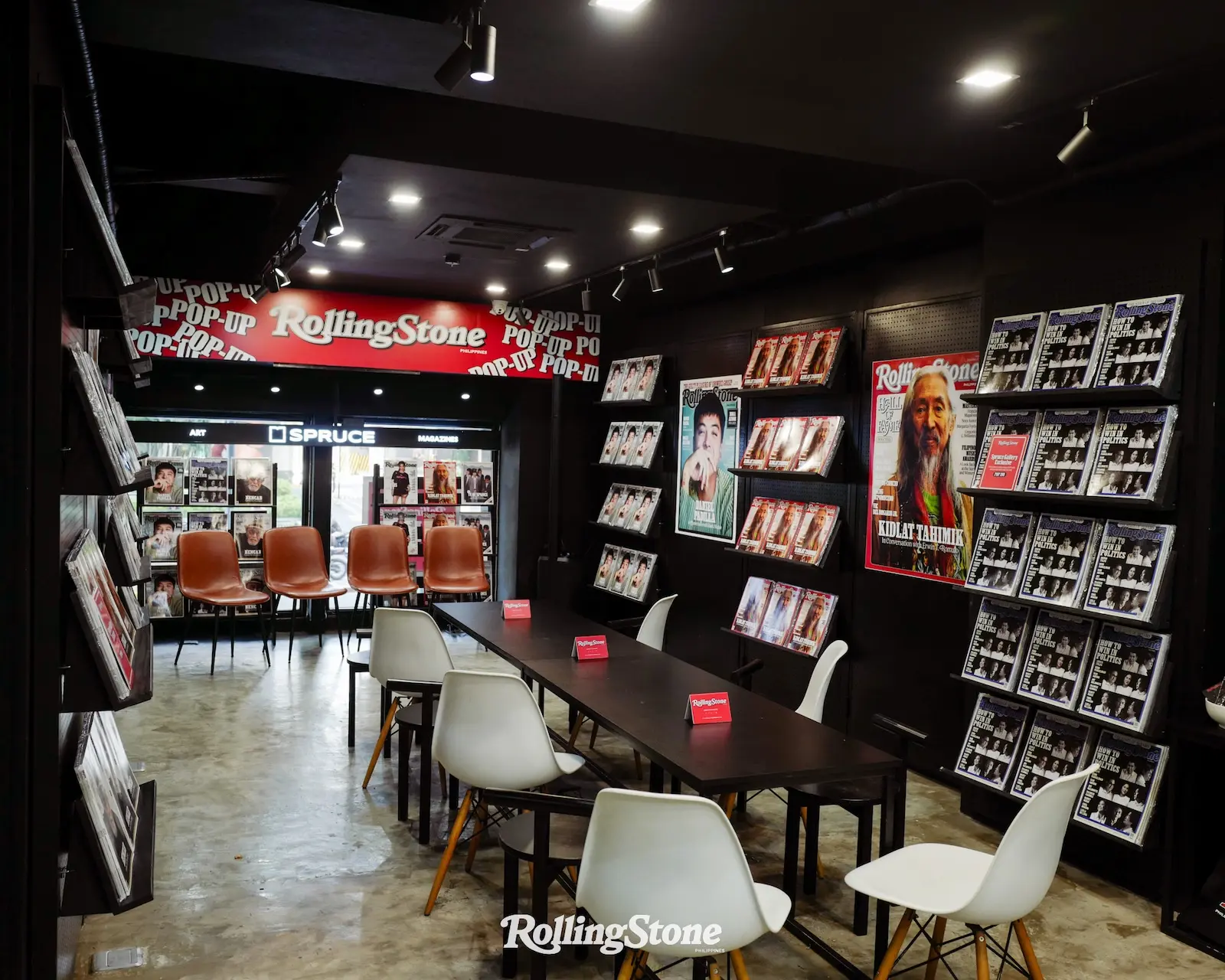
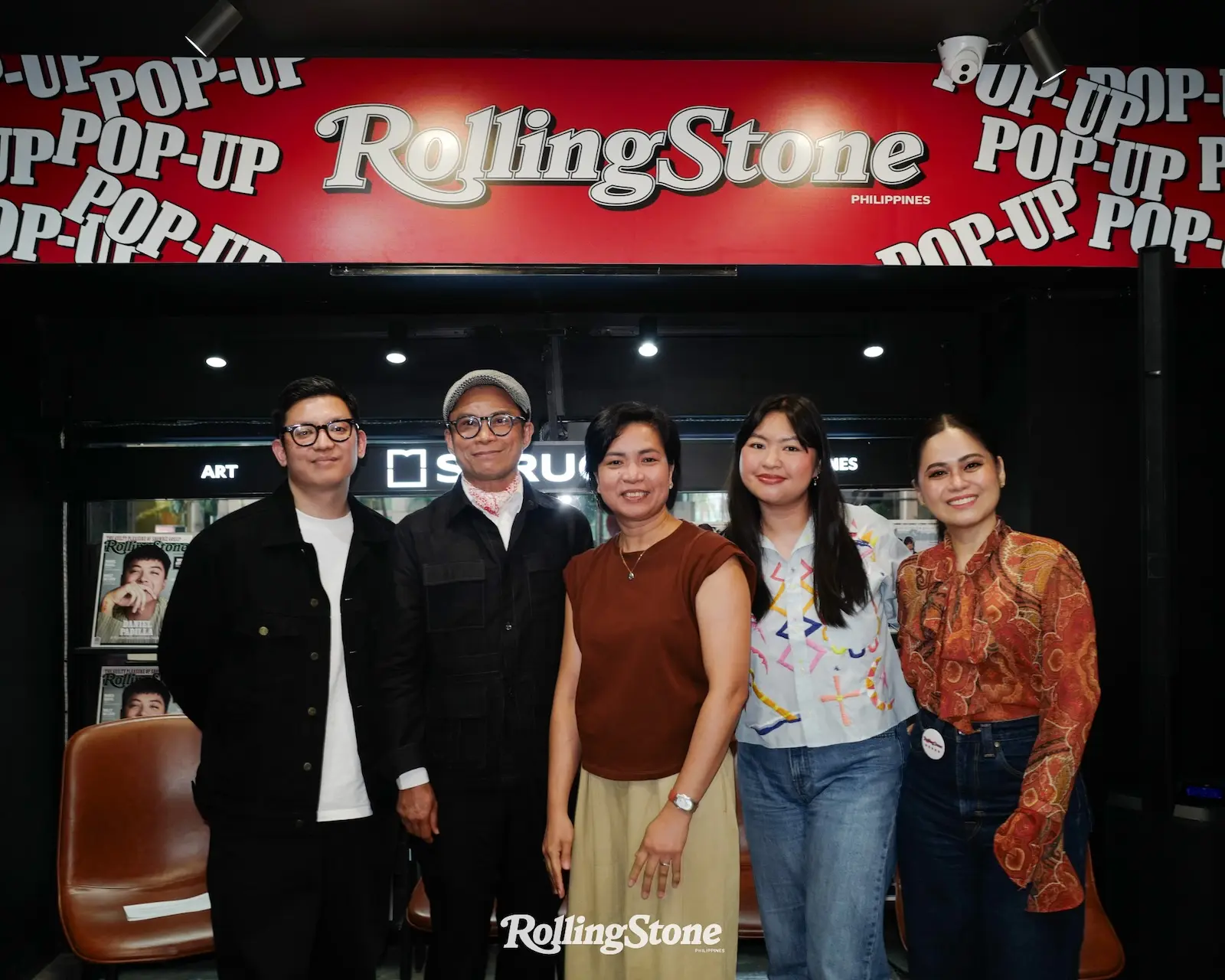
The main event of exclusive preview of the Rolling Stone Philippines PopPopShort for popular music, a broad genre built on catchy melodies, clear hooks, and polished production that aims to reach a wide audience. Pop constantly borrows from other styles, andGo to Pop Glossary-up at Spruce Gallery was a conversation between 19th Avenida Publishing House founder Nida Ramirez, the Ateneo de Manila University Press’ Marketing Head Camille Abaya, and Spruce Gallery owner Ric Gindap on the state of print publishing today.
Led by Rolling Stone Philippines’ Chief of Editorial Content Jonty Cruz, the talk opened with a discussion on how each panelist had found their way to the business of print. Despite the obstacles each of them has faced, the group spoke candidly about how readers are still actively seeking out physical media. “When we opened Spruce, our ambitions were very modest,” said Gindap. “We thought maybe 30 or 50 people would actually buy magazines. But when we launched, we were carrying around 300 titles. I think we sold almost half on our opening weekend. That really encouraged us because it proved that people are still reading.”
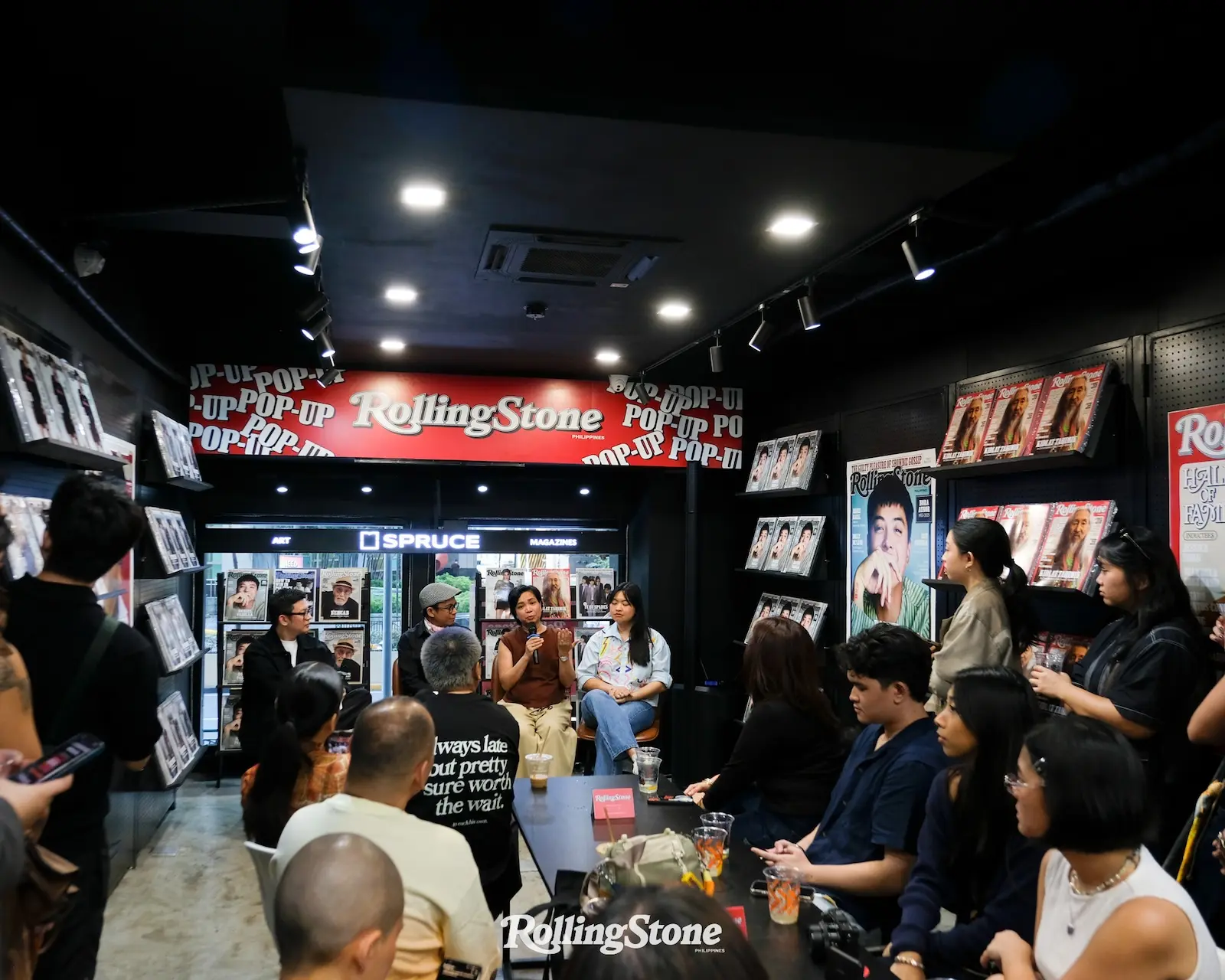
Gindap went on to speak about the role of magazines in creating a dedicated community amongst readers. “For example, if you carry a tote bag of The New Yorker or Monocle, and [you’re] in a busy airport, and you see another person carrying around the same bag or issue, you’ll look at each other and say, ‘Brother,’” said the Spruce owner. “There’s that unity, that recognition, of wanting to be part of a shared culture with shared acceptable values. Magazines are culture personified. Yes, the magazine is an object, but the culture behind it is the engine that connects people together.”
The conversation then shifted to online trends — specifically, that of “hot, performative men” reading books in public. Although the topic brought out a round of laughs from the room, the panelists pointed out how the trendTrendA pattern or style that gains popularity for a period of time, whether in fashion, music, language, or online behavior. Trends move quickly in the age of social media, andGo to Trend Glossary framed reading as something to be made fun of.
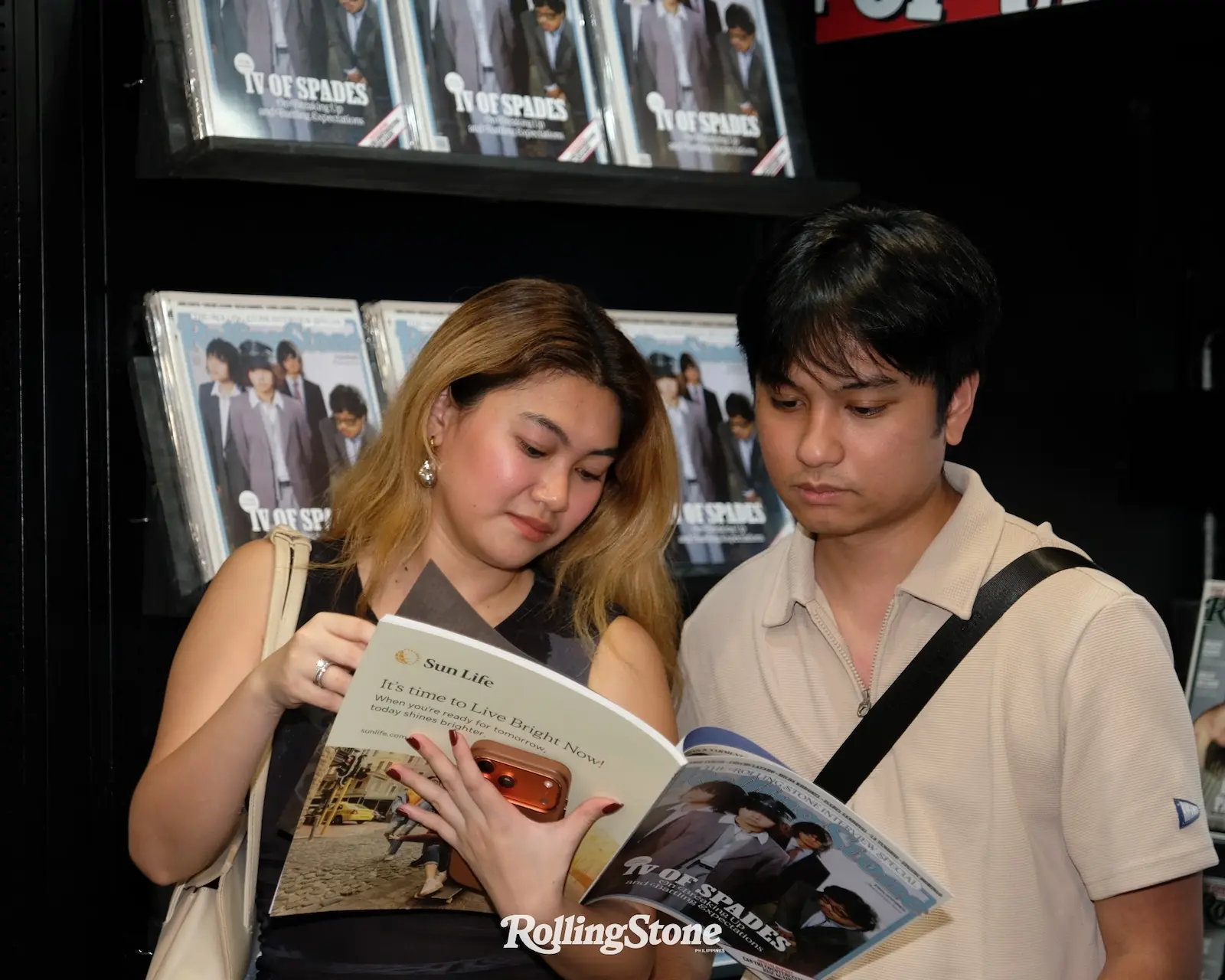
“Ako, I’m… irritated by people who want to label everything and comment on everything” Ramirez said with a laugh. “‘Yung ‘performative’ part, that irks me a lot. Why do you have to say something about another person who’s reading? Why don’t you enjoy reading something yourself?”
“I don’t believe in performative reading,” she added. “Siguro, if you’re just carrying the book, then yes. But if you’re reading and indulging in it, that’s never performative. And if there’s anything to ‘perform,’ why not reading?”
Finally, the panelists shared their thoughts on the accessibility problems that continue to plague print publishing and what solutions can be put in place to guarantee its future.
“The problem is… systemic, because the system isn’t conducive to buying local books,” said Ramirez when asked about how government bodies like the Department of Education could play a part in supporting local publishers. “It’s very difficult for publishers like us, because our books are available… pero hindi nila alam ‘yung mga librong inilabas sa Pilipinas. Even if they order, it’s very difficult for publishers to go through the procurement process. But we are trying, and that is the hope, of course, to have the government make these local books available everywhere.”
“If this is something you really care about, go to your local government,” suggested Abaya, who used the example of the Quezon City Public Library being developed with the support of its local government office. “And if you have a favorite bookstore chain… it would be nice if you could let them know what type of books you want to see there. The struggle for us local publishers is that, even in the procurement of these bookstore chains, we’re competing with brands like Penguin Random House. When it comes to buying books from us, these chains buy at most maybe five copies for one title, for the whole country. So it really would help if they see demand for local titles.”
For Gindap, the concept of community-building is truly what keeps a print title afloat. “You already have a captured market, you know,” Gindap told me once the panel was over. “Most magazines that are too general do not thrive, but titles that have a very clear voice will always form a passionate and loyal readership. But the real opportunity to find a wider audience is… doing things like this pop-up, putting together like-minded people in the same room, and having important conversations so that loving print isn’t just the act of reading, but also the act of interacting.”
Official Event Partners:
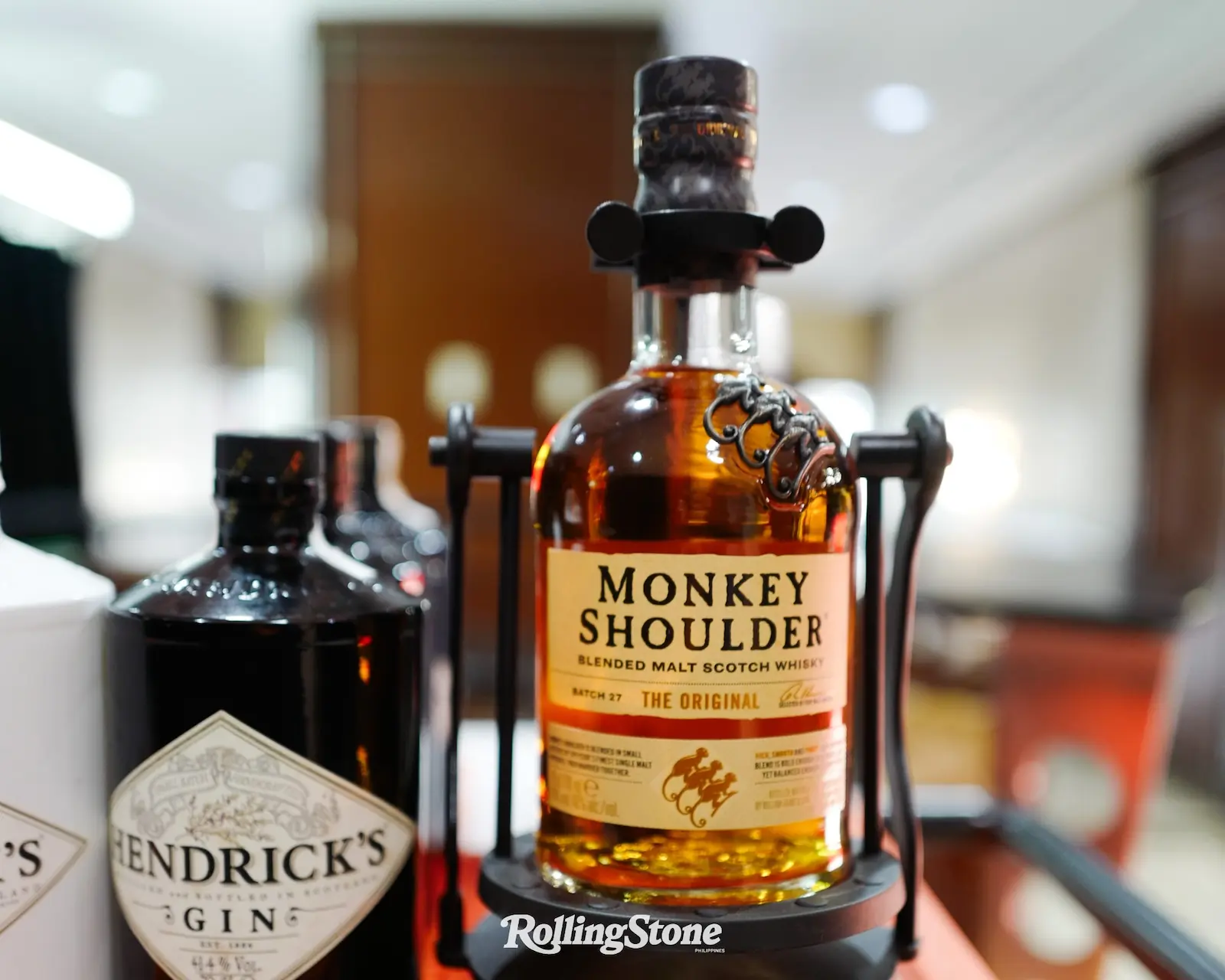
Monkey Shoulder
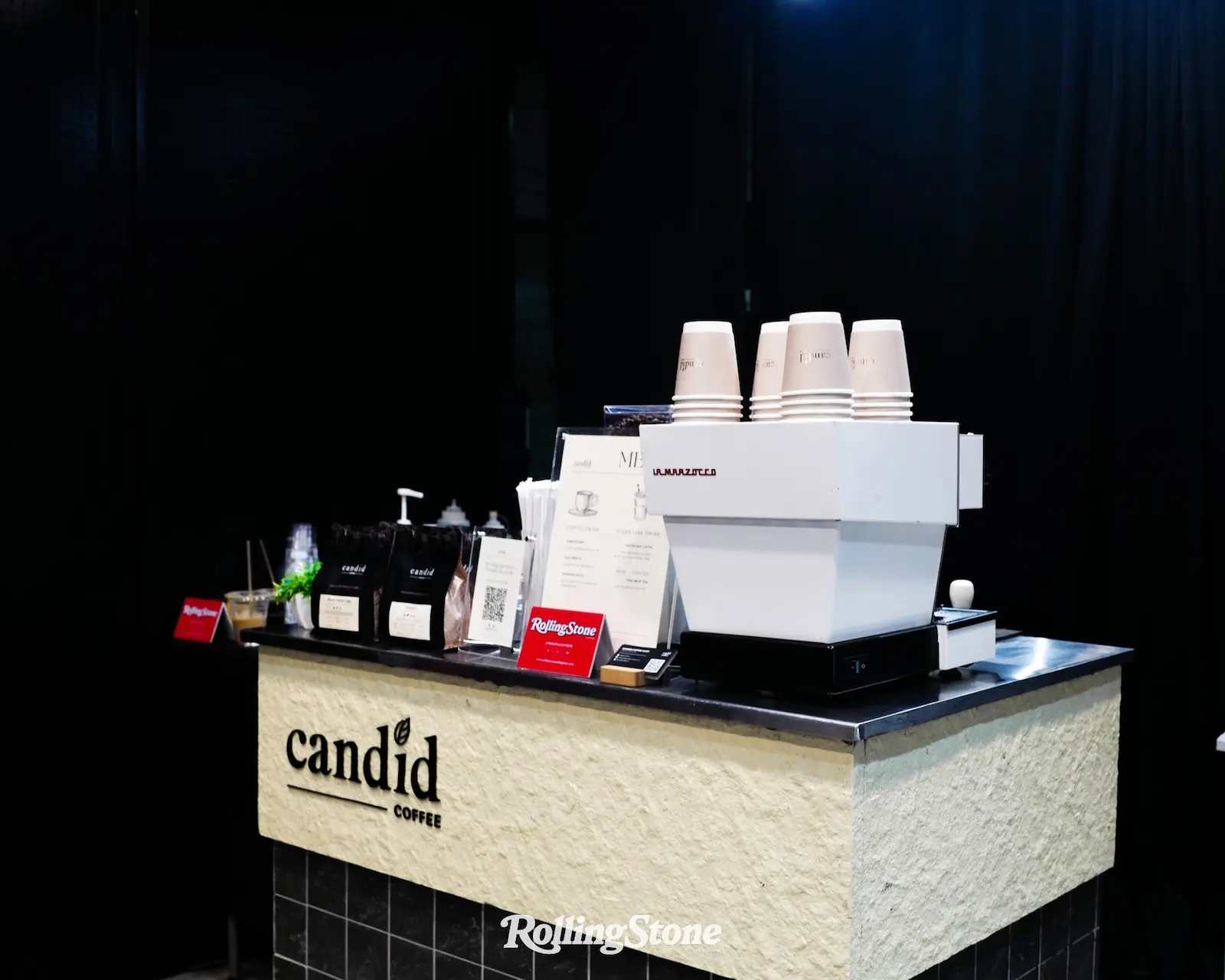
Candid Coffee
Provizo
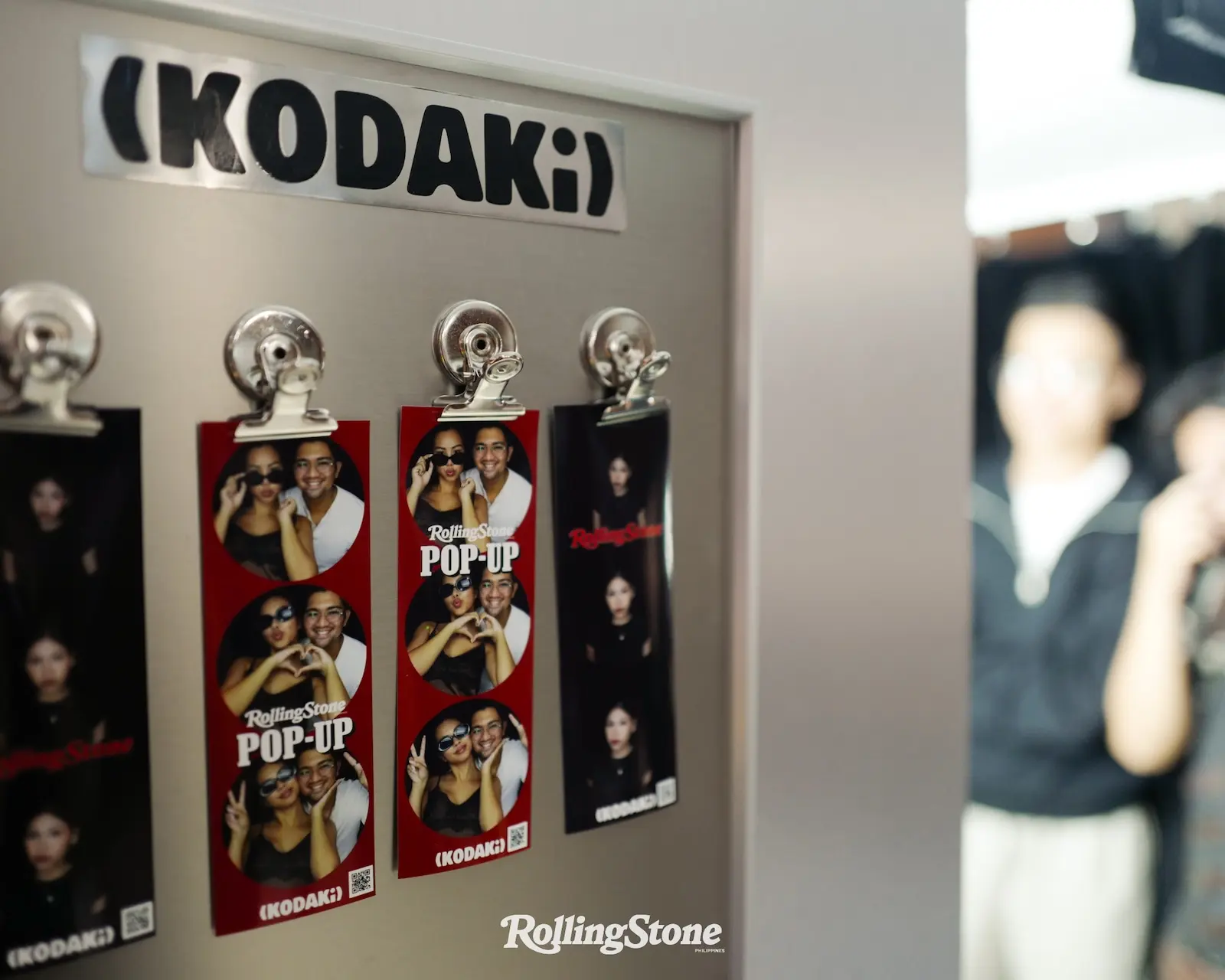
Kodaki
and
Spruce Gallery
Frequently Asked Questions
Print media remains relevant by offering tangible, high-value cultural experiences, fostering offline community engagement, and serving niche, dedicated audiences that digital content cannot replicate effectively.
Consumers buy physical magazines to connect with specific subcultures, signal shared values, escape digital screen fatigue, and collect aesthetic physical objects that build community identity.
Performative reading refers to displaying books or print media publicly to project a specific lifestyle, though publishing industry figures view genuine reading as inherently authentic.
Philippine local publishers struggle with complex institutional procurement systems, limited distribution shelf space, low initial order volumes from major retailers, and heavy foreign competition.
Print publications survive by cultivating distinct editorial voices, targeting niche audiences, organizing community events, and creating physical spaces where like-minded readers can interact directly.
Recommended Video