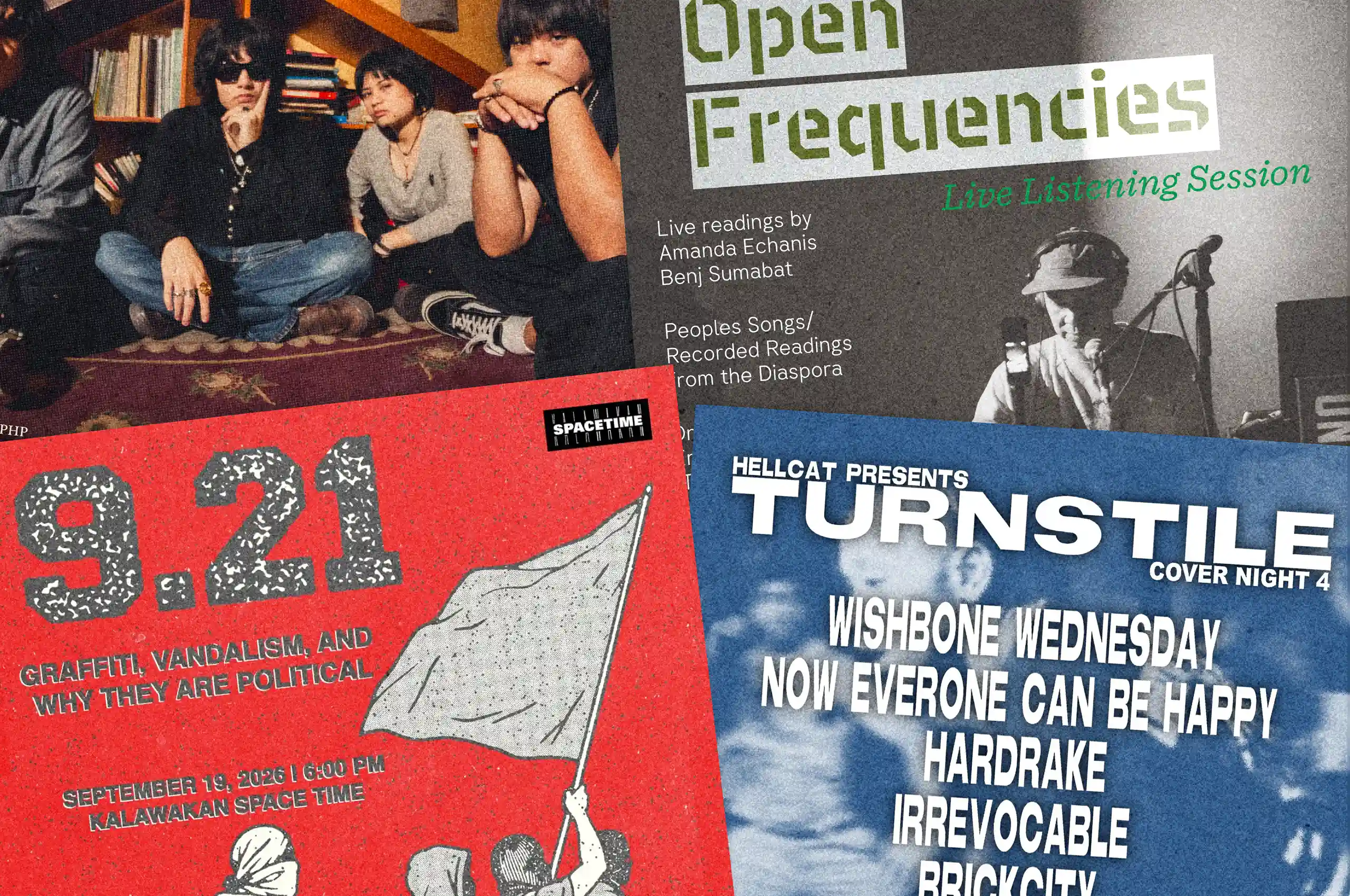


There’s always something going on at Atúa Midtown.
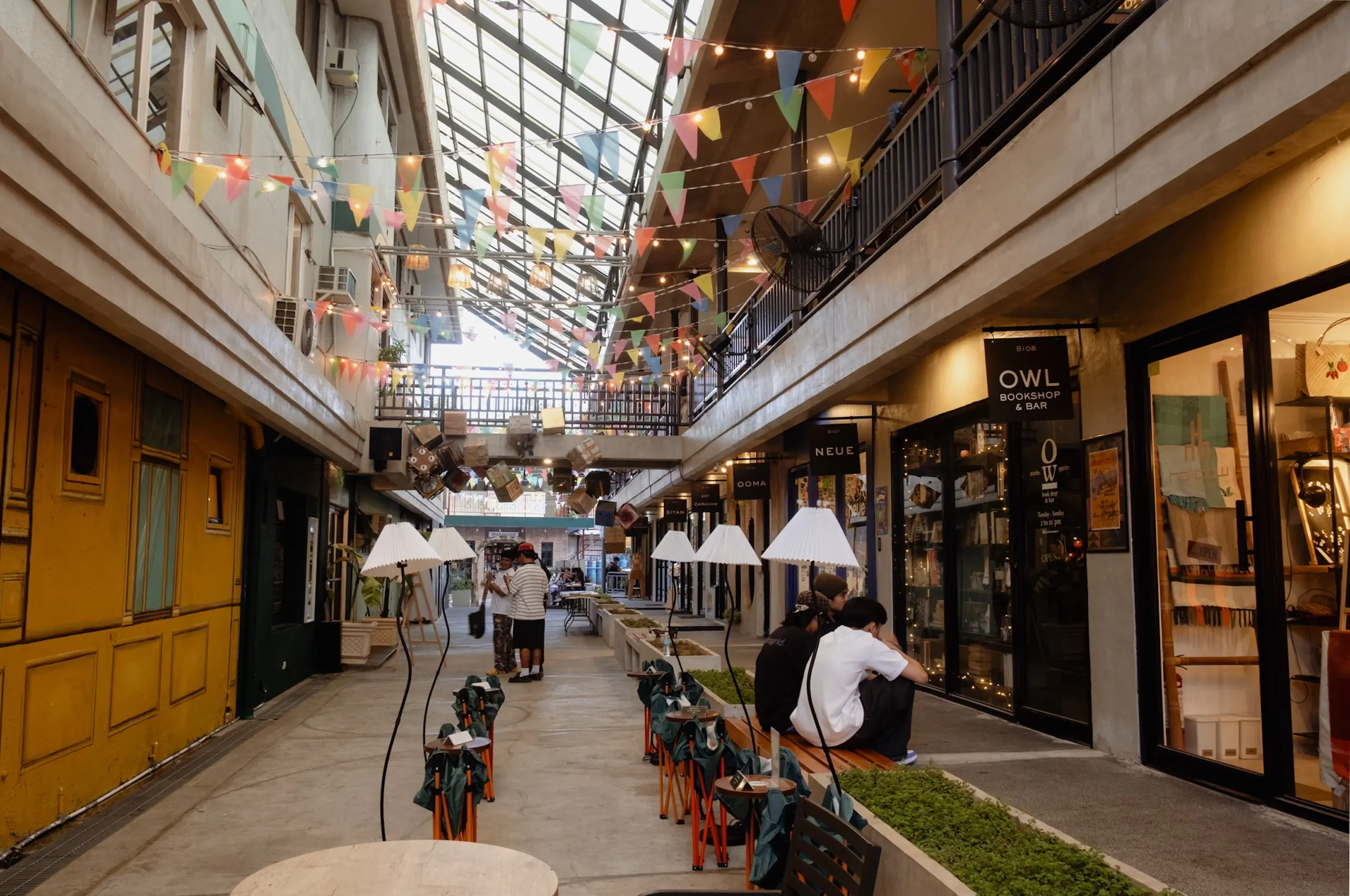
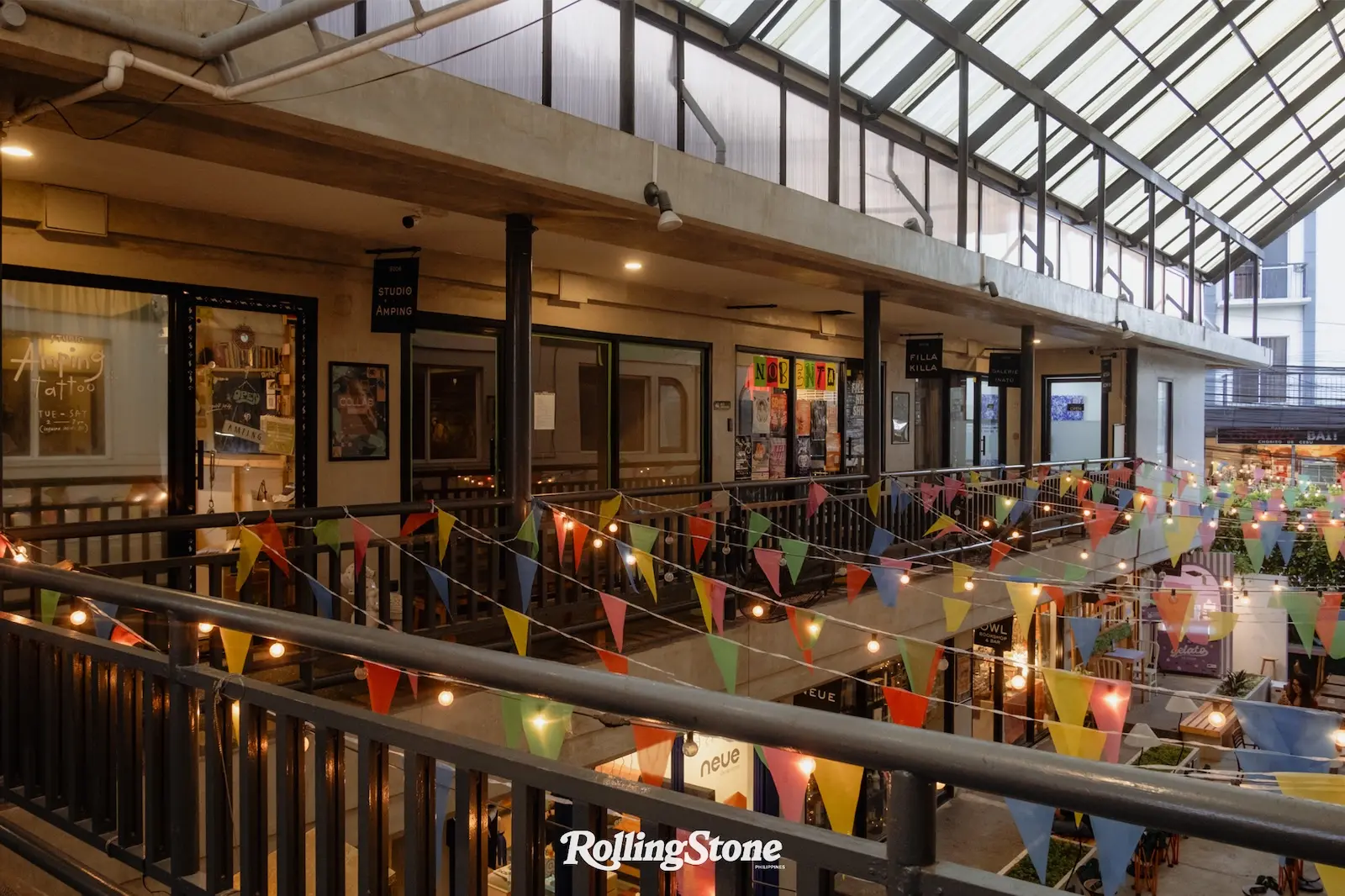
The latest art hub to open in Cebu has quickly established itself as the main gathering spot for the city’s artists, writers, and creatives. Walk through the building’s side entrance (or through its “main” door right by Eddie’s Log Cabin), and you’re guaranteed to step into a concert, a drag show, a poetry reading, a film screening, or whatever community event has taken over Atúa’s courtyard at any given time. Born out of the skeletal remains of the Beverly Boutique Hotel, Atúa has preserved its predecessor’s layout, which means that a hodgepodge of rooms surrounds the courtyard-slash-assembly-point. These rooms, once old and empty, have been converted into warm storefronts and leased to local creatives who’ve decided to set up shop at Atúa.
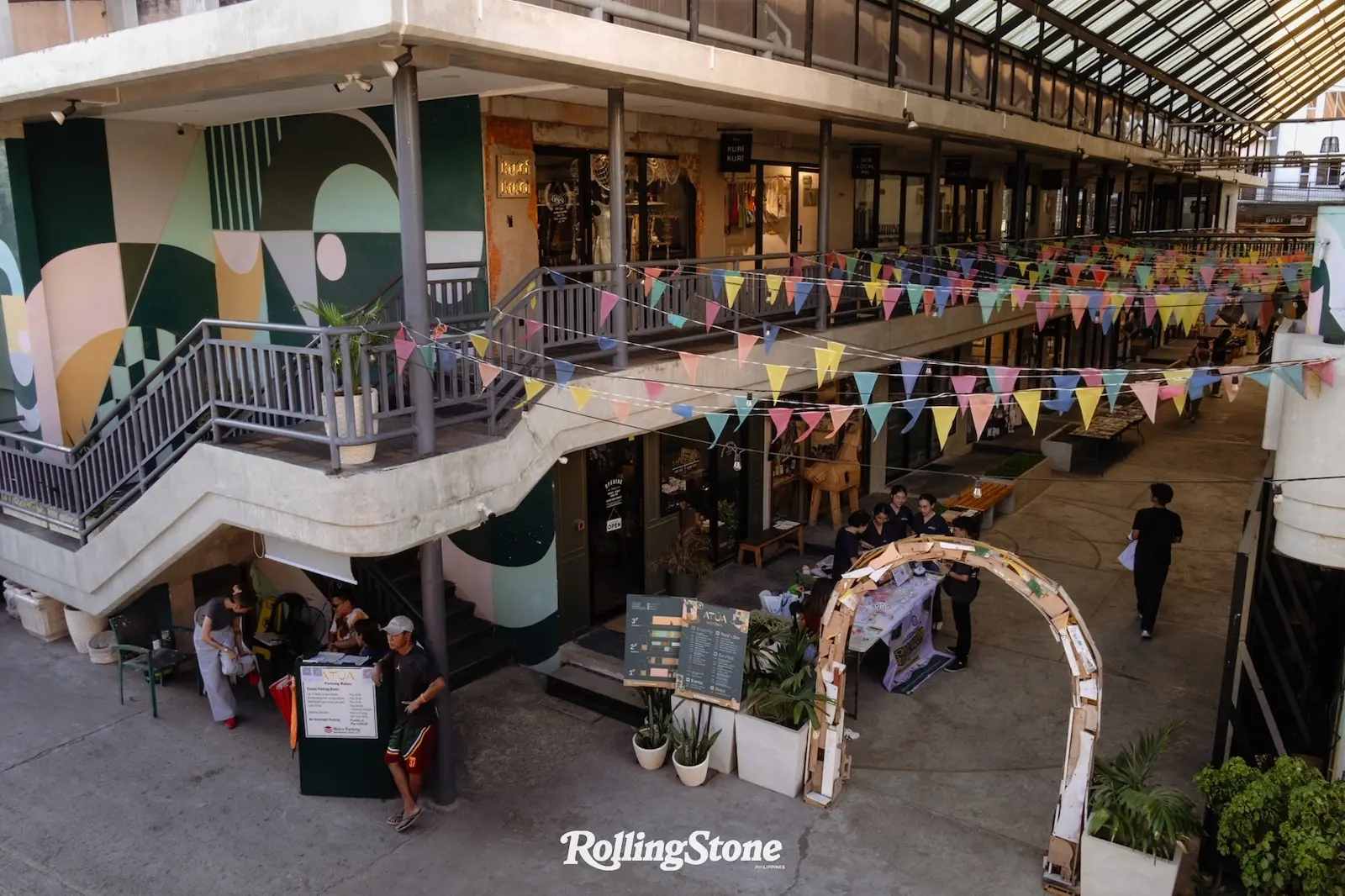
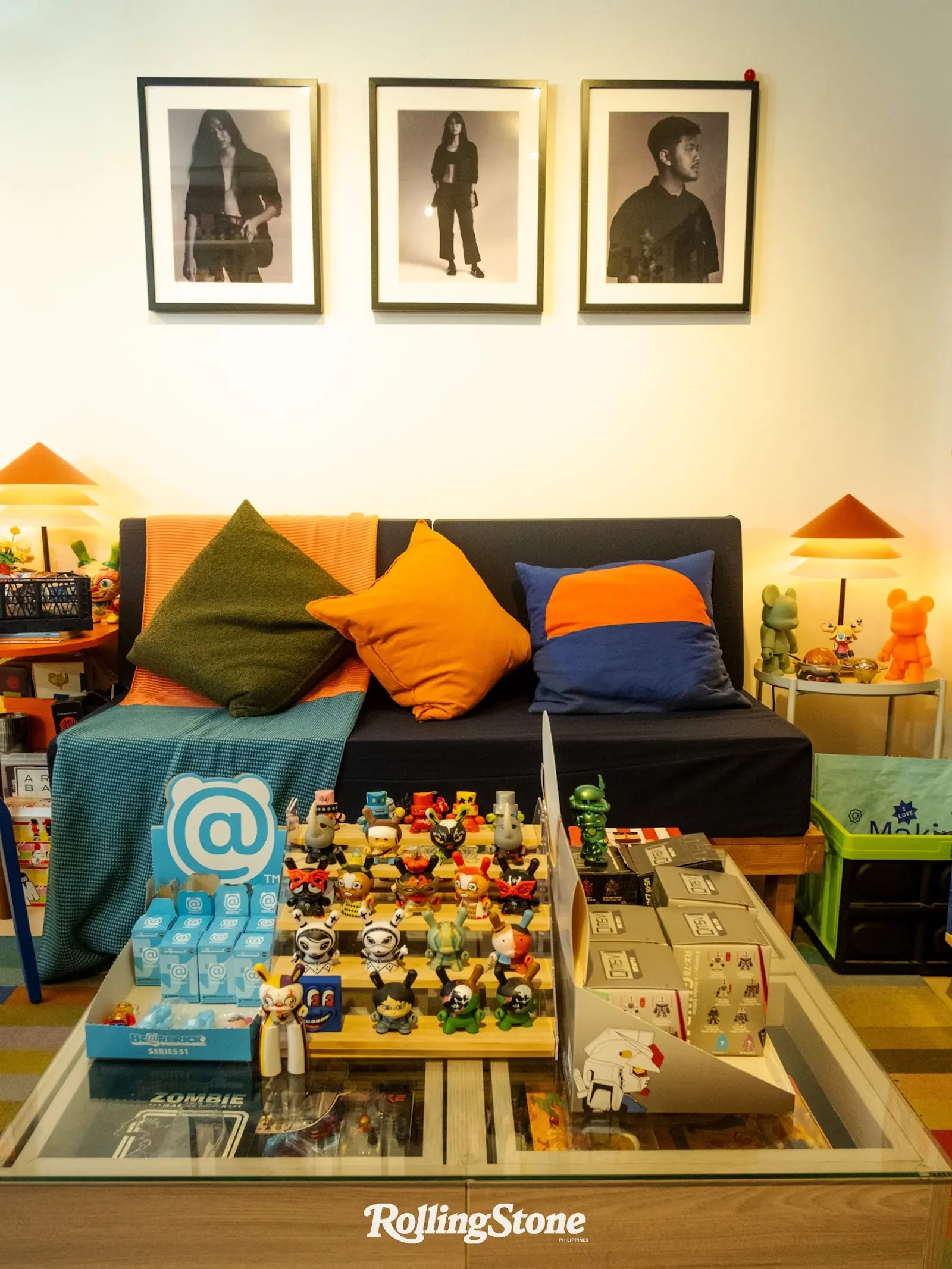
There’s no set route to take when it comes to exploring Atúa’s stores, so you must decide where the day will take you. For those looking for a locally designed toy or collectible, there’s NEUE (pronounced “new”), a store that sports brightly decorated walls, shelves upon shelves of designer toys, and a well-worn couch where guests can sit and flip through the shop’s stack of magazines. Walk a short flight of stairs, and you’ll find Kurî-Kurî, the place to stock up on stickers, stationery, and outfits designed by Cebu’s rising artists.
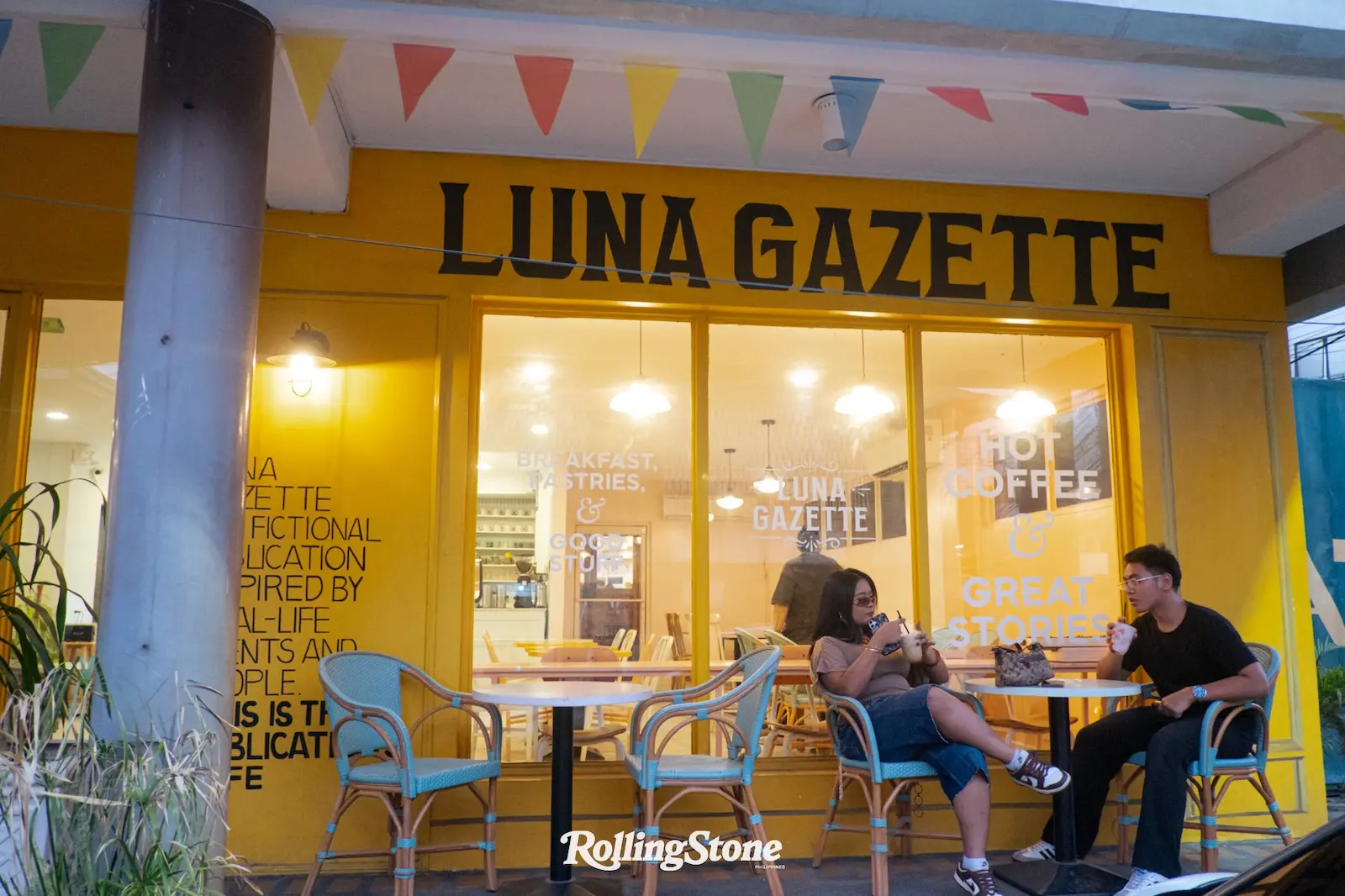
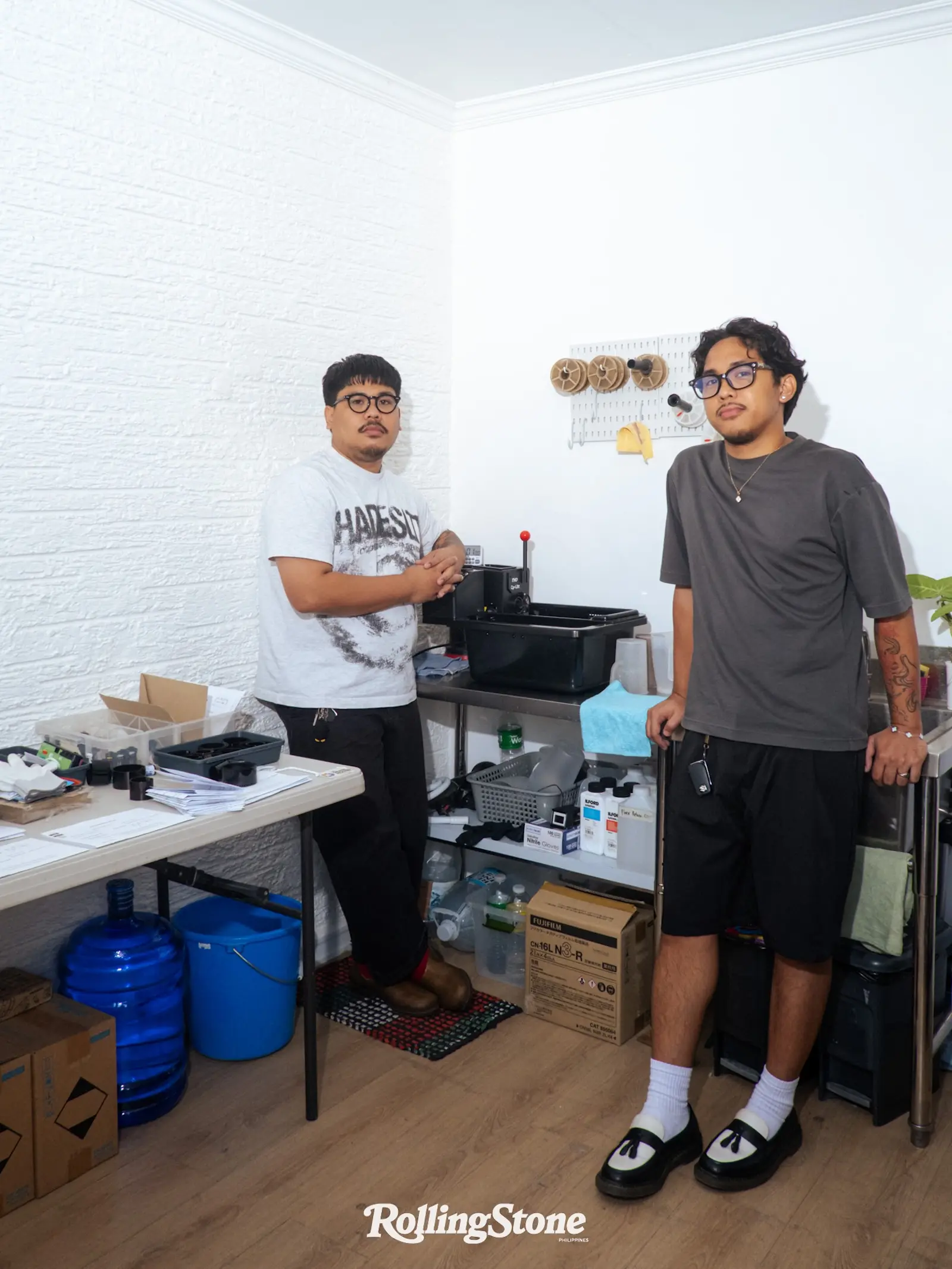
A few floors down is Filla Killa, where you can peruse through crates of vinyl records or sit in for a listening session, if a DJ is spinning or a local band’s playing for the night. There’s a tattoo parlor (Studio Amping), a custom bikini atelier (Sew Local PH), a café (Luna Gazette), a film lab (Grain House), a bookstore-slash-bar (Owl Stories and Spirits), a zine-slash-tea-shop-slash-apocalyptic-concept-store (The Provisioner), and the list goes on. You could spend five minutes or five hours at Atúa, and no one would pay you any mind.
How Atúa Attracted Cebu’s Rising Artists
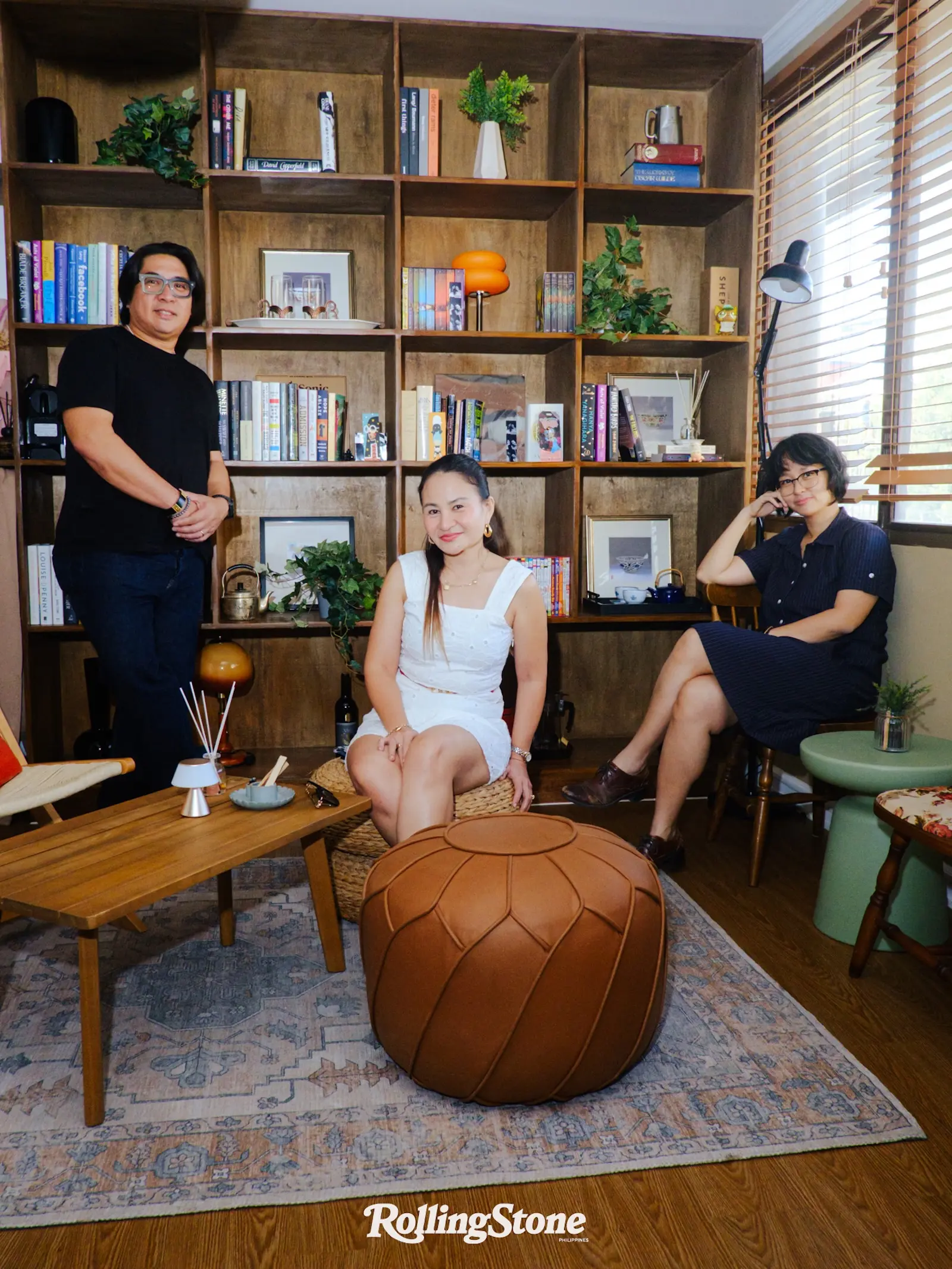
Atúa could have easily been anything else: a corporate workplace, a hospital’s admin office, or a hotel, all of which were on the table when its founder, Allen Tan, was trying to figure out what to do with the empty building.
“I guess it could have been more ‘practical,’” Tan says as we sit down for our interview. We’d made our way to Atúa’s newly added wing, a long but narrow third building which now holds the freshly renovated craft store Solarpop, the bookstore Dear Reader, and an open-air taqueria atop its roof (aptly called The Taqueria Above Dear Reader). The expansion is fresh, and potentially signals just how successful Atúa has been since it opened in 2024, but Tan remains wary about what the future holds for his latest business venture.
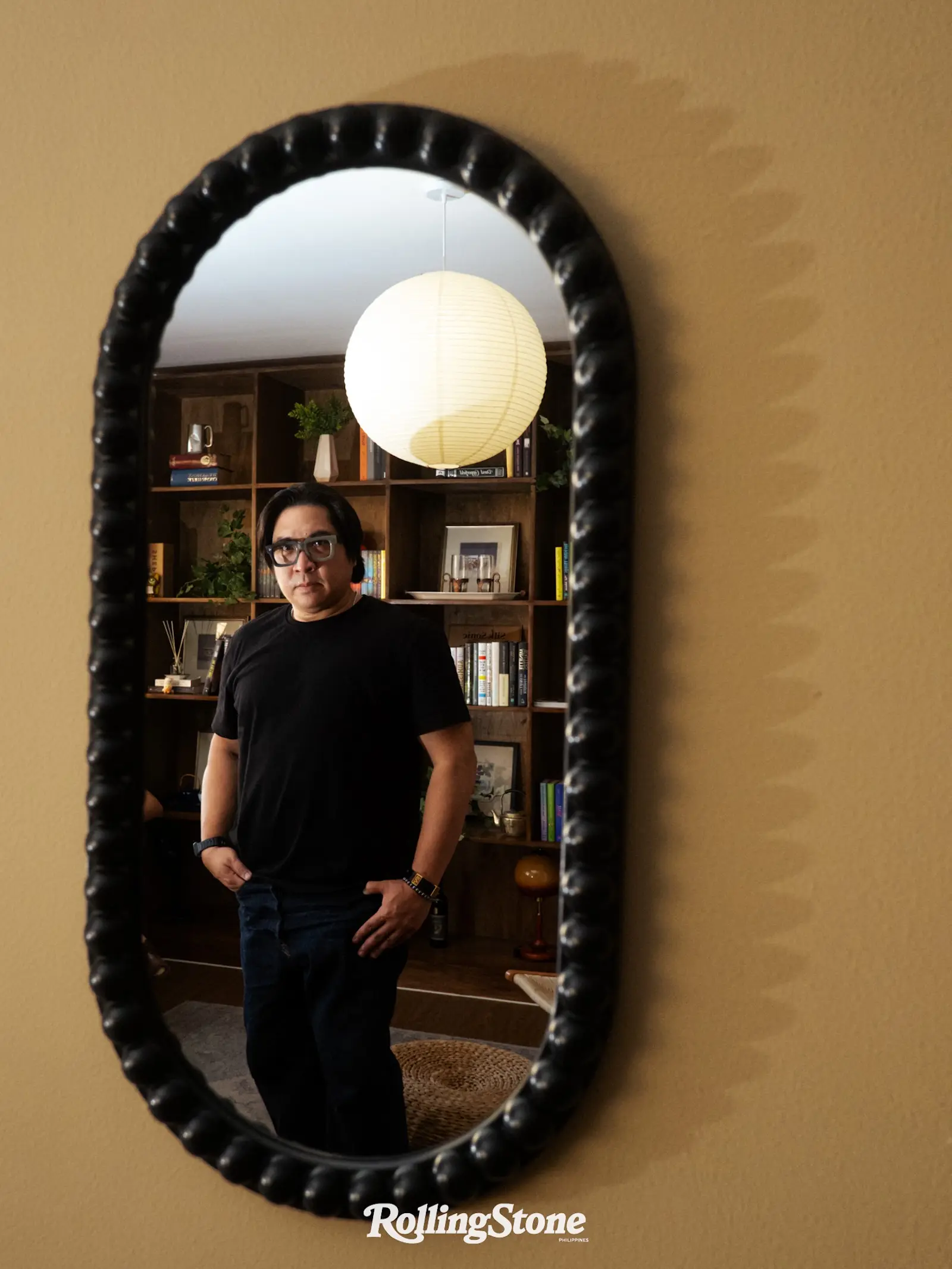
Outside the world of Atúa, Tan and his family have long been known as mainstays in Cebu’s F&B industry, having franchised a number of popular restaurant chains. He is also the founder of the annual Tubo Art Fair. However, when the old building “fell into his lap,” Tan confessed that he was slightly out of his depth.
“Usually I’m the tenant, not the landlord,” Tan jokes. “But here, we flipped the relationship, and I’ve learned that it’s not so easy after all!”
Tan had no interest in reviving an old hotel, nor did he want another office building. Instead, he decided to give Cebu what it seemed to have been lacking, at least in recent years — a main, definitive space for its creative community.
“Cebu has always been known as an artsy, design-forward city,” says Tan. “We’re known for our furniture, our interior design, our visual art, everything. But there are no visible spaces to show this art. There is no place to view what our artists and designers make on a regular basis. Unless you know these designers personally and go to their studios or factories, there’s really nowhere for you to go.”
It wasn’t an easy process, but after the pandemic, Tan got to work on renovating the building and inviting artists to come fill out Atúa. “At the start, we sent out a bunch of offers,” he recalls. “This is a very central location, so we had a lot of interest at first. But they found the rent too expensive… that really deterred them. So we started offering grants to help speed up the process.”
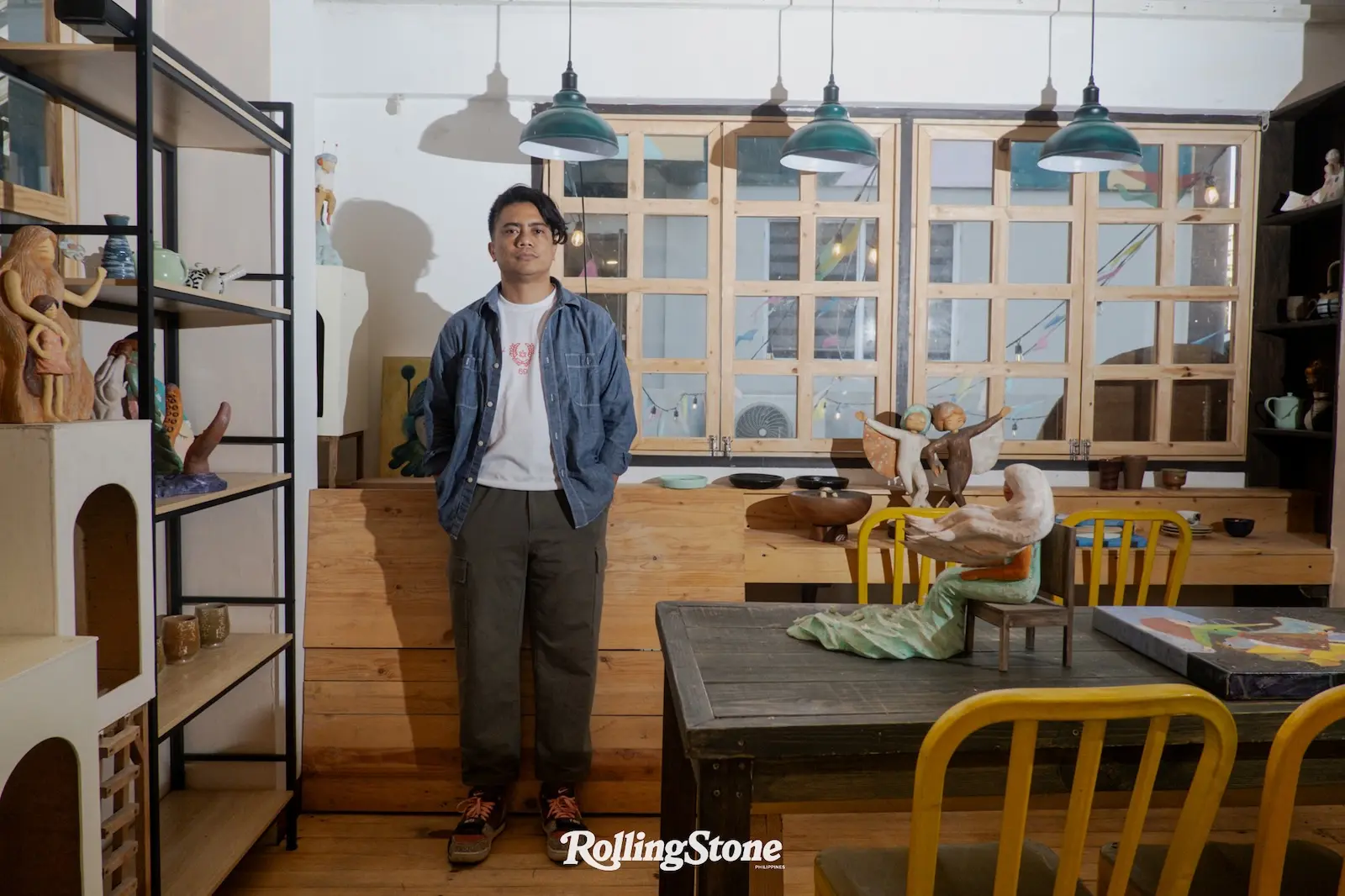
“That grant really helped us tenants out, especially the younger artists,” says Mark Joseph Deutsch, one-half of design duo Happy Garaje and the owner of several shops at Atúa, including Solarpop and Luna Gazette.
“The grant was half of our asking price for the first year, and it was [given] to all businesses that were arts and design-related. It meant we could pay a rent that was lower than the market price. As soon as it was offered, a lot more people were willing to take the risk of opening up a store.”
The “risk” that Deutsch mentioned also lay in the fact that many of Atúa’s early tenants had little or no experience at all selling their wares in their own physical store.
“There was a lot of handholding,” says Tan, “and some support in terms of explaining contracts, legal permits, bookkeeping… all of the things that first-time business owners have problems with.”
Deutsch was more blunt about how he remembered those early days. “A lot of us didn’t know what we were doing!” He laughs.
Despite the initial road bumps, however, Atúa and its tenants have slowly learned how to turn the arts into a steady enterprise. “I was prepared to tough it out for a while,” says Tan, “but we filled up pretty quickly. I mean, it’s still been a struggle, but we can make ends meet now and over the last few months, we’ve really started to feel more confident, a little more stable.”
“Even up until now, we still offer [administrative] support for our tenants,” adds Atúa’s community manager, Kae Batiquin. “Because we understand. You have a lot of artists, especially coming out of the pandemic, who got crafty and discovered that they’re really good at something, but didn’t have a way to bring any of it to the marketplace. It’s never as easy as it sounds.”
What Each Tenant Brings to Atúa’s Table
After our interview, Tan, Batiquin, and Atúa’s general manager Maristella Rallos walked us to each shop, introducing us to the tenants inside. As of writing, Atúa roughly hosts 30 stores, with each shop owner at different stages in their careers.
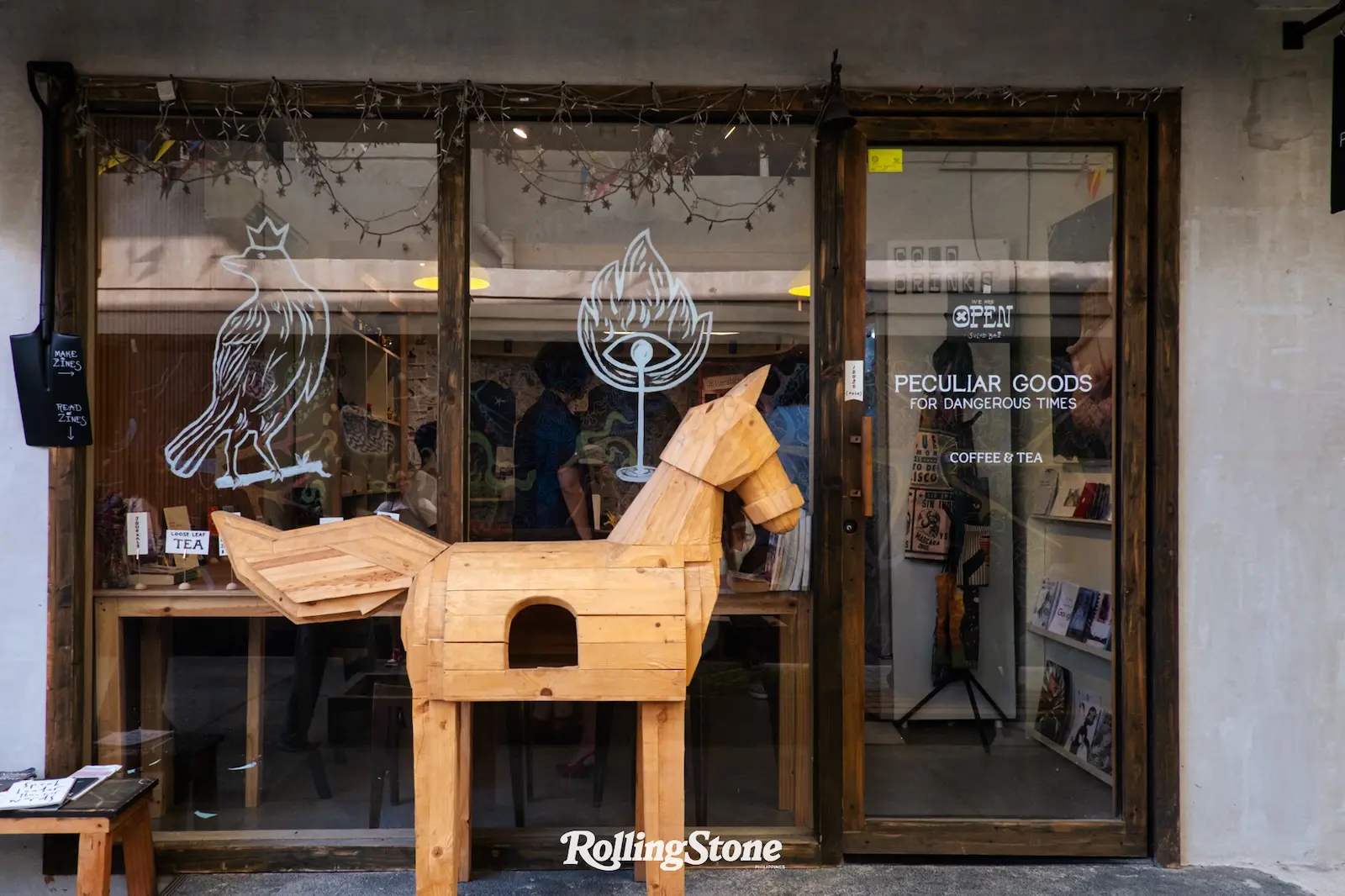
There are the newer ventures like The Provisioner (a name best said, I’m told, in a deep, low whisper for effect), where owner Jules Advincula is busy trying to sell zines made by local writers and photographers, while also selling loose tea, and also maintaining his shop’s cool, mysterious, post-apocalyptic vibe.
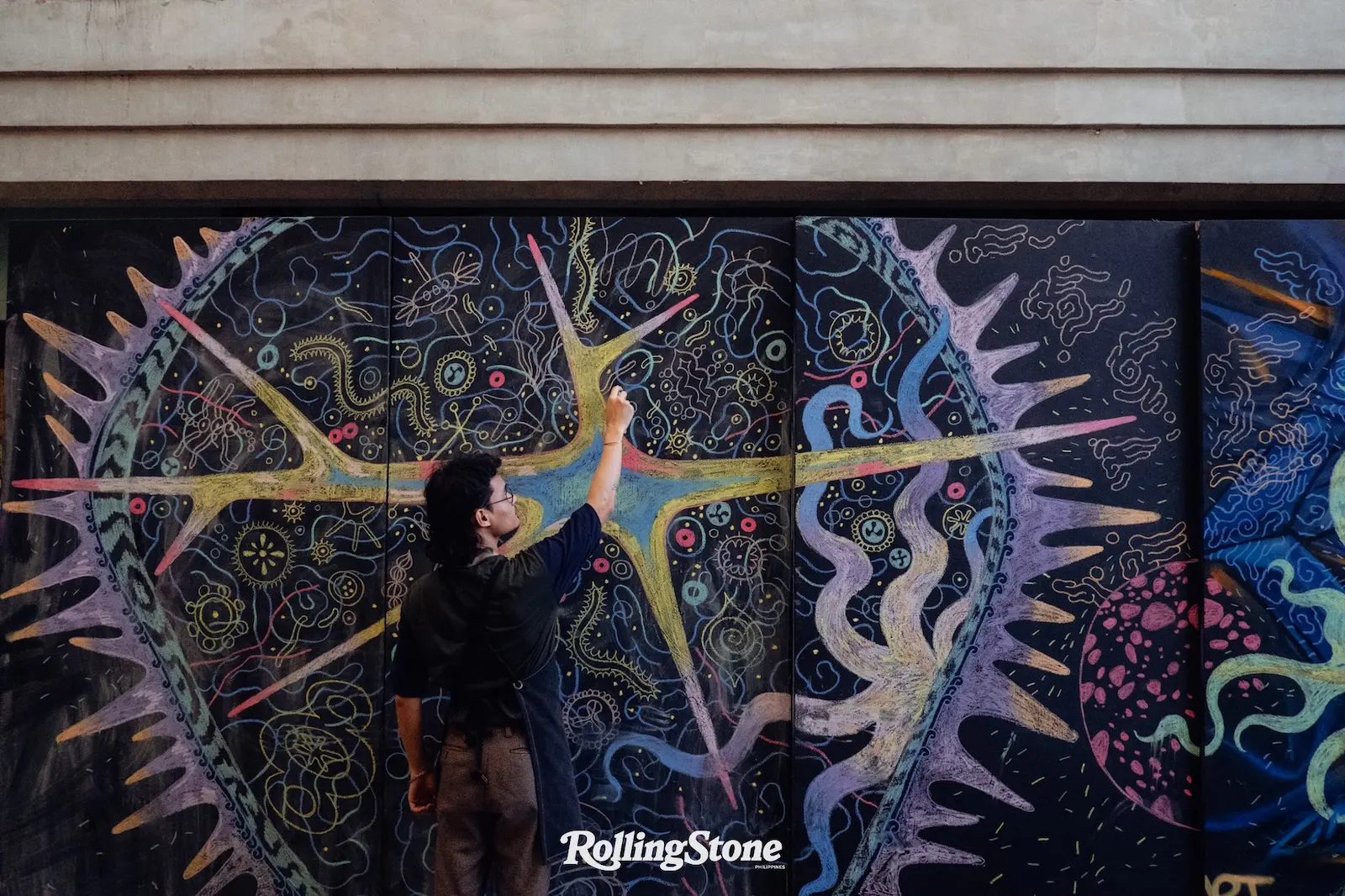
“The space is still sort of figuring itself out because it’s all rolled into one,” Advincula tells me while wiping off pink chalk dust onto the front of his pants. Across from his shop, Advincula has spent the better part of the afternoon working on a multi-colored chalk mural for Atúa’s courtyard, featuring what looks like a loud, swirling, and squiggly take on the galaxy.
“Jules started out in [Atúa’s tattoo parlor] Studio Amping, but he’s also an artist in his own right,” says Tan. “His art’s very cerebral, like he’s from a different dimension.”
When Tan approached Advincula to set up his own shop at Atúa, it took a good amount of workshopping to figure out what type of store The Provisioner would even be.
“Right now, it’s mostly zines,” says Advincula. “The concept I’m going for is survival-bunker-apocalyptic-punk… we’re still developing the concept for it, but basically the world’s already ended, or at least we thought it did. Anyway, we’re stuck with our survival kits. Thus [the store tagline], ‘Peculiar Goods for Dangerous Times.’”
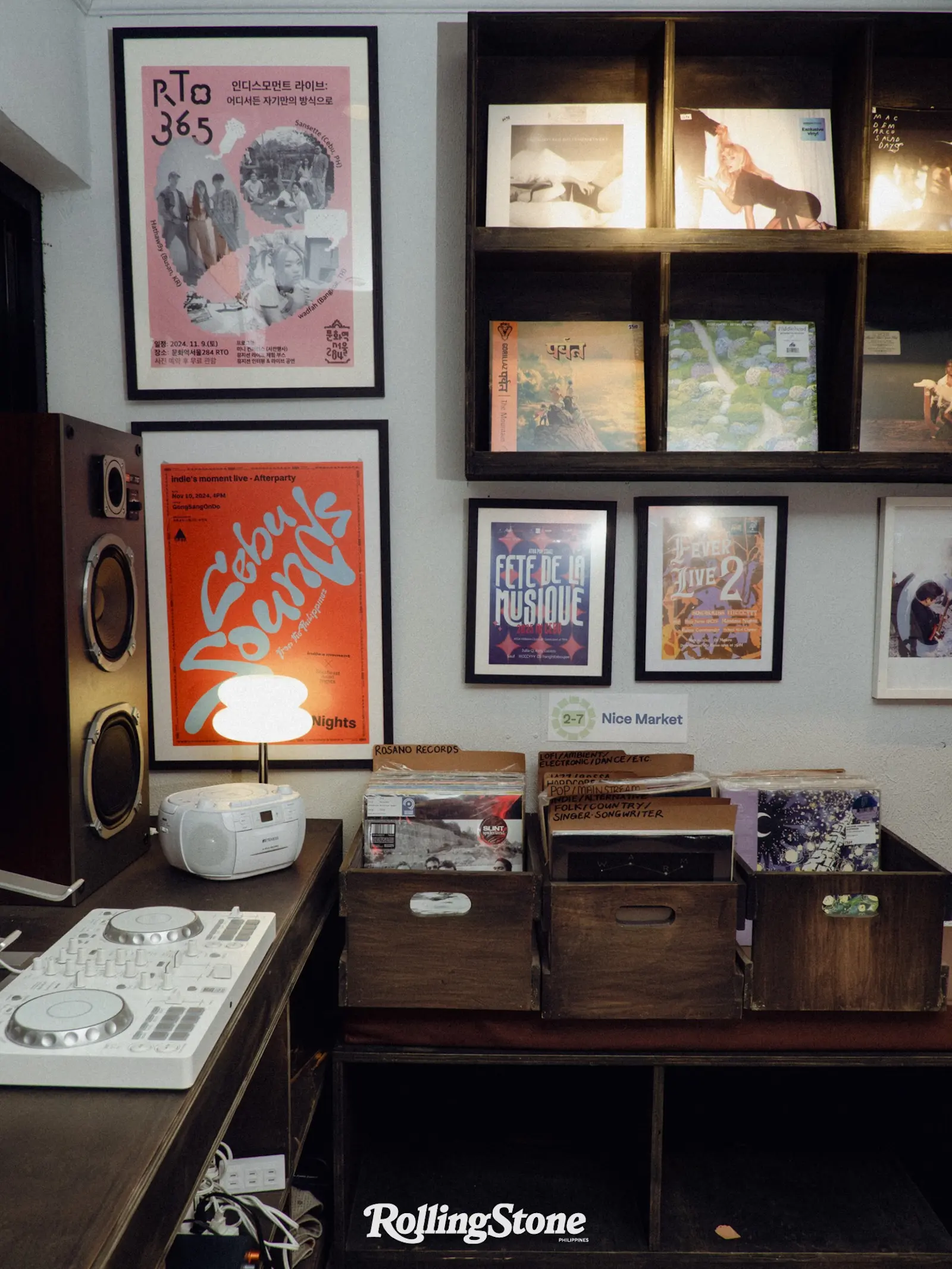
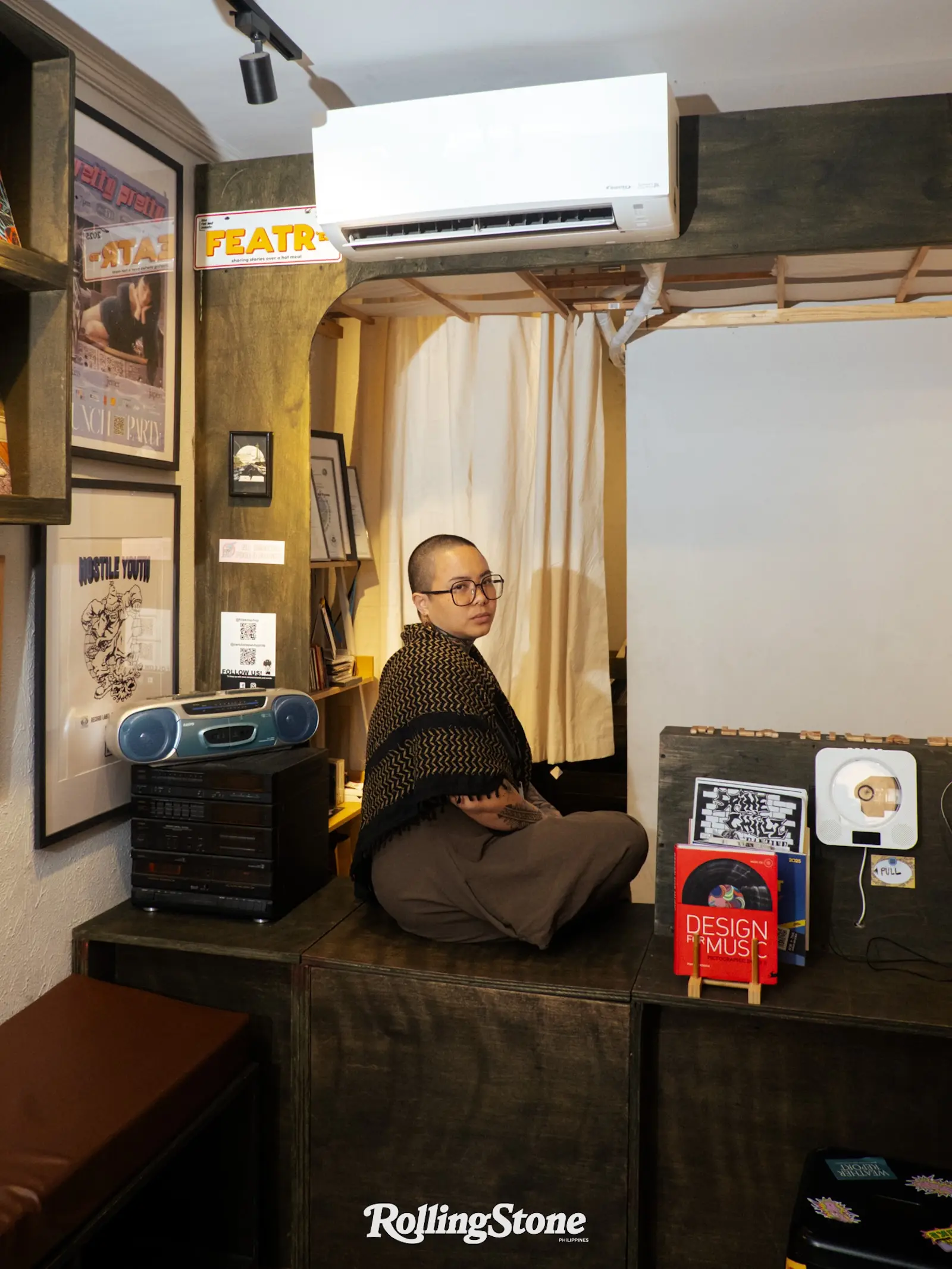
Other stores, like record shop Filla Killa, found their stride after months of tweaking and improving. “Filla Killa used to just be [founder] Karl Lucente’s office,” recalls Deutsch. “It was literally a room with a desk! It was so sad, too, because it was always closed, no one was there, and people would come in and be curious… so sayang.”
Eventually, however, the space was converted into a listening paradise for those hoping to spend a day digging through crates of vinyl, CDs, and cassette tapes. With the help of co-founders Kara Angan, Kat Layno, Jam Abella, and Gino Rosales, Filla Killa has become a community space that supports not only analog music, but also local independent musical acts.
“We’re really the place for VisMin musicians,” Layno tells me as she mans the shop’s counter. Hung around her are a mix of posters and record sleeves of local acts like SUGARKISS, IIICCCYYY, and Mandaue Nights (Lucente and Rosales’ band outside of Filla Killa).
“We’ve had launch parties, listening parties, lots since we opened last July,” she adds. “That’s one of the main reasons why I love this place. There was a lot of passion that went into building Filla Killa.”
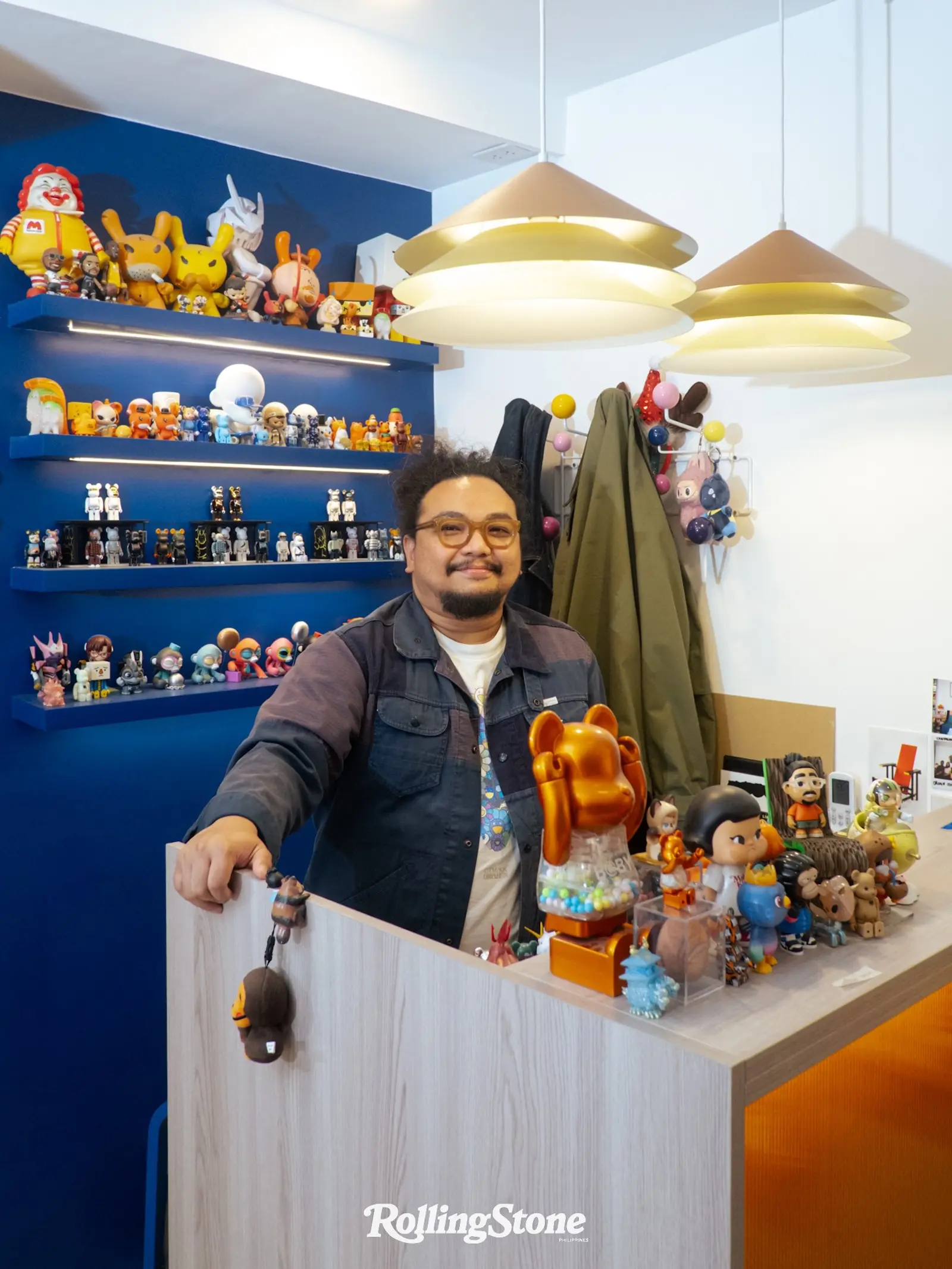
For shop owners who have been at Atúa since the start, however, the past two years have taught them the ups and downs of starting a creative enterprise in Cebu.
“From a business standpoint, I think we’re okay right now,” says NEUE founder Ralph Guibani. “When I say that, I mean it’s just enough for me to pay the rent, and a little bit extra to move things around or plan certain things. But I feel like it still needs a little push, since the concept of the store is fairly new to the Cebu market.”
NEUE offers a mix of design-centric products, including blind boxes, Pop Mart-esque collectibles, comics, and locally designed apparel. But according to Guibani, guests sometimes still have a hard time figuring out exactly what his store sells.
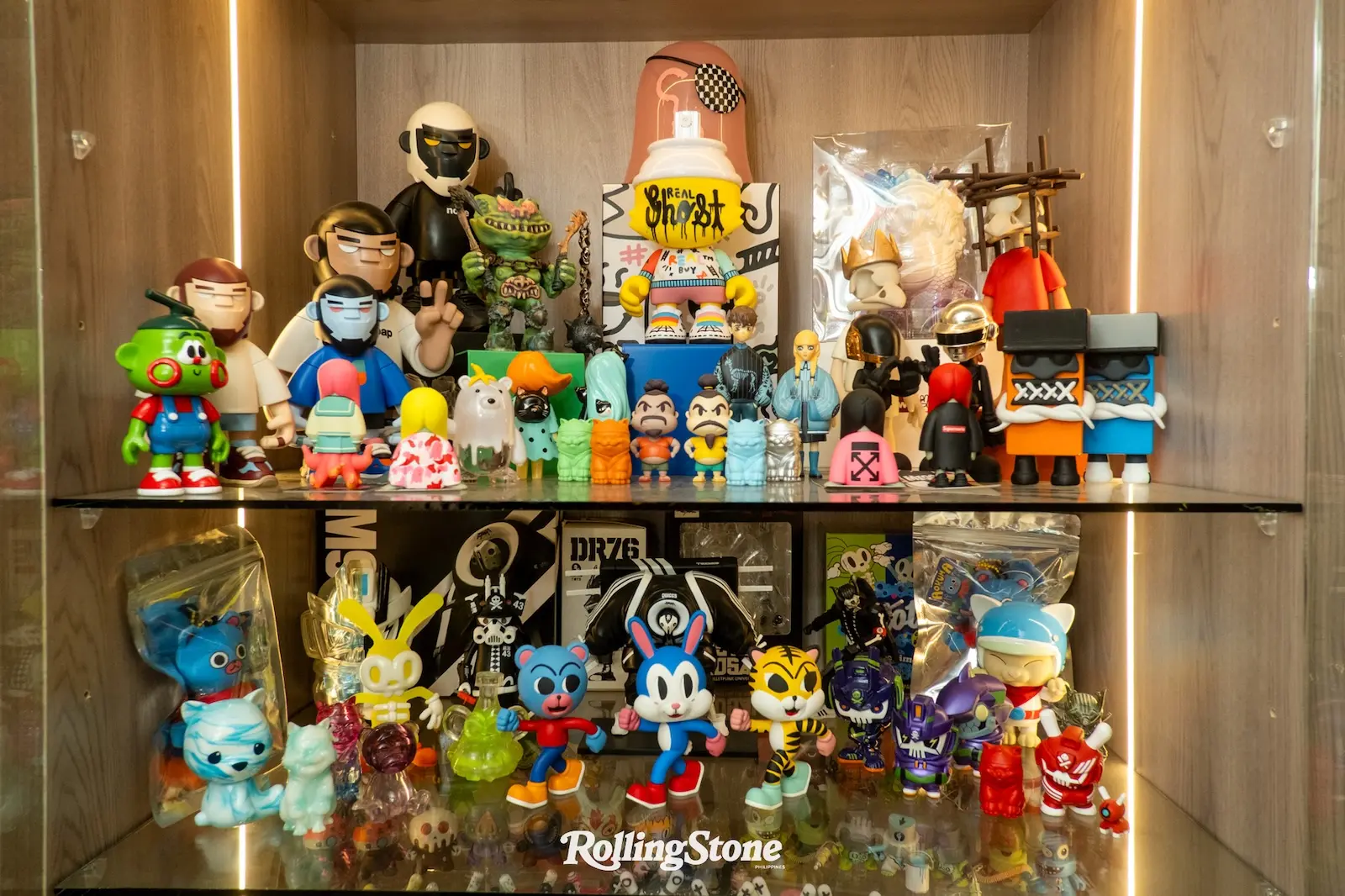
“People come in and they’re pretty curious, which is good,” he says. “But they’re also like, ‘Are you selling this couch? How about the lamp? The furniture?’ And no, I’m not. Others have also come in to ask if I have a photo booth, or if I’m a café. So that’s been the struggle.”
Guibani notes, though, that his store is slowly giving local artists the chance to “scratch that itch” for discovering new finds that push the boundaries of design. “All these cool new things are here, in a store in Cebu,” adds Guibani. “So artists and collectors don’t have to go all the way to Manila or outside the Philippines to get their fix.”
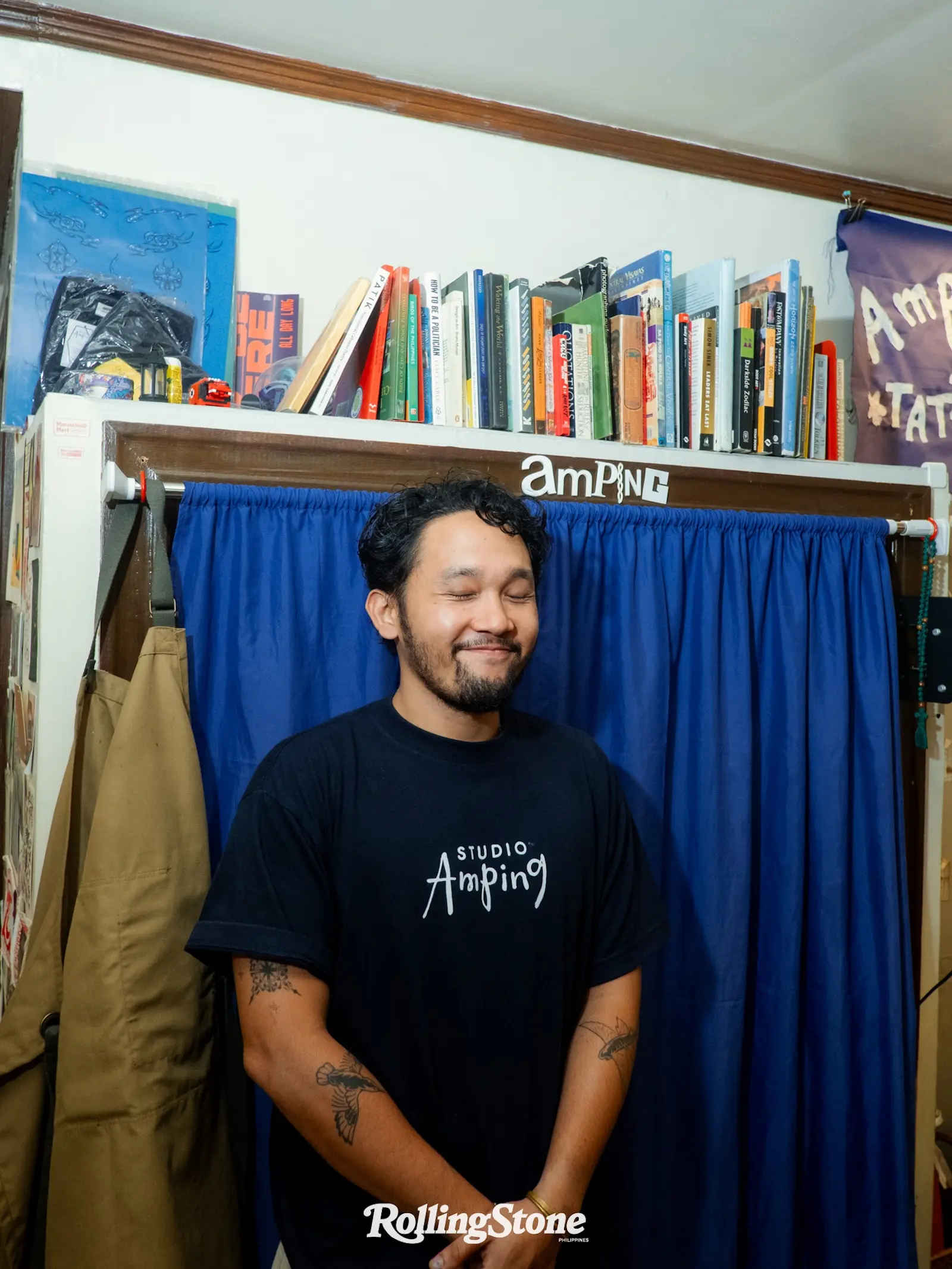
Other tenants echo a similar sentiment, emphasizing how opening up a shop in Atúa has created a hodge-podge of people who all love to gather at the hub. “It’s fun, but also strange,” says Studio Amping founder Gab Villacarlos. “The people here… we wouldn’t cross paths with most of these guys outside. Murag (Parang) it’s not your usual bunch of creatives. It’s like a party, there’s always new people.”
From Abandoned Hotel to Creative Community HQ
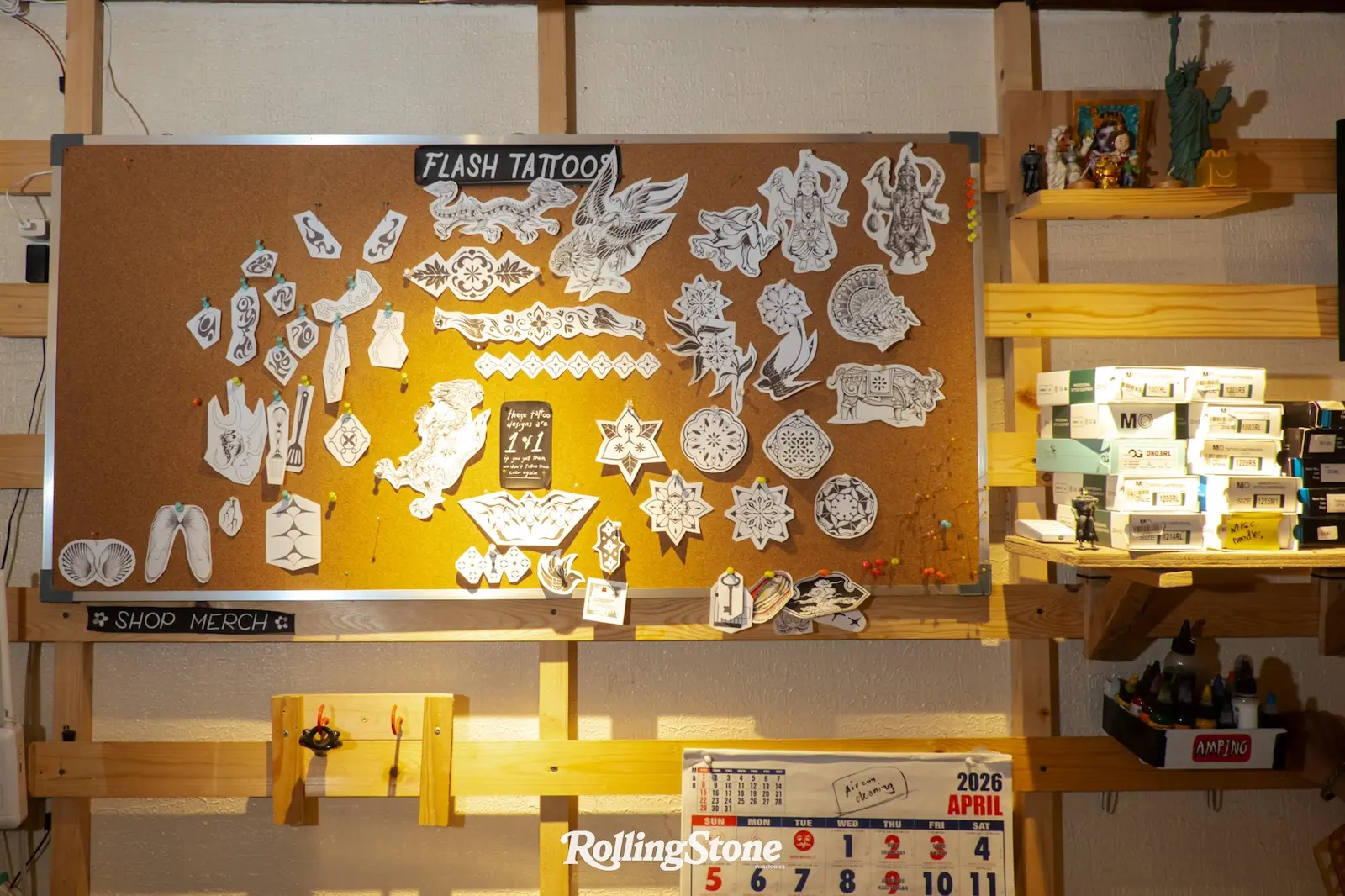
The party at Atúa isn’t stopping anytime soon. If anything, the hub is set to grow in size over the next few years, with talks of another expansion behind the main building. However, as Tan emphasizes, he does this mainly to support the tenants, organizers, and friends who’ve made Atúa what it is today.
“We’ve had so many success stories,” says Tan. “I mean, you know, there’s still good and bad. But we’ve had shops that have been like, ‘Oh, I opened here, and now it’s too small for me. My business grew so much that I have to find a bigger space.’ And I’m like, ‘Yes, fly!’”
“There are also some that obviously did not work,” he adds, “but you have to keep going. Find new opportunities for new tenants as well.”
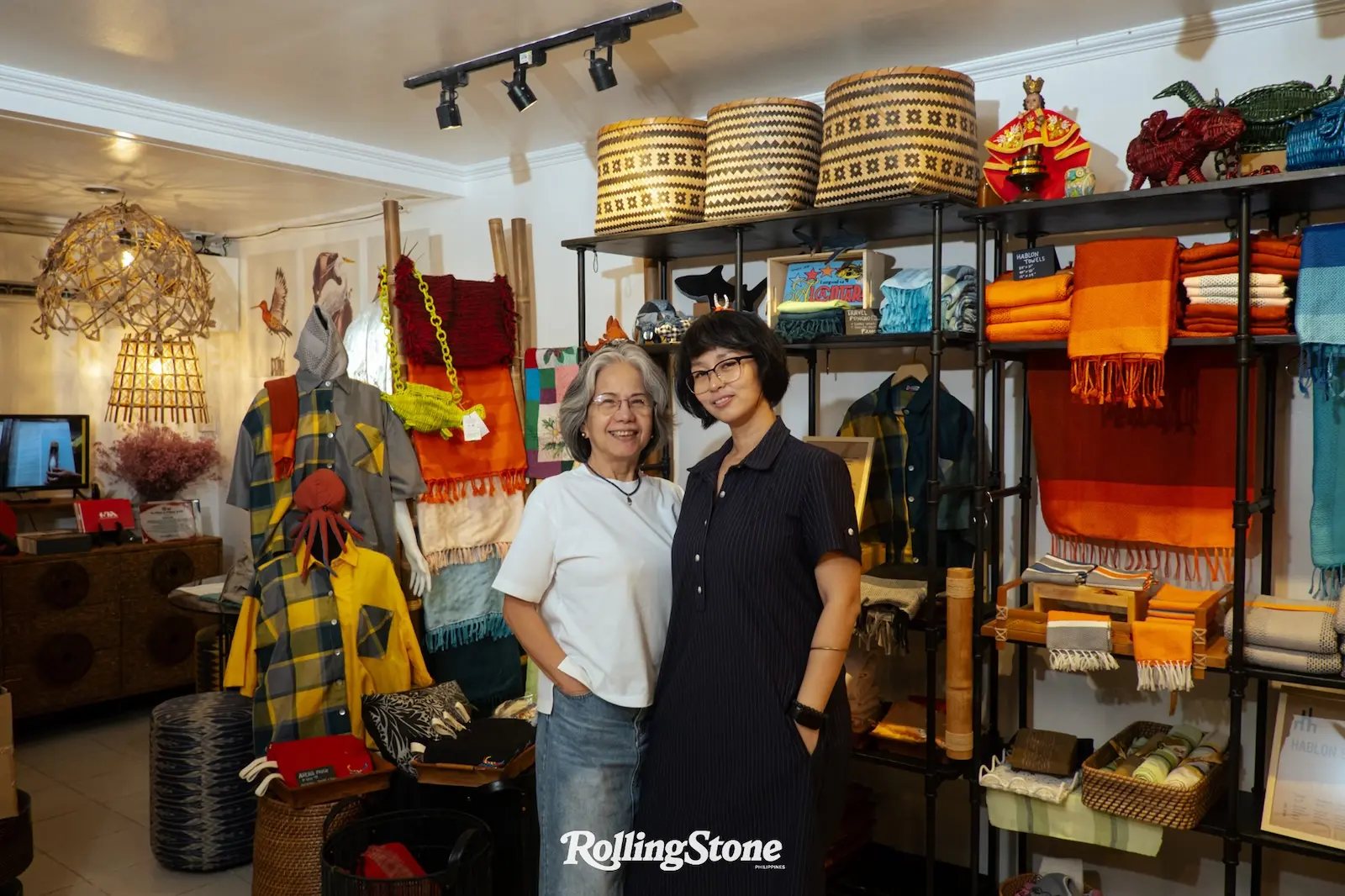
Tan and the managing team behind Atúa are also hoping to encourage more niche groups around Cebu to host their events, workshops, and gatherings at the hub.
“We want to engage with our microcommunities,” he says. “We’ve already had the ballroom community come here to teach visitors about ballroom culture. We’ve had a toy club, a boardgame club, a Broadway club, and that last one, they spent a day here singing as a choir. We’re very welcoming and non-judgemental!”
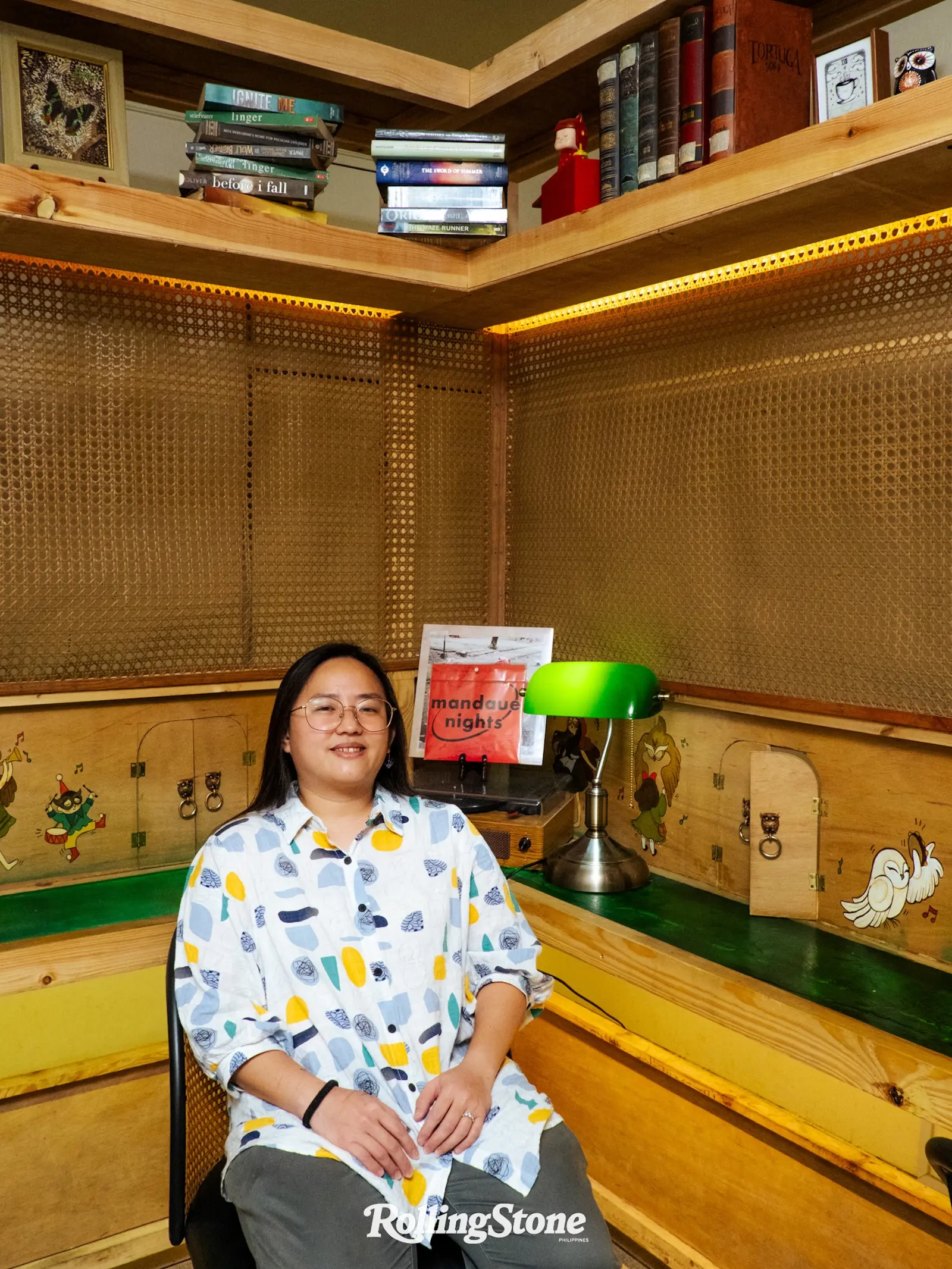
“We’ve also had cosplayers come in,” adds Batiquin, “from people who do fur suits, to people who do Genshin, to older folks who do war reenactments. Think ren faire, but Filipino. Imagine, those war reenactors are usually at Fort San Pedro, while the cosplayers are in J Mall. But here, they’re trading notes about how to hem a sleeve.”
Above all else, Tan is trying to create a creative community that lasts long after whatever the future may hold for Atúa. This quest, Tan concedes, has come with its own challenges and frustrations.
“It’s hard to get funding for the arts here,” he tells me as we finish our tour. “Worse na with the [Iran] war! As we always say, there’s always health, a disaster, or something more urgent. It’s much easier to raise money for a calamity, but for the arts, it’s so much harder to convince… especially in Cebu! People are always like, ‘Ay! Ka social!’”
“But it really shouldn’t be so hard,” he says just before we wrap up for the day. “This is an economy that we really need to keep alive. There would be no future for this community if we did not support it.”
Frequently Asked Questions
Atúa Midtown is a creative hub in Cebu City built inside the former Beverly Boutique Hotel. It hosts local shops, studios, and event spaces run by artists, designers, and makers, making it an unofficial gathering space for the creative community.
Atúa Midtown is located in the midtown area of Cebu City, with Eddie’s Log Cabin as one of its landmarks. It sits in a central urban location that makes it easy to visit alongside other Cebu City landmarks and dining spots.
Atúa Midtown’s tenants include a vinyl record shop, tattoo parlor, bookstore-bar, craft stores, a film lab, a café, a zine shop, and a rooftop taqueria.
Atúa Midtown opened in 2024 and was founded by Allen Tan, a Cebu entrepreneur known for the F&B industry and the annual Tubo Art Fair. The hub expanded with a new wing shortly after, reflecting strong demand from Cebu’s growing creative sector.
Atúa Midtown is an open creative hub that visitors can walk through freely. Individual shops set their own hours and pricing.
Recommended Video