

When Shang Palace first opened in 1993, the Chinese restaurant became a go-to for occasions and celebrations big and small. For decades, it was synonymous with high-end Chinese cuisine that brought both familiar and exciting flavors to the local dining scene.
Almost three years in since it reopened after halting its operations during the COVID-19 pandemic, Shang Palace has steadily welcomed new and old customers alike back. And now, with a slew of new chefs and a revamped menu, the restaurant looks to re-cement itself as one of the top Chinese restaurants in the country.
“This is a thoughtful reset of Shang Palace, one that builds on the restaurant’s longstanding reputation while elevating the overall dining experience,” the hotel says. “We wanted to reaffirm what guests have always loved about Shang Palace while introducing fresh elements that reflect today’s evolving dining expectations.”
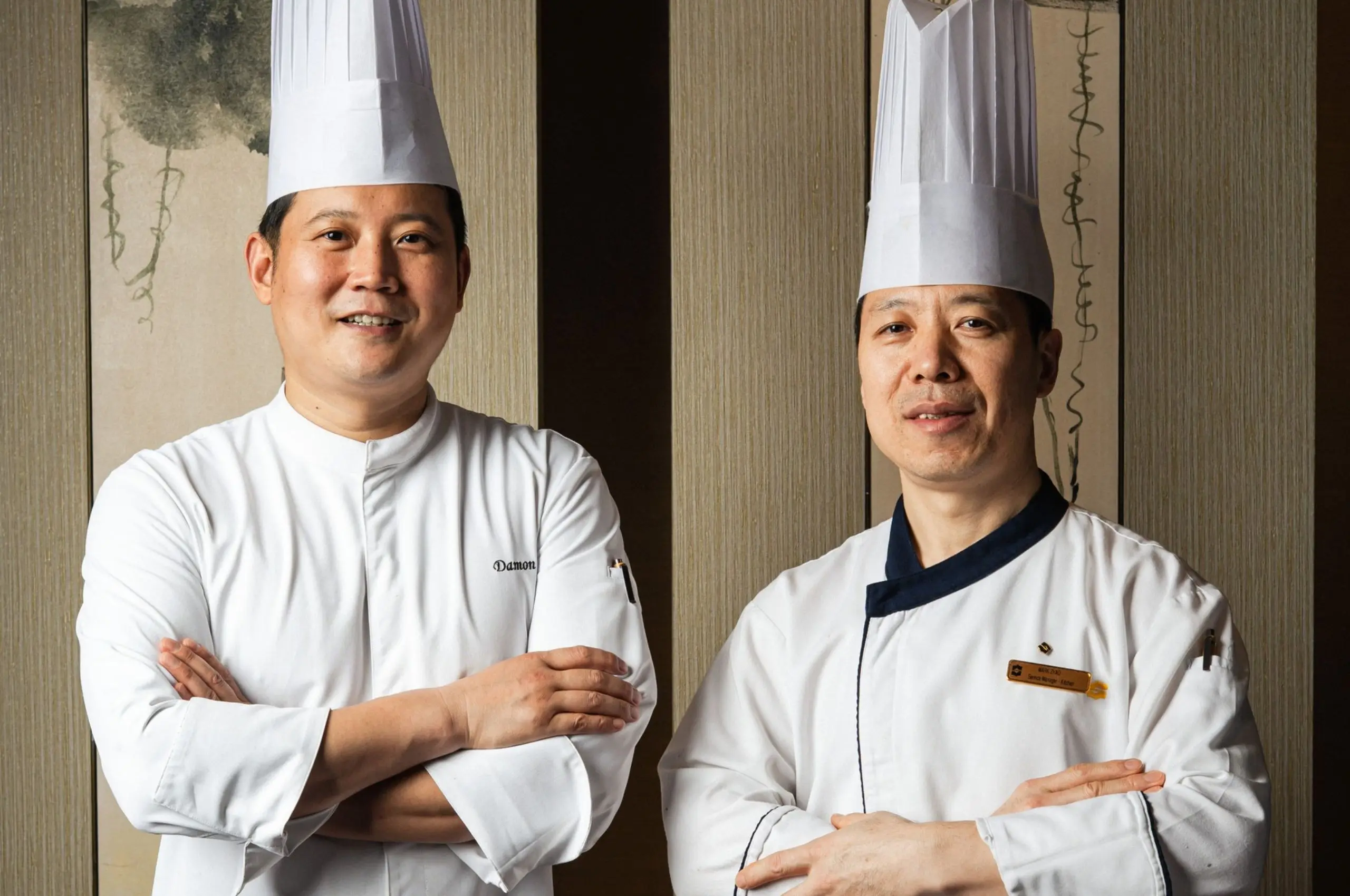
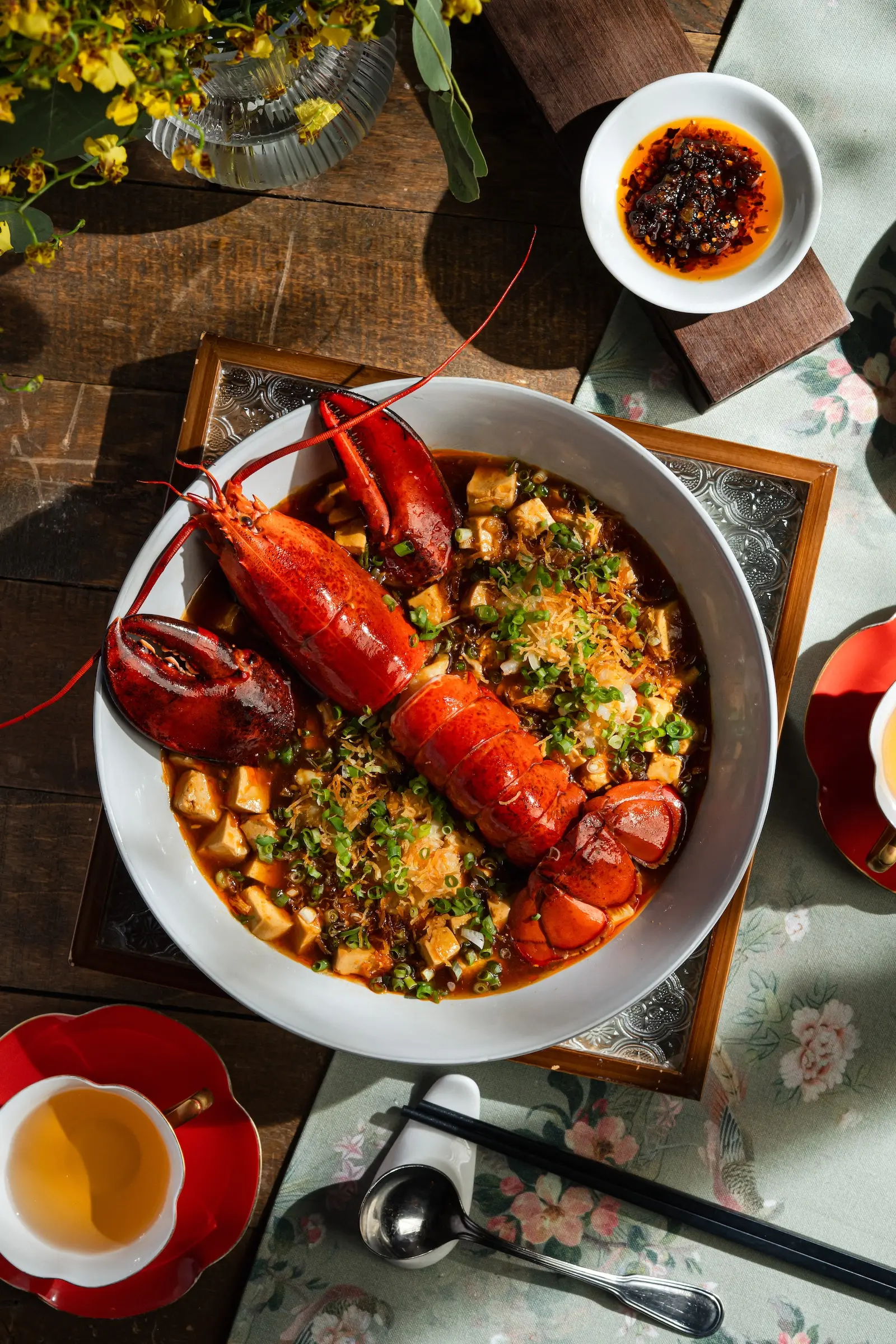
Leading this reset are Chinese Executive Chef Damon Ge and Dim Sum Master Mark Zhao, who developed the newly curated menu of Shang Palace. With decades of experience and skill between both of them, Ge and Zhao lend their culinary vision to an inspired menu that highlights authentic Cantonese and Huaiyang cuisines. Beyond that, their dim sum selection also gets an update as guests can treat themselves to handcrafted dim sum and signature specialties, all prepared with an emphasis on authenticity, craftsmanship, and premium ingredients.
Beyond the new menu, Shang Palace also gets a subtle makeover with tasteful refurbishments that bring a much warmer and contemporary aesthetic that honors the restaurant’s legacy. The hotel says that it’s “about honouring our heritage while ensuring Shang Palace continues to be one of Manila’s most distinguished destinations for exceptional Chinese dining.”
Chef Mark Zhao on the Art of Dimsum
In the Philippines, and I would assume other parts of the world, we have a very general understanding of dim sum, but how is it different in China? Are there regions that specialise in different kinds of dimsum?
Chef Mark Zhao: Most people only have a vague idea of dim sum, simply grouping cakes, buns, and bread under this term. In reality, dim sum in China has rich, categorized varieties, just like the Eight Great Regional Cuisines and modern fusion dishes. Every region boasts its signature dim sum with unique heritage and characteristics.
We have Cantonese dim sum, Huaiyang dim sum, Suzhou boat pastries, the classic Eight Beijing Pastries and countless regional snacks from across the country. Each style embodies its local food culture. I hope diners can savor these delicious treats while gaining deeper insight into the diverse culinary heritage of China.
The menu really celebrates the techniques and the many forms dimsum can take. Can you share more about the art of dim sum that most casual diners may not know?
Most guests judge dim sum merely by its appearance, taste and visual presentation, yet its production process is extremely intricate. Every single step matters greatly, from raw material selection and preliminary ingredient processing, filling and wrapper preparation, precise heat control during cooking, all the way to final plating for guests.
Take our King Prawn Har Gow as an example. Most diners assume the translucent wrappers are rolled out with a rolling pin, which is incorrect. Har Gow wrappers are made via a unique craft: chefs tap the dough gently slice by slice with a cleaver, then wrap seasoned whole prawns to shape the dumplings. This cleaver-tapping wrapper technique is a lesser-known artistic craft unknown to most regular customers.
The fillings had very clean flavors that didn’t overwhelm the wrapper. Can you share more about the importance and intricacies of each component?
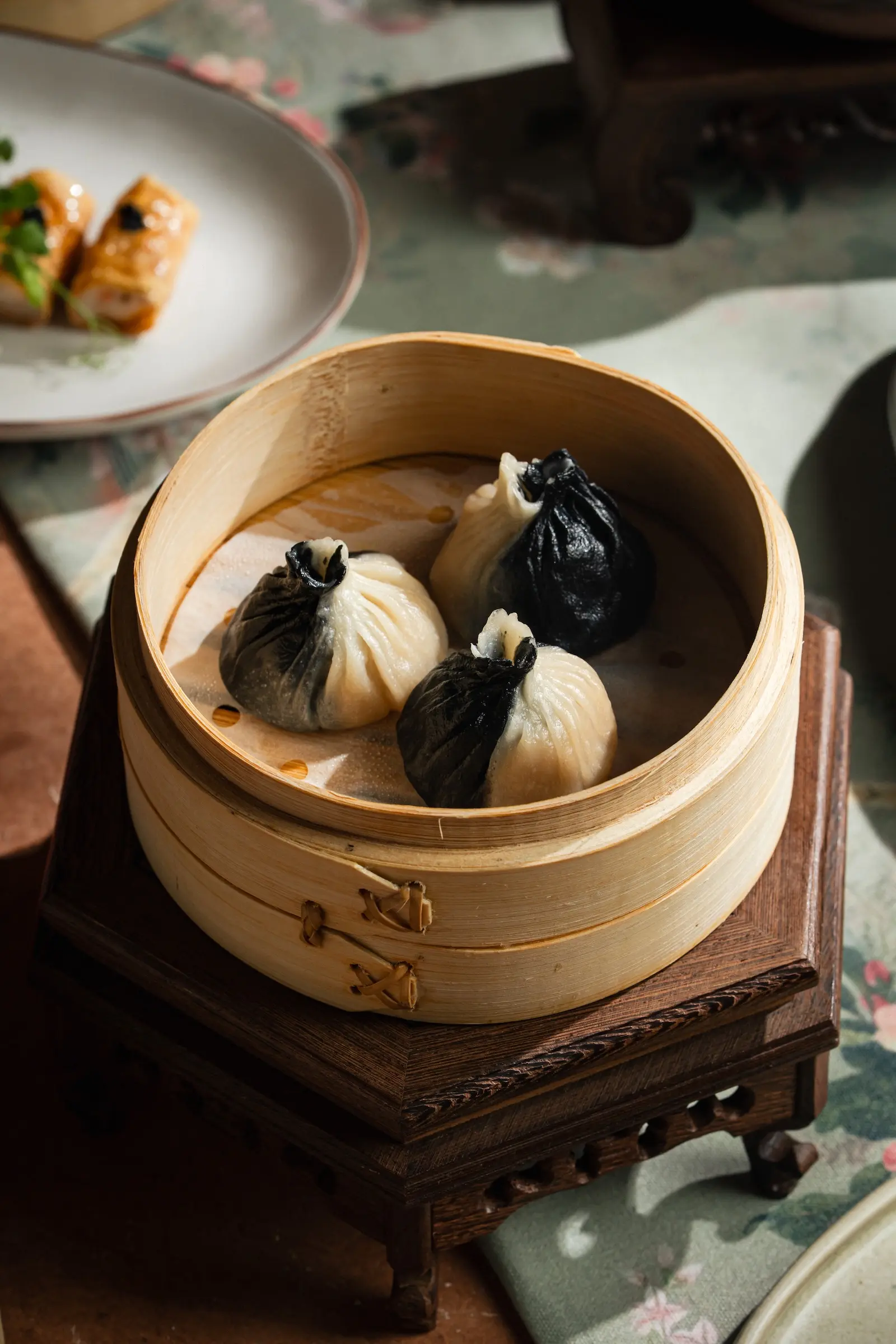
The precise, well-calibrated ratio between fillings and wrappers creates a perfectly balanced dim sum. Our Shanghai Soup Dumplings are a prime illustration: the wrappers are soft, resilient and crystal clear, encasing aromatic pork meat and abundant savory broth. The dough retains natural wheat fragrance while effectively locking in the juicy soup inside. This delicate craft carries generations of culinary wisdom and fully showcases the master’s refined skill.
Chef Damon Go on His Culinary Vision and Debunking Misconceptions
Beyond continuing the legacy of Shang Palace, what did you want to celebrate or focus on with this new menu?
Chef Damon Ge: While staying true to Shang Palace’s rich Cantonese heritage, our refreshed menu celebrates the authenticity and craftsmanship of both Cantonese and Huaiyang culinary traditions, thoughtfully presented with a contemporary perspective. What sets us apart is our commitment to preserving time-honoured techniques and authentic flavours while embracing refined, modern interpretations that resonate with today’s discerning diners. It is a careful balance of tradition and innovation, offering guests a dining experience that is both rooted in heritage and relevant to the present.
How do you balance catering to the demands of the diner with your own culinary vision?
Guest preferences lay the foundation for every dish we craft — food must resonate with those who dine with us. Meanwhile, my culinary philosophy is the soul of each creation. I build every recipe around Filipino guests’ authentic taste preferences and dining expectations, while staying true to preserving natural ingredient flavours and the core spirit of traditional Chinese cooking. I strike a harmonious balance between broad customer appeal and my personal culinary expression, so diners can enjoy satisfying meals while tasting my unique cooking style.
What are some misconceptions when it comes to Chinese cuisine that you want to address as head chef?
There are many one-sided misunderstandings about Chinese food overseas that I hope to clarify. One, many believe all Chinese food is heavy in oil and salt. In fact, traditional Chinese cuisine prioritises clean, natural flavors, featuring abundant light cooking techniques such as steaming, slow simmering and blanching.
Lots of international guests think Chinese food only offers sweet-and-sour flavours, with Sweet and Sour Pork being their sole reference. The Eight Great Cuisines featureFeatureA guest appearance by another artist on a song, usually credited as featuring or ft. in the title. Features introduce each performer to the other's fans, and they can sparkGo to Feature Glossary vastly distinct flavor profiles, including savory umami, rich sauce aroma, numbing-spicy, and mellow aged tastes, all fully represented in our menu through varied cooking methods.
And lastly, Chinese cooking is far more complex than many imagine. It follows strict standards for knife skills, heat timing, and seasoning. Rooted in thousands of years of food culture, it honours seasonal produce, dining etiquette and subtle flavours worthy of thoughtful appreciation.
Are there any personal stories or inspirations behind the menu?
This menu draws inspiration from my childhood memories and the core traditions of Chinese cuisine. Many dishes recreate the comforting homemade Chinese flavours I grew up eating, which form the unshakable foundation of my culinary identity.
Shang Palace is located on the second floor of Makati Shangri-La. You may call (02) 8813 8888 for more details.