

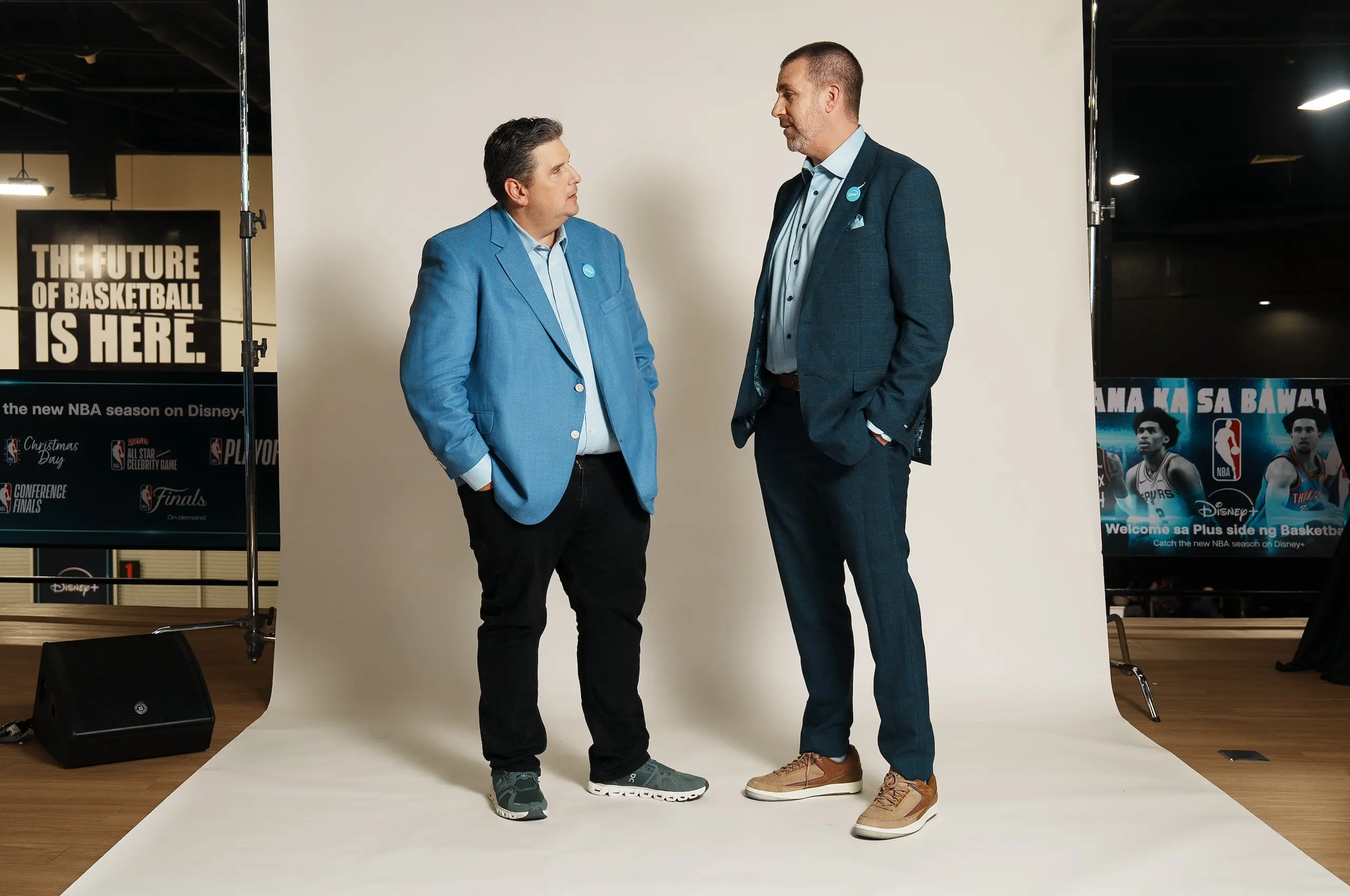
No matter how crazy the world has gotten, it’s still surreal to me to see sports journalists treated like the biggest rockstars in the world, but that’s exactly what happened when ESPN reporters and the hosts of The Hoop Collective, Brian Windhorst and Tim MacMahon visited Manila this month. Last October 5, they turned Shoot 360 Galleria into their own welcome party as fans cheered them on from the benches.
They were here for The Hoop Collective World TourWorld TourA series of concerts staged across several countries and continents, often lasting months and promoting a new album. A stop in Manila is a major event for local fans, andGo to World Tour Glossary 2026, which took them to Manila, Melbourne, and Macao ahead of the upcoming NBA season. Known for their sharp analysis and industry knowledge on all things NBA, the two hosted a live recording of their podcast here in Manila with special guest PBA legend and former Sacramento Kings player development coach Jimmy Alapag.
This wasn’t Windhorst’s first time visiting the Philippines, having been to the country in 2023 to cover the FIBA World Cup. Despite what he called a “filtered environment,” he saw firsthand Filipinos’ love of all things basketball, including those who report on it. So much so that in a span of 100 feet in the hallways of the SM Mall of Asia Arena, Windhorst would go through 30 to 50 selfies. The “Windy Shuffle,” as MacMahon describes it.
Windhorst calls the Philippines a cultural hub for basketball. “Not only do the Filipinos love the game, they love the stories about the game,” he tells Rolling Stone Philippines. “They truly are so invested in it, and I just loved it. Initially, I thought I was gonna go to Abu Dhabi first and then come to Macau, but as soon as I saw a window, I had to come to Manila. I want to come back more and more and more. I want to spend more time here and see more of it.”
This time around, Windhorst brought his co-host with him. “I got my hands holding on real tight to Windy’s coattails,” quips MacMahon. “Windy is immensely popular with basketball fans. I think it speaks to his talent as a storyteller, as a straight shooter, as somebody who has earned the respect of the basketball world and the basketball fans throughout the world.”
“[B]asketball, is a global phenomenon, a global economy. It’s that way because of the stories. If you take out the storytellers… you lose the fans. And we’re losing the storytelling.”
Still, despite the popularity, Windhorst admits he initially had to be dragged kicking and screaming to do live podcast shows, but these live shows are just par for the course when you’re one of the best podcasts out there. The two recall that years ago, as ESPN pushed for more podcasts in their programming, there were a handful of basketball shows in their slate fighting for audiences’ attention. In the beginning, Windhorst recalls ESPN having five different basketball podcasts a week, The Hoop Collective being one of them. And as time went on, five went down to three, and three went down to one, with The Hoop Collective being the last pod standing. “We’ve had several different partners over the years, but there’s something about us that sort of grew together, and it didn’t get created in the laboratory. It got created with repetition,” Windhorst says of his work with MacMahon on the podcast. “I mean, we have 10,000 hours of doing it. We’ve done it in the middle of the night, we’ve done it in hotel rooms, we’ve done it in NBA arenas. We’ve done it in closets. We’ve done it in basements.”
In this exclusive interview with Rolling Stone Philippines, the two discuss what makes their podcast special, what’s in store for the NBA, and dissect the tenuous state of sports media today.
The following has been edited for brevity.
What do you think makes a great podcast work?
Tim MacMahon: I think what makes us unique among NBA podcasts is our balance of enjoying it — joking around, and having a good time — with the intel. What makes us different than the vast majority of NBA podcasters is we are talking to people in the league on not just a daily basis, but usually, on an hourly basis. This is what we do. I guarantee you, of all the NBA podcasts out there, you won’t find one that talks to more people, that has more conversations, that spends more time learning behind-the-scenes information about the NBA.
Some of that information, we’re able to just straight up deliver. I would say 90 percent of that information, we kind of use as context to shape our discussions or opinions. I don’t think we’re that much of a hot take podcast. Windy’s definitely not a hot take guy. I don’t think we say a lot of outrageous things. I mean, most of the craziest things I say, I’m kidding, and I hope that’s clear to people. But again, I think it’s the work that we do to learn the NBA and to know what we’re talking about behind the scenes that allows us to deliver a podcast product that’s different than anybody else.
Brian Windhorst: At the start of every podcast, it sounds basic, but I do it for a reason, I say we talk about the NBA. It sounds like a real corny thing, but that’s what we do. We talk about the league. Now, sometimes, we meander, but you’re going to listen to us for 20 minutes or 45 or an hour and 10 minutes, and you’re going to hear about the NBA. We’re not going to mess around. We’re going to tell you about it. That’s number one. Number two, I want people to know we’re out there, we’re out in the field. Like, our people are on the ground, and we have these conversations, and we dig into it. The thing about it is, for better or worse, our podcast is very highly listened to within the teams themselves. So when we talk about a team, we know they’re going to hear us.
MacMahon: Which keeps us honest.
Windhorst: That’s right, and they definitely hold us accountable. Granted, that’s a small part of our overall audience, but we, very often, are a conduit where teams are almost talking to each other, either purposefully or unpurposefully. And that’s not something that I thought was going to develop. It’s not something that always is comfortable because it makes the job harder.
MacMahon: He said it makes a job harder that these people that we’re talking about are listening, in a lot of ways, it’s made my job easier, and I’ll tell you why. I know a lot more people in the NBA because I do this podcast. I can’t tell you how many times I’ve had an executive, an agent, an assistant coach introduce themselves to me. I know a lot more people around the NBA, and maybe on teams I don’t necessarily see that often, because they recognize me from the podcast. So this podcast has actually opened up a lot of doors for me as a reporter, just because it is listened to by people throughout the league.
Is a successful podcast, in some ways, the real measure of success now for sports journalists? What are you being measured today? Because before it would be for your writing or an award-winning cover story.
Windhorst: It’s a good question. I don’t have a clean answer. I think your audience either believes that you’re credible and know what you’re talking about, or they don’t. And the thing about it is, I believe it’s all writing. [In] television, when you give an analysis on something, that’s writing, you didn’t actually write it down, necessarily, but you’re writing it. Podcasts, when we prepare and have something we’re going to say, that’s writing, and obviously writing is writing. It’s all writing. It’s the same process. You report, you research, you compose, you deliver. At the end of the day, the fundamentals that we used when we were newspaper reporters, back when newspapers were the lifeblood, are the same thing we do here. It’s just a different delivery. So we’ve had to learn different deliveries, but it’s the same fundamentals. But I will say that it is a constantly changing environment, and we’re constantly reassessing.
MacMahon: And there’s value in versatility. I’ll be honest with you. I am just now, these last few years, starting to carve out a significant role on the television side. I’m not like Windy, where every time you walk by a TV at an airport or whatever, you look up and you see Windy. I’ve carved that out. This podcast is part of the versatility. Obviously, both of us are writers at our core, came up as writers, and so in the modern-day media, the more you can do, the better chance you have of surviving.
“[T]here will always, always, always be value in real reporting and a need for real reporting.”
Speaking of writing, Brian, as someone who wrote the book on LeBron James, how would you describe this era of his career and the decisions he’s making?
Windhorst: This summer, he went on this reunion retreat with his [Cleveland Cavaliers] teammates, and it was a really important moment, not just to celebrate that championship, but he really — it took him a long time to develop close relationships with teammates. He would be close with them when they were on his team, but not necessarily after… And obviously, at the end of the day, you’d rather have the ring than the friendship. Jordan made that clear, but there’s something to be said for doing something in a way that is enriching with a friendship, and Jordan didn’t really have that in the end, and for a long time, I don’t think LeBron did either.
To see him back there with the gray in his beard, and the wine, and the golf clubs and the cigar, and just appreciating that, like that to me, was someone who was content. I mean, he’s still not content. He’s still playing hard and whatever, but like, if I showed LeBron that picture when he was 25 years old, he would not have believed it. But if I said you were at a place in your, at age 41, that you could have this sort of day with your teammates, celebrate a championship for Cleveland, I think he would have loved that to be the story of his career. So that was really a telling seminal moment that sort of showed where he’s at at this spot in his life.
It’s now sort of come to light, and it’s my understanding, that he really wanted to go to New York. And the crazy thing is, the Knicks wanted him for decades. It’s such a strange thing to say that because you don’t have a career that long, but they literally wanted him for decades. It reminds me so much of this movie, Swingers, which I shouldn’t reference because it’s like from the ‘90s and people don’t know it, but this movie is about this guy who pines away for his ex-girlfriend and whines and whines and whines. And the moment that he starts going out with a new girl, she calls. He begged for her to call for weeks on end. She finally calls, and he goes, “I got to go,” and hangs up on her because that’s life, you know? The Knicks waited for LeBron to call for decades, and in the one year, in the last 25, that LeBron wants to be a Knick, they’re not interested. They’re like, “We got to go to the parade. We’re good. Bye.”
MacMahon: He didn’t feel like he could hop on to a team that just won a championship.
Windhorst: And they weren’t going to take him anyway. So, it’s actually a fascinating story. And so he picked the Sixers. They do have a really good team. It’s not just a total black-and-white thing, but he wanted to live in New York, and he picked the Sixers, at least in part, so he could live in New York.
MacMahon: Just like he picked the Lakers primarily because he wanted to live in L.A.
Windhorst: Right. I didn’t understand that when he announced it, but it now is very clear to me, because on his first practice as a 76er, at training camp, where there’s bonding with your teammates and everything, he immediately gets in the helicopter to go back to New York.
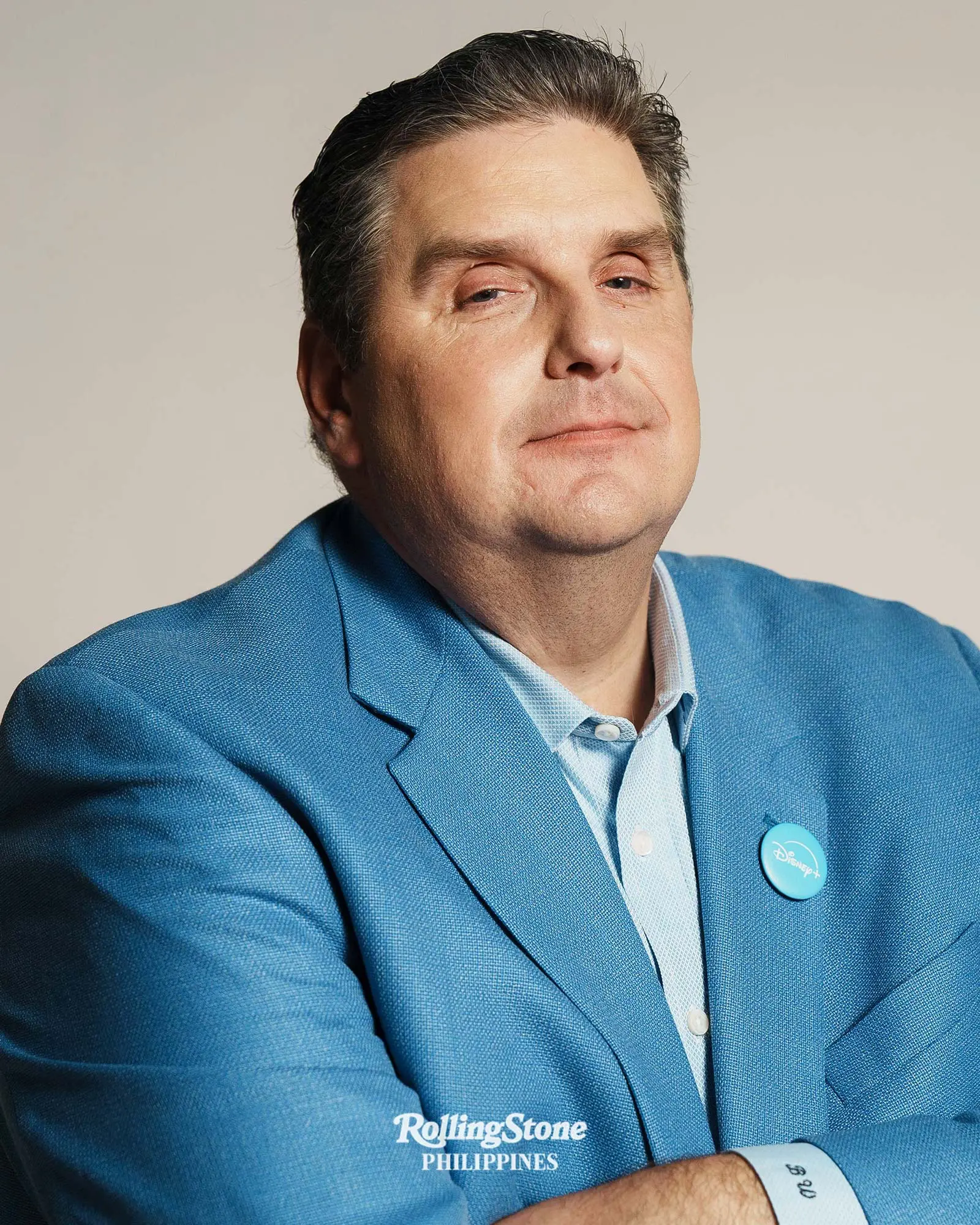
And Tim, with Luka Dončić, just a few years ago, he seemed like he was going to be the face of basketball for decades, but his current stint with the Lakers, hasn’t really played out well. As someone who covered Dončić a lot when he was still with Dallas, what are your biggest concerns for Luka this season and beyond?
MacMahon: Honestly, I think the biggest concern is just how the Lakers are going to be able to put a championship-caliber supporting cast around him. If you look at the betting lines in Las Vegas, this is a roster that is projected to win 46-47 games. That’s it. And it’s a long way from 46 to 47 wins to San Antonio and Oklahoma City at the top of the West. So I just don’t know how the Lakers are going to be able to bridge that gap. With Luka, he’s gotten himself into maybe the best shape of his career. Certainly, I think the best shape since his rookie year. There’s no question he’s one of the most gifted offensive players that we’ve ever seen, much less in the league today. He’s a perennial MVP candidate. This is year nine for him. He’s got a Finals appearance. He doesn’t have a championship, and there’s a certain point in a guy’s career — LeBron got to this point before he went to Miami, and especially after his first season in Miami — where when you are that good, but you don’t have a championship, there’s a burden that comes along with that, and he’s carrying that burden right now.
“The concept that players are feeling the pressure to take less money to help deliver their teams winning, it’s a new world.”
The NBA has been defined by the player empowerment era for years, starting with LeBron. As the league moves away from that, how would you describe the next era of the NBA?
Windhorst: There’s this pressure that’s building to take less money.
MacMahon: Yup.
Windhorst: Because the aprons are forcing decisions. Right now, with Karl Anthony Towns, the debate is how much less money should Karl Anthony take? I mean, it’s kind of preposterous, right? The concept that players are feeling the pressure to take less money to help deliver their teams winning, it’s a new world.
MacMahon: There is this pressure — and these guys are all rich — on the millionaires to sacrifice financially, and the billionaires benefit from it. We can talk about the second apron, but go back and listen or read what Sam Presti said in his preseason press conference this year. I’ll kind of summarize it, but he laid it out very clearly: There’s nothing in the second apron that prevents you from keeping a championship-caliber team together. All the limits in the second apron, they’re limits to roster building. The thing that threatens keeping a championship team together is the financial component of it. It’s the luxury tax payments, which, you know, the deeper you get into the second apron, the more you pay. That’s what the Thunders are looking at in a year. How much of a financial pain threshold does Clay Bennett, their owner, have to keep together a core of Shai Gilgeous-Alexander, Chet Holmgren, Jalen Williams, and the supporting cast around them. The San Antonio Spurs aren’t too far away from that.
Jim Dolan, I mean, you could still smell the champagne and the cigar smoke, I don’t even think the championship parade had even happened, and he puts up this concrete wall and says, “We cannot go through this to get on the other side of the second apron.” Why not? You’ve built a championship team in the biggest market in the NBA. Why can’t you go on to the second apron? Who cares if a pick is frozen or if it’s harder to make trades? You’ve got a championship team. It’s built. You don’t have to keep building. It’s built. Why can’t you keep this core together? That is what we’re looking at. And it’s funny. I’ve had people tell me that they’re actually happy with Nico Harrison for trading Luka Dončić. This are people not with the Lakers, with other teams, because they felt like that was the death knell in the player empowerment era. I would push back on saying the player empowerment era is completely buried. Kawhi Leonard just got to pick his destination and got a $115 million, two-year extension, while leaving a flaming wreck behind him. He was pretty empowered in that situation.
How do you think that will affect the integrity of the game? If now, players are being forced to take less money or else.
Windhorst: I don’t think it will affect the integrity of the game. But I do think it’ll affect the star players’ relationship with their fan bases. As a star player, you’re expected to deliver in the clutch. Now, if you’re expected to deliver in the clutch, and also, you know, write your checks to your own teammates, that’s a different level of demand. So, honestly, I don’t think it can stand. I think that is a powder keg, where someone’s going to lash out, and there’s going to be some collateral damage, some wreckage. I just don’t know what it’s going to be.
MacMahon: And the players’ union has already started pushing back strongly on that. And again, I don’t think it’s fair to the players. These guys are the faces of the franchise. They’re on TV 82 — if they’re lucky — 100 or 105 times a year. They’re talking to the media. Fans hear from them. Where the billionaires get to kind of sit in their luxury suites and, you know, don’t do press conferences. I think there’s got to be, if anything, shared sacrifice. Or the guy with the bigger net worth should do more of the sacrificing.
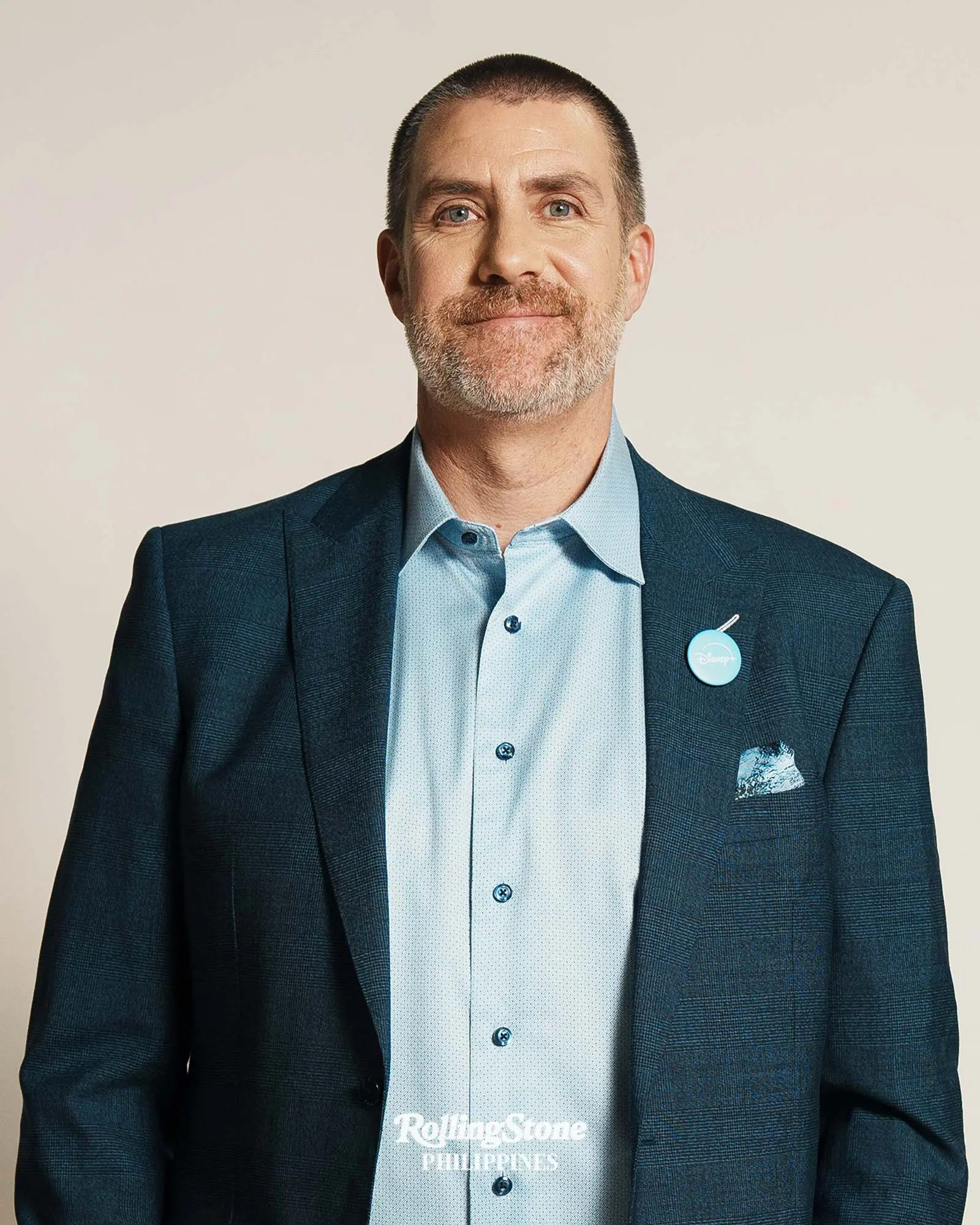
“[C]ontent creators, while vital, are not always responsible, either to journalism processes or worried about relationships with the teams and the players.”
How do you think sports media will be in the next couple of years?
Windhorst: So we’re moving more and more every single day to media being driven by content creators. But content creators, while vital, are not always responsible, either to journalism processes or worried about relationships with the teams and the players. Ultimately, there is a level of accountability that exists between the established media and the teams in the league because they hold each other accountable. I am a big consumer of content creators, not necessarily in basketball, but other things I have interest in. So I absolutely recognize their value — and it doesn’t matter what I think, they’re going to be there, anyway — but the media and the leagues worked in a system where they benefited from each other. While they were often angry at each other and fighting with each other, they benefited from each other. The content creation model is not necessarily set up that way. In theory, it is, but there’s no accountability, or very little, and so the fact is this: the coverage of the teams is dwindling, the storytelling is dwindling. There’s a reason why the NBA puts in the players’ contracts that they have to talk to the media. It’s not because they like the media and they want to be good guys. It is a lifeblood of the structure of the leagues and the players don’t have a healthy relationship with the media, and it’s deteriorating in some regard every year. So, it is something that I am moderately worried about. I am not one of these people who are like “Back in my day…” but I see numerous NBA teams that have next to nobody telling their stories, and that is bad for business. It is bad for the players’ business. It is bad for the league’s business. It is bad for our business. So it’s something I’m worried about.
MacMahon: Yeah, and as far as the direction of the media, like what’s next, I have no idea. I mean, social media is such a big part of our daily lives. When Windy and I started in media, it didn’t exist. We’re here on this tour for this podcast, I didn’t know what a podcast was until like 2015 or ‘16. So like, what’s next? I don’t know. We’ll find out. But there will always, always, always be value in real reporting and a need for real reporting. And honestly, there’s teams that don’t have a beat writer now. It’s crazy, but unfortunately, the newspaper industry, it’s tough, and there have been layoffs, and there have been major metro papers that have decided, basically, we don’t need a beat writer on. For example, the Sacramento Kings don’t have a beat writer right now. The Los Angeles Clippers don’t have a full-time traveling beat writer right now. That’s not only bad for their fans, but it’s bad for the national media. If something goes down with the Los Angeles Clippers in a road game, there might not be any press.
What is lost when beat writers are gone?
MacMahon: Just the day-to-day chronicling. You lose the record, right? You lose the context of a team’s season. You lose the context of this chapter in a franchise’s history. That’s when things are going well, that’s when things are going poorly. And honestly, it’s not good for that franchise. It’s not good for the league. It’s not good for our industry. Unfortunately, I don’t think it’s something that a franchise can fix. Now, there are several teams that employ traveling reporters, but it’s a different deal if you are a reporter employed by that team. There are questions you’re not going to ask. There are storylines you’re not going to report on or investigate. There are stories you’re not looking to uncover. And so, I don’t know the answer. It’s an economical question as much as anything, but it’s definitely a concern for the industry.
Windhorst: It’s not just throwing a round ball through a round ring. The reason people are passionate about it is because they’re passionate about the people that put the round ball through the round ring. And yes, life is probably overall better when the players have direct access to their fans, which they didn’t 20 years ago, and they do now, but if you lose the story, if you lose the storytellers, you’re going to lose everything. You know, the phenomenon of basketball, it’s a global phenomenon, a global economy, it’s that way because of the stories, the stories of the games, the stories of the players, the drama. If you take out the storytellers, yes, some of the people’s lives will be better. I’m sure many players would love to never do any interviews again. But if you lose the storytelling, you lose the fans. And we’re losing the storytelling. And the beat writers are the bedrock principle of the storytelling. And you know, people think that storytelling means big long stories. No, you can tell a story in 10 seconds. You can tell a story in 10 hours, in 10 chapters.
This is what I say till I’m blue in the face: the league needs storytelling. Ask Disney, the company that I work for. You can’t have the ride at Disneyland, you can’t have the merchandise, you can’t have the sequel, you can’t have the movie, you can’t have the movie star until you have the story. The entire company is built on story. Now, in basketball, the operation is built on the talent of the guys throwing the ball through the ring. But if you want to do more than just the competition, and they all do, you’ve got to have the stories. That’s the essence of what matters. And so, I just see it under threat.
Catch the latest season of the NBA on Disney+ beginning October 22.
Recommended Video