

Recent years saw the rise of video podcasts, with creators discussing everything from pop culturePop CultureThe everyday entertainment, trends, and media that large groups of people share, including music, film, television, fashion, and online content. Pop culture reflects what a society cares about at aGo to Pop Culture Glossary, sports, social issues, and literally anything that comes into the sun. Comedic podcasts are also one of the most famous types, thriving with the goal of making audiences laugh. However, many “comedians” seem to forget that there is a strict line between comedy and blatant mockery, and even worse, ableism.
A podcast called Machong Chismisan recently received backlash after their now deleted October 5 episode contained ableist comments directed towards Kris Aquino’s son, Joshua, who is on the autism spectrum. Several celebrities like television host Boy Abunda, civil groups, and advocates condemned the remarks, with Aquino herself speaking up in an Instagram post. Senators Risa Hontiveros and Erwin Tulfo also brought to light the protection of persons with disabilities (PWDs).

Many Filipinos may be aware of the 20 percent discount and the Value Added Tax (VAT) exemption accompanying the PWD identification card, but these benefits are only among the larger set of legal protections (including pending bills) meant to uphold the rights and dignity of the PWDs.
The Magna Carta for Persons with Disability
The primary law for PWD protection is the Magna Carta for Disabled Persons or Republic Act (RA) 7277, enacted in 1992, which saw various amendments over the years. The act was focused on adopting policies that ensure the “rehabilitation, self-development and self-reliance of disabled persons,” as well as their full participation in society by prohibiting disability-based discrimination in employment, schools, transportation, and other public accommodations.
This law was later amended by RA 9442 in 2007, which updated its title to The Magna Carta for Persons with Disability, and granted PWDs at least a 20 percent discount in all basic services.
It also specifically introduced provisions against public ridicule and vilification of persons with disabilities, recognizing that such acts can be done in writing, through speech or words, or via physical actions and gestures, anywhere. It also imposes a fine ranging from P50,000 to P200,000, and imprisonment of six months to two years.
RA 10524 in 2012, meanwhile, amended Section 5 of RA 7277, which strengthened the opportunities of PWDs in employment. It states that at least one percent of all positions in government agencies, offices, or corporations “shall be reserved for persons with disabilities.”
In 2016, RA 10754 amended Section 32 of the original law, expanding the privileges, commercial benefits, and tax exemptions of Filipino PWDs to match those of senior citizens, including VAT exemption on qualified medical and health-related purchases. By 2019, RA 11228 added new amendments to the Magna Carta, providing mandatory PhilHealth coverage for PWDs and automatically enrolling them under its National Health Insurance Program (NHIP).
Some Pending Bills
National Disability Support Act
This year, Senator Bam Aquino filed Senate Bill (SB) No. 2386, which proposes a monthly support of P2,000 for qualified PWDs through the National Disability Support Allowance Program. In its first phase of implementation, its priority beneficiaries will include children and adults with significant disabilities. It seeks to expand its reach to adults with moderate disabilities after the first three years.
The National Autism Care, Support, and Inclusion Act
Senate Bill No. 1822, which Senator Risa Hontiveros sponsored and has now passed the third reading in March, seeks to establish a national policy for the government’s “response and care” for those with autism spectrum disorder (ASD). This includes enhancing early screening protocols and expanding the network of developmental pediatricians, specialists, and trained doctors, strengthening inclusive education, and providing structured assistance from childhood to adulthood. It also aims to address “stigma, bullying, and discrimination” against persons with ASD.
Senate Bill 1405
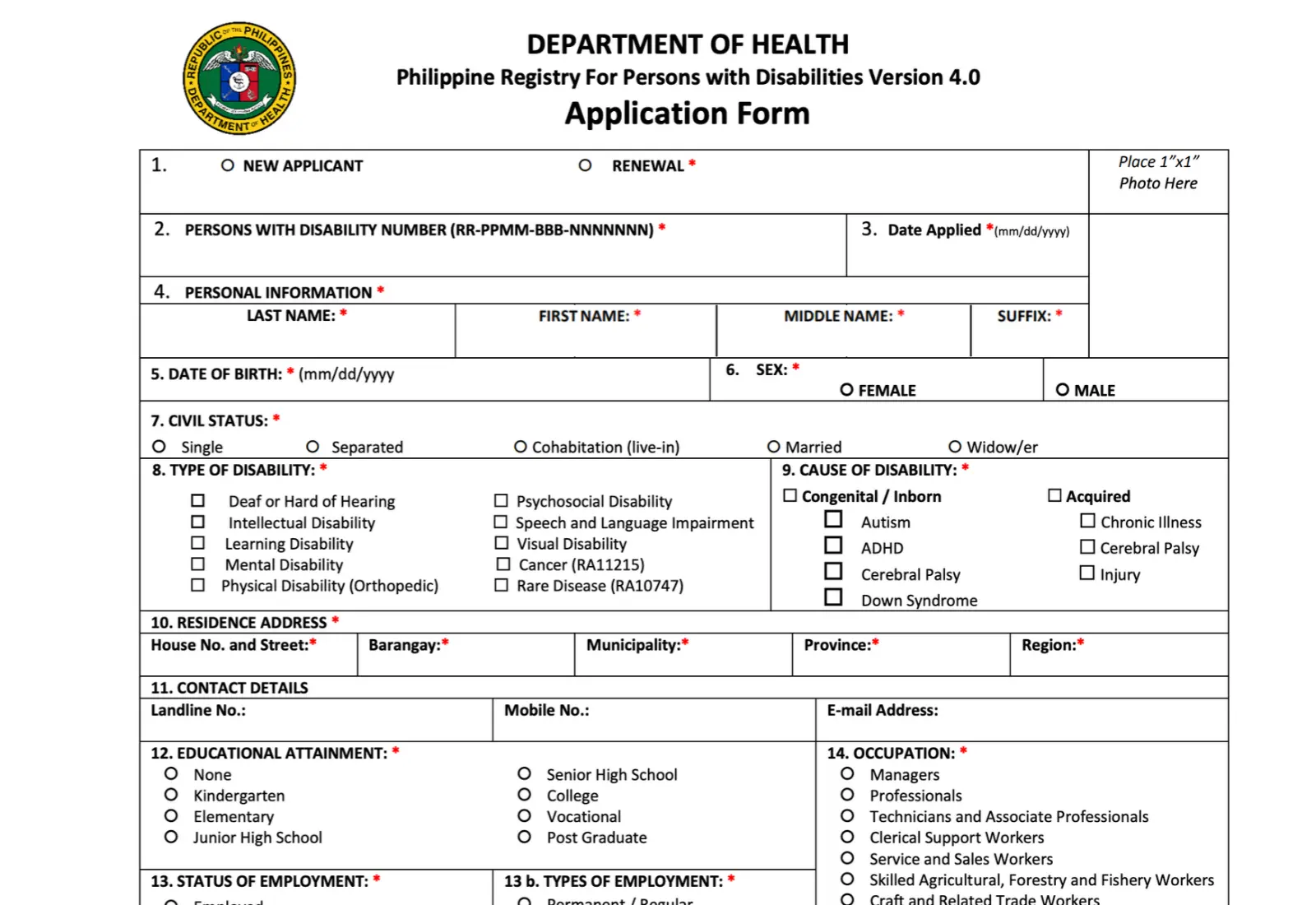
Filed last year by Senator Erwin Tulfo, SB 1405 aims to amend RA 7277 by granting PWD identification cards a lifetime validity and making them free of charge. This would replace the initial law’s existing guidelines requiring PWD IDs to be renewed every five years.
FREQUENTLY ASKED QUESTIONS
The Magna Carta for Persons with Disability, originally Republic Act 7277, is the primary Philippine law protecting PWDs. It promotes rehabilitation, self-reliance, and full social participation, and prohibits disability-based discrimination in employment, schools, transportation, and public accommodations. Amendments, including RA 9442, expanded its protections and benefits.
Yes. RA 9442, which amended the Magna Carta in 2007, prohibits public ridicule and vilification of persons with disabilities, whether through writing, speech, or physical gestures. Violators face fines of P50,000 to P200,000 and imprisonment of six months to two years.
PWDs are entitled to at least a 20 percent discount on basic services and VAT exemption under RA 9442 and RA 10754, which aligned their privileges with senior citizens’. RA 11228 also provides mandatory PhilHealth coverage, and RA 10524 reserves one percent of government positions.
Senate Bill 1822, sponsored by Senator Risa Hontiveros, is a proposed national policy for government response and care for people with autism spectrum disorder. It covers early screening, developmental pediatricians, inclusive education, support from childhood to adulthood, and addresses stigma, bullying, and discrimination. It passed third reading in March.
Senate Bill 2386, filed by Senator Bam Aquino, proposes a P2,000 monthly allowance for qualified PWDs. Senate Bill 1405, filed by Senator Erwin Tulfo, would make PWD IDs free and valid for life, replacing the current five-year renewal requirement. Both remain pending.
Recommended Video