

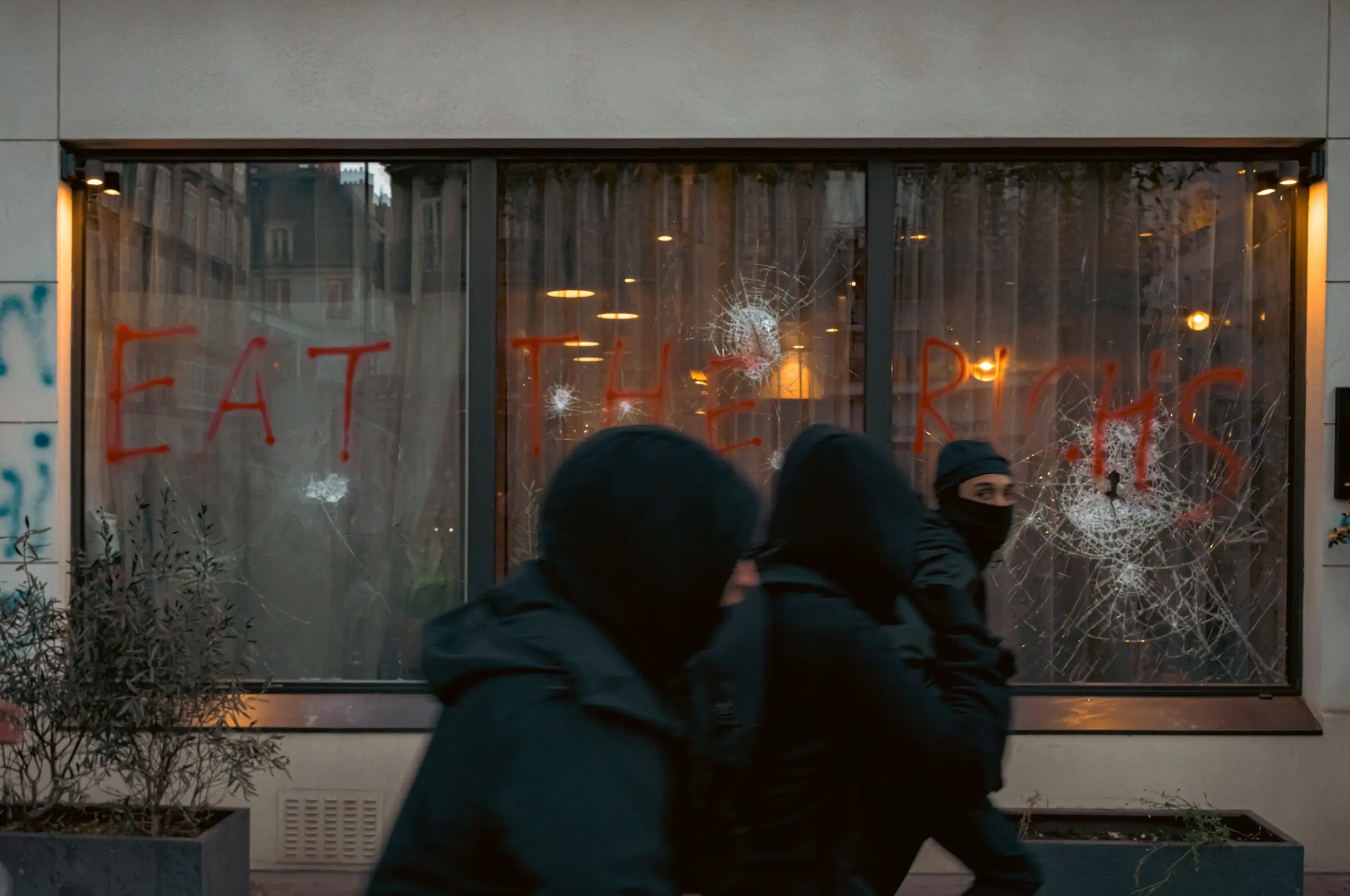
Photographer Gab Mejia was returning from a sustainability fellowship in the South of France when he witnessed the mass demonstrations in Monaco, Nice, and Marseilles on a train ride. Getting back into Paris and seeing the magnitude of the protests there was a different experience altogether.
“You could really feel the sacred rage that’s happening right now,” Mejia told Rolling Stone Philippines, describing what it felt like to be on the scene with the youth, activists, and his co-fellows. “[They’re] all enraged by the state of the western world and how the leadership and competencies are bursting in cracks of the city that was built on stone and mortar,” he added.
The protests in France began in early September, with high school students at the forefront, voicing their frustrations with the poor school conditions and rising cost of living. The demonstrations escalated on Saturday, October 17, as hundreds of thousands of students and protesters arrived on the streets. Reuters reported that over 550,000 people mobilized all over France, with more than 100,000 marching in the capital.
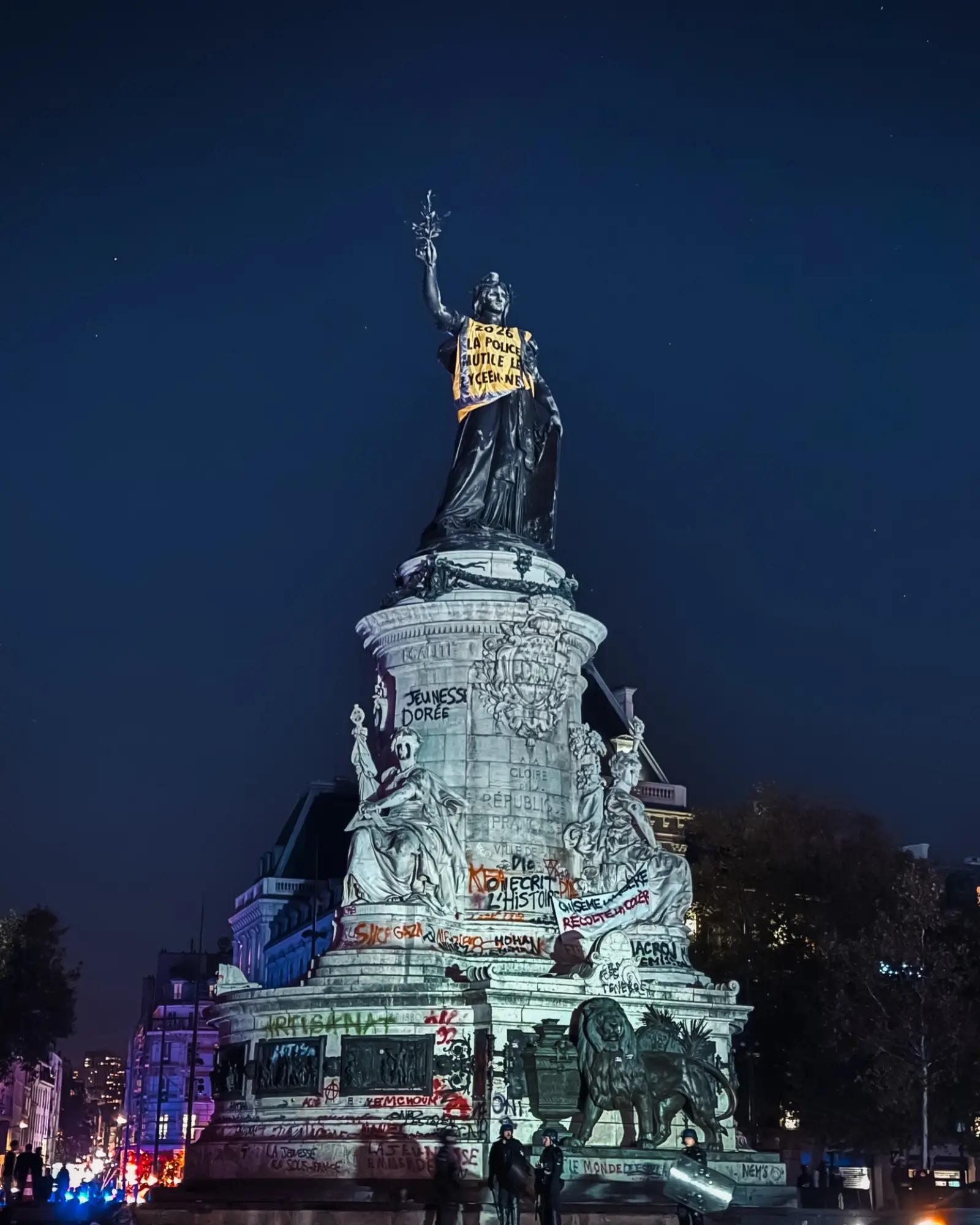
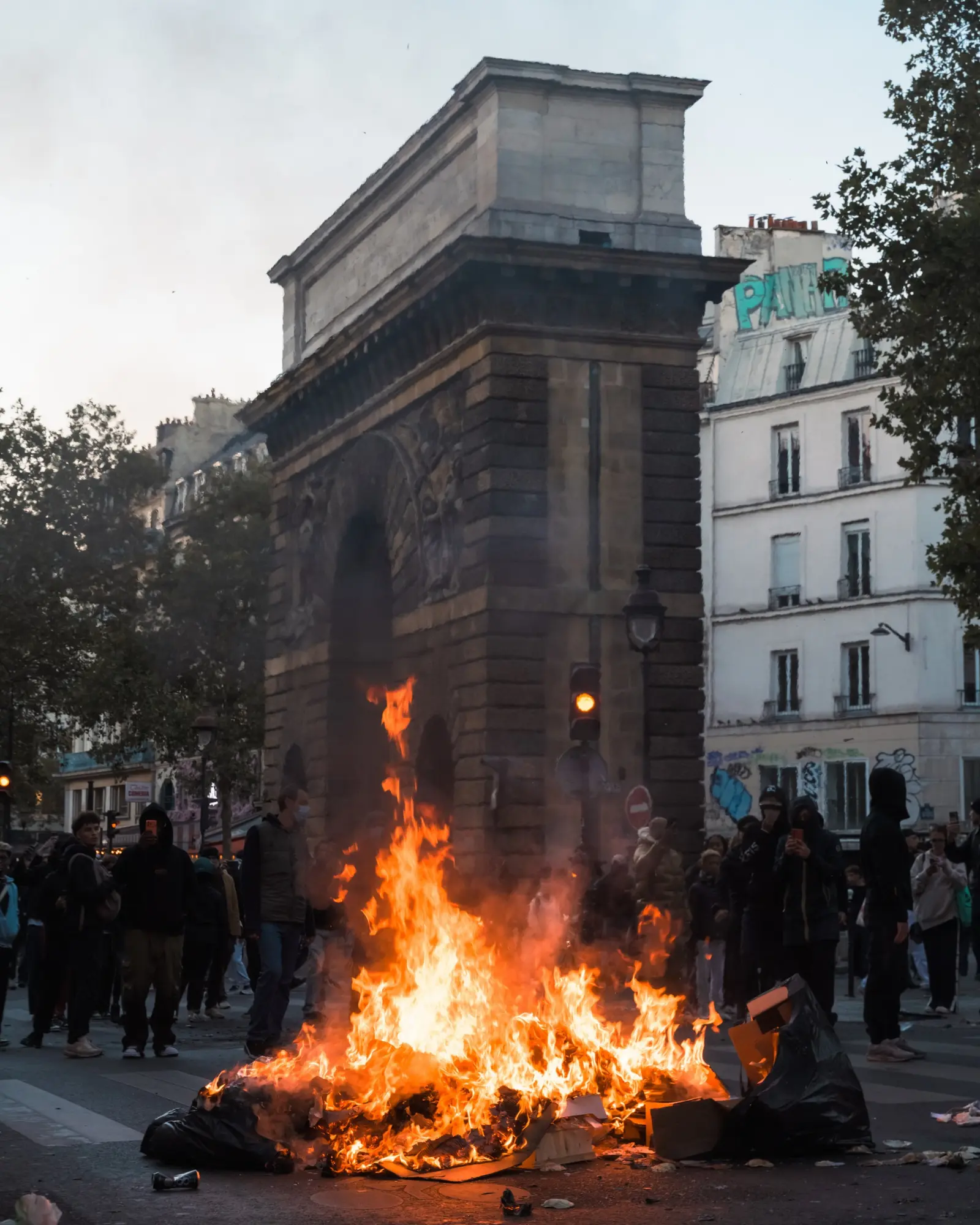
With that scale of a protest, Mejia said that looters took advantage of the situation, resulting in the ransacking and riots. He detailed how fires became a barricade between the protesters and the police, and hazes of tear gas lingered as explosions continued. There were also burnt bikes and shattered glass that marked several areas. Even Mejia experienced being tear-gassed himself.
Al Jazeera noted that there were groups of black-clad, masked men who smashed windows and stole goods from shops. According to their latest report, more than 2,500 people across the country have been taken into custody.
Much of the media reported on the riot that arose, which inevitably led to immediate judgments from outside the movement and has affected the perceptions of people all the way back to the Philippines. In an X post, French Prime Minister Sebastian Lecornu blamed the “ultra-left” and criminals, which further shaped the public’s reaction. Yet Mejia was wary of allowing the chaos to define the protests as a whole.
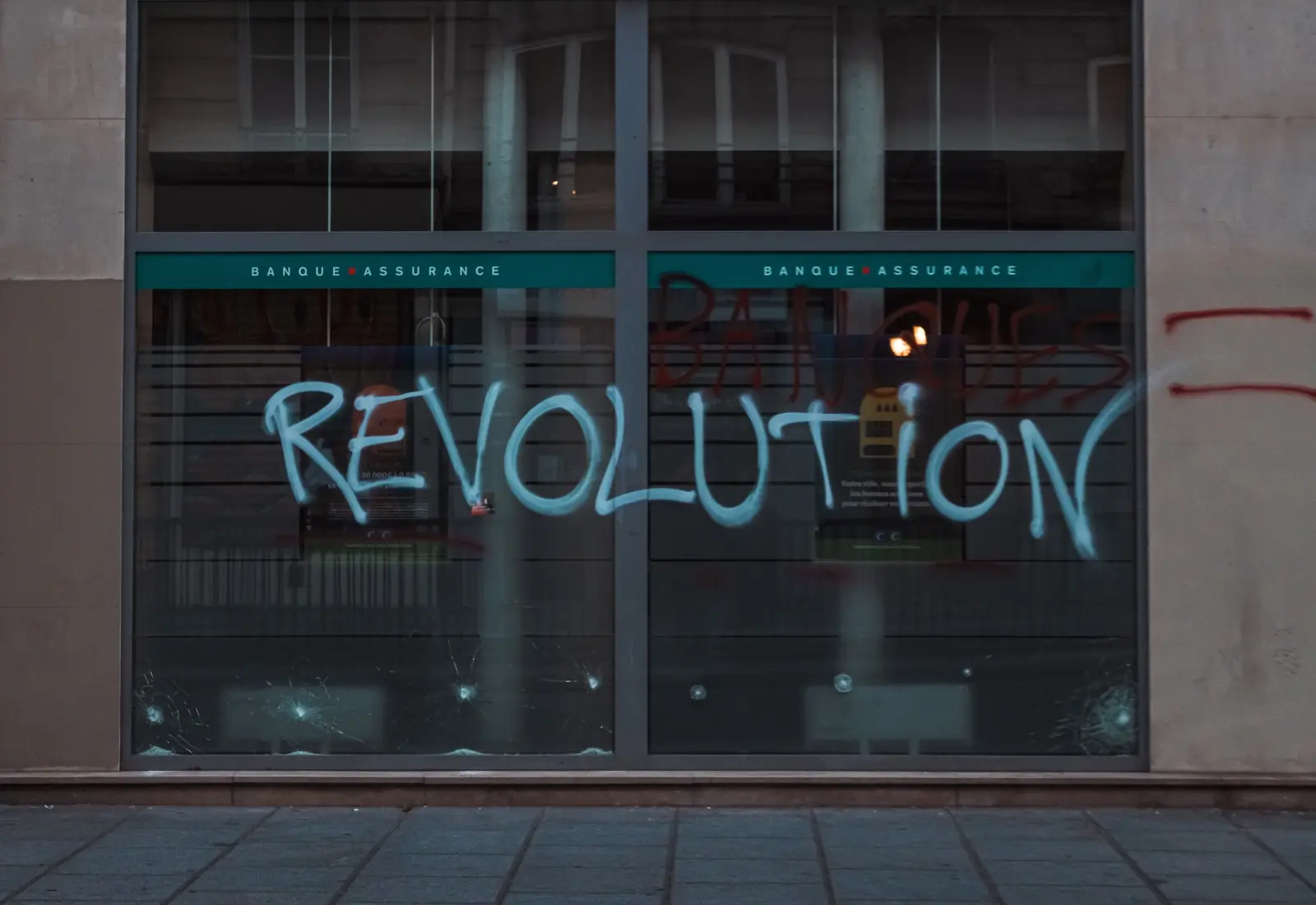
“I don’t want to focus on the violence, actually, because that’s what [this] narrative wants,” the photographer said. For him, the mainstreamMainstreamThe ideas, styles, and works that reach the widest audience and dominate popular attention, such as radio hits and blockbuster films. The word is often set against indie or underground,Go to Mainstream Glossary media has politicized the violence, with others using the looters as a “scapegoat” to divert from the main issue of systemic failure: the weak education system and the rights of the people who only demand a “better future and a more livable planet.”
What the media did not fully capture, though, was the layers or the complexity of the mass movement. “Things that you don’t see in mainstreamMainstreamThe ideas, styles, and works that reach the widest audience and dominate popular attention, such as radio hits and blockbuster films. The word is often set against indie or underground,Go to Mainstream Glossary media during the protests are activists dancing and singing, creating music in [Place de la] Republique, in this grand historic plaza,” he said. He added that there were even protesters who were helping the hopeless get food.
Mejia described the demonstrations as an “archipelago” and a “cacophony” of various movements, which coalesced from calls for better education, to Free Palestine, to climate action, as well as the “Bismillah” slogans: “A mix of all these multiple diverse voices really asking for change and really trying, wanting to bring true accountability to the western world of the atrocities that they have faced and have indicted in a lot of our societies.”
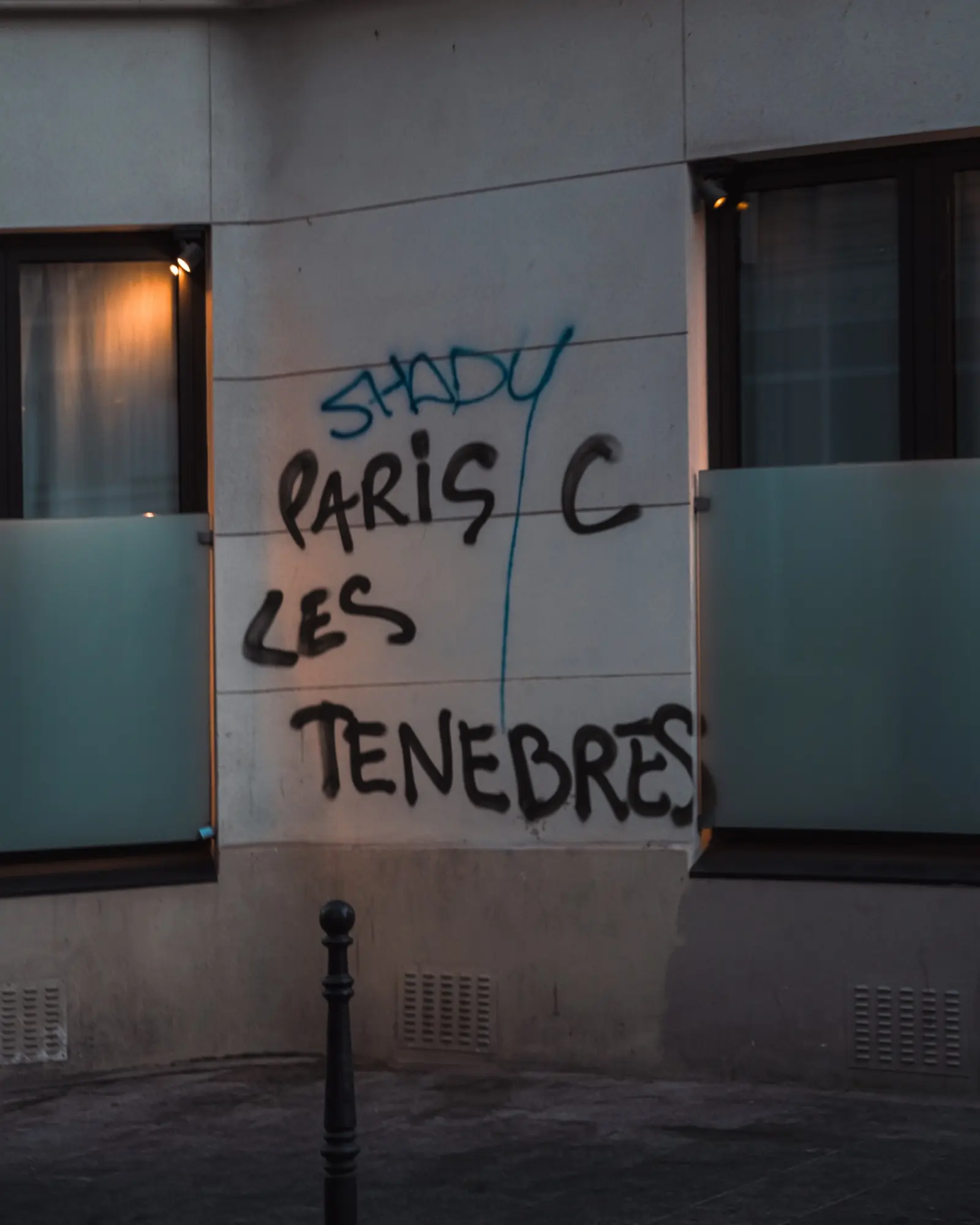
When asked about the differences between the French movement and the Philippines, Mejia said, “We are not angry enough, or we are angry, but we are not mobilizing well. And I think that’s what amazes me here is how the protests are being mobilized well.” He added that Telegram groups were created within just two days and already had channels to direct protesters to specific places to be in, where to get water and food during the day, and essentially, an overall “sense of solidarity.”
Mejia wished Filipinos would be able to “alchemize” all the rage, anger, and injustice, and bring it directly to Malacañang. For the photographer, it’s about time that people march towards the Palace instead of mobilizing in just Luneta and EDSA: “We need to be mobilizing stronger. We need these systems where we can really put down all our egos, our classes, and really move together, [away] from this feudal politics that is the circus that’s running the show in our country right now,” he said.
FREQUENTLY ASKED QUESTIONS
Gab Mejia is a Filipino photographer and a National Geographic Explorer who joined a sustainability fellowship in the South of France. He encountered the mass demonstrations in Monaco, Nice, and Marseille, and the larger movement in Paris alongside fellow activists and youth organizers.
The protests began in early September, led initially by high school students frustrated with poor school conditions and the rising cost of living. They escalated on October 17, when Reuters reported over 550,000 people mobilized nationwide, including more than 100,000 marching in Paris.
Mejia argues that fixating on looting and violence distracts from the protest’s core demand: systemic reform of education and living conditions. He said that blaming the protesters shaped public reaction and that looters were used as a scapegoat for deeper state failures.
Mejia described activists singing and creating music in Republique and protesters distributing food to those in need — scenes he said mainstream media largely ignored in favor of footage of fires, tear gas, and property damage during the demonstrations.
Mejia said Filipinos are angry but poorly mobilized compared to France, where Telegram groups organized logistics within two days. He hopes Filipinos can channel similar solidarity toward Malacañang rather than confining demonstrations to Luneta and EDSA.
Recommended Video