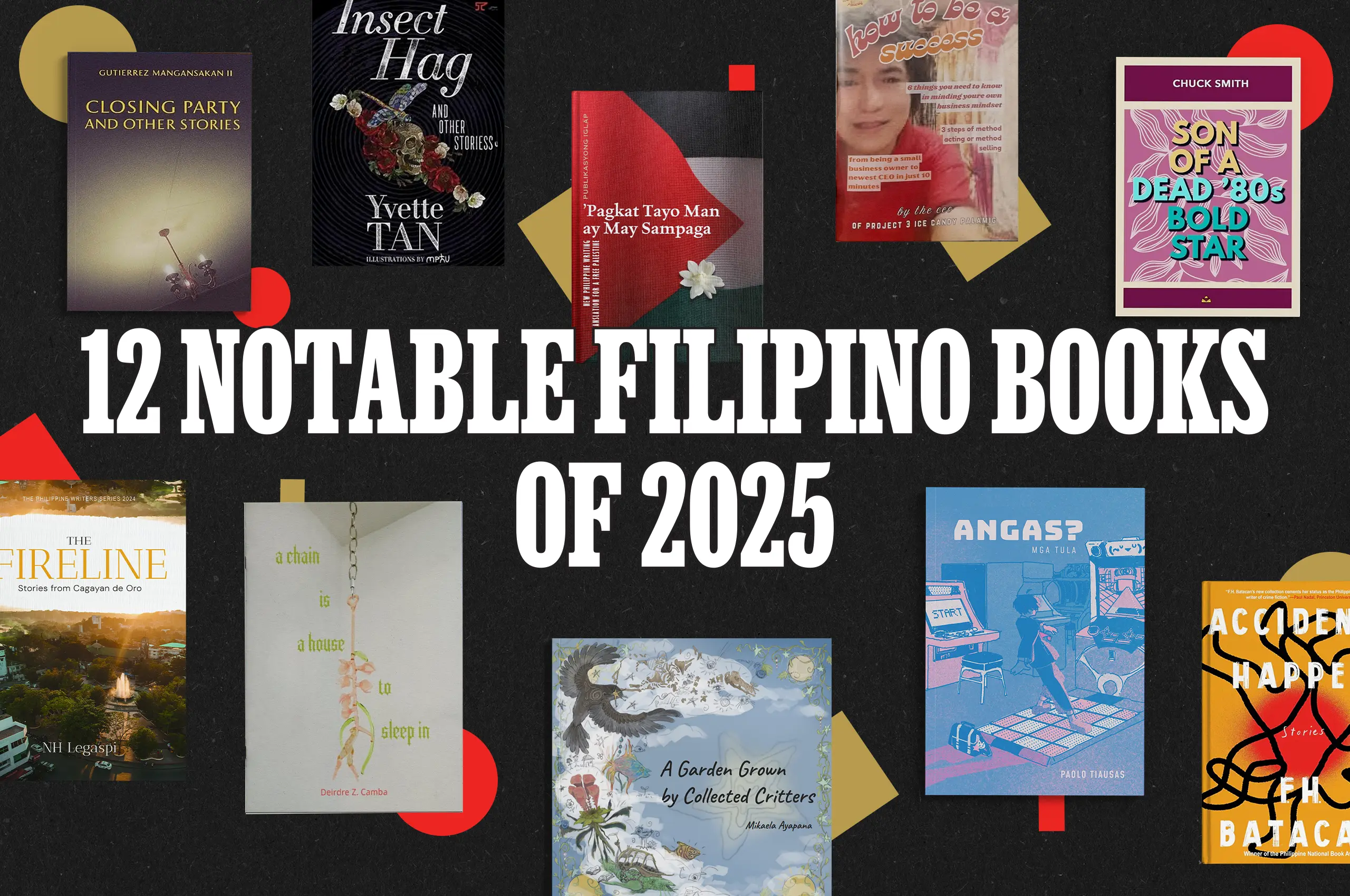
2025 was a contentious year for Philippine publishing.
The Frankfurt Book Fair (FBF), the largest trade fair in the world for books, became a major source of tension among Filipino authors and publishers. This year in particular was special since the Philippines was the fair’s Guest of Honor. While many flocked to the fair, eager to see what business and acclaim it could drum up, others boycotted the fair entirely, angered by its alleged complicity with Israel’s genocide of the Palestinian people.
“[In] solidarity with Palestine and the call to end Israel’s campaign of genocide and settler-colonialism on Palestinian land, I [had] only one criteria for choosing my best books of 2025,” wrote Adam David, co-founder of the small press Better Living Through Xeroxography. “As long as they did not take part in FBF, they are halal, they are kosher, they are true iconoclasts of the year, they are liberatory. Free Palestine!”
Beyond the violence unfolding on the global playing field, more localized injustices — such as the ongoing conversation on corruption scandals, nepo babies, martial law’s legacy, and a country left all the worse for it — have seeped into our writers’ zines, prose, and poetry. Whether subconsciously or not, a majority of the selections on this list reflect the struggles (both internal and external) that our nation’s writers can’t help but put to pen.
A Garden Grown by Collected Critters by Mikaela Ayapana (Philippine High School for the Arts)
Alien book about alien lifeforms written alienatingly
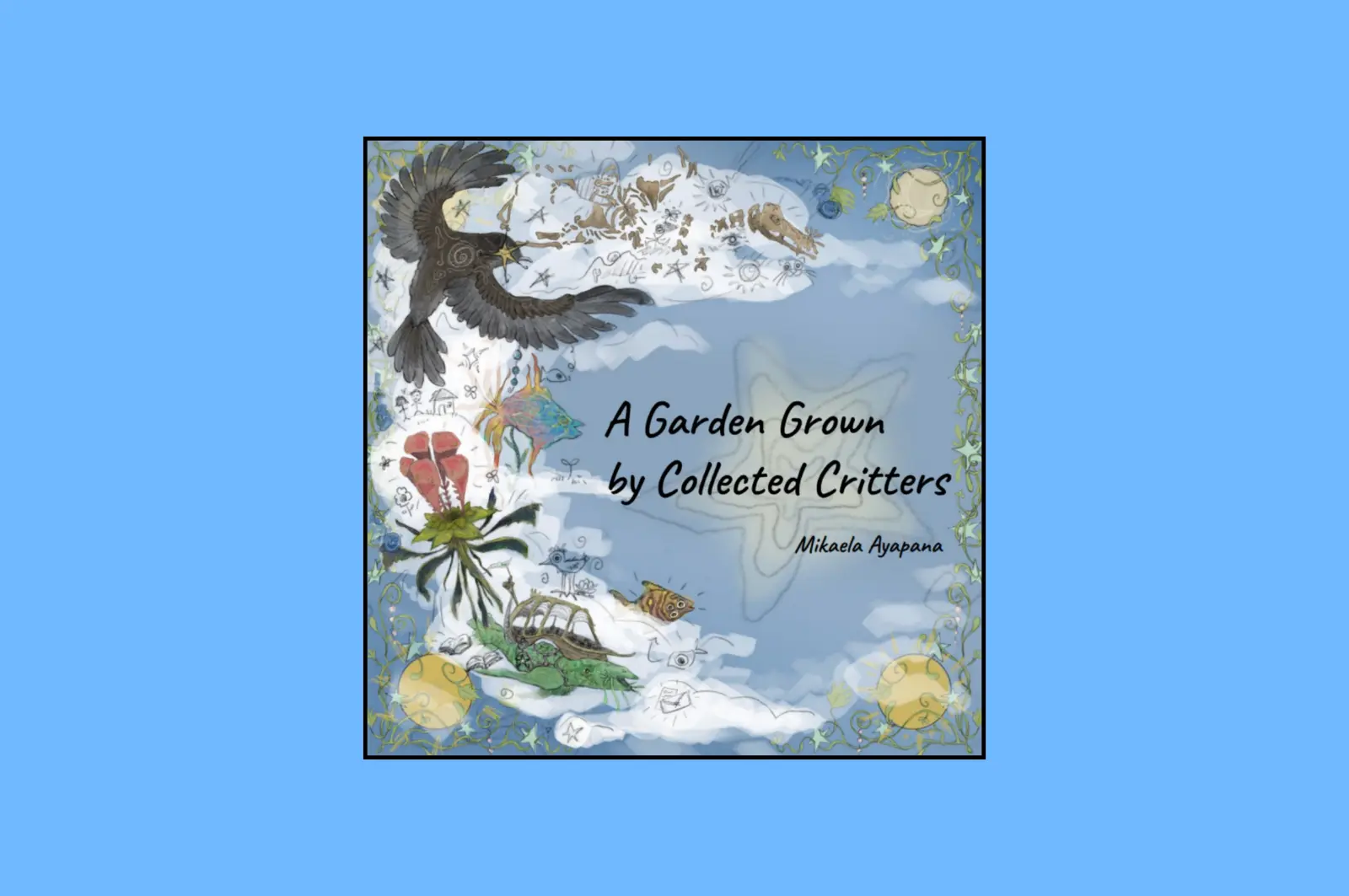
A Garden Grown by Collected Critters is an epistolary novella of journal entries, scientific reports, and email correspondence between a xenopaleontologist/xenobiologist child to an adult about life and work in the boondocks of an alien planet revolving around three suns. The protagonist collects and studies alien flora and fauna both extant and extinct, sometimes sketches and collects them amidst an impending apocalypse biting the heels of the book but also has already happened long ago before the book existed.
When the author Mikaela Ayapana was my student, she was mostly quiet until she found an opportunity to regale us with a show-and-tell of photos that she’d taken of birds and cats around campus in Makiling: how they are, who they are, what they do, and where in the school grounds she’d found them. This is the xenobiology novella version of those little moments in our classroom. The entire book is formally strange, fabular science fiction, peppered with sketches, and with a flipbook along the bottom right of the page of a bird endlessly flying from one end of the book to the other. All our students write amazing books. Send a message to Kuwit on Facebook if you want to acquire a copy. — Adam David
Baby, by Catherine J. Hilario (Philippine High School for the Arts)
If Karr and Wurtzel had a lovechild nannied by Tumblr and TikTok

For years, I have been working on developing a definition of “autofiction” I can use in class. It’s still a work in progress, but roughly: It is a snoot’s hagiography and also a braggart’s hamartography, belligerently flaunting its coy self-consciousness, but not for the reader’s benefit. It rubs its fictionalised biographical facts on your nose, doubling down on your ignorance for the sheer pathological pleasure of storytelling the truth.
With its fourteen pieces, Catherine J. Hilario’s Baby gloriously teeters to and fro all over the map of the modern-day personal lyric essay, a.k.a. my working-in-progress definition of autofiction as it discloses information, withholds emotions, shares a cigarette with you, then slaps it out of your mouth. It is difficult to talk about Baby without feeling you’re violating Hilario’s privacy or risking spoiling her stories by retelling them second-hand. The book simply has that energy. It is tiring and frustrating, but also tender and sweet.
If you’re over 30 years old and wondering-worrying how younger people lead their lives nowadays, you probably shouldn’t read this book. Send a message to Kuwit PHSA on Facebook if you want to acquire a copy. —Adam David
‘Pagkat Tayo Man ay May Sampaga: New Philippine Writing and Translation for a Free Palestine edited by Joi Barrios, Faye Cura, Sarah Raymundo, and Roland B. Tolentino (Gantala Press)
Poetry as empathy in praxis; translation of poetry as political action
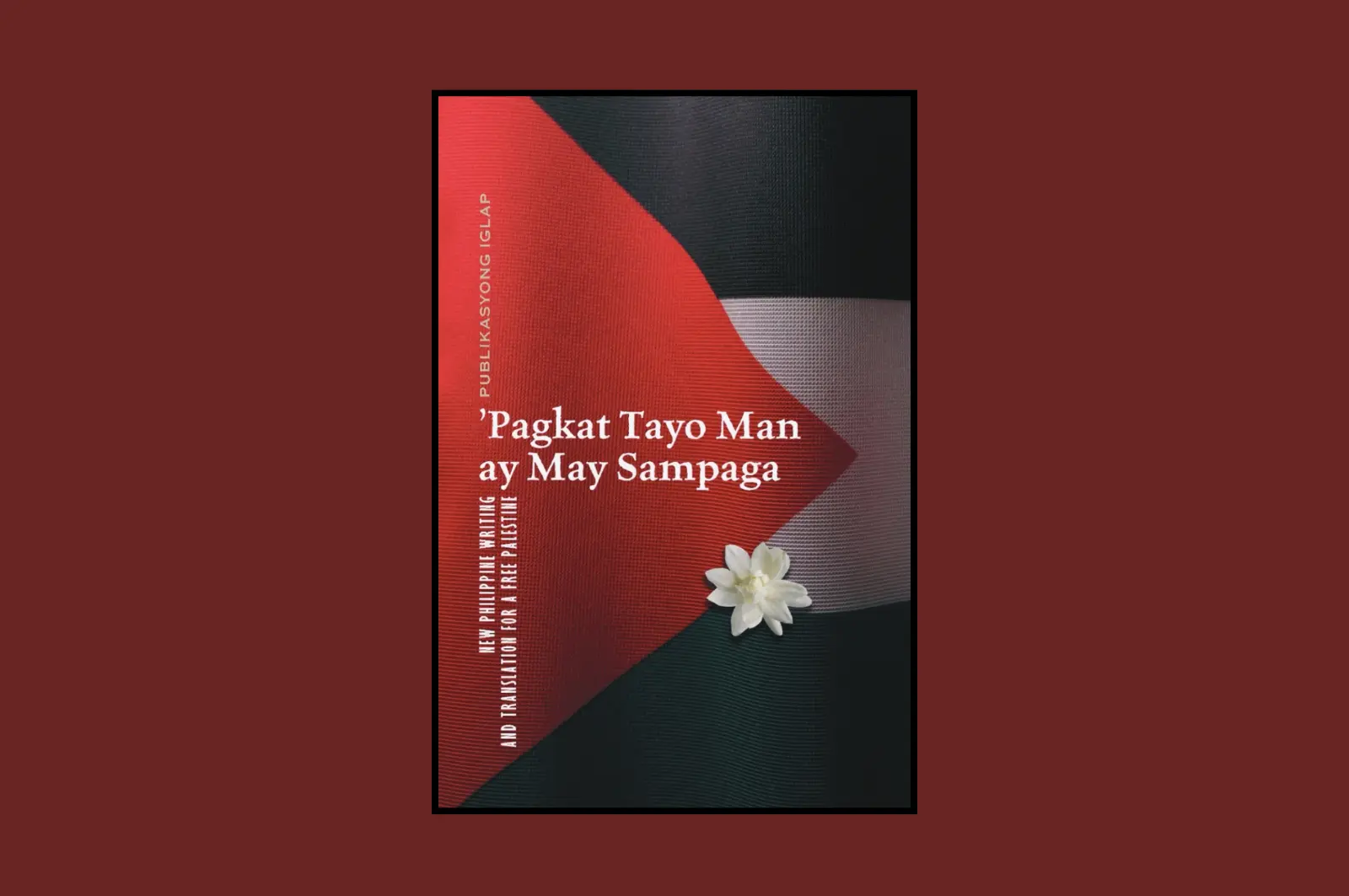
For decades, Palestine has been left to rot in the public unconscious. This has changed only recently, thanks in no small part to organizations like Publishers For Palestine and institutions dedicated to resisting the silencing of Palestinian voices and their way of life.
One of the reasons why we write is to clarify to ourselves why and how we think about the things we think about, and one of the reasons why we read is to clarify to ourselves why and how others think about the things they think about. This book is one of the many local efforts that offer historical, geographic, and cultural context to Palestine for Filipinos: one half is translations of Palestinian poetry into Filipino, the other is new work written by Filipinos in solidarity with Palestine. Translation makes the previously unreadable, unseen, and impenetrable more porous. Translation makes solidarity possible, but also inevitable.
We share a lot of things with Palestinians. Certainly, there’s our ongoing trauma of empire and colony, but also our flora and fauna, our love for bread and calamansi, our mountains and rivers; how we raise our children, and how some of us are queer. In reading, translating, and writing, we connect rivers of understanding and eventually to seas of solidarity.
To acquire a copy, send a message to Gantala Press, or go to Gantala’s bookstore in Room V, on the second floor of Chapterhouse at 32 Madasalin Street, Sikatuna Village, Quezon City. —Adam David
How to be a Success, Volume Two: How to be a Breadwinner of a Nepo Family Without Us Even Trying by the CEO of Project 3 Ice Candy Palamig in partnership with the DPWH (Self-published)
Meme shitposting as popaganda work from the fringes of kumitid writing
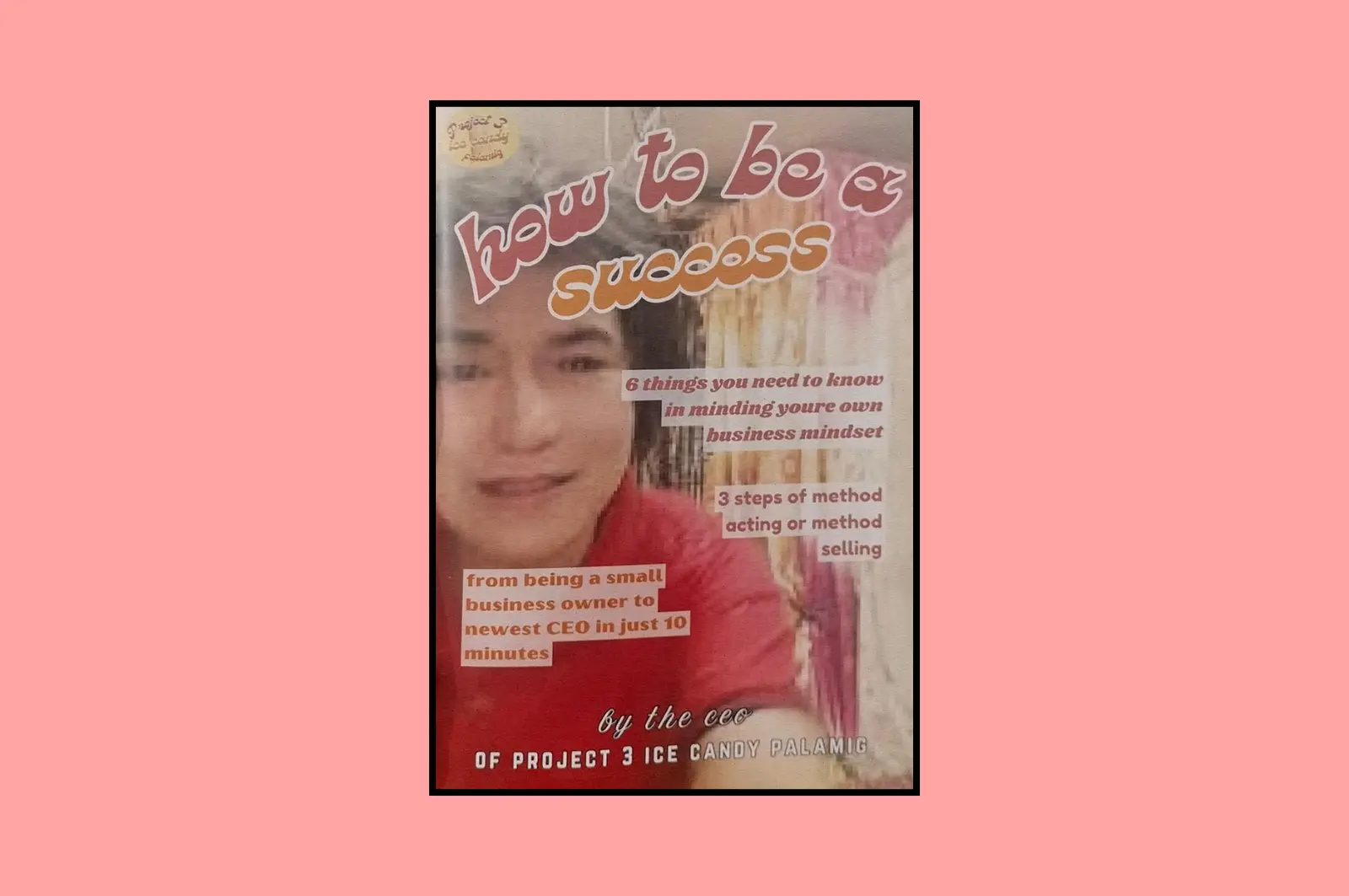
NatDem G&D sloganeering filtered through Pinoy internet kitsch culture is no new phenomenon by any means, especially for people regularly manifesting themselves at rallies and mobilisations in the age of TikTok. But rarely is it documented with as much commitment and clarity as the Chief Executive Officer of Project 3, Ice Candy Palamig, has time and again with their annual anti-capitalist missives for the masses.
This zine starkly gazes at the various and sundry Department of Public Works and Highways (DWPH) flood control construction scandals and its gallery of thieves and scammers with billion peso accents juxtaposed with chef’s kiss captions: “hassle hard mga batang ina, may sinusustentuhan pa tayong nepo babies.” It’s like if filmmaker Adam Curtis, known for BBC documentaries like Hypernormalisation, grew up in Caloocan and made zines with a free Canva account — a document of our times from the truest iconoclast of the year. Send a message to Rural Women Advocates (RUWA) on social media to acquire a copy. — Adam David
through every rupture a gleaming world: tiny poems for the revolution by Angeli Lacson (Self-published)
Vivid verses versus various vainglorious venalities
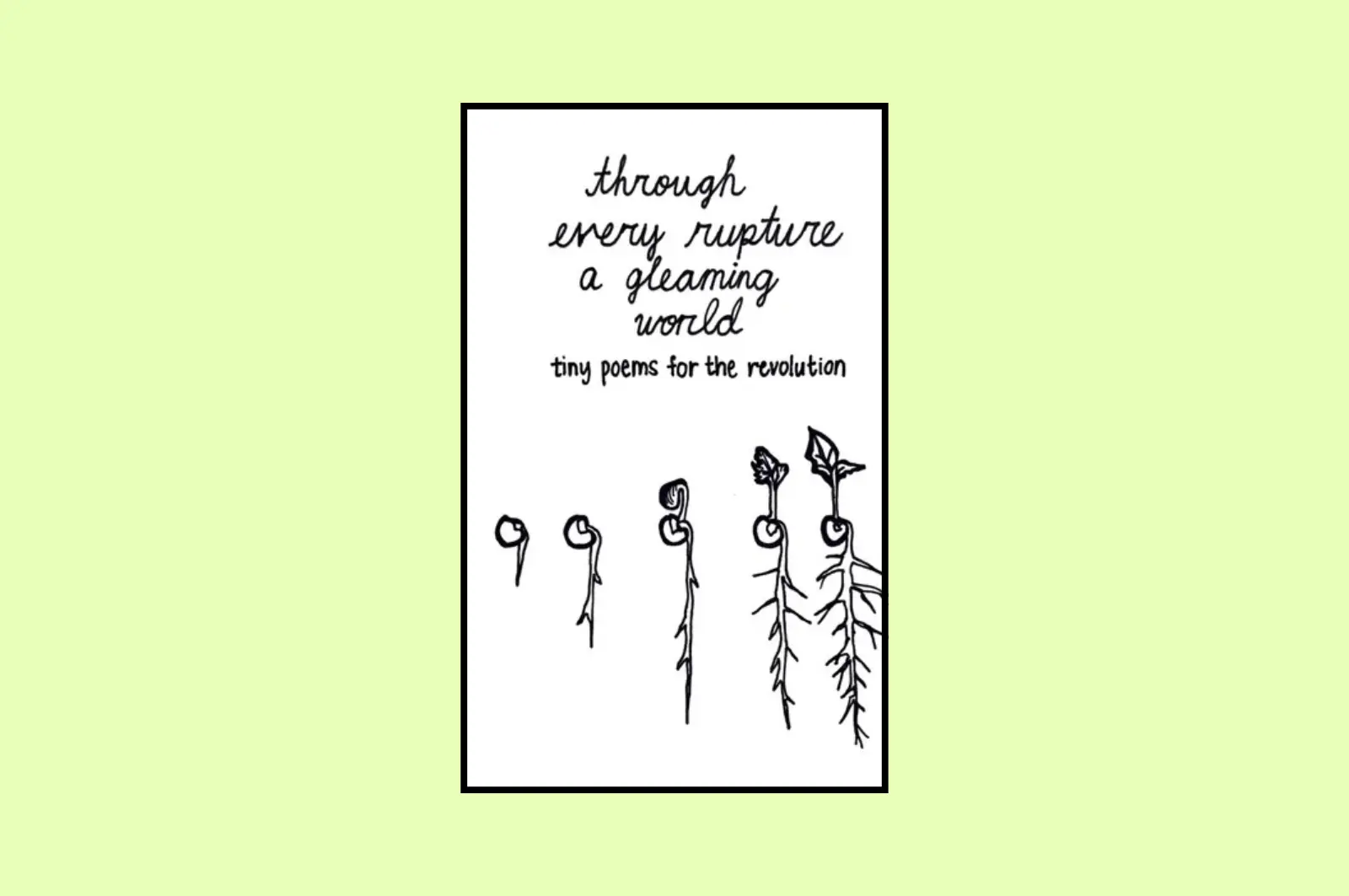
This collection by Angeli Lacson includes aspirational poems onescapeism from drudgery, alienation, and captivity. It’s a prayerbook for the change you already see in the world, a lyric sheet of all the new songs that birds will sing once the bombs stop dropping. We are all tied together in the same struggle, so all our revolutions are one: Lahat ng kurakot dapat managot!
What else is there left to poeticise? Our code of morals is our rhyme and meter. Read it for free in the Palestine Zine Library in Room V, on the second floor of Chapterhouse at 32 Madasalin Street, Sikatuna Village, Quezon City. — Adam David
A Chain is a House to Sleep In by Deirdre Z. Camba (Everything’s Fine)
A luminous poetry collection that tackles everything contemporary, from pop divas to the climate crisis
This book has verve. Despite millennial burnout, the climate crisis, the unflinching judgment of crusty men on beautiful women, author Deirdre Z. Camba’s persona refuses to be beaten down. She is a poet who truly loves language, hurling lines of unfettered imagination like, “In this new garden, Eve weaves tinsel / into the wild furs of all the animals. / Glitter into the leather of every honest / reptile.”
In her poems, Jesus has brunch with Britney Spears, Eve is a postmodern superstar, and Park So Dam becomes the only effective dam to combat the rising waters, a deity the persona prays to so she can survive the inundation and welcome the new day with another cigarette. Jericho Rosales appears at one of the persona’s muses, another ascendant figure of desire that knows all too well the torrents of Marikina.
Camba closes this collection with what might be her pièce de résistance: a photo-lyric essay that resurfaces the spaces, things, and people lost in our country’s perpetual floods. —Lakan Umali
Accidents Happen by F.H. Batacan (Soho Crime)
A riveting collection of stories that plumbs the filthy underbelly of Filipino society
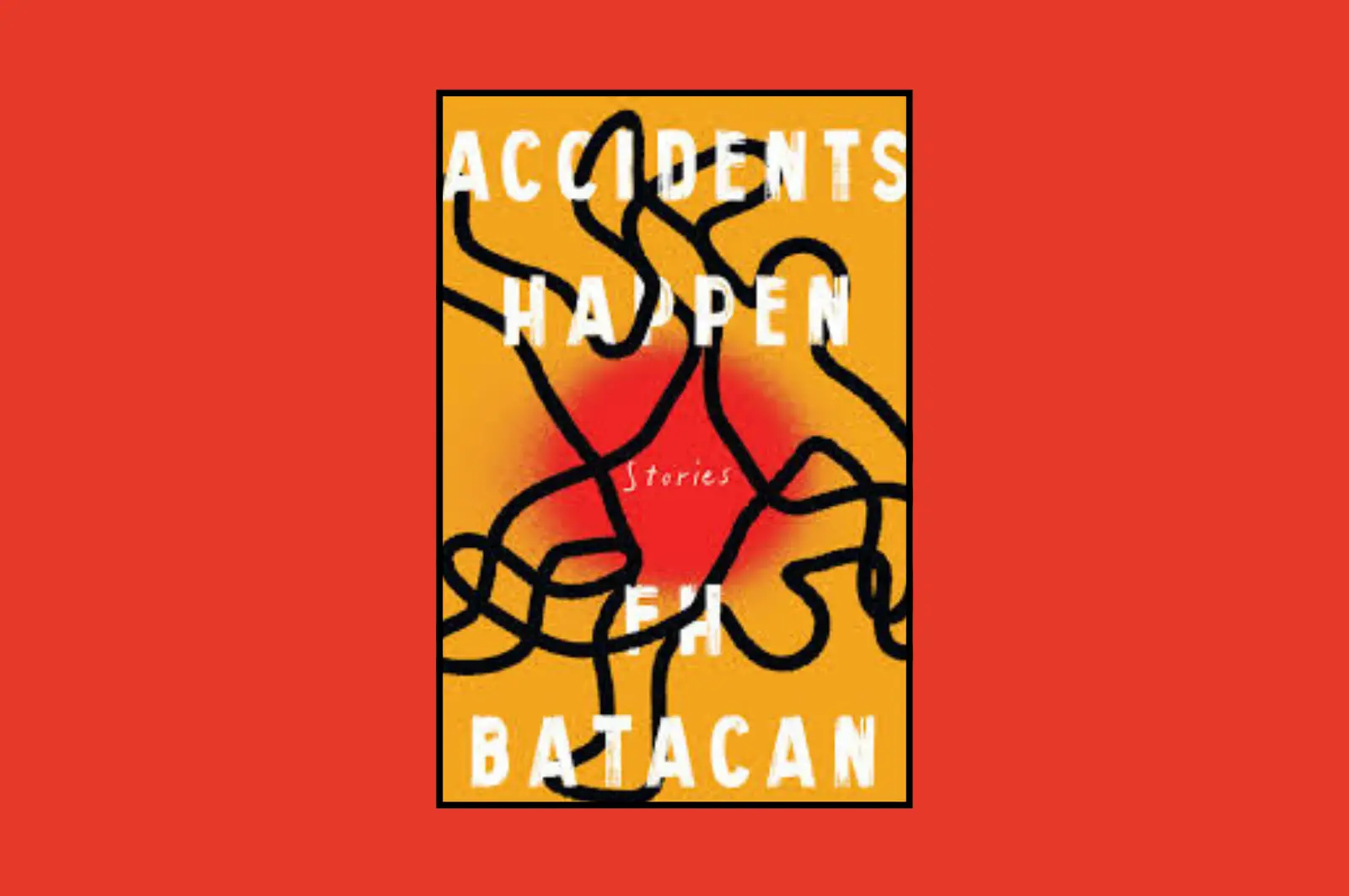
The grand dame of Philippine crime fiction is back with a short story collection that shows a master at the height of her powers. Readers might initially come for the promise of further stories featuring Fr. Gus Saenz, the forensic anthropologist at the heart of the sensational Smaller and Smaller Circles, but they’ll stay for the feast of literary treasures that author F.H. Batacan generously offers.
She is a master of genres, jumping from science fiction to mystery to tragic romance with dexterous aplomb. The diverse array of stories includes a world about to collapse under the weight of an unstoppable wasting disease, a devoted knife that nurses a murderous rage at its new owner, a woman forced to make an unbearable choice at her former lover’s deathbed, and a group of corrupt policemen who get a delicious comeuppance at a mysterious rest stop. Batacan takes the conventional whodunnit and transforms it into a trenchant critique of the ills of Filipino society.
One of the collection’s most memorable works, “The One Cry,” rivals any horror story or cinematic slasher in evoking sheer dread and disgust from the reader. Joanna Bonifacio, the intrepid journalist from Smaller and Smaller Circles, travels to a small town in Davao to investigate the murder of a young woman and finds the entire town complicit in covering up the crime. Batacan is less interested in identifying individual perpetrators or killers and more in elucidating how and why an entire society allows such monstrosities to happen, which makes for absolutely propulsive fiction. — Lakan Umali
Angas? by Paolo Tiausas (Ateneo de Manila University Press)
Poems that question the costs of being a “true” man
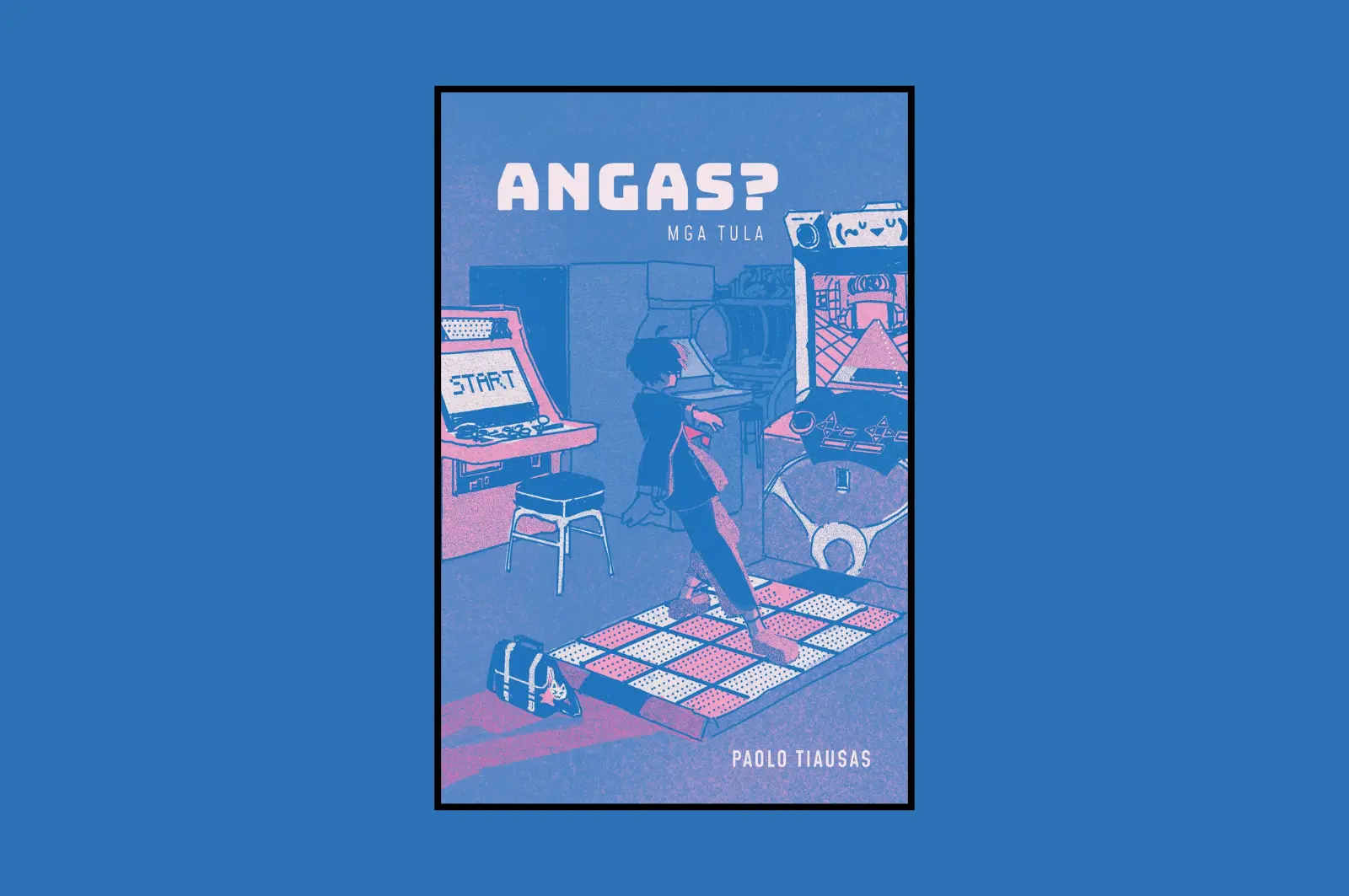
My time in an all-boys school exposed me to some of the worst aspects of men. The bullying, the machismo, the smells, the corrosive laughter targeted at another hapless target, whether it be a female teacher who just wanted to help or a member of their own barkada who accidentally committed the unforgivable crime of showing vulnerability.
Reading Paolo Tiausas’ poetry collection was cathartic. “Ang kasaysayan ng lalake ay kasaysayan ng pagkakamali,” he writes. The poems probe the question: Why do men surrender to the basest and most misogynistic impulses when they’re in a group of other men? The persona of the collection, a straight cis man cognizant of both the promises and pitfalls of being a man, turns our attention to how toxic masculinity grows, metastasizes, and takes many victims, both those who desperately struggle and destroy parts of themselves “to be a man” and those who suffer the everyday, permissible violence of the men around them.
Tiausas sees a mother and her four-year-old son walking hand-in-hand and wonders if they both know that one day he will eventually betray her, forced by patriarchy to turn away from emotion and affection, and become like the men who dismissed and denigrated her. Tiausas’ gaze is unflinching, and he directs readers toward paths out of the toxic mire of manhood that many still find themselves trapped in. — Lakan Umali
Closing Party and Other Stories by Gutierrez Mangansakan II (Bidadali Press)
A necessary selection of fiction from one of the archipelago’s most exciting Moro artists
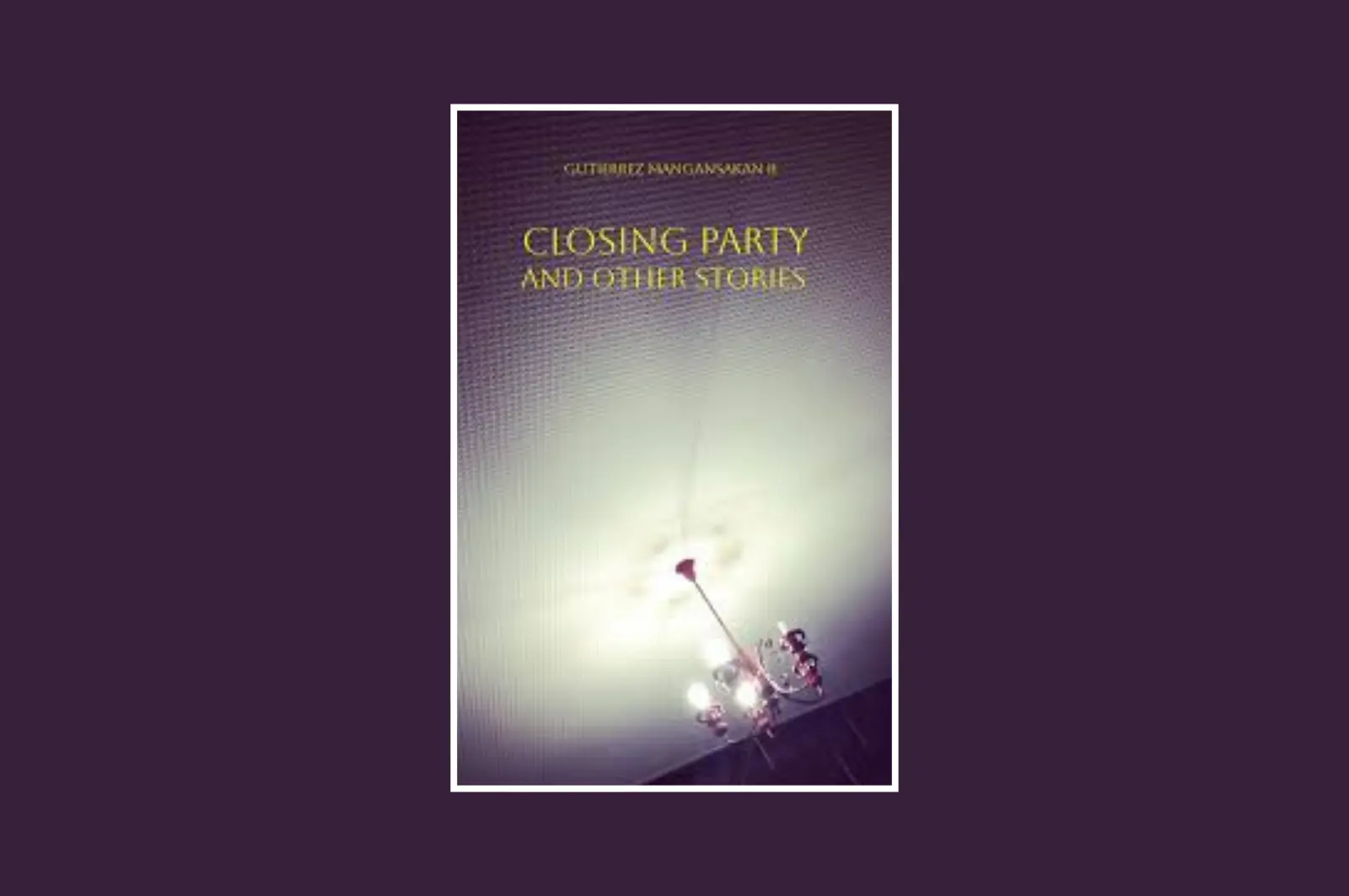
The filmmaker Gutierrez Mangansakan II proves he is equally adept at the short story form with this potent and assured collection. He explores the entanglements of queerness, faith, and negotiation with the structures that preceded us, but remain malleable to our own will and agency.
Whether in Quezon City, Bangsamoro, Tokyo, or 17th-century Cádiz, Mangansakan imbues his characters and settings with heart and a poet’s eye for detail. He exhibits a commendable understanding of those caught between seemingly irreconcilable systems of belief, but resists the urge to flatten complexities and provide readers with easy answers. A college-educated woman confronts her clan’s decision to push through with her daughter’s ritual female circumcision, while a Manila-based artist reckons with her own debt to her family’s former slave. A Moro woman struggles to make her family understand her gender transition, and a gay couple navigates the fallout of a relationship in an unfamiliar city.
The highlight of the collection is the penultimate story, “The Princes of Cotabato,” a rollicking yarn that follows a barkada of young, elite men who try to enjoy Cotabato’s discos, vices, and women before their perfunctory ascent into adulthood. Mangansakan is able to distill entire histories within a hundred pages. — Lakan Umali
The Fireline: Stories from Cagayan de Oro by NH Legaspi (University of the Philippines Press)
Unforgettable glimpses of the many lives of Cagayan de Oro City
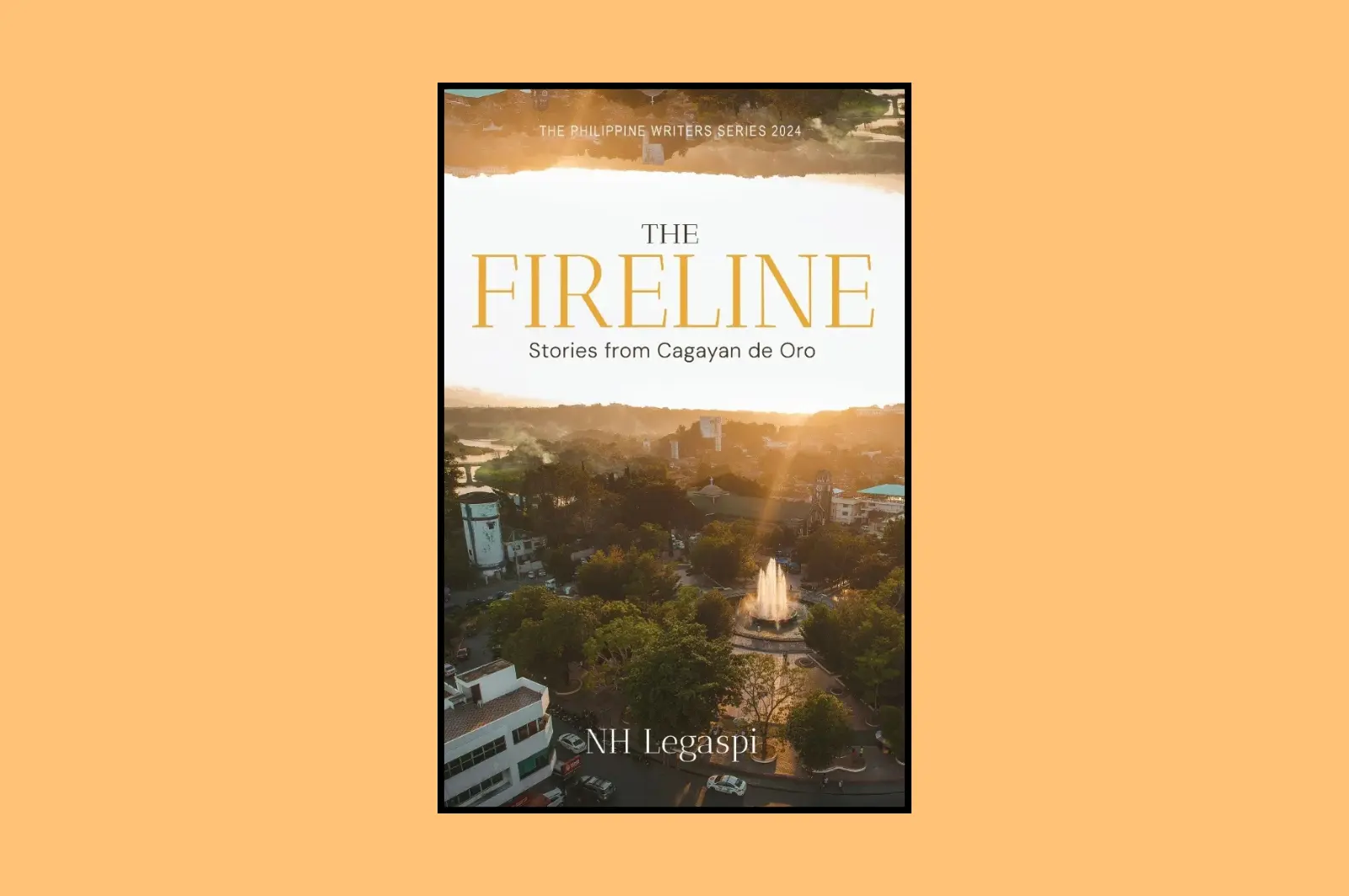
I had the pleasure of being classmates with author NH Legaspi in a creative writing workshop class, and it was illuminating to see how her stories progressed from the initial drafts to the gems in this collection today. I also have a soft spot for books where the place itself is a character — from Carlos Aureus’ Naga to Tony Perez’s Cubao, and Legaspi’s debut presents a Cagayan de Oro so replete with desire, disappointment, human resilience, pettiness, and aspiration that the city pulses on the page.
A rave organizer on the run seeks revenge against the foreigner who killed his one true love; a young boy on a bus watches policemen question a Moro mother and her son at the start of Martial Law, and a group of ludicrously apathetic homeowners tries to displace an informal settlement to expand their gaudy subdivision. Legaspi channels the noirish spirits of FH Batacan and John Bengan with the spellbinding “Miss Cagayha-an,” about a beauty queen who attempts to uncover the person threatening to release her nude photos and torpedo her stratospheric rise.
The story’s expert command of language — slow but suspenseful unveiling of detail — and spirited protagonist make the book already worth the price of purchase. The fact that other stories
are just as compelling makes it even better. — Lakan Umali
Son of a Dead ’80s Bold Star by Chuck D. Smith (University of Santo Tomas Publishing House, 2025)
Essays that leap between fact, fiction, and the glitz of Philippine showbiz
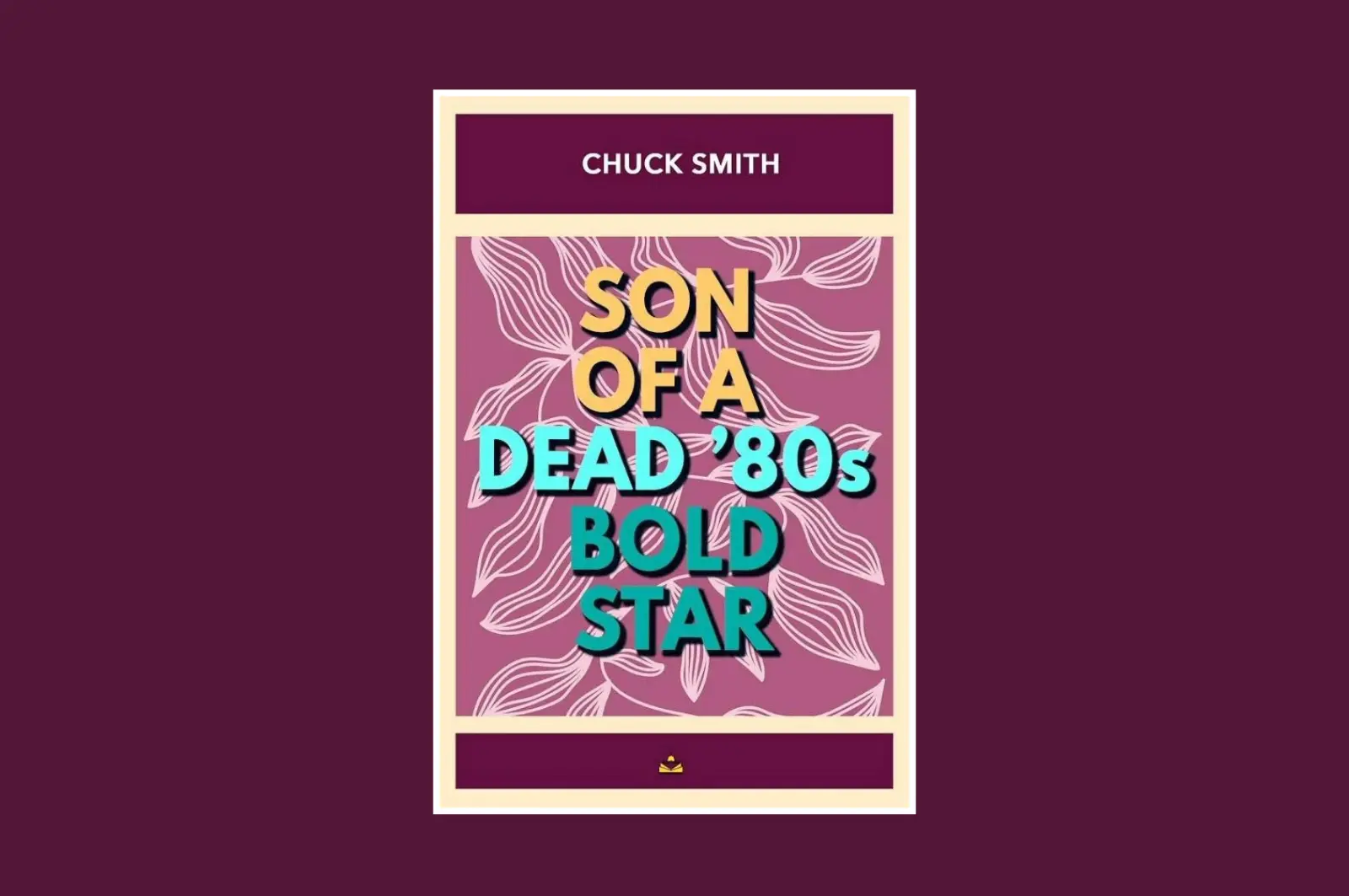
Chuck Smith writes like a man whose fate is inherently intertwined with the glittering, messy world of Philippine entertainment. This, to some extent, is true, partly because the award-winning essayist started his career in writing as a showbiz journalist. But it runs much deeper than that, as Smith explains in his collection of essays that pick apart his childhood, his griefs, and his time chasing after some of the country’s biggest stars. Smith spent a good portion of his life believing that he was the son of Pepsi Paloma, one of the most famous Softdrink Beauties of the 1980s, who took her own life three years after filing a rape case against Vic Sotto, Joey de Leon, and Richie D’Horsie.
“It was not a pretty story,” writes Smith on being told by his adoptive parents that his mother was the dead ’80s bold star. “But as far as narratives go, it tied everything together nicely. And maybe I even believed it, if only for a bit; an inaccurate story was better than no story at all.”
Smith deftly blurs the worlds of fact and fiction, pulling readers into his own doubts about his lineage, family, and place as a writer. The voice that shines through in his essays is deeply personal, an honest comfort as Smith guides us through some of the most vulnerable pathways of his life. —Mel Wang
‘Insect Hag & Other Stories’ by Yvette Tan (Anvil Publishing House, 2025)
Horror stories that ground themselves in a Filipino reality
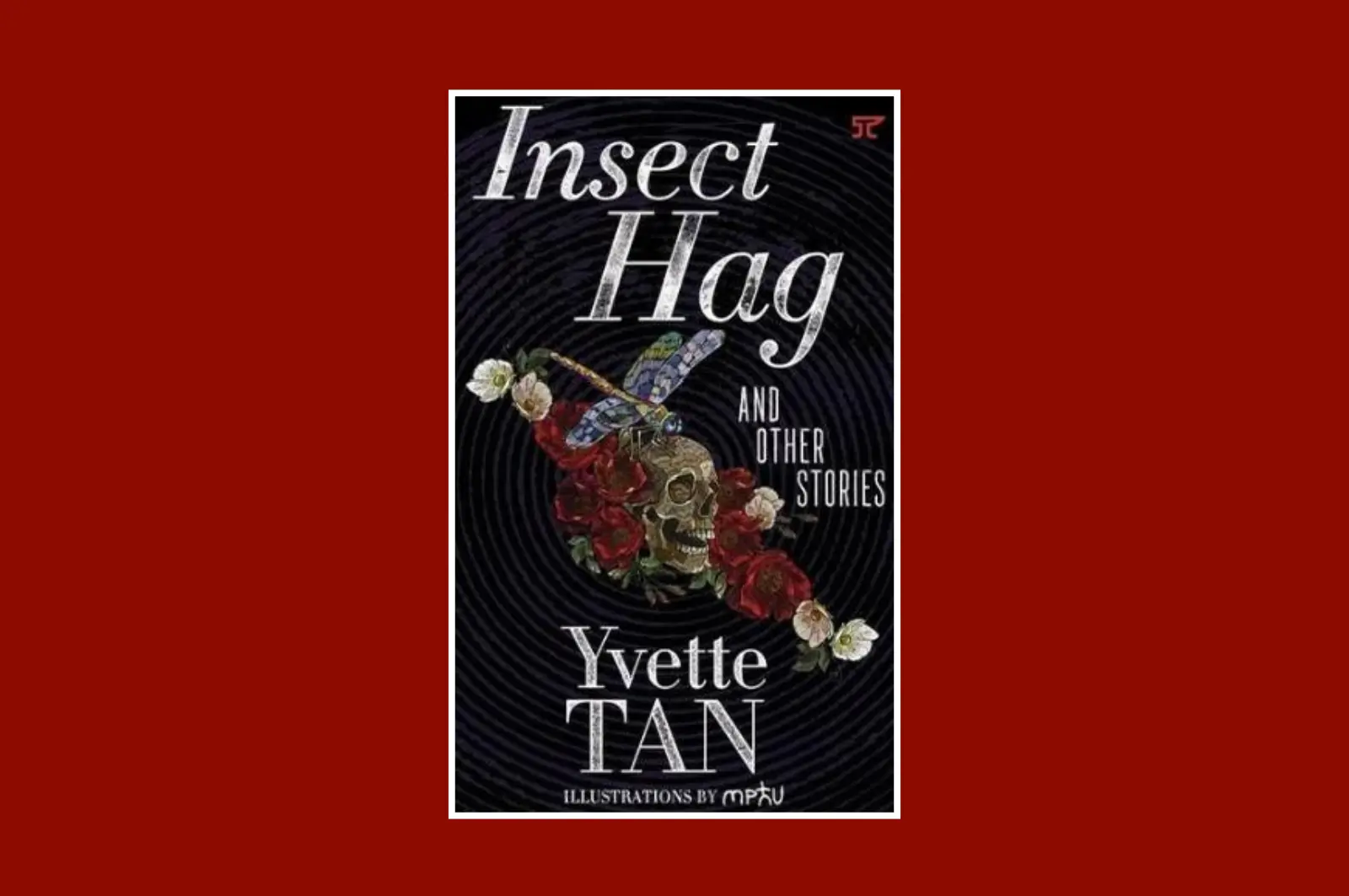
Yvette Tan, an award-winning author whose eerie tales of the supernatural have earned her the title, “Queen of Philippine Horror Stories,” started 2025 with the release of her third collection, Insect Hag & Other Stories.
For Filipino readers, Tan’s stories carry an added layer of terror, largely because they are firmly anchored in Filipino everyday life. “First of the Gang” sees a group of young boys ill-advisedly steal three spirits from a sari-sari store. “Horror Vacui” follows a man visiting his lola, only to find that her “guardian angel” has also taken residence in her home. In “Antingera,” the lone novella of the collection, a woman unearths her lola’s anting-anting to aid her on a quest for vengeance.
Insect Hag & Other Stories sees the author stake her claim once more on the world of horror, and all we can do is devour her stories before the sun starts to set. —Mel Wang
Honorable Mention: ‘Sarap’ by Doreen Fernandez and Edilberto Alegre (Exploding Galaxies, 2025)
An essential food bible that traces the history and cultural importance of Filipino cuisine
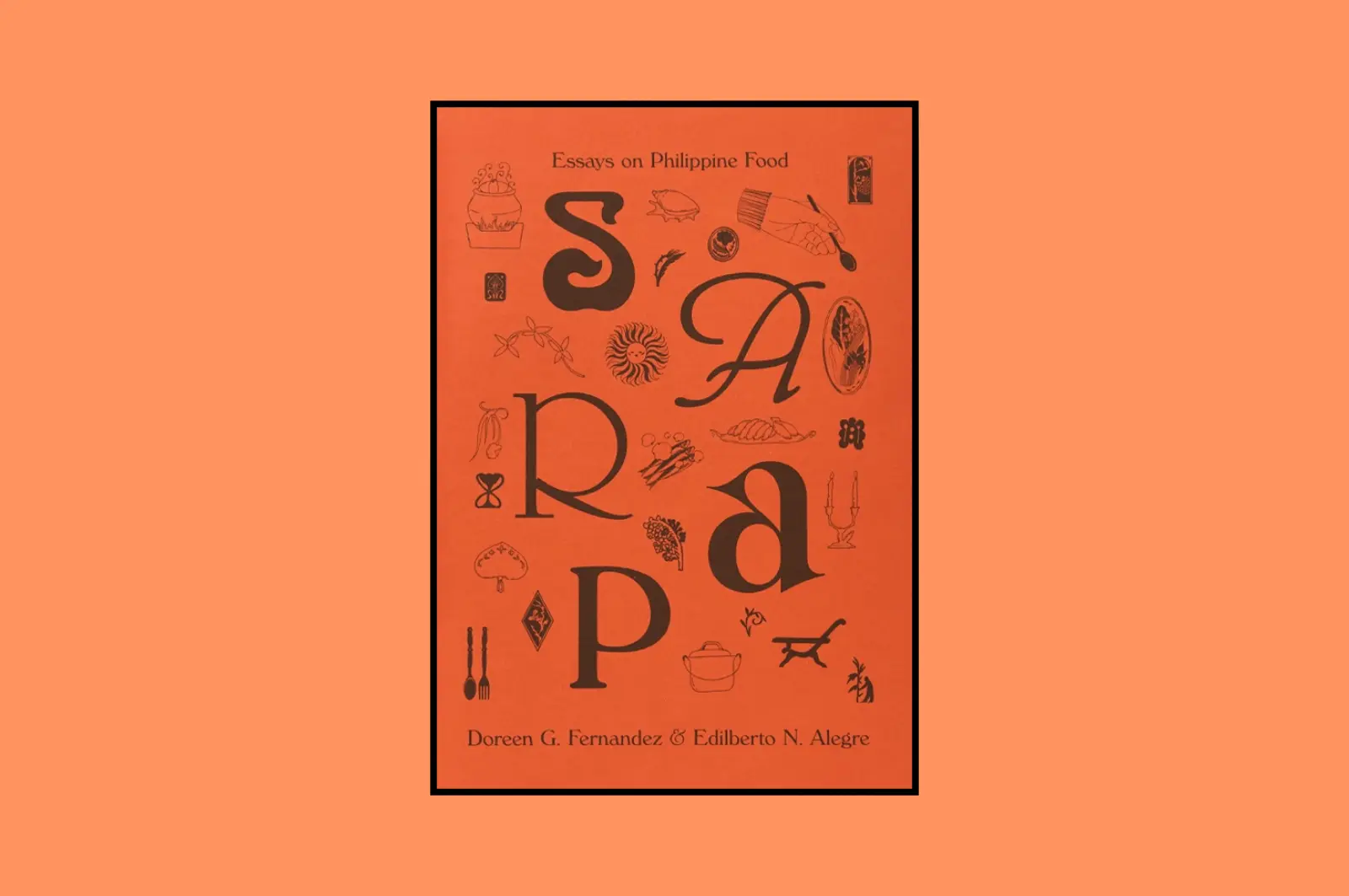
While Sarap isn’t technically a new release of the year (it was originally published in 1988), the newly republished edition by local press Exploding Galaxies has given the long out-of-print food bible a second life.
Sarap reads like a love letter to Filipino food, written by two of the country’s most prominent food writers: Doreen Fernandez and Edilberto Alegre, who use their gift of prose (and love for food) to explore the origins, meaning, and importance of our cuisine. “We confess to having had fun writing this book,” the duo wrote in the book’s original preface. Our common concern was: what does food tell us about ourselves? Food not only in the context of history and language, but in the broader and deeper sense of being a fact of culture? How do we eat? What does this mean? Why do we eat what we eat?”
Every cuisine-focused essay in the collection reads like a personal narrative, with both Fernandez and Alegre offering their own takes and connections to the food on their table. While Alegre is more concerned with the language of our food (at one point diving into an analysis of the verb “kain” and its many conjugations), Fernandez never fails to tie her culinary subjects to moments in her own life as a daughter of Negros Occidental, as an academic, and as a human being. —Mel Wang