This story is part of “This Is Not A Phase,” Rolling Stone Philippines’ Pride Month storytelling campaign. Featuring the unapologetic individuals who refuse to back down on who they truly are, “This Is Not A Phase” highlights stories that challenge what’s considered acceptable in Filipino LGBTQIA+ culture.
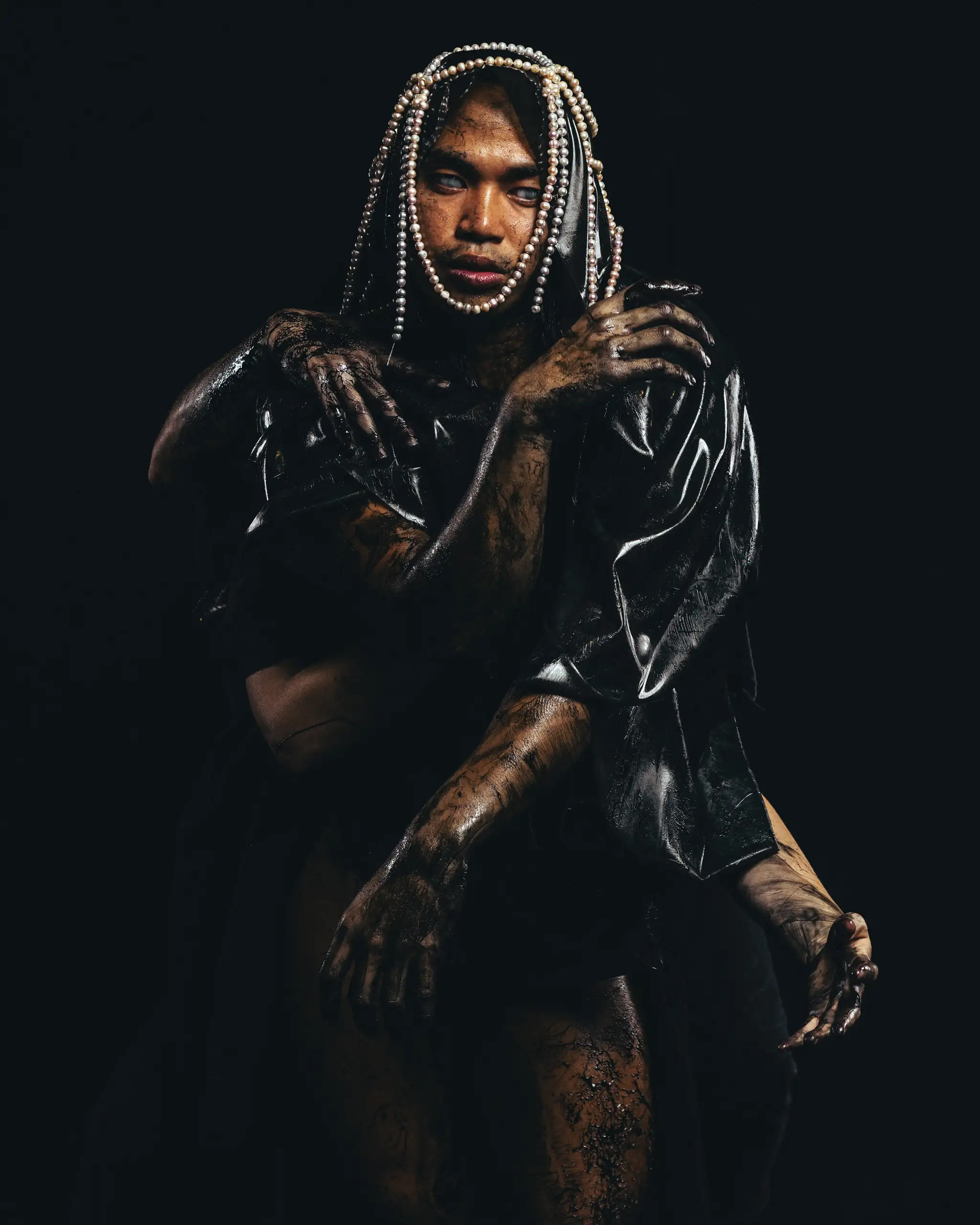
Mesmerizing. Unmatched. Amazeballs. These are just some of the words that appear in the comments section of Joshua Serafin’s Instagram — reactions from viewers deeply moved by VOID, their multidisciplinary performance exploring transformation and the identity of queer and migrant bodies. Through movement and sound, Serafin — all 167 centimeters of them, long hair dripping — engages with dark, petrol-like matter in hypnotic, convulsive gestures.
The performance has been staged in cities such as New York, Berlin, and, most notably, Venice, for the 2024 Arte Biennale, where curator Adriano Pedrosa invited Serafin to be part of the exhibition, an opportunity that, they say, came unexpectedly. One day, an email landed in their inbox asking for their portfolio. It all felt like synchronicity, having followed Pedrosa’s work for some time.
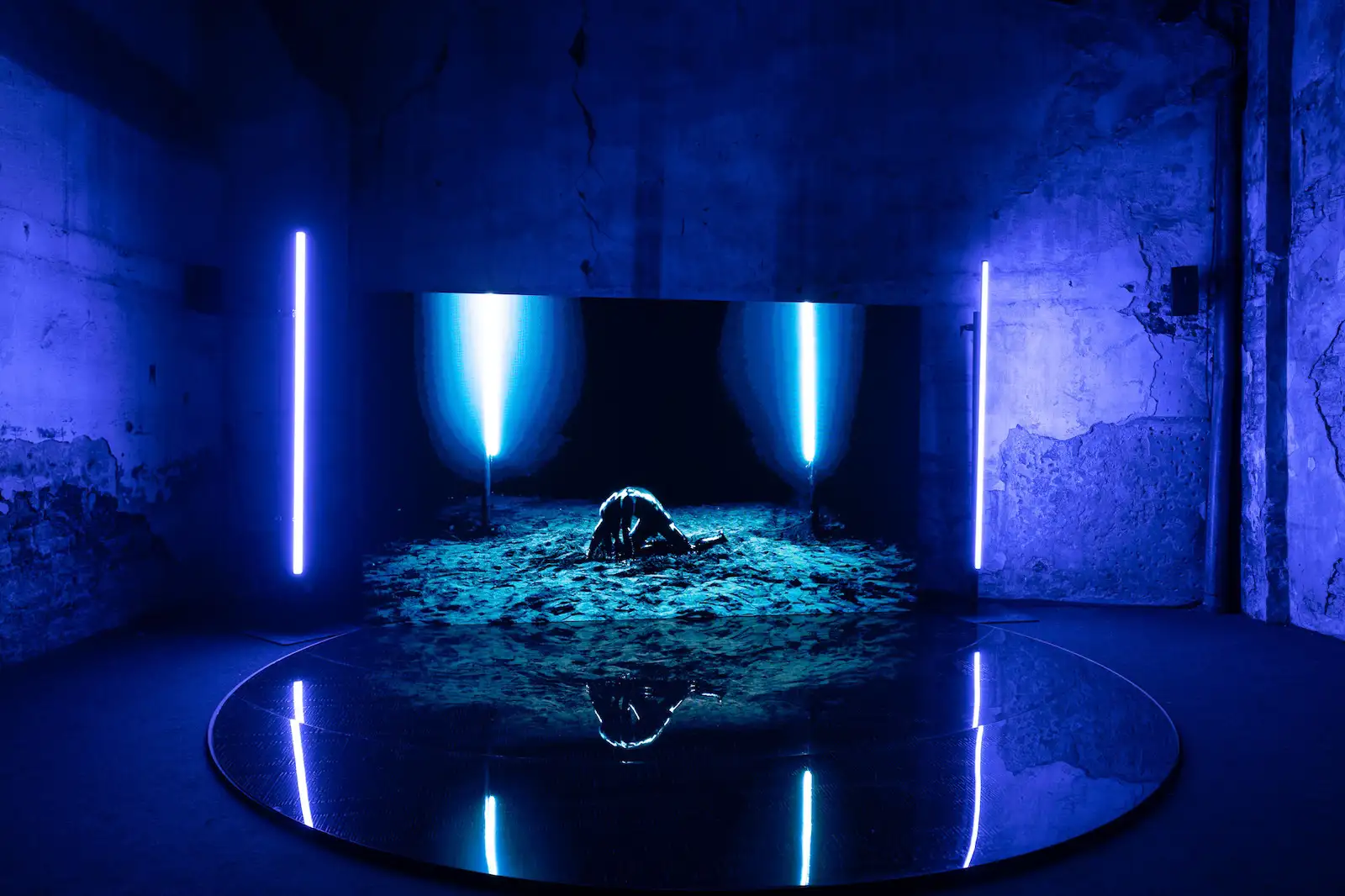
“Adriano reviewed my portfolio and chose three of my works to present in Venice,” Serafin recalls. “One was a video installation shown throughout the exhibition, and two were live performances — one during the opening and again at the closing.” Still amazed, they add, “Just last night, I thought, Oh my god. I actually had three oeuvres in Venice. That’s crazy.”
While we laugh about how videos of their performance have been turned into memes — something they consider an achievement in its own right — Serafin shares that VOID was born from a deeply dark chapter in their life. “In 2022, I was in a space where I almost didn’t want to live,” they say quietly. “So much had built up. I had just come back to Europe after a year in the Philippines during the pandemic. It was winter. I was around bad relationships. Nothing was going well. I had an episode and realized I really needed to start healing.”
That healing started with the decision to stop ignoring the darkness and to start therapy. “I began asking: How can I move on from this positively? How can I use it in my work? From despair, something beautiful can emerge. Creation and development often come from that kind of violence — the internal kind, the one I’ve navigated since I was very young.”
An Inward Journey
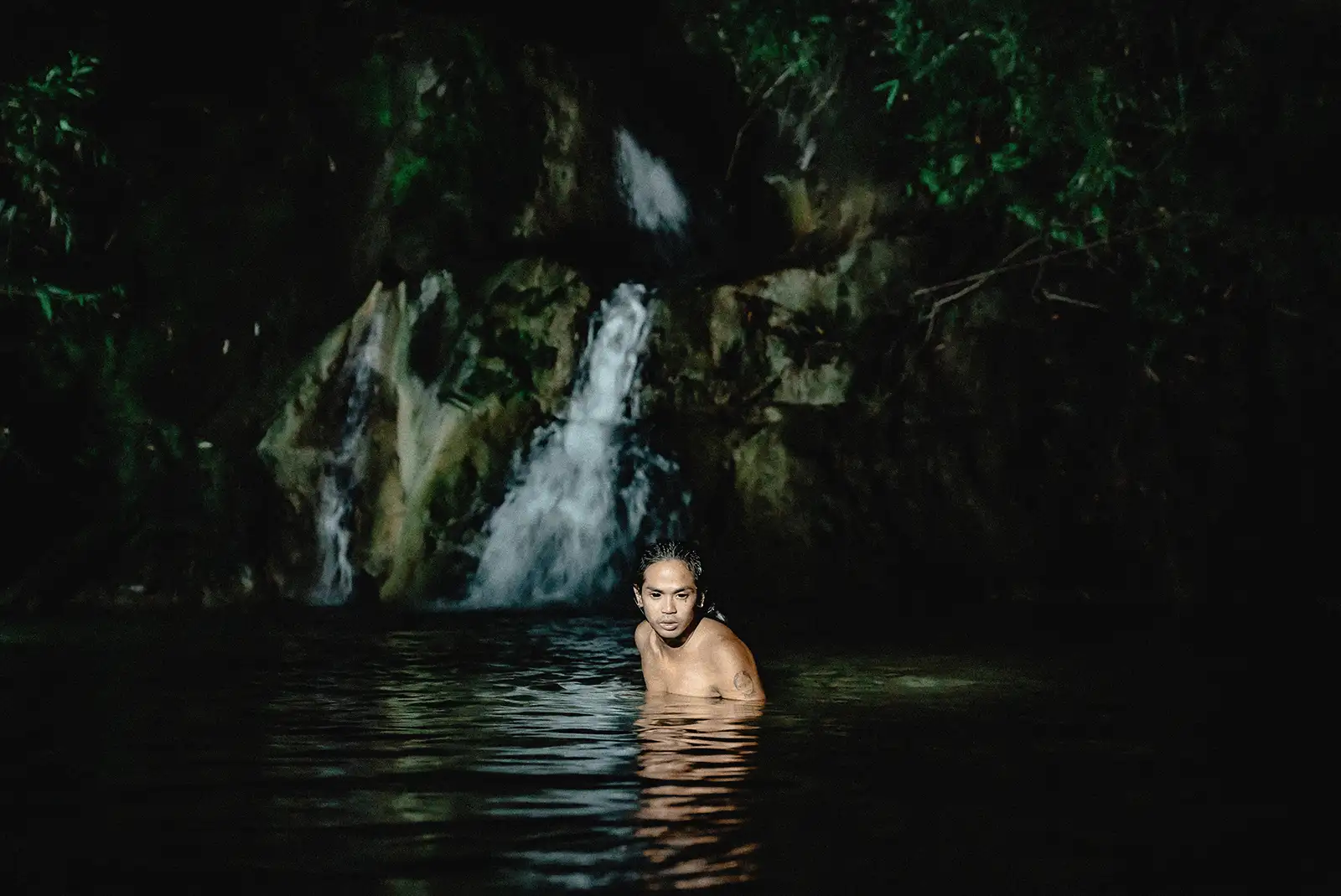
Serafin was born in Bacolod, a coastal city in the Western Visayas region of the Philippines. Though known for its wealth, a legacy of the sugar industry and colonial past, Serafin is quick to point out, “I didn’t come from money. I didn’t come from resources.” They grew up in a modest, working-class family. A probinsiyano they say repeatedly, yet fondly; someone from the province, who never truly had access to art.
But they had a swamp.
Behind their house was a tangkungan (the Visayan term for a patch where water spinach grew wild), and it became their playground. In the dry season, the earth would crack and split, perfect for flying kites with their brother. In the rainy months, it transformed into a watery landscape. “It became not only a place to play,” they recall, “but a place for creation, and for forming my relationship with nature.” The swamp would later resurface as a recurring theme throughout their work and projects.
Most recently, this manifested in a sculpture at Belgium’s Horst Art and Music Festival, where they presented a piece titled Buried in a Coffin the Size of a Grain of Rice — a swampy, quadraphonic composition where viewers are invited to enter and be transported; a figurative portal that connects the ancestral and mortal realms. The piece began in 2021 as a sketch during lockdown in the Philippines , followed by the creation of the crafted doll sculpture in 2022.
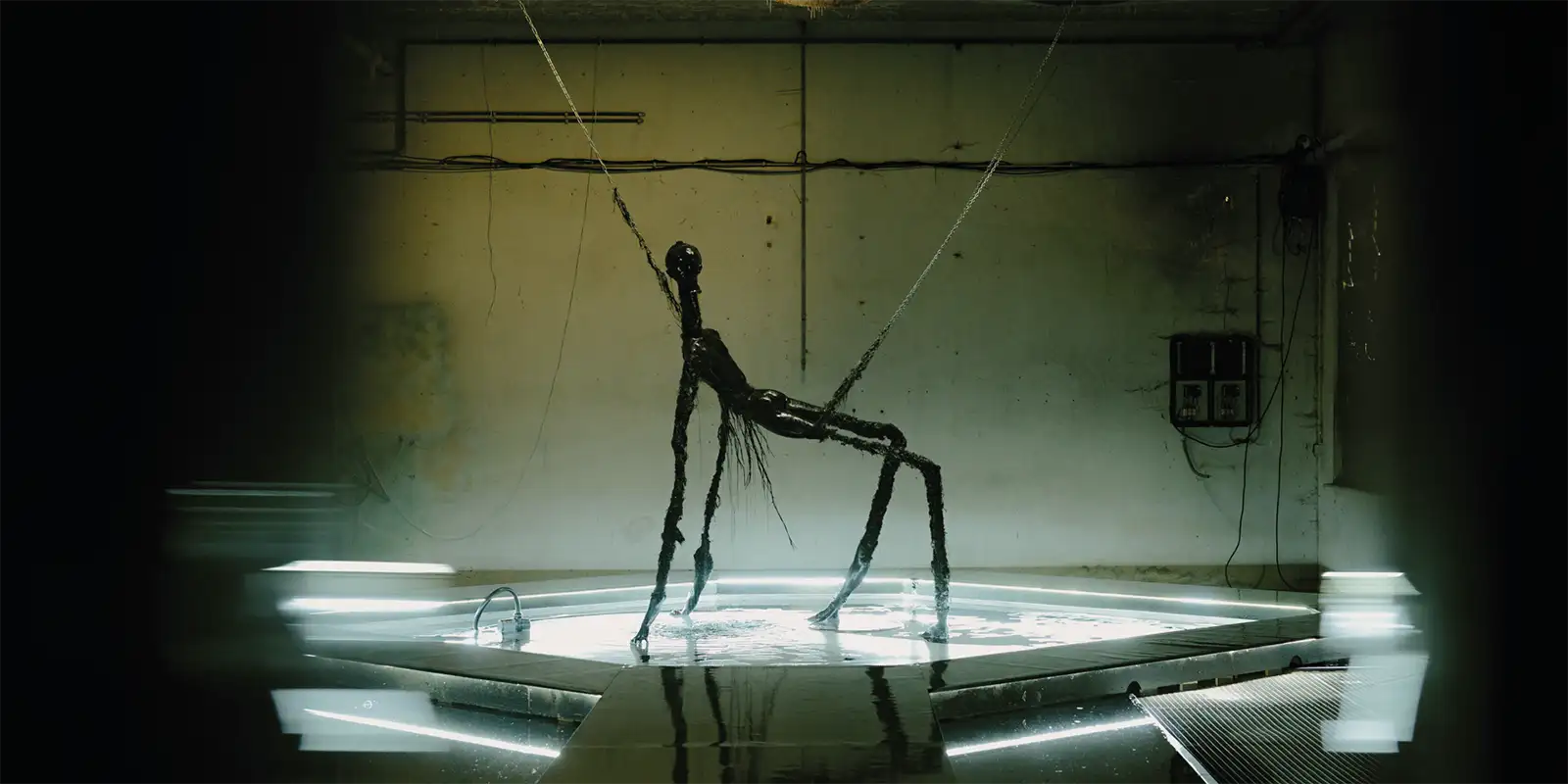
“I wanted to dive deeper into my design and sculptural practices at a different scale,” they explain. “The proposal for Horst was to present a space of stillness and quietness, and ask the audience to shift their perspective, especially in the context of a music festival. How can we go inward? And for me, my own journey is also about returning to the body and the depth of who we are, especially in a world of intense external production.”
Beyond the wetlands of their home, Serafin attended the Philippine High School for the Arts through a scholarship, where they were first introduced to formal art-making. “My first dance training was actually the MassKara Festival,” they share. “I was training to be a MassKara dancer. It’s this big cultural festival in Bacolod, and I was performing for my school. That’s how I first learned about movement, about performing. It all feels like coincidence, or maybe alignment, like things were already quietly guiding me.”
Later, through further scholarships, Serafin was able to continue their training in Belgium, at the International School for Contemporary Dance (P.A.R.T.S.) and at one of Belgium’s oldest art schools, KASK. “I felt I needed more articulation and a deeper understanding of the history of dance,” they explain. That period became six years of intense study, followed by four years of steady work.
“I just work in the arts,” they emphasize. “I insist on that. In this world, it’s hard to find your place.”
After graduating, they spent a month working in a restaurant, an experience they look back on with gratitude. “It helped me understand people, what it means to serve. I’m happy I had that time.”
From there, they began collaborating with other artists, building a practice shaped by community and experimentation. Then, in 2023, they decided to focus on their own craft. “Since then, the work has found its caliber, its momentum.”
And then, Venice happened. “Last year… what even is this?” they laugh, still processing. “It all feels surreal.”
The Powers That Be
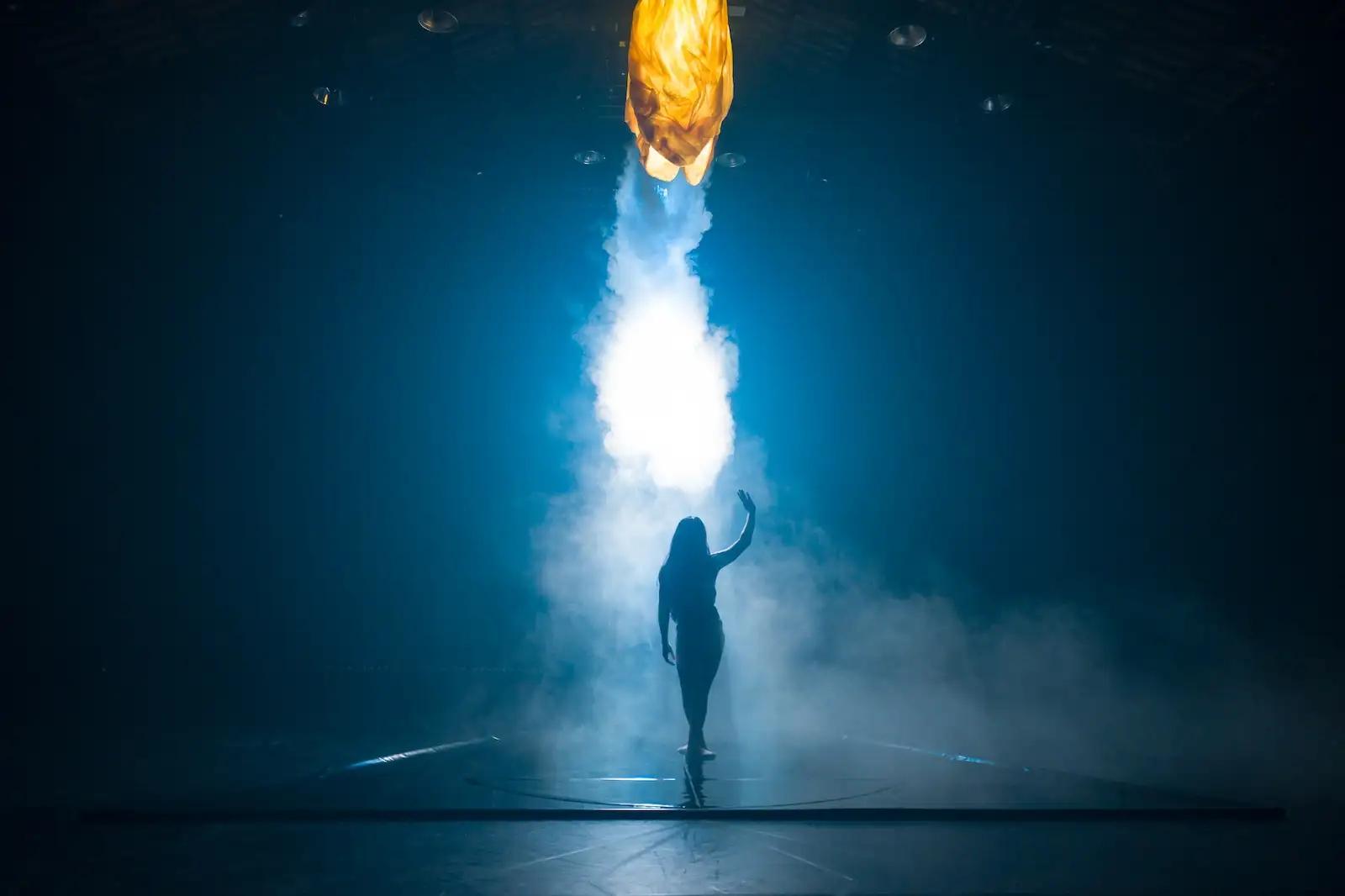
The Biennale was a moment of pride, but it also came with a sense of responsibility. “It made me ask myself: How can I use this visibility to create space, not just for myself, but for others?” It’s something that’s always guided them — that desire not just to reach platforms, but to build them, too. Beyond producing work, the bigger question now is how to use this visibility to uplift others , especially Filipino artists they admire and trust.
“That makes me emotional, because it’s something I care deeply about. How do I help build platforms back home, where our narratives are rarely seen or heard? That, too, is a responsibility. It’s not just about being visible. It’s also about making room for others.”
This is why, with fellow artist and friend Zoe Marden, they recently co-launched the first iteration of the art residency Swamp Gathering in Calatagan, Batangas. “We wanted to build something that gives artists a week to really dream, without the pressure to produce. We invited three Filipino artists with practices that, like ours, don’t really fit into the traditional gallery or theater structure.”
The idea was to create a space of home — a space to just be. “It was about giving them time to truly process their work,” they say. “It’s about understanding how my own practice can scale in a way that plants seeds. Seeds that can hopefully grow and be brought back to the Philippines.”
Still, the hardest part remains present. The question of how one often has to leave the Philippines to be recognized. It’s a dynamic Serafin has been navigating for years. “I know it’s not just a Philippine issue; it’s a reality across the Global South. Often, you need a stamp of approval from Western institutions before you’re taken seriously back home and elsewhere. It’s not about good or bad, it’s about power. It’s about shifting how things work in the Philippines, investing in our artists, recognizing them nationally. But that shift requires legislation, resources, and a real commitment to building infrastructure for the arts within the country.”
They continue, “ I had to leave to get a deeper dive, to access systems that simply didn’t exist for me back home. That meant integrating into other countries, other cultures, often adopting a different nationality just to be able to make work.”
And then there is also the visa. “I apply for a visa every year,” they say. “Even after living in Belgium for 10 years, it’s still something I have to navigate constantly. Just to make art and stay in the country, and to have access to the resources. I’ve had to build a whole structure around myself.” It’s like a resilience training no one asked for.
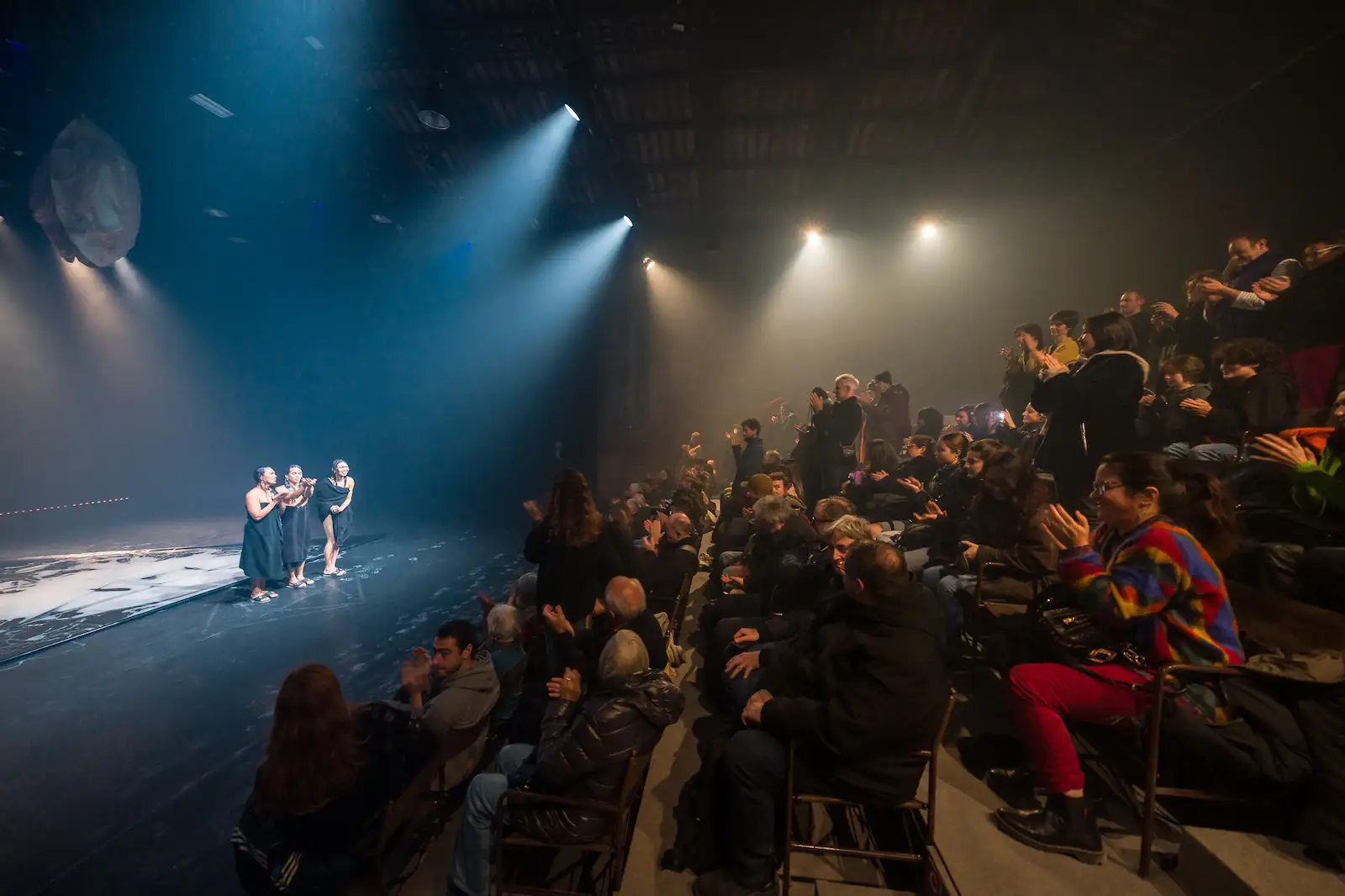
They also share how touring with collaborators from the Philippines can turn into a production of its own. From the paperwork to the costs to the uncertainty. “Every time I try to work with Filipino artists abroad, my producer always asks, ‘What’s the visa situation?’ Because just making it happen — just getting them to Europe — already requires the labor of over a dozen people. It’s a whole production just to secure a visa,” they say. “And that’s the heartbreaking part. While I want to work with people back home, I also have to consider the bureaucracy of it all. We’re talking thousands and thousands of euros. And not everyone has that.” It’s a constant struggle, one that reflects how global power structures operate, how politics decide who gets to move, and who doesn’t.
Recently, Filipino photojournalist Noel Celis won an award at the 2025 World Press Photo Awards but was unable to receive the honor in Amsterdam after his visa was denied. Celis shared his experience online, lamenting how artists from countries with weaker passports are forced to watch from the sidelines — even when it’s their own work being celebrated. For Serafin, this reality is all too familiar.
“We really need to claim these spaces,” they affirm. “I used to feel so inferior, like these were impossible things to achieve. But they’re not, even with all the limitations we face as Filipino artists. We deserve to be here.”
When asked what advice they would give to Filipino artists looking to grow their practice internationally, Serafin is clear. “Ask for what you need. Ask for opportunities. It might not always work out, and that’s okay. Some doors will open, some won’t. But what matters is that you keep asking, keep pushing for what you deserve. Even if you get a ‘no,’ it means you’re on the radar of the people you want to work with.”
They pause to add one final truth: “And most importantly, do the work that’s authentic to you.” Serafin isn’t for chasing fame, but they are for moving forward from a place that’s true. Because when you do, others are moved, too. Sometimes enough to be inspired. Sometimes inspired enough to flood your comments with: Mesmerizing. Unmatched. Amazeballs.
Rolling Stone Philippines November 2025 Issue, Now Available at SariSari Shopping