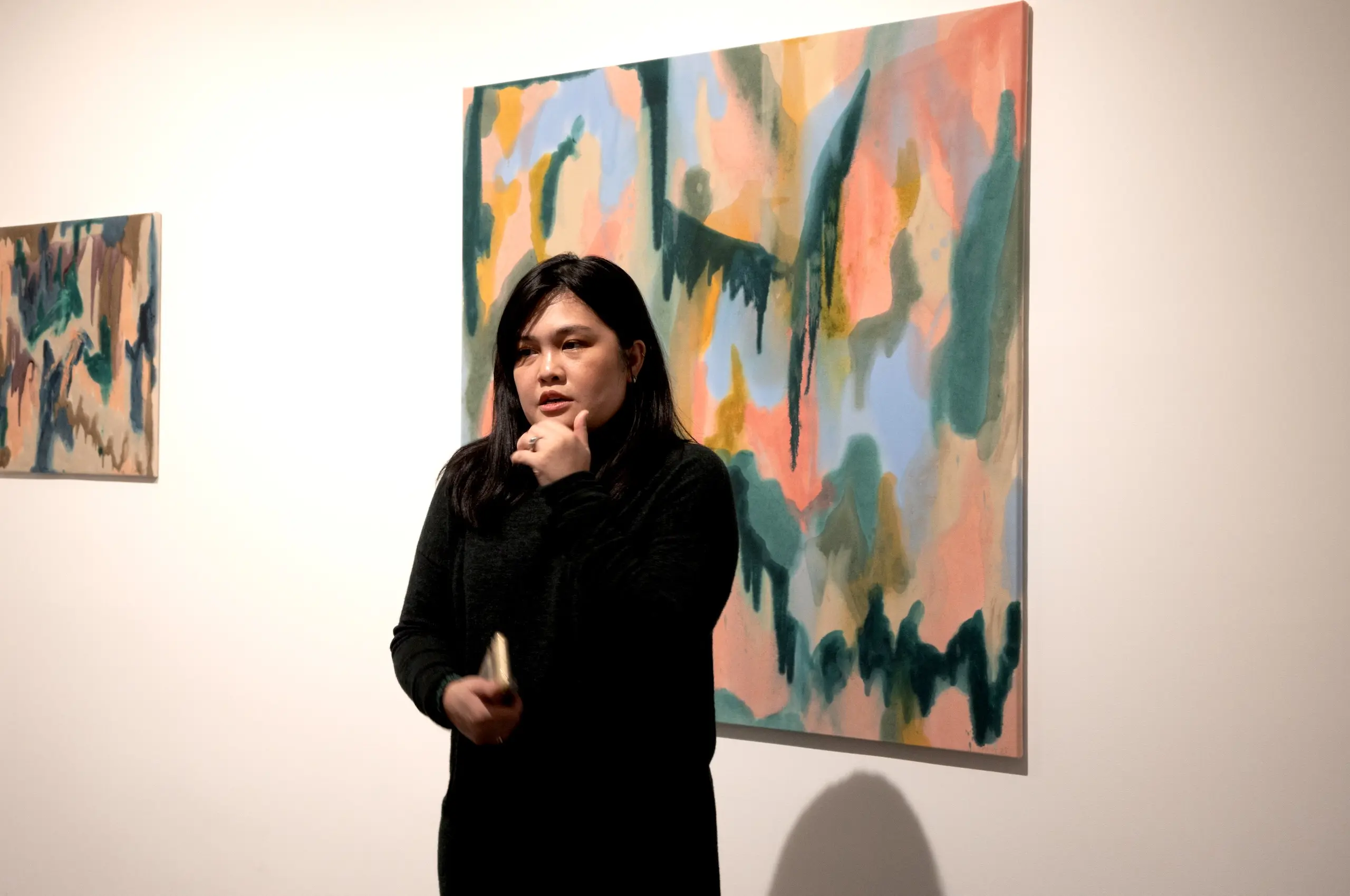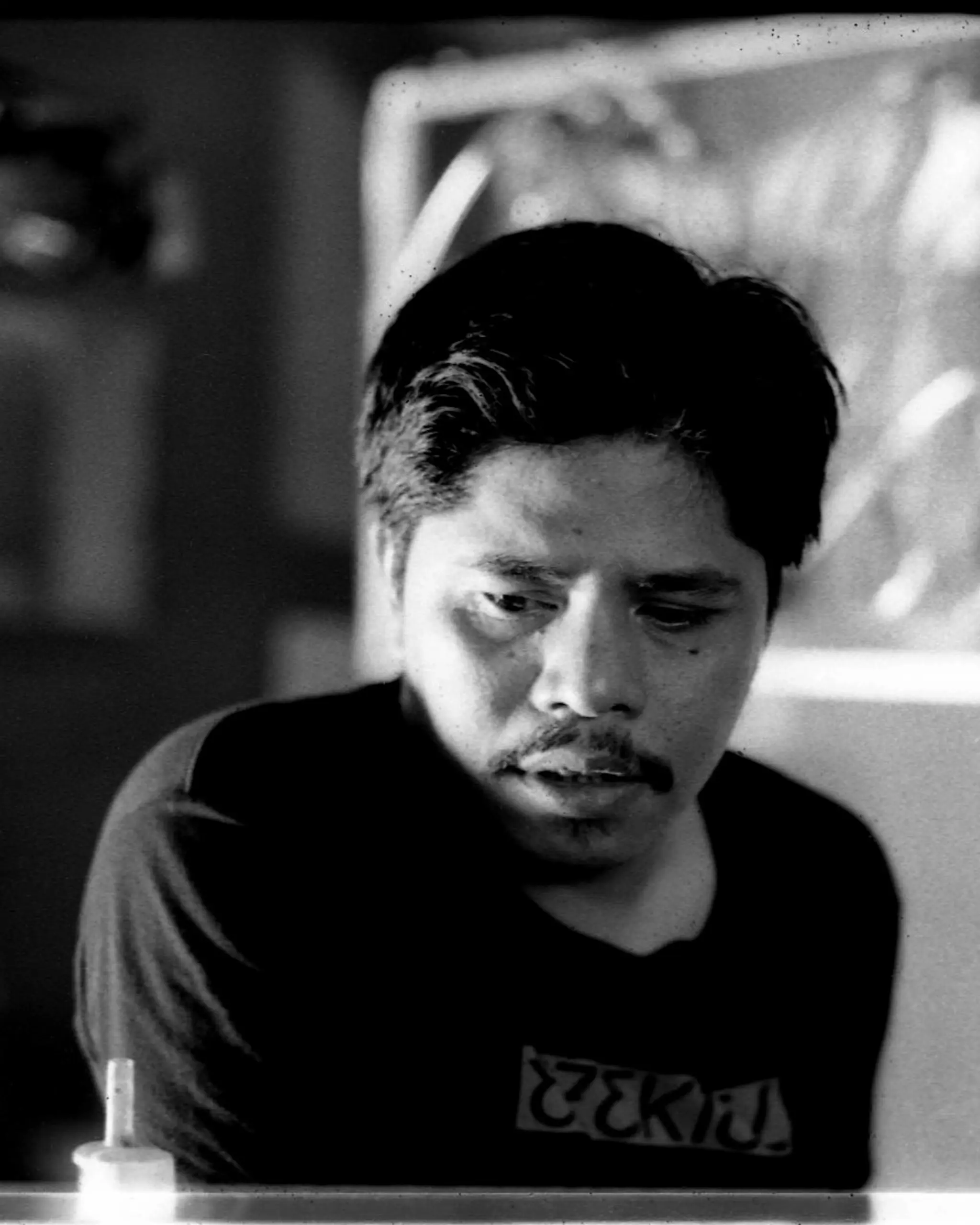
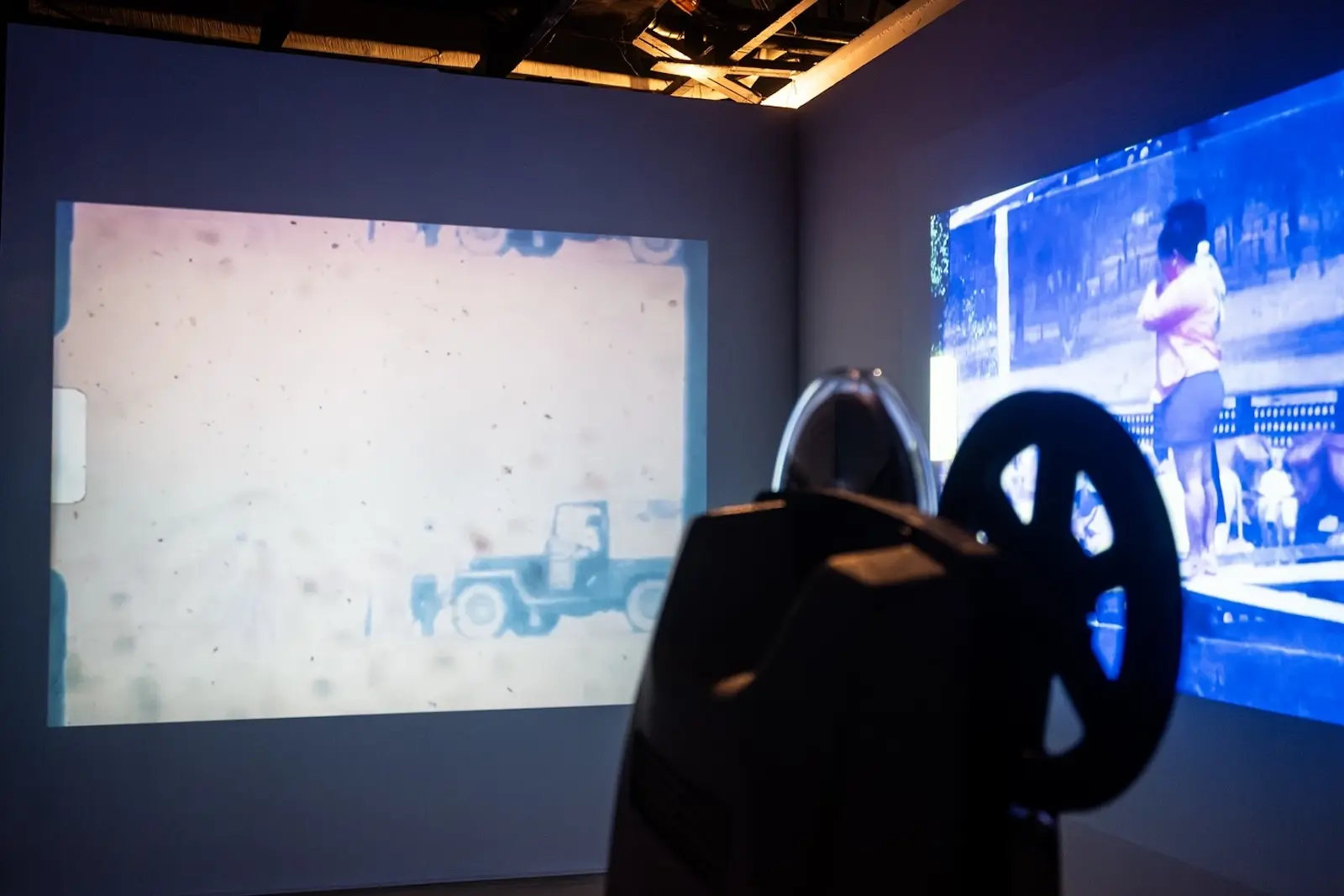
Old home movies, the kind made on Kodak film cameras and packed away in dusty, forgotten film rolls, are the forefront of Jun Sabayton’s latest exhibit, Gitik Tik Kinitik. Running until September 12 at Gravity Art Space, the exhibit draws viewers in with the gentle hum of vintage projectors and the sepia-toned glow of a Filipino family’s home movies, forever looped on film.
One video projected onto a wall sees the family playing in a hot spring, the children splashing in the background as the adults lounge by the water. Another video sees them at a formal dinner, where the same children, fidgeting in their best Sunday dresses, offer the camera a shy smile or sly wink before turning their attention to their parents. In another video, a new group of characters climbs down the steps of an old Philippine Airlines plane, with the family waiting for them below to carry their bags and pose for wacky shots with them. These videos play simultaneously alongside each other, enveloping the viewer in a nostalgic warmth that lingers long after they’ve stepped outside the exhibit’s four walls.
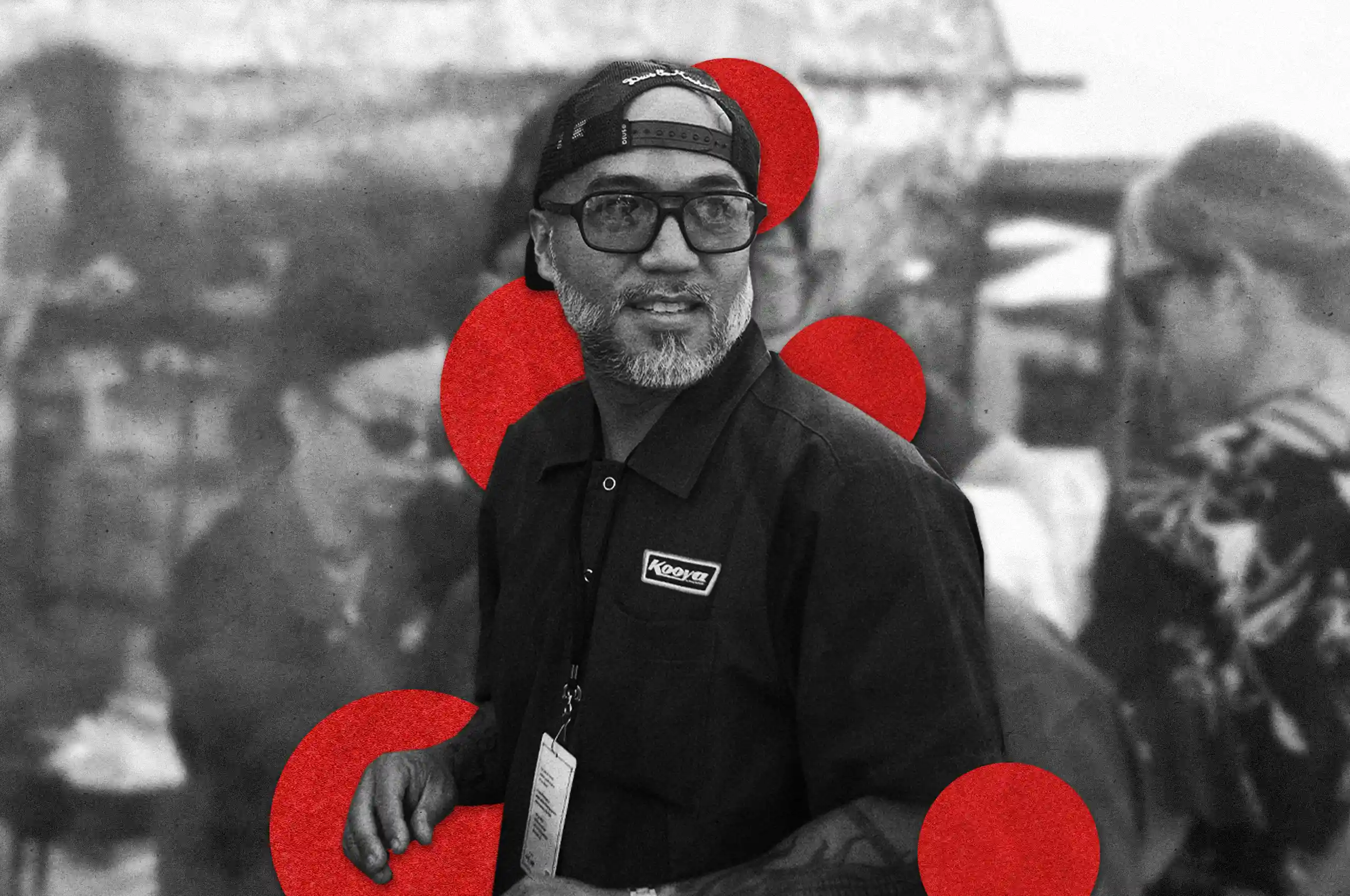
Sabayton has built an artistic career out of experimental films and moving images, from his ongoing Jumpcut exhibition series to his production design work on internationally acclaimed director Lav Diaz’s Ebolusyon ng Isang Pamilyang Pilipino, for which Sabayton won a Gawad Urian Award. While many of his fans may know him for his satirical “BAYAW for President” campaign or his comedic work on shows like History with Lourd, Kontrabando, and more, Sabayton has proven once again that his creative range extends far beyond humor.
Sabayton sat down with Rolling Stone Philippines to talk about the creative process behind Gitik Tik Kinitik, his love of experimental film, and the act of historical archiving that comes with artmaking.
This interview has been edited for brevity and clarity.
Where did the home movies for Gitik Tik Kinitik come from?
‘Yong lola ng friend ko. Ang pinakalumang film na nakita ko ay 1955 or ‘56. Noong tiningnan ko siya, grabe. Parang sampung taon lang pagkatapos ng World War II. Pero ‘yon ‘yong ginagawa ng ibang bahagi ng Filipino society, no? Noong nasa middle class o nasa upper class, na naka-afford ng technology na ‘yon. Kasi hindi naman lahat nakaka-afford ng camera. Tapos papadala mo sa America, o sa Hong Kong, o sa Japan to develop ‘yong film.
You titled your exhibit Gitik Tik Kinitik, which is a play on words from both Cebuano and Bikolano. Why combine the two languages, and how does the title connect to your pieces?
I love wordplay. Usually sa art, sobrang pretentious o hahaba ng titles. Pero bilang Cebuano, maganda rin naman ang language natin. Pinaglaruan ko lang ‘yong tunog at kahulugan. Una, Gitik Tik Kinitik ay parang ‘yong tunong ng projector: “tik, tik, tik.” Tapos, ‘yong “gitik” sa Cebuano, parang kiliti, kinikilig o kinikiliti ka. Same sa Bikolano.
Pangalawa, may koneksyon din sa term “kinetic:” galaw, movement. So, lahat may rhythm, may sensasyon, may galaw.
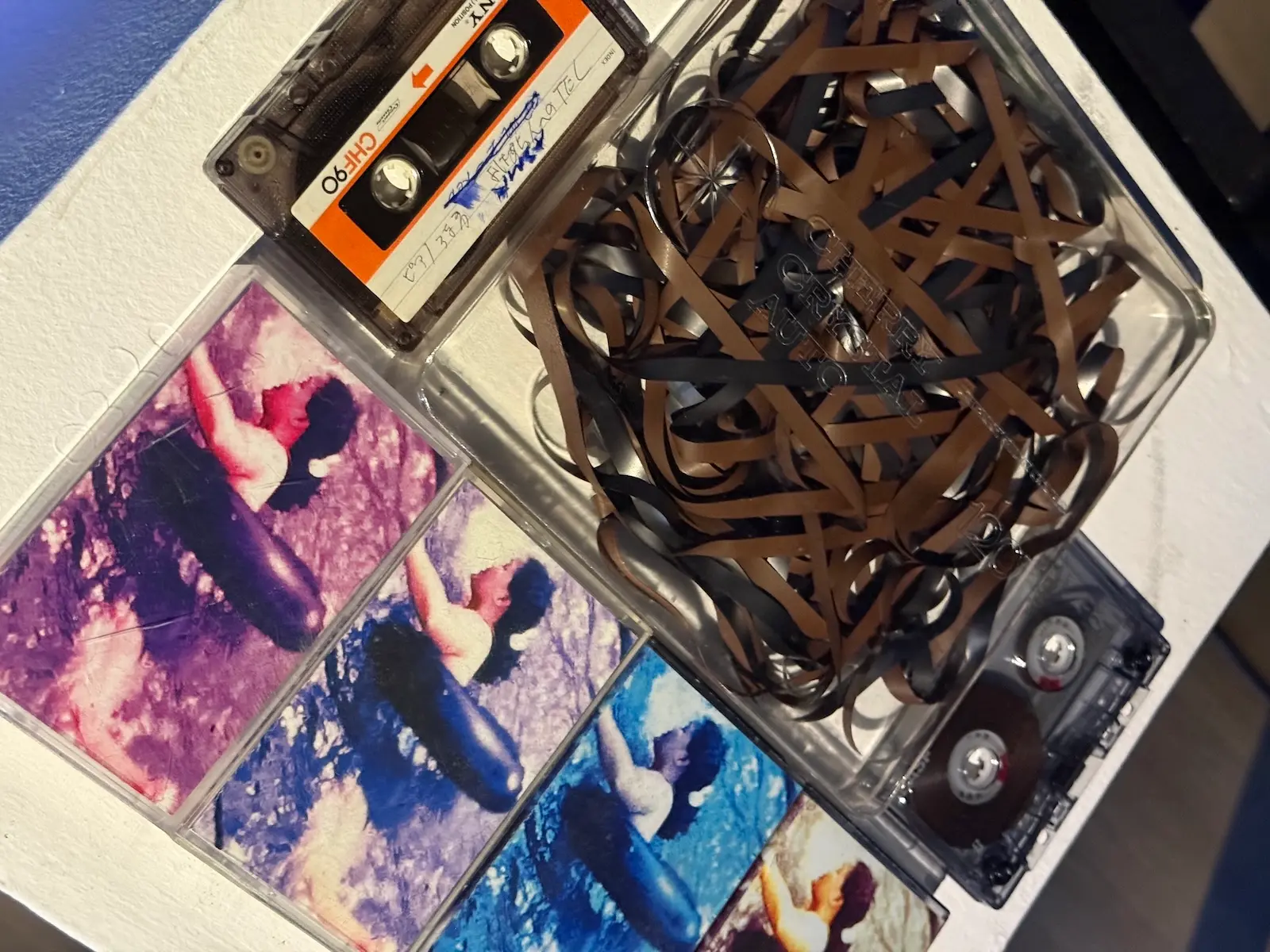
Tapos, “gitik” can also mean light touch lang, parang caress. Ganoon kami sa pelikula: hindi mo siya hawak nang buo, parang plaka o vinyl. Pinakikinggan, nararamdaman. Kinikiliti mo rin ang isip mo para mag-conceptualize. Para siyang lambingan, isang intimate act.
Sa Filipino, mahilig tayo sa onomatopoeia, paulit-ulit na tunog gaya ng tik-tik, tik-tik. Kaya may poetic resonance ang salitang “gitik.” Nagustuhan ko ring ipakita ang “pagkiliti” sa alaala, sa mga naunang kwento. Nostalgia. Kaya gusto ko ring ipasa sa susunod na generation ang language, lalo na sa mga Lumad na Cebuano. Ang ganda ng wika, hindi siya nakakatawa: dapat may respeto.
What drew you to experimental films?
‘Yong practice ko talaga, ‘yong body of work ko, may kinalaman sa moving images at experimental films, no? Kasi nag-aral naman ako ng film sa Mowelfund Film Institute. Nag-i-exhibit ako, magpipinta, at gumagawa ako ng movie images, experimental, parang ganon.
‘Yon ‘yong art ko, ‘yong language to express kung ano ‘yong gusto kong ipalabas. Gusto kong ikwento na hindi natin naipapakita sa traditional media, ganyan. Tsaka gusto kong bigyan ng boses ‘yong mga walang boses, ‘yong maikwento ‘yong injustices. Gusto ko ‘yon lumalabas sa gawa ko. Ito nalang ‘yong meron ako. Ito na lang ang kayamanan ako. Ito ang naging dahilan kung bakit ako nasa filmmaking.
What was your approach to preparing the home movies for Gitik Tik Kinitik?
Noong pandemic o baka pre-pandemic, naglabas ang Kodak ng Super8 [projector] at 8mm film digitizer. Ang mahal! Nasa P25,000 to P30,000. Mga 2022 o 2023, nagsimula na ako mag-digitize. Okay pa ‘yong condition ng film. Dahil celluloid siya, may chemical smell, parang ammonia.
Hindi ko muna agad nilinis ‘yong reels. Okay pa naman. Kahit may alikabok, silverfish, mga insekto na parang nasa lumang libro pa. Sabi ko, sige, i-capture ko pa rin kahit may dust.
Ang ganda ng lumabas. Parang sumakay ako sa time machine. ‘Yong unang footage na nakita ko ay noong 1956 sa Pansol, Laguna. ‘Yong pamilya, nag-outing, naliligo sa hot spring. Kita mo sila, nakatawa, natural.
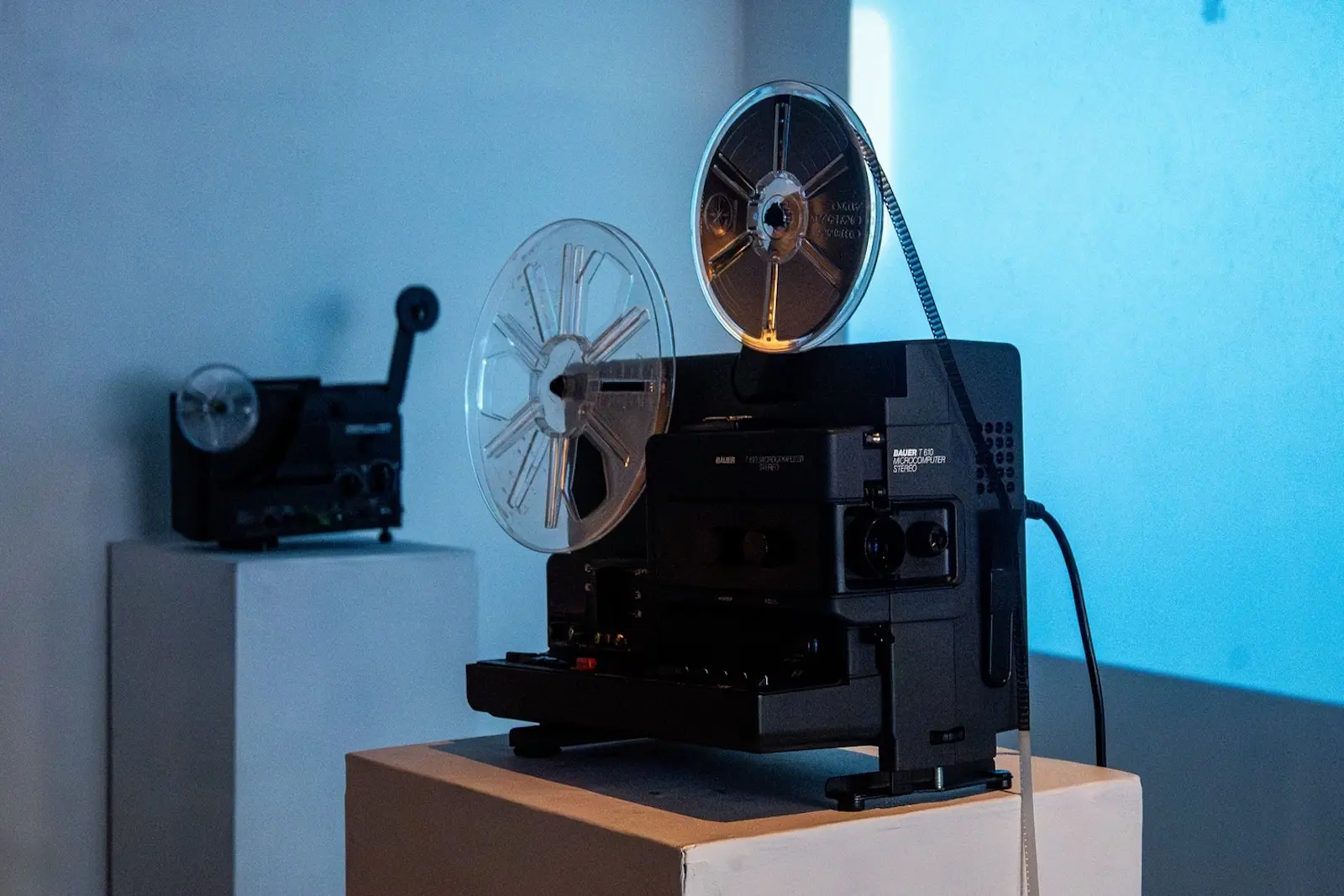
Tiningnan ko pa ‘yong iba pang footage. Bilang isang curious na tao, sabi ko, ang ganda nito. Pwede ko itong i-kwento ulit. Pwede akong gumawa ng experimental film gamit ang mga movie images na ito. Doon na naglaro ‘yong isip ko.
Kahit home movies lang, bahagi ito ng kasaysayan. Iba ‘yong architectural structure noon, fashion, hitsura ng Baguio, Tondo, Manila Bay. Kita mo silang naliligo sa Tondo, parang beach. Historical artifacts ‘to na pwedeng pag-aralan. Pag wala na tayo, meron pa ring babalikan ang younger generation.
You used the term “historical artifacts.” Do you see your exhibit as an act of preserving?
Kung hindi natin aalagaan ang mga kwento natin, paano pa ang susunod na pagkukuwento? Ito ang mga ugat kung paano tayo nagkukuwento bilang mga Pilipino.
Rolling Stone Philippines November 2025 Issue, Now Available at SariSari Shopping