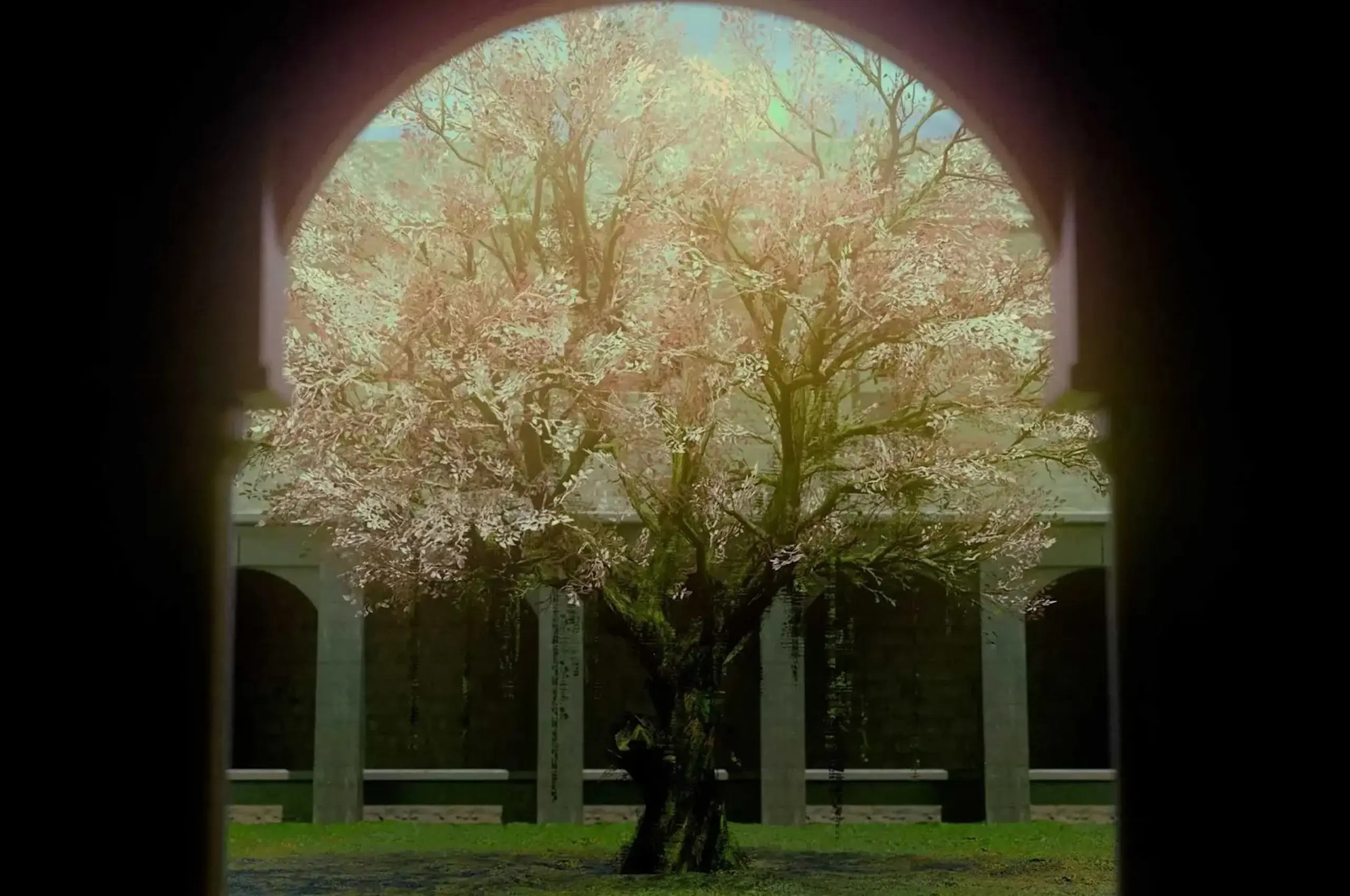
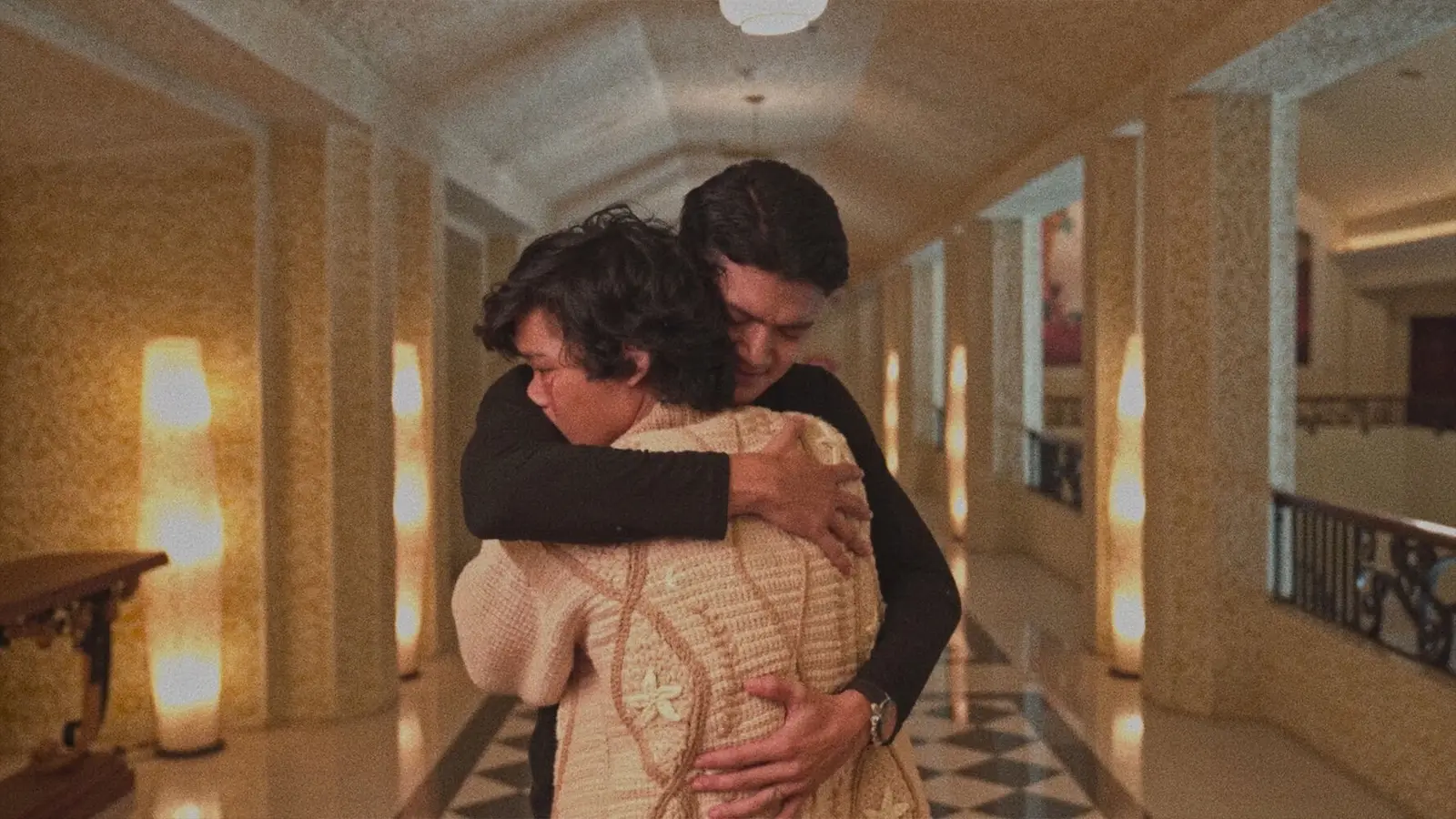
As of late, art gallery Tarzeer Pictures has steadily been dipping its toes into cinema. While the gallery continues to hold exhibitions in its Makati space Tarzeer Pictures has also been exploring cinematic terrain. At this year’s Cinemalaya, its production arm produced two films: Maria Estela Paiso’s ethereal short film, Objects Do Not Randomly Fall From The Sky, and Nigel Santos’ sapphic romance film, Open Endings. Prior to these projects, the gallery had already dabbled in producing short films, including Lem Atienza’s Moving Remnant, JT Trinidad’s The River That Never Ends, and Cola Salva Cruz’s Sans Nomenclature.
This year, Tarzeer Pictures has gone even further, announcing its latest cinematic project: the Tarzeer Grant For Short Films.
The grant calls on Filipino directors and producers with original narrative and experimental short film projects at the development stage to apply. Applications, which should be submitted between October 1 and November 15, will be processed by both the Tarzeer Pictures team and a jury of Filipino artists and filmmakers with Corinne de San Jose, Raya Martin, and Martika Escobar. Once chosen, grantees will receive a total of P500,000 and the support needed to produce and release their short films in 2026.
“Like its gallery, Tarzeer’s film program is also multidisciplinary, looking to the screen but also beyond it,” Jan Pineda, Tarzeer’s Film Program Manager, told Rolling Stone Philippines. “We are keen on nurturing interactions with the work, and see the intersection of different image-making practices as productive and crucial.”
“Tarzeer Pictures has always been shaped by image-making — its many forms, the people who practice, and our audience,” the Tarzeer founders — Dinesh Mohnani, Enzo Razon, and Gio Panlilio — tell Rolling Stone Philippines collectively. “Alongside Tarzeer’s exhibition program, we started co-producing new short films and the interest grew as more people reached out. The Tarzeer Grant For Short Films broadens our support for film and moving images, and hopefully allows us to connect with more filmmakers and producers in the process.
As the gallery continues to receive applications, Rolling Stone Philippines spoke with the co-founders of Tarzeer Pictures to delve into their motivation behind launching the grant, their love of short films, and the role the gallery will play in the short-filmmaking process. The gallery’s co-founders answered collectively.
This interview has been edited for brevity and clarity.

Although this is the inaugural edition of the grant, this isn’t the first time that Tarzeer Pictures has produced short films and their filmmakers. What draws the gallery to short films?
Development and presentation are the core of our program at Tarzeer Pictures as we provide infrastructure for artists and projects. As for what draws us to short films, we enjoy the flexibility it presents: it can be traditional in form, but can also exist as a laboratory or exciting formal experiments, sometimes doing both at the same time. The short film also incorporates the collaborative elements needed for any production — multiple creatives working across different disciplines — but given its scale, it can embody a singular vision or style in interesting ways.
What are you looking for in the submissions?
The grant is open to original narrative and experimental projects at the development stage, so at this point we’re excited by the range of proposals and voices we will be seeing over the next few months. We also encourage collaborations with other independent Filipino artists. Applicants whose projects get shortlisted can expect to present their script, treatment, process, and vision.
When producing short films with filmmakers, what say does Tarzeer Pictures have in the process? Do you guys have any non-negotiables?
Our goal is to uphold the integrity of each filmmaker’s vision and do what we can to make that happen. When the films are completed, we collaborate on how the works can live in our space through exhibitions, screenings, or discussions. We see our role as support, and believe that granting full ownership encourages creative freedom and enables the filmmaker other opportunities that may go beyond Tarzeer.