What do we want to tell our fathers? Or, more precisely, what do we want our fathers to know? In the Philippines, a paternalistic country with strong and often rigid ideas of fatherhood, literature can offer a rare space for patriarchs to feel, to question, and to confront what they often leave unspoken.
These 10 Philippine books offer fresh and insightful perspectives on topics that a father may struggle to discuss openly, but deeply shape their emotional and moral lives. These reads invite fathers to reflect not just on their roles in the family, but on their place in their community.
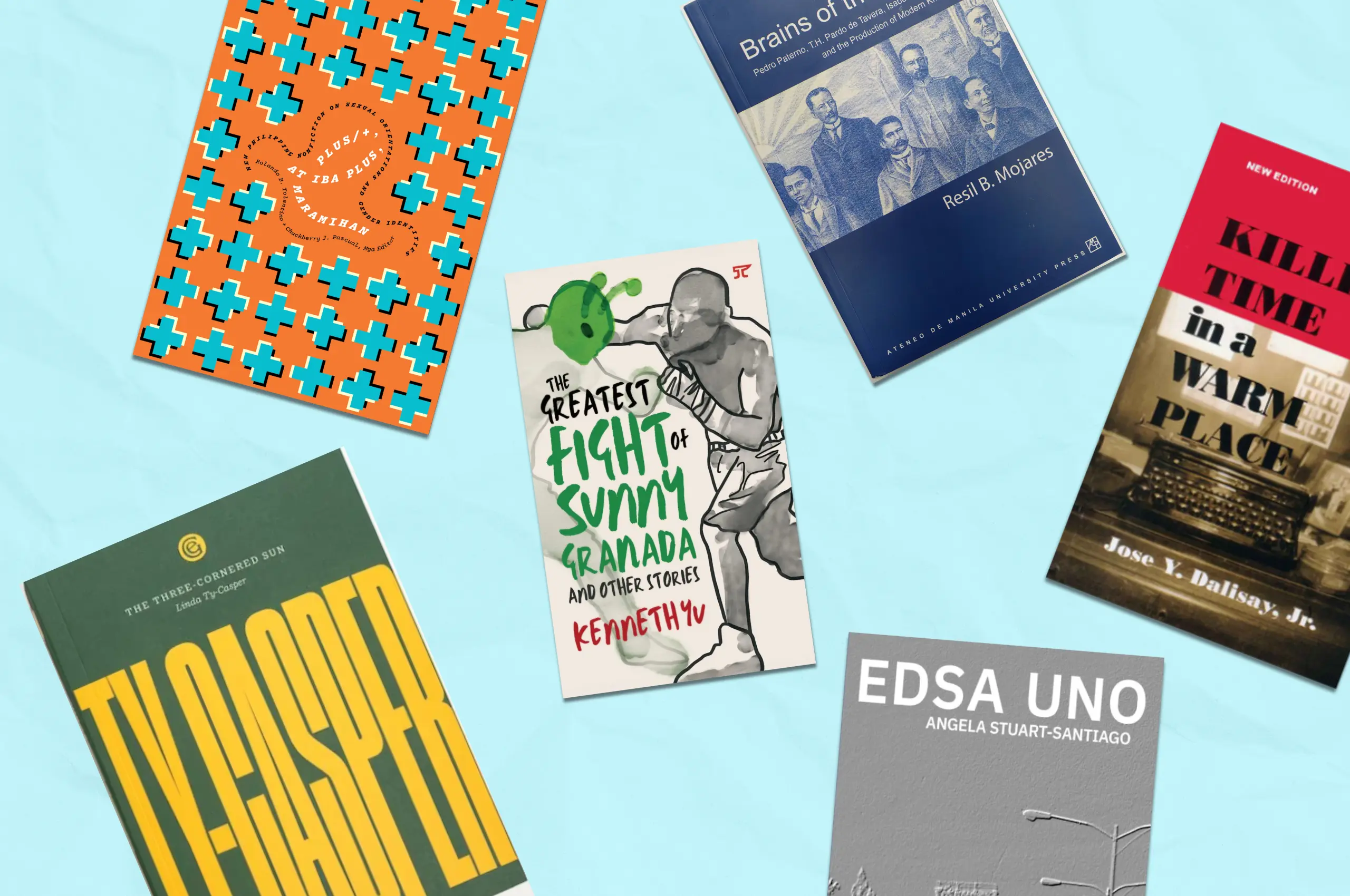
‘The Three-Cornered Sun’ by Linda Ty-Casper
Published by independent publishing house Exploding Galaxies, Linda Ty-Casper’s novel Three-Cornered Sun offers a gripping look at the Philippines on the brink of revolution in 1896. Based on the recollections of the author’s grandmother, Gabriela Paez Viardo de Velasquez, the novel traces the Viardo family’s history as they navigate the chaos and complexity of a country in upheaval, even when it means finding themselves on opposite sides of the conflict.
‘Tablay’ by Katrina F. Olan and Paul Medalla
Written by Katrina F. Olan and illustrated by Paul Medalla, Tablay is a Filipino science fiction saga that blends mecha action with rich folklore, offering a fresh perspective on the genre. Set in a futuristic Manila, the story follows Anya Valerio, a young mech pilot seeking to restore her family’s honor after a failed military operation. As she uncovers dark secrets about the war and its enemies, Anya must navigate complex alliances and ethical dilemmas.
‘EDSA UNO’ by Angela Stuart-Santiago
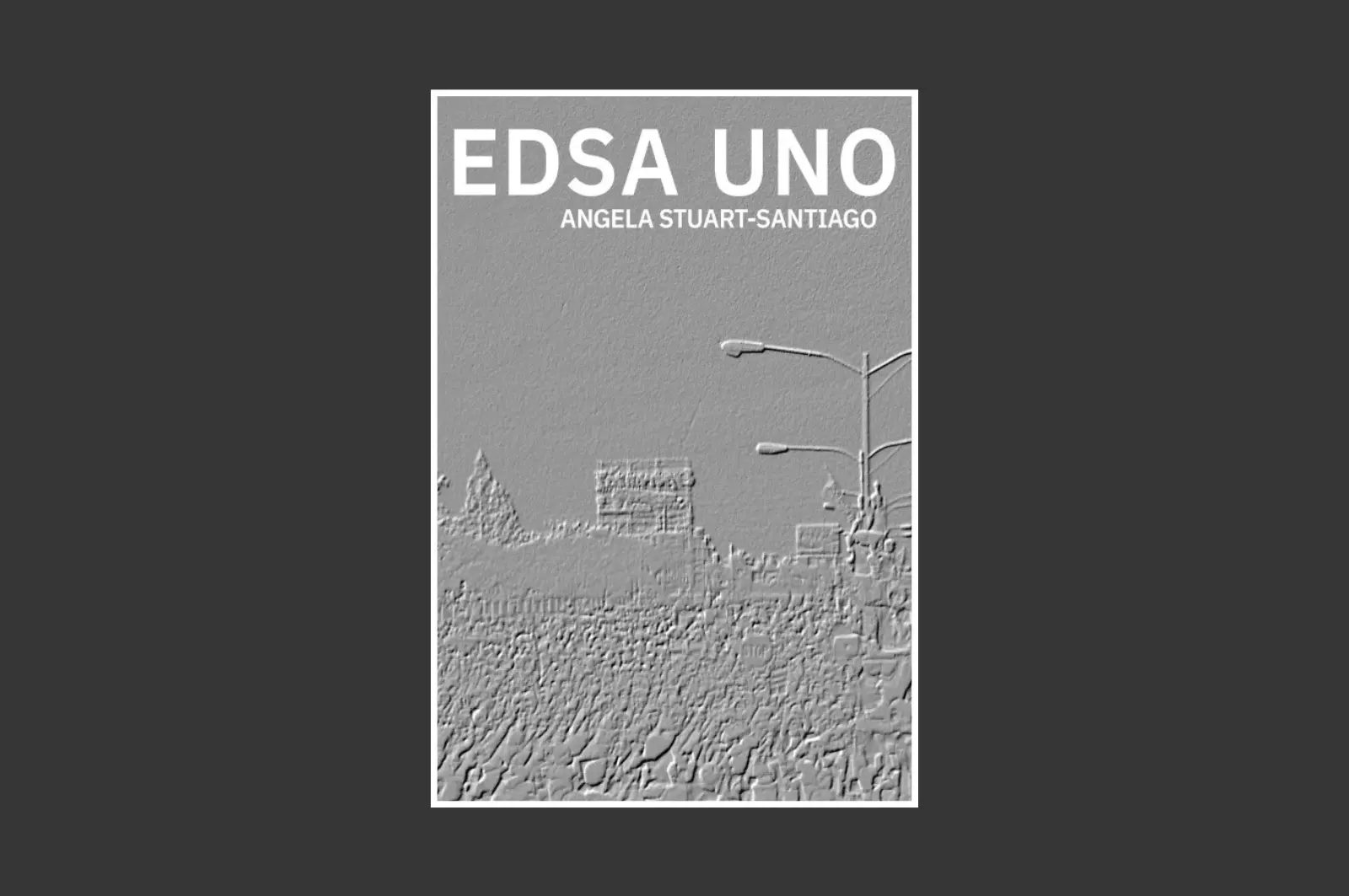
Part historical recounting and part personal reflection on the pivotal moments leading up to the 1986 People Power Revolution, EDSA UNO offers a nuanced look at the legacy of EDSA and the complicated, often contested, paths the Philippines has taken in pursuit of democracy since then. Published by small press Everything’s Fine, the book blends rigorous research with narrative intimacy, offering a powerful resource for readers looking to understand not just what happened on EDSA, but why it still matters today.
‘Juggernaut’ by Alyza Taguilaso
Alyza Taguilaso’s debut poetry collection, published by UST Publishing House, explores the raw emotional and political landscape of life during and after the COVID-19 pandemic. Its poems range from sharp and surgical to surreal and darkly humorous, tackling themes of personal and collective suffering with clarity and courage.
‘Brains of the Nation’: Pedro Paterno, T.H. Pardo de Tavera, Isabelo de los Reyes and the Production of Modern Knowledge
National Artist for Literature Resil B. Mojares’ book is a richly textured historical account of the generation that created the self-consciousness of the Filipino nation. For the reader with a love for Philippine nationalism and intellectual history, this text explores how three pivotal figures — Pedro Paterno, T.H. Pardo de Tavera, and Isabelo de los Reyes — shaped the nation’s intellectual landscape during the late 19th and early 20th centuries.
‘Insect Hag’ by Yvette Tan
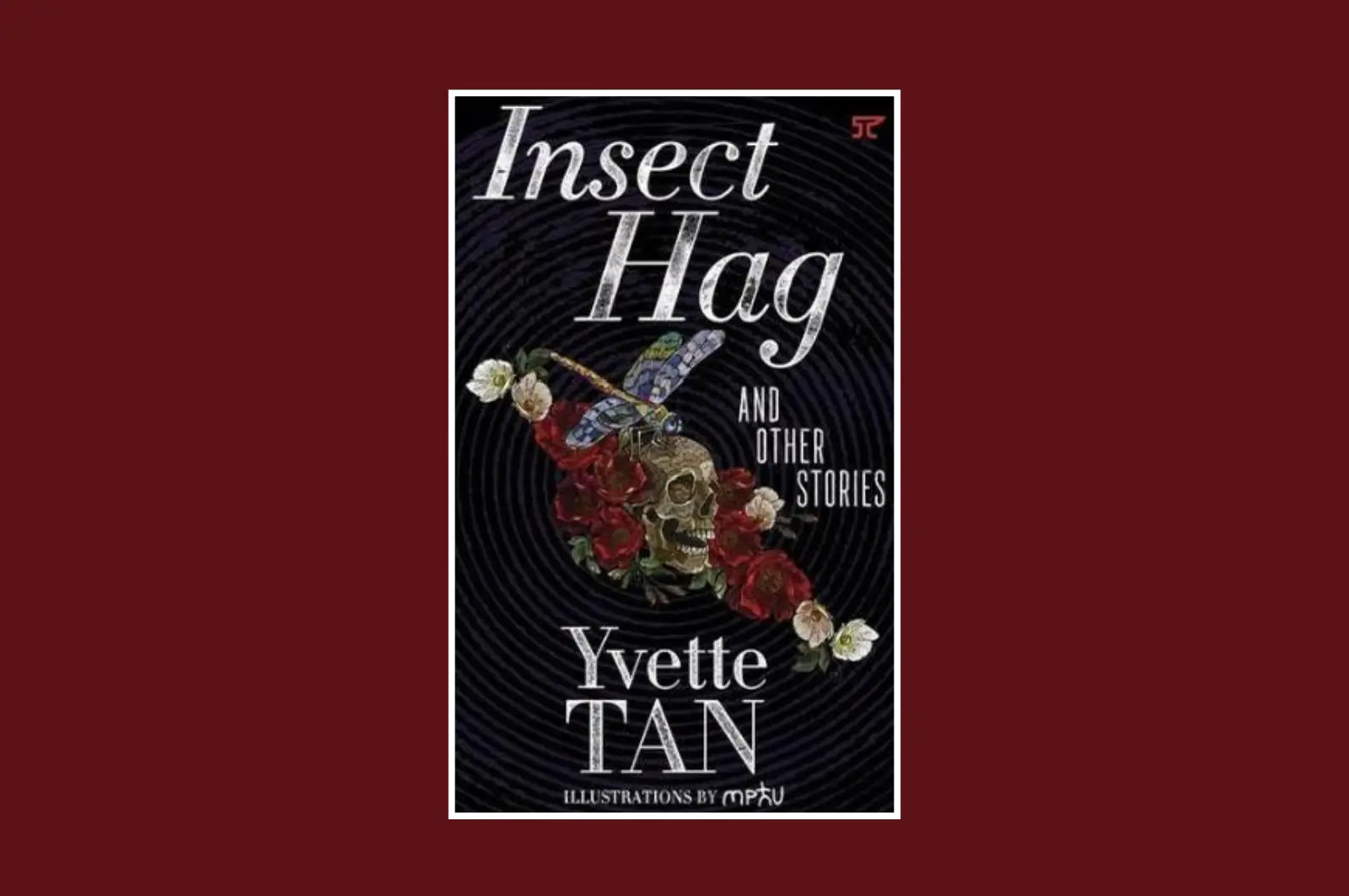
In her third short story collection, Insect Hag and Other Stories, Yvette Tan delivers a haunting swarm of tales where love, death, and pests converge in chilling, uncanny ways. Rooted in folk horror and told with unnerving realism, these stories unearth curses, hauntings, and inherited magic, reminding us that the scariest forces are often the ones closest to home. Tan’s mastery of quiet dread once again proves why she’s a defining voice in Philippine horror.
‘Struggle, Resilience, Solidarity’ by Aiman Abuhannieh and Geela Garcia
Through a collection of recipes, Filipino photographer and journalist Geela Garcia and Palestinian refugee Aiman Abuhannieh, now based in the Philippines, tell the story of Abuhannieh’s family: their survival in displacement, their adaptation to a new home, and the enduring connection they keep to Palestine through the rituals and memories of food. Released in collaboration with Everything’s Fine, the zine blends oral history, photography, and home cooking into a deeply personal document of resilience, resistance, and cultural preservation.
‘Killing Time in a Warm Place’ by Jose Y. Dalisay, Jr.
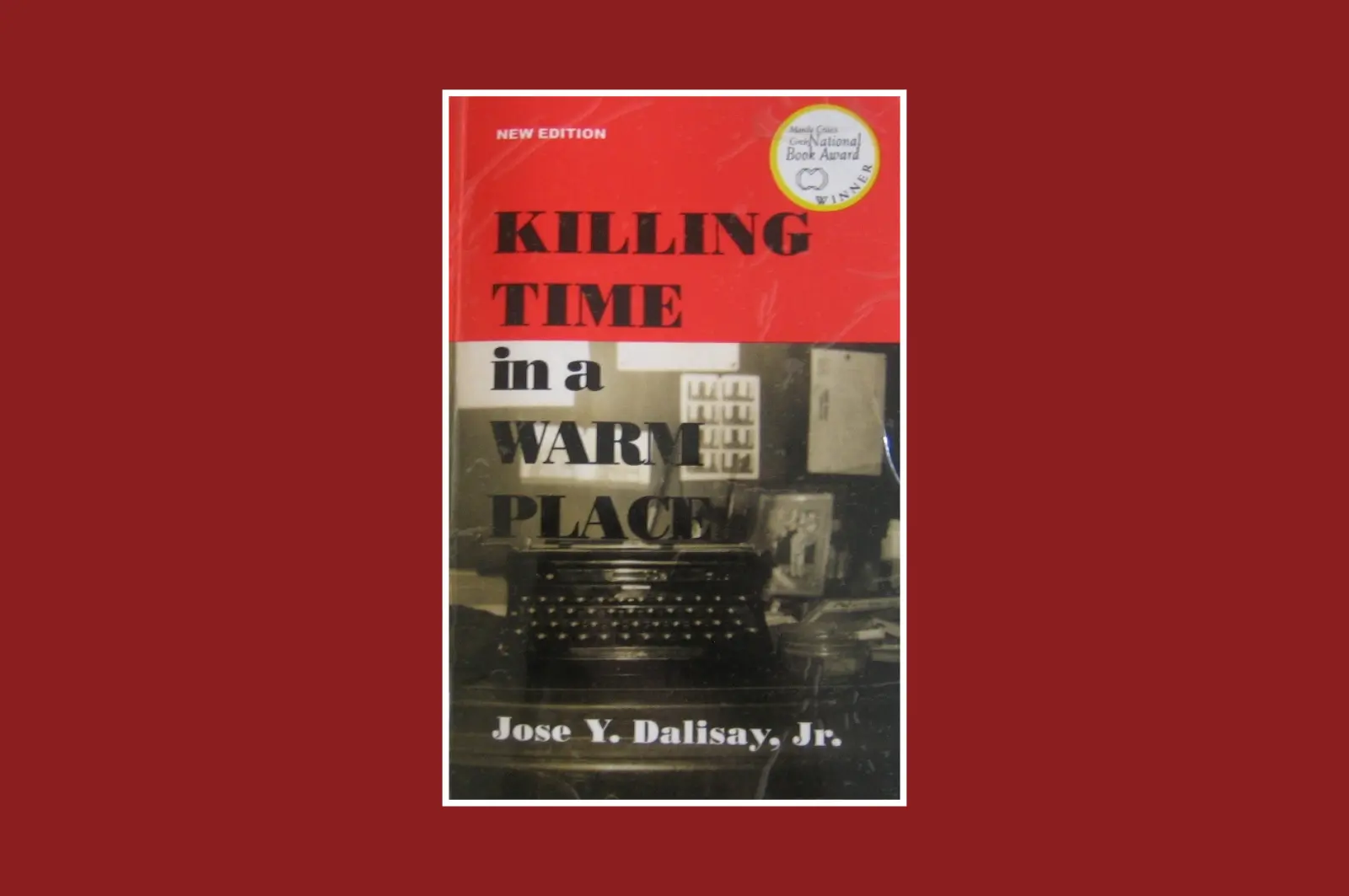
Winner of the 1993 National Book Award for Fiction and Co-Winner of the 1993 Palanca Grand Prize for the Novel, Killing Time in a Warm Place is a semi-autobiographical novel that delves deep into the complexities of life during the martial law era of the Philippines. Told from the perspective of its protagonist, Noel Ilustre Bulaong, the novel traces Bulaong’s journey from the coconut groves of his childhood to the inhumane prisons that defined the era. It was re-released by Anvil Publishing this year for its third edition.
‘The Greatest Fight of Sunny Granada And Other Stories’ by Kenneth Yu
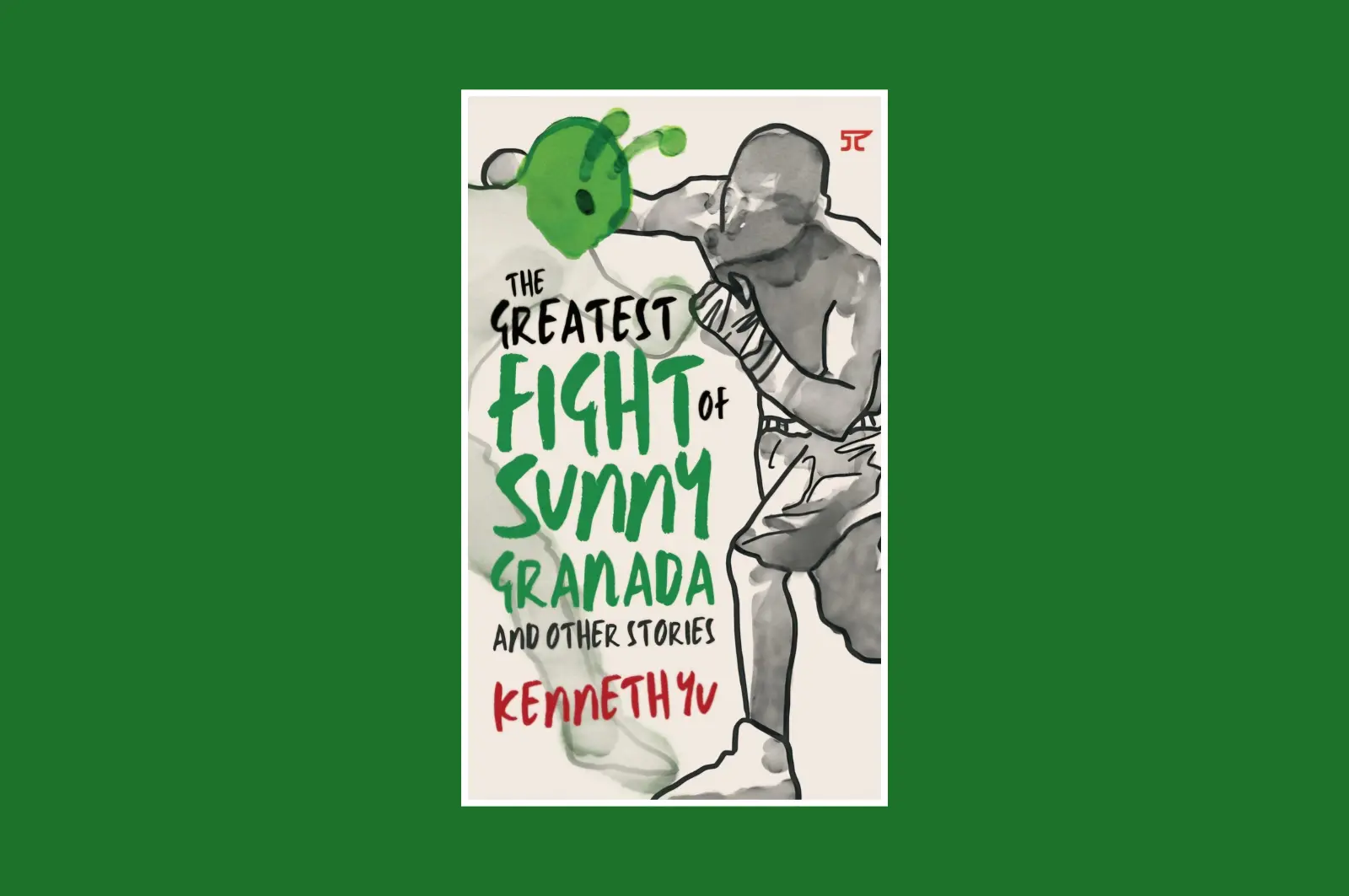
From an interstellar prizefighter to a botanist of sentient plants, a spider-slayer to a woman who won’t stop shrinking, Kenneth Yu’s latest collection introduces a cast of characters grappling with grief across strange, shifting worlds. These stories explore the many shapes survival can take, asking what it means to keep going when everything around you is falling apart.
‘Plus/+, at Iba Plus, Maramihan: New Philippine Nonfiction on Sexual Orientations and Gender Identities’ edited by Rolando B. Tolentino and Chuckberry J. Pascual
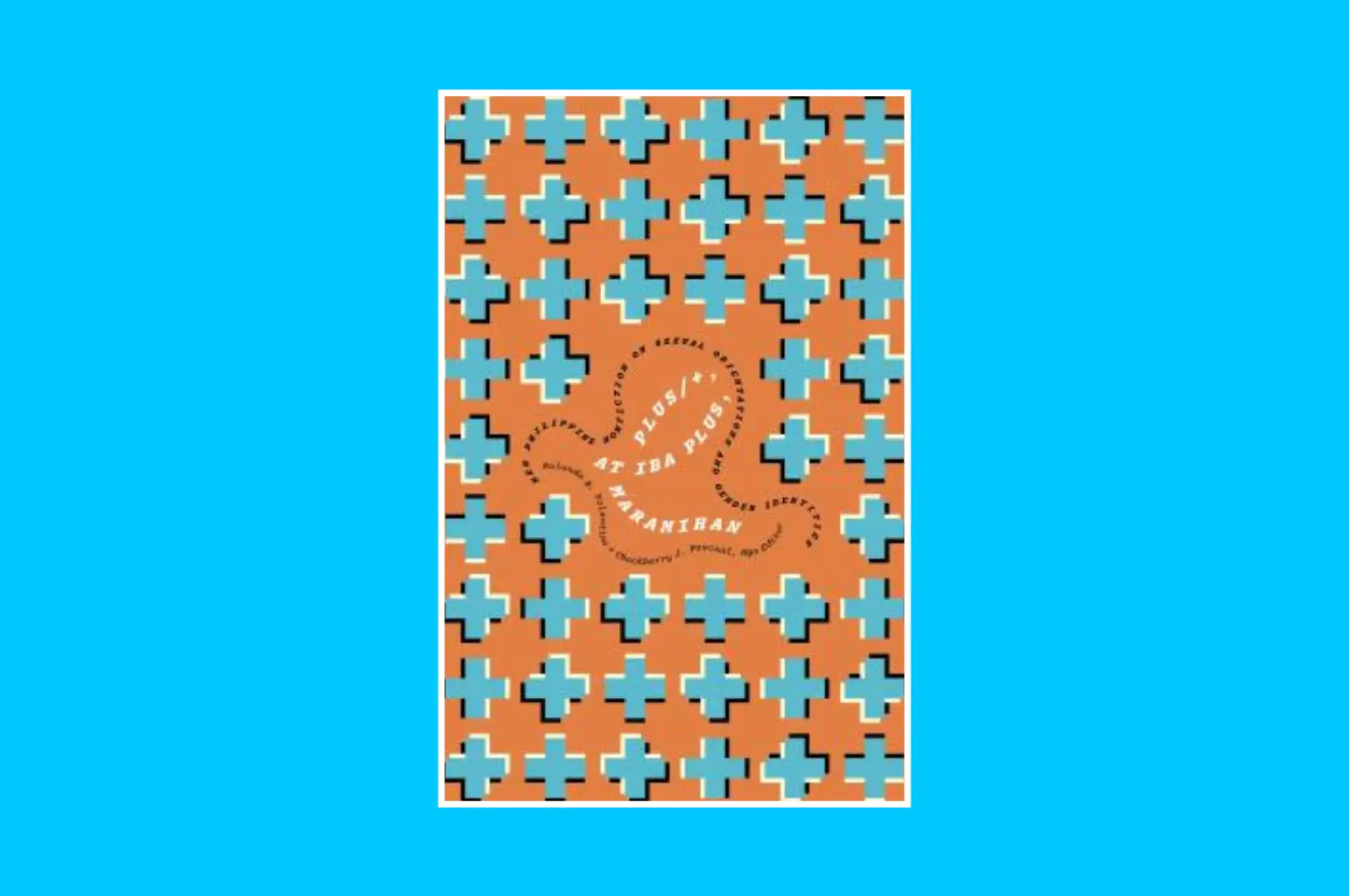
This anthology is a quiet yet powerful act of resistance, where each personal essay serves as a testament to the lived realities of LGBTQIA+ individuals navigating identity, memory, and belonging. Far from simple reflections, these narratives challenge dominant ideas of citizenship and visibility, offering instead a vision rooted in solidarity, shared struggle, and collective reimagining. The writers assert their presence not just in literature, but in the ongoing work of reshaping society and confronting systems of exclusion.