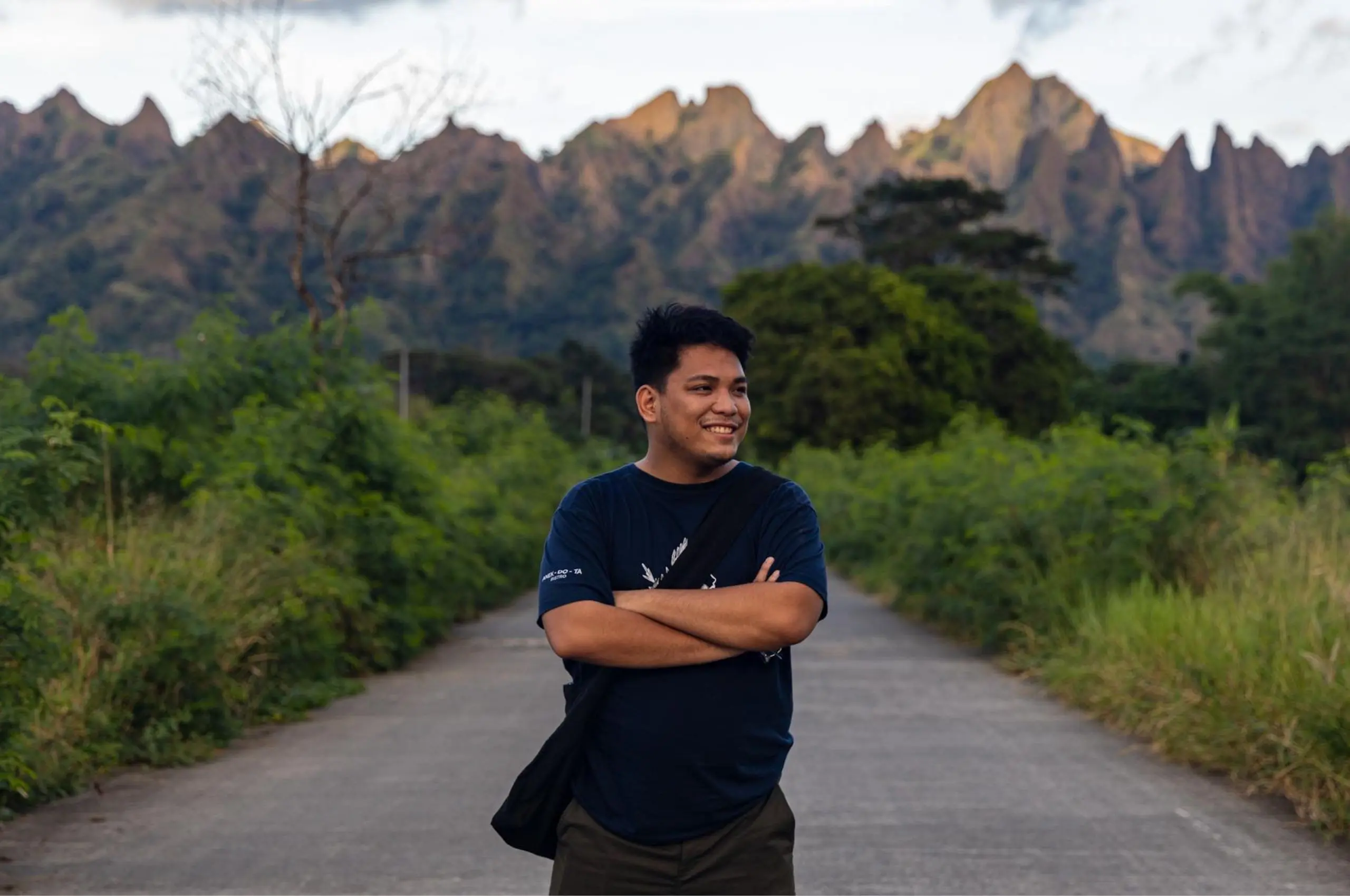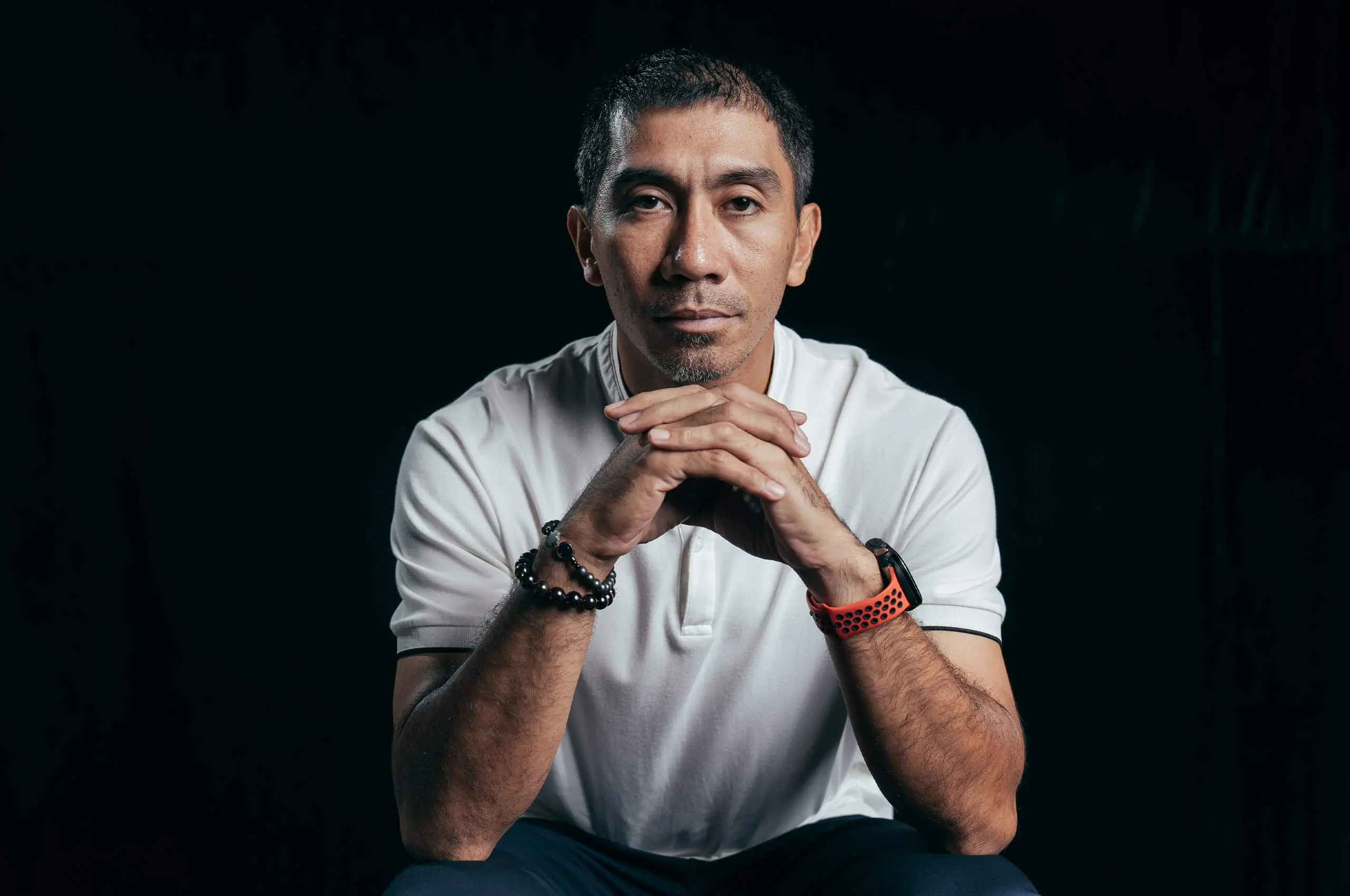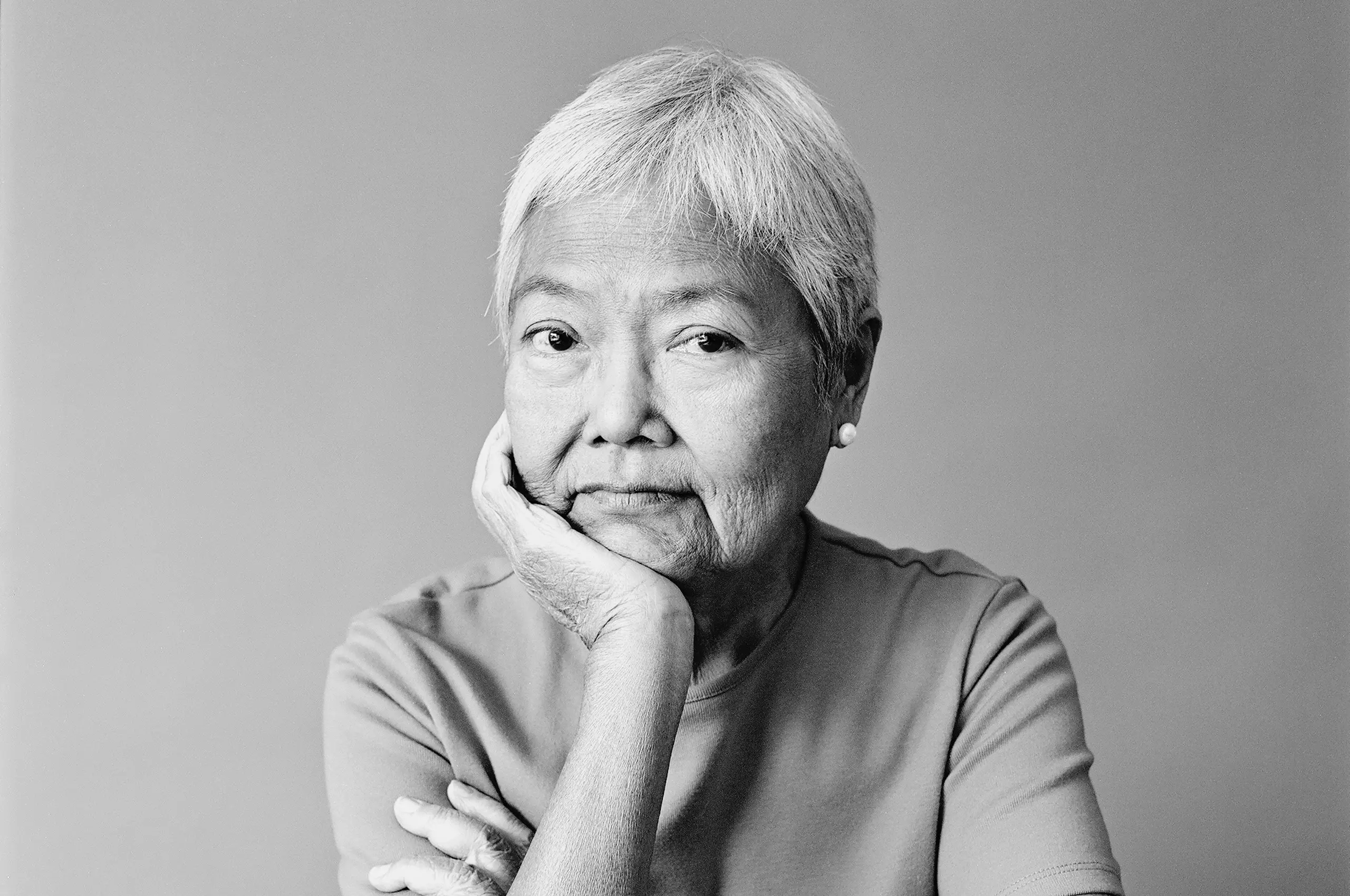
Doreen Fernandez was committed to finding the poetry of Filipino food. Her life as a food writer and literature professor was undeniably intertwined with Filipino food, having spent her time on earth scouring the Philippine archipelago for the tastes, flavors, and traditions that shaped her beloved country’s gustatory identity. She ate voraciously, turning her epicurean reflections into prose that has left many a reader, writer, and culinary enthusiast in awe. “Someone like Doreen Fernandez… no matter what age you are, the way she writes will always be timeless,” Mara Coson, publisher of local press Exploding Galaxies, told Rolling Stone Philippines. “Reading her now… it’s almost like she’s still talking to you today.”
Her work, featured in publications such as the Philippine Daily Inquirer, Mr. & Ms., and Metro, has been compiled into essay collections. However, despite Fernandez’s undeniable place in the pantheon of Filipino culture, many of her titles have fallen out of print. Existing copies are scarce, often worn with age, and if you’re lucky enough to get your hands on a rare copy of one of her books, it is often scarily overpriced.
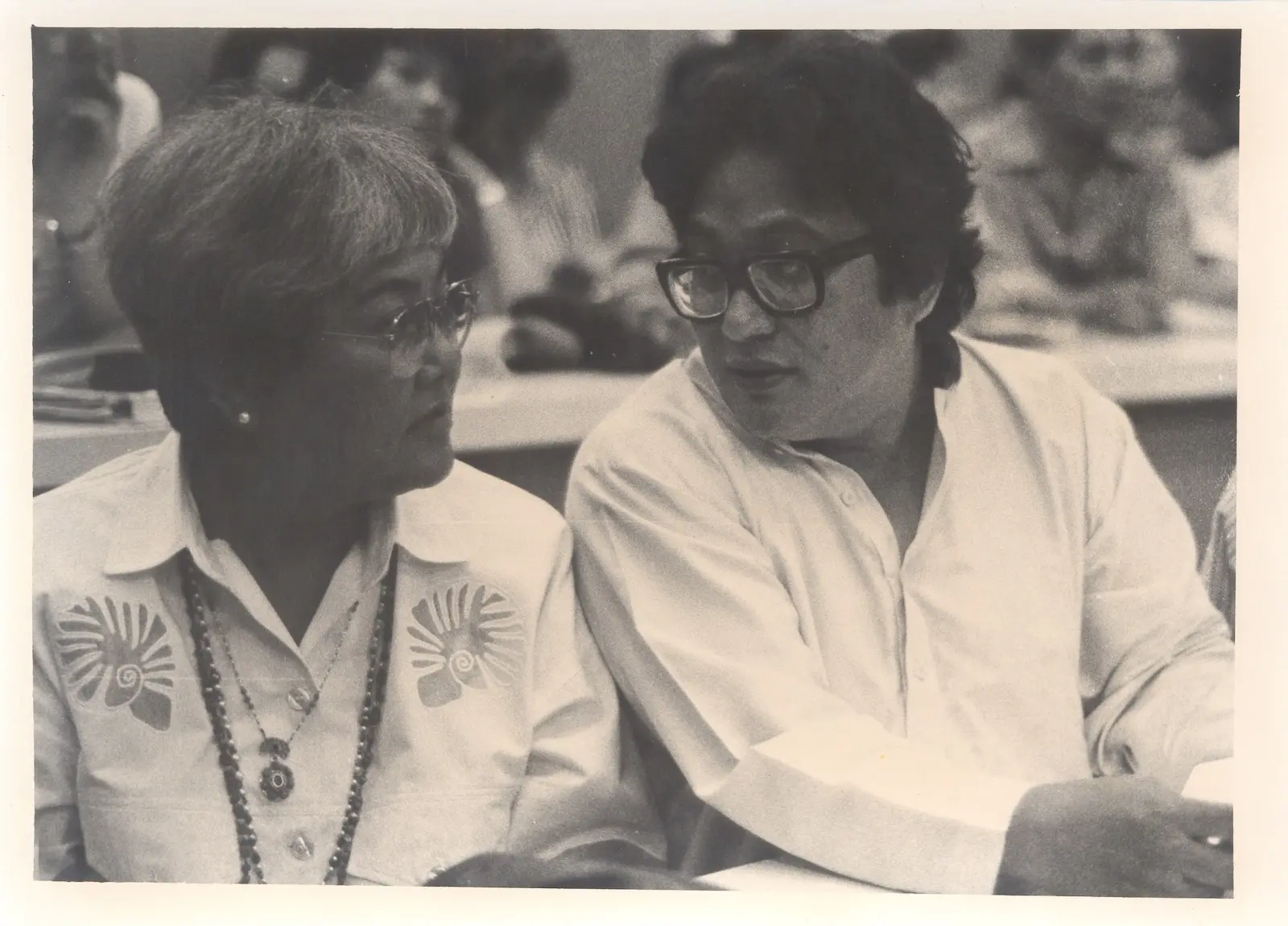
That is, until today. Exploding Galaxies recently republished two of Fernandez’s long-out-of-print food bibles: Palayok: Philippine Food Through Time, On Site, In the Pot, and Sarap: Essays on Philippine Food, the latter of which she co-wrote with longtime collaborator Edilberto N. Alegre.
Prose Sublime
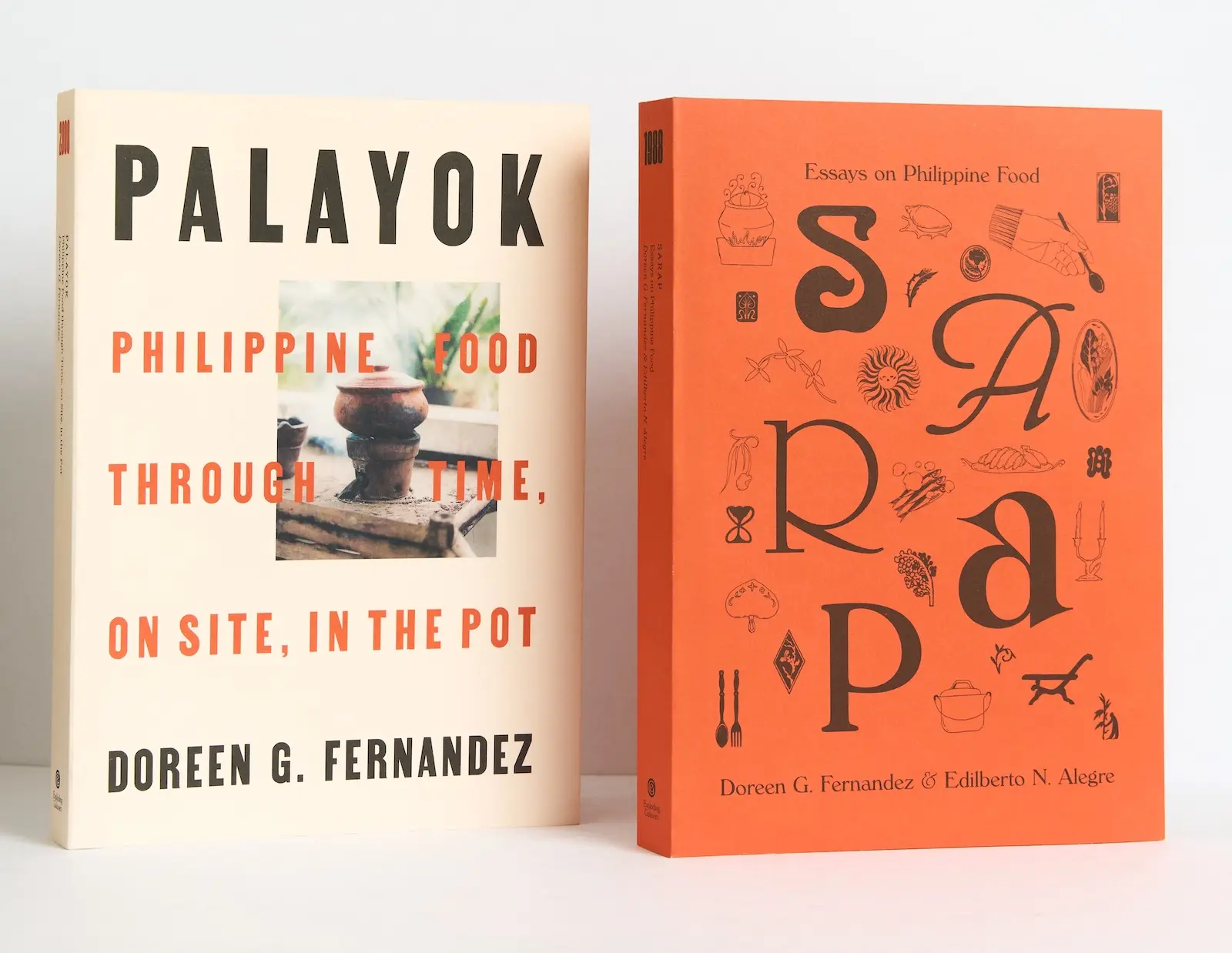
The team behind Exploding Galaxies, with their commitment to resurrecting the lost figures of Philippine literature, has spent the past year meticulously bringing Fernandez’s two landmark nonfiction books on Filipino food back to life. “Her words are just as relevant now as they were then,” Exploding Galaxies designer Kristian Henson told Rolling Stone Philippines, “especially now, when there’s this obvious lens on Filipino food, cuisine, and culture.”
In both books, Fernandez’s writing is as crystalline and sublime as ever. Take, for instance, her essay in Palayok of the bliss that one enters into when eating lechon: “Lechon memories inevitably start with the crisp, crackling skin — or the ears, or the tail — torn off by hand, dipped into salsa, and crunched as one greets family and friends. Then the tender flesh and the layer (thin, ideally) of fat, cubed, and passed around, and for some connoisseurs, the tender ribs, twisted off the rib cage, and sucked.”
For Fernandez, the act of food writing was more than the simple task of description. She chose words “that echoed, that reverberated,” she once wrote. “And then it was making the readers hear the silence between the echoes, and themselves load them with memory, sensation, and finally, meaning.”
What’s more, Exploding Galaxies has added a fresh set of visuals for both republished titles, giving Fernandez’s words a new vibrancy for today’s readers. Palayok features crisp, rich photographs by photojournalist Jilson Tiu, and the essays of Sarap are accompanied by illustrations from artists Gianne Encarnacion, Kitty Jardenil, Elle Shivers, and Eva Yu. While the press had intended to preserve the original woodblock designs used in the first edition of Sarap, Henson felt that the reprinted edition needed to reflect the art of today. “It has to look delicious,” said Henson. “The art has to match Doreen’s power.”
Street Party
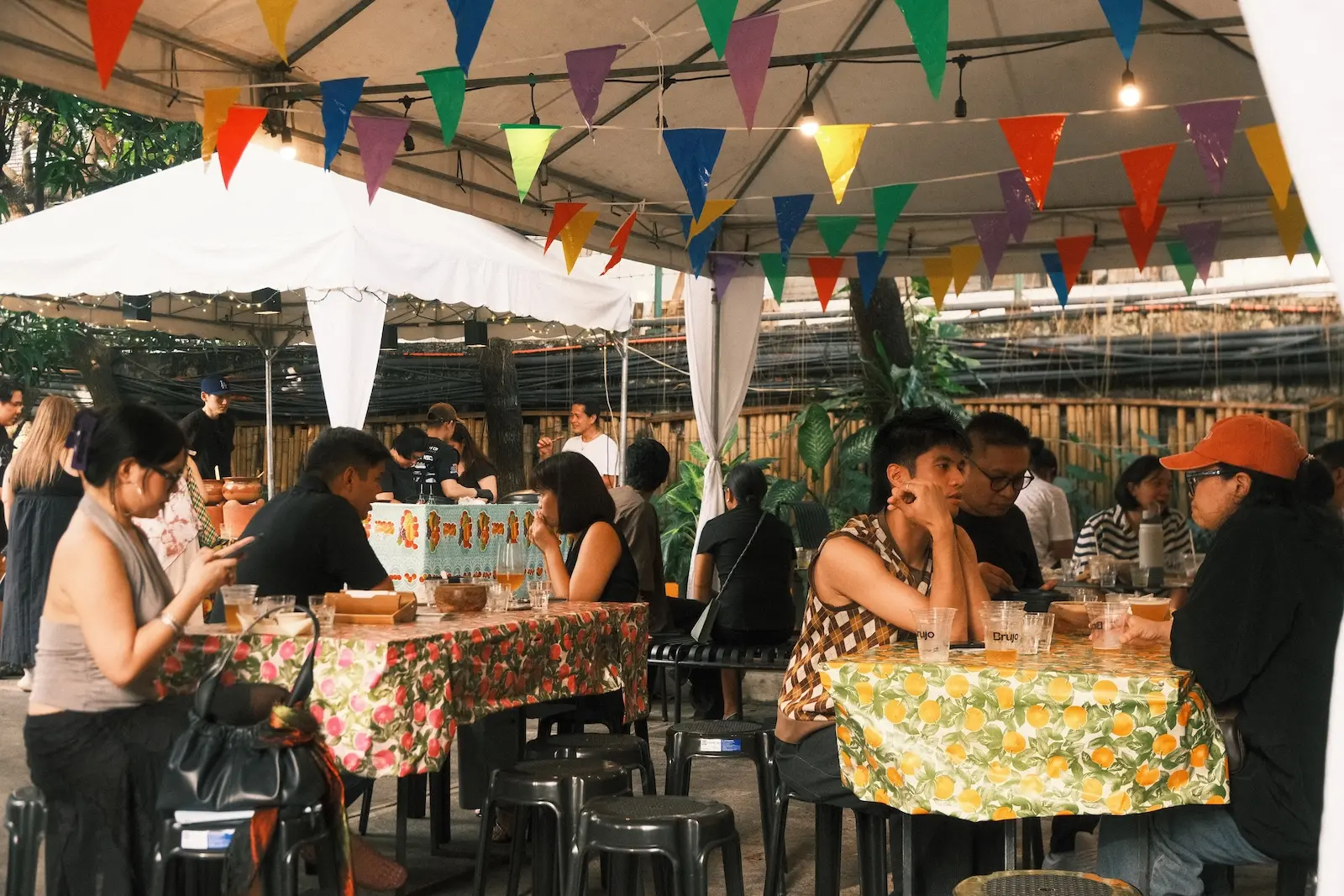
But beyond simply unleashing the books onto the Philippine public, Exploding Galaxies took it one step further and celebrated the release in a way that Fernandez surely would have been proud of: a fiesta.
On October 11, Exploding Galaxies transformed Karrivin Plaza and Karrivin Studios into a sprawling culinary festival. Using cultural hub WHYNoT Manila as the party’s epicenter, Exploding Galaxies began the day’s festivities with a live reading of selections from Palayok and Sarap conducted by actor Bart Guingona.
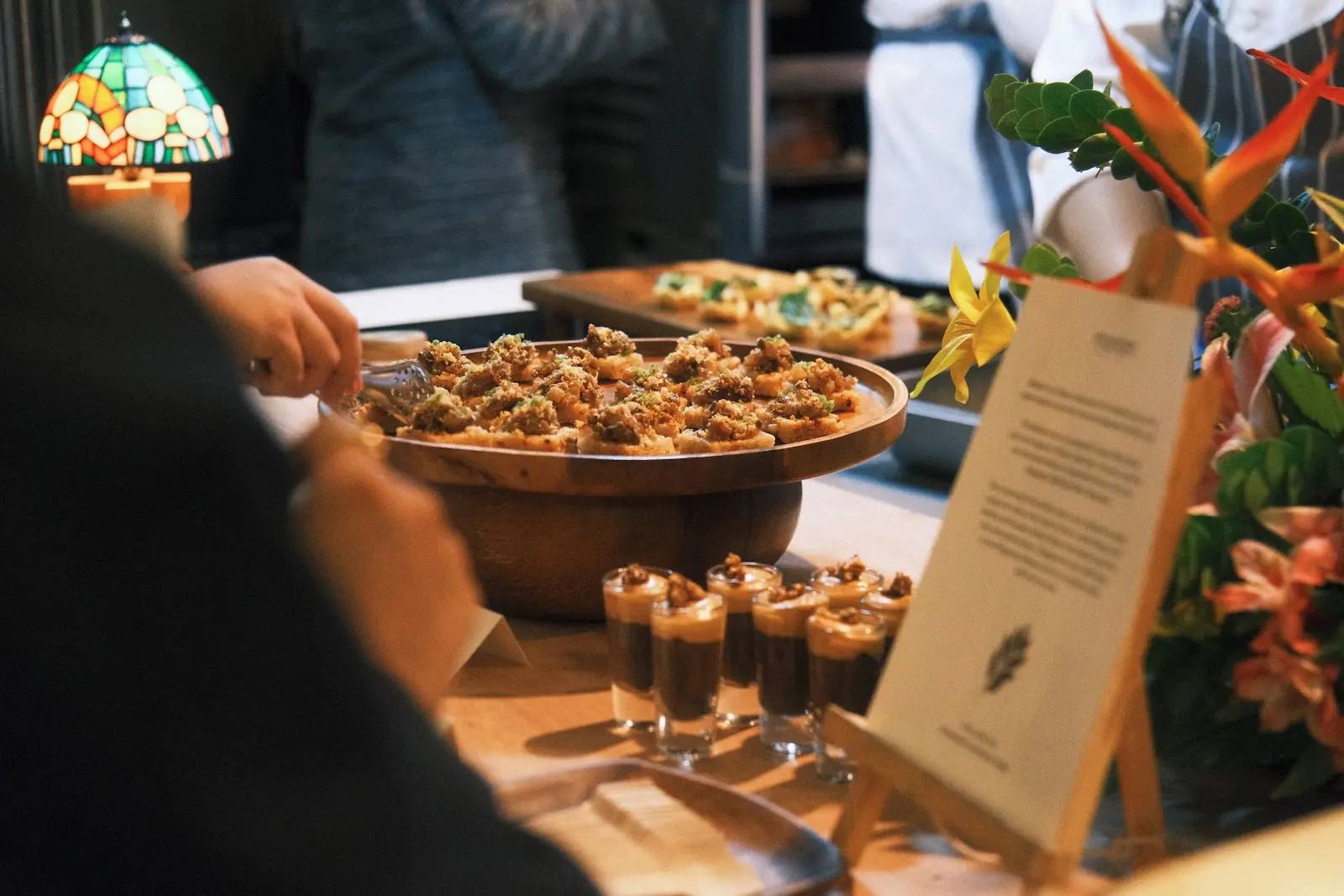
As guests grew more and more enthralled with Guingona’s descriptions of sinigang, Badjao cooking methods, and more, the programming shifted into panels led by Coson, Metiz chef Stephan Duhesme, Slow Food Advocate Reena Gamboa, and many other figures who explored the past, present, and future of Filipino cuisine through the lens of Fernandez’s prose. Towards the back of the room, guests were also treated to a curated selection of hors d’œuvres from Manam, which included bites of pork sisig atop of garlic rice and glasses of creamy champorado topped with dilis.
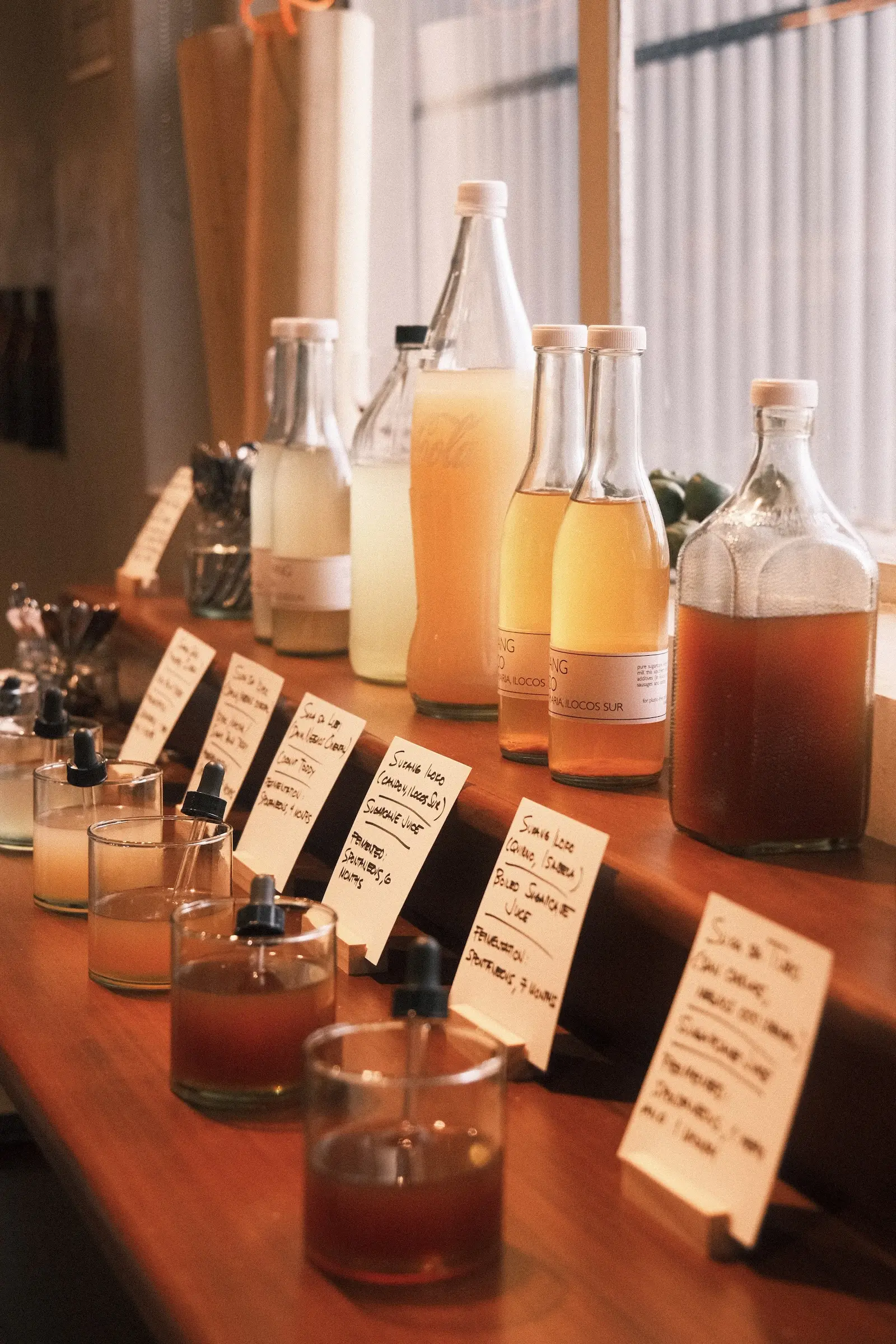
For those itching to explore the day’s many other surprises, several of Karrivin Studios’ shops brought their own twist to the celebration. At artisanal store Ritual, guests delighted in a small vinegar exhibit, where glasses of vinegars from across Ilocos Sur and Negros were made available for taste testing. Archivo, a gallery of art, film, and pop culture memorabilia, turned into a packed exhibition of vintage cookware, art pieces, and Filipino cuisine curated by artist and restaurateur Claude Tayag. Art gallery Under Maintenance also underwent its own Fernandez-centric metamorphosis, transforming into the Exploding Bookshop where guests could purchase copies of Sarap and Palayok, as well as merchandise exclusive to the launch.
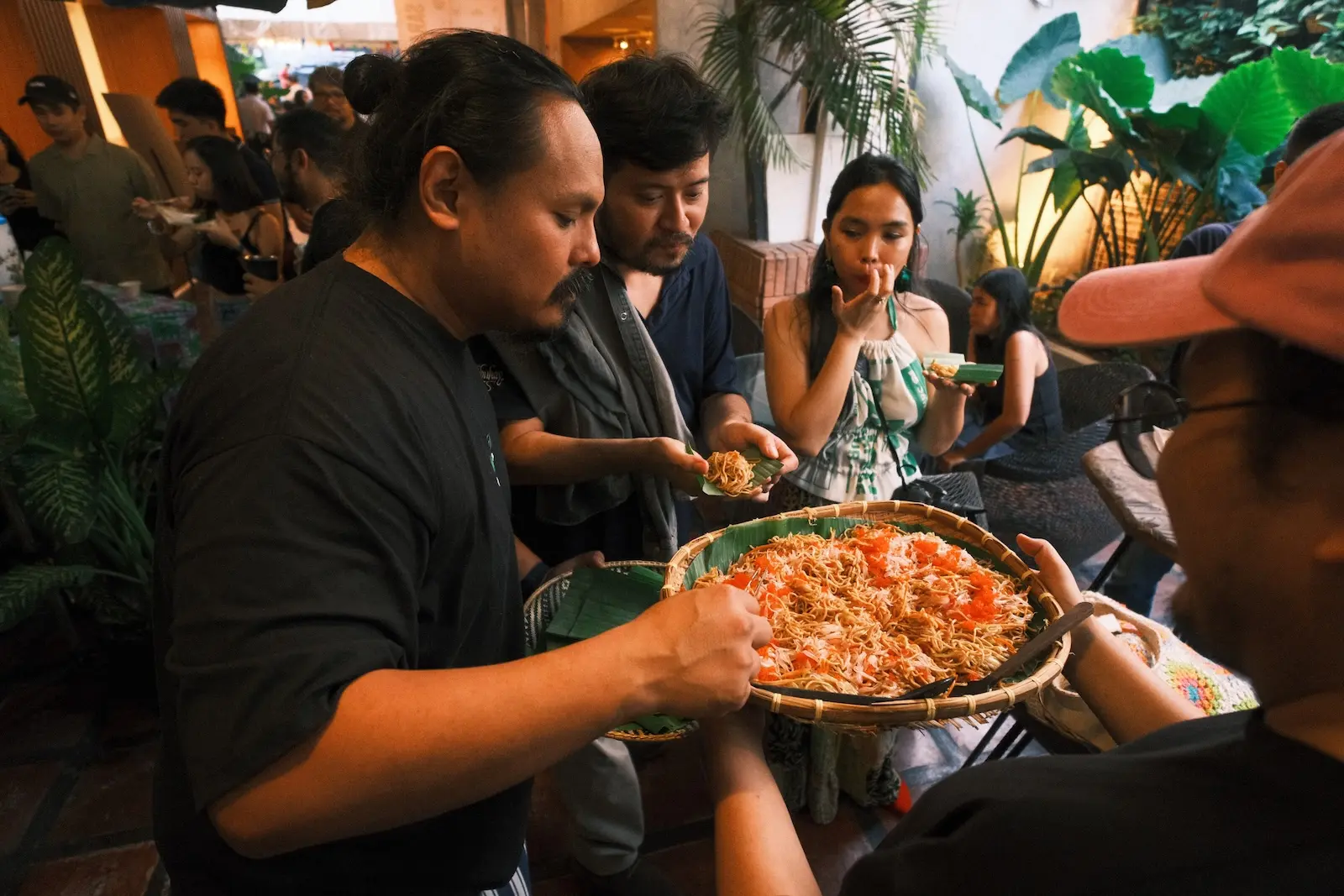
Once outside Karrivin Studios, the festivities continued to spill into the plaza. Staff from Toyo Eatery manned an outdoor grill, tirelessly smoking sticks of barbecue and appetizers, while Toyo’s head chef, Jordy Navarra, fed everyone with pancit habhab. Brujo Craft Brew poured free glasses of beer to complement the bites, while The Underbelly served a special sinigang ramen in homage to Fernandez’s long love affair with sinigang.
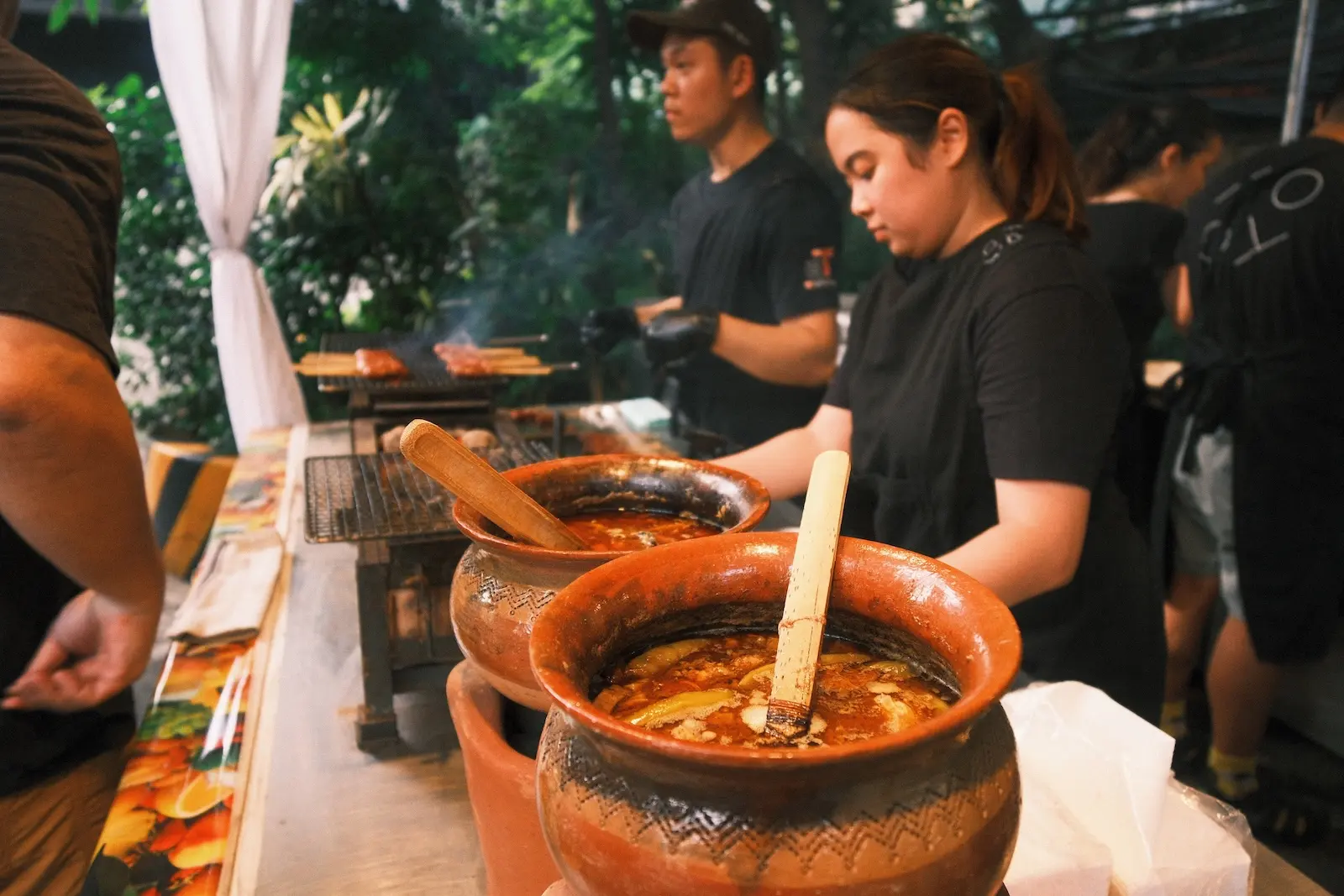
“Once we mentioned Doreen, everyone had an idea,” said Coson when asked about how she and Exploding Galaxies had recruited the help of Karrivin’s other tenants. “She touched so many lives, and all of us… we wanted to make a feast for her.”
As Fernandez finds a renewed place on bookshelves and in conversations about Filipino culture, it’s clear that her work still stirs something vital and joyous in us. “We invite our readers… to join the voyage,” wrote Fernandez and Alegre in Sarap. “We want readers who cook, who like to eat, who enjoy reading about cooking and eating, [and] who are curious about the subtext beneath our food.” Decades later, that invitation still stands: Fernandez continues to welcome all of us to the table.