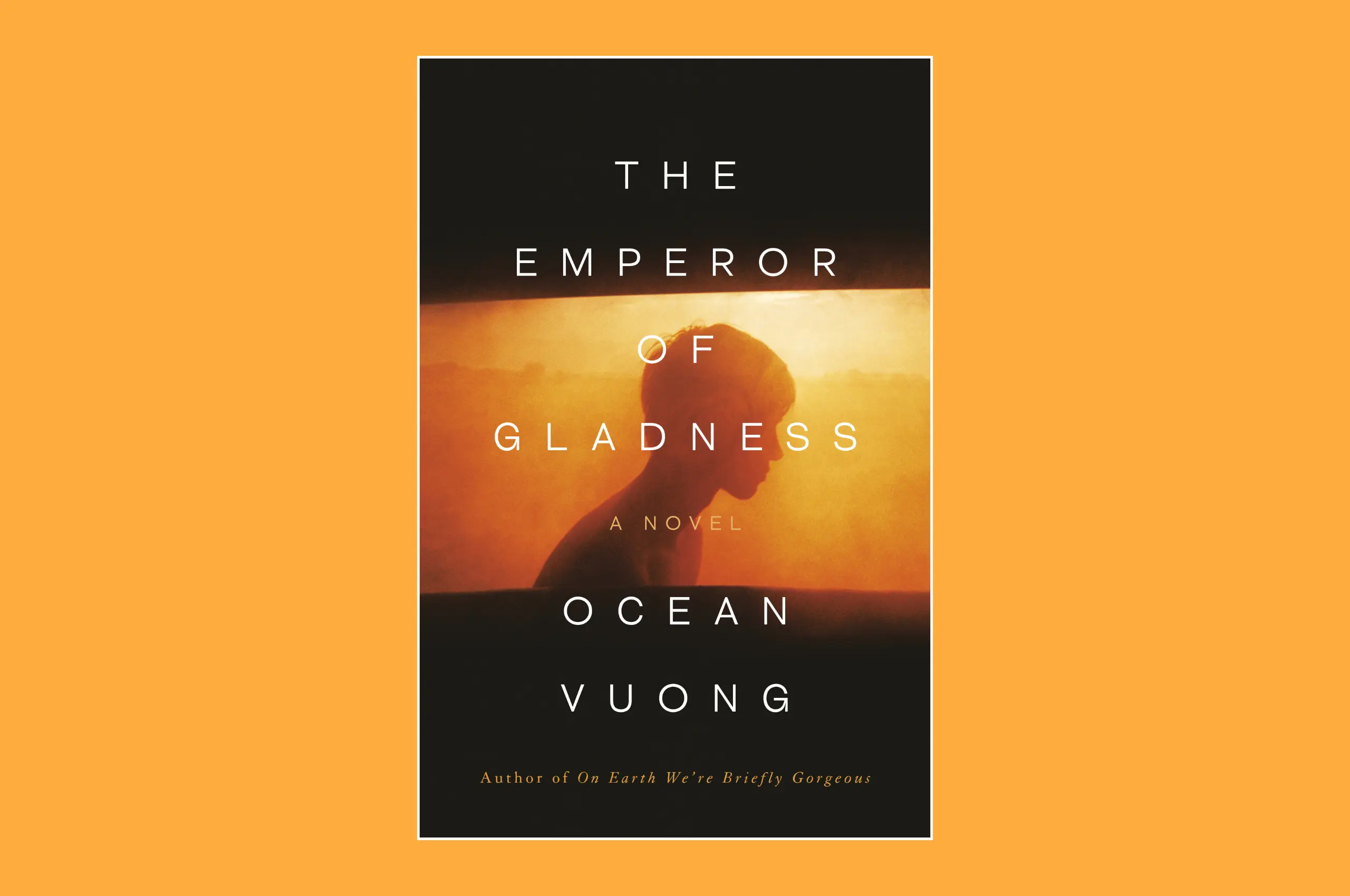
Ocean Vuong’s latest novel, The Emperor of Gladness, sees the writer cautiously wading back into the depths of prose. Only this time, the writer seems to have learned from his past, pedantic mistakes.
Vuong is a much better poet than he is a novelist. His kingdom as one of the United States’ most acclaimed writers is built on a foundation of melancholic stanzas, mournful imagery, and a masterful wielding of the caesura (a.k.a. the split line). Born in Vietnam to a family torn apart by war, evacuated to a refugee camp in Bataan, and raised by a single mother below Connecticut’s poverty line, Vuong has lived a life that demands the tragedy of poetry.
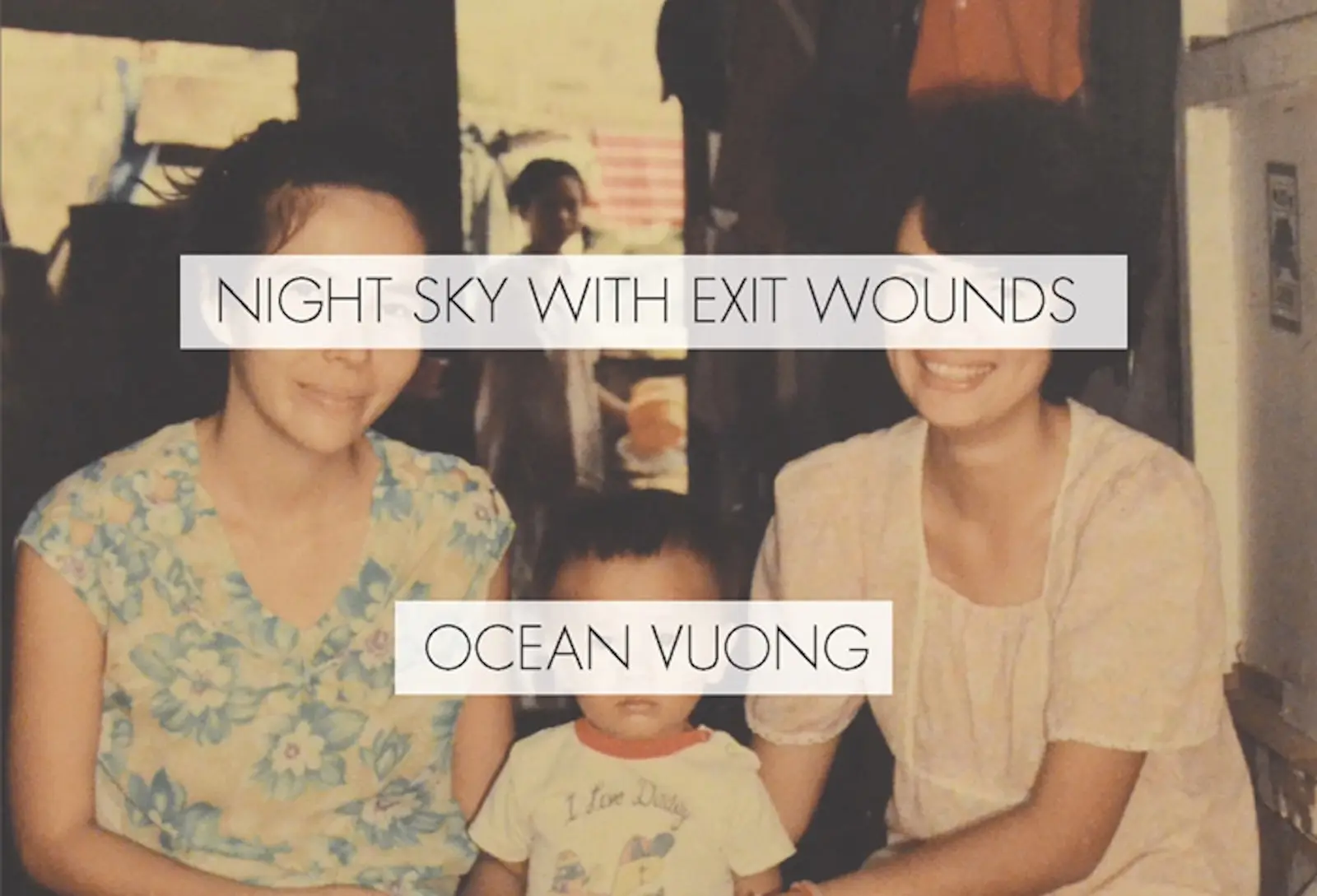
His debut poetry collection, Night Sky with Exit Wounds, introduced the world to a version of Vuong unable to reconcile with generational karma, his own sexuality, and the horrors that come with finding his voice as an immigrant. To his growing base of devotees, Vuong was a conjurer — able to call forth the worst of humanity and find some semblance of hope within it.
Vuong’s first novel, On Earth We’re Briefly Gorgeous, seemed to shake the legend that Vuong had begun to weave for himself. It was, for lack of a better word, a chore to read. The novel follows a young Vietnamese-American named Little Dog, who struggles to find common ground with his emotionally complicated single mother and his rising feelings for a young white man named Trevor. While perhaps one of Vuong’s most straightforward recountings of his childhood, the novel also often loses itself in its own run-on sentences. Although every individual image within the novel is beautifully poetic, this is also Vuong’s downfall: not everything needs to be a metaphor. A few years after the novel’s release, Vuong’s mother passed away, and the aftermath of her death caused the writer to return to his poetic roots and release his heart-crushing second collection of poems, Time Is a Mother.
There is a clarity to Vuong’s sophomore child, The Emperor of Gladness, that was absent in his firstborn. While it certainly isn’t Vuong at his best, this latest novel presents readers with a writer who is much more sure of himself as a novelist now than he was six years ago.
The Emperor of Gladness follows Hai, a college dropout struggling with an opioid addiction, who decides one evening to jump off the bridge of his decrepit, forgotten hometown, East Gladness. Before he can make the jump, however, an elderly woman named Grazina shouts at him from across the river to get off the bridge. The two decide to save each other, with Hai caring for Grazina as her dementia gradually eats at her memories, and with Grazina showing Hai that he must reconcile with his mother before it’s too late.
Vuong is surprisingly lighthearted in The Emperor of Gladness (or, as lighthearted as he can be). There is an entire cast of scruffy yet plucky characters that flesh out the world of the novel. When Hai takes up a job at a run-down fast food restaurant, he finds a chosen family in the people he works with, such as manager-slash-pro-wrestler-wannabe BJ, hollow-earther coworker Maureen, and his once-estranged cousin Sony who, after surviving hydrocephalus as a child, lives with a head cracked down its center and a mind obsessed with the problematic generals of the Confederacy.
However, don’t let Vuong’s playful character-building fool you. At the heart of The Emperor of Gladness lies Vuong’s never-ending conversation with grief: his own, yours, or an unidentifiable sorrow that continues to press itself onto the world’s chest. But with this novel, it seems as if more than ten years of writing have finally taught Vuong how to temper his sadness and present it to readers when it matters most. Long stretches of dialogue and streams of consciousness will lull you into a deceptive calm — until, suddenly, a catastrophic moment lands with the force of a blow. A quiet devastation will sneak up on you, and even the most emotionally guarded of readers will find themselves coming undone.