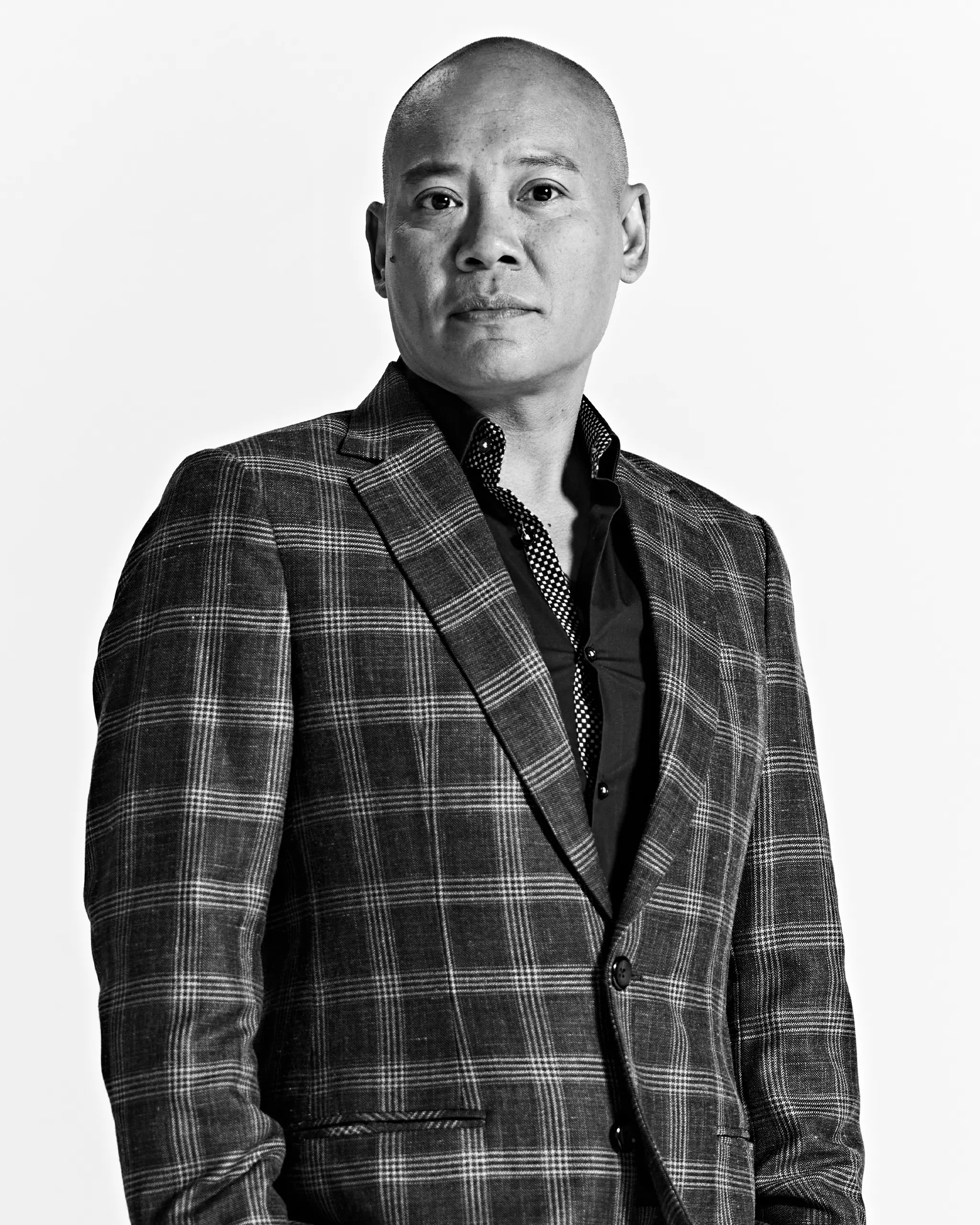
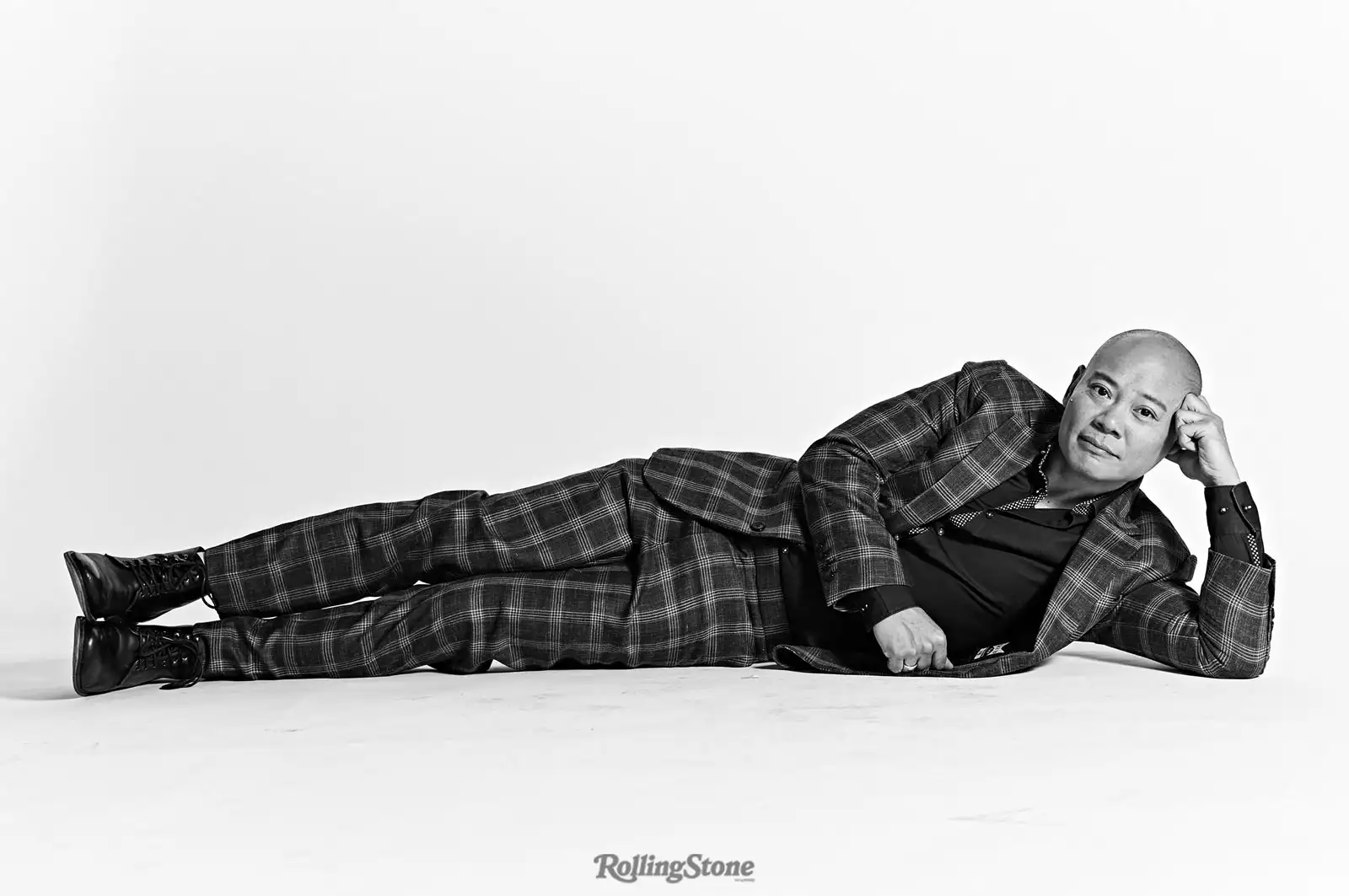
Anthony Bueno, better known as DJ Tony Toni, has been a fixture in Philippine radio for over a decade, having hosted the evening radio show “Boys’ Night Out” since 2006. When the show started, he was a wild 20-something-year-old co-hosting with Slick Rick, CJ the DJ, and King DJ Logan. “We talked about sex not even in a safe way,” he tells Rolling Stone Philippines. “It was toxic.”
The program covers topics surrounding sex and relationships from a male perspective — matters that schools didn’t discuss with their male teenage and college-age students. Tony acknowledges that the show, despite its initial shortcomings, filled that gap for young men who were trying to navigate their sexuality.
Much has changed over the years, and Tony admits that the things he or his co-hosts might have said back then wouldn’t fly today. In the past decade, the radio broadcaster also turned to wellness for self-improvement, from going vegetarian to practicing transcendental meditation — things that inform and inspire his work now. While “Boys’ Night Out” continues to be fun and, at times, irreverent in the best ways, Tony’s role as a host has transformed.
“I think we’re at a stage where we’re now educators,” he says, “because we’re more mature, we’re more mindful. We’ve evolved exponentially.”
Almost 20 years after “Boys’ Night Out” first aired, Tony says what keeps him going is the people around him, “definitely not the pay.” “It’s like going to battle and everyone wants to go with you,” he says.
In the latest episode of The Rolling Stone Interview with Digital Editor Sai Versailles, Tony reflects on his brand, self-improvement, his enduring love for radio, and what he hopes to change in the industry. Read on for excerpts of their conversation, and stay tuned on July 15 for the full interview on Rolling Stone Philippines’ YouTube channel.
The following excerpts have been edited for clarity and brevity.
On Meditation and Finding Happiness
“I always say, just be. If you don’t get the things you want, it’s fine — especially with so many external factors, I believe, in the Philippines, you won’t always get what you want. There are [also] so many external factors with radio — from our superiors, to listeners, to getting how you want your show to be, to getting funding, to not getting enough funding. How do you keep doing what you love doing without going crazy because all the external stuff isn’t going the way you want? And meditation has helped me to just key in, zone out the external factors, and help me realize what makes me happy now.”
The Pressures of Filipino Masculinity
“What I’ve seen here locally [is that] the boys growing up in an all-boys school [are] taken away [from] the opposite sex, so when a female [is integrated with] a group of guys who have never been around females, hormones start flying. I think there’s a lot of pressure for guys here to [be] masculine, [to be full of] testosterone, [like] ‘I’m the man.’ [There are] pressures [in] society here [where] we need to know how to make out, how to be good in bed, how to pick up girls…We’re not taught that in school. There’s no sex-ed, or at least proper sex education. We’re just basing it off TV, movies, and that’s it. That’s how guys interact with the opposite sex…”
“When I moved here, ang daming guys I would meet here na nasa loob ang kulo. I don’t want to say [there’s] ‘a hidden manyak’ in all of us but … there is! There is! There’s a hidden manyak. There’s different levels, different tiering, but you see it when guys get together. Nasa loob yung kulo ng maraming lalaki e… I mean, we’re 90 percent Catholic. We’re so suppressed.”
Why the Broadcast Industry Needs to Transform
“The [sales] triangle [for radio] is upside down now. We have to change the way we work with advertisers, it’s got to be very personable. It’s no longer the client [who] comes to us. No. We’re not king anymore. It’s no longer us dictating what the listeners want, and it’s hard for [executives] to see it… There has to be major changes in the structure behind the scenes… We have to give back to our listeners. They’re the reason why we have advertisers. And with so much competition, we have to be on TikTok, YouTube, Facebook, all social media platforms… Budgets [are a big problem]. If you look at editors, it’s not cheap. But it’s important because it gives traction for the station when you have material … Until we realize that content is king and queen, it’ll be an ongoing discussion.”
Watch the full interview on Rolling Stone Philippines’ YouTube channel.
Rolling Stone Philippines November 2025 Issue, Now Available at SariSari Shopping