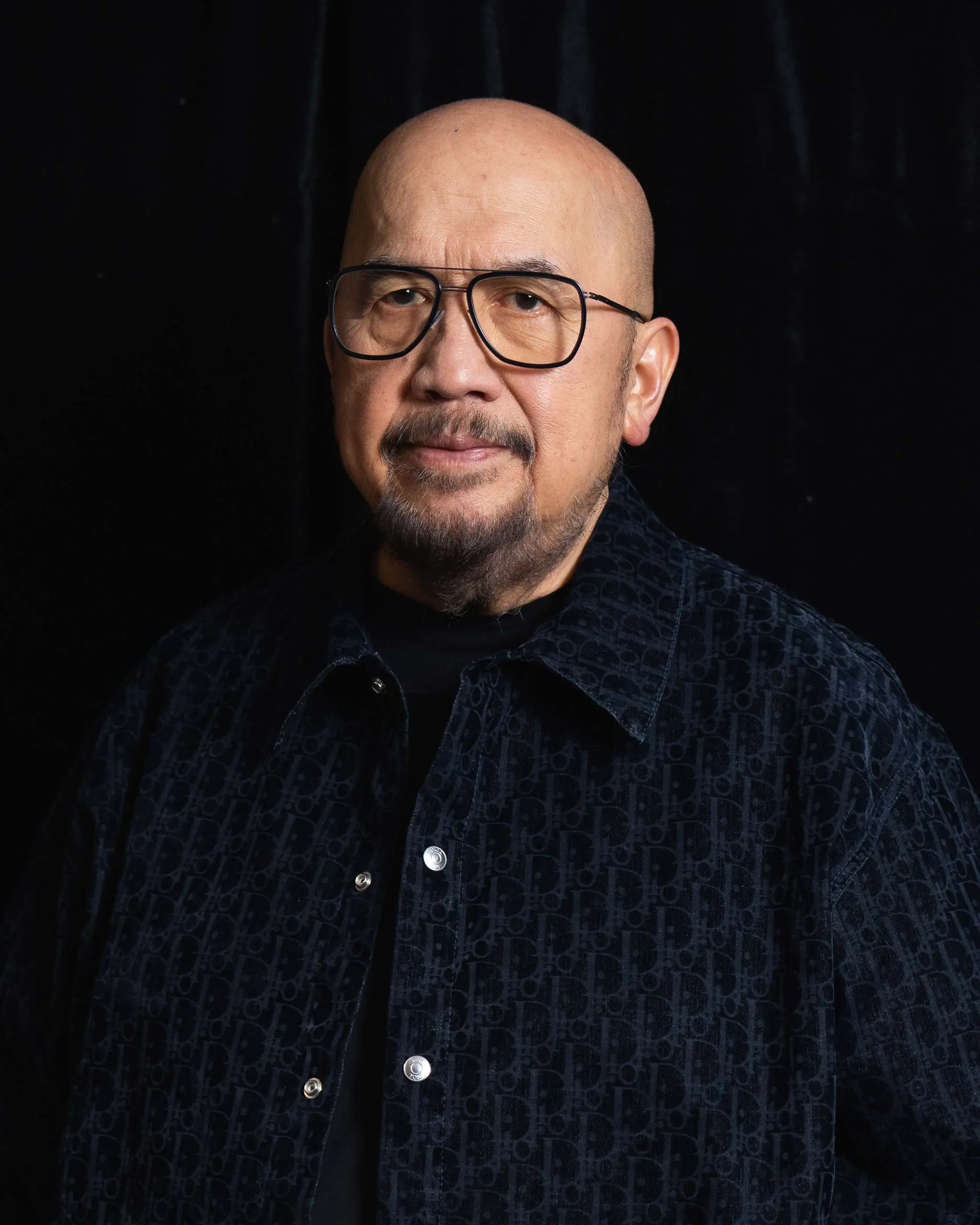
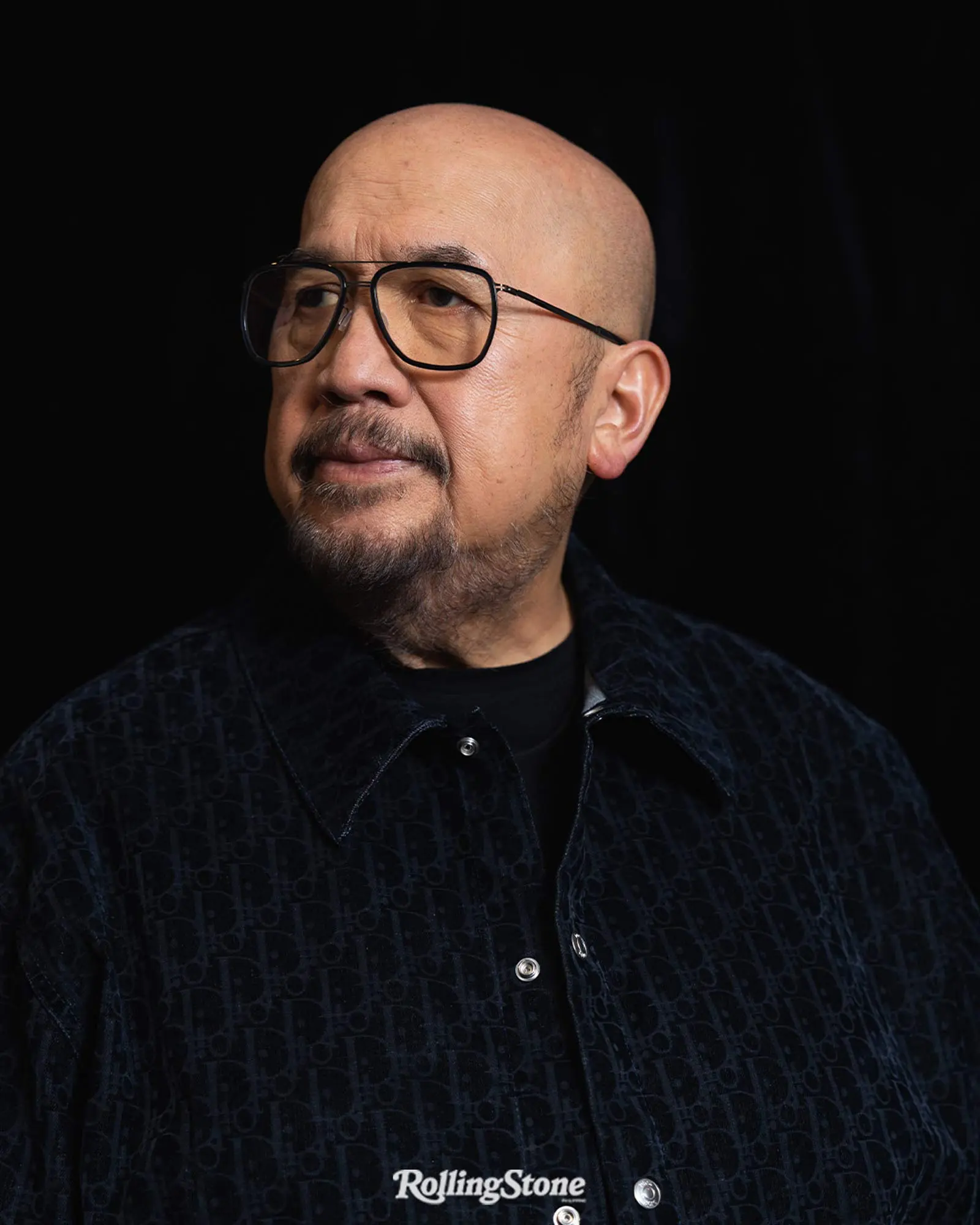
It’s impossible to capture Vic del Rosario Jr.’s nearly six-decade run as one of local entertainment’s indelible kingpins. That’s almost 60 years of hard-slapping, body-thumping, and tear-jerking moments of pop culture history, expanding from a simple music business with his cousin Orly Ilacad with an office in Raon, Quiapo, to a multimedia empire with films being sold to countries like South Korea and Japan. As a film producer, Boss Vic and his vision have yielded 866 credits so far, according to IMDb. This ranges from the veritable gallery of the peaks and troughs of love teams — from P.S. I Love You and Bagets in the 1980s, when he found magic in the movies and packaged his own actors into brightly sellable dreams, to The Breakup Playlist and Praybeyt Benjamin of the 2010s. These films became the stomping ground for his bright stars — Sharon Cuneta, Aga Mulach, Sarah Geronimo, and Vice Ganda. In one shape or another, these films have made their way into our own personal histories, ingrained with a sense of musicality that underscores del Rosario’s inventive knack for transforming complete unknowns into generation-defining superstars. His understanding of the economics of selling is unmatched, but it is his unerring belief in the capabilities of his artists — from the songwriters and filmmakers (such as hitmakers George Canseco, Rey Valera, who he both kept under the Viva wing during their early years; Wenn Deramas made many blockbusters under Boss Vic’s wing) to the actors, singers, and in-house talent that has made Viva the behemoth that it is today, outlasting almost all of the recording labels and production studios. He has weathered significant changes in the industry since he started Vicor in 1966, effectively bolstering what we know as Manila Sound today up to fostering the careers of Rob Deniel, Arthur Nery, and Cup of Joe, whose song “Multo” has reigned supreme in the Philippines, charting for 40 weeks at the Billboard Philippines Hot 100, and had outranked Taylor Swift at the top spot. Since the pandemic, Viva also now has its own streaming service, VMX for erotic films and, in 2023, VivaOne for its wholesome family-friendly and more extensive fare, as well as concerts and shows, emphasizing the 360-degree approach of Viva when it comes to their artists and content. They’re also now in the theater industry, with Bagets: The Musical scheduled to open in January 2026, with more to come.
Well into the streaming era of films and music, del Rosario’s outlook is diversifying yet staying true to producing films, music, and shows that can easily be the next pop phenomenon that can shine internationally.
How many hours do you still work a day?
It’s a full-time job. It can be six, it can be 12 hours. Depende sa schedule.
What time do you usually wake up?
I wake up at eight, I sleep at two [a.m.]. Mga ganun. So it’s basically still very much full-time work. Yes. Seven days a week. I still enjoy what I’m doing. Walang papalit, ‘di ba? I guess ‘pag happy ka, hindi work e. You’re having fun, still.
But you’ve been doing this since you were in your 20s?
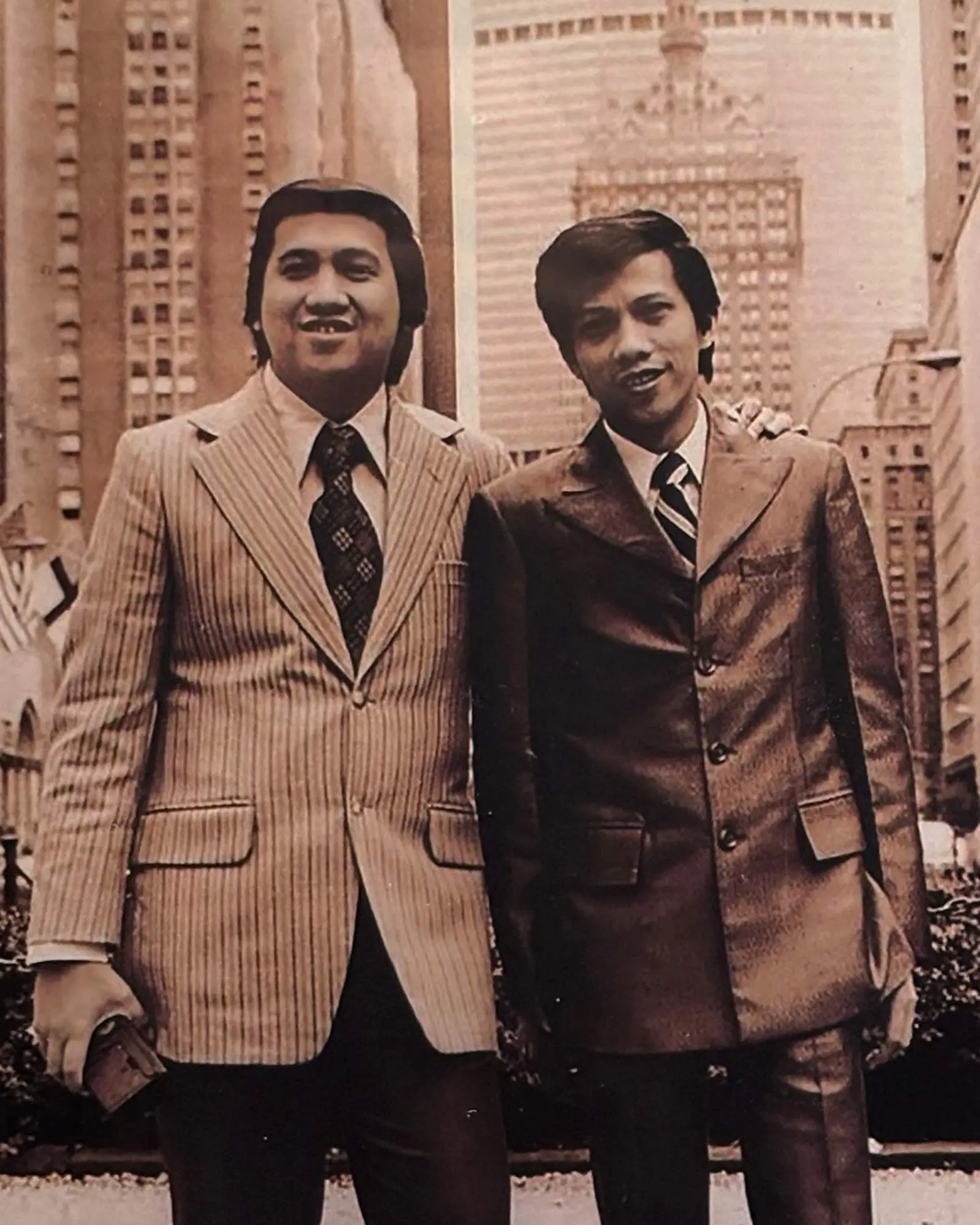
20 years old. I started in January 1966 with my first cousin, Orly Ilacad. Sabi niya, “Pinsan, magsisimula ako ng sarili kong record label. Baka gusto mong bumakas?” Kasi we’re best of friends, aside from being first cousins. Sabi ko, “Magkano ba?” P2,000, which is still a lot of money then. So, we invested P2,000 each. Noong time na ‘yun, ang OPM was just five percent of the total market, 95 percent was all foreign. We signed, noong time na ‘yun, ang tawag sa bands ay combo, two combos that were quite popular in school.
Mura lang naman to record. I think we spent, for the two singles, 45 rpms, siguro mga P500. We still have money to reproduce and manufacture. We were doing pop music. But that time, they were all cover versions, not yet original Filipino music.
Was it in the Manila Sound era na nag-start ‘yung boom ng original Filipino music?
Wala pa noong word na “Manila Sound.” Hindi pa ‘yun nagsisimula. 1966 was really cover versions. ‘Yun ang time when Helen Gamboa was the queen of Filipino artists. She was doing musicals with Eddie Mesa. But there was one OPM singer who was doing very well: Eddie Peregrina. Kaya ang tawag sa kanya ay Jukebox King noong time na ‘yun. He was the king of doing original songs. Pero medyo masa.
“The business of pop culture is for the young.”
Since nagsimula po kayo, were the artists that you signed making music that you wanted to hear? As in based on yours and Orly’s personal tastes?
We were a startup company, so there was no data to make decisions with. I was very new to the music business. Parang kinakapa pa what will sell and what will not sell. It was trial and error. Pinaglalabanan namin ‘yung five percent ng local music. We were many players. The dominant record labels were the distributors of foreign music — RCA, Warner, etc. — and then nandyan ang Villar Records, Dyna. We were trying to survive with that five percent market share na pinaghahatian [namin ng mga local companies].
I thought we had to get popular singers. So we were able to sign Helen Gamboa, Eddie Mesa, Jose Mari Chan, and Norma Ledesma. Then we had Victor Wood. Ginawa namin siyang King of Revival. We were doing revivals of old songs. He became one of the biggest artists.
But then came martial law noong 1972. All the radio stations and TV stations were closed. Suddenly, parang may feeling of being nationalistic. So, in 1972, that’s when we started to release a band called the Juan Dela Cruz with “Himig Natin.” It was like a battle cry for our own national identity. Doon nagsimula ‘yung aming pag-record ng OPM. Then, ni-record namin ang Sampaguita with “Bonggahan.” And then, of course, Mike Hanopol with “Laki sa Layaw” which became a hit. Hindi na nakakaiyak na mga kanta lang. Suddenly, we had rock.
We started recording Apo Hiking Society. Noong time na ‘yun lumabas na ‘yung kanta ng Hotdog, ‘yung “Pers Lab” and “Ikaw Ang Miss Universe ng Buhay Ko.” So, kami naman sinagot namin ‘yun with Cinderella, with “T.L. Ako sa Iyo.”
You also signed George Canseco exclusively, right?
George Canseco was a good friend, and he became my A&R head sa Black Gold, head ng production. We had two companies: Black Gold Records and Vicor Records. Parehong sa amin ni Orly. Sa Vicor naman, ang head ng A&R ko was Tito Sotto. Working with him were Willie Cruz, Rey Valera. All of them were part of the team that developed OPM. Then Tito formed VST and Company. Then we also had [music] na medyo masa. We had Yoyoy Villame, Fred Panopio. The music is so diverse, madaming genre. Then the divas, ‘yung mga songs ni Imelda Papin, Didith Reyes, of course, Pilita Corrales, who recorded her first Tagalog album with us. 1972 to 1973, talagang doon nag-start ang OPM. In 1978, we launched the first Metro Pop Song Festival, where the song of Ryan Cayabyab, “Kay Ganda Ng Ating Musika,” won. [The next year,] Apo Hiking Society with “Ewan” by Louie Ocampo. But there was a song there that did not win but became the biggest hit and the first global hit na galing sa atin: “Anak” by Freddie Aguilar, which we recorded and distributed throughout the world. Siguro ang “Anak,” noong wala pang K-pop, nandoon na tayo.
Why do you think “Anak” became such a global hit?
Number one, ‘yung melody was really good. And the message has a global appeal. Alam mo sa Japan, noong nag-hit ‘yun, ‘yun ang unang-unang record sa Pilipinas na bumenta ng one million copies. It’s a record breaker. It was so popular that NHK Television went to the office and asked if they can shoot Freddie. There was a show in Dagupan. So pinapunta namin sila sa Dagupan. Hindi ko na alam what happened after. Then, after a week, it was aired on NHK News. People were calling the station to re-air. Parang na-antig ‘yung mga tao about the message and ‘yung ganda ng kanta. After a week of airing on NHK, so many record companies were calling me. I called my friend in Tokyo, I said, “Ano ba ang nangyari?” How come I’m getting good offers for the record [kahit] hindi ko pa sinasara? He said, “I think you should fly to Tokyo and negotiate because I think you have a big hit in your hands.” I flew to Tokyo a week after. Then I negotiated for the rights to release “Anak” in Japan. Ni-license ko ‘yung two Japanese versions: one male Japanese version with one company, another company binigay ko ‘yung female version. And then, Freddie Aguilar was also released by another company. And the female version with Lolita Carbon. Noong ni-release ‘yung kanta, lahat ng apat na versions were in the top 20.
And Japan is really a big music market.
Sobra. It’s the second biggest market in the world. So, even before K-pop happened, OPM was already happening in the late ‘70s.
“How will you make Robin Padilla a star? How will you make Sharon Cuneta a star? How can you make Anne Curtis a star and sing in Araneta Coliseum without a voice [laughs]? So, I think it requires a lot of marketing skills, how to sell a product.”
You’ve worked with so many icons from the ‘70s until now. Meron ba kayong sense of how big they can become kapag nakita nyo pa lang ‘yung artist or actors?
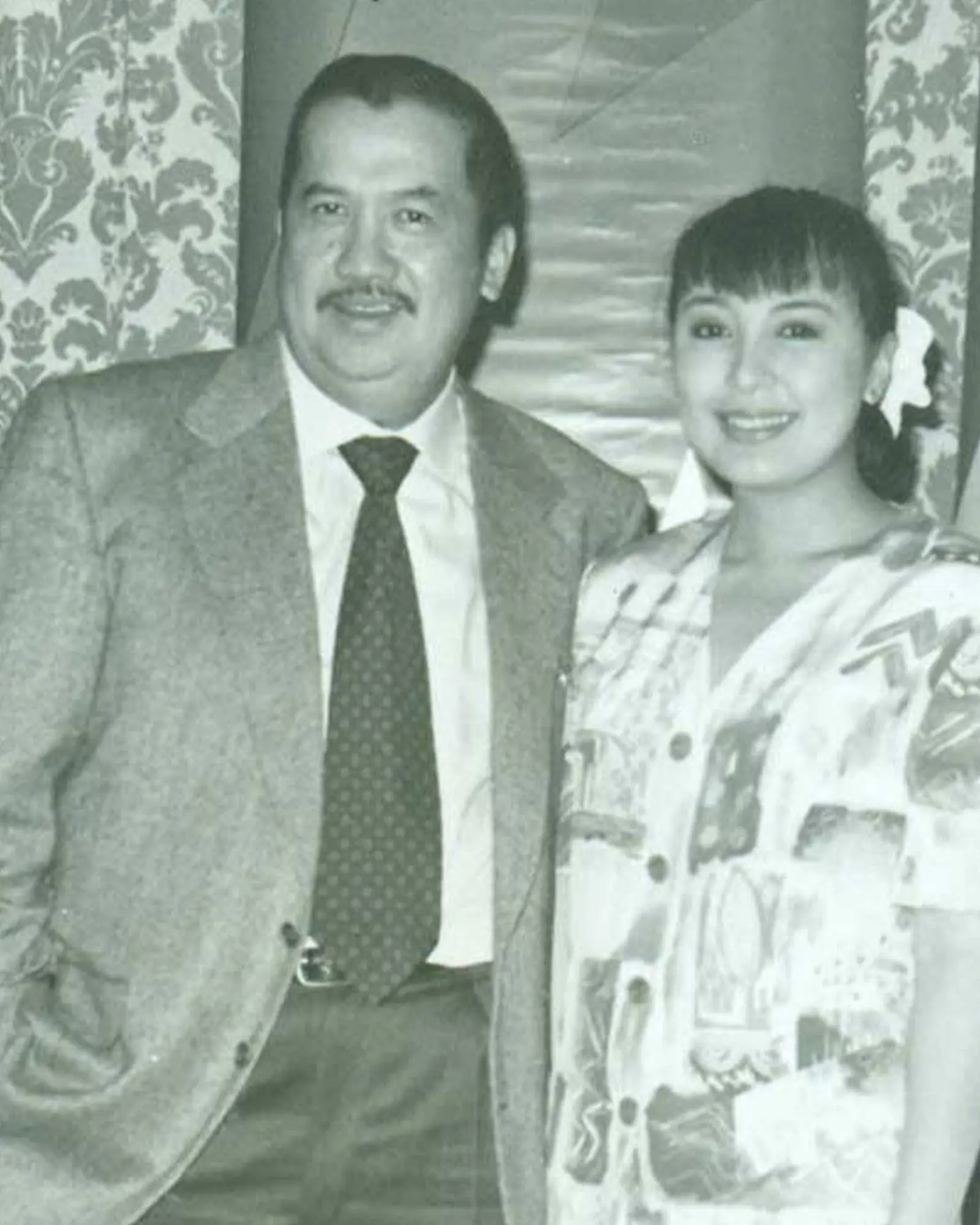
Siguro ‘yung uniqueness. May dating e. ‘Yung tinatawag natin na X factor. This is a unifying element in the likes of Sharon Cuneta and Robin Padilla. You have to have the feel. Ito bang taong ito, sisikat o hindi? Kung singer, ‘yung boses ba niya, may appeal? ‘Pag artista… Robin Padilla, ano nakita [ko]? Merong dating. That’s the first step. Ang second step is, paano mo gagawin? How will you make Robin Padilla a star? How will you make Sharon Cuneta a star? How can you make Anne Curtis a star and sing in Araneta Coliseum without a voice [laughs]? So, I think it requires a lot of marketing skills, how to sell a product.
Would you say that’s your main talent or skill?
Oo. You have to know how to sell e because the top line is the key. Sa huli, ano ba ang bebenta? O kaya sabihin mo, “Ang ganda ng pelikula.” May nanood ba? So, if the measurement is success based on the gross, then you should have the marketing feel. ‘Yung tinatawag nating pulso? E ngayon, madali na ang algorithm, may AI na. Pero [dati], it’s all about feel. How will a TV series rate? Ang pinakamalapit na comparison siguro ng entertainment business is fashion. We are all predicting tomorrow, not today. Maski na anong pag-aral mo ng focus group, that’s all historical data. Hinuhulaan natin. Kung hindi, hanggang ngayon, Nora Aunor pa rin ang malakas. Hindi ganun e because the market is for the young. The business of pop culture is for the young.
Pero hanggang ngayon, at the forefront of the industry pa rin ang Viva.
Kasi pinaghalo na ‘yung mga beterano at mga bata. I think part of it is how do you hire people to help you assess the market? Then how do you evolve with technology? Kasi kami, ang business namin talaga, content e. It’s not distribution. Distribution, palit nang palit. Kunyari, nagsimula tayo sa recording. Simula tayo, nakita, 45 rpm na plaka, physical. Pero nakita mong nawala ‘yung plaka, napunta sa cassette. So, how do you evolve from a plaka to a cassette? Nag-iiba pati distribution system. Then from plaka to DVD, from DVD to digital. Nawala na ngayon ‘yung mga AstroVision at mga Odyssey, na-bankrupt. Kami din, we had Video City. Pero noon, uso ‘yung ganun. We were there. So, ayun, ngayon nasa streaming kami. Because in the business of content, nag-iiba ‘yung distribution, but the content creation is essential.
Pero bumabalik din po ‘yung plaka ngayon.
Oo, ngayon bumabalik. Parang fashion, ‘di ba? Pati damit. Minsan makipot, minsan maluwag. Nag-e-evolve siya.
Pero aside po from the delivery of content through technology, may nag-iba ba sa entertainment industry? Like ‘yung pag-discover ng artista, ‘yung market?
Well, dati kailangan makita mo ‘yung artista or ‘yung potential artist. Ngayon, mag-aabang ka lang sa YouTube, makikita mo na. We look at YouTube, we look at TikTok.
Dati, gabi-gabi, pupunta ko sa mga club o sa music lounge. Noong tumunog ‘yung Music and Magic ni Kuh Ledesma, pumunta kami sa Alibi Bar. Kung may magaling na grupo, unahan kami ng mga label. Ngayon, hindi na. Dati naman sa television. Sinong nanalo sa Ang Bagong Kampeon? Sa Tawag ng Tanghalan? Nandun, si Regine Velasquez. Ngayon, pati nga The Voice wala nang napapasikat na bago. It’s all YouTube. Ngayon, nauso ang singer-songwriter. Lahat ng hit namin, singer-songwriter.
Read the rest of the story in the Hall of Fame issue of Rolling Stone Philippines. Pre-order a copy on Sari-Sari Shopping, or read the e-magazine now here.
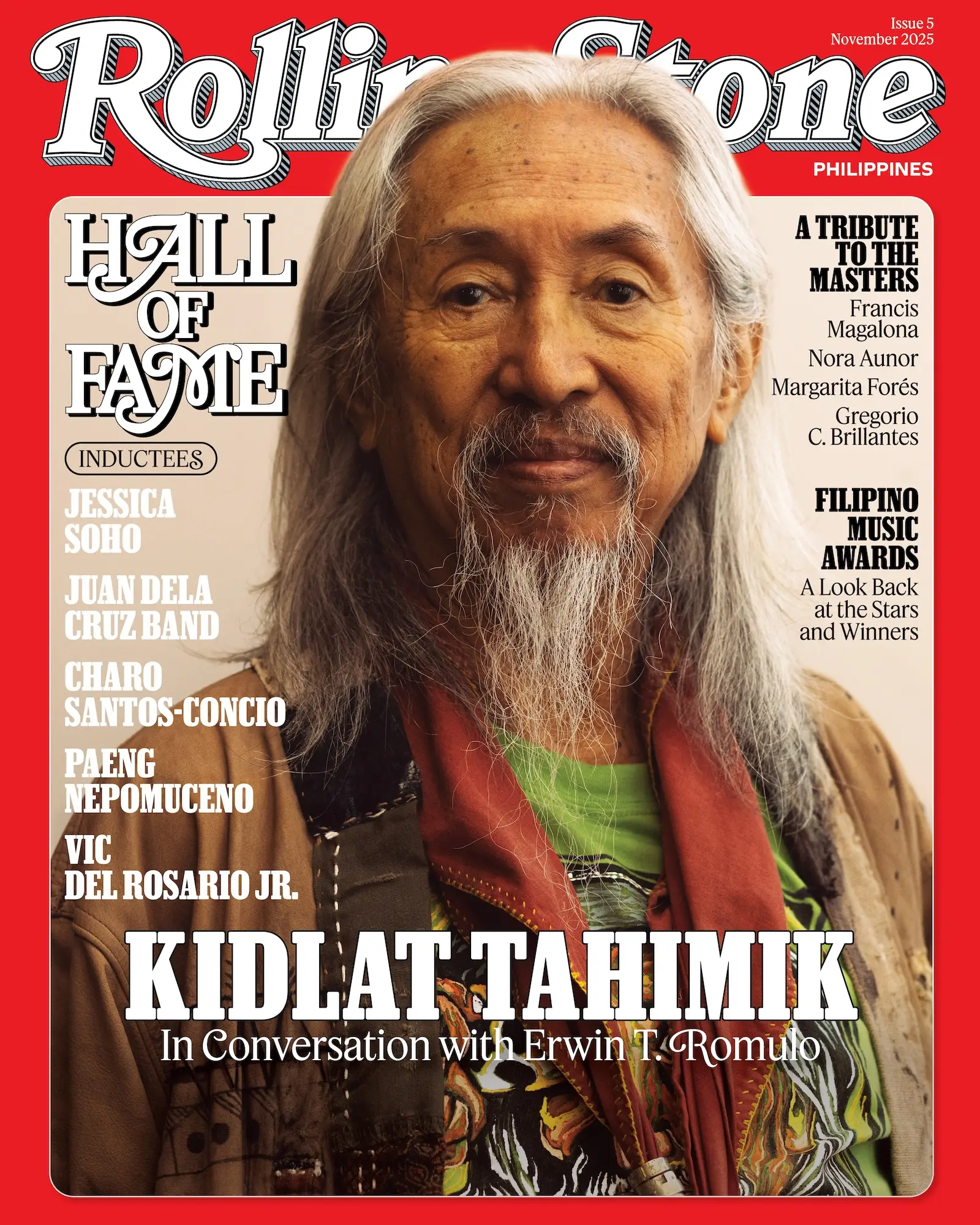
Rolling Stone Philippines November 2025 Issue, Now Available at SariSari Shopping