“I’ve loved movies ever since I could remember,” is one of the first things you want to hear when you’re interviewing a film poster designer. In this case, art director and graphic designer Miguel Lugtu confesses that films like An American Tail and A Nightmare on Elm Street have guided him into a crazy celluloid world. Even when he was working in glossies here in the Philippines, Lugtu’s work has always had a cinematic influence on them.
“I always felt a connection to indie films because I thought I was going to be a director and the stories of [indie films] were always the ones that felt simplest but most relatable and somewhat attainable,” says Lugtu, who is now based in Los Angeles. “Like if I became a director, I thought those were the types of movies I could pull off, which in hindsight was foolish of me to think. It’s only just now that I’m starting to really get into the classics and Old Hollywood, could you believe? Being in LA does that.”
Still, it was through posters that Lugtu first made contact with films that he would eventually love and, in the process, develop his eye for design.
He says, “Growing up, we had no real way of finding out about upcoming releases except from posters on the newspaper movie pages, cinemas, and those giant hand-painted billboards. I remember having to go to Malabon every Sunday for family lunch, and on the way there, we would pass by a corner across SM North EDSA and a rotunda with numerous billboards. That’s when we would find out about the new movies coming out. In that sense, posters were really my first exposure to art and design without me knowing it.”
One of the ways Lugtu learned to draw was by copying posters from newspapers. “It was Kris Aquino in The Vizconde Massacre alongside Flounder and Sebastian,” he says. In college, he ended up designing gig posters, student film posters, and a film-based T-shirt line. Lugtu designed his first “real” poster in 2008, for the film Cul de Sac starring Sam Milby and Jodi Sta. Maria. “It had a billboard [along] EDSA!”
Working in Rogue Magazine opened doors for Lugtu to design posters for Star Cinema movies. Mark Nicdao put him in touch with the studio since the photographer is involved in shooting images for posters. “One of my biggest champions in poster design was Anne Curtis. She is so immersed in the creative aspect of everything she does, and she took me in as her designer for her concerts, album covers, and films. It was also a timing issue; we all emerged at the start of social media, when celebrities became more involved in the concept of image-making and personal branding, so she was very hands-on. We started with The Gifted and Annebisyosa [the concert].”
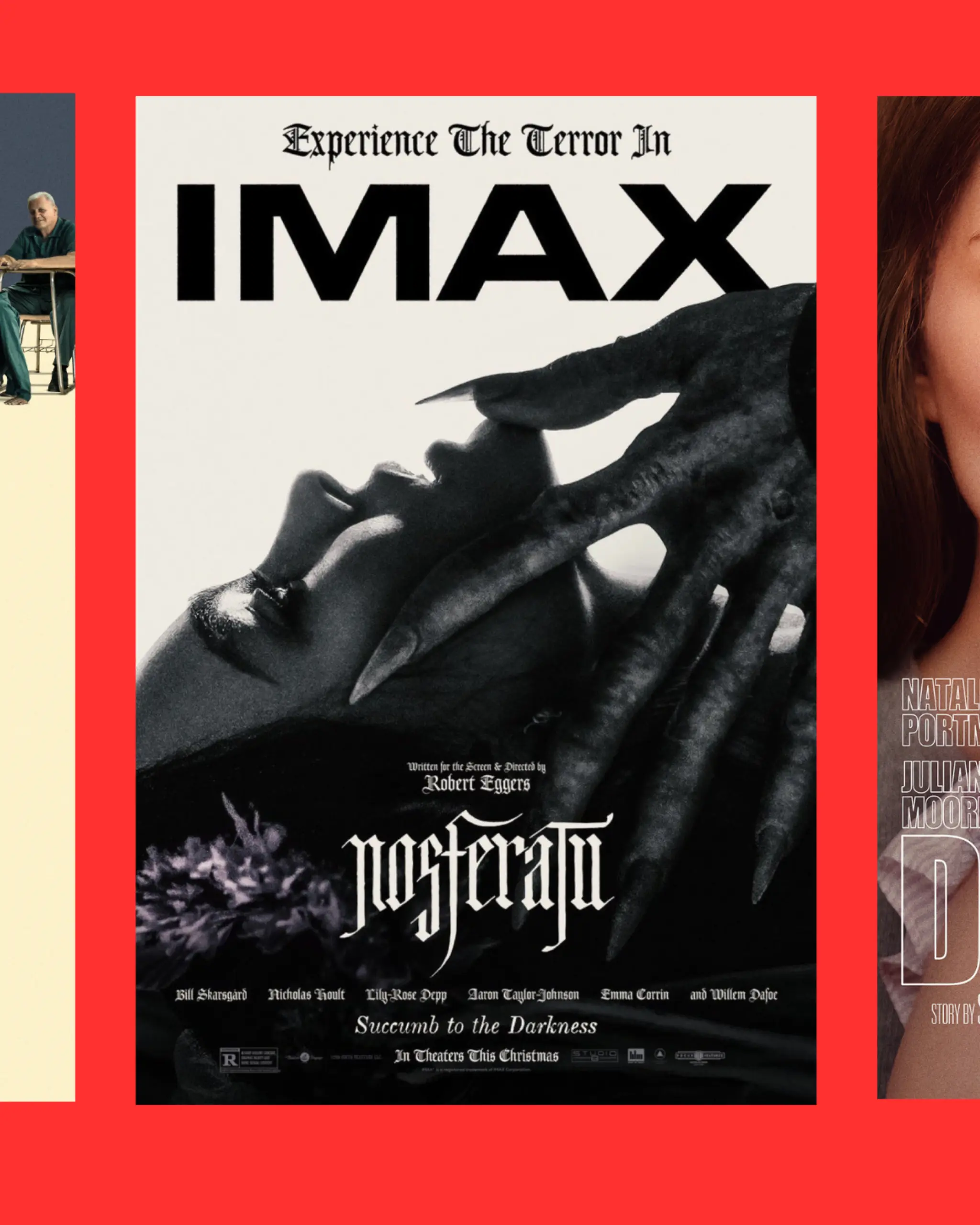
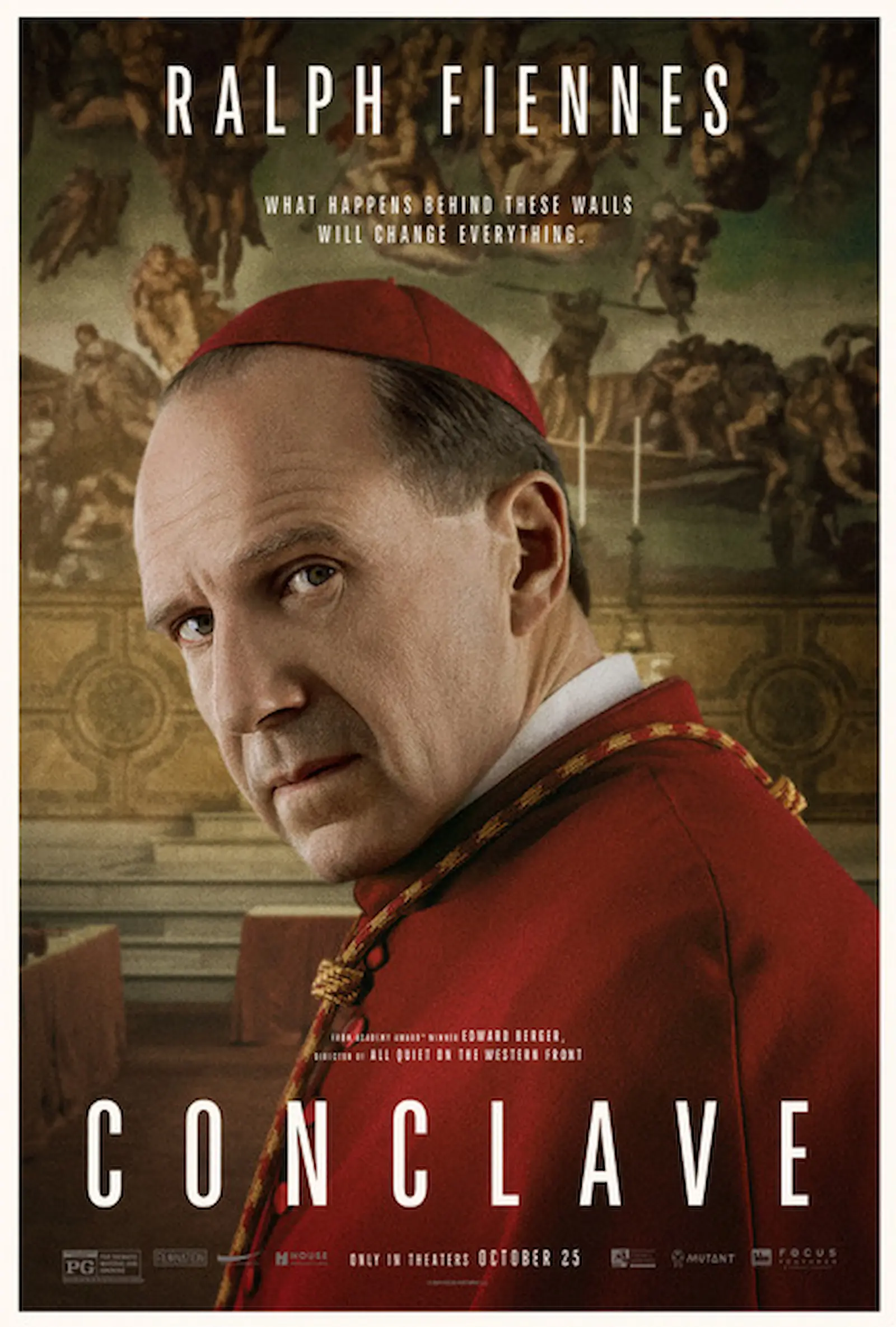
After a string of design projects in magazines and branding, Lugtu is now part of the key art design agency Percival & Associates, where he has worked on posters for HBO, Netflix, A24, and Peacock. His work for the agency includes the campaign posters for Robert Eggers’ Oscar-nominated Nosferatu, character posters for the Oscar-winning Conclave, banners for the Netflix series Zero Hour starring Robert De Niro, and the title treatment for Anna Kendrick’s directorial debut, Woman of the Hour.
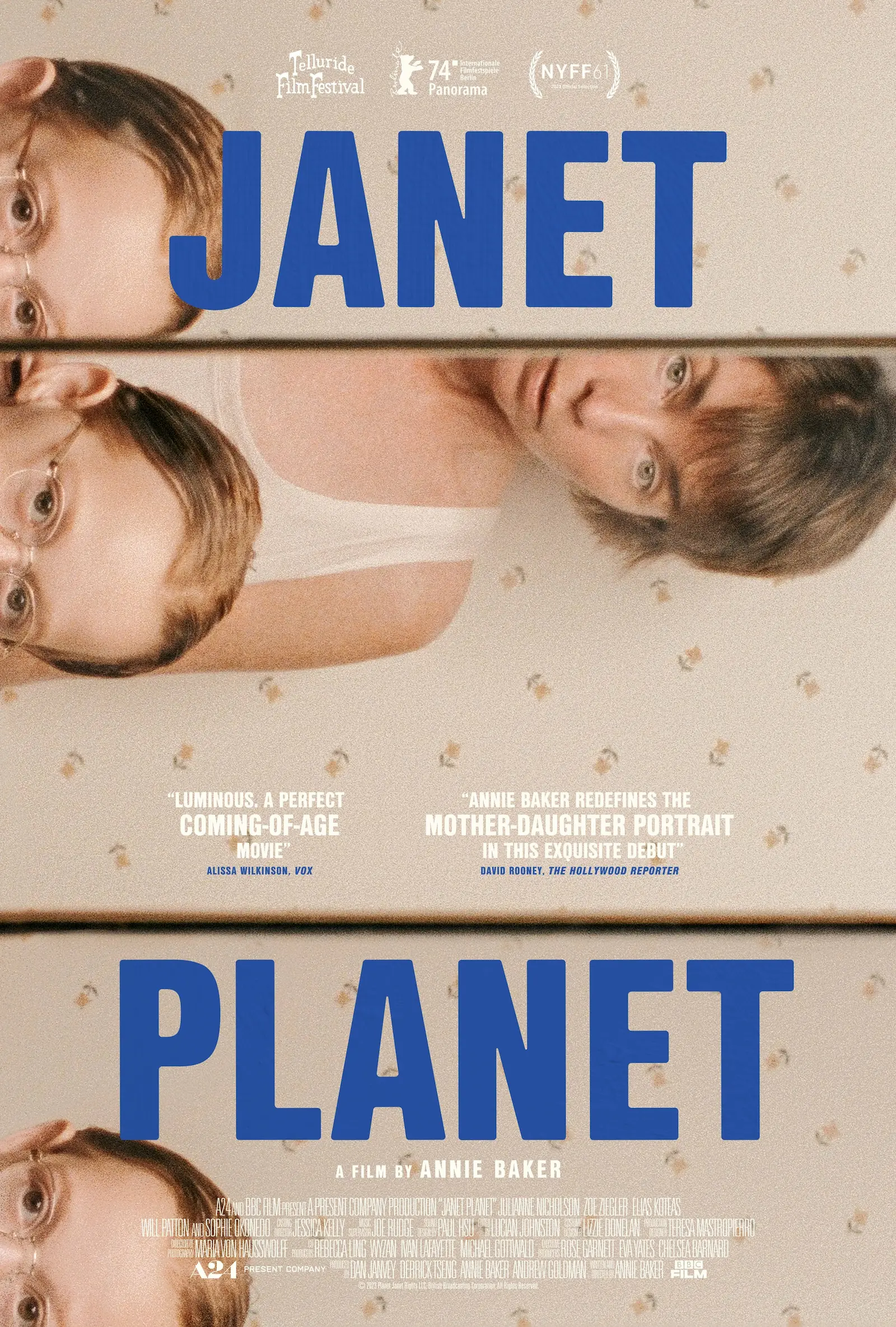
“Seeing the May December art on the theater marquee at the Los Feliz 3 Cinema was surreal,” he recounts encountering the key art he designed for the Todd Haynes film starring Natalie Portman and Julianne Moore. “It’s just a small independent cinema in LA, but I used to take photos of that marquee every time I’d watch a movie there. There’s something very classic and nostalgic about a theater marquee!” His key art for films such as the A24 prison drama Sing Sing, or the one sheet for Peacock’s mystery series Poker Face, yields a strong preference for clean, utilitarian design enhanced by typography, negative spaces (again in his designs for Sing Sing, Nosferatu) or playful graphic elements (as in the poster for the coming-of-age film Janet Planet for A24, one of Lugtu’s dream clients since 2016).
He says, “The collaboration mostly happens between the art director and the creative directors who just have an understanding of how to elevate every piece, whether it’s a simple change in kerning, a subtle switch in expression that changes the tone of the whole thing, or a complete conceptual overhaul. In the beginning of the process, it’s almost like a free-for-all where we can be as crazy and experimental as we want, then it just gets more and more polished the further along the process it goes.”
The work isn’t always glamorous, Lugtu admits. The volume of daily work they have to design means that numerous projects will never see the light of day. “I feel that in this industry, the baseline is rejection, and having a piece actually get released is a bonus,” he says. “So there really is no room to have an ego. That mindset also frees you up to experiment and just try all sorts of things that get you out of your comfort zone. And there’s still so much to learn, I’m constantly watching YouTube tutorials. It’s all very humbling.”
His dream projects? Aside from key art for living legends such as Steven Spielberg, Martin Scorsese, David Fincher, or Alfonso Cuarón, maybe films by Yorgos Lanthimos, Mike Mills, or Spike Jonze. “There’s something very emotive about their posters, which I love,” says Lugtu. “Yorgos does really unpredictable things with his designer, and they almost always work and are so distinct.” And maybe a design for the Criterion Collection or a restoration of a classic film. “Those projects look like a designer’s playground.”
Read the story in the Arts and Culture issue of Rolling Stone Philippines. Pre-order a copy on Sari-Sari Shopping, or read the e-magazine now here.
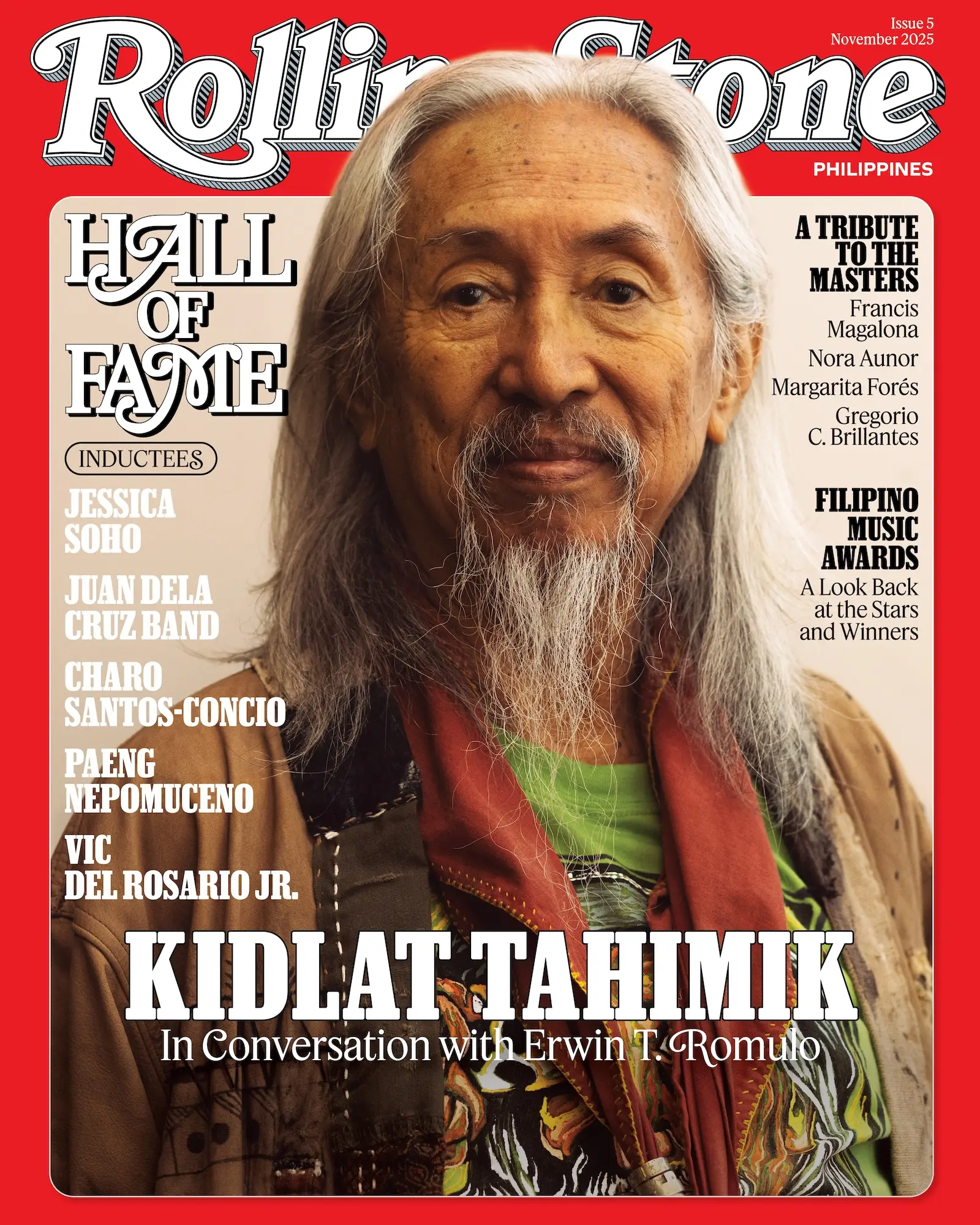
Rolling Stone Philippines November 2025 Issue, Now Available at SariSari Shopping