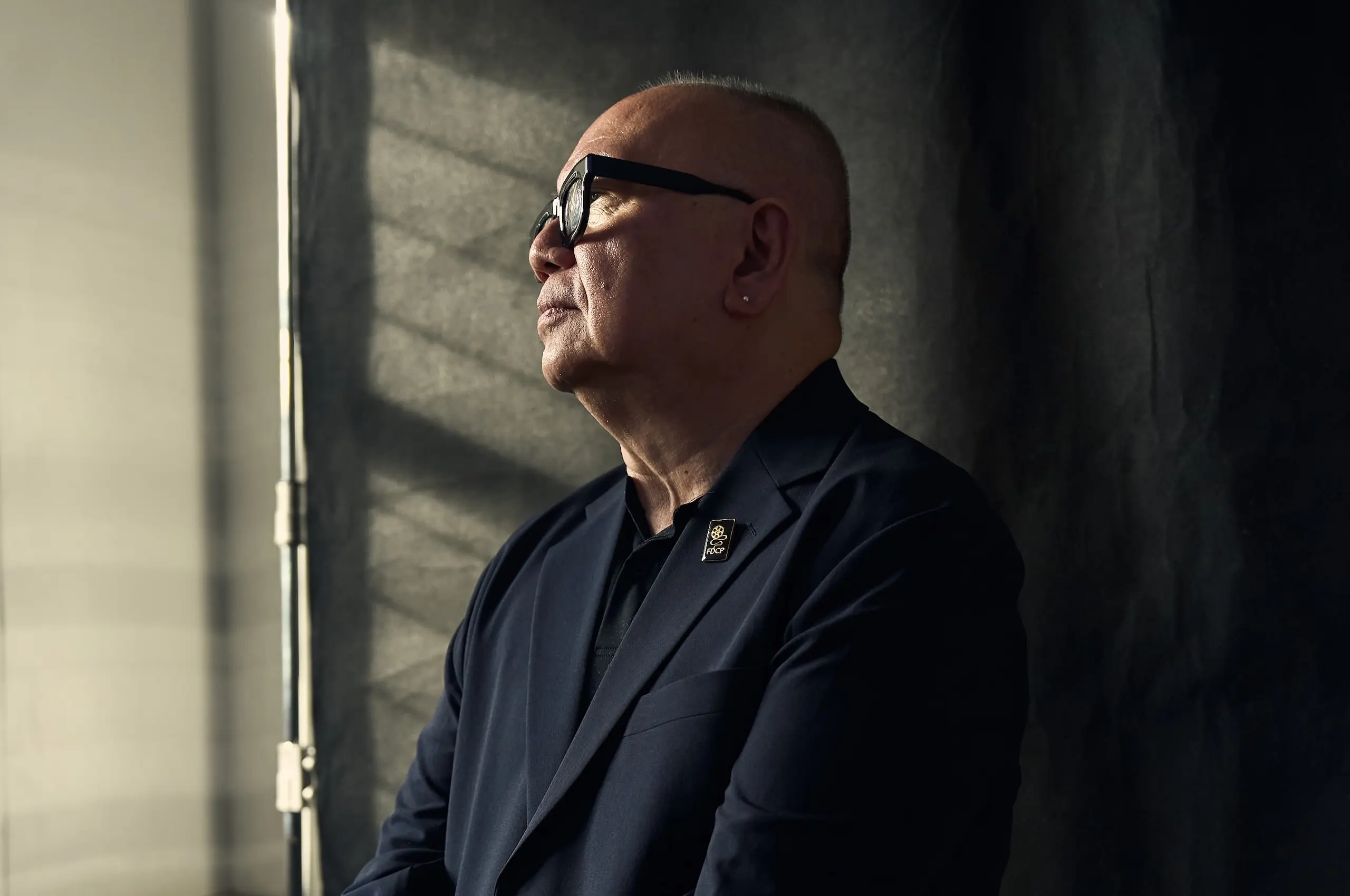
Filmmaker Jose Javier Reyes, Chairman and CEO of the Film Development Council of the Philippines (FDCP), always has a lot to say about the state of Filipino cinema (a subject he has already spoken about in our State of Affairs Issue). But on August 7, as part of Rolling Stone Philippines’ State of Affairs live event, the filmmaker reminded attendees just how important t the audience is in a Filipino film’s success.
Reyes led the day’s The State of Film panel, which saw Quezon director Jerrold Tarog, cinematographer Pong Ignacio, and producer Daphne Chiu-Soon discussing how their gamble on making one of the biggest historical dramas in Filipino cinema history could bring audiences back to cinemas. While Reyes discussed Quezon with the three panelists, he also injected his own opinions about the process of Filipino filmmaking, being a veteran filmmaker himself.
On the subject of bringing a story like former president Manuel L. Quezon’s to life, Reyes played devil’s advocate, saying, “[Movies about] Philippine historical figures are significant for us because they’re part of our history; but the moment they cross borders into foreign audiences, you have to calibrate just how interested they are in our heroes. I think there’s a lot of evidence of historical movies that we’ve done in the past that have never crossed borders because they only catered to the interests of Filipinos.”
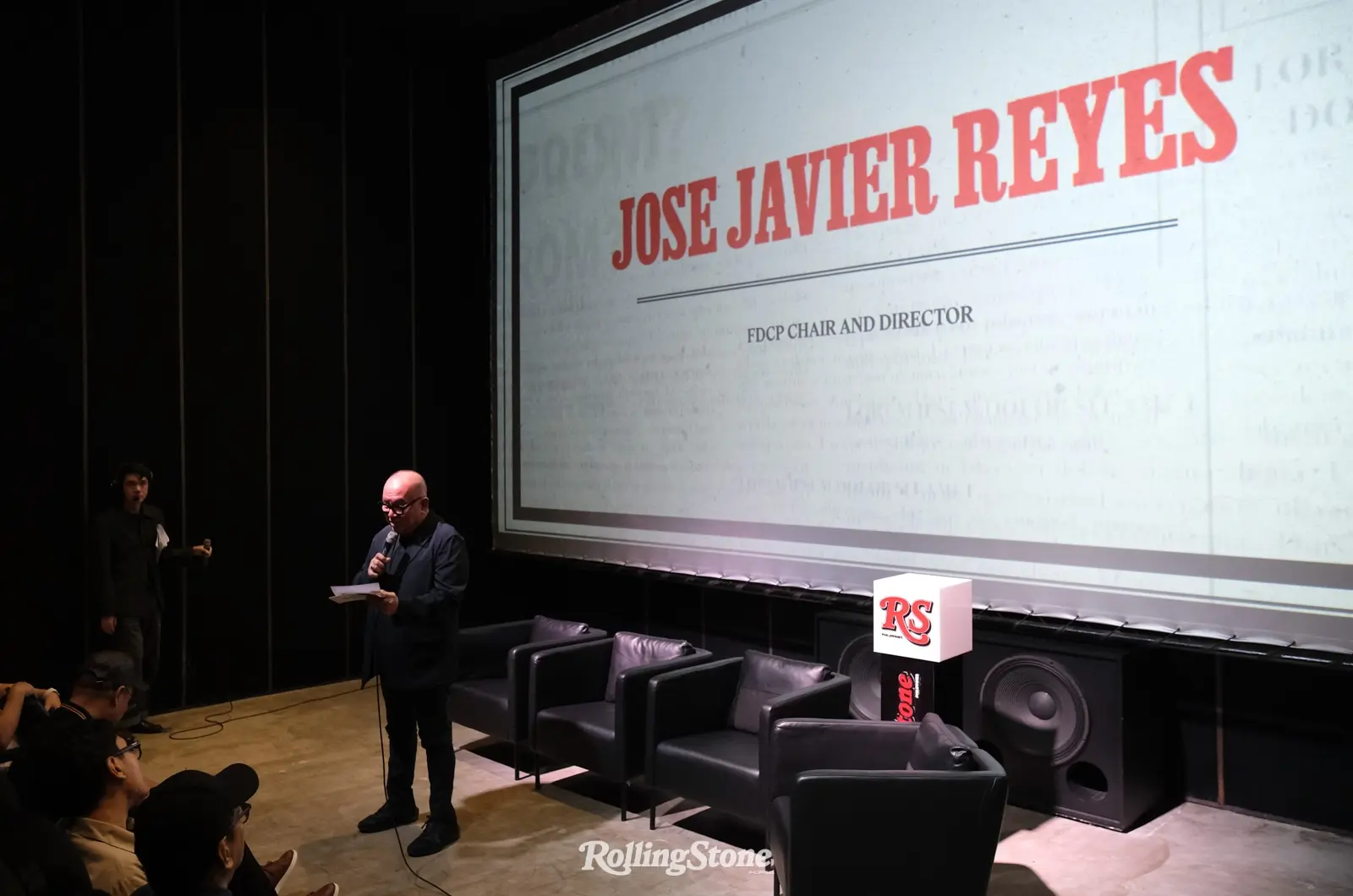
The FDCP Chairman also commented on the importance of creating a movie like Quezon, which both humanizes and complicates the former president’s legacy. Aside from being one of the most expensive films made in the country’s history, Quezon also completes TBA Studios’ Bayaniverse trilogy, a set of films that spotlight major Filipino historical figures. “To finish this Bayaniverse… it’s either an act of martyrdom or an act of absolute self-immolation,” said Reyes. “But I hope the younger generation of Filipino directors will see that there is a responsibility to the kind of films that we make. Being a filmmaker is more than just being a rock star. Being a filmmaker means [coming] up with statements which enrich and solidify the culture of our nation.”
But it was Reyes’ final statement about the state of Filipino cinema that earned him loud applause from attendees of the panel. “We all know about the dismal state of Filipino movies now,” said Reyes. “Maybe there’s a gleam of light at the end of the tunnel now that we have Sunshine, which is getting an audience and making money… and there’s Food Delivery, which is creating excitement abroad.”
Earlier in the panel, Reyes had praised Sunshine, the latest drama starring Maris Racal. “Only three cinemas were supposed to [screen Sunshine] on its second week,” said Reyes. “But because of the surge of the first weekend, now it’s all over, and it’s entering its third week.” For both Food Delivery and Sunshine, he commended how both films had been helmed by Filipina directors, Baby Ruth Villarama and Antoinette Jadaone, respectively.
Watching in the audience, Villarama added an insight that they learned from marketing Food Delivery, which is a documentary. “It also matters how you position the film,” she said.
“But let us be aware that if we want to bring back the life, the vibrancy, and the significance of Filipino cinema, it’s not just the job of filmmakers… it’s the job of the audience,” continued Reyes. “It all depends on the audience. Kung hindi tayo maniniwala sa gawa ng Pilipino, sino ang maniniwala sa atin? Napakahalaga na bigyan natin ng supporta ang mga pelikula na makabuluhan, o kahit na ‘yung mga pelikula na kumakain lamang ng ilang oras natin, nagpapatawa o napapaiyak sa atin.”
“Ang importante kapag gawa ng Pilipino, bigyan natin ito ng wastong respeto,” said Reyes. “Dahil tulad ng sinabi ko, kapag hindi natin pinaniniwalaan ang ating sariling kakayahan, wala tayong saysay sa pagiging Pilipino. So, with that, mabuhay ang Pilipino and mabuhay ang Pilipinas.”
Special thanks to ZYN. With special participation from H2V2 Catering and Manila Craft Mixes & Brews.