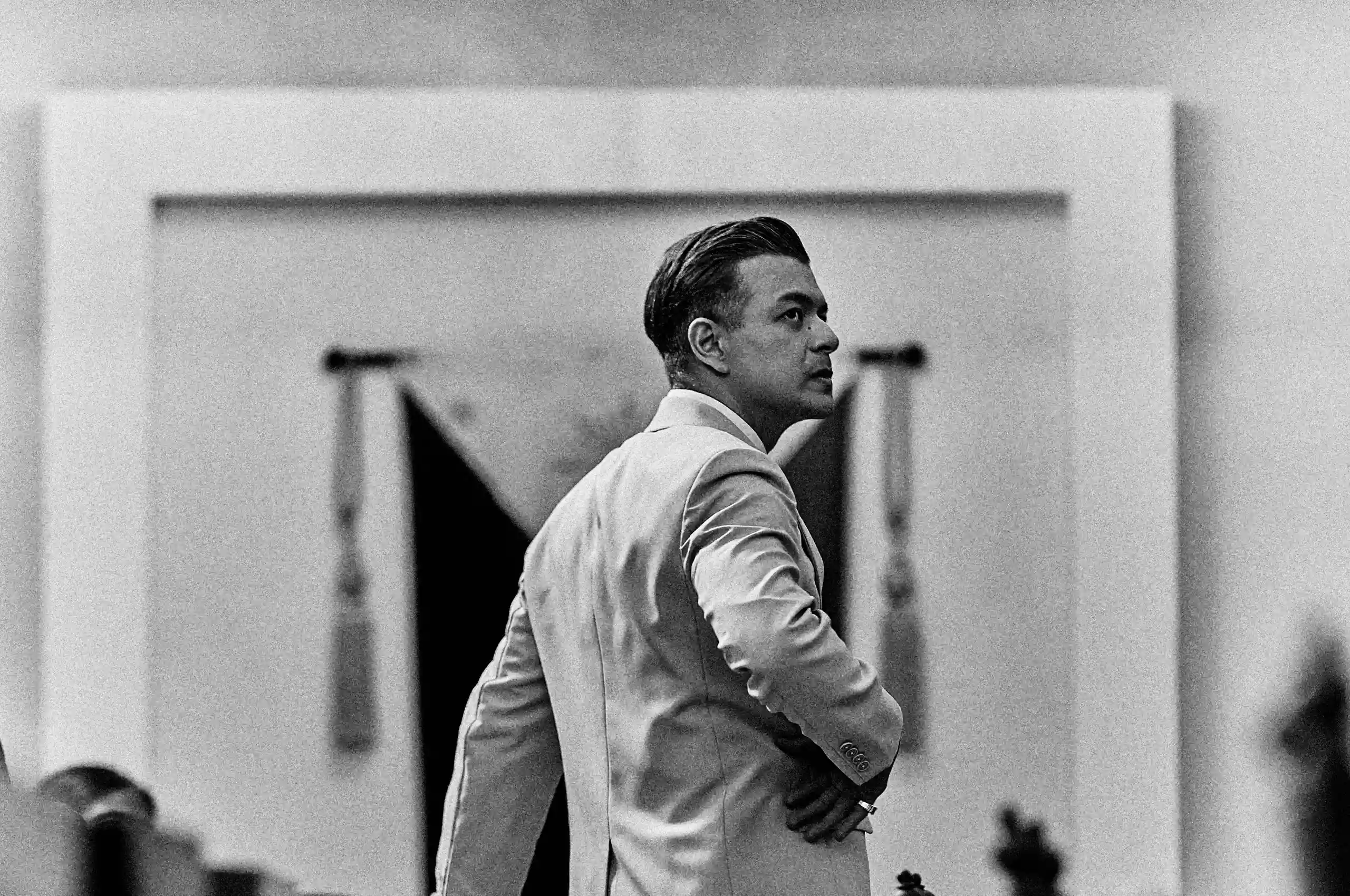
Quezon director Jerrold Tarog and actor Jericho Rosales were confronted by Manuel L. Quezon’s grandson, Ricky Avanceña, at a film screening in Makati, Thursday, October 23. There, Avanceña accused the filmmakers of tarnishing the reputation of his grandfather for money in a dispute that laid bare how fraught it can be to reimagine political figures for the screen.
The film follows its titular character in his rise to power during the American colonial period, navigating tensions between Americans and other political contemporaries such as Sergio Osmeña and Emilio Aguinaldo. It incorporates fictional elements like the newspaper Alerta and the character Joven Hernando, the “Bayaniverse” trilogy’s personification of the Filipino youth.
“Hindi niyo alam ang ginawa niyo,” Avanceña said during the talkback session following the screening. He is the son of Quezon’s second daughter, María Zenaida Quezon Avanceña.“Gusto niyong kumita ng pera. Gusto niyong sumikat. Sinalaula ninyo ang alaala ng isang pamilyang nagbuwis ng buhay.”
“Mahiya kayo,” he added.
Later, on Facebook, he lamented Rosales asking him to let other audience members ask questions during the Q&A. Avanceña wrote, “Nilalako nila ang pambababoy sa alaala ng mga taong patay, at ‘di nila ako hahayaan na magpahayag ng damdamin at ipagtanggol sila? At hindi naman kung sino lang ang lolo ko, at nagbayad naman ako ng tiket… [My grandfather] was a president, and the best ever, most incorruptible.”
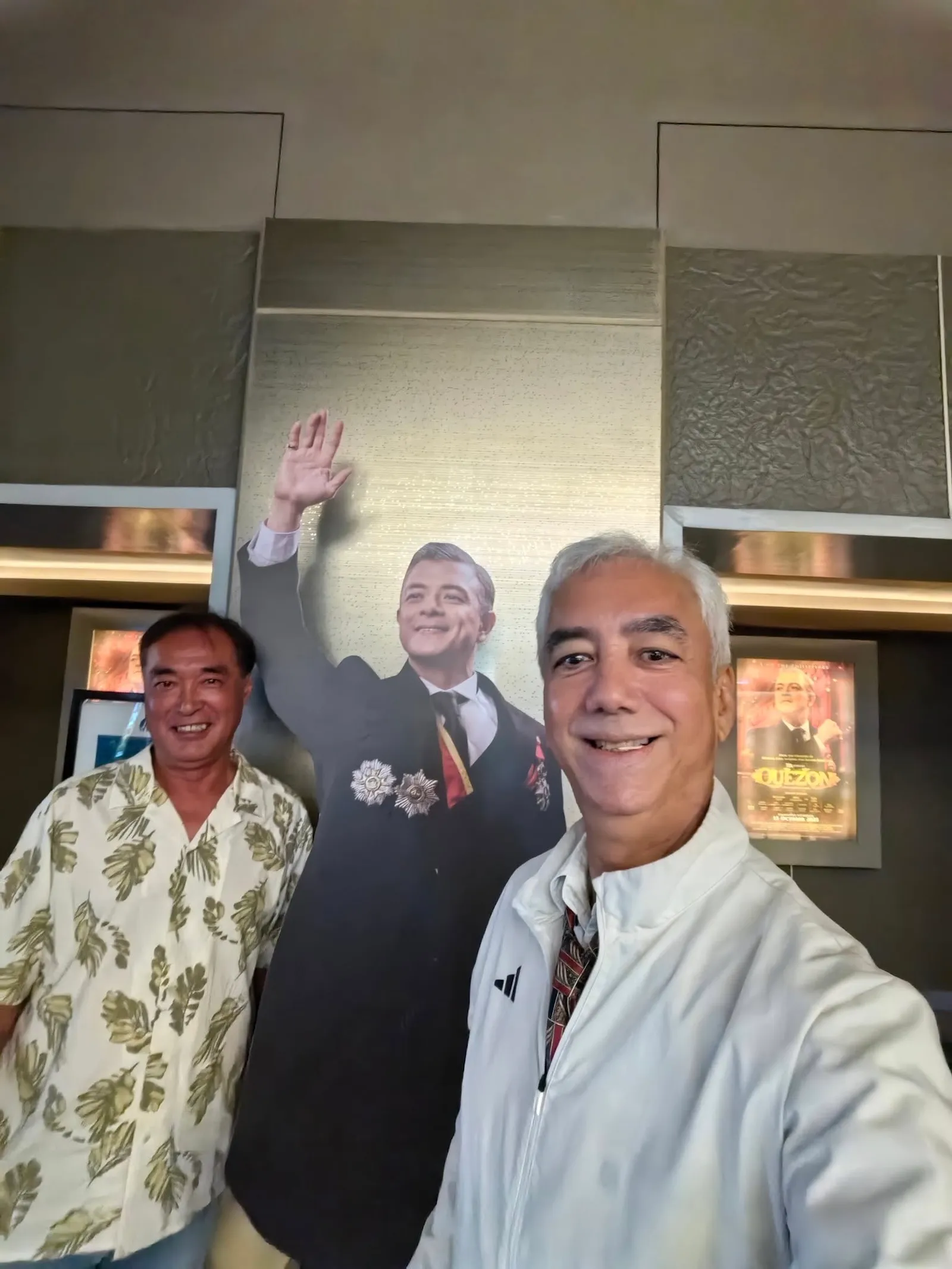
In response, TBA Studios released a statement. “While we respect and understand [Avanceña’s] sentiments, we wish to reiterate that the film is grounded in verified historical accounts, including President Quezon’s own autobiography and other reputable sources,” the film production company said. “While the film includes fictional elements for thematic purposes, the facts and details presented in the film are easily verifiable through public records, online research, or library resources.”
TBA Studios also shared that it has released a study guide and companion book containing “a comprehensive list of the books and references used in the film’s research.”
The controversy lays bare the discomfort that comes with revisiting the country’s political icons, especially when their descendants still see them as untouchable. In showing a Manuel L. Quezon with contradictions, the film invites a reckoning with that perception. By allowing its subject to be flawed, Quezon dismantles the myth long enough for the man to appear.
Rosales said after Avanceña left the venue, “There are no perfect people. I was trying to wrap my head around this person, this character, who has led the country to independence and done great things and still is so flawed.”