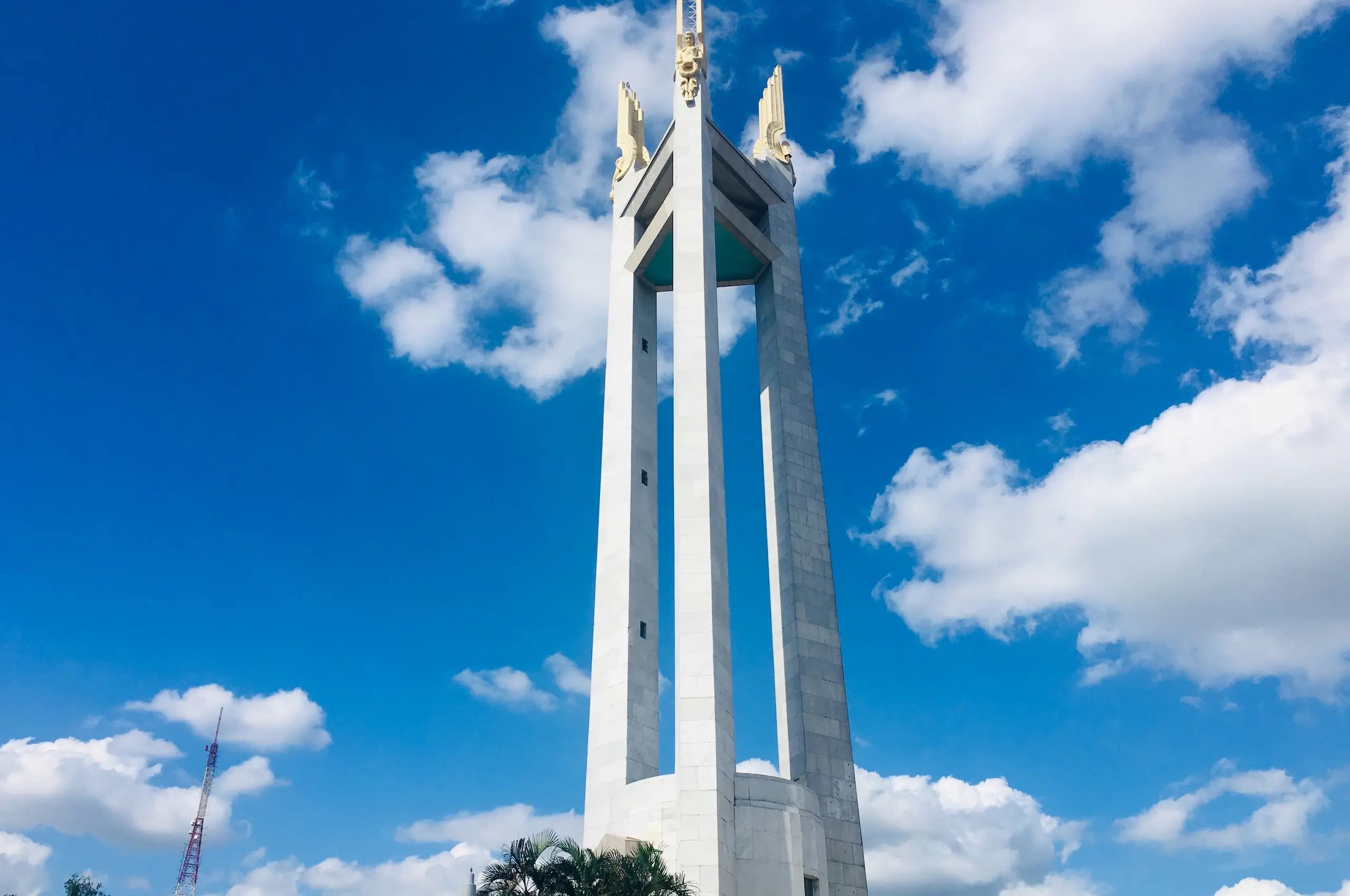
On October 31, the United Nations Educational, Scientific, and Cultural Organization (UNESCO) celebrated World Cities Day by announcing the 58 latest cities to join its Creative Cities Network. Among the locations honored with the prestigious title were two new Philippine cities: Dumaguete, designated as a creative city for literature, and Quezon City, recognized as a creative city for film.
“By welcoming 58 new cities, we are strengthening a network where creativity supports local initiatives, attracts investments, and promotes social cohesion,” UNESCO Director-General Audrey Azoulay said in an official statement.
Quezon City and Dumaguete join a growing list of locations in the Philippines included in UNESCO’s Creative Cities Network program. Baguio was the first local city to join the list in 2017, earning the title of Creative City of Crafts and Folk Art. The next was Cebu City in 2019 as a Creative City of Design, followed by Iloilo City in 2023 as a Creative City of Gastronomy.
But What Does it Mean to be a Creative City?
Since 2004, UNESCO has led its Creative Cities Network program, which aims to support cities that leverage culture and creativity as sources of development. According to the program’s mission statement, “By joining the Network, cities acknowledge their commitment to sharing best practices, developing partnerships that promote creativity and the cultural industries, strengthening participation in cultural life, and integrating culture in urban development plans.” The Network encompasses eight distinct creative fields: Architecture, Crafts and Folk Art, Design, Film, Gastronomy, Literature, Media Arts, and Music.
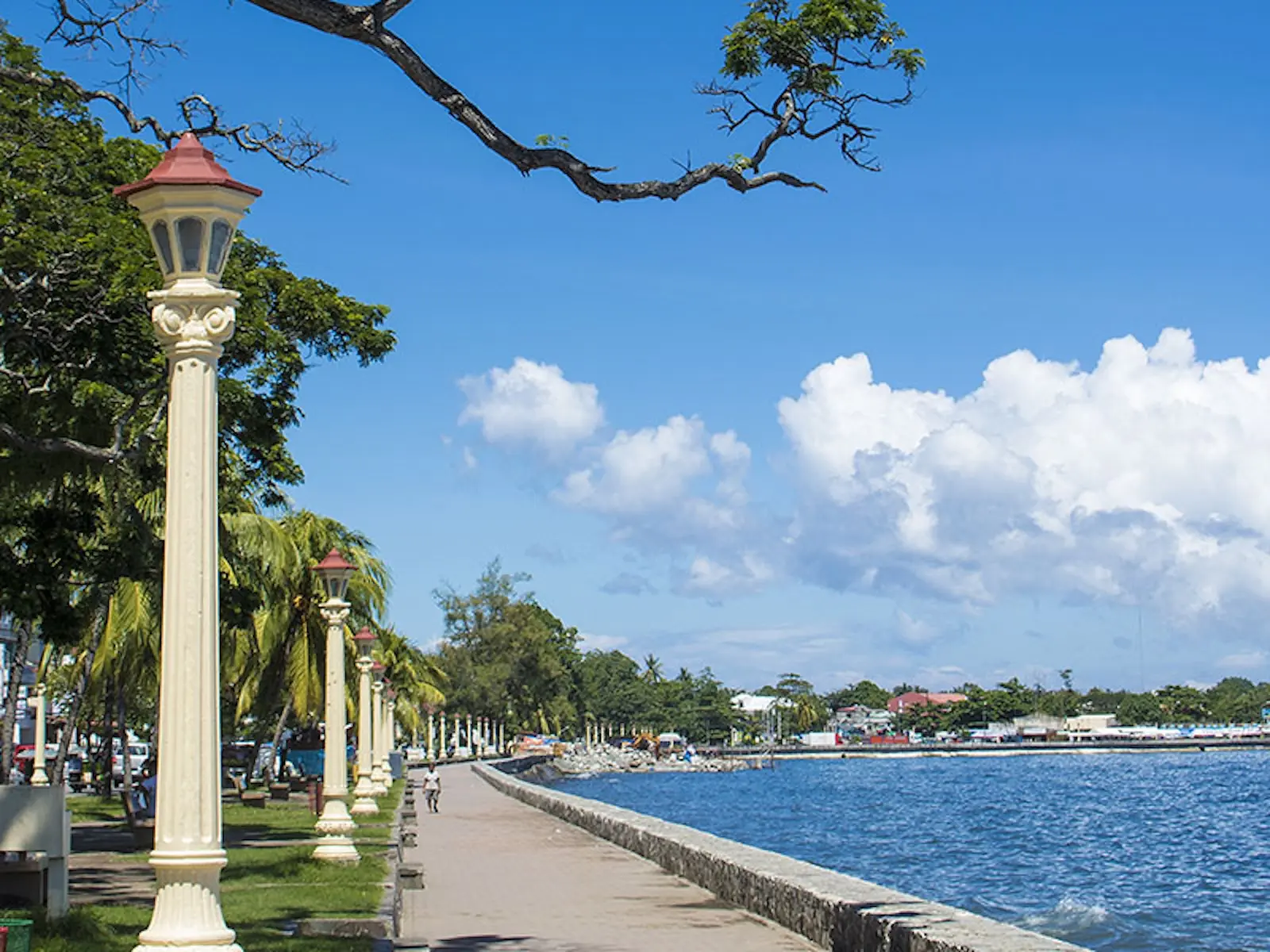
For Dumaguete, which joins Jakarta as the first Creative Cities of Literature in Southeast Asia, the title honors its history as the birthplace of some of the country’s most acclaimed storytellers, such as Lakambini Sitoy and Cesar Jalandoni Amigo. The city has also maintained a plethora of workshops and programs to uplift the written word, particularly the Silliman National Writers Workshop, which was founded by National Artist Edith L. Tiempo and her husband K. Edilberto Tiempo.
“We join the ranks of the world’s most creative destinations and make history as one of the first cities in the Philippines to be recognized under this designation,” said the Dumaguete Literary Festival in an official statement celebrating the announcement. “This milestone celebrates the city’s long literary legacy, from the Silliman Writers Workshop to generations of authors, poets, and storytellers who’ve made Dumaguete a city of stories.”
For Quezon City — which joins Ho Chi Minh as Southeast Asia’s first Creative Cities of Film — the title offers the opportunity to strengthen its local film industry, pursue global recognition, and protect its workforce with industry policies. The Quezon City Film Commission, which led the city’s application to the UNESCO Creative City of Film Network in 2023, will also spearhead several new initiatives: a training hub titled QC Screen Academy, a Southeast Asian-wide film platform called Global Producers Exchange, and the Southeast Asia Film Summit, an annual event that will bring major figures in the region together to discuss policies, production, and regional collaboration.
“QC Film City is now a name that will forever be etched in the legacy of every filmmaker, artist, and storyteller who has shaped our city’s vibrant film heritage,” QC Mayor Joy Belmonte said in an official statement.