Jurassic World: Rebirth is an adequate dinosaur blockbuster. Dare I say, it’s even a delight to watch, especially since it boasts a stacked ensemble cast and a whole storyline centered around giant dinosaurs, perfect for audiences with short attention spans (myself included). But just because it’s serviceable doesn’t mean it’s good, and I’m growing tired of seeing Jurassic Park movies that lazily cash in on its IP.
Ever since director Steven Spielberg first released his classic in 1993, all the succeeding sequels have lived under its massive, Tyrannosaurus Rex-shaped shadow. Mind you, they haven’t struggled or done too poorly in terms of profit. Even Jurassic Park III, the least profitable among the Jurassic Parks, brought in just over $368 million at the global box office. As of writing, the entire franchise has earned over $6 billion, and with Jurassic World: Rebirth still basking in its opening weekend, more dollar signs are sure to come.
But in terms of quality, the Jurassic Park franchise is in a deep slump. Each movie follows the same formula and rarely veers into new territory: we mess with dinosaurs, they fight back, and in between, there is bound to be a plucky chosen family trying to save the day, a romance that blooms out of the trauma bond that comes with surviving being chased by raptors, and perhaps an island or two swarming with (you guessed it!) more dinosaurs. As audiences, it seems that we’re happy to watch this formula unfold again and again. It’s always exciting to see dinosaurs fight to the death, so much so that it’s always fun to watch the “Best Kill Sequences” videos of the franchise on YouTube. They go big on spectacle, and with so much happening on screen at once, it’s easy for moviegoers to get swept up and never stop to ask whether any of it is actually good.
With Jurassic World: Rebirth, there was initially a sliver of hope that director Gareth Edwards would be the first to step away from the formula. “You’ve got to do something new and fresh to give them a reason to come see the movie,” he said in an interview with GamesRadar+. Edwards even grounds the film’s storyline in the idea that people are tired of seeing dinosaurs, and so something new needs to be done. While I find it hard to believe that anyone would ever get tired of seeing real-life dinosaurs walk the Earth, I can also understand why Edwards would want to inject the franchise with a fresh hook.
So what happened?
Big doesn’t mean better
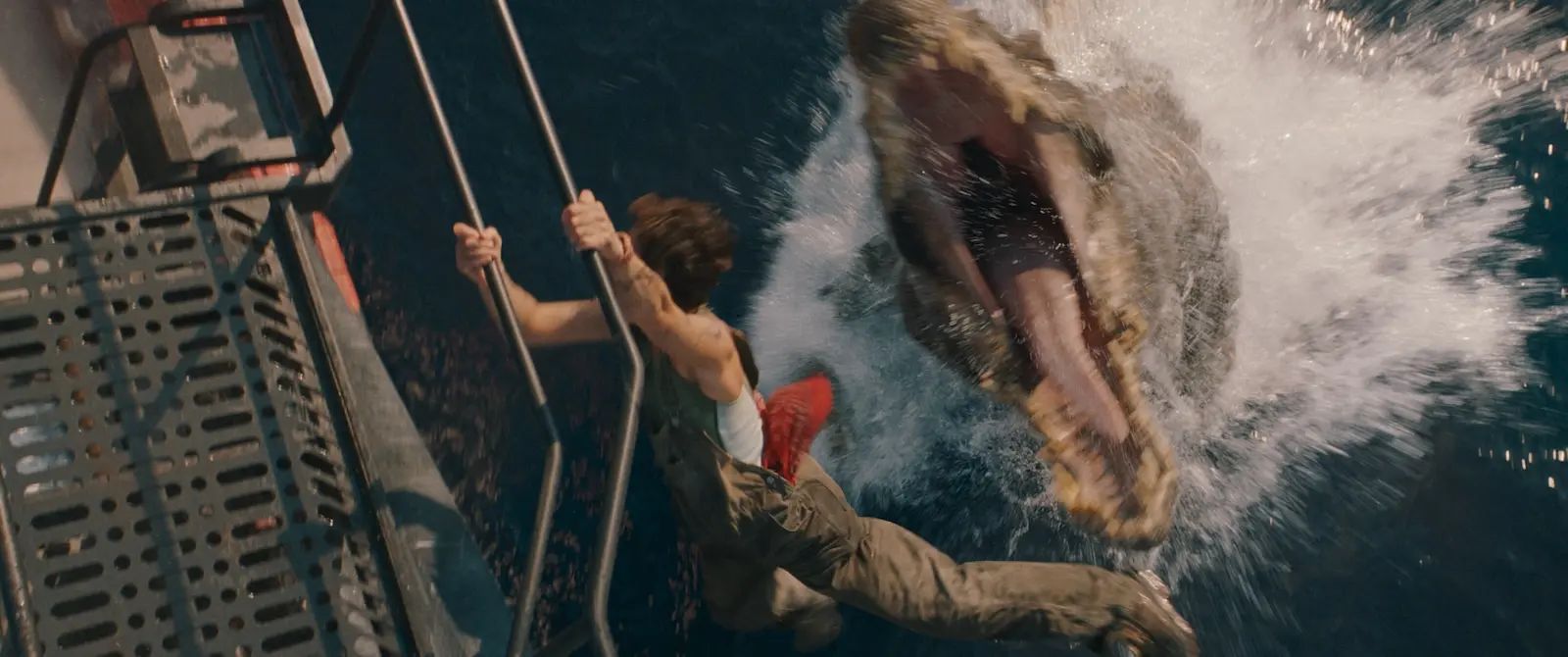
Jurassic World: Rebirth is only a fresh spin on the franchise if you don’t think too hard about it. I concede that it stands out among the more recent Jurassic Park movies by not relying on too many nostalgia grabs or luring fans into cinemas by bringing back original cast members. (But hey, that worked with Jurassic World: Dominion.) Edwards envisioned it as a standalone movie, and that does shine through in its unique but completely absurd, plotline. At the center of its story is Zora Bennett (Scarlett Johansson), a high-level “situational security and reaction” specialist (a.k.a. a glorified mercenary) who has been tasked to retrieve DNA samples from three of the planet’s biggest dinosaurs: the ocean-dwelling mosasaurus, the land-roaming titanosaurus, and the sky-bound quetzalcoatlus. Is Jurassic World: Rebirth essentially a high-stakes game of Bring Me? Yes.
But Zora can’t do it alone, and so the brilliant but timid Dr. Henry Loomis (Jonathan Bailey) must help her on her journey. The duo, along with the ever-daring ship captain Duncan (Mahershala Ali) and a crew of specialists set off to the island of Ile Saint Hubert, which all three dinosaurs conveniently call home. The island is also home to giant, mutated dinosaurs that weren’t pretty enough to make it into the now-defunct theme park, so naturally, dangers abound. Along the way, the team’s caper gets sidetracked by the Delgados, a family on a sailing trip across the Atlantic. When an angry mosasaurus capsizes the Delgados’ boat, Zora and Co. must swoop in to save the day.
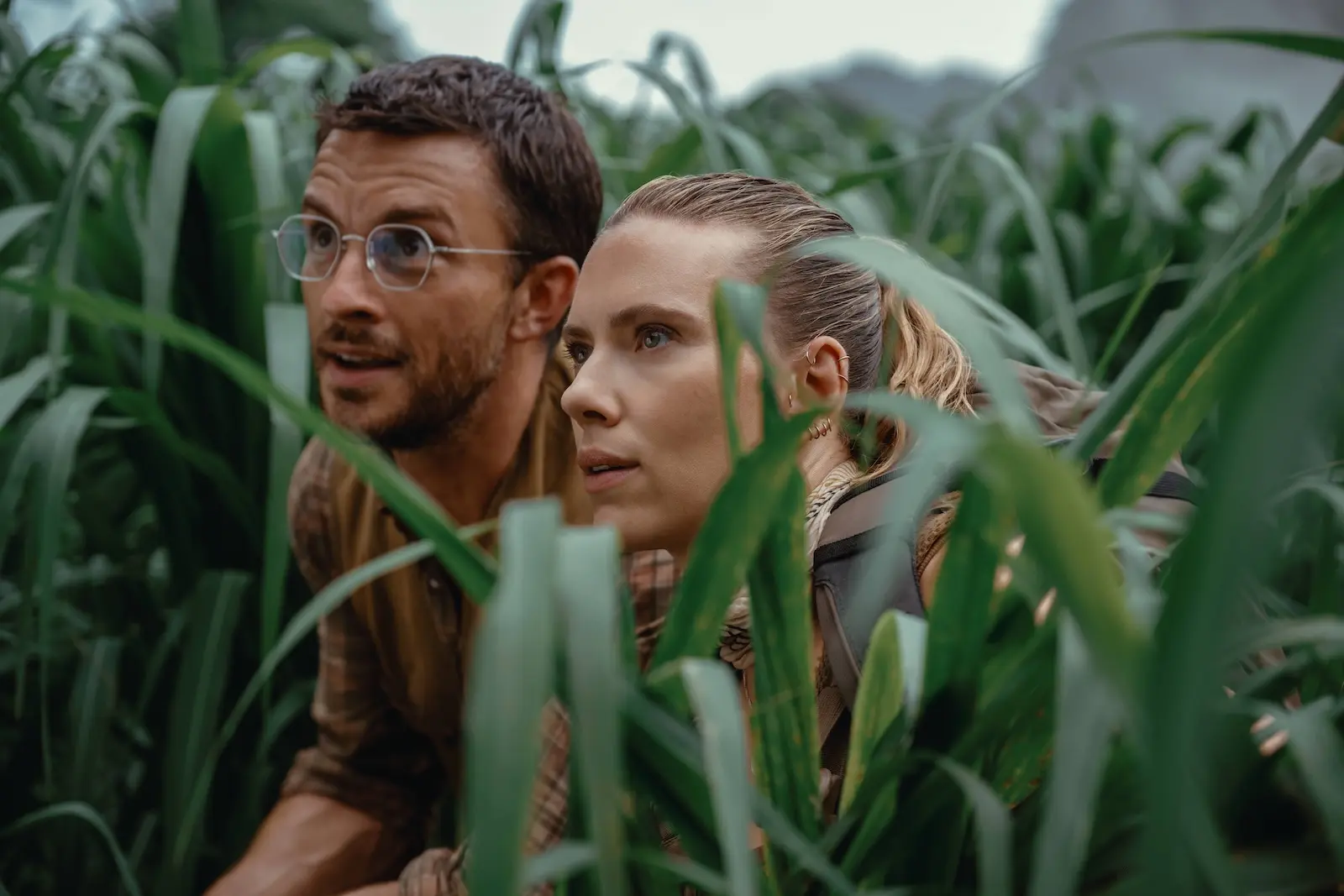
The best part about Jurassic World: Rebirth is its cast and, truth be told; they should be the main reason why you watch the movie. Johansson and Bailey work well together as a platonic duo, and the moments between them feel casual and easygoing enough that I wouldn’t mind seeing them team up again. Johansson’s Zora is an ambitious, money-hungry mercenary with a hidden heart of gold, and Bailey’s Henry is a geeky, slutty-little-glasses-wearing paleontologist who almost loses his mind when he sees real-life dinosaurs (relatable). They balance each other out, and they’re a welcome change from the stale, overly serious dynamic between the franchise’s current frontrunners, Chris Pratt and Bryce Dallas Howard. Ali also brings a level of gravitas to the film, and in the rare moments where we get glimpses into his painful backstory, he delivers with subtle intensity and enough emotional weight to keep me rooting for him to survive.
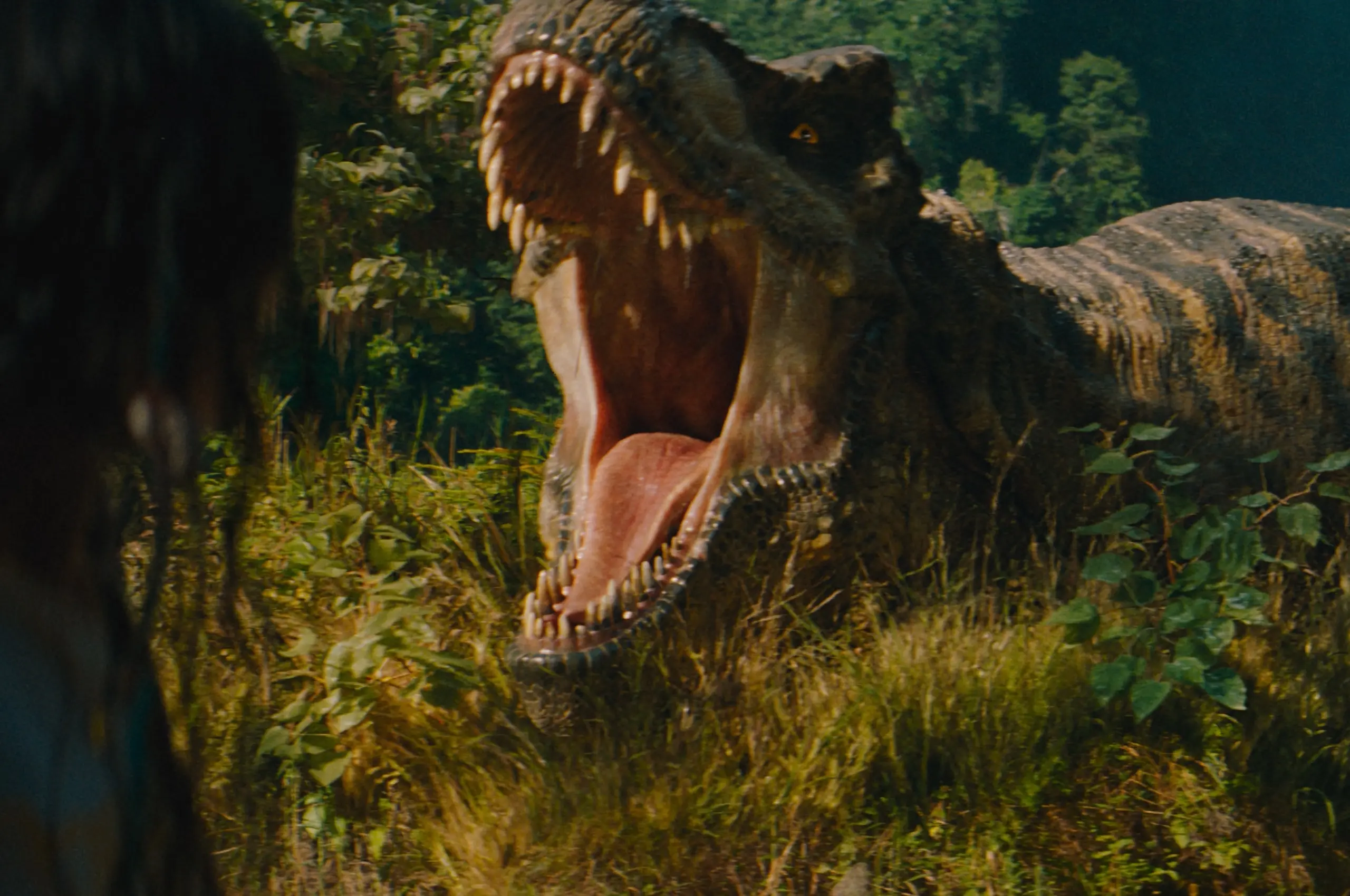
The movie relies too much on its dinosaurs, and they’re not even the best dinosaurs of the franchise. They’re oversized and overabundant, which dilutes their impact. The thrill of seeing a massive dinosaur for the first time, like the iconic Tyrannosaurus Rex in Jurassic Park, just doesn’t land here. It’s a classic case of diminishing returns.