Sunshine is the type of movie that brings all the fears of Filipino Catholic girlhood to life.
Catholic guilt, as any woman raised in the faith knows, is the monster that rears its ugly head whenever conversations about sex, pregnancy, and female bodily autonomy are brought up in conversation. God forbid women talk about having sex before marriage, promiscuity, or that horrible, chest-heavy fear a girl feels after being just a day late.
But Filipino Catholic guilt is an uglier behemoth altogether: the Philippines’ inability (or refusal) to enforce a standardized, secular sex ed curriculum, its inefficiency to confront the rising issue of teen pregnancies (where is that Anti-Teen Pregnancy Prevention Bill?), and its pervasive conservatism towards anything resembling female desire are the burdens that our country’s women must carry with them.
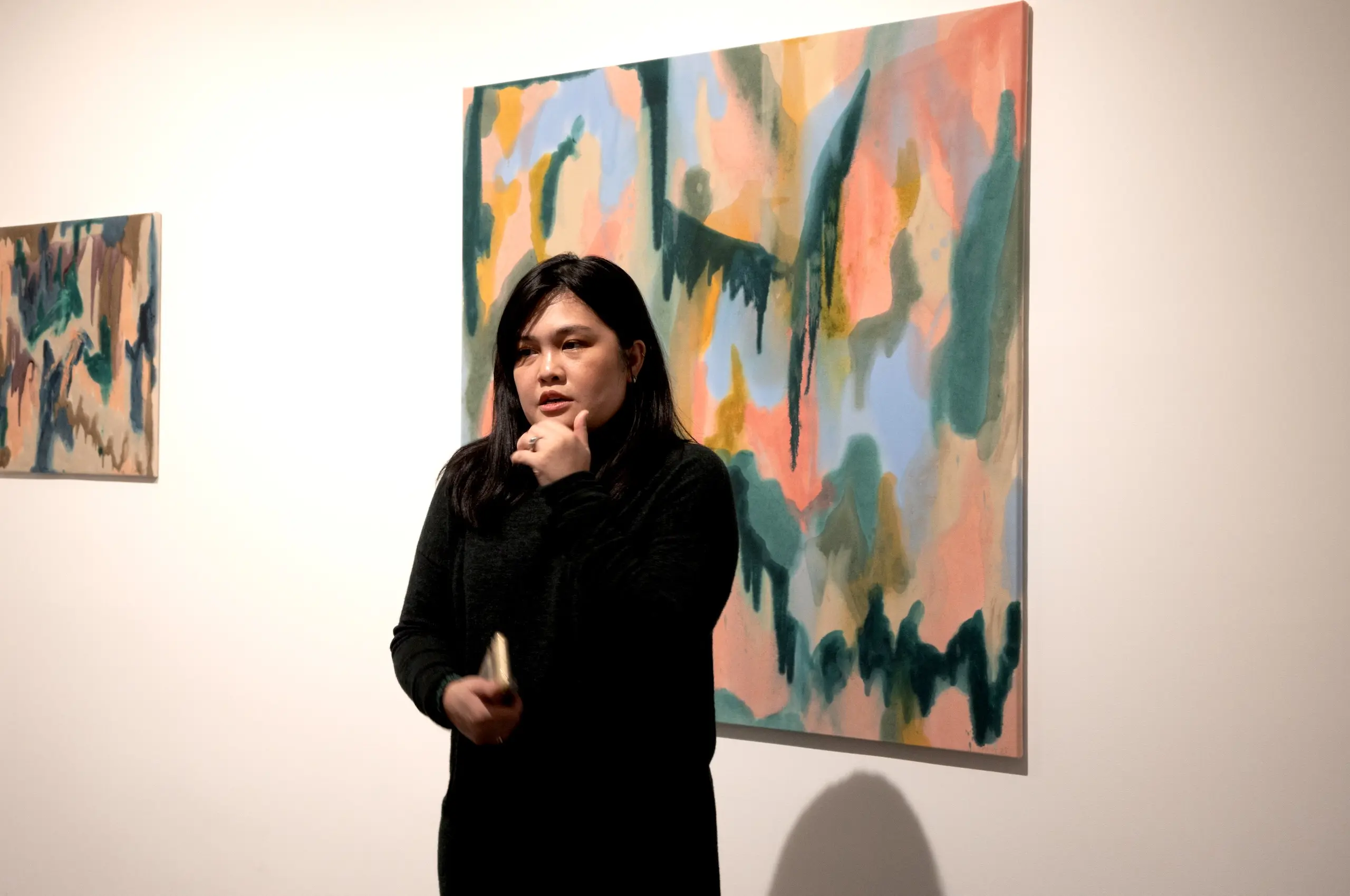
To call Sunshine solely an abortion movie would be reductive. Even its director, the internationally acclaimed Antoinette Jadaone, made this very clear in an episode of Rolling Stone Philippines’ “Greatest Hits.” “‘Yong totoo, hindi ko inisip kasi na mahirap na subject siya,” she said when asked about how she first started writing the movie. “Parang, as a writer, nagsisimula lang ‘yong kwento ko.”
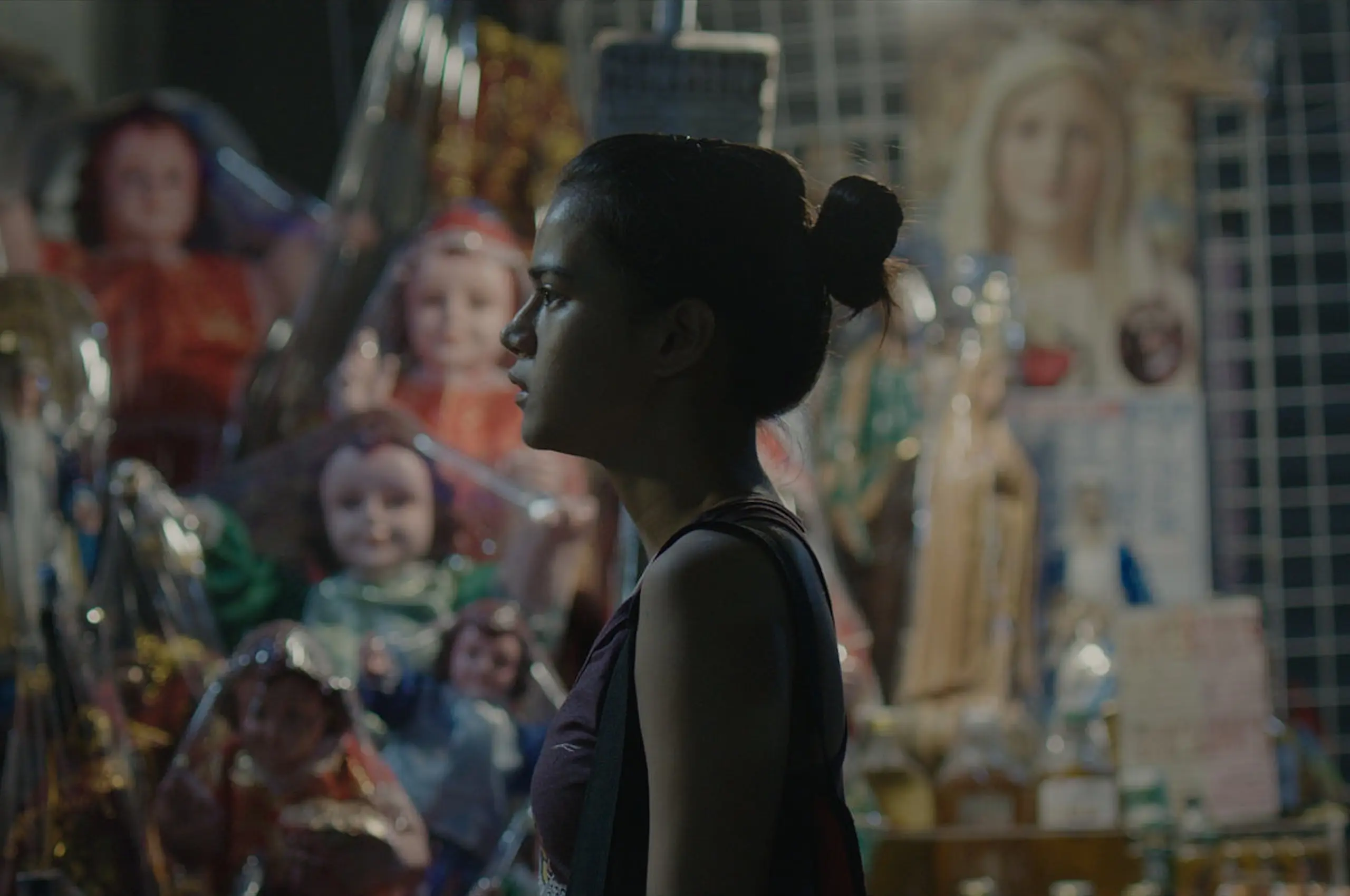
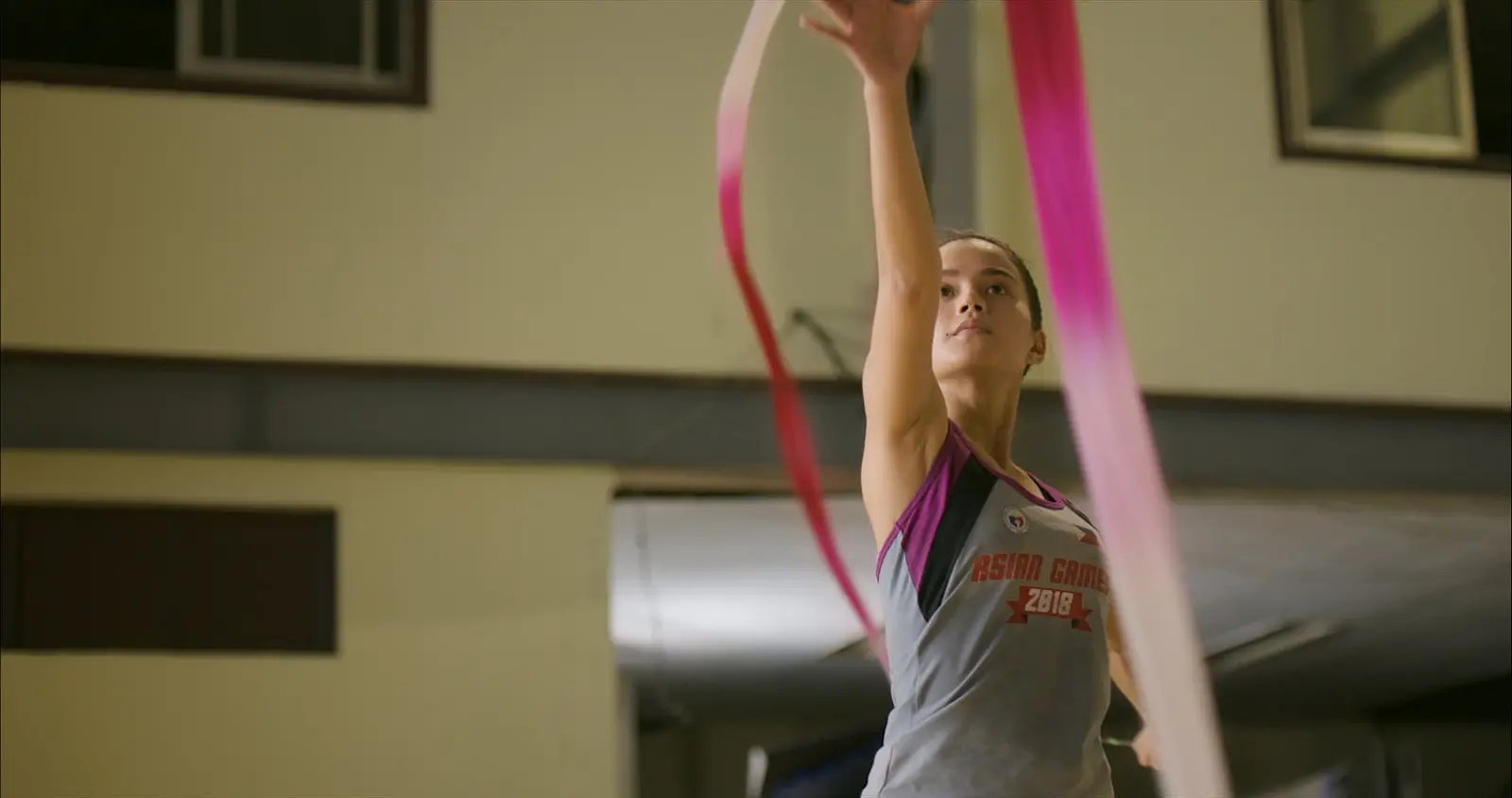
Jadaone’s latest character drama tells the story of Sunshine, portrayed with quiet intensity by Maris Racal. Sunshine is a young, Olympic hopeful whose dreams of joining the country’s national gymnastics team suddenly take a sharp turn when she discovers she’s pregnant. This revelation sends her spiraling through the alleyways surrounding Quiapo Church, hoping for an easy answer to an otherwise difficult question. Along the way, she is shadowed by a mysterious, inquisitive child (Annika Co), whose presence forces Sunshine to confront the consequences of her choices.
Racal’s complexity
There is nothing easy about Sunshine’s story, and Racal delivers a performance that captures this complexity. While Racal’s fans may know her best from her comedic roles in And the Breadwinner Is…, Sosyal Climbers, and The Kangks Show, or even as the fierce, gun-wielding spy in Incognito, this new role reveals a different side of Racal: one that is levelheaded, hopeful, but on the verge of falling apart.
There is a scene halfway through the movie that undoubtedly proves Racal’s emotional depth and range as an actor. After finding what she was looking for at the back of Quiapo Church, Sunshine retreats to a dark, seedy motel. The scene is shot in near-total darkness, lit only by the weak neon lights bleeding through her window. The silence is almost suffocating, both onscreen and in the real-life audience, until Racal breaks it with her first, pained sob on the worn-out motel bed. In that moment, watching Racal embodying a young woman unnecessarily pushed into a dangerous, hopeless corner, I couldn’t help but sob with her.
“Kinalimutan ko na si Maris, kung sino ako,” Racal said of filming the scene in an interview with Rolling Stone Philippines. “Kasi ang utak ko nasa pills na, hawak ko na siya. Tapos, alam mo ‘yong takot na, this could be the day that I die?”
choices abound
However, as she grapples with her unplanned pregnancy, Sunshine must also navigate what it means to be a woman on the verge of growing up. She has dreams of becoming an Olympic gymnast, and because she’s dedicated so much of her life to her craft, she is arguably most herself when she is practicing her routine on the padded gym floor. She is definitely young, prone to picking fights with her siblings, fretting over her gymnast outfit, and, when prompted, having full, window-smashing mental breakdowns.
But her youth doesn’t mean that Sunshine is incapable of choice. Throughout the movie, everyone in Sunshine’s life insists that they know what’s best for her. There is a thankful lack of overly preachy dialogue in Sunshine, save for that one Catholic OB-GYN who belittles her for her choice to abort. Instead, this pressure plays out more subtly, through sidelong glances from Sunshine’s older sister, her peers, and even strangers. That constant judgement inevitably wears Sunshine down, making her question whether her choices are really hers at all.
The one voice of reason comes from Sunshine’s coach Eden (Meryll Soriano). “Do this for yourself,” she tells Sunshine after one of their training sessions. “Not for the judges, not for the audience.” It is perhaps one of the only times that Sunshine is given the space to choose without shame. And for Sunshine, the choice to live on her own terms is the most important decision she can make.
Sunshine is now showing in cinemas nationwide.