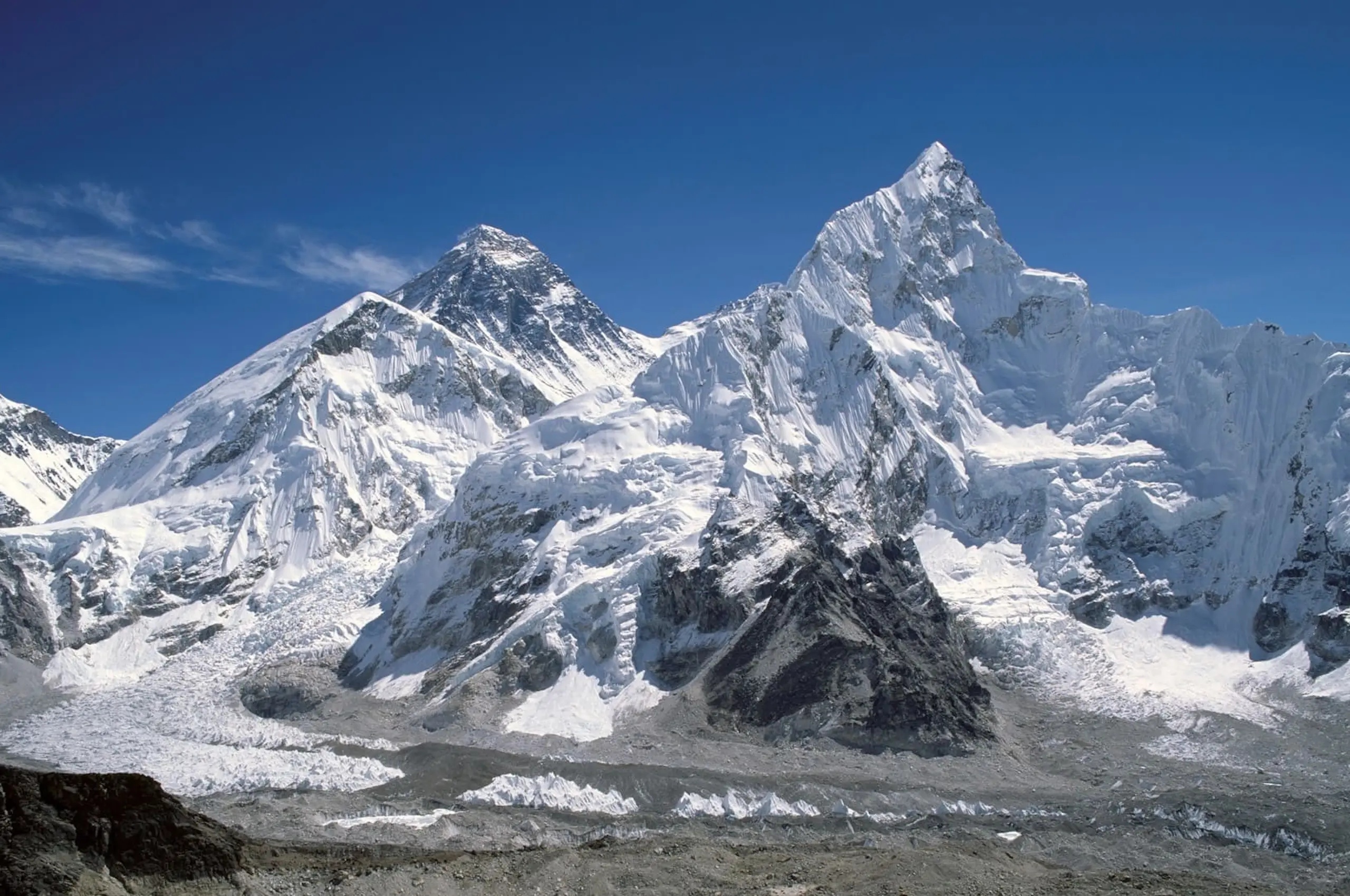
What does it take to climb Mount Everest, the tallest and most famous mountain in the world? For mountaineers Ric Rabe, Jeno Panganiban, and Miguel Mapalad, who just joined the elite ranks of Filipinos who’ve conquered the peak, the answer is made up of so many moving parts and factors that it can’t be captured in a simple explanation.
“The mountains are my refuge,” Rabe told Rolling Stone Philippines. Growing up climbing in the countryside of Cotabato, he asserted that each mountain holds a soul of its own. “With Everest…it felt like I was looking at a hidden lord,” said Rabe. “When I saw her, I felt this need to ask for permission to enter her territory. In Nepal, Everest’s [local name] is Sagarmatha, [meaning] ‘goddess of the sky’. I felt full respect for her.”
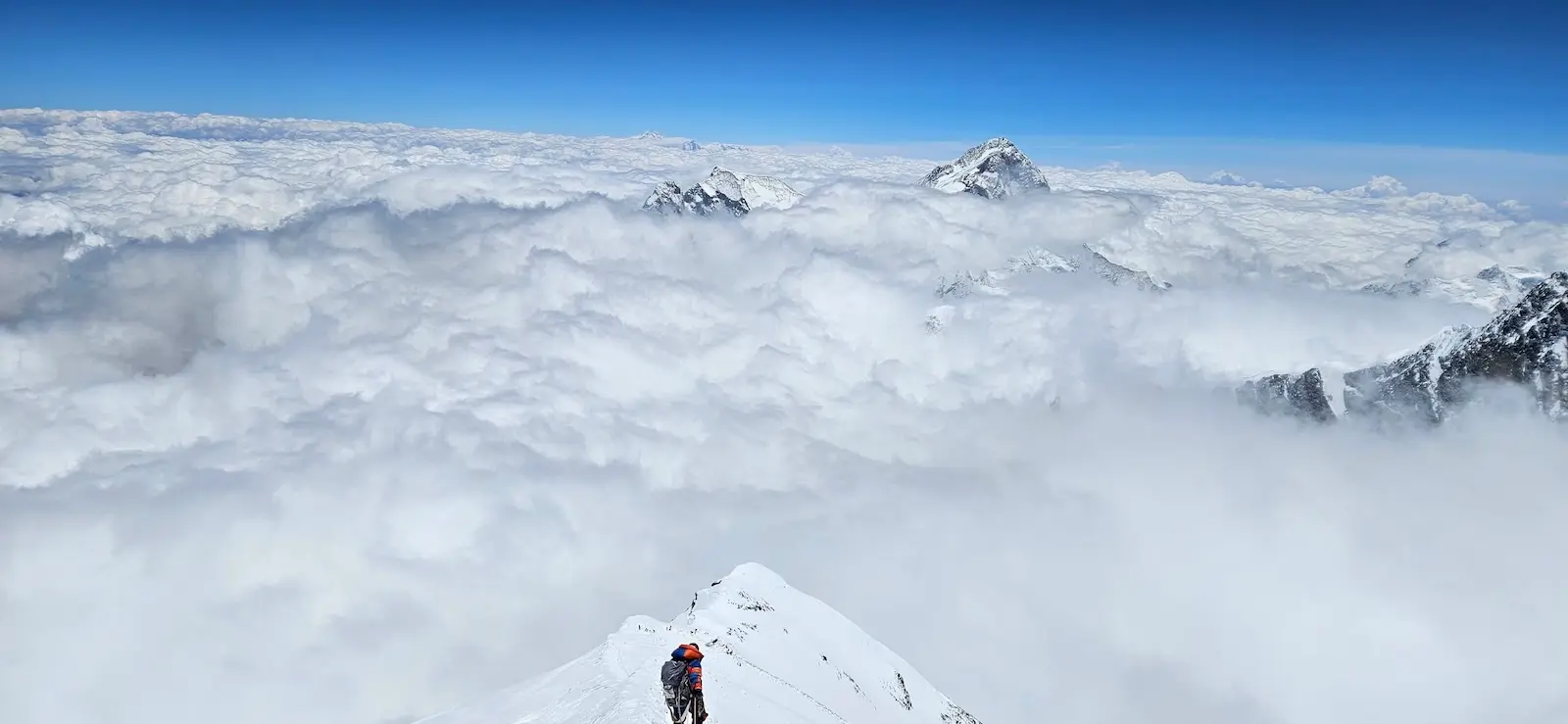
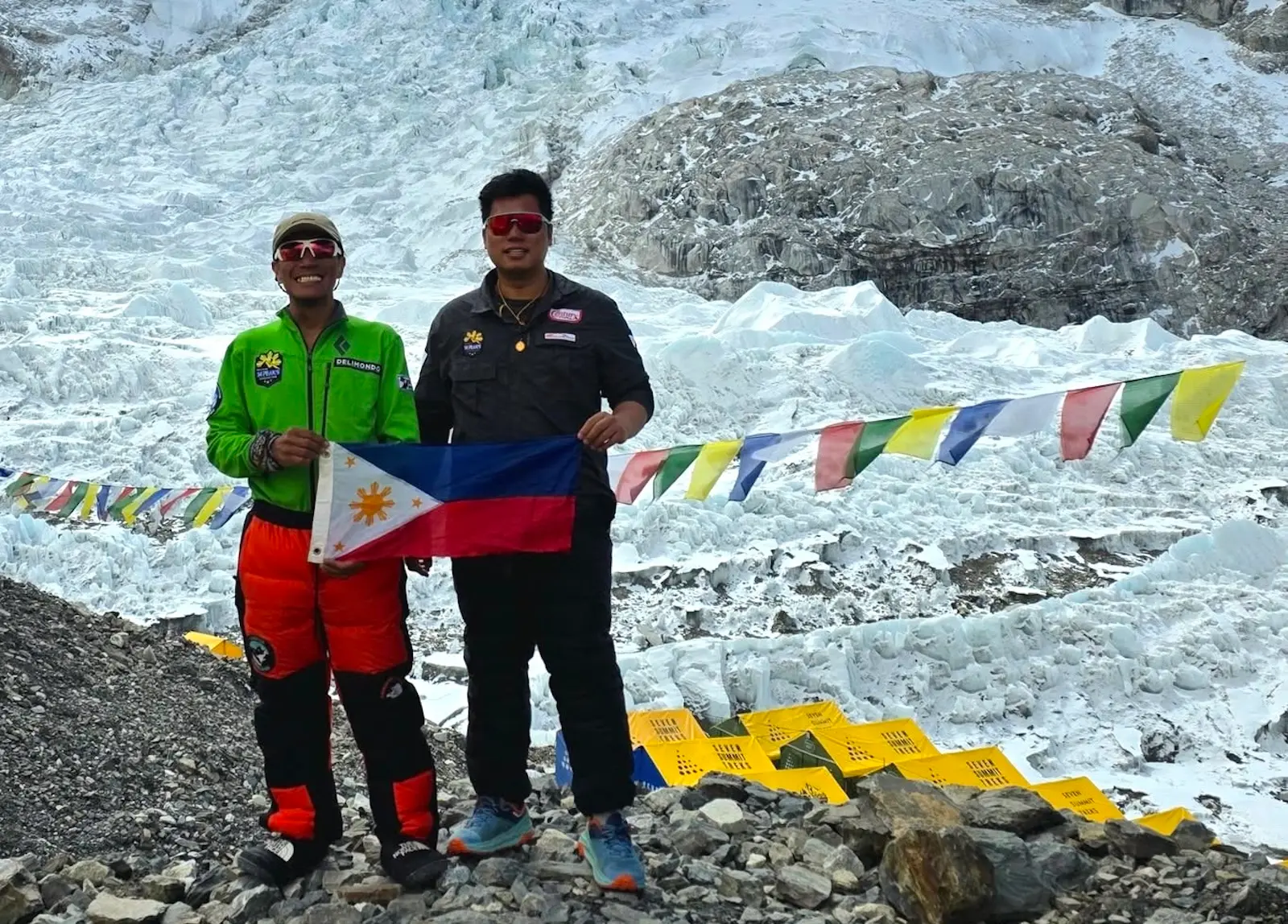
On May 15, Rabe successfully summited the tallest and most famous mountain in the world, making him the first Filipino to do so since Regie Pablo’s ascent in 2007. Panganiban and Mapalad, in their separate expedition, quickly followed suit on May 18.
“I’ve been climbing and trekking for almost three years now,” Panganiban told Rolling Stone Philippines. “Everest is my second 8,000-meter mountain climb.” The 30-year-old mountaineer, hailing from Pasig City, credits his mentor, Mapalad, a full-time climber from San Juan who began climbing in 1999.
The summit, standing at roughly 29,000 feet above sea level, is one of the most accessible peaks on the planet, with around 700 annual climbers attempting to reach the top. However, it is also one of the most dangerous ascents. Over 340 recorded deaths have occurred on Everest, with around 200 bodies remaining frozen on the mountain. The climb to Everest’s summit is fraught with danger, where avalanches, falls, altitude sickness, and extreme cold are the leading causes of fatalities. Just this May 2025, Filipino mountaineer Philipp “PJ” Santiago tragically passed away in Everest’s “death zone,” an area notorious for its harsh conditions and dangerously low oxygen levels.
But before the climb even begins, the weight of planning can be overwhelming. Moreover, with the dangers that come with making the climb, there is a profound emotional reality to an Everest expedition, one that’s rarely spoken about. To shed some light on some of the mysteries surrounding the summit, Rolling Stone Philippines sat down with Rabe, Panganiban, and Mapalad to uncover their stories and the hard-earned lessons that defined their journey.
These interviews have been edited for brevity and clarity.
Which route did you take from base to summit and why?
Panganiban: We took the one on the Nepal side, [the] South Col Route. It’s more supported, kasi sa [Northeast Ridge Route], mas challenging ‘yong route doon especially sa weather.
How much did the expedition cost?
Panganiban: Well, we chose to climb with Seven Summit Treks. We cannot disclose ‘yong exact expense, but we can give an estimate: P3 to P7 million.
How long does the expedition take, from start to finish?
Rabe: If the weather’s good, you’re done in five weeks. But with my climb, laging may windstorm, snowstorm, so we had to spend a lot of time waiting for the go signal. In my case, I think it took almost two months. I left Geneva on April 3, spent two days in Kathmandu for final check-ups, and then took eight days to trek to base camp.
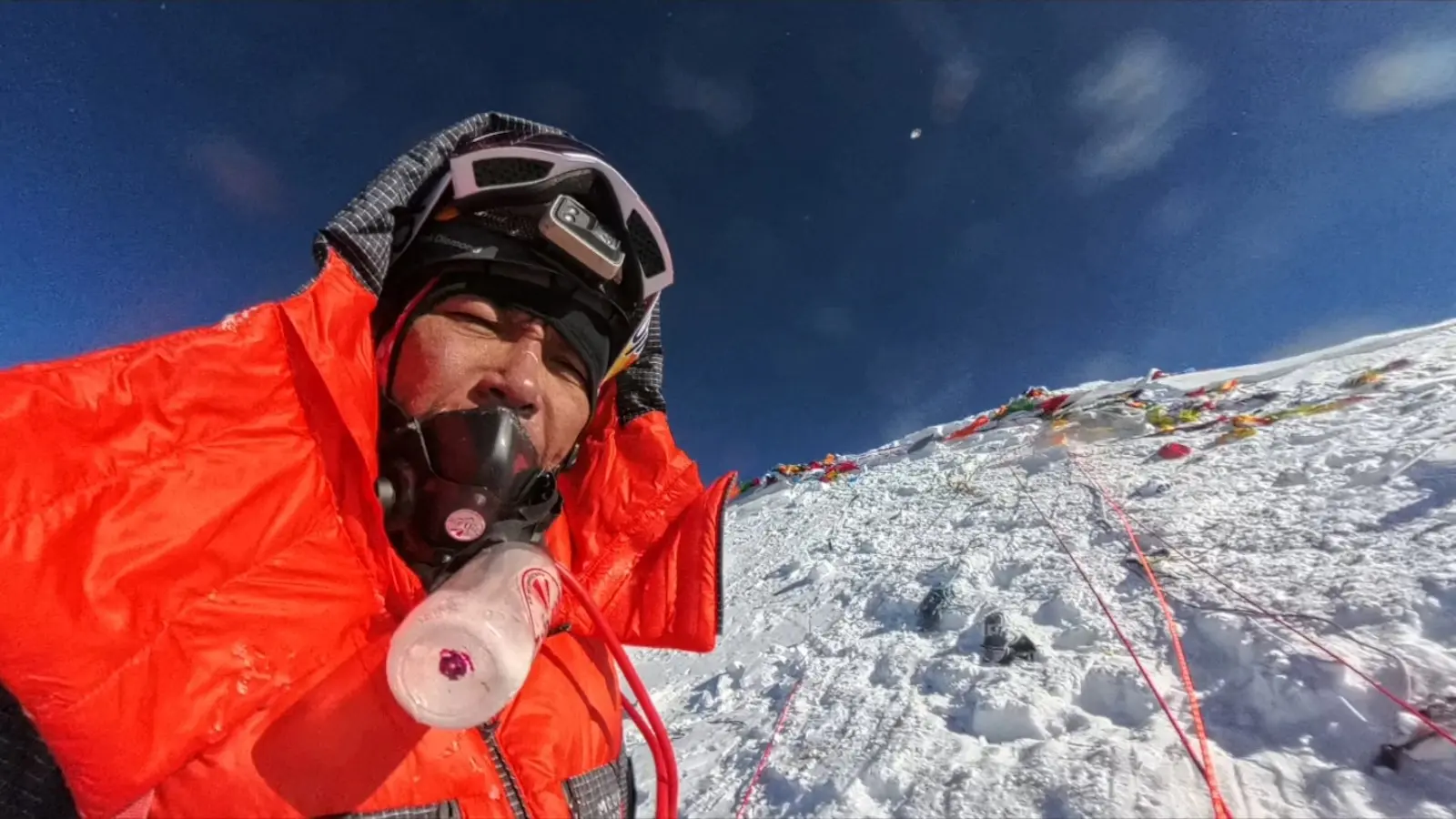
Honestly, it’s so much waiting. You’re stuck at base camp depending on the snowfall, and that’s when boredom and depression can really hit you. You can try to maintain your fitness, climb some of the smaller mountains nearby, or visit the other camps.
When the weather finally permits, you can start summiting. The ascent part isn’t so bad, but it’s the descent that you have to watch out for. Because after you summit, kailangan may natira ka pang energy for the descent. In fact, ‘yan ang pinaka-delikado. Maraming climbers gusto mag-summit, pero wala nang lakas to go back. 80 percent ng accidents after the summit nangyayari, wala nang energy. Pagpagod ka, mas madali magkamali o gumawa ng maling decision. May mga shortcut going down, pero delikado ‘yon.
Did you climb with sherpas?
Panganiban: Yes, our guides were Dawa Danuru Sherpa (Miguel’s guide) and Dawa Nurbu Sherpa (my guide).
Rabe: My sherpa was Nurbu. With the expedition company I traveled with, you have a personal sherpa who also has his own three assistants. They help carry food, clean, cook, set up tents, and bring oxygen tanks. They’re really critical to the climb. You can’t do it without them.
Walk me through the climb. I’ve heard there are several steps to it, right?
Pangniban: Yes, there are different stages. The first one is base camp — that’s where you get to talk to people, socialize, ganyan. So parang meron kaming village doon sa base camp.
After that, ito na ‘yong famous Khumbu Icefall. It’s ever-moving, ever-growing. That’s the dangerous part of the Everest climb. It’s the most dangerous part kasi may mga avalanche that you cannot predict. Iba, collapse ‘yong mga crevasse, ladders. So this part, you have to be most careful. Each step counts here.
After mo mag-Khumbu Icefall, you will eventually arrive at Camp One at 6,100 meters. And then from there, you will go to Camp Two, it’s at 6,500. The next day, you will go to Camp Three which is at 7,100 meters. Dito sa area na ito, ‘yong approach nito is napakainit kasi parang shielded ka. Shielded ‘yong terrain by rock. ‘Yong tinatawag nilang “frying pan,” tapos nagba-bounce off ‘’yong heat doon sa ice. So talagang ang hirap na, ‘’yong skin protection, kahit mag-sunblock kami, talagang masusunog talaga.
From Camp Three, we start going to Camp Four. Dito nagsisimula na talaga ‘yong gust ng winds. At that time, when we arrived at Camp Four, malakas talaga ‘yong hangin. So we had to wait for our summit push.
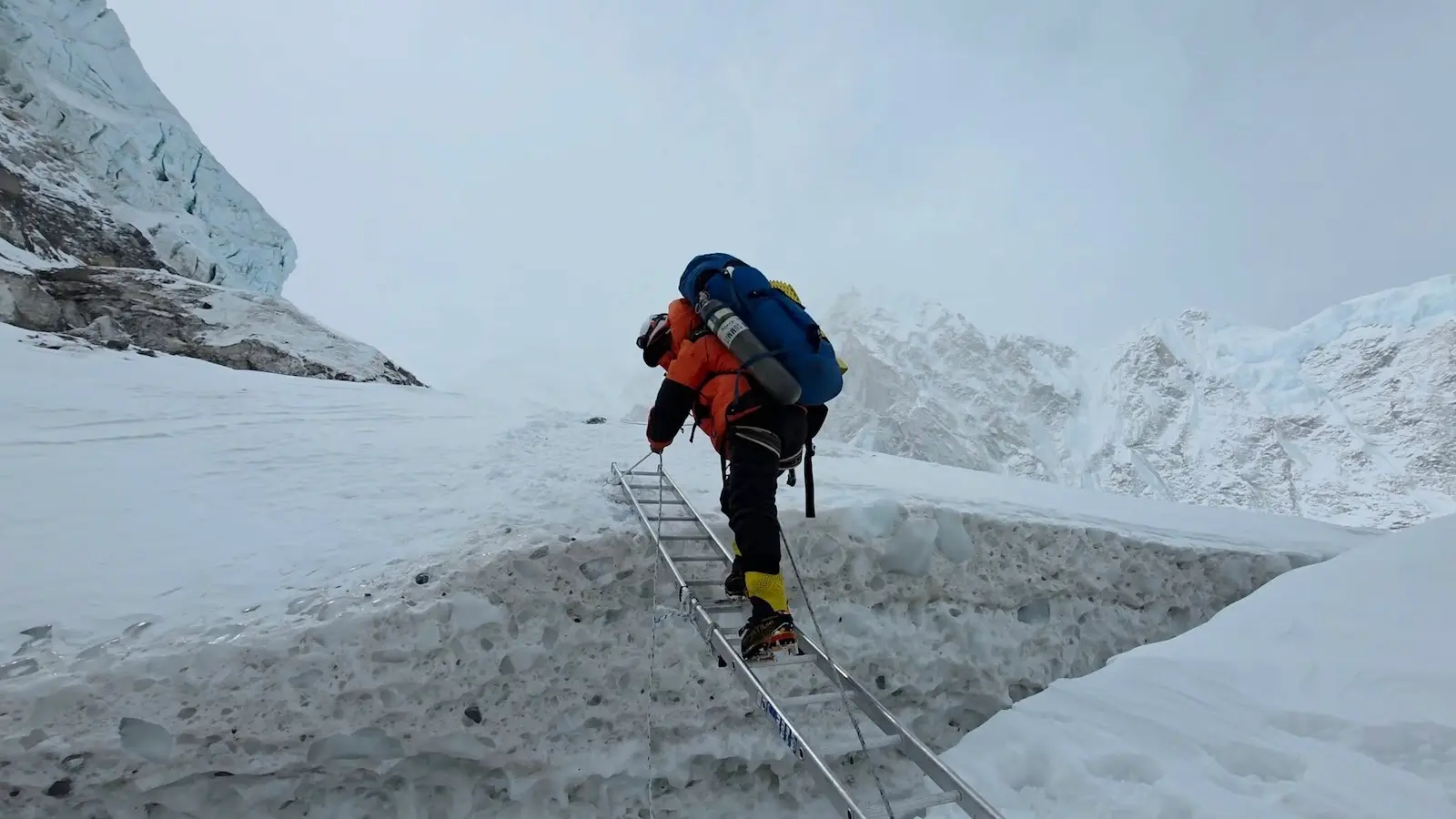
Then from Camp Four, we rested about four hours, and then from there, start na ng summit push to the summit and then back. ‘yong terrain from Camp Three to Camp Four, ’yan ‘yong tinatawag na lots of ice. ’Yan ‘yong super steep na wall. Ito ‘yong part na may mga nadaanan na kami — may mga namatay. Actually marami. And also, ‘yong hangin dito, maabot nung time namin parang nasa 70–80 kilometers per hour wind.
Negative 40 degrees ang temperature. Tapos when we started going to the peak, we started at six p.m. Nepal time. So we reached the summit in 12 hours. Medyo nagka-problema kami sa mata kasi nagkaroon kami ng snow blindness.
What was it like at the peak?
Mapalad: ‘Yong feeling namin medyo iba. Kasi we knew the nation was watching and nakasabay sila sa bawat update namin. So this time it really felt big and Miguel and I are just so proud. Ina-approach namin siya with pride kasi nga ang daming nakaantabay, diba? And we were just so happy to summit.
Rabe: Actually, napaka-unceremonious ng summit ko. Grabe talaga ‘yong consciousness ko noon sa windstorm — sobrang lakas ng hangin, natumba pa nga ako. May dala akong mga flags, pero nag-decide ako na huwag na lang i-unfurl, kasi isa doon ay [United Nations] flag. Natakot ako na baka mawala ko siya, kasi may dalang sariling “immunity” ‘yon. Kung flag ng Pilipinas, puwede mo pa siyang ibigay sa UN during Independence Day, pero ‘yong UN flag mismo, iba talaga ang significance. Conscious din ako na hindi ako puwedeng magtagal sa summit kasi ang original plan ko was a double summit — Everest plus Garmata or Lhotse. Tapos iniisip ko pa na hindi ko dapat matapakan ‘yong [prayer] flag sa Garmata. Ang daming tumatakbo sa isip ko.
At that point, sobrang uhaw na uhaw na rin ako kasi hindi namin ma-open ‘yong thermos ko at ng sherpa ko — sobrang lamig, nag-jam ‘yong cups. So the whole night, wala kaming nainom na tubig. Pareho kaming dehydrated.
If the climb to Everest is so dangerous, what is the appeal of it?
Panganiban: I mean, it’s the mountaineer’s dream. And those dangers, those challenges are a part of it. So ‘yon lang, medyo talagang delikado. Pero kung nakapaghanda ka para dito talaga, great success, diba?
Would you go back?
Rabe: Oo, siyempre. Kahit saang bundok, gusto ko balikan. Marami akong bundok dito sa Alps na lagi kong binabalik-balikan. Marami na rin akong dinadala na iba’t iba’t tao because of that.