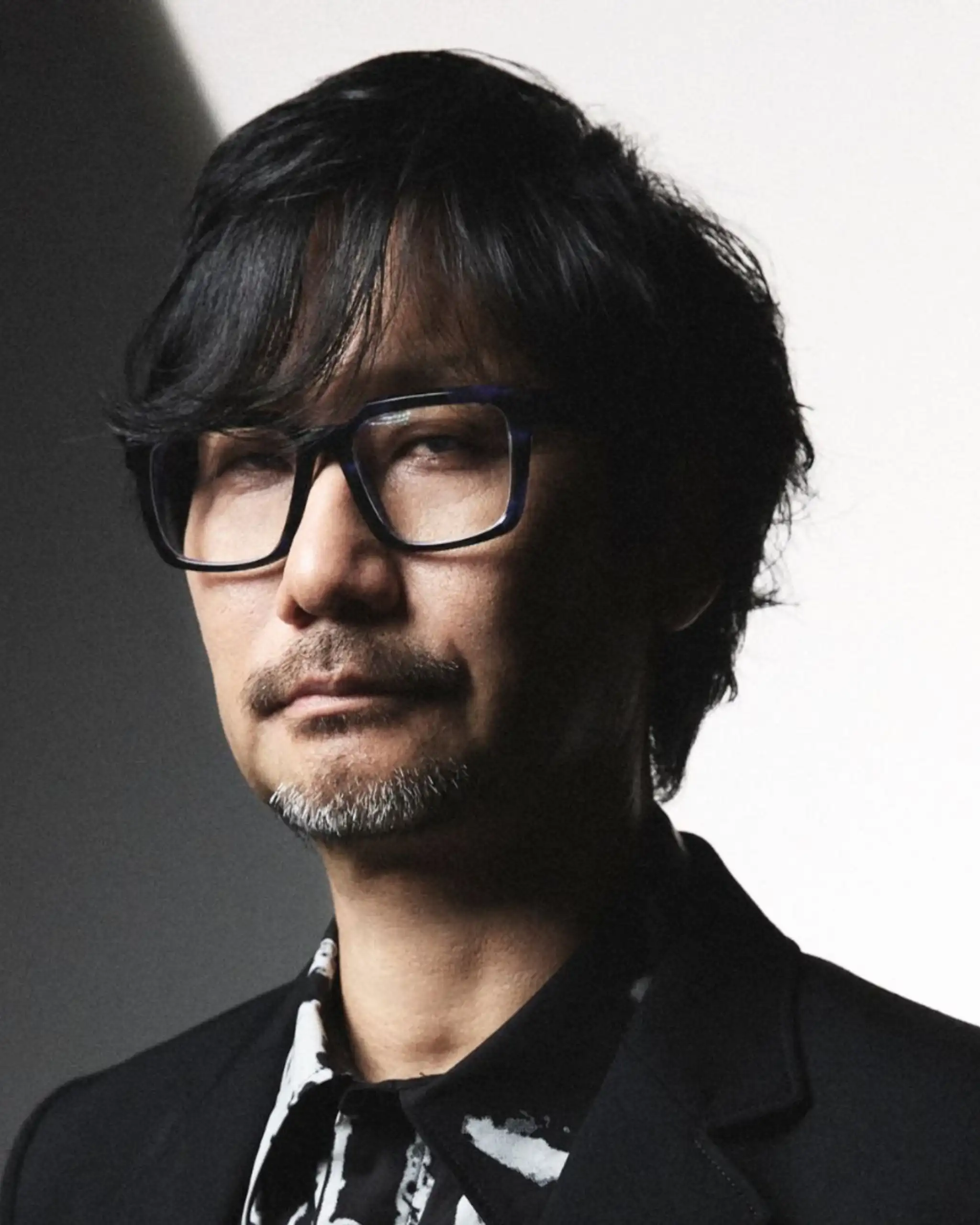
Death Stranding 2: On the Beach feels like a sequel that had to exist. After the first game left players questioning what they had just experienced, video game director Hideo Kojima’s follow-up finally begins to answer the mystery.
Released last June, the game continues Kojima’s exploration of human connection in a fractured world filled with isolation, ghosts, and survival. From shaping the stealth genre with Metal Gear Solid to ultimately redefining cinematic storytelling in gaming with its complex interwoven narratives and intricate gameplay mechanics, Kojima remains one of the few directors who challenge what a video game can make people feel.
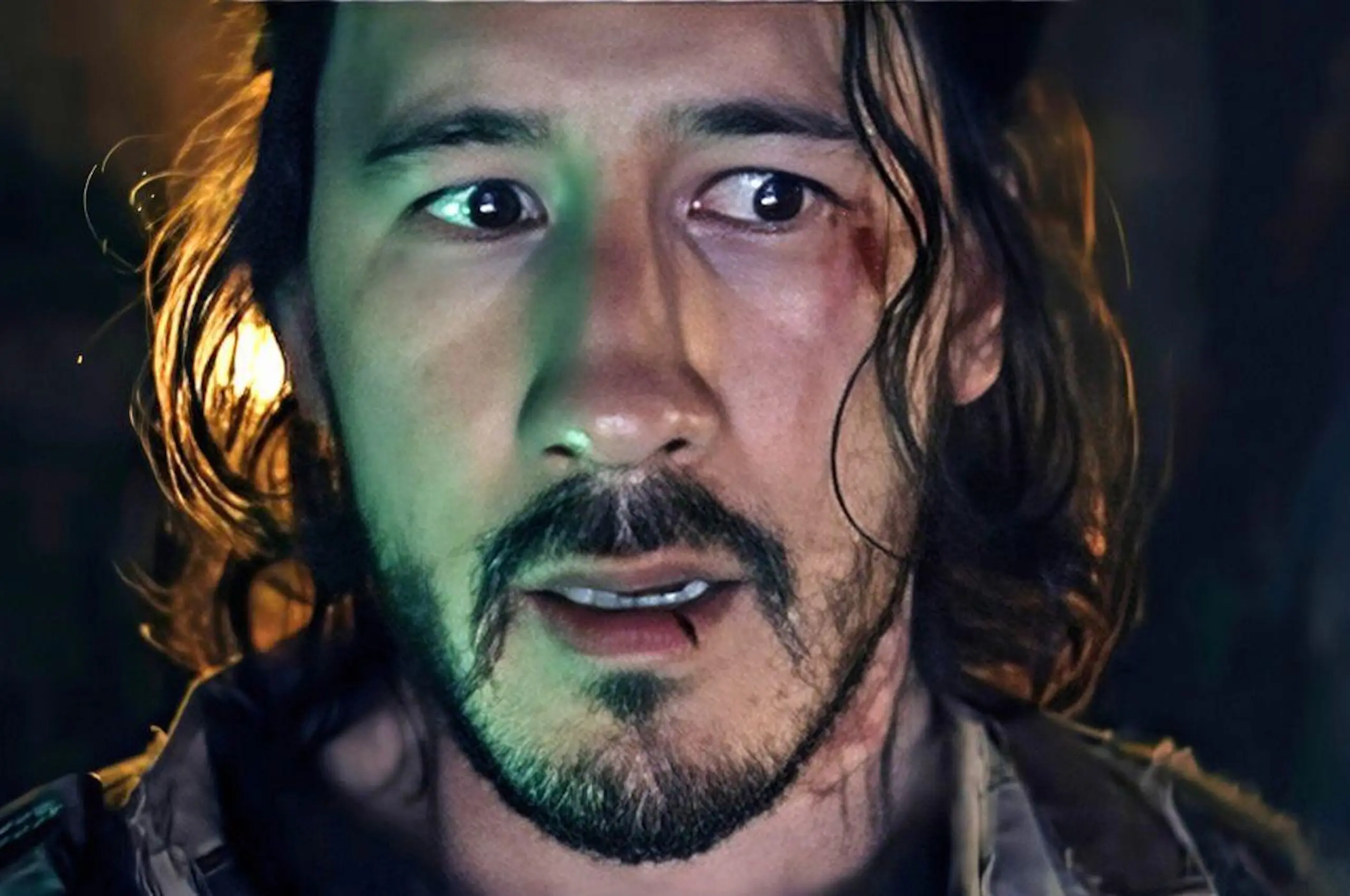
The sequel takes place 11 months after the original. Its protagonist, Sam Porter Bridges, returns from a life of quiet retreat, pulled into a new mission that pushes him beyond the borders of the United Cities of America. Alongside his now older adopted daughter Lou, Sam travels through post-apocalyptic terrain, tasked with reconnecting communities across continents and confronting the spiritual and physical toll of that mission.
While most modern video games thrive on combat, competition, and conquest, Death Stranding 2 turns in the opposite direction. Kojima asks a different question: What if the point of a game is not to destroy, but to care? The game replaces aggression with empathy, framing connection as the highest human act as Sam delivers cargo across different states, envisioning a goal to save humanity one parcel at a time.
In an interview with Rolling Stone Brasil’s Editor-in-Chief Felipe Grutter during Brasil Game Show (BGS), a video game convention in São Paulo, Kojima shared: “Human communication essentially depends on empathy. And today, there’s no direct way to achieve this in games.” Death Stranding 2 reflects that vision — a work of quiet resistance against the noise of gaming culture, one that reminds players that connection, not control, might be the ultimate goal.
This interview has been translated from Portuguese to English, and edited for clarity.
Hideo, you’ve had a great year, especially with the release of Death Stranding 2: On the Beach in June. The game addresses grief, imperialism, isolation, technological dependence, and more in a world with surreal and abstract elements. How did this visual and creative language help you tell an essentially human story?
I think, in a way, everyone does that. But themes like “loneliness,” for example, don’t work very well when they’re too obvious. I hide several layers of meaning within the game. Some notice; others simply enjoy playing. There are plays who say the game was fun and that they didn’t feel lonely — and honestly, that wasn’t exactly what I was aiming for.
What was your intention when you created the “strand type” genre? It feels like it’s meant to bring people together amid the polarization and waves of hatred we see online.
Yes, this also applies to social media. Even if we’re connected online, people still attack each other anonymously. Ultimately, many online games end up being about combat or competition, functioning only as tools for fighting. For me, human communication essentially depends on empathy. And today, there’s no direct way to achieve this in games.
For example, [in the Death Stranding franchise] a player attempts to cross a river and builds a bridge for their own benefit. But once built, people from all over the world can use that bridge, and those who cross it can leave a “like” or a positive message. “I made something for myself, but I end up receiving gratitude from others and I’m left thinking, ‘Huh, why is that?’” Then, when the player builds a second bridge, the player thinks, “Wait a minute… Will the next one who comes along prefer me to put it here?” That’s when human beings change. That’s exactly what I wanted to provoke.
“I think that, in the future, remakes and sequels will be done by AI.”
One of your quotes that stuck with me was, “I don’t create games to live; I live to create games,” from an interview you gave on the Brazilian television show Zero1. Why are you still so fascinated by games after so many years of experience and so many projects?
Because I have fans and players who want and wait for my next work [Laughs]. If I didn’t have my followers, I wouldn’t be here. If one day that’s no longer necessary, I’ll stop doing it. Creating games is tiring, but I feel like I’m leading a very good life and truly living. This is my passion.
You brought Death Stranding 2: On the Beach to BGS, but at the same time, you have other games in development, like OD. How do you balance so many side projects all at once?
I’ve always been a multitasker. I’ve written columns and hosted radio shows. But in the final stages of Death Stranding 2, I wanted to fully focus, so I cut back on other projects a bit.
And how do you view original ideas in the gaming industry? I ask this because many developers choose to continue established franchises instead of venturing into new ones.
I’m often asked what I think about the gaming industry releasing so many sequels, but this isn’t exclusive to games. Cinema also does the same with remakes and reboots. Since they’re already well-known intellectual properties, it’s easier to produce and attract investment. From a business perspective, it’s not wrong. But if the industry only does that, it’s dangerous. We need to keep creating new things. I think that, in the future, remakes and sequels will be done by AI.
In your opinion, what reach and impact can games bring to people?
It depends on the individual, but the immersion of a game is much deeper than that of a film. The feelings and lessons learned in a game leave a deeper impression than in a movie. And if this happens in a positive way, it can truly improve that person’s life — something I always keep in mind when creating.

Rolling Stone Philippines November 2025 Issue, Now Available at SariSari Shopping