Across its two seasons and 24 episodes, Andor proved itself to be not just the best Star Wars story ever told but also one of the most captivating and well-written pieces of television. Hailed critically and commercially, the show captured the purpose as well as the cost of a true political rebellion, told through its brilliant characters and the sacrifices they had to make in their struggle for a better world.
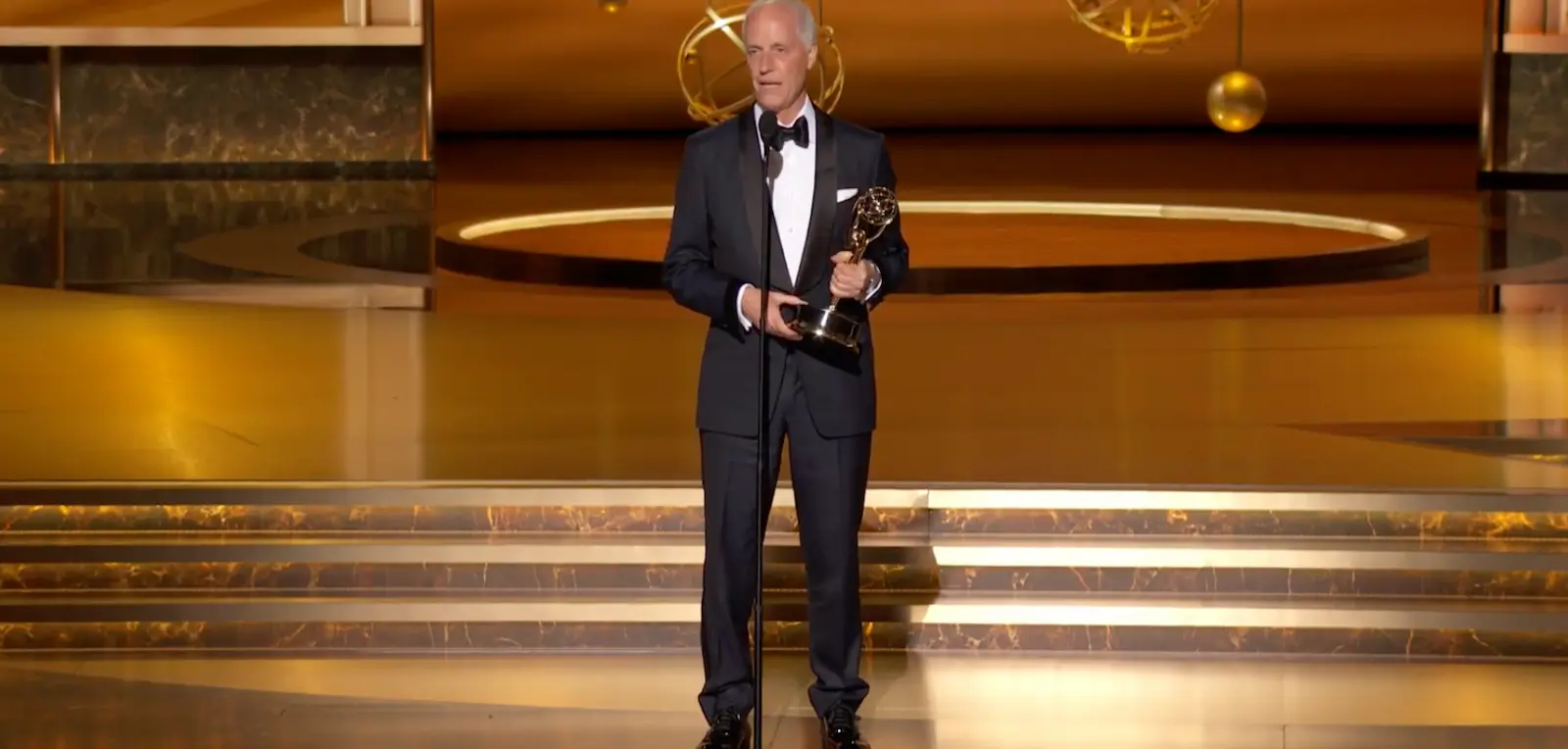
At this year’s Emmy Awards, while its cast was snubbed out of being nominated, Andor did win five awards: Outstanding Fantasy/Sci-Fi Costumes, Outstanding Production Design for a Narrative Period Or Fantasy Program, Outstanding Picture Editing for a Drama Series, Outstanding Special Visual Effects in a Season or a Movie, Outstanding Production Design for a Narrative Period or Fantasy Program (One Hour Or More), and Outstanding Writing for a Drama Series.
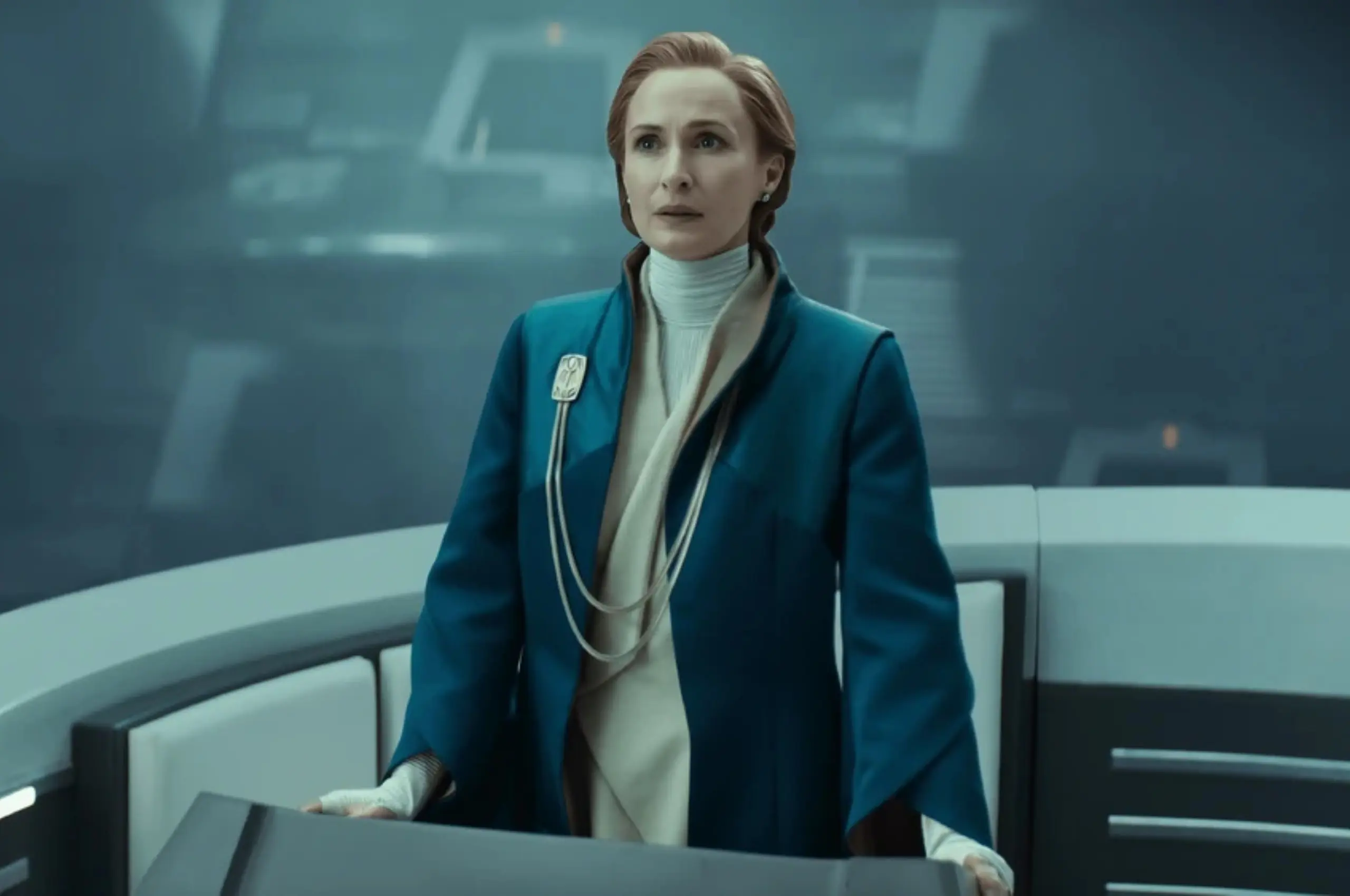
The last of which was specifically the ninth episode “Welcome to the Rebellion,” written by Dan Gilroy, and perhaps the best from its second and final season. The episode heavily featured Senator Mon Mothma, played by the utterly compelling Genevieve O’Reilly, a character caught between the high status life and privileges of a senator and the toil and stakes of a just rebellion. The two worlds come to a head in this episode, where Mothma must decide which life to leave behind. Her speech at the episode’s climax anchored not just the episode in question, but the whole of Andor as a whole. The gravitas of the writing and the passion of the performance echoed beyond a galaxy far, far away and became a damning reminder of the current state of our own world today.
“Of all the things at risk, the loss of an objective reality is perhaps the most dangerous. The death of truth is the ultimate victory of evil,” says Mothma in a speech on the ninth episode. “When truth leaves us, when we let it slip away, when it is ripped from our hands, we become vulnerable to the appetite of whatever monster screams the loudest.”
Political or not, “Welcome to the Rebellion” is proof that television can still be a place where humanity and its woes can be told with the highest of craft, and why we should never give up creating something that is greater than mere box-office success.