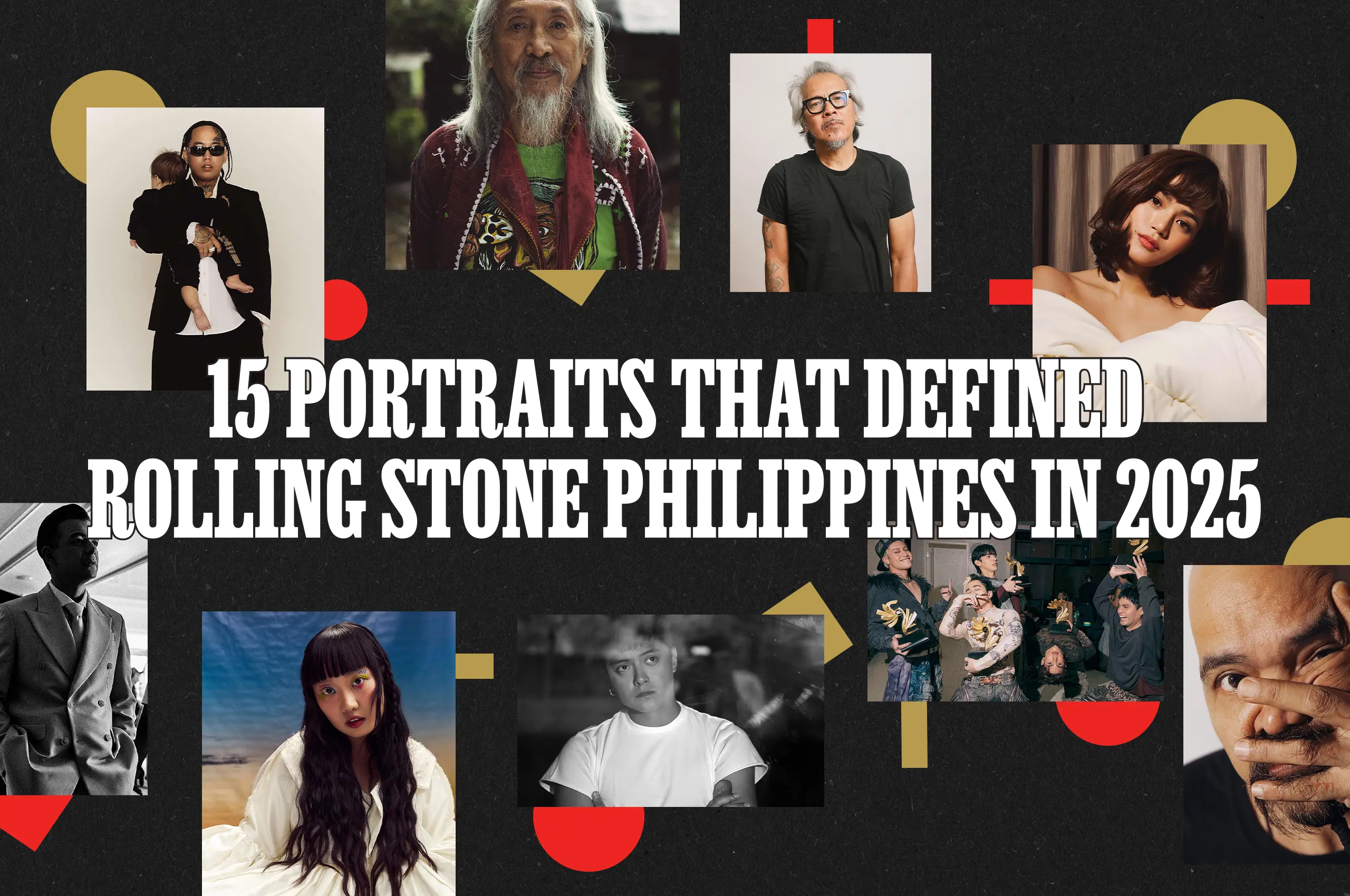
For our first year as Rolling Stone Philippines, we set out to spotlight the actors, musicians, artists, and creative workers who have undeniably left their mark on the country’s cultural scene. Accompanying these conversations are striking photographs that captured our subjects at their most authentic, vulnerable, and compelling.
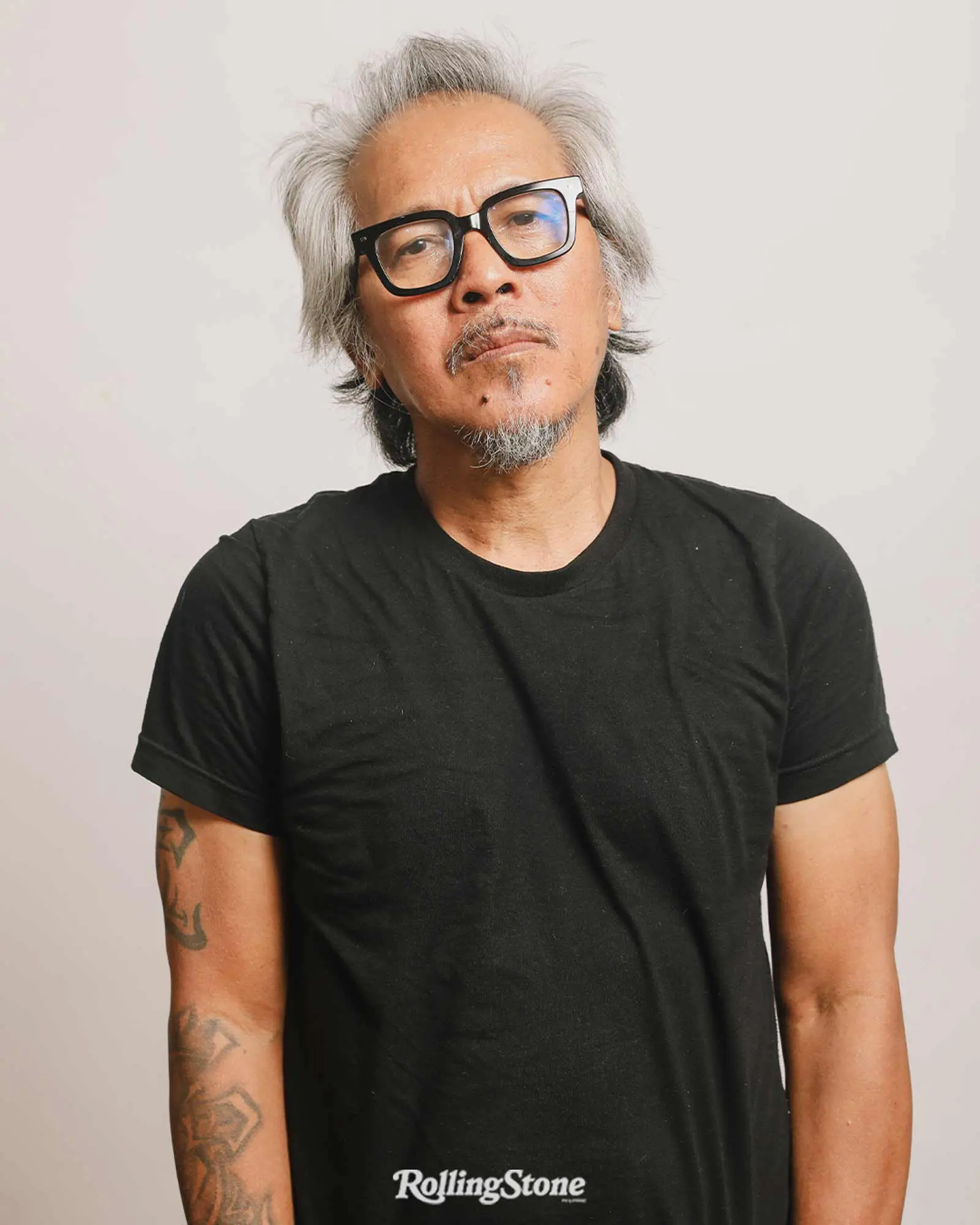
We paid tribute to the musicians who shaped the Philippines’ soundscape. Our portraits of Dong Abay, the “Pinoy punk prophet,” captured the rage and moral certainty that helped him build up the local punk scene. The energy of Morobeats’ with their individual personalities leaping off the frame. Shanti Dope’s portraits pointed to a rarely seen side of the rapper, who spoke earnestly about fatherhood and his road to recovery during the shoot. Photos of ena mori were just as candid, showing the pop sensation playing with the boundaries of music and style. And, at the inaugural Filipino Music Awards (FMAs), major acts such as SB19, Cup of Joe, and IV of Spades were caught on-camera, both onstage and behind the scenes.
In the realm of Philippine cinema, we saw renowned actor John Lloyd Cruz and National Artist Ricky Lee chat about the overlap between creativity and living. We captured filmmakers Lav Diaz, Khavn De La Cruz, and Roxlee coming together as their avante-garde band, The Brockas. Daniel Padilla met with longtime collaborator Mark Nicdao for a photoshoot and conversation about stardom. Maris Racal and Antoinette Jadaone sat down for a similar talk in their hotel room, where we saw them get ready for a screening of their award-winning drama, Sunshine. And we made our way onto the set of Quezon, where we bore witness to Jericho Rosales taking on the sly, manipulative role of the titular president.
We also captured some of the country’s most prolific artists in their creative spaces. National Artist Kidlat Tahimik posed in and around Ili-Likha Artists’ Village. We photographed Allan Balisi at his home and studio in Quezon City, and paid homage to some of his most iconic paintings. Silke Lapina, at her religion-focused exhibition Bakit Pa at the Edoweird Gallery, struck a pose in full priest attire. Similarly, we caught up with Emily Abrera, cultural advocate and former president of the Cultural Center of the Philippines, at her private residence. World Bowling Champion Paeng Nepomuceno’s photoshoot took place in a bowling alley, where the acclaimed athlete knocked some pins and grabbed a slice of Magoo’s Pizza.
Finally, we would be remiss to cap off our year in photos without honoring one of the most important events of 2025: the Trillion Peso March, which continues to fuel conversations about corruption, inequality, and social injustice across the country.
John Lloyd Cruz and Ricky LEe
Photos by Joseph Pascual
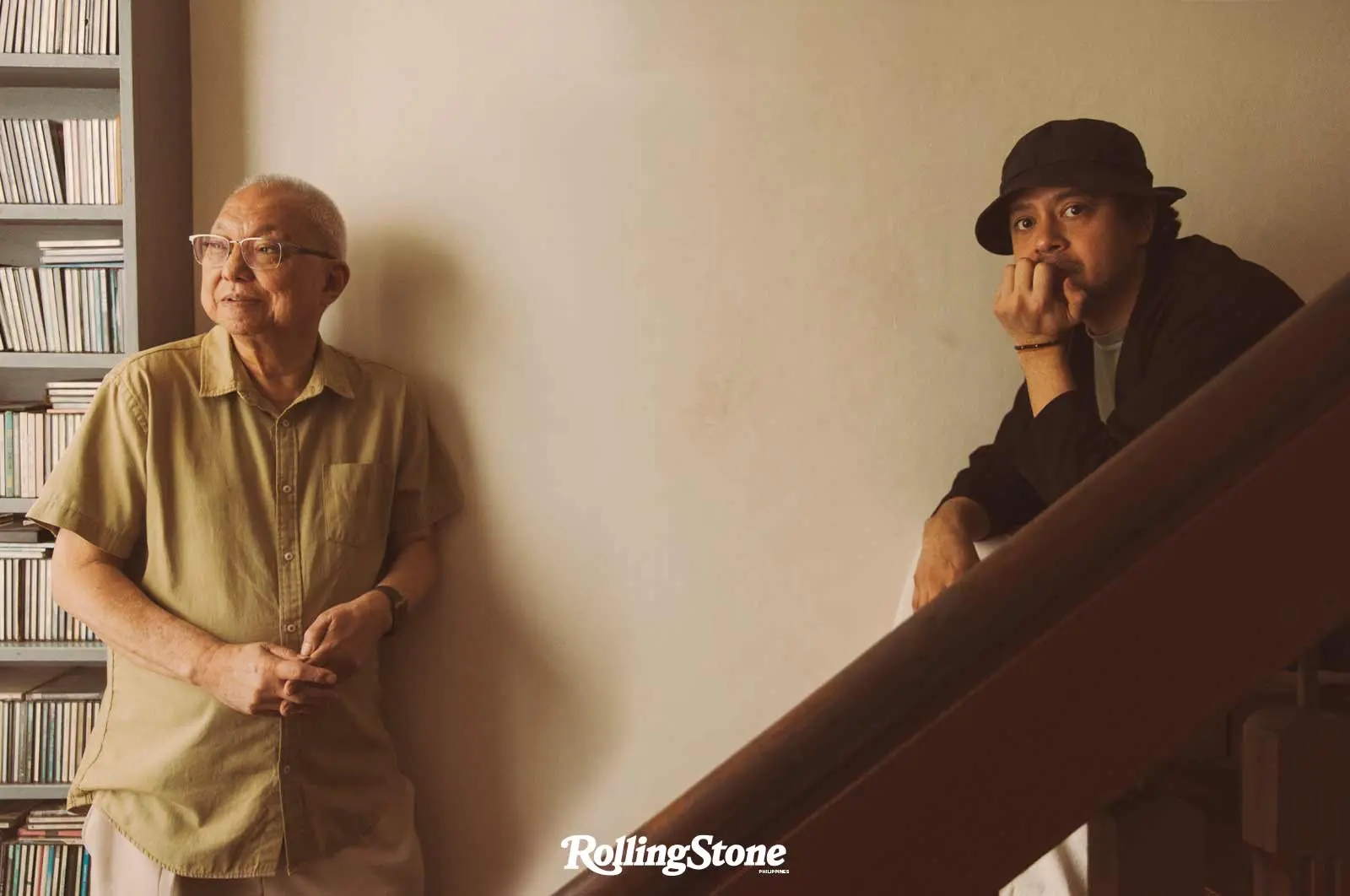
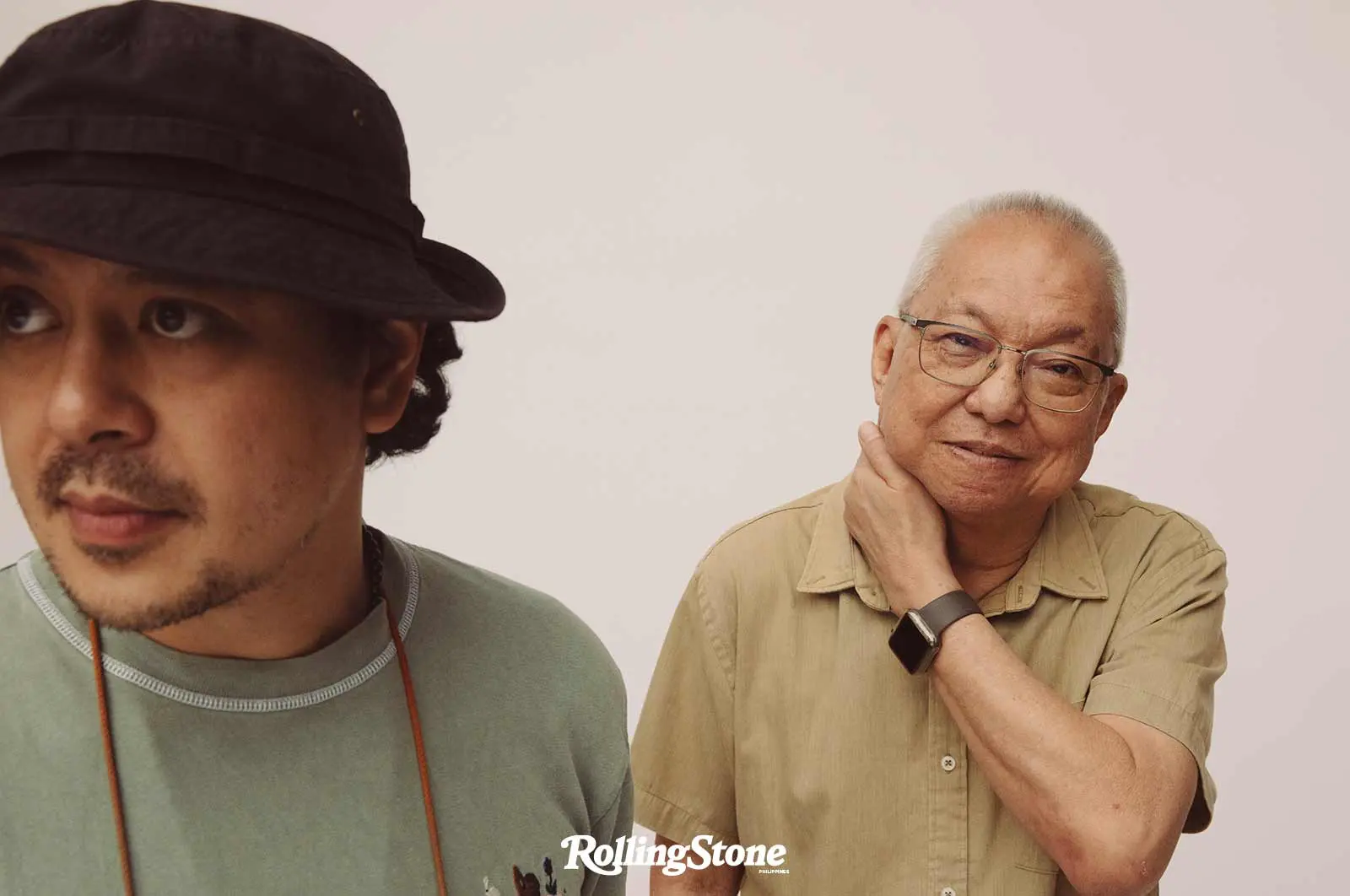
In the inaugural issue of Rolling Stone Philippines, two of the biggestgreatest figures of Philippine cinema sat down for a chat: National Artist for Film and Broadcast Arts Ricky Lee and award-winning actor John Lloyd Cruz. For one afternoon, the two spoke on true selves, Cruz’s journey through the industry, and the creative act as a way of being.
“My favorite thing about portraiture is that only half of the image comes from me,” said photographer Joseph Pascual, who led Cruz and Lee’s photoshoot. “The rest comes from my subjects, and the best work seems to happen after prepping like hell, then throwing it all away five minutes into the sitting. With Sir Ricky and JL this turned out, I think, just fine.”
Daniel Padilla
Photos by Mark Nicdao
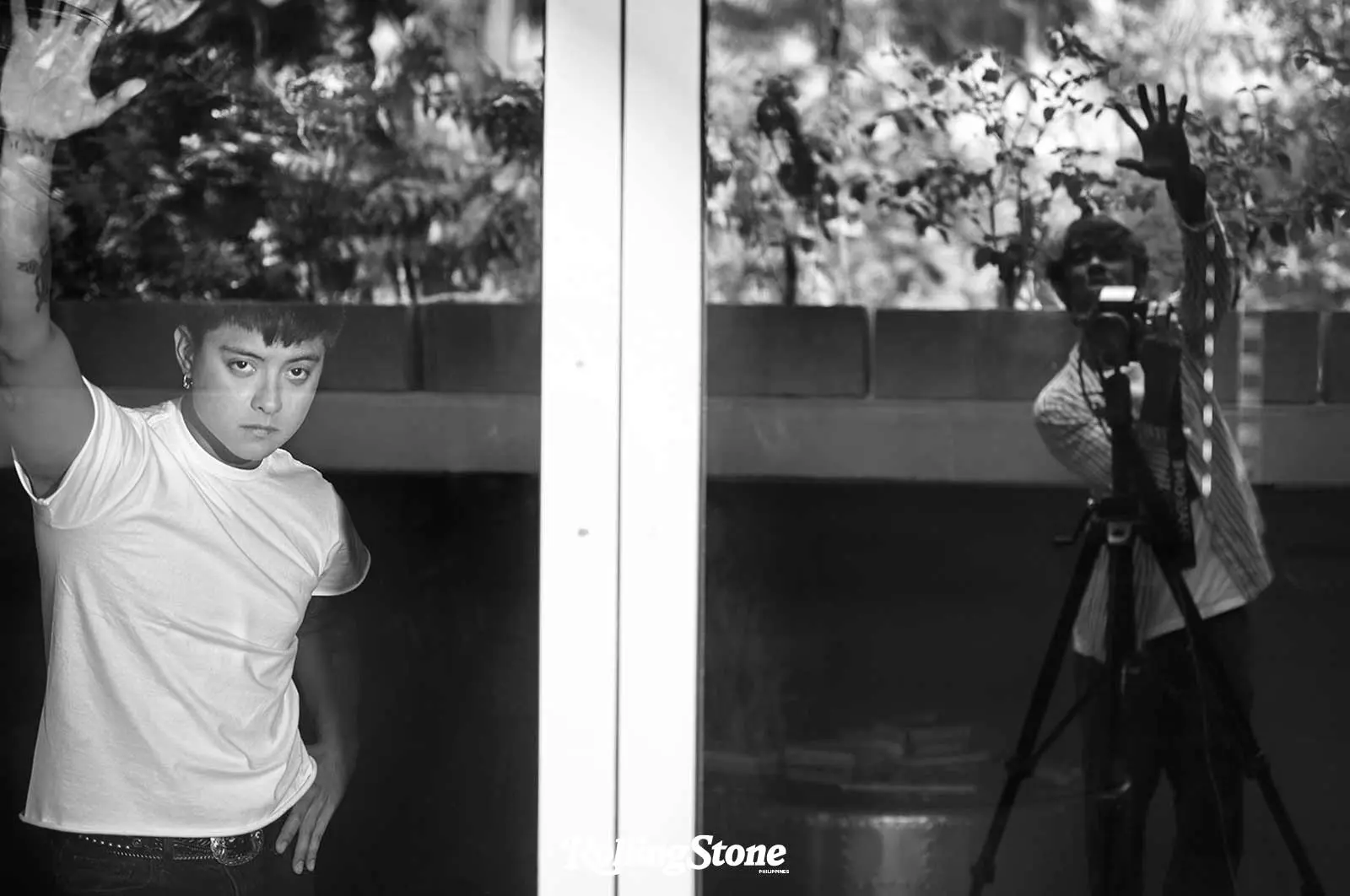
Despite having just spent the few days prior touring Negros Oriental with his Incognito castmates, Daniel Padilla was still more than happy to strike a pose, with longtime friend and collaborator Mark Nicdao behind the camera.
“Alam ko rin na kaya gusto ka rin ng mga ibang artista,” Padilla told Nicdao, “mga ibang models kasi ganoon ka, bro, as a person. Gusto mong i-shoot ‘yong tao as real as possible.”
Paeng Nepomuceno
Photos by JL Javier
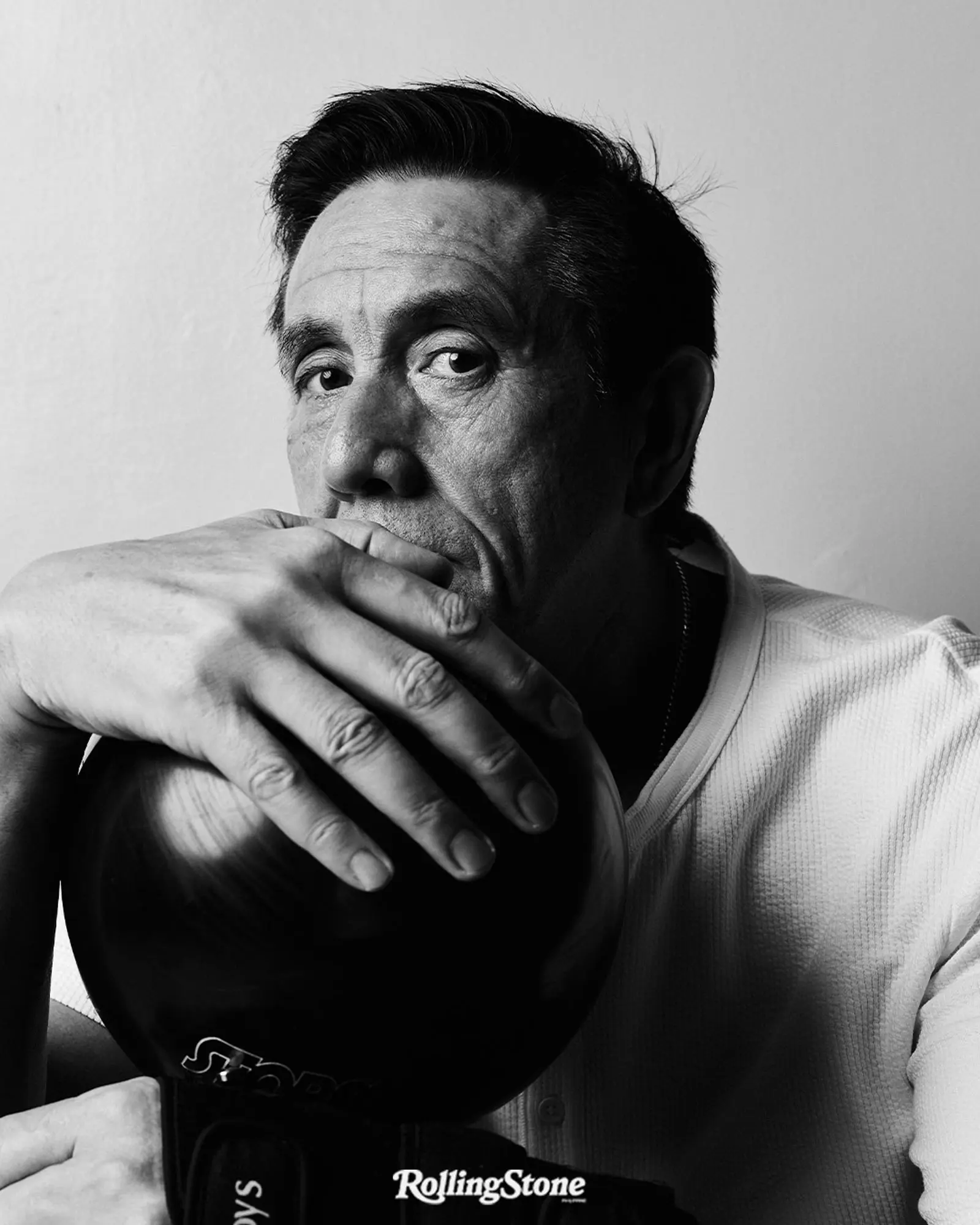
Rolling Stone Philippines Hall of Fame inductee Paeng Nepomuceno has more than earned his long list of accolades, which includes three Guinness World Records and six World Bowling Champion titles.
“That shoot was a little intimidating,” said photographer JL Javier, who led Nepomuceno’s photoshoot. “Not because he’s scary, but because he’s just so iconic. He really carries himself with so much confidence.”
“I was really nervous about this one layout where we made him sit on the floor, and we had him contort his body to have the bowling ball by his knees,” continued Javier. “I was worried about how that photo would turn out, but it turned out to be one of my favorite portraits.”
Kidlat Tahimik
Photos by Joseph Pascual
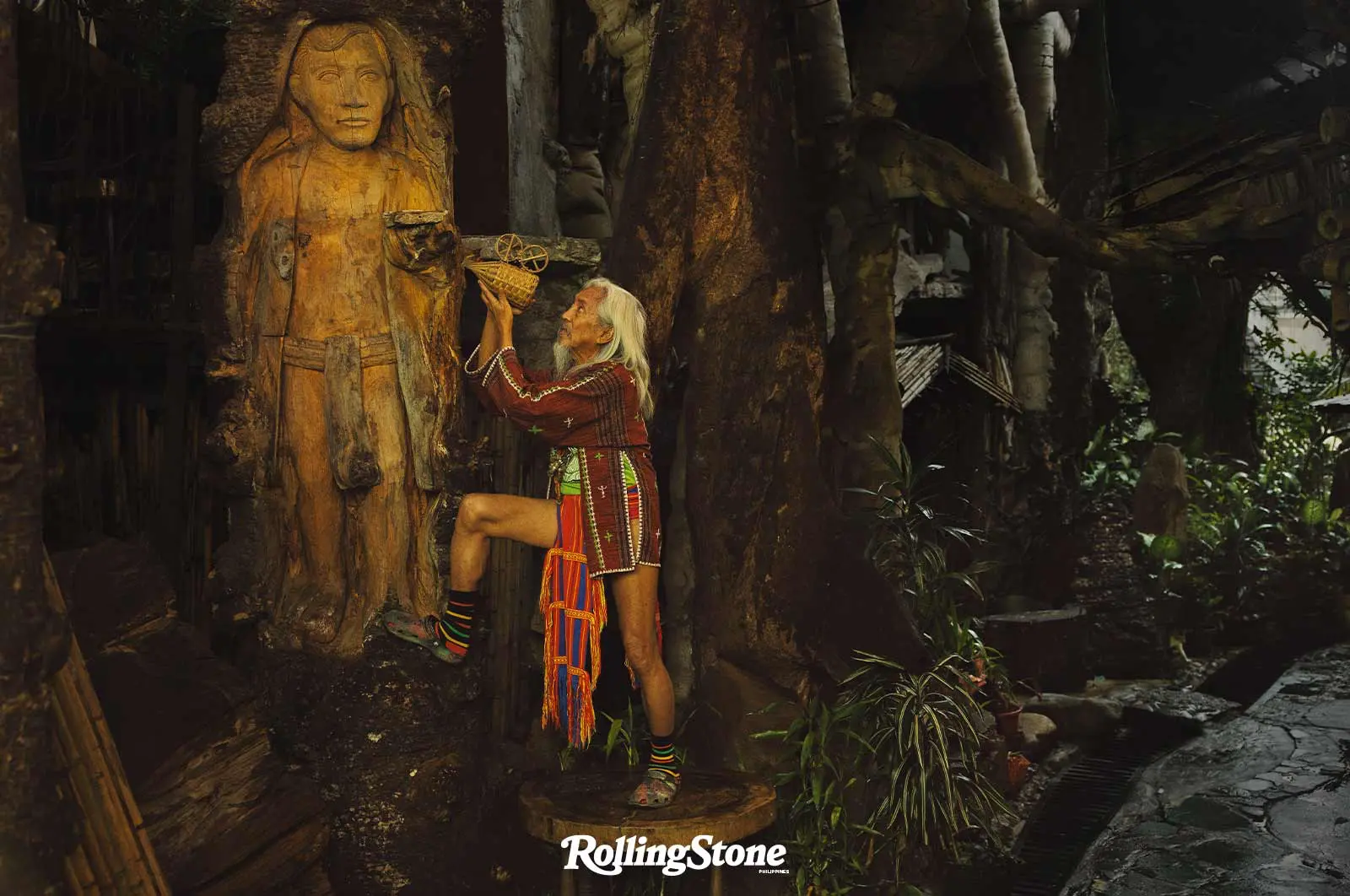
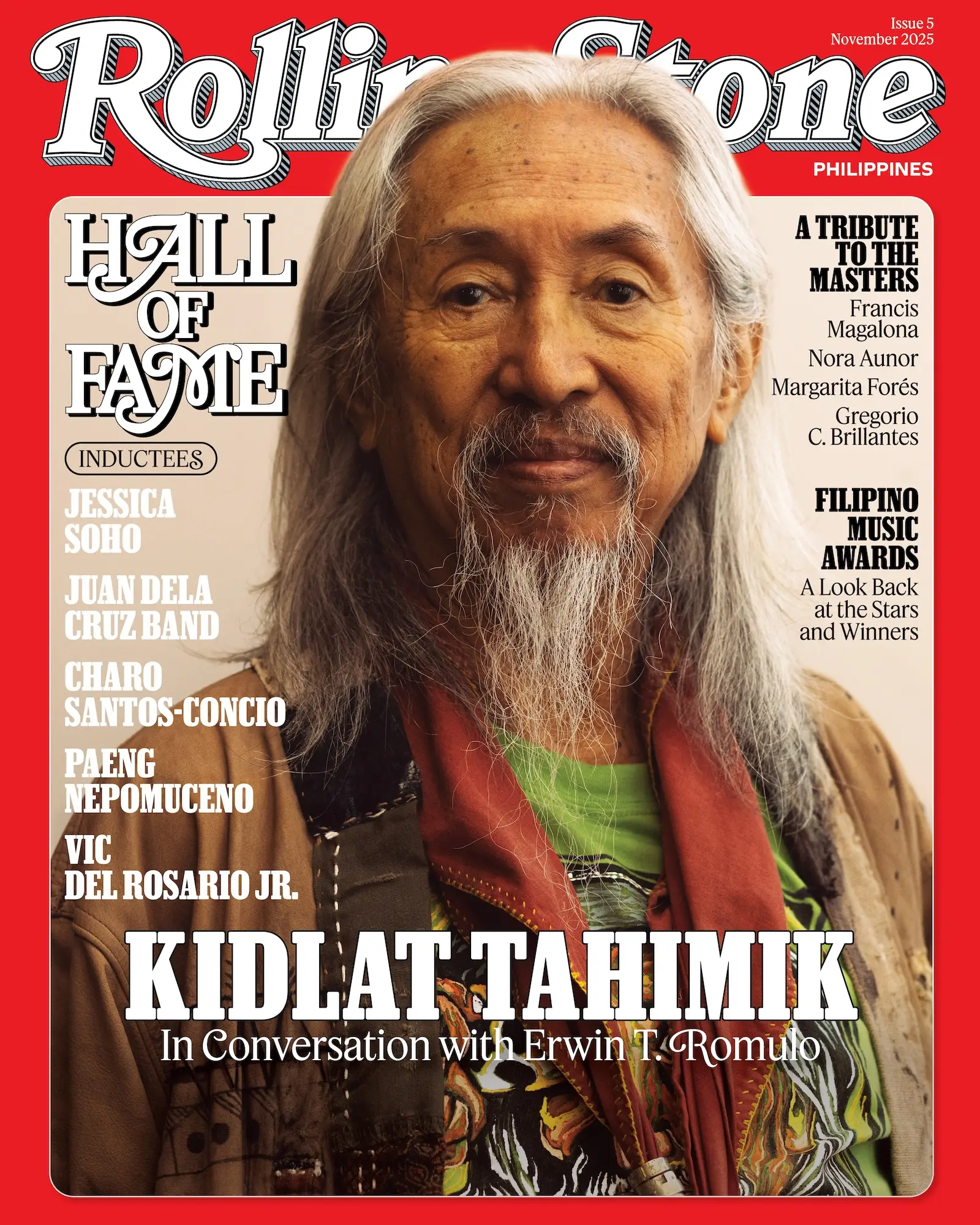
In our Hall of Fame issue, National Artist for Film and Broadcast Arts Kidlat Tahimik sat down with writer Erwin Romulo to talk about his a myriad of things: his previous life as an economist, his subsequent pivot to filmmaking, and his act of purpose-finding, aided mainly by his wife, Katrin de Guia.
“It sometimes takes work to transmit my intentions for a picture to a subject,” said Pascual, who snapped photos of Tahimik in and around his beloved Ili-Likha Artists’ Village. “[But] not with Kidlat. He seemed to understand why I wanted him to gobble a raindrop, or stand alongside invisible students with his graduation cap.”
Shanti Dope
Photos by Joseph Pascual
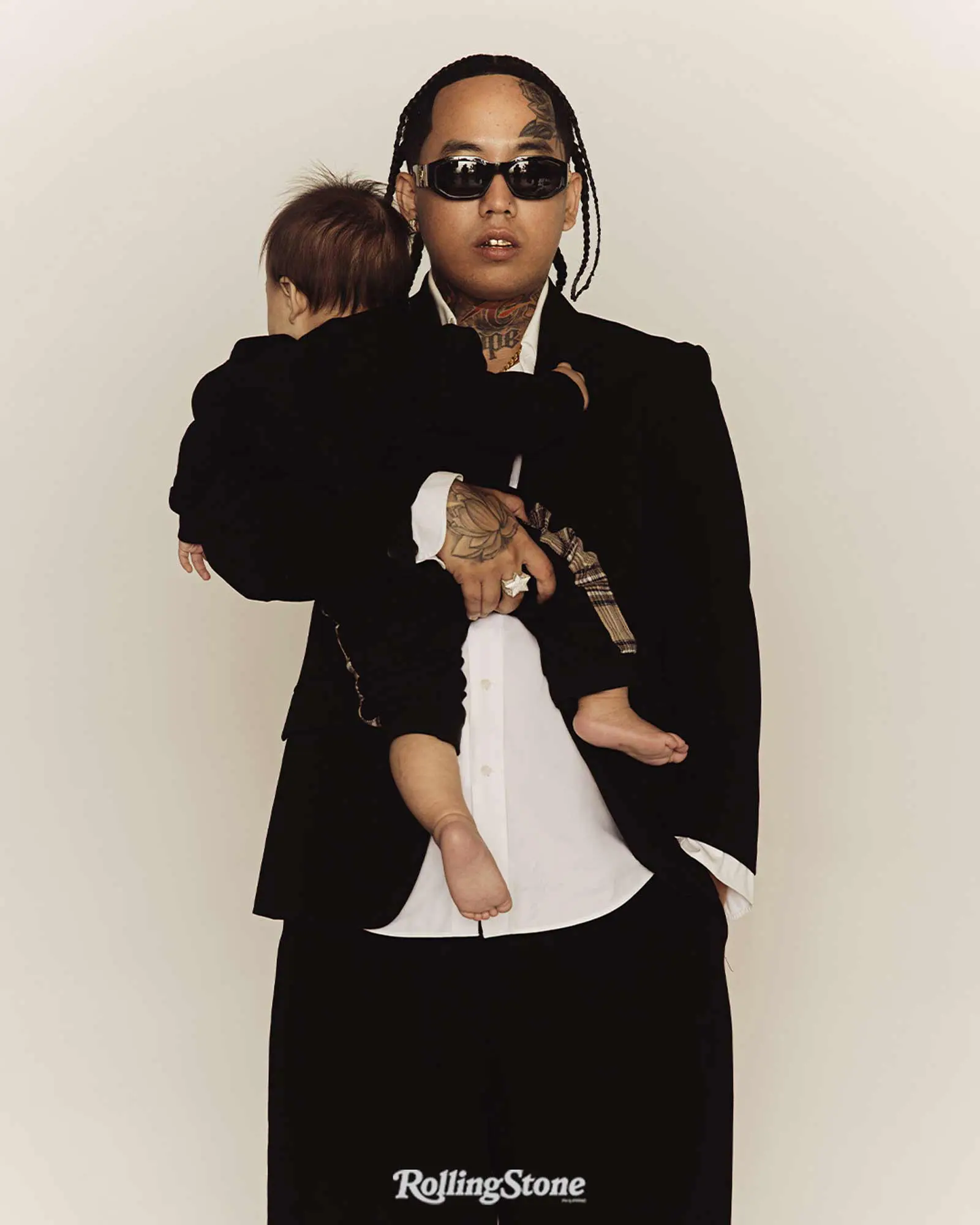
Shanti Dope’s rise to Philippine rap glory started in the mid-2010s, when the teenage prodigy put out hits like “Nadarang,” “Amatz,” and “City Girl.” Roughly a decade later, the Caviteño rapper’s work ethic has been informed by a pandemic, rehabilitation, and fatherhood.
“Shanti’s son needed to be in the photo,” said Pascual. “The story about how parenthood finds you in any chapter or genre called for it. I’m glad we gave him what I hope to be a beautiful photo of a father and his son.”
Morobeats
Photos by JL Javier
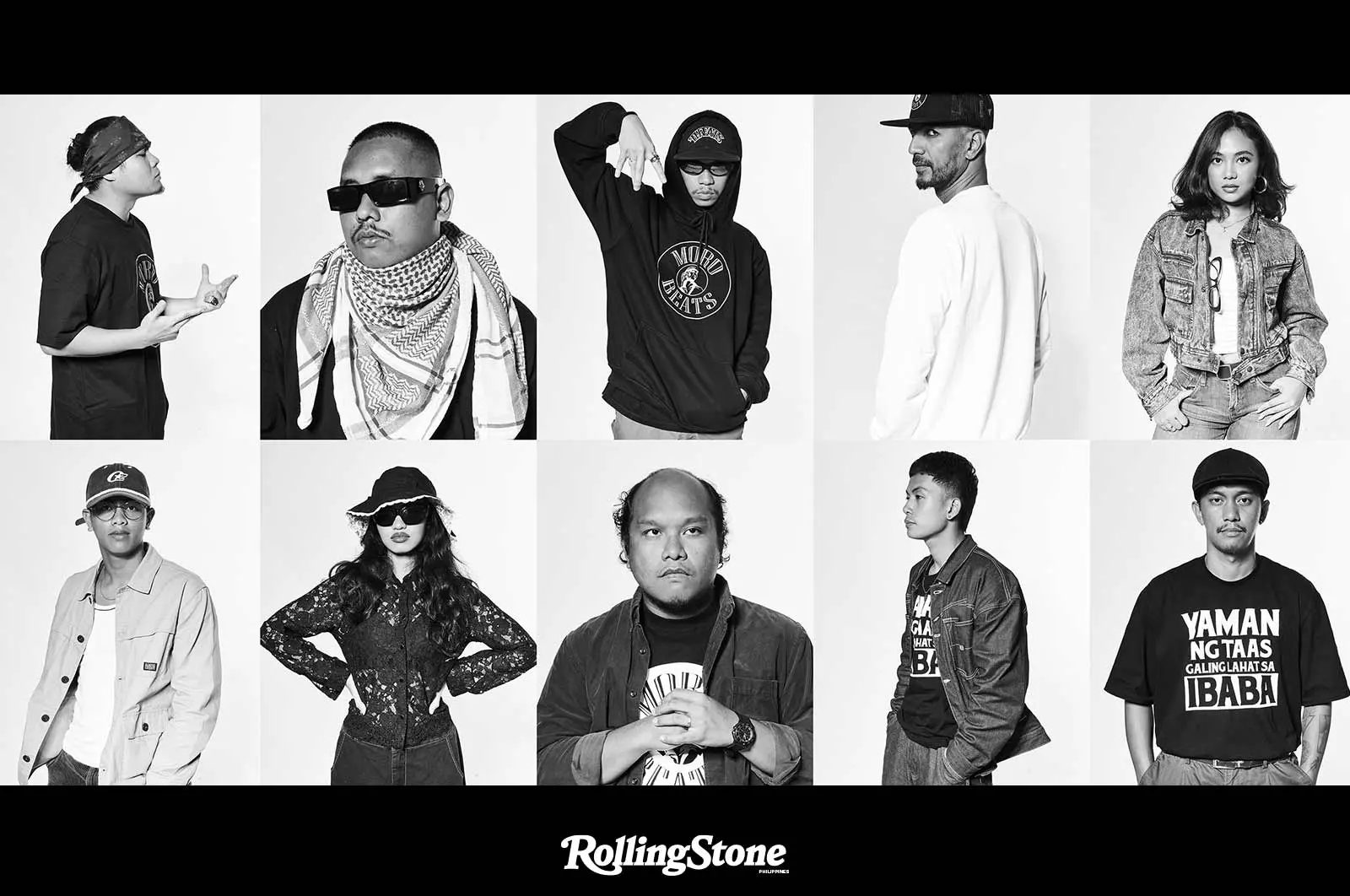
Morobeats, the boom-bap rap collective from Mindanao, has had a socially charged year. The music video for their breakout political single, “Anak Ka ng Pu!,” released just in time for the Trillion Peso March earlier this September, became one of the most raw and urgent rap anthems of the year. Their track “Gubat na Siyudad,” which won Hip-Hop Song of the Year at the inaugural FMAs, details the struggles of urban survival.
“It was such a joy to see the members be their colorful selves,” said Javier. “It was also my honor to make portraits of them that they seemed to really see themselves in and were very happy about. My favorite memory was going over the photos of the girls with them, and we were telling each other how ‘we ate that.’”
Dong Abay
Photos by Joseph Pascual
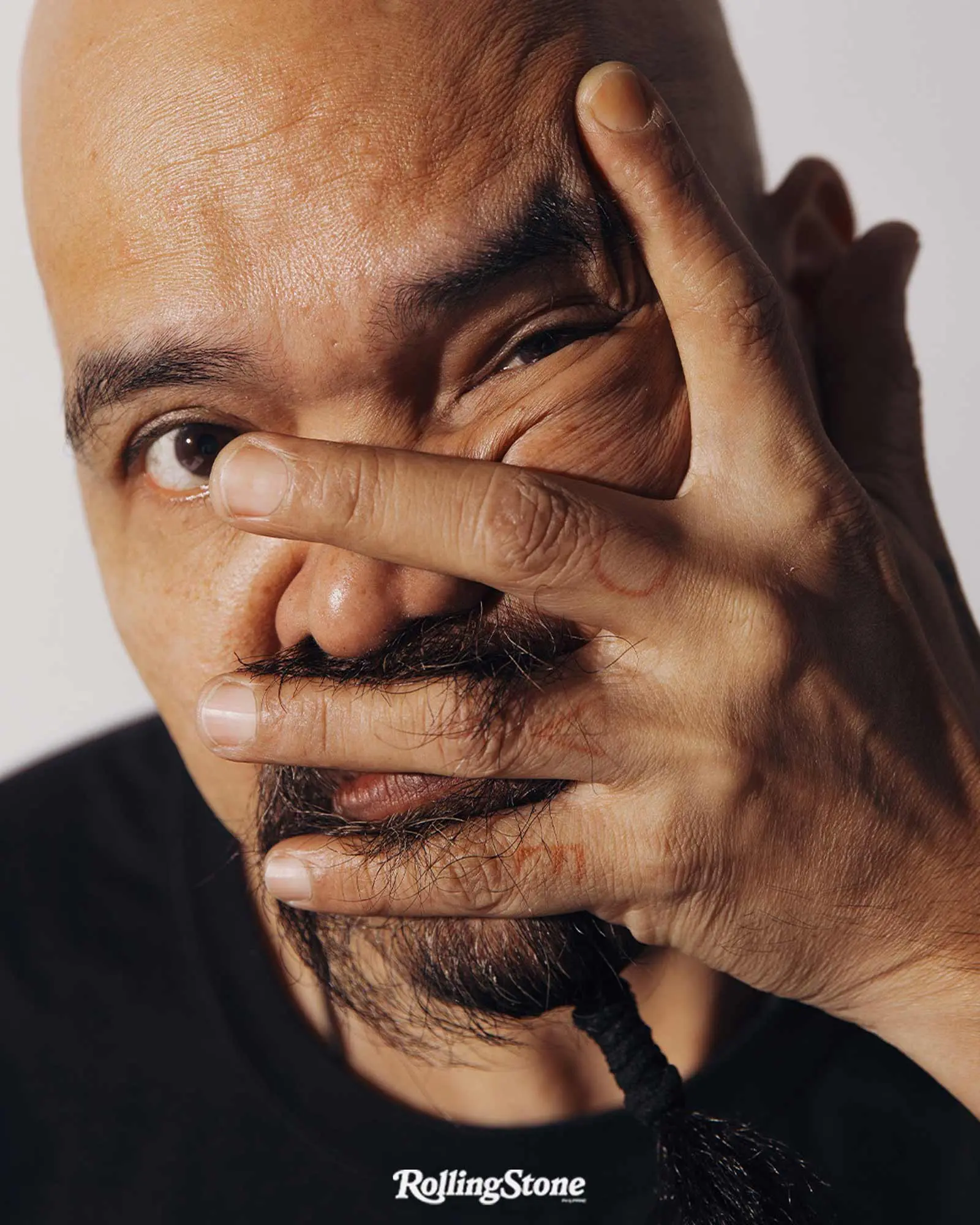
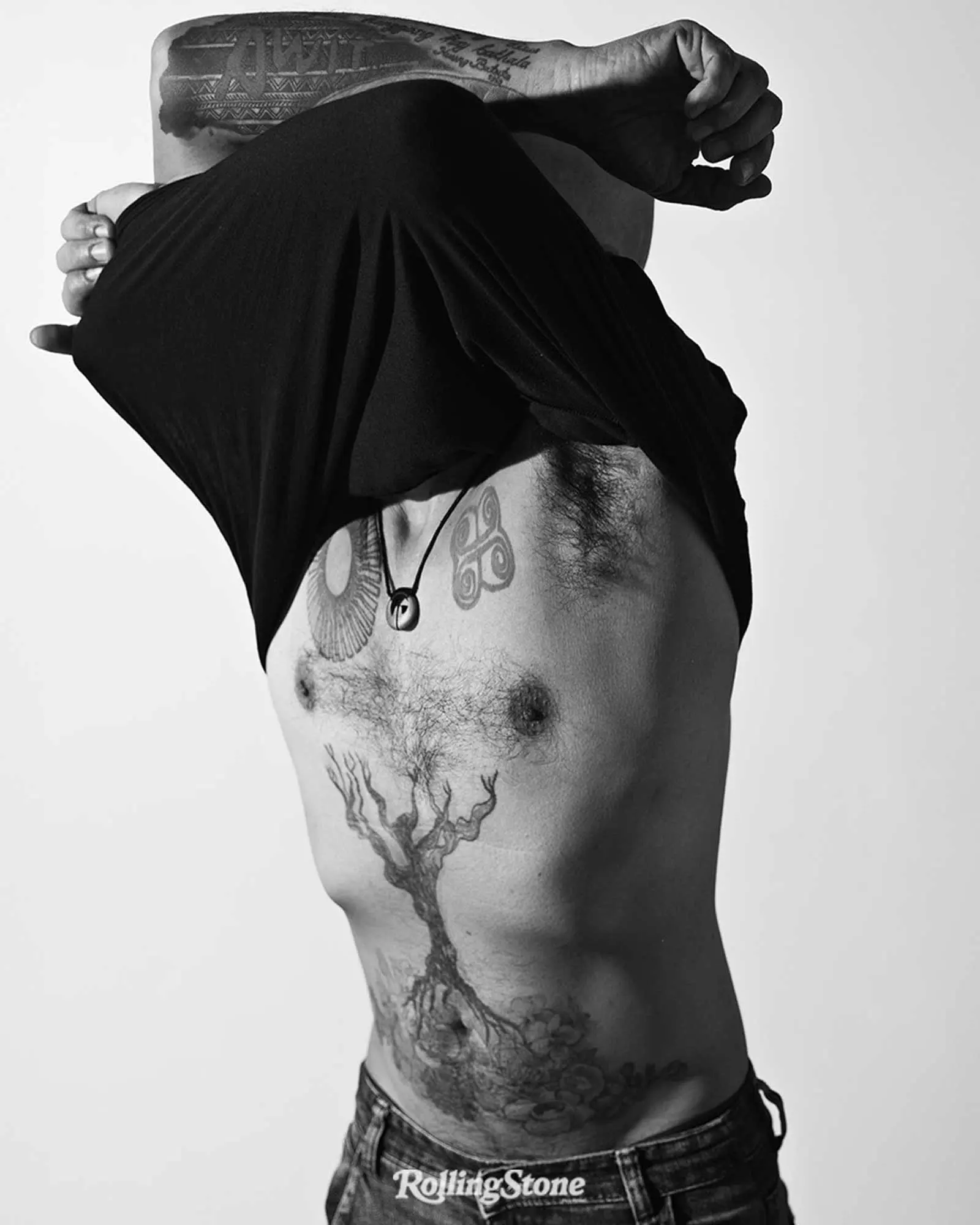
Dong Abay, or the “Pinoy punk prophet” as writer Aldus Santos describes him in his profile, has spent decades building the country’s punk scene. The co-founder of Yano and figurehead of Pan, dongabay, and D.A.M.O. (Dong Abay Music Organization) has channeled his defiance into sounds that resonate with equally frustrated Filipinos all across the country.
“With Dong, I felt that righteous anger and absolute moral certainty [that] drove him,” said Pascual. “I wanted to center that energy somewhere visually grounded, shooting him like a religious figure, like a resting prophet.”
Filipino Music Awards
Photos by Geloy Concepcion
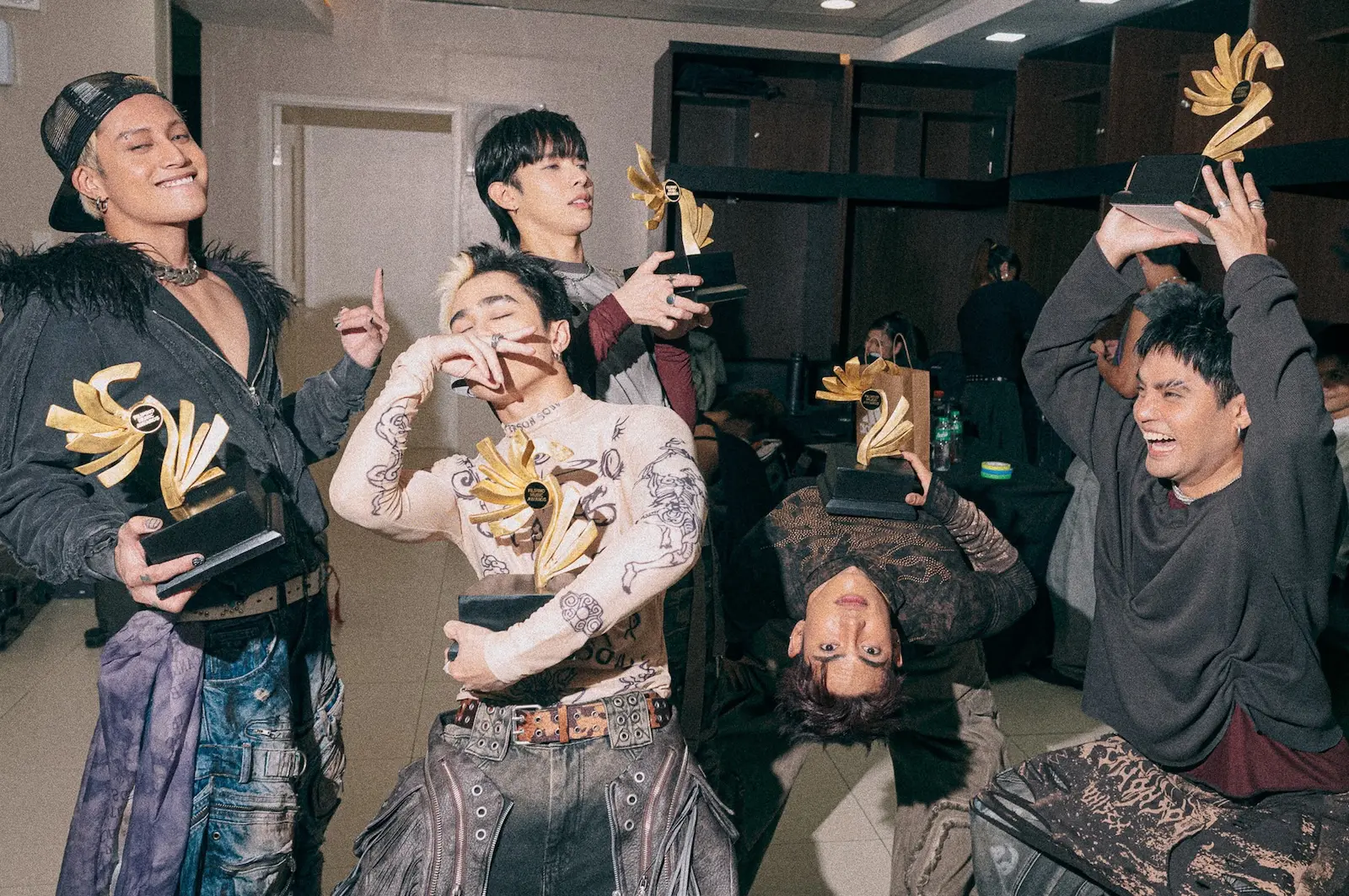
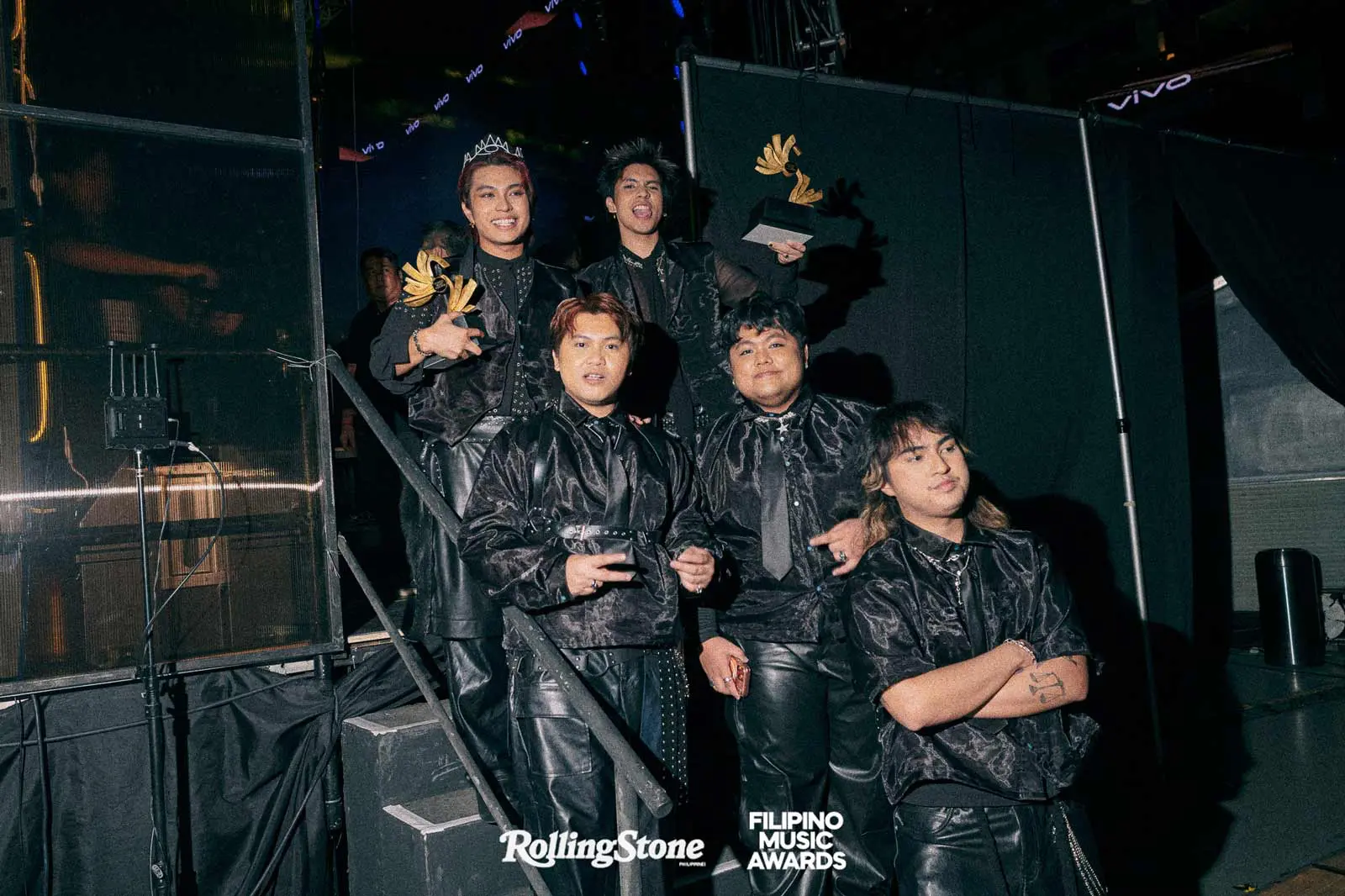
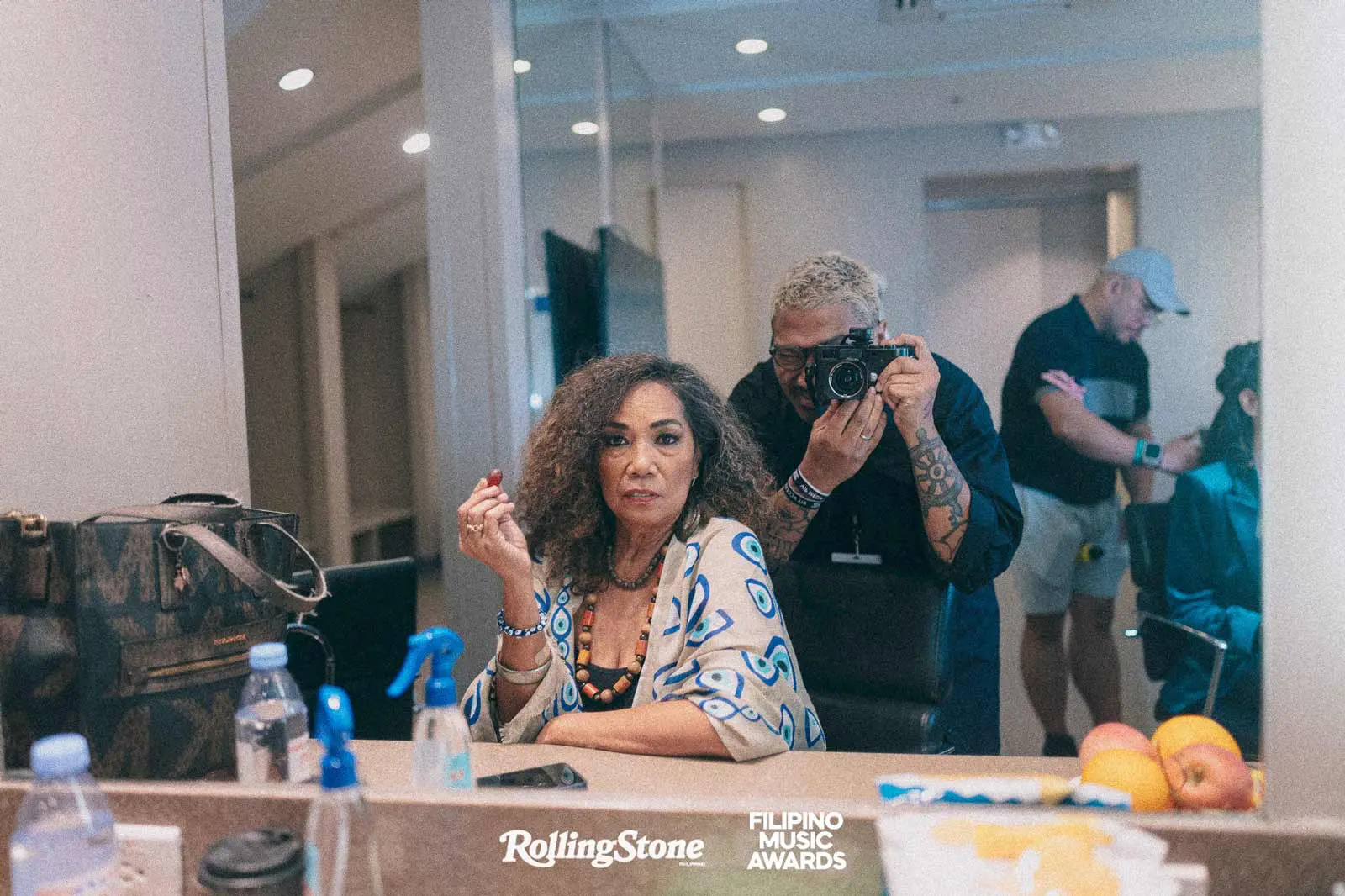
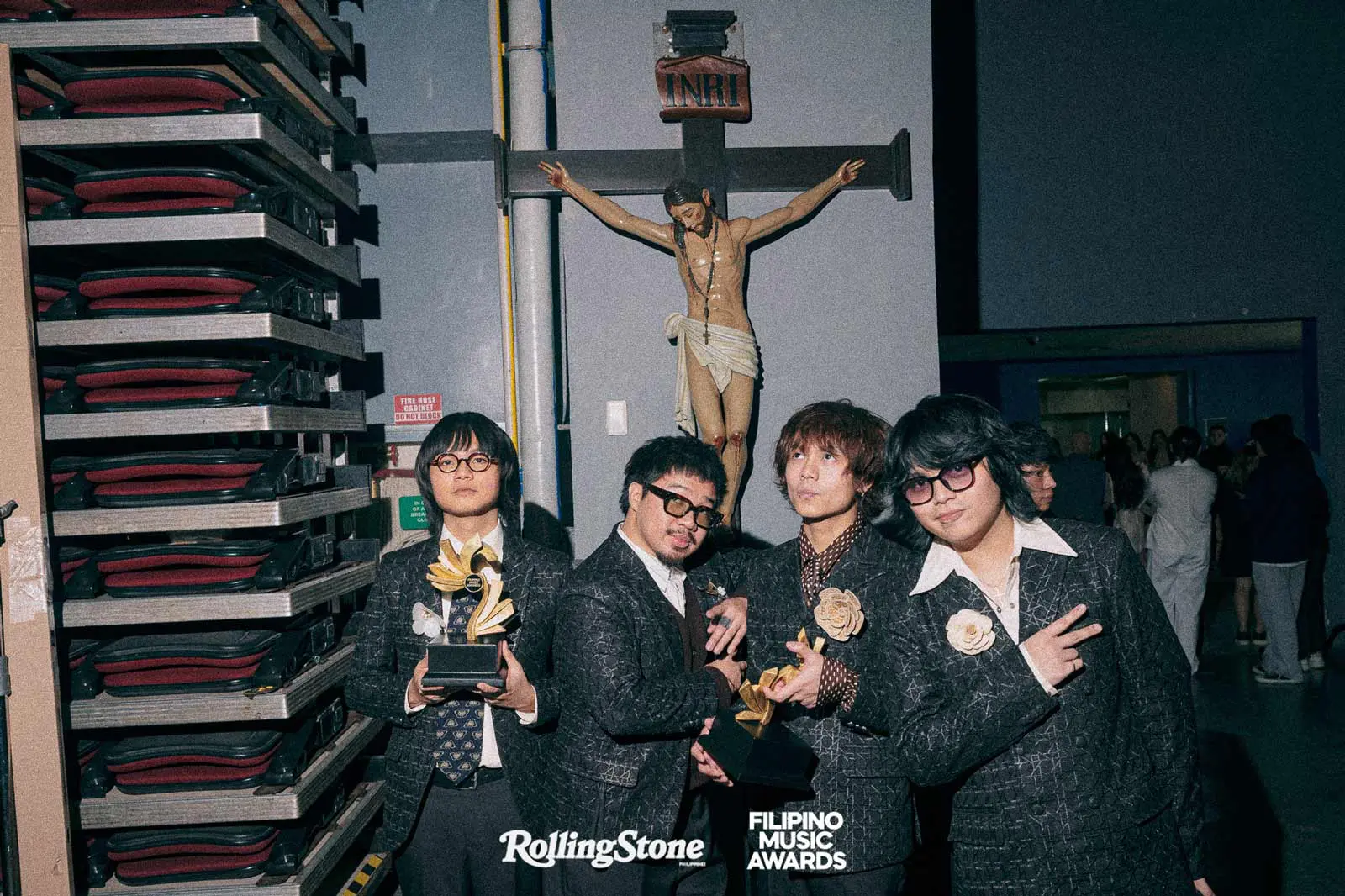
The inaugural FMAs honored the very best in the Philippine music industry this year, granting honors to indie musicians and high-profile musical acts such as SB19, Cup of Joe, and IV of Spades. Acclaimed photographer Geloy Concepcion was there to capture the evening’s grand ceremony, performances, and important moments behind the scenes.
“[Sinubukan] ko makuha ‘yong mga feeling na mahirap makunan ng iba,” said Concepcion of his behind-the-scenes photos of the inaugural event. “Parang ako lang ang nakakakita, at lahat sama-sama sa isang malaking party.”
ena mori
Photos by Yel Dela Paz
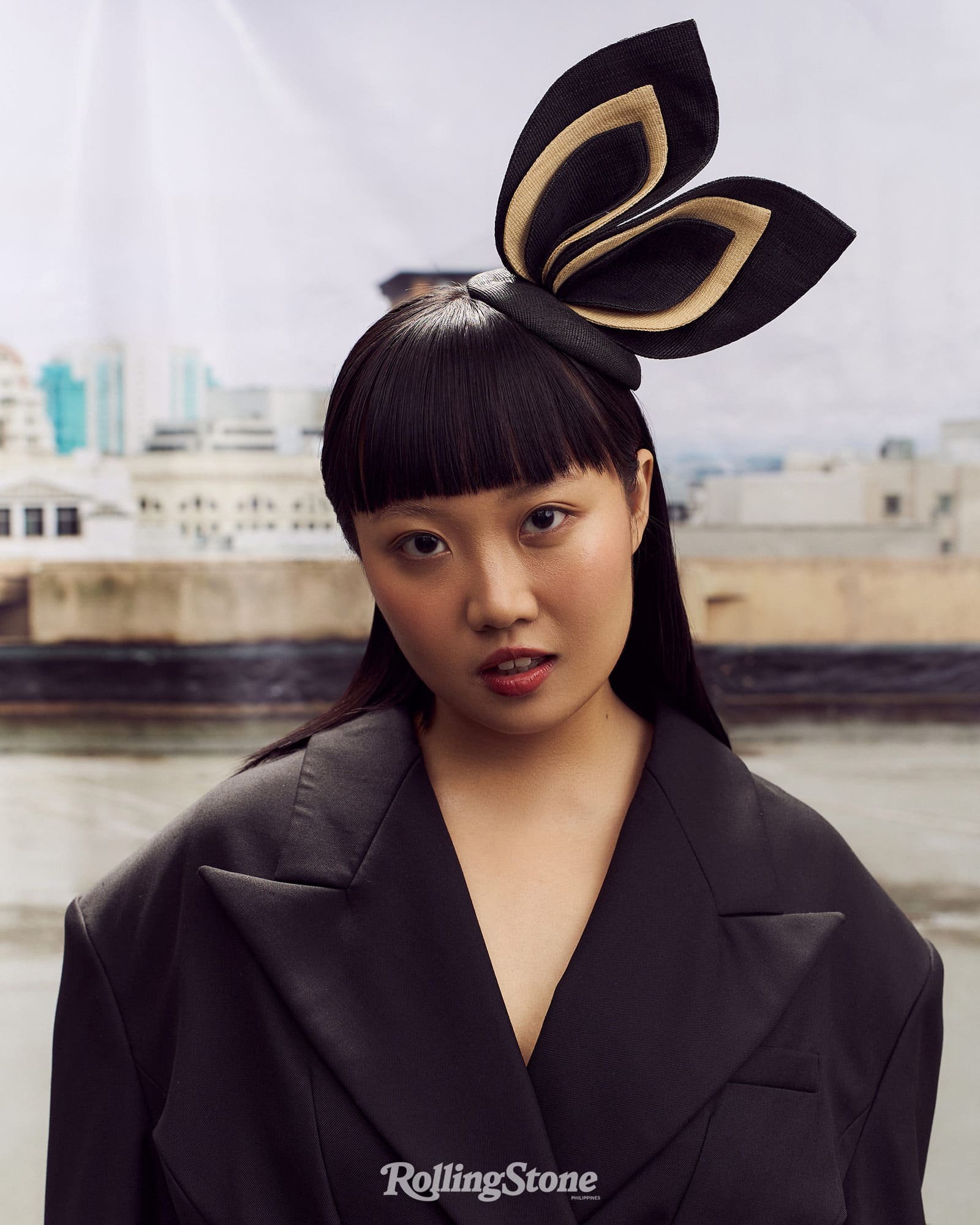
ena mori, the Filipino-Japanese pop star behind the award-winning album Don’t Blame the Wild Ones, has always pushed the boundaries of what her chosen genre can do. “Whenever I’m making a new pop record, I try my best to twist something to make sure that it reaches different wavelengths,” she said. “If we don’t, [then] we’re just repeating ourselves, and I get bored of that. Pop should be something more than just what people can hear.”
“I realized how big the world is and how surreal everything felt,” photographer Yel Dela Paz said when asked what stood out to her while leading mori’s photoshoot. “That first shoot showed me that this was only the beginning. It made me see na we are all just vessels carrying stories and knowledge, just waiting for the right moment to be seen and heard.”
Allan Balisi
Photos by JL Javier
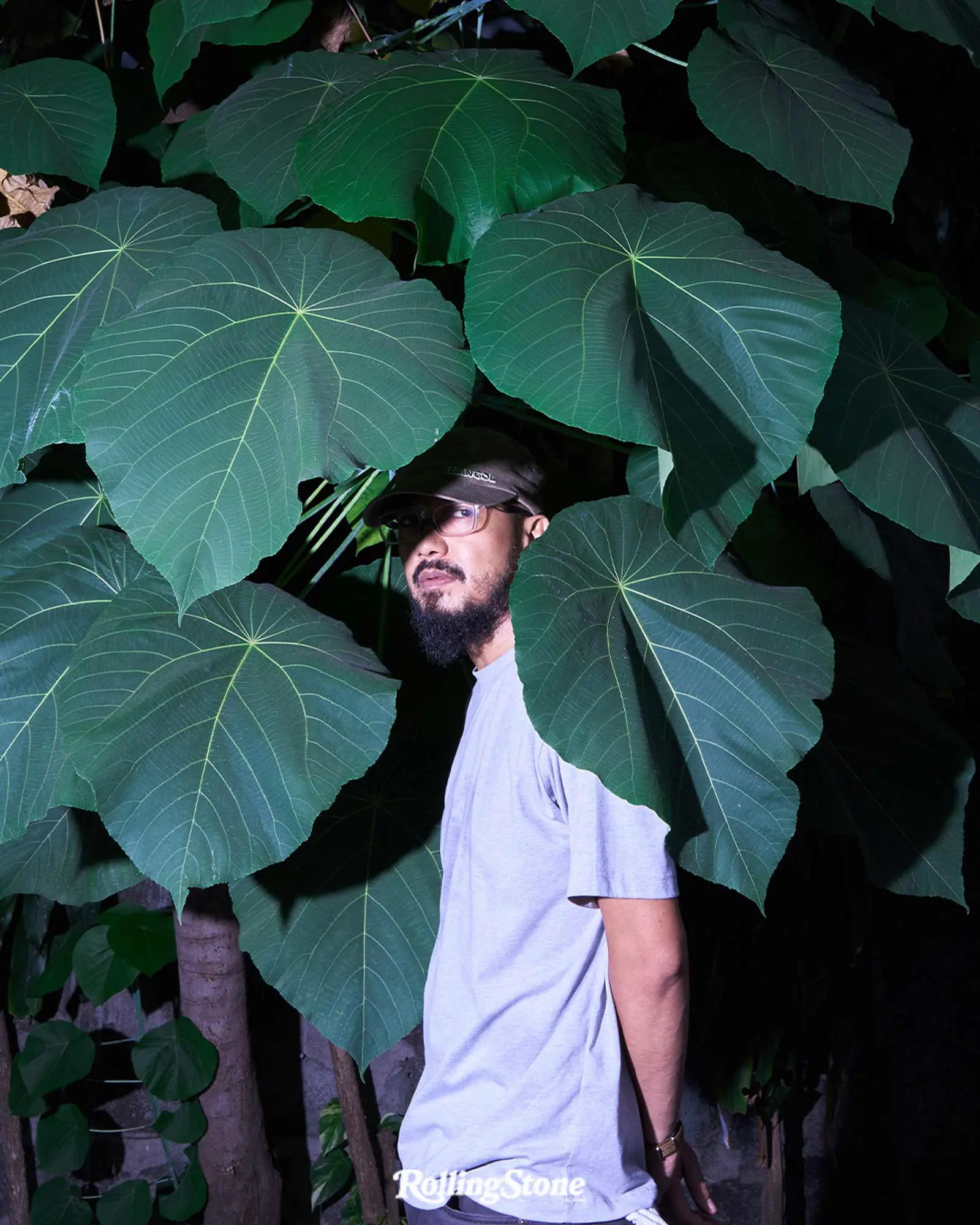
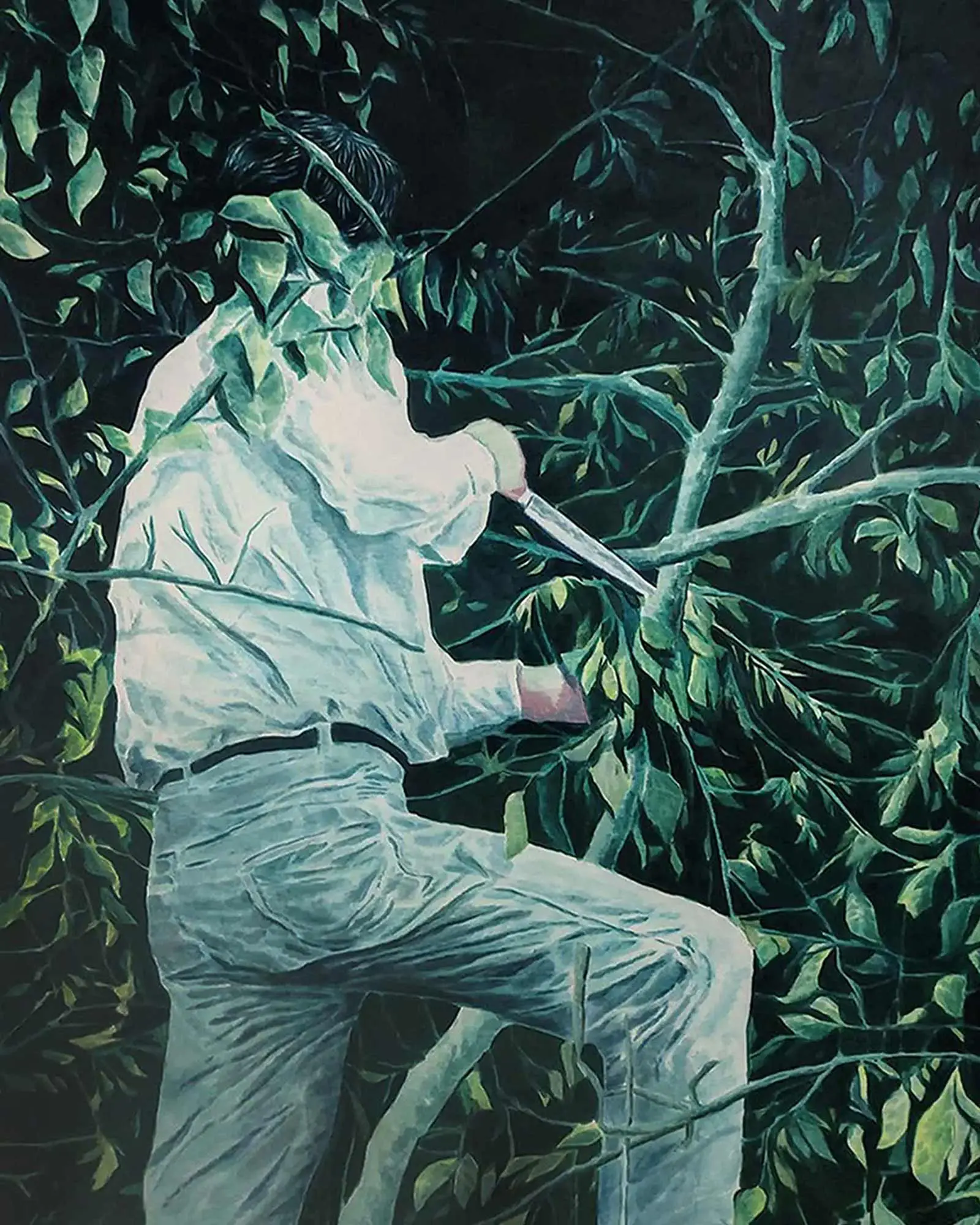
Allan Balisi, an acclaimed artist in Manila’s art scene and a recipient of the Cultural Center of the Philippines’ Thirteen Artists Awards in 2021, has continued to create art that invokes a powerful feeling in all of its viewers.
“Honestly, it was just so memorable meeting him in person,” said Javier, who took Balisi’s photos at the artist’s home and studio in Quezon City. “Something about that shoot just really came together. We referenced his own paintings for some of the images… that [shoot] was one of my all-time favorites.”
Silke Lapina
Photos by Eric Bico
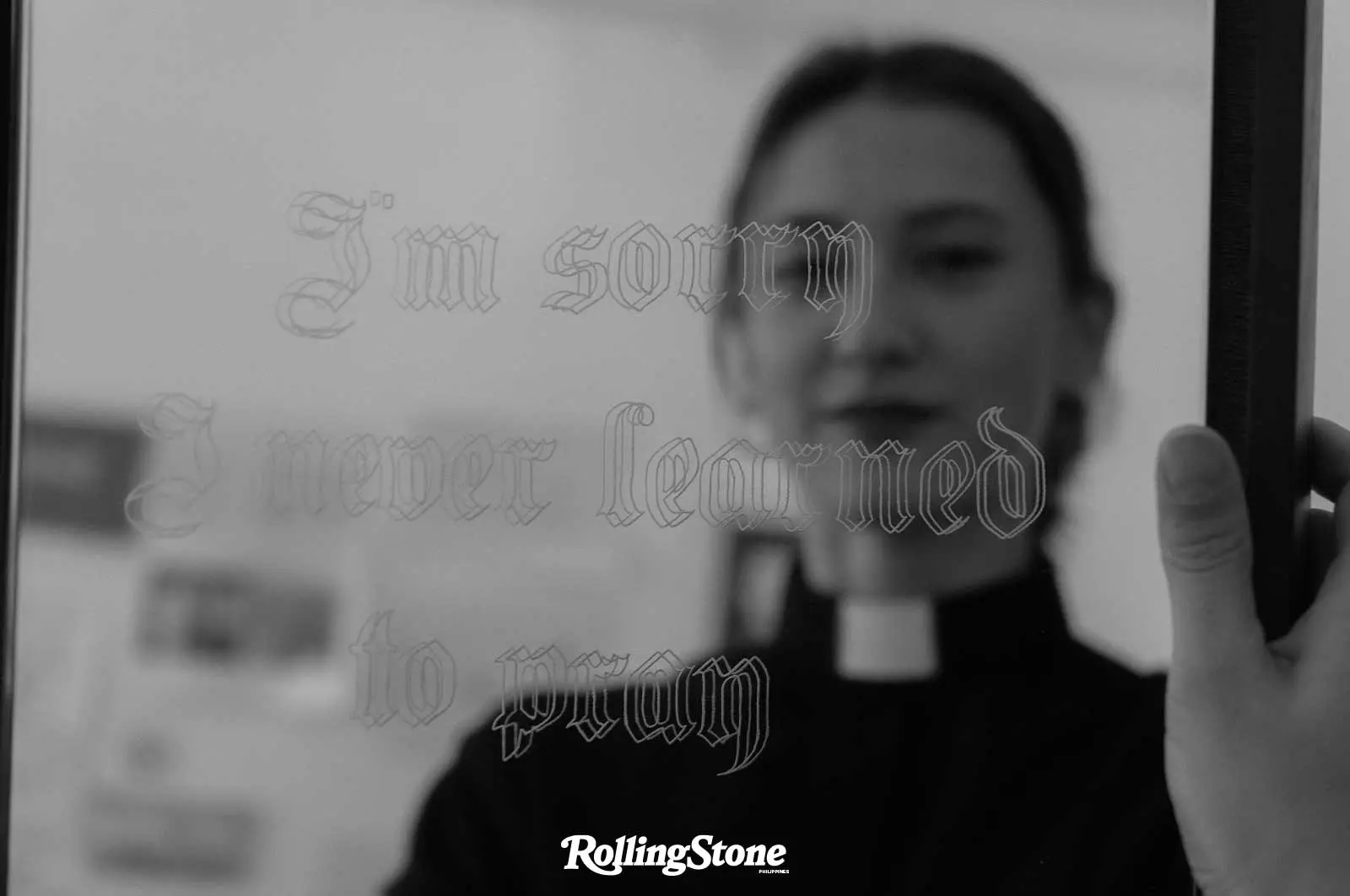
Filipino-German artist Silke Lapina blurred the lines between “the holy and the everyday” this year with her exhibition, “Bakit Pa.” At the Edoweird Gallery in Katipunan, Lapina renewed her baptism in an artificial river while a choir sang Jessa Zaragoza’s ballad of the same name.
“Since the plan was just to wear a black T-shirt,” said photographer Eric Bico, who took photos of Lapina at her exhibition. “It was a blessing nung dinala ni Silke ‘yung priest costume niya. Concept! And after that shoot, naging ka-chika kami and [I] wasn’t expecting na i-su-support niya rin ‘yung art ko.”
Emily Abrera
Photos by Colin Dancel
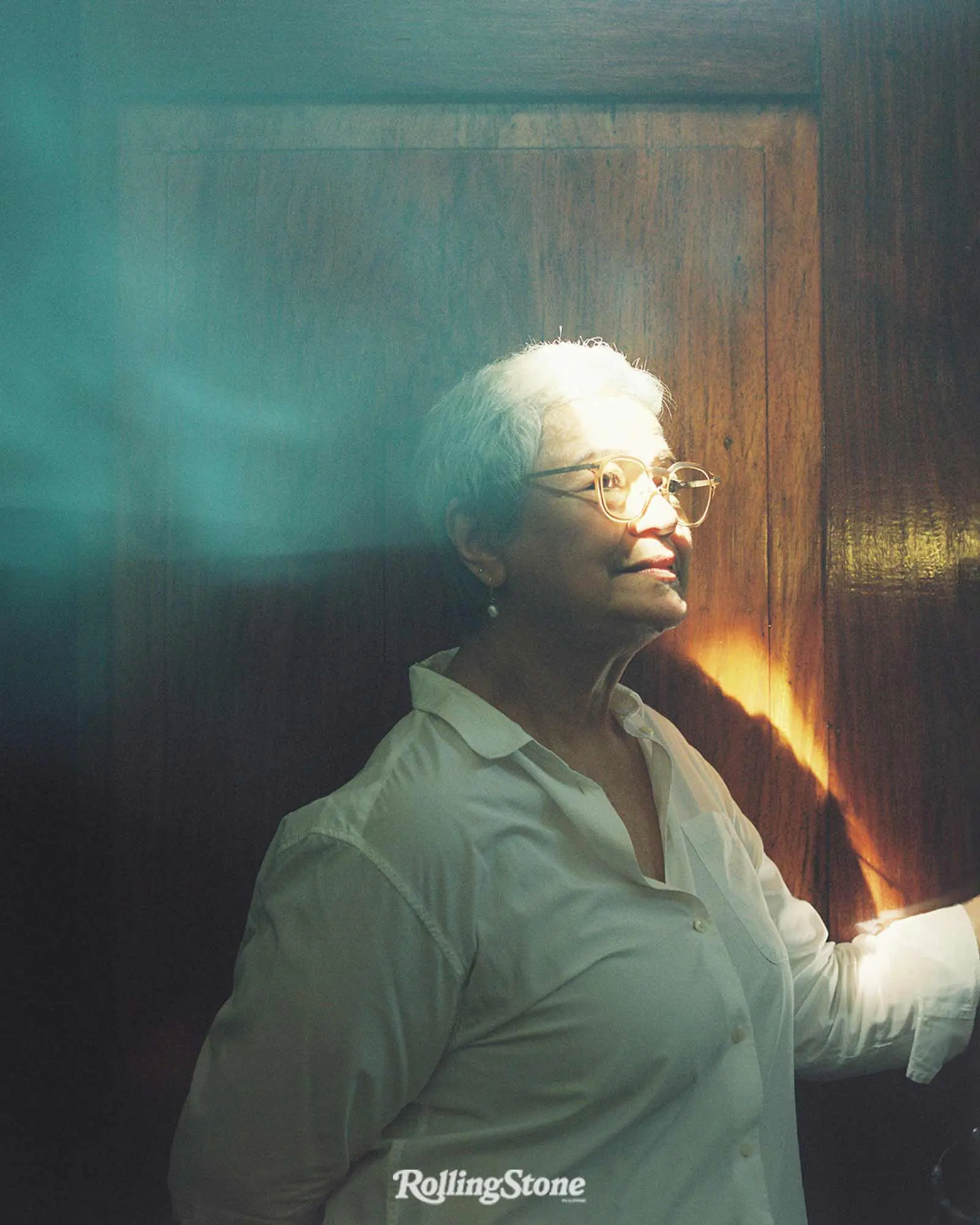
Emily Abrera, a staunch cultural advocate as the former president of McCann-Erickson and later the Cultural Center of the Philippines, spoke with writer Toni Potenciano about her decades-long career and what the country’s arts and culture scene looks like today.
“She has such a force in her,” said photographer Colin Dancel. “It felt as if she was carrying light… The shoot was definitely one of those moments that made me fall in love with what I do, because I wouldn’t have met her if it wasn’t for photography!”
Lav Diaz
Photos by Jake Verzosa
Lav Diaz forms one-third of the avant-garde, Dadaist, “anarchist” band, The Brockas. Joining him in this post-noise, punk jazz, psych-fusion, et al. endeavor are renowned filmmakers Khavn De La Cruz and Roxlee, and all three are committed to “spitting in the face of the zeitgeist.”
The shoot, led by photographer Jake Verzosa, was undeniably electric, with all three band members posing for the camera with their instruments, megaphones, and camcorders. At one point, Roxlee and Khavn erupted into a freestyle rap. And, as the shoot went on, news came out that the Film Academy of the Philippines announced that Diaz’s Magellan had made it to the shortlist of films being considered as an entry for the 2026 Oscars’ Best International Feature Film category. Magellan was eventually selected to be the Philippines’ official submission.
Maris Racal
Photos by Ray Francisco
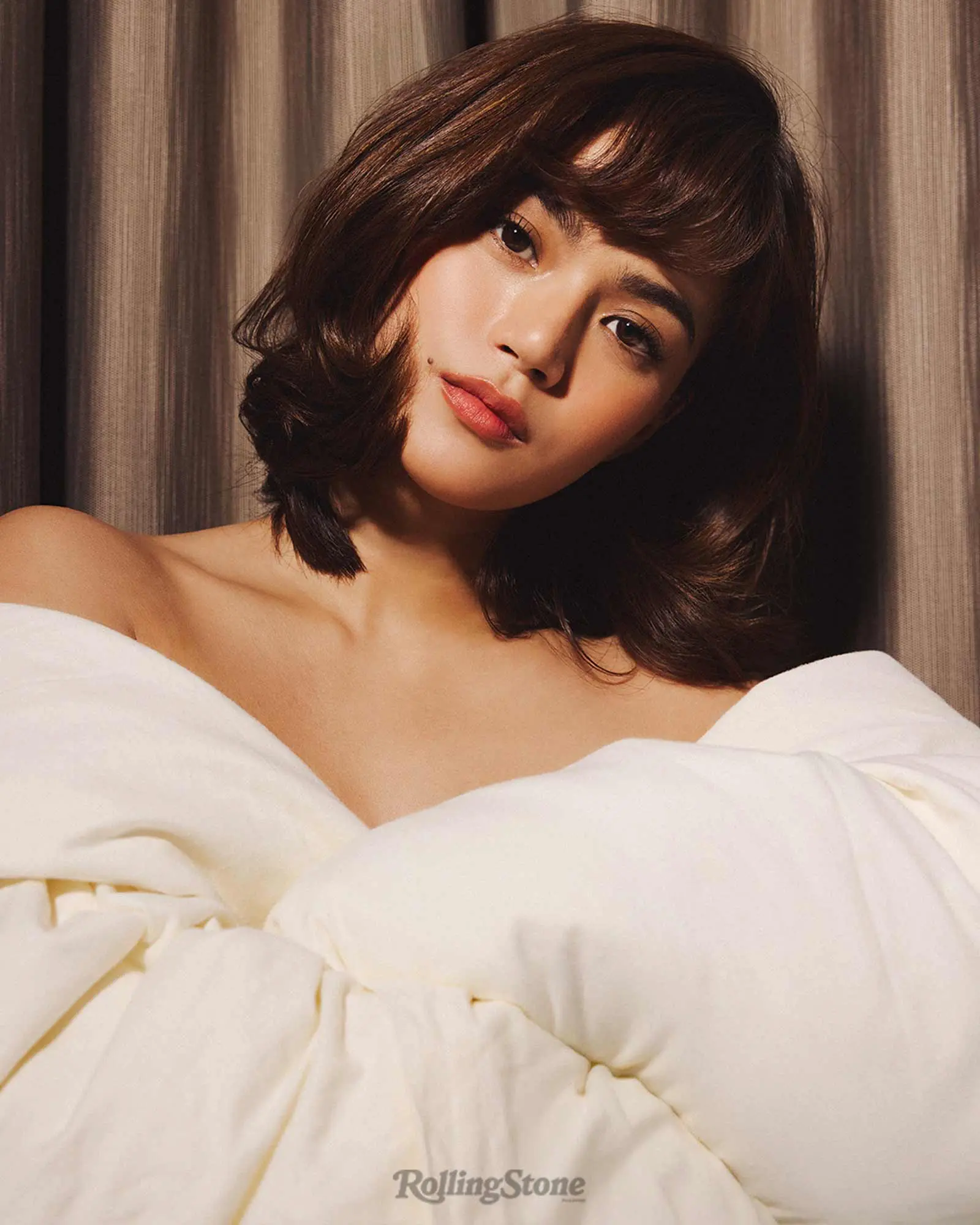

On the morning of their screening of Sunshine in Udine, Italy, Maris Racal and Antoinette Jadaone found themselves recounting the highs and lows of making their film two years earlier.
From the comfort of their hotel room, Racal did her own makeup and Jadaone’s for their premiere night. Photographer Ray Francisco led the entire photoshoot from their room.
“It was my first experience working with the Rolling Stone Philippines team,” said Francisco, “and it was an important milestone in my career. Coming from another country and having the opportunity to work for my city is, for me, a way to set an example for younger people, offering hope and motivation.”
‘Quezon’
Photos by Artu Nepomuceno
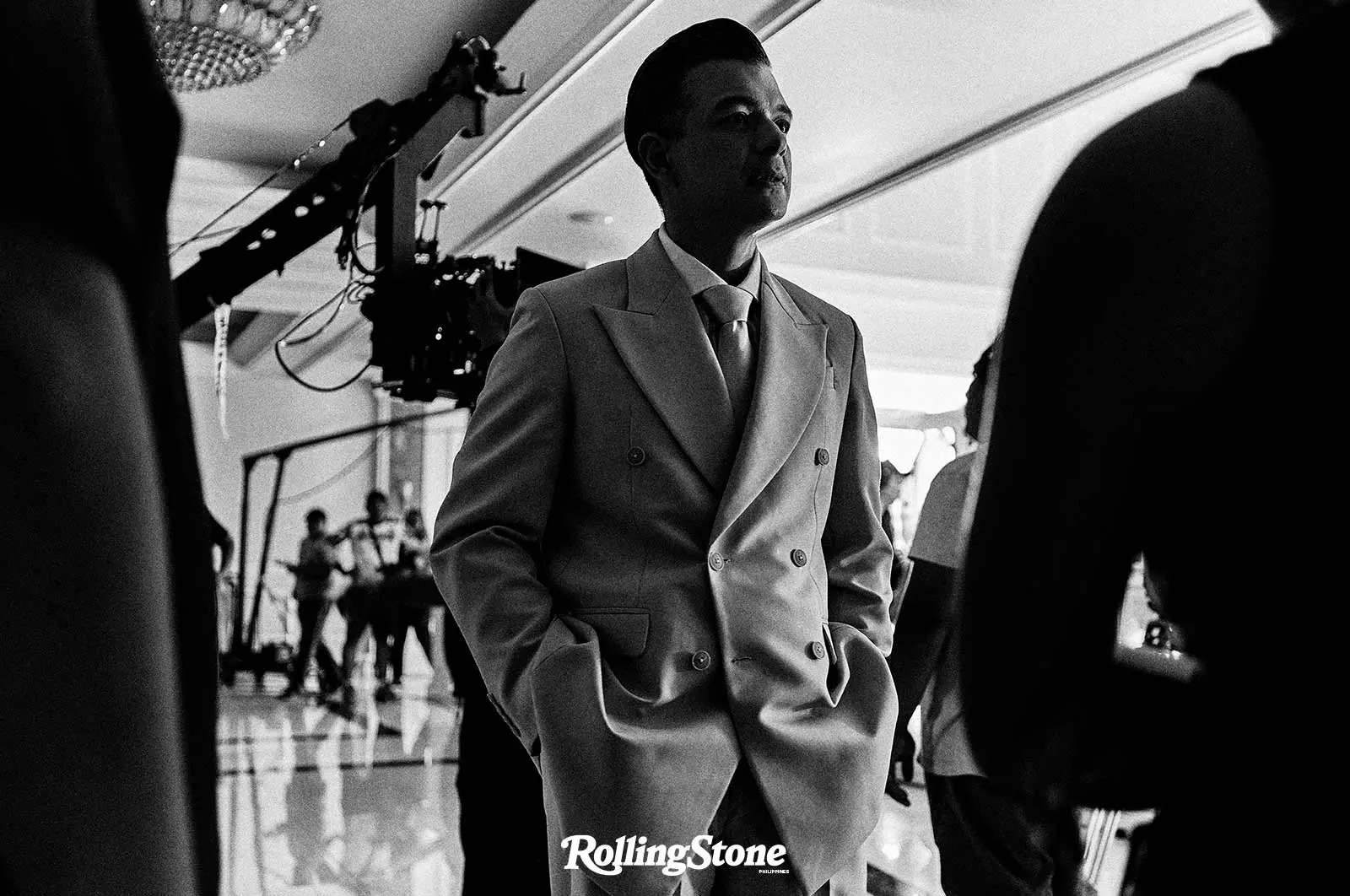
Quezon, the historical biopic starring Jericho Rosales as the titular president, opened in Philippine cinemas earlier this October to applause and a dash of controversy. A run-in between the film’s crew and cast with Quezon’s grandson, Ricky Avanceña, sparked cultural conversations on how filmmakers must toe the line between historical fact-keeping and myth-making.
Photographer Artu Nepomuceno was on set as the crew filmed the scene where Quezon is elected as Senate President.
“I think my favorite part of that shoot was actually the conversations we had in between takes with Echo,” said Nepomuceno, referring to the film’s lead actor. “It was a given that by the level of production placed in this film that every corner of the set would be photogenic, so what became a bonus was learning more about the methods applied on both filming and acting. Some of my favorite photographs are often outtakes and behind-the-scenes images in Hollywood sets; this felt like my own version and experience.”
Trillion Peso March
Photos by Jilson Tiu
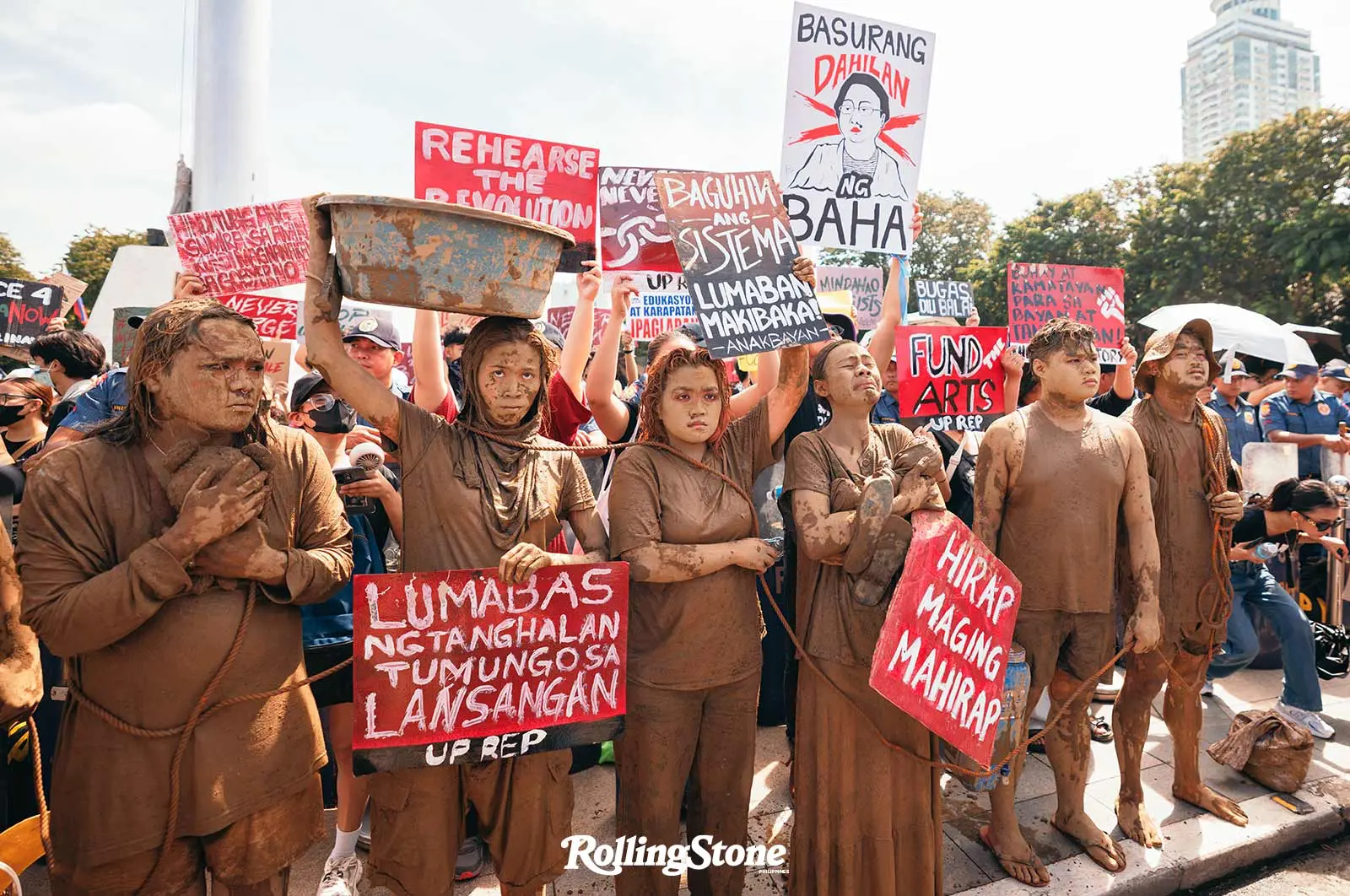
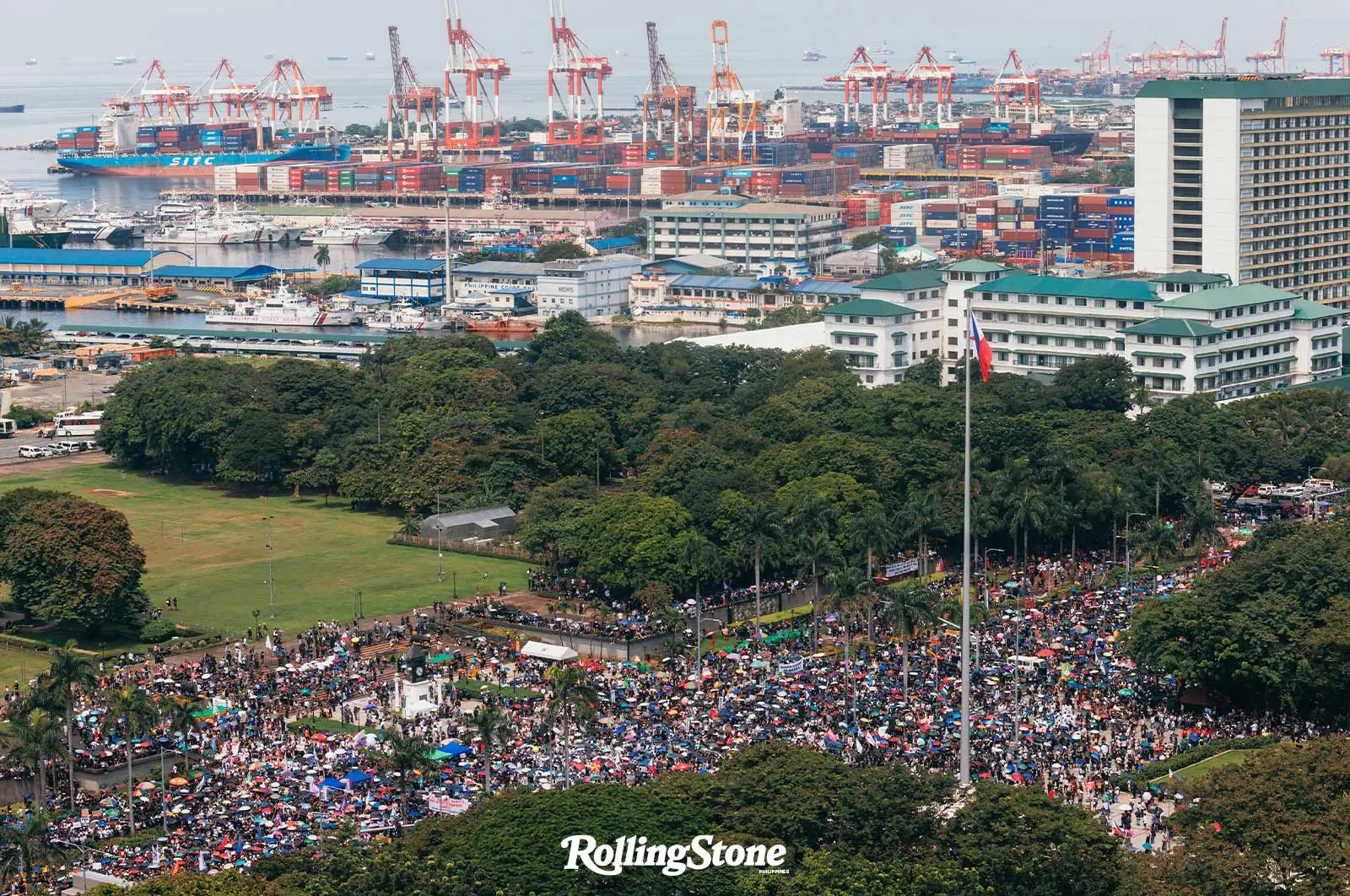
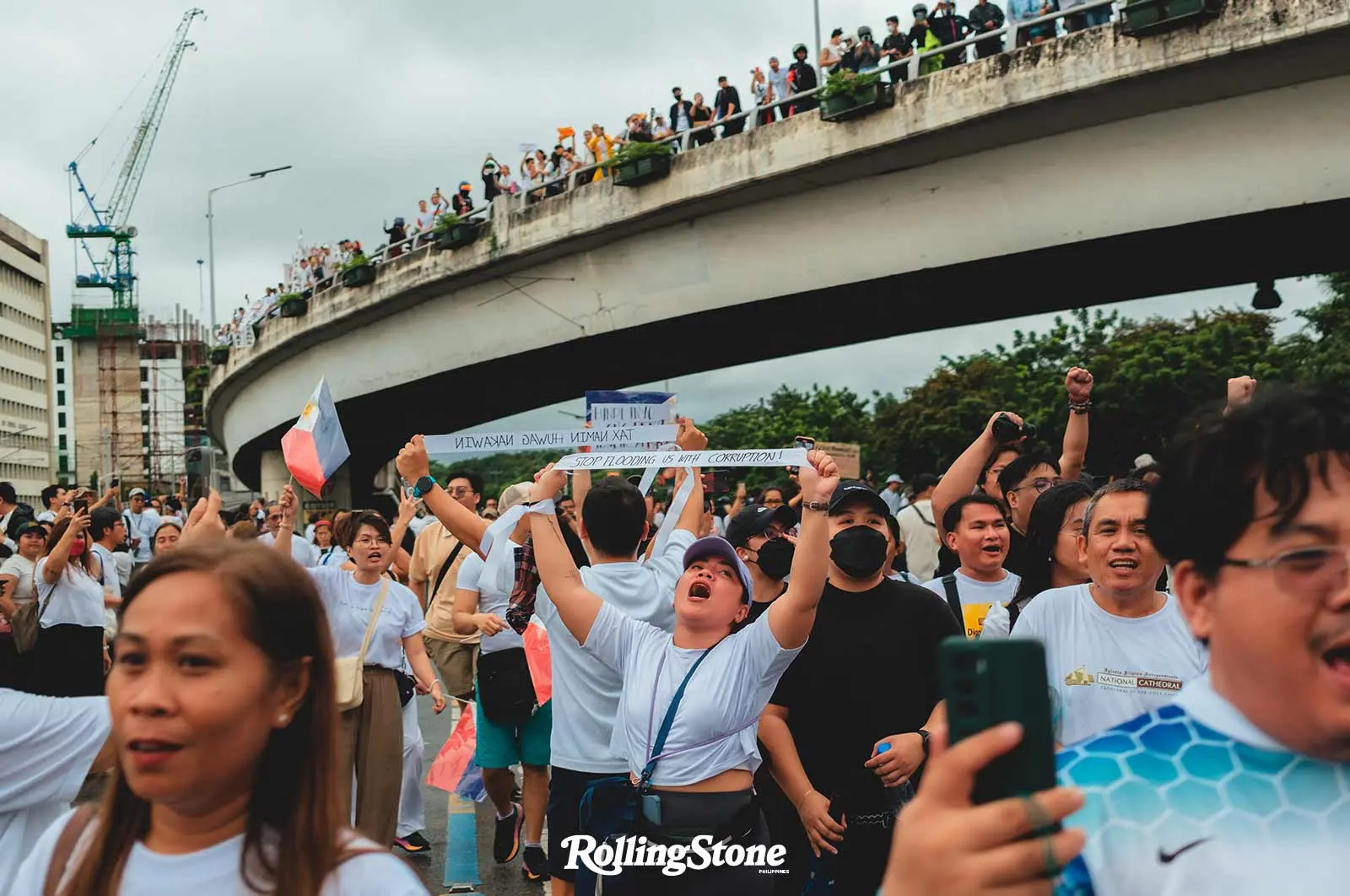
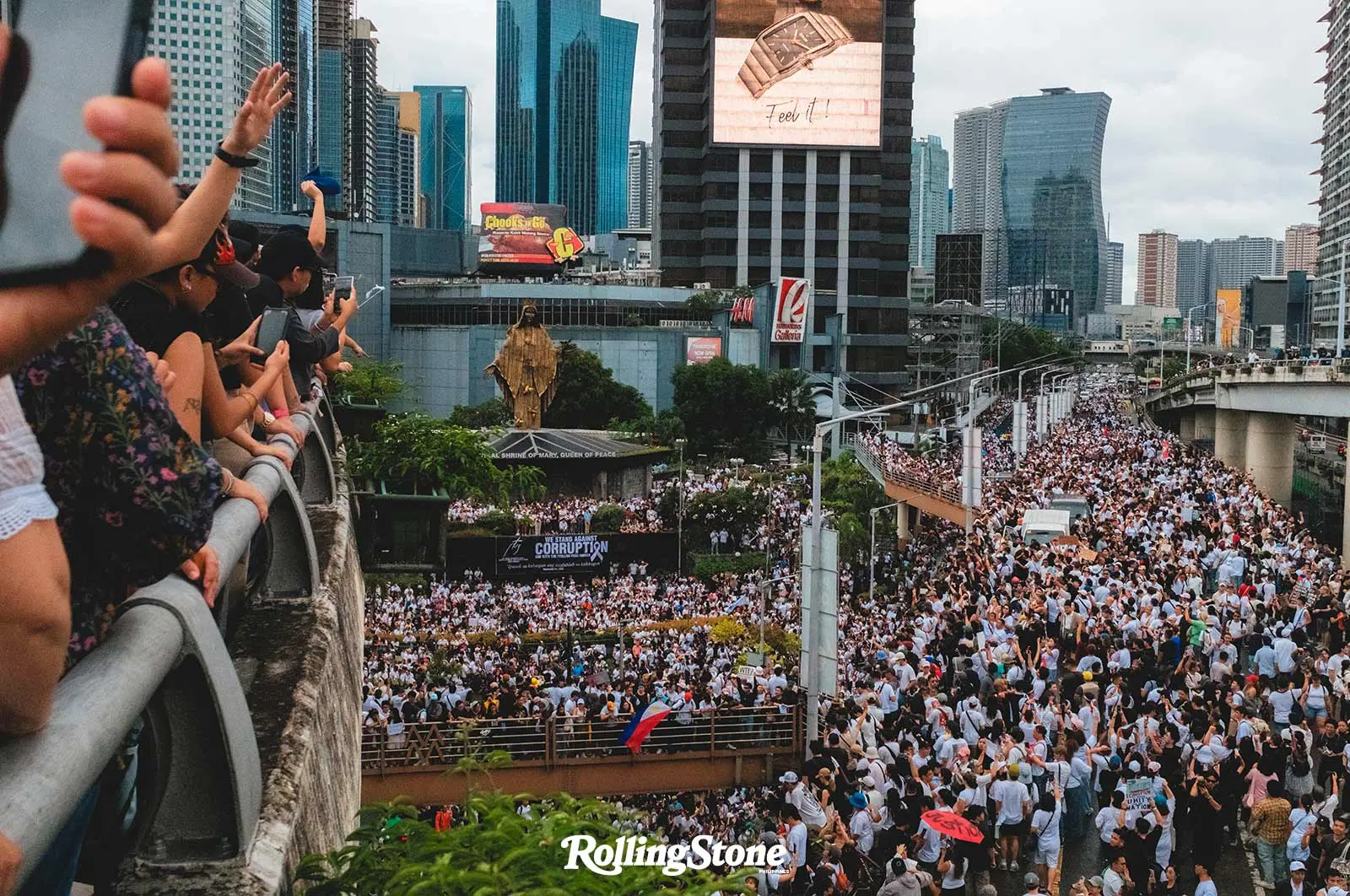
September 21 saw throngs of people across the Philippines take to the streets to voice their rage, frustration, and anger at a government that has long neglected them. Photojournalist Jilson Tiu followed the crowds at Manila’s two major rallies at Luneta and EDSA, documenting what unfolded.
“I just focused on capturing what people [were saying],” said Tiu of his time covering the rallies. “‘Yung protest na ‘to, hindi lang siya tungkol sa flood control infrastructure. Lahat siya ng infrastructure [projects] ng DPWH, from roads to simple bike parking.”